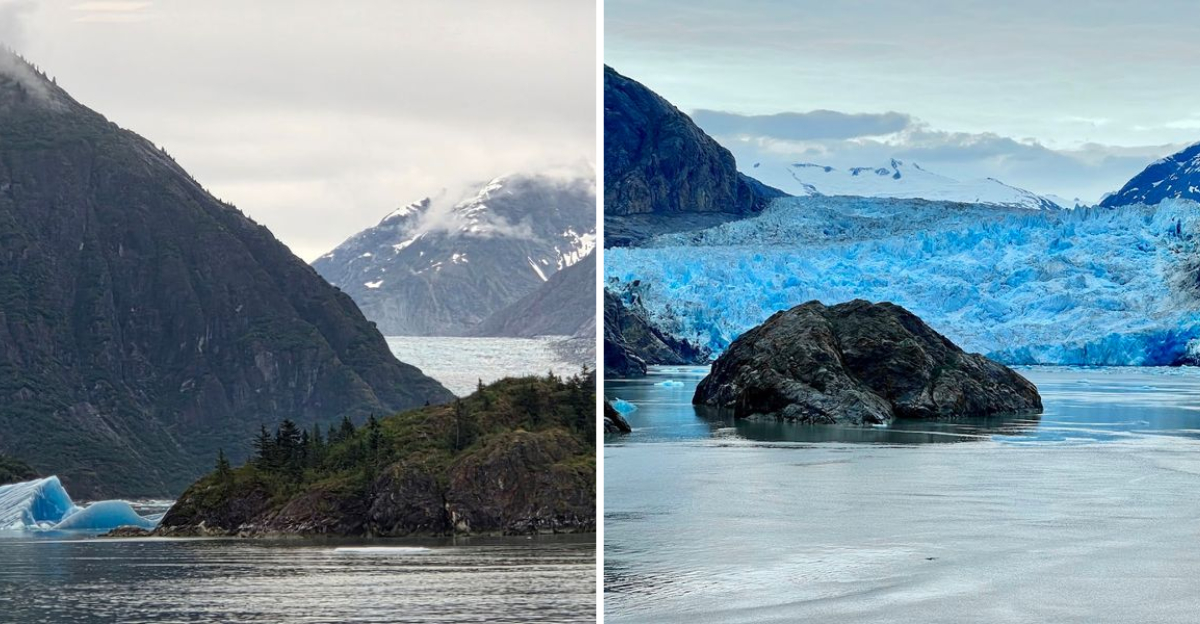
Certain landscapes have a way of making everything else feel quiet in comparison. Alaska just amplifies that effect when water cuts deep through stone and scale stops feeling measurable.
I ended up reading about a narrow fjord where cliffs rise so sharply from the water it feels like the world forgot to smooth anything out. Ice shifts, cracks, and drifts in ways that sound almost unreal until it is right there in front of you. Nothing about it feels gentle or familiar, yet it pulls attention in completely without effort.
It is the kind of place that sticks in your head long after you move on.
The Granite Walls That Make You Feel Genuinely Small
Nothing quite prepares you for that first look at the fjord walls. Photographs do not capture the scale, not even close.
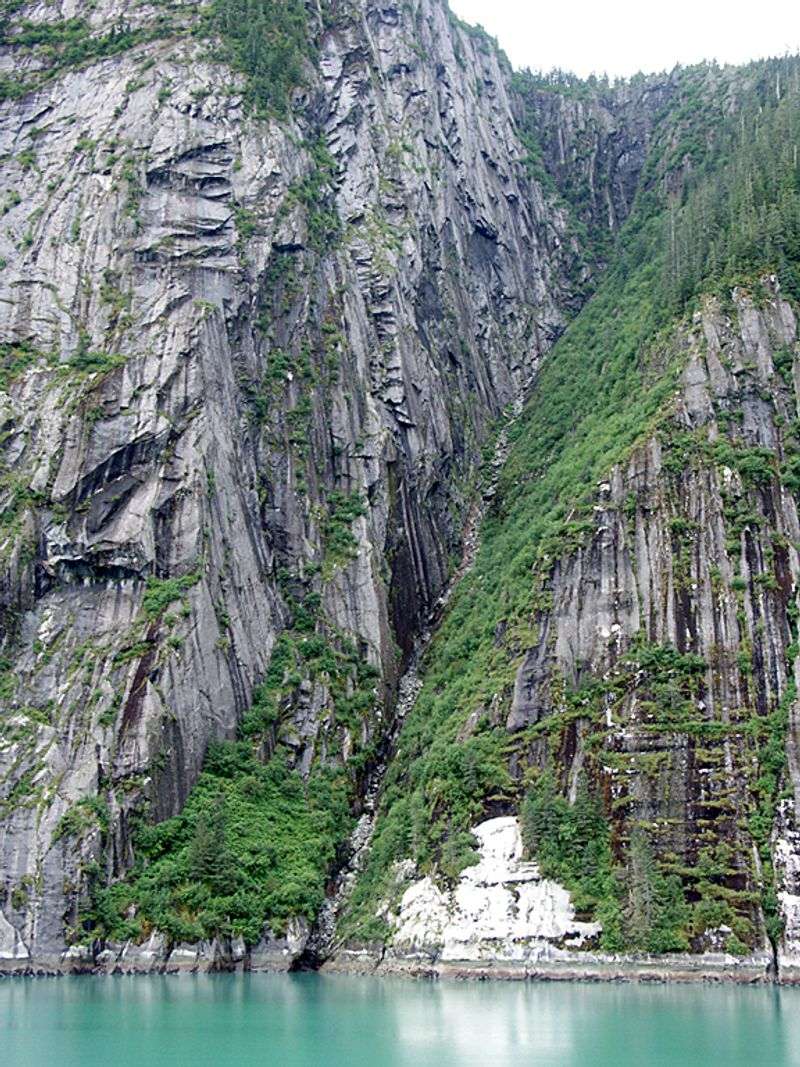
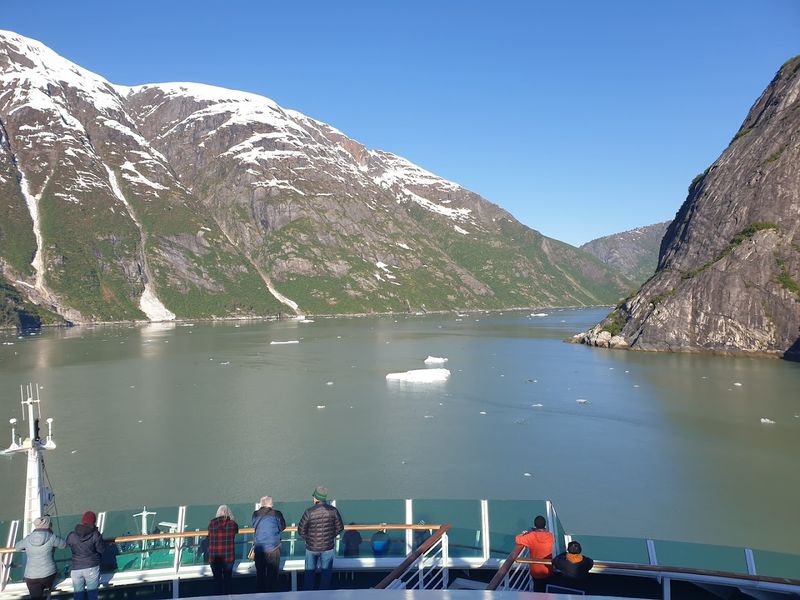
The granite cliffs rise anywhere from 1,500 to 4,000 feet straight out of the water, and when your boat is threading through the narrow channel, the walls feel close enough to touch on both sides.
Glaciers spent thousands of years carving this place into its distinctive U-shape, grinding rock into smooth, towering faces that catch the light in ways that feel almost cinematic. Waterfalls pour down the cliffs in thin silver ribbons, fed by melting snow high above.
Some of them disappear into mist before they even reach the water.
What hits hardest is the silence between the sounds. The drip of water, the distant crack of shifting ice, the call of a seabird echoing off the rock.
It is the kind of quiet that makes city noise feel like a distant memory. Tongass National Forest surrounds the entire wilderness area, and the sheer scale of untouched nature here is something that genuinely resets your perspective on the world.
North and South Sawyer Glaciers Up Close
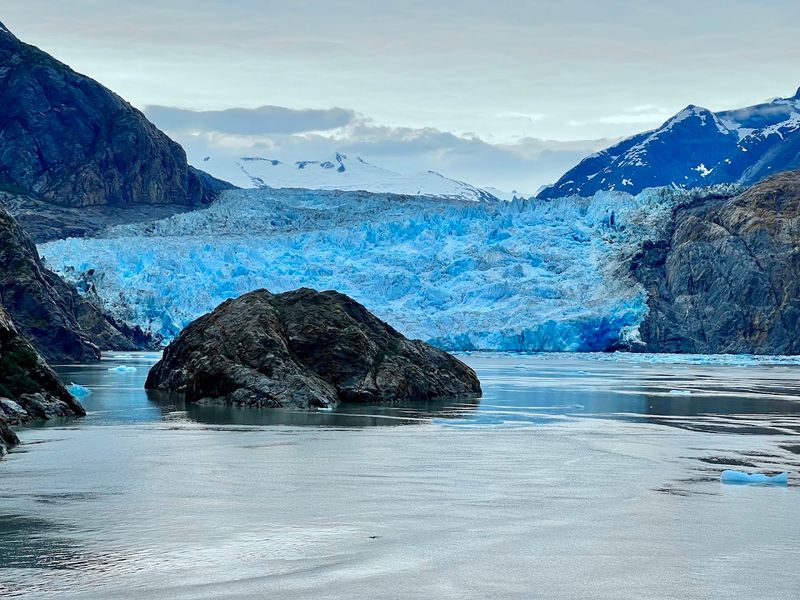
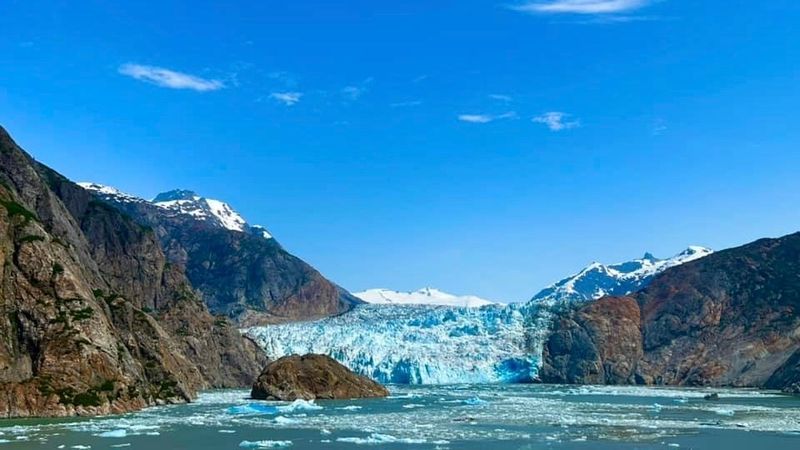
At the very end of Tracy Arm, the fjord splits and delivers you to the twin tidewater glaciers: North Sawyer and South Sawyer. Getting close to either one is an experience that belongs in a completely different category from anything most people do in their lifetimes.
The ice face of South Sawyer alone is massive, a towering blue and white wall that groans and pops as it shifts.
Calving happens regularly here. Chunks of ice the size of small buildings break off with a sound like a cannon shot and plunge into the water, sending waves rolling outward in every direction.
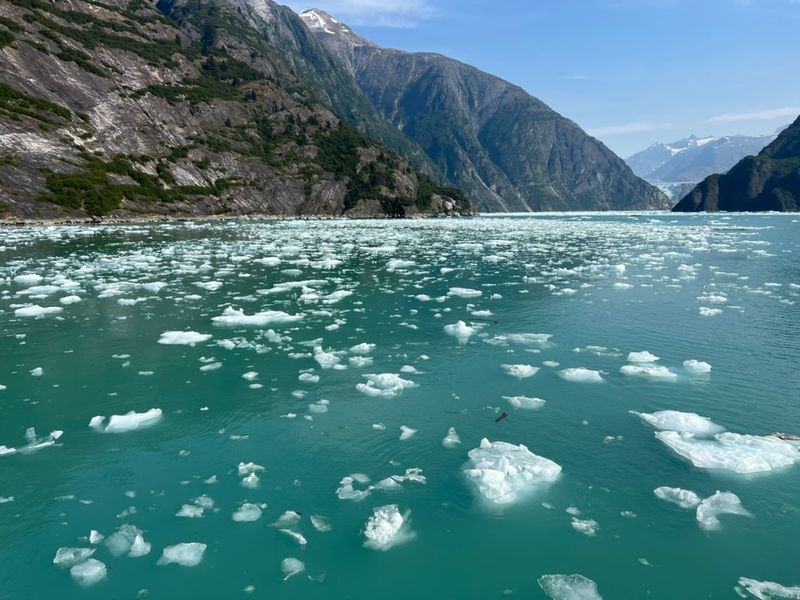
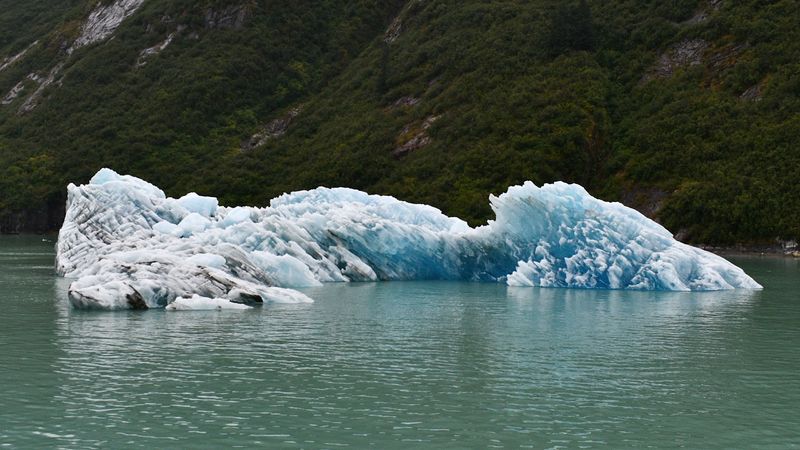
The floating ice that results ranges from fist-sized chunks to structures as large as a three-story building, and some of it glows an otherworldly shade of deep blue.
Smaller tour boats have a real advantage here because they can navigate through the floating ice and get much closer than larger cruise ships. If you are visiting from Juneau, choosing a smaller vessel makes a genuine difference in how much of the glacier experience you actually get.
The glaciers have been retreating over the years, which makes visiting sooner rather than later feel especially meaningful.
Wildlife That Shows Up Like It Owns the Place
Harbor seals have absolutely no interest in being impressed by your presence. They drape themselves across icebergs like they are sunbathing at a resort, blinking slowly at passing boats before going right back to napping.
It is one of the funniest and most charming wildlife moments you will find anywhere in Alaska.
Above the water, bald eagles circle the cliff faces and perch on rocky ledges. Arctic terns and pigeon guillemots dart across the surface, and if you keep your eyes on the water long enough, humpback whales and orcas make appearances that will have everyone on deck scrambling for their cameras at once.
Black bears and mountain goats have been spotted near the glacier base and along the rocky slopes too.
The water itself is incredibly productive. The cold, nutrient-rich conditions support deepwater corals at shallower depths than is typical anywhere else, which is part of why this area carries a designation as a Habitat Area of Particular Concern.
Every layer of the ecosystem here feels alive and interconnected. It is not like watching animals in a zoo; this is their territory, and you are simply a quiet visitor passing through it.
Navigating the Ice-Filled Waters by Boat
The boat ride into Tracy Arm is not just transportation; it is a major part of the whole experience. From Juneau, the journey takes you through open water before the fjord narrows and the walls close in around you.
That transition feels like entering a completely different world, one where the rules of ordinary life no longer apply.
Floating ice starts appearing well before you reach the glaciers. The boat slows down, the captain navigates carefully between chunks of ice, and everyone on deck gets very quiet.
Some of the ice is clear, some is white and opaque, and some glows that electric shade of blue that you only really believe when you see it in person.
One of the most striking visual moments happens when glacier meltwater meets the saltwater of the fjord. The two do not mix immediately, so you can sometimes see a visible line on the surface where the colors shift.
Smaller tour boats departing from Juneau are generally the best way to see the fjord properly, since they can maneuver through heavier ice conditions and reach spots that larger vessels simply cannot access. The whole journey is worth every cold minute spent on deck.
The Tracy Arm-Fords Terror Wilderness Area
Tracy Arm sits at the heart of the Tracy Arm-Fords Terror Wilderness, a federally designated wilderness area that was established in 1990. The entire area is part of the Tongass National Forest, the largest national forest in the United States, and the scale of the protected land here is staggering.
Roughly one-fifth of the wilderness is covered in permanent ice.
Fords Terror, the other arm of the wilderness, takes its name from a sailor named Ford who reportedly rowed into the narrow tidal gorge during slack tide in the late 1800s and found himself trapped when the current surged. The name stuck, and the place still carries that sense of raw, unpredictable power.
The two arms together create a wilderness experience that feels genuinely remote and untamed.
No roads lead here. Access is by boat or floatplane only, and that inaccessibility is a big part of what keeps the place feeling so pristine.
The absence of development means the wildlife thrives, the water stays clean, and the silence is real. For anyone who has ever wanted to visit a place that still feels like it belongs entirely to nature, this wilderness area delivers that feeling completely and without compromise.
What John Muir Actually Saw Here and Why It Mattered
John Muir visited Southeast Alaska multiple times in the late 1800s, paddling and hiking through landscapes that most people of his era had never seen and could barely imagine. When he described Tracy Arm as a wild, unfinished Yosemite, he was drawing a comparison to the place he loved most in the world.
That is not a casual compliment from a man who chose his words with great care.
Muir was captivated by the glaciers above all else. He believed glaciers were the great sculptors of the natural world, and Tracy Arm gave him living proof of that idea.
The same forces that shaped Yosemite Valley were still actively at work here, carving and grinding and reshaping the landscape in real time. That dynamic quality, the sense of a landscape still in the process of becoming, clearly moved him deeply.
His writings about Alaska helped build the case for wilderness preservation at a national level, and the places he described are better protected today because of that advocacy. Visiting Tracy Arm now carries a small echo of that history.
You are standing in a landscape that inspired one of the most important conservation voices in American history, and the scenery has not lost a single bit of its power since he first saw it.
Planning Your Visit and What to Expect
Most people access Tracy Arm Fjord through Juneau, either as part of a cruise itinerary or by booking a dedicated day tour from the city. Juneau itself is a fascinating base, surrounded by mountains and accessible only by air or water.
From there, the fjord is roughly 45 to 50 miles south, and the boat journey takes a few hours each way depending on conditions.
Layering is non-negotiable. Even in summer, the air near the glaciers drops noticeably, and spending hours on an open deck without proper gear turns a magical experience into a miserable one fast.
Waterproof outer layers, warm mid-layers, and good gloves are the basics. Binoculars are worth bringing too, especially for wildlife spotting along the cliff faces and on the icebergs.
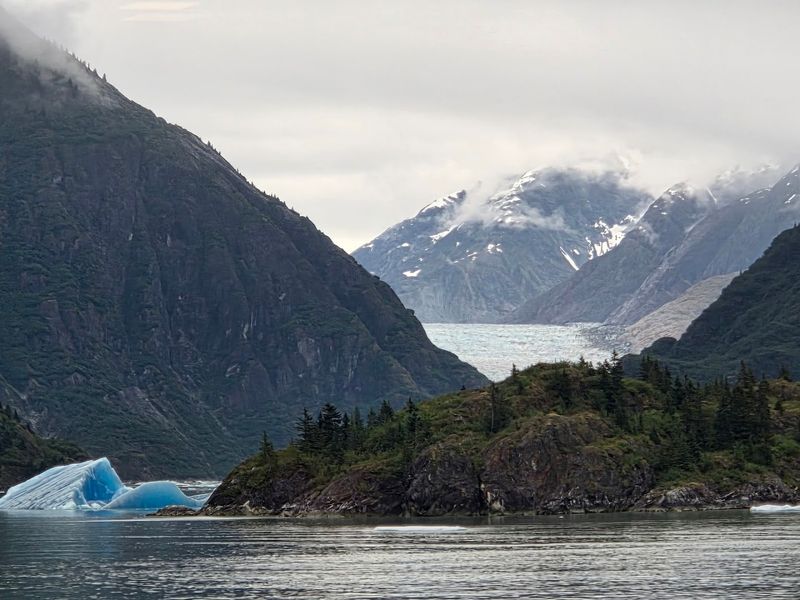
Weather in Southeast Alaska is famously unpredictable, but overcast days have their own moody beauty in the fjord. Low clouds and fog cling to the granite walls in ways that feel almost otherworldly.
The glaciers have been retreating steadily over recent decades, so visiting while the tidewater glaciers are still active calving fronts is something worth prioritizing sooner rather than later. Tracy Arm is genuinely one of those rare places that exceeds every expectation.
