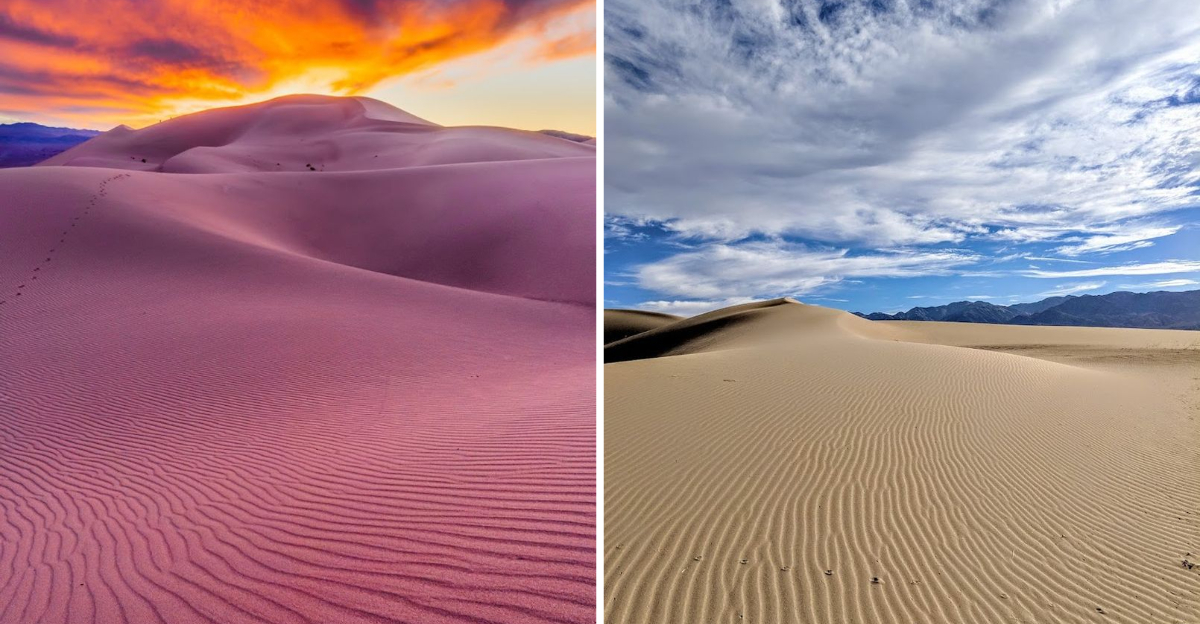
California has a way of making even the impossible feel real. Far out in the southeastern desert, I found myself driving across a landscape so quiet it almost seemed frozen in time.
Golden ridges stretched across the valley, shifting with every gust of wind, while mountains framed the horizon in every direction. I remember stopping the car just after sunrise and realizing I could not hear another soul for miles. Nearby, the land drops to the lowest elevation in North America, adding another layer of disbelief to scenery that already feels borrowed from another planet.
Every step across the sand made the world seem smaller, simpler, and wonderfully empty.
The Remote Drive That Sets the Mood
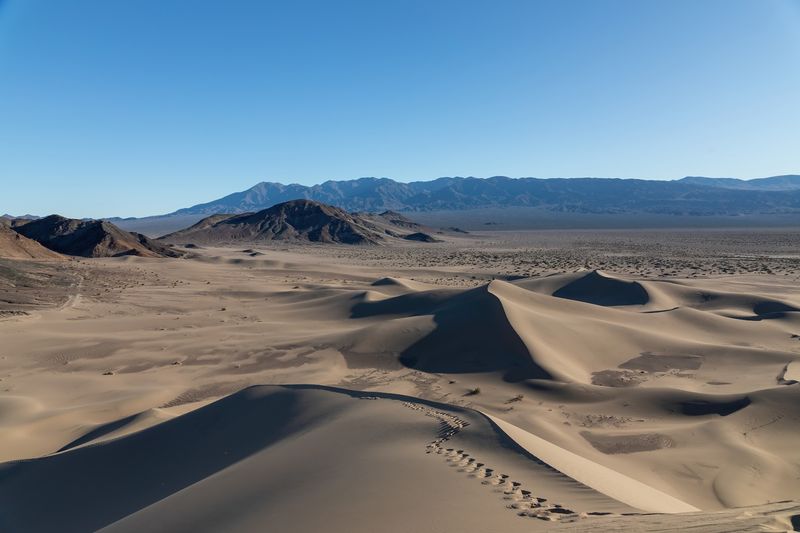
Getting to the Ibex Dune Field is not a casual Sunday drive, and honestly, that is part of what makes it so memorable. The route in from the south runs along Saratoga Springs Road, an unpaved stretch of rough, rocky desert track that feels like it was designed to test your patience before rewarding your curiosity.
Most visitors access the area from the south via Harry Wade Road, which is manageable with a two-wheel-drive vehicle if you take it slowly and carefully. Coming from the north through Ibex Springs requires four-wheel drive, so plan your route before you head out.
The drive itself is an experience. Dust kicks up behind you, the terrain rolls in muted tones of tan and rust, and the dunes slowly grow larger on the horizon with every mile.
There are no gas stations, no convenience stores, and no cell service out here. You bring everything you need or you go without.
That kind of self-reliance sharpens your attention in a way that paved roads simply do not. By the time you park the car and step out into the desert air, you are already somewhere different.
Arriving at the Trailhead and What Greets You
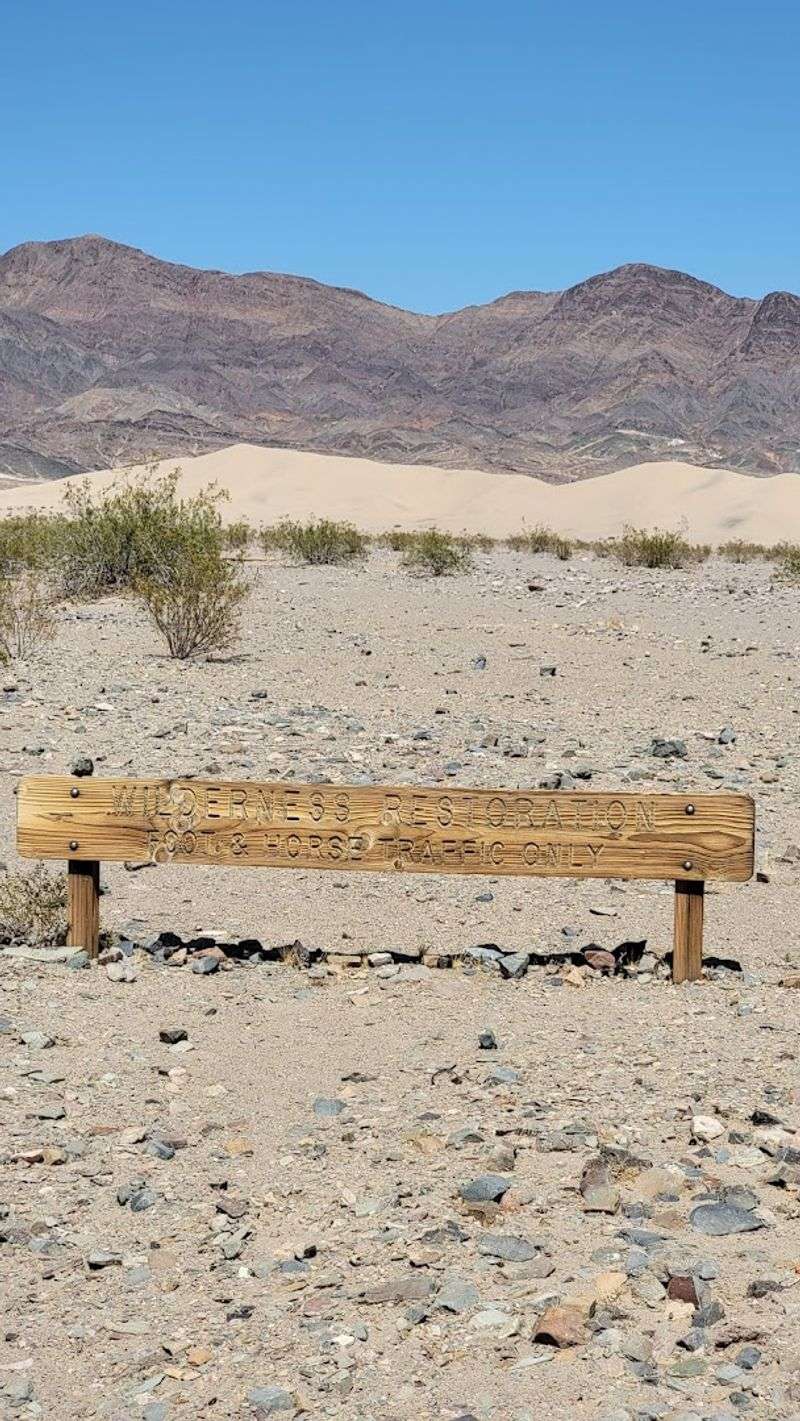
The parking area is easy to miss if you are not watching for it. A small sign marks the spot, and the coordinates help since there are no grand entrance gates or visitor kiosks waiting for you here.
This is as no-frills as a trailhead gets, and that simplicity feels completely right for a place this wild.
From the moment you step out of your vehicle, the scale of the surroundings hits you. The dunes are visible in the distance, and the flat desert floor stretches between you and them like a quiet invitation.
The walk from the road to the base of the dunes covers roughly one to one and a half miles, depending on where you park.
What surprises most first-time visitors is the terrain underfoot. The ground is not just sand.
Scattered across the path are countless strange and angular rocks, their shapes almost sculptural, worn by wind and time into forms that feel deliberate. One reviewer described them as bizarre and unexpected.
That word fits perfectly. The rocks alone make the approach worth it before you ever reach the dunes themselves.
The Dunes Themselves Are Something Else
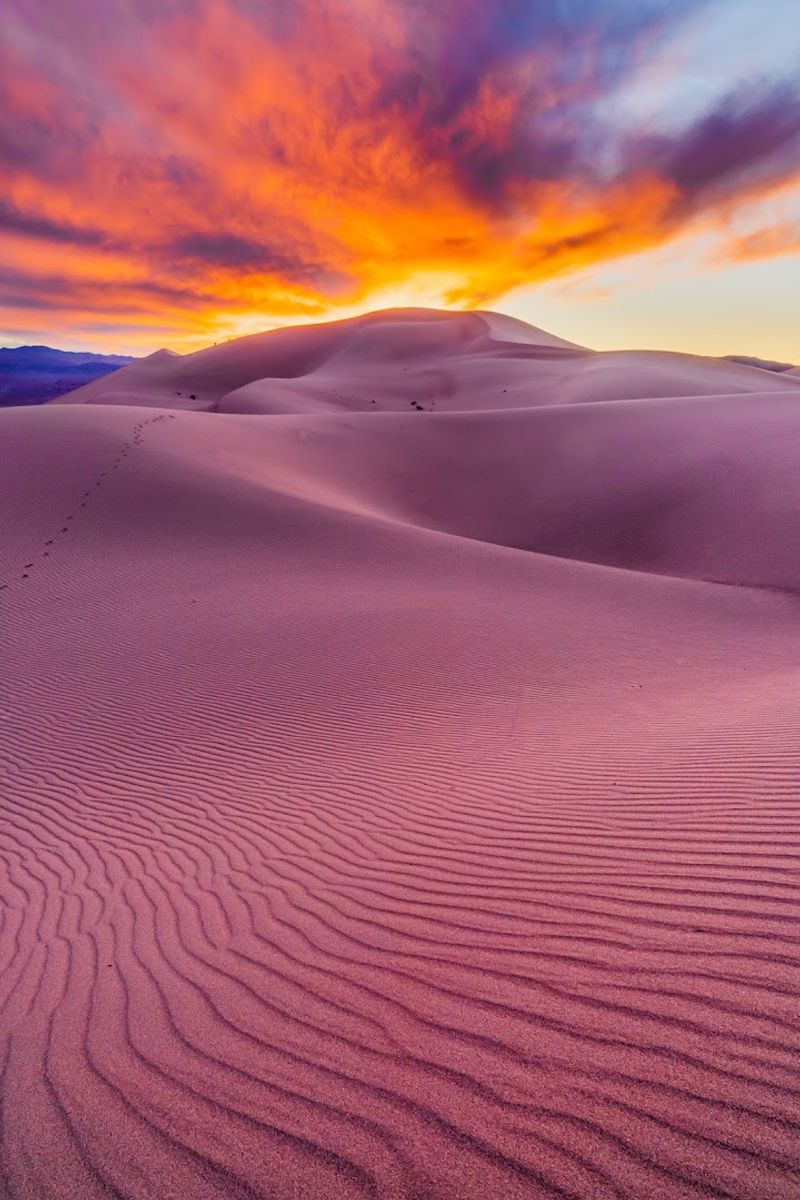
Smaller in total area than the famous Mesquite Flat Sand Dunes near Stovepipe Wells, the Ibex Dunes more than make up for that with sheer height. These dunes are tall, steep-sided, and shaped by winds that have been sculpting this corner of the desert for thousands of years.
The ridgelines are sharp and clean.
Sunrise is the best time to be here. The low angle of early morning light carves dramatic shadows across the rippled faces of the dunes, turning ordinary sand into something that looks almost painted.
I can only imagine standing at the base of one of those ridges as the first orange glow catches the crest above.
Because the Ibex Dune Field sees far fewer visitors than other dune areas in Death Valley, the sand stays remarkably pristine. There are no footprints layered over footprints, no trampled ridgelines.
The surface looks untouched, which adds to that otherworldly quality that makes this park feel so much like the images beamed back from Mars rovers exploring the red planet’s own dune fields.
Why This Place Looks Like Another Planet
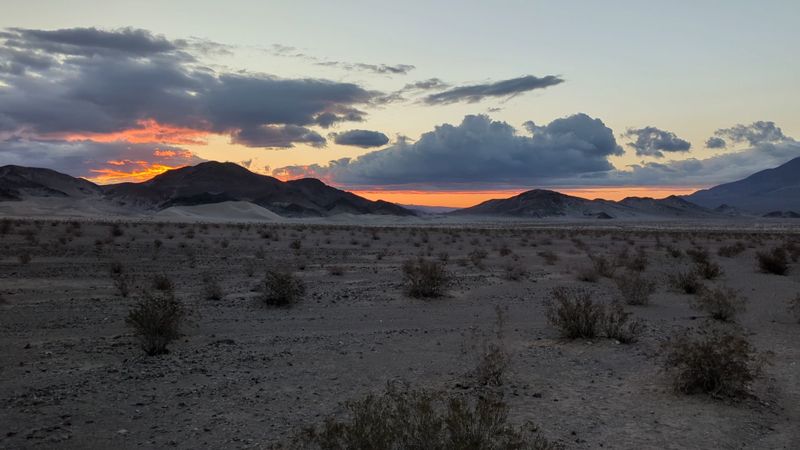
Death Valley as a whole has long fascinated scientists and space agencies for one very specific reason: it looks like Mars. The park has served as a testing ground for NASA equipment for decades, including navigation systems developed for the Perseverance rover.
The stark, mineral-rich terrain mimics conditions on the red planet in ways that few other places on Earth can match.
Near Badwater Basin, which sits at 282 feet below sea level, hexagonal salt formations push up through the crust in patterns eerily similar to polygon terrain photographed on Mars. Mars Hill, a basalt mound along Badwater Road, has topography that mirrors what the Viking landers recorded decades ago.
The visual comparison is not just poetic. It is scientifically grounded.
The Ibex Dune Field adds its own layer to this story. Isolated, windswept, and surrounded by geological formations that seem to belong to no particular era of Earth history, the dunes feel genuinely alien.
The silence amplifies it. Out here, with no crowds and no noise, the imagination runs freely toward the idea that you have somehow wandered off the map of the familiar world entirely.
The Talc Mine Ruins Hidden Behind the Dunes
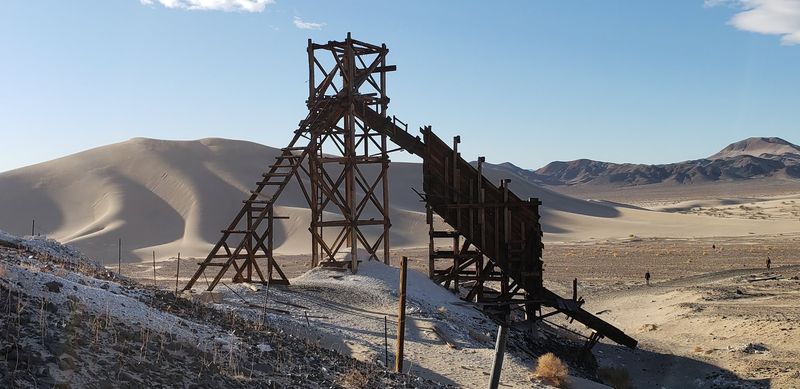
One of the best-kept secrets at the Ibex Dune Field is what waits on the other side of the dunes. Hike through and between the dunes rather than simply stopping at the base, and you will find the remnants of an old talc mining operation tucked into the landscape behind them.
It is genuinely impressive.
The ruins include weathered structures and mining relics that have been slowly absorbed back into the desert. Time and heat have done their work, but enough remains to paint a vivid picture of what life and labor looked like in this remote corner of the Mojave.
It takes a bit of effort to reach, but the payoff is real.
Talc mining was once a significant industry in this part of California. The mineral, used in everything from ceramics to cosmetics, was extracted from deposits in the hills surrounding Death Valley for much of the twentieth century.
Finding these ruins on the far side of a pristine dune field feels like stumbling onto a forgotten chapter of the American West. It adds historical texture to what is already a visually stunning destination.
How to Prepare for a Visit Out Here
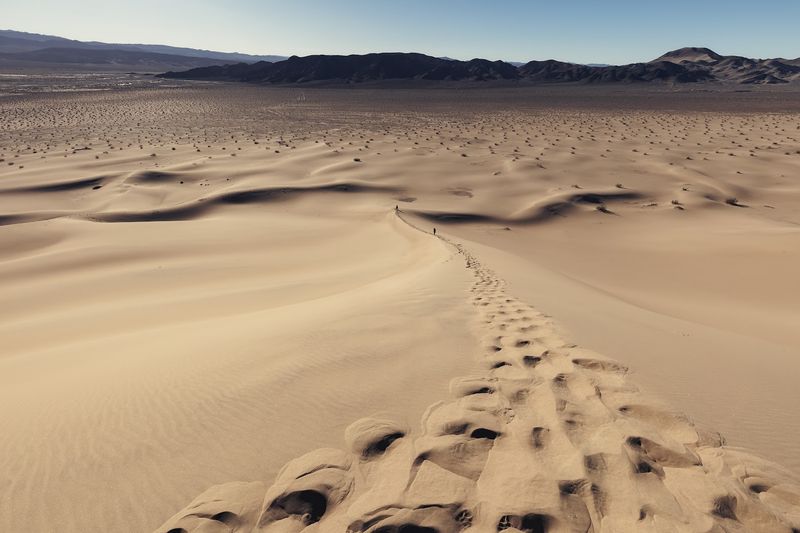
Death Valley is not a place that forgives poor preparation, and the Ibex Dune Field sits in one of its most isolated corners. Water is the first priority.
Bring far more than you think you will need, because the dry desert air pulls moisture from your body faster than you expect, especially during warmer months.
The best times to visit are between October and April, when temperatures are manageable and the light is spectacular. Summer heat in Death Valley can reach dangerous extremes, and the lack of shade near the dunes makes exposure a genuine risk.
An early morning start is smart in any season.
Your vehicle matters too. While the southern approach via Saratoga Springs Road has been completed by AWD vehicles and even careful FWD drivers, the road is rough and rocky.
Check conditions before you go and make sure your tires are in good shape. Carry a physical map or downloaded offline maps since cell service is nonexistent.
Let someone know your plans before heading out. The remoteness is part of the appeal, but it also means self-sufficiency is not optional.
It is simply what responsible desert travel looks like.
What Makes the Ibex Dune Field Worth the Extra Effort
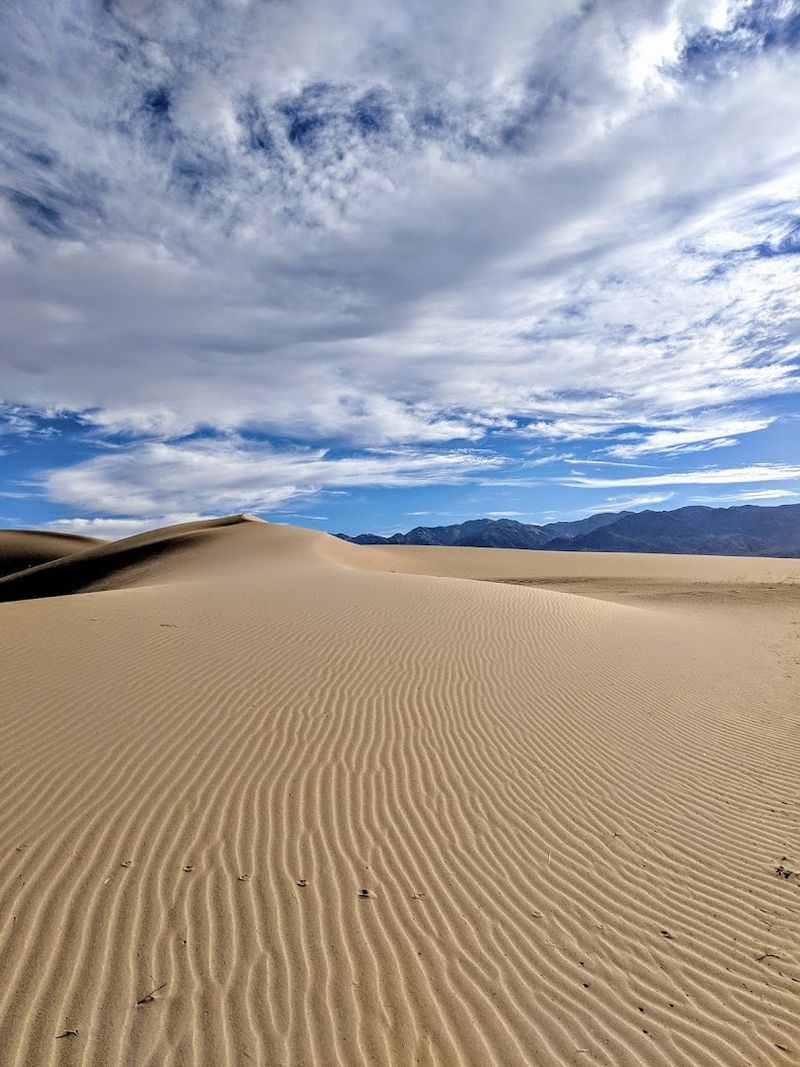
Most people who visit Death Valley never make it to the Ibex Dune Field. They stop at Badwater Basin, walk the salt flats, and head back toward more accessible landmarks.
That pattern works in your favor if you are willing to push a little further south and trade comfort for something genuinely rare.
The dunes here carry a quality that is hard to describe accurately without experiencing it. The pristine ridgelines, the quiet, the strange rocks along the approach trail, and the ruins waiting on the far side all combine into something that feels curated by the desert itself rather than by a park service brochure.
Nothing about it feels packaged.
There is a specific kind of satisfaction that comes from reaching a place most people skip. The Ibex Dune Field delivers that feeling in full.
Whether you arrive at sunrise to catch the light painting the dunes gold, or in the cooler hours of late afternoon when the shadows lengthen and the colors deepen, the experience stays with you. It is the kind of place that makes you understand why people fall in love with the American desert in a way that no photograph ever quite captures.
Address: California, Death Valley National Park, Inyo County, CA
