Let us be honest. Twelve hundred dollars a month does not get you far in most places.
But in Oklahoma? That is a whole different story.
Scattered across the Sooner State are laid back little towns where your social security check actually covers rent, groceries, and maybe even a Friday night catfish dinner. We are talking places with front porch waves, coffee that costs a dollar, and neighbors who still bring you casseroles when you sneeze twice.
No fancy golf courses or ocean views, just quiet streets, low stress, and enough peace to make you wonder why you ever lived anywhere louder. So grab your rocking chair and start packing.
Oklahoma is ready for you. And so is that $1,800.
1. Alva, Oklahoma
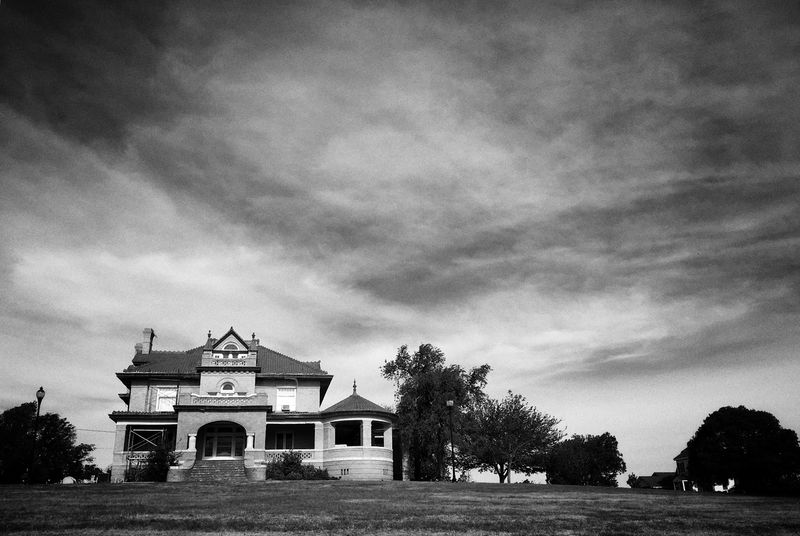
Quiet mornings, brick sidewalks, and a university campus that gives the whole town an energetic yet relaxed pulse — that is Alva, Oklahoma in a nutshell.
Sitting in the northwestern corner of the state, Alva is home to Northwestern Oklahoma State University, which means there are cultural events, lectures, and community programs available year-round.
The downtown area has that classic small-town charm with locally owned shops and a genuine sense of neighborly warmth that is hard to manufacture.
Median home prices here hover between $110,000 and $160,000, which leaves plenty of room in a $1,800 monthly budget for groceries, utilities, and leisure.
Salt Plains National Wildlife Refuge is just a short drive away, offering birdwatching and outdoor walks that cost nothing but a little time.
The town is small enough that you recognize faces at the farmers market, yet organized enough to have solid healthcare access nearby.
Northwestern Oklahoma can get windy and wide open, but Alva residents tend to embrace that wide-sky feeling as part of the landscape’s honest character.
For retirees who want intellectual stimulation, community connection, and very manageable living costs, Alva delivers a surprisingly complete package tucked into the Oklahoma plains.
2. Enid, Oklahoma
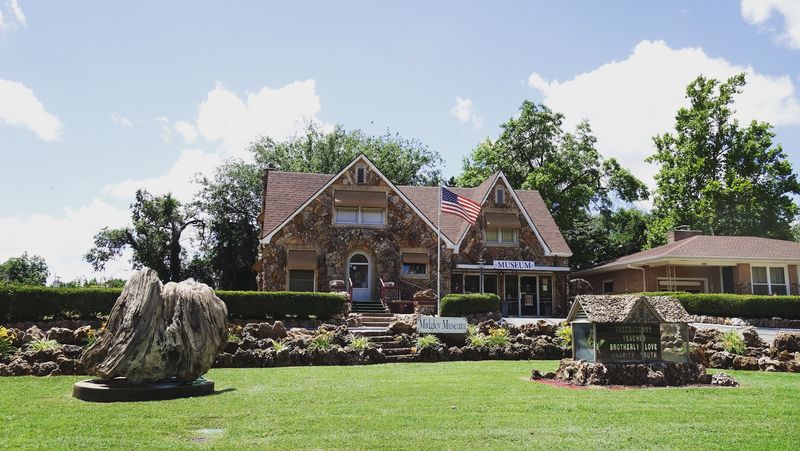
Known affectionately as the Queen Wheat City, Enid carries a proud agricultural identity that shows up in its festivals, its food culture, and the general friendliness of its residents.
Located in north-central Oklahoma, this city of roughly 50,000 people offers a surprisingly robust set of amenities for a town of its size.
There are multiple healthcare facilities here, including a regional medical center, which is a genuine comfort when planning long-term retirement logistics.
Median monthly rents in Enid sit around $686, one of the lowest figures in the entire state, meaning housing alone barely dents a $1,800 monthly budget.
The Gaslight Theatre provides live performances throughout the year, and the Leonardo’s Adventure museum is a favorite spot for grandchildren visits.
Meadowlake Park offers walking trails, a fishing pond, and open green space that make daily outdoor routines easy and free.
The local arts scene is modest but active, with gallery walks and community events filling the calendar in a way that keeps life feeling full without requiring big spending.
Enid sits at the intersection of affordability and genuine community spirit, making it one of the most practical yet personally rewarding places to plant retirement roots in Oklahoma.
3. Ponca City, Oklahoma
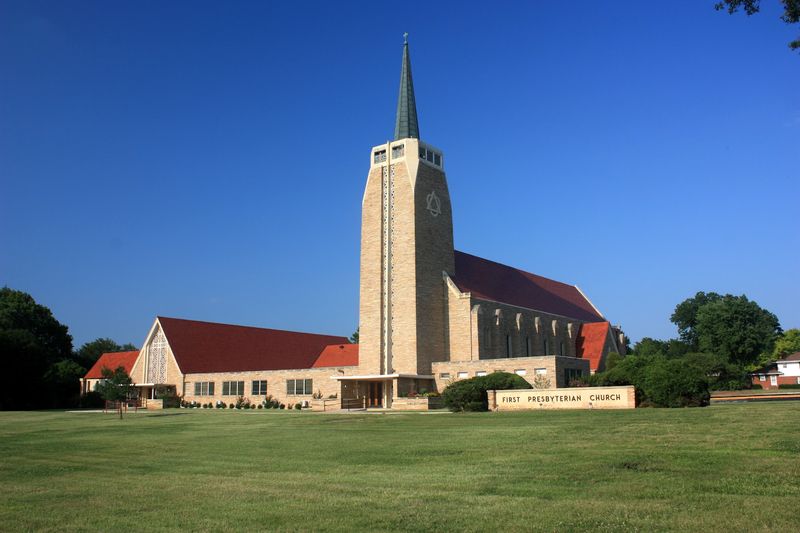
There is something genuinely cinematic about Ponca City, a north-central Oklahoma town where oil-boom architecture still stands proud along quiet streets.
The E.W. Marland Mansion is the crown jewel of local history, a 55-room Italian Renaissance-style estate that tells the story of Oklahoma’s petroleum past in vivid architectural detail.
Lake Ponca sits right within city limits, offering fishing, paddleboating, and lakeside picnics that make outdoor recreation a daily option rather than a weekend trip.
Median home sales prices range from about $80,000 to $120,000, and the rental market is equally forgiving for those who prefer not to own property in retirement.
The town has a well-regarded hospital and several specialist clinics, so medical access is not something retirees need to compromise on here.
Cultural programming at the Poncan Theatre, a beautifully restored 1927 venue, brings concerts and stage performances to the community throughout the year.
The pace of life here is unhurried in a way that feels intentional rather than stagnant, with neighbors who wave from their porches and local diners where the coffee is always fresh.
Ponca City rewards those who take the time to look past its modest size and discover a town with real personality, real history, and real affordability.
4. Okmulgee, Oklahoma
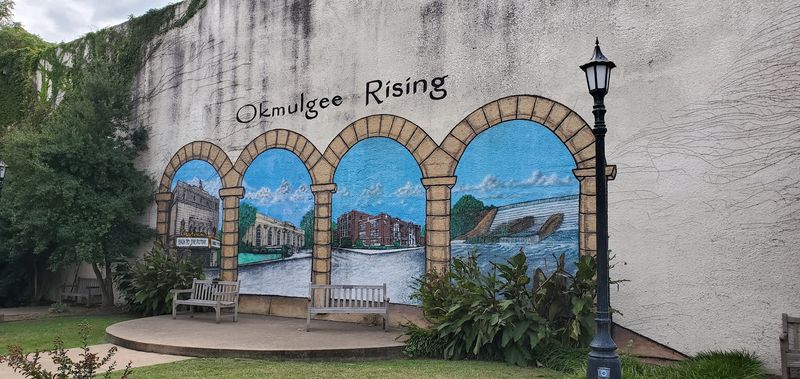
Okmulgee carries a layered history that most passing travelers never get to appreciate, but retirees who settle here quickly discover a town with genuine depth.
Located in east-central Oklahoma, it serves as the capital of the Muscogee Nation, and that cultural heritage is woven into the town’s identity through museums, events, and community traditions.
The Creek Council House Museum is a fascinating window into Indigenous governance and history, and admission is minimal, keeping cultural enrichment accessible on any budget.
Median home values hover around $104,900, making Okmulgee one of the most affordable housing markets in the state and a strong contender for retirees watching every dollar.
Dripping Springs Lake, just outside of town, provides fishing, camping, and hiking opportunities that turn an ordinary Tuesday into something worth remembering.
The town’s historic downtown features well-preserved architecture and a handful of local shops that give the main street a lived-in, authentic character.
Healthcare access is available locally, and the proximity to Tulsa, just about 40 miles north, means specialist care is never far when needed.
Okmulgee is the kind of place where history feels present rather than archived, and where a retiree’s daily life can be genuinely enriched without requiring a generous income to sustain it.
5. Anadarko, Oklahoma
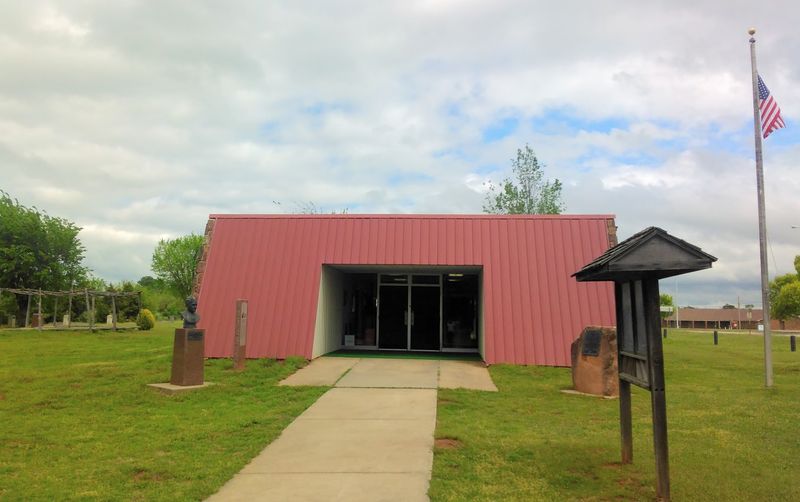
Anadarko holds a distinction that sets it apart from most small Oklahoma towns: it is widely recognized as the Indian Capital of the Nation, a title that reflects the deep and living Indigenous cultural presence here.
Located in southwestern Oklahoma, the town is home to the Southern Plains Indian Museum and the National Hall of Fame for Famous American Indians, both of which offer meaningful cultural experiences at little to no cost.
The American Indian Exposition, held annually each August, draws visitors from across the country for traditional dances, crafts, and community celebration.
Median home prices here start around $62,700, which is among the lowest in the entire state and opens up significant financial breathing room on a fixed monthly income.
Groceries, utilities, and everyday services in Anadarko are priced in line with its rural character, keeping total monthly expenses well within a $1,800 framework.
The town is small and quiet, with a pace that suits retirees who have traded the rush of city life for something slower and more intentional.
Community connections here run deep, and local churches, cultural organizations, and civic groups provide a ready-made social network for newcomers willing to participate.
For retirees drawn to cultural richness, genuine affordability, and a town that carries its identity with quiet pride, Anadarko is a compelling and underrated choice.
6. Miami, Oklahoma
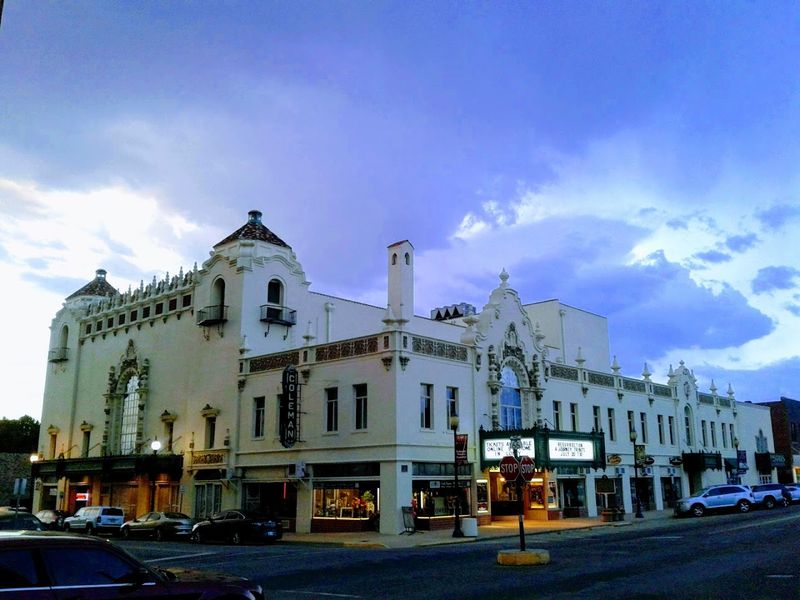
Route 66 runs right through the heart of Miami, Oklahoma, and that historic highway brings with it a sense of nostalgia and road-trip culture that gives the town a personality all its own.
Located in the far northeastern corner of the state, Miami sits near the borders of Kansas and Missouri, making it a practical base for retirees who enjoy occasional day trips in multiple directions.
The Coleman Theatre is the town’s crown jewel, a stunning 1929 Spanish Mission Revival building that hosts live performances, film screenings, and community events throughout the year.
The Neosho River winds near the town, and the surrounding Grand Lake O’ the Cherokees region offers boating, fishing, and lakeside scenery that make outdoor leisure a constant option.
Monthly living costs in Miami are structured in a way that allows retirees to manage total expenses around $1,800, with housing, utilities, and groceries all priced below national norms.
The town has a warm small-city feel, with enough local businesses, healthcare options, and community events to support a full and active retirement lifestyle.
Historic architecture lines several of Miami’s streets, giving daily walks a sense of visual interest that a newer suburb simply cannot replicate.
Miami, Oklahoma proves that a town does not need to be large or flashy to offer a retirement life that feels rich, connected, and genuinely enjoyable.
7. Ardmore, Oklahoma
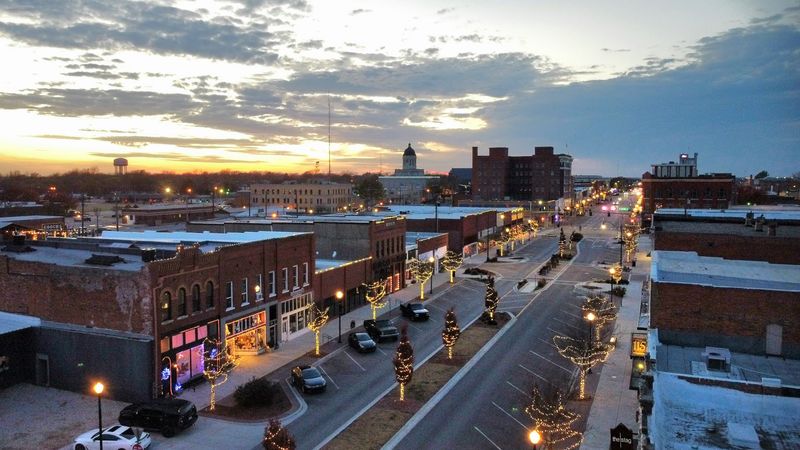
Nestled in south-central Oklahoma between Oklahoma City and Dallas, Ardmore occupies a geographic sweet spot that retirees with family spread across the region tend to appreciate immediately.
Lake Murray State Park, one of Oklahoma’s most beloved outdoor destinations, sits just minutes from downtown and offers boating, fishing, hiking, and cabin rentals that turn the surrounding landscape into a year-round playground.
The cost of living in Ardmore runs nearly 20% below the national average, and utility bills here are among the lowest anywhere in the country, which is a meaningful advantage on a fixed income.
Mercy Health Love County and other nearby medical facilities provide solid healthcare infrastructure, a practical consideration that carries real weight in retirement planning.
The downtown area has been experiencing quiet revitalization, with local restaurants, boutique shops, and a community arts scene adding texture to everyday life.
Hardy Murphy Coliseum hosts rodeos, concerts, and events that connect residents to the region’s Western heritage in a way that feels lively rather than purely nostalgic.
The climate in southern Oklahoma is mild enough to enjoy outdoor activities for most of the year, which helps keep entertainment costs low and energy levels high.
Ardmore strikes a balance between small-town ease and enough modern amenity to support a comfortable, well-rounded retirement without stretching a $1,800 monthly budget to its limit.
8. Muskogee, Oklahoma
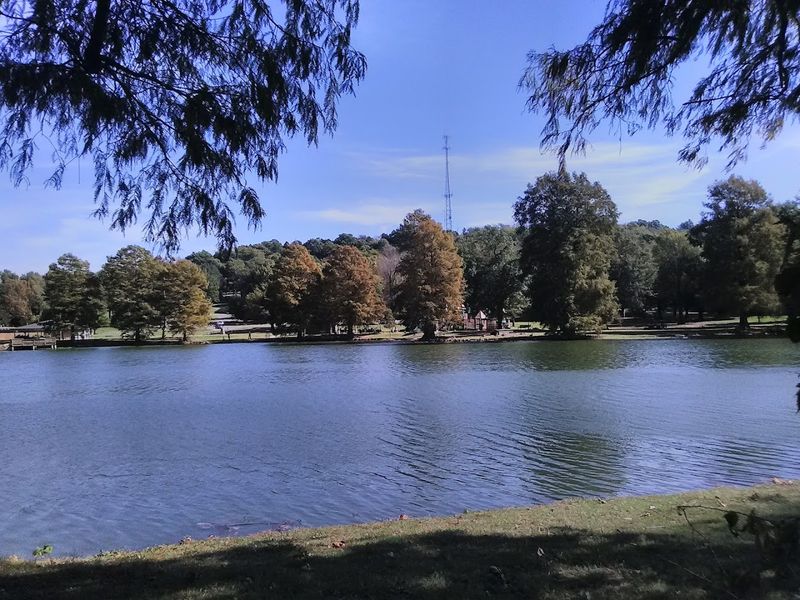
Every spring, Honor Heights Park in Muskogee transforms into one of the most visually spectacular scenes in the entire state, with thousands of azalea bushes erupting in color across 14 beautifully landscaped acres.
Located in eastern Oklahoma along the Arkansas River, Muskogee has a cultural depth that surprises many first-time visitors, anchored by the Oklahoma Music Hall of Fame and the Three Rivers Museum.
The town played a prominent role in both Native American history and the development of Oklahoma statehood, and those layers of history are accessible through well-maintained museums and historic sites.
Median home values sit under $132,000, and the overall cost of living is low enough that a $1,800 monthly budget covers housing, food, transportation, and leisure with room to spare.
Port of Muskogee, one of the few inland ports in the country, reflects the town’s industrial and logistical significance while adding an interesting dimension to its civic identity.
Healthcare access is solid, with Muskogee Regional Medical Center serving the community and surrounding areas with a range of services.
The town’s size, roughly 37,000 residents, hits a practical sweet spot: large enough for grocery stores, restaurants, and healthcare, small enough for a genuinely unhurried pace of daily life.
Muskogee rewards curious retirees who enjoy culture, history, and natural beauty without wanting to pay a premium for any of it.
9. Watonga, Oklahoma
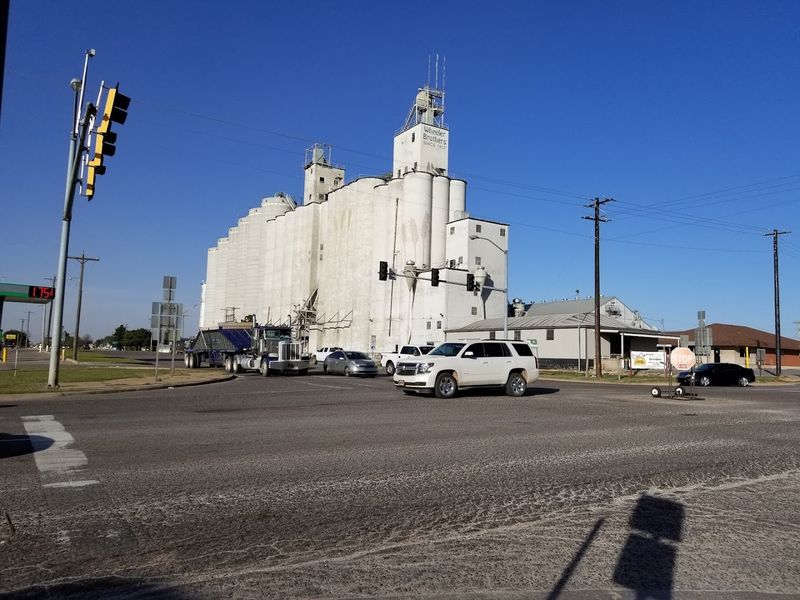
Watonga is the kind of small Oklahoma town that makes you wonder why you had not heard of it sooner, with a personality built around community pride, outdoor beauty, and an annual Cheese Festival that is exactly as delightful as it sounds.
Located in Blaine County in west-central Oklahoma, the town sits near Roman Nose State Park, a scenic retreat tucked into the red cedar canyons of the Wichita Mountains foothills.
The park offers hiking, fishing, paddleboating, and even a golf course, making it a practical extension of the town’s recreational offerings for retirees who enjoy staying active outdoors.
Median home sales prices in Watonga sit around $149,000, which is reasonable for the quality of life and natural surroundings the area provides.
The town’s small population means a tight-knit community where newcomers are welcomed and local events feel personal rather than anonymous.
The T.B. Ferguson Home, a state historic site, preserves the legacy of one of Oklahoma Territory’s most colorful newspaper editors and adds a literary dimension to the town’s cultural identity.
Grocery costs, utility rates, and everyday services in Watonga all reflect its rural Oklahoma character, keeping total monthly spending well within a modest retirement budget.
There is a refreshing lack of pretension in Watonga, a town that knows what it is, offers it generously, and asks very little of your wallet in return.
10. Blackwell, Oklahoma
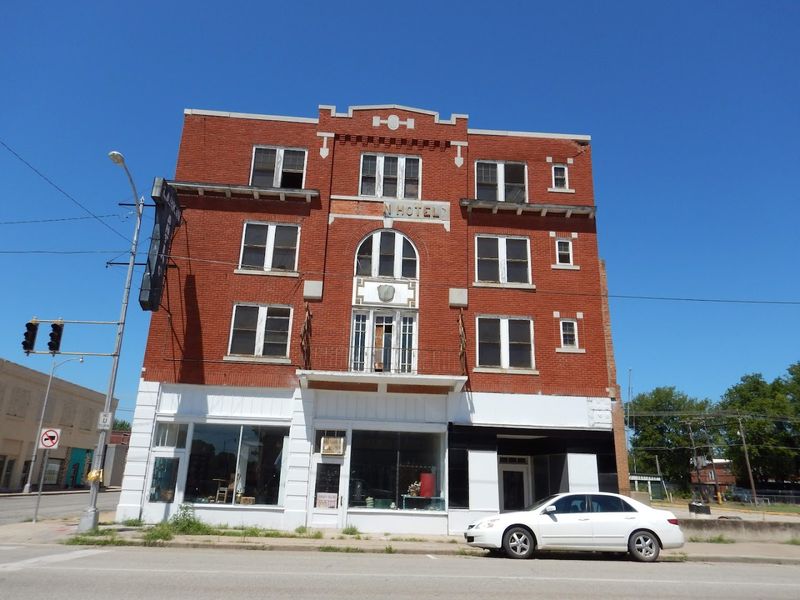
Blackwell sits in north-central Oklahoma with a straightforward, no-frills charm that history enthusiasts and golf lovers tend to find immediately appealing.
The Top of Oklahoma Museum is the town’s cultural anchor, housing artifacts and exhibits that trace the region’s history from Indigenous settlement through the land rush era and into the twentieth century.
The museum’s collection is impressively thorough for a town of Blackwell’s size, which hovers around 7,000 residents, and admission is kept affordable to ensure the community can engage with its own history.
Median home sales prices here frequently fall under $100,000, making Blackwell one of the most financially accessible retirement options in the entire state.
The Blackwell Golf Course offers a well-maintained 18-hole experience that keeps active retirees engaged without requiring a country club budget to participate.
The town’s location near the Kansas border means that day trips to Wichita or other regional destinations are a realistic option for those who enjoy occasional change of scenery.
Healthcare access is available locally, and the proximity to Enid, about 30 miles south, expands medical options when specialist care is needed.
Utility costs and grocery prices in Blackwell reflect the town’s rural Oklahoma character, consistently running below state and national averages.
Blackwell is the kind of honest, unpretentious town where a retirement budget of $1,800 a month does not just survive — it actually thrives.
11. Duncan, Oklahoma
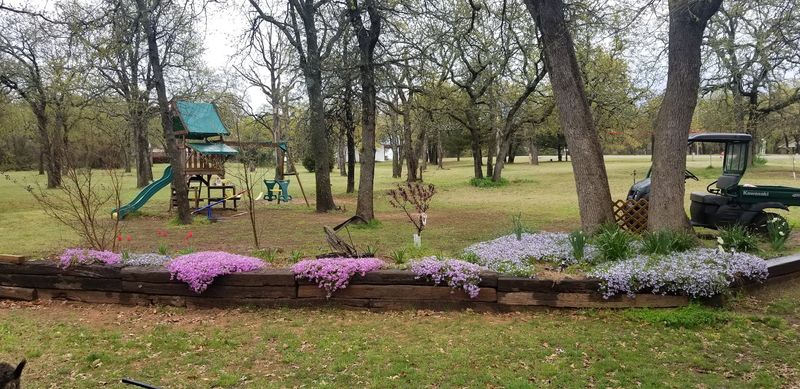
Duncan has earned an unexpectedly charming nickname: the Crape Myrtle Capital of Oklahoma, and walking its streets in late summer when those trees burst into color makes that title feel entirely justified.
Located in south-central Oklahoma in Stephens County, Duncan has deep roots in the oil industry, and that history is reflected in its civic infrastructure, its museums, and a general sense of community investment that outlasted the boom years.
The Chisholm Trail Heritage Center, located nearby in Chickasha, adds a regional layer of Western history that Duncan residents are well-positioned to enjoy on a casual afternoon outing.
Median home listing prices in Duncan sit around $160,000, which is still well within range for retirees who want a proper house rather than a minimal apartment.
The public library here is genuinely impressive for a town its size, offering programming, community meeting space, and digital resources that support an intellectually active retirement lifestyle.
Specialized senior healthcare services are available locally, a practical detail that carries significant weight when planning for long-term retirement in any community.
The town’s antique shops along Main Street make for a satisfying weekend browse, and the local farmers market connects residents to fresh regional produce at wallet-friendly prices.
Duncan offers retirees a grounded, community-minded life where the streets are lined with blooming trees, the neighbors know your name, and $1,800 a month goes a genuinely long way.
