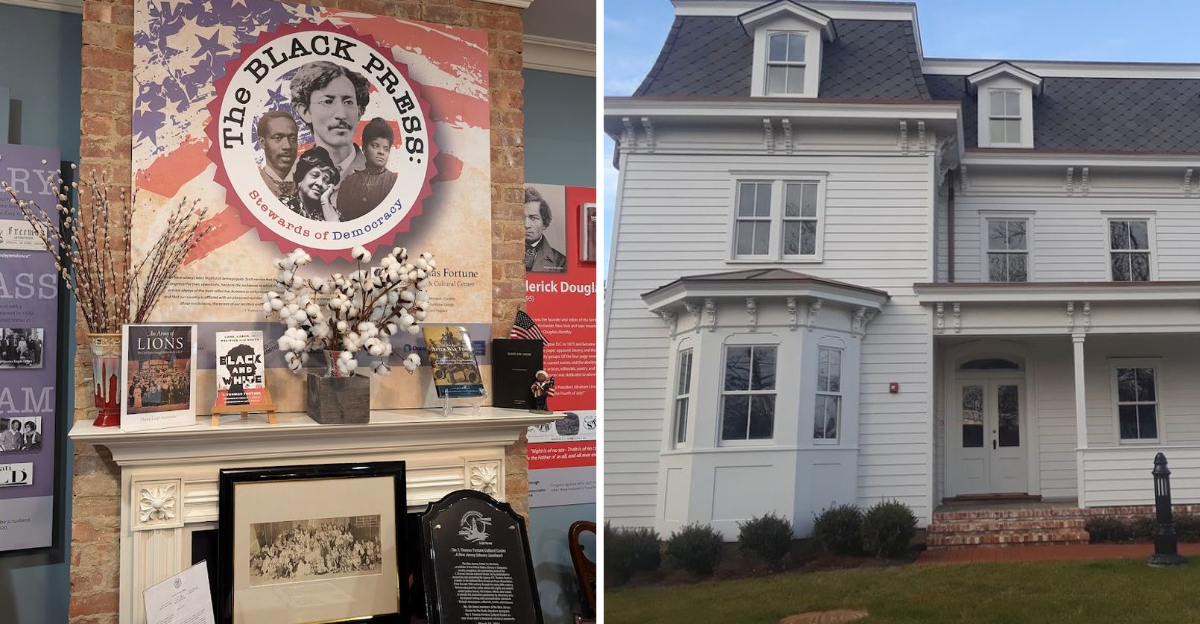
What does a Victorian house have to do with taking down the powerful? Everything, actually.
This New Jersey home was once the headquarters of a man born into slavery who grew up to edit the most influential Black newspaper of his era.
The restored walls still seem to buzz with the fierce energy of T. Thomas Fortune, who hosted legends like Booker T. Washington right here in Red Bank.
You can almost smell the old newsprint and feel the weight of history as you walk through the rooms where he planned his fight for equality.
Come say hello to the most famous person you have never heard of. He has been waiting to welcome you for over a century.
The Story Behind the Man Who Built His Legacy Here
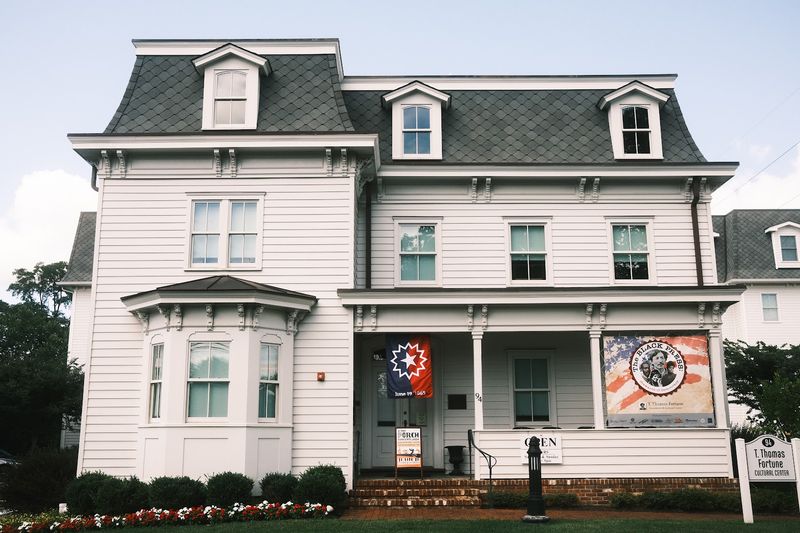
Before the building even comes into focus, the story of the man behind it hits you hard. T. Thomas Fortune was born into slavery in 1856, and he grew up to become one of the most powerful voices in American journalism.
That alone is worth stopping to think about for a moment.
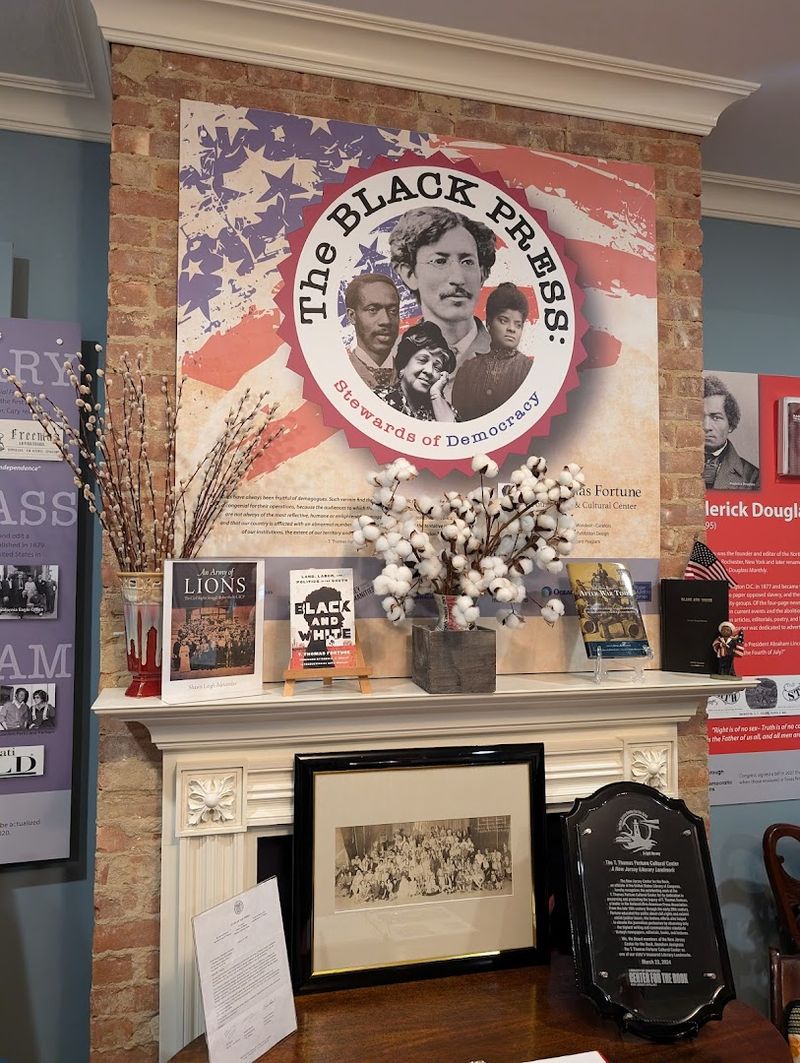
Fortune co-owned and edited The New York Age, which was one of the most widely read Black newspapers in the country during the late 1800s and early 1900s. He used every column inch he had to push back against discrimination, lynching, and the stripping away of voting rights.
His words carried weight in a time when speaking up came with serious risk.
Walking through the cultural center, you get a real sense of just how much one person can change the conversation in their era. The exhibits do a beautiful job of putting his work into context without overwhelming you.
By the time you finish reading, his name feels like one you should have known all along.
Maple Hall: A Home That Held More Than a Family
Maple Hall sounds like something out of a mystery novel, and in a way, the history inside it is just as gripping. Fortune and his family lived in this house from 1901 to 1911, and during that decade, the home became something far bigger than a private residence.
It was a gathering place, a meeting ground, and a living, breathing hub for some of the sharpest minds in African American intellectual life at the time.
Thinkers, activists, and community leaders passed through these rooms regularly. The walls of Maple Hall absorbed conversations about justice, press freedom, and the future of Black America in ways that most people can hardly imagine today.
It is the kind of history that does not always make it into textbooks.
The restored building still has that feeling of purposeful energy, even now. Standing in the main rooms, it is easy to picture the serious discussions and passionate debates that once filled the space.
The house feels alive with something that restoration alone cannot manufacture.
From Near Demolition to National Recognition
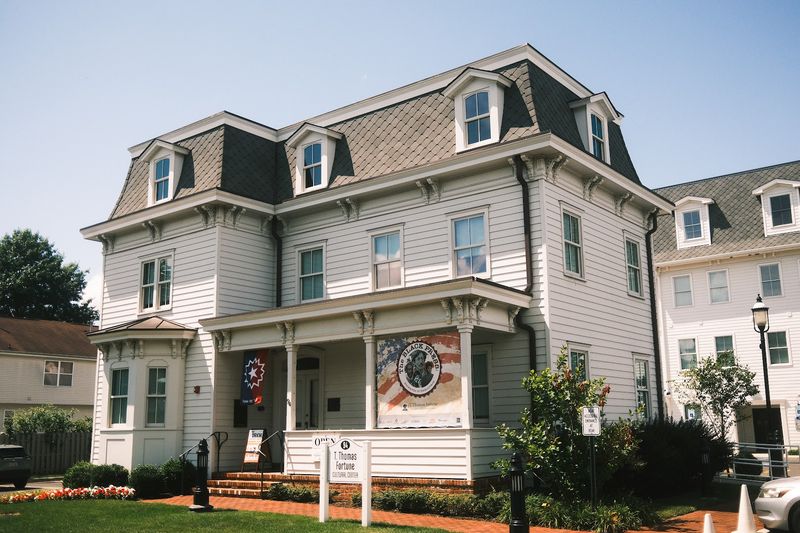
Few historic buildings have had a closer call with disappearing forever than this one. By 2016, the house was in serious trouble, and a demolition plan was actually on the table.
For a National Historic Landmark, that felt like an almost unthinkable outcome.
The landmark designation itself dates back to 1976, making it one of only two sites in all of New Jersey specifically tied to African American history with that level of federal recognition. That context makes the near-loss even more startling.
A lot of important history almost got torn down to make room for something forgettable.
Thankfully, a restoration plan came together that saved the house and gave it a new purpose. The plan included building 31 luxury apartments at the back of the property, which helped fund the preservation work on the main house.
The cultural center officially opened in May 2019, and it has been welcoming visitors ever since. Seeing the finished result, it is genuinely hard to believe anyone ever considered letting it go.
The Black Press Exhibit That Puts Everything in Perspective
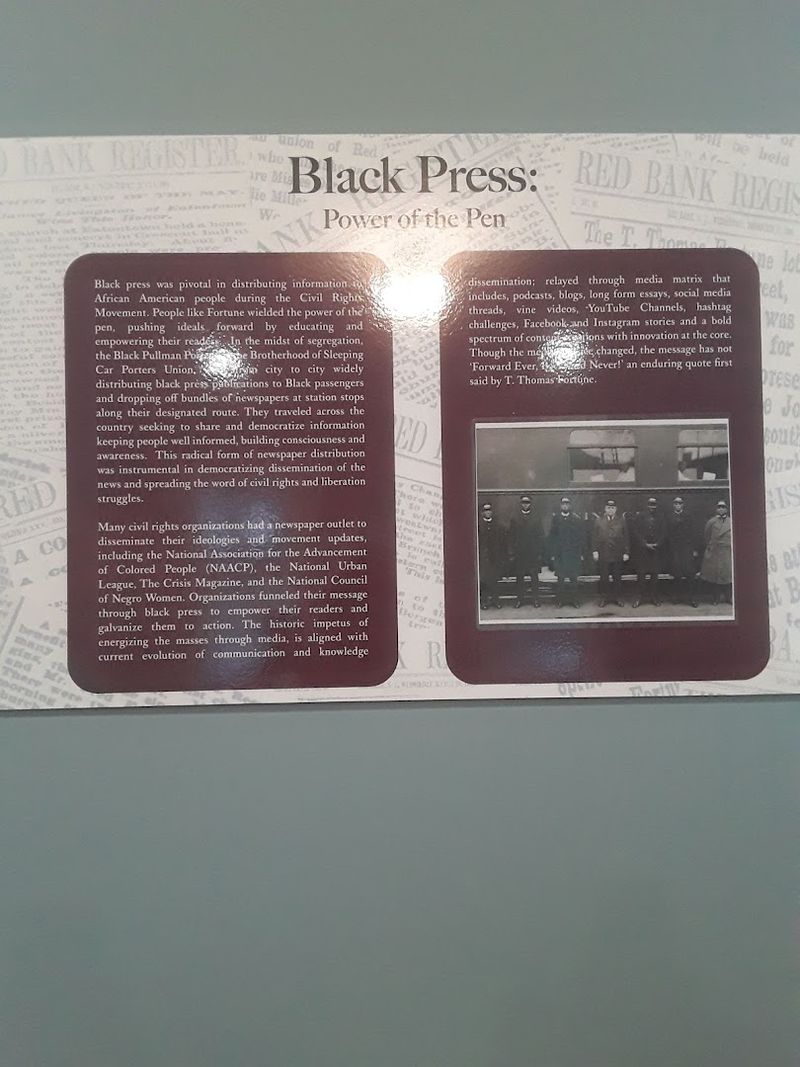
One of the standout features inside the center is an exhibit called The Black Press: Stewards of Democracy. Right away, the title tells you this is not going to be a light skim through history.
It is a full, honest look at the journalists and publishers who fought to make their communities visible in a media landscape that largely ignored them.
The exhibit walks you through the pioneers of Black press history, showing how newspapers like The New York Age were not just publications but acts of resistance. Each panel adds another layer to a story that most school curricula still barely touch.
It connects the dots between journalism, civil rights, and the long fight for equal representation in American public life.
What makes it land so well is how personal it feels. These are not abstract figures being celebrated.
They are real people with real stories, and the exhibit presents them with the depth they deserve. You leave with a much fuller understanding of why a free and diverse press has always mattered so much in this country.
What to Expect When You Walk Through the Door
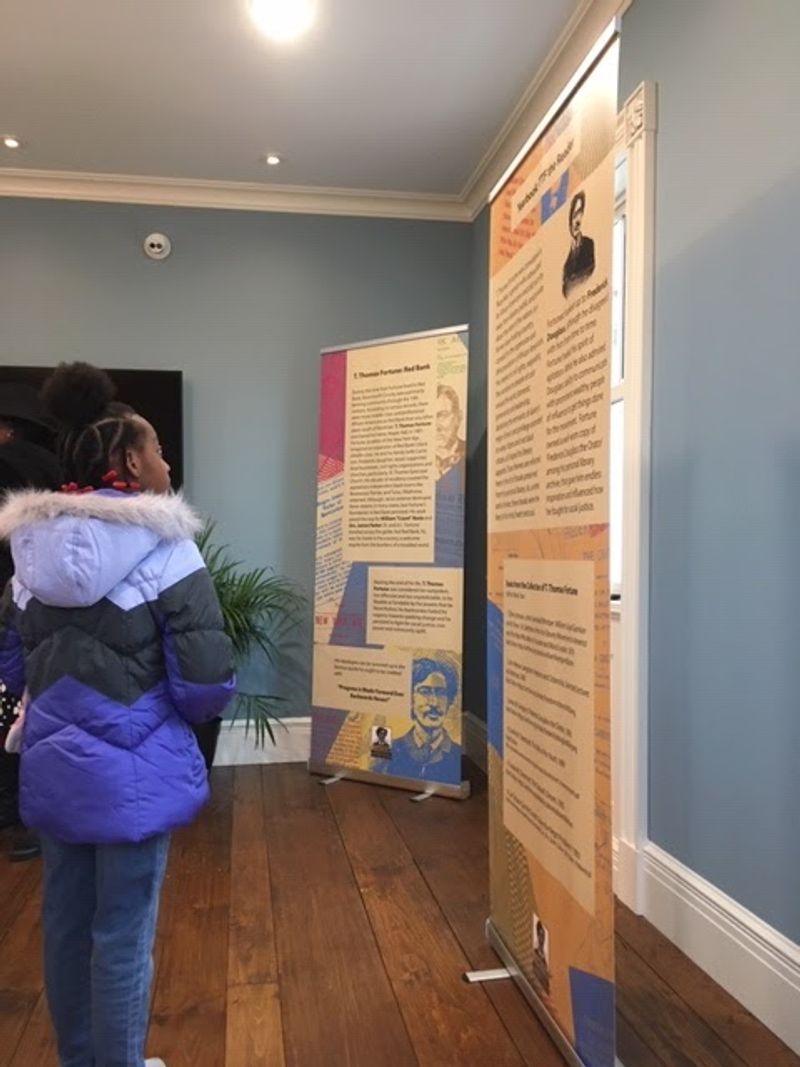
Stepping inside for the first time, the atmosphere catches you a little off guard in the best possible way. The space is warm and thoughtfully arranged, with historical photographs and artifacts placed in a way that invites you to slow down and actually look.
Nothing feels rushed or crowded.
The center is open on Saturdays and Sundays from 1 PM to 5 PM, which makes it a genuinely easy weekend addition if you are already spending time in the Red Bank area.
School tours run on Thursdays and Fridays from 10 AM to 2 PM, which means educators have real options for bringing students in during the week.
A suggested donation covers your entry, keeping it accessible for most visitors.
The staff bring a kind of genuine enthusiasm to the space that you do not always find at historical sites. There is no scripted feel to the experience.
It moves at your pace, and if you have questions, the conversations that follow tend to be the most memorable part of the visit.
Programs and Events That Keep the Conversation Going
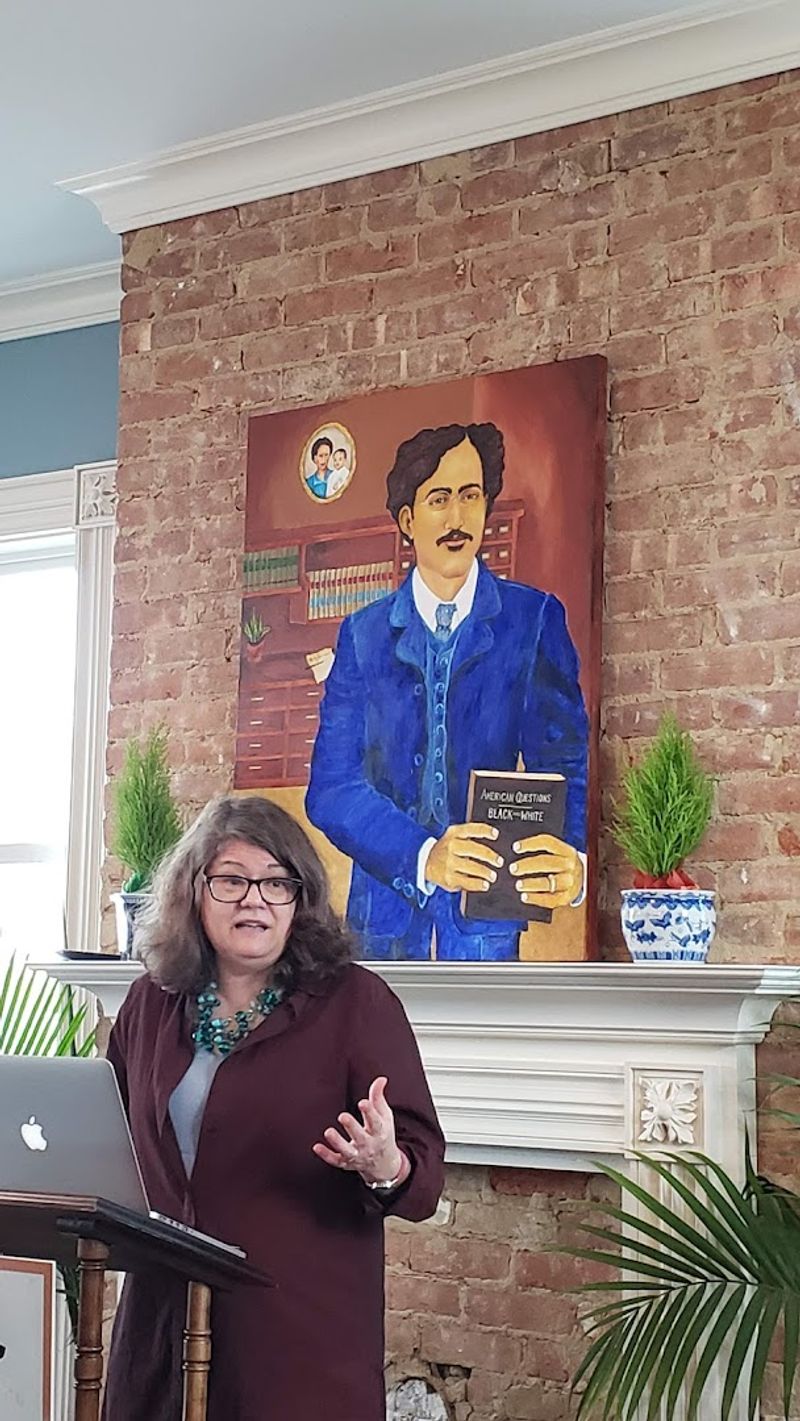
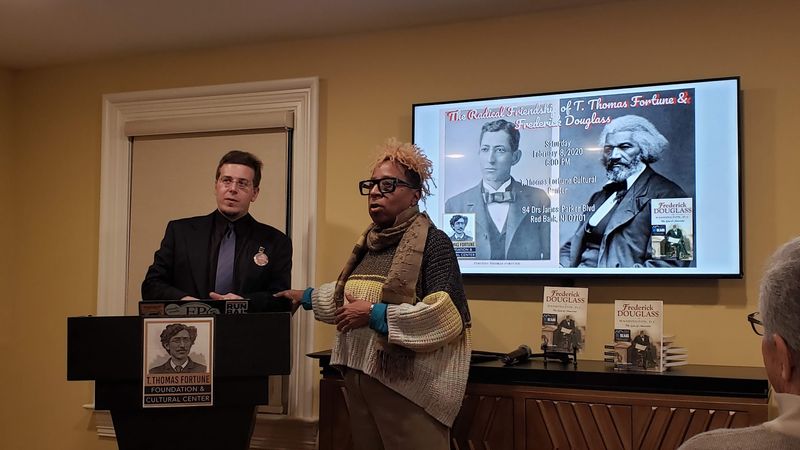
The cultural center does not just sit still between visitor hours. It runs a steady calendar of programs and events designed to keep Fortune’s legacy relevant and connected to conversations happening right now.
That ongoing programming is a big part of what makes the space feel alive rather than frozen in the past.
Community events, educational workshops, and curated exhibitions rotate through the center, giving regular visitors a reason to come back more than once. Local artists have also had their work featured there, which adds a creative dimension that goes beyond strict historical display.
The blending of past and present feels intentional and genuinely effective.
For anyone who visits once and finds themselves thinking about it days later, checking the center’s website for upcoming events is absolutely worth doing. There is something meaningful about a place that keeps generating new reasons to engage with its subject matter.
Fortune spent his career arguing that storytelling and advocacy belong together, and the center’s programming carries that same spirit forward in a way that feels honest.
School Visits and Why This Place Matters for Young Learners
Some history lessons stick with kids forever, and a visit to this cultural center has all the ingredients to be one of them. The school tour program runs on Thursdays and Fridays, giving classrooms a structured way to engage with a story that goes well beyond what most textbooks cover.
Seeing history in the actual space where it happened changes the way young people absorb information.
Fortune’s story is particularly powerful for students because it is about someone who started with almost nothing and used education, writing, and persistence to change the national conversation.
That is the kind of biography that resonates across age groups, but especially with young people who are still figuring out what they want to say to the world.
The exhibits are presented in a way that is informative without being overwhelming, which makes the experience genuinely age-appropriate. Teachers who bring their classes here often find that the conversations it sparks continue long after the bus ride home.
That kind of lasting impact is exactly what a great field trip is supposed to do.
The Architecture Itself Tells Part of the Story
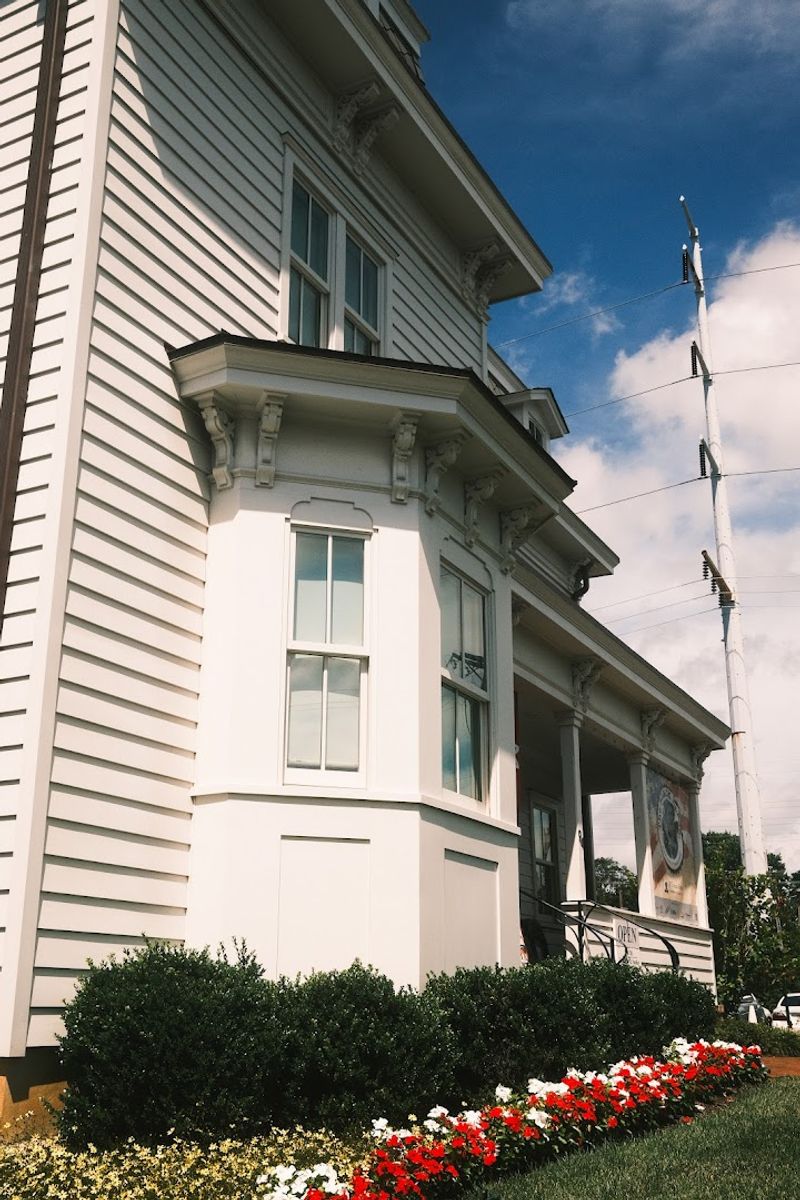
Victorian homes have a particular kind of presence, and Maple Hall is no exception. The restored exterior has that dignified, slightly stately quality that makes you want to stop on the sidewalk and just take it in for a moment.
Every detail of the restoration was handled with obvious care.
The fact that the building survived at all is part of what makes its architecture meaningful. These are not just decorative wooden details and tall windows.
They are the physical evidence that this place existed, that people lived and worked here, and that the story was worth saving. The building itself is an argument for preservation.
Inside, the original character of the home is still present in the bones of the space even as it functions as a modern cultural center. The combination of historical integrity and updated purpose is handled with a lightness of touch that feels respectful.
You are not standing in a museum that feels like a mausoleum. You are standing in a place that has been given a second life, and it shows in every room.
Planning Your Visit and Making the Most of the Trip
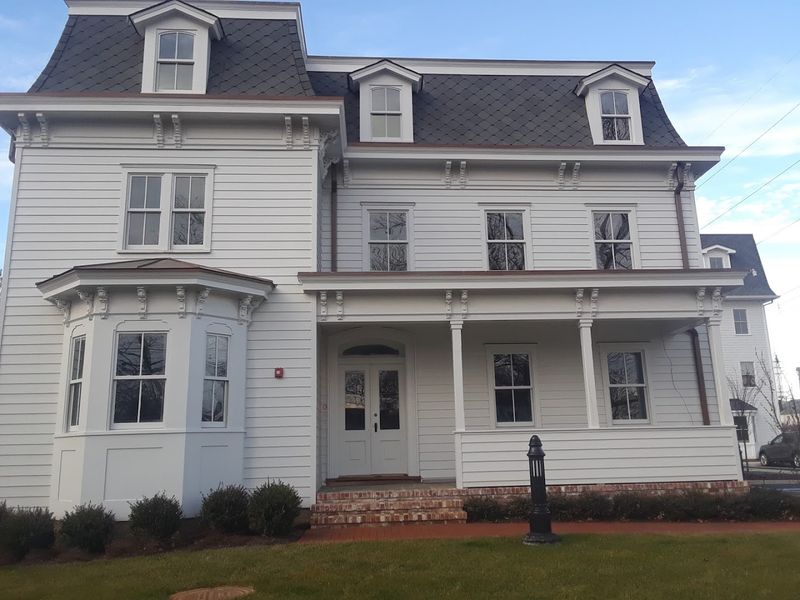
Getting to Red Bank is straightforward whether you are coming by car or train, and the cultural center is easy to find once you are in town. Weekend hours from 1 PM to 5 PM on Saturdays and Sundays give you a comfortable window to fit the visit into a full day out.
Arriving a little before opening gives you a chance to walk the exterior and take in the building from the outside first.
Pairing the visit with a stroll through downtown Red Bank makes the whole trip feel well-rounded. There are plenty of spots nearby to grab a bite before or after, from casual cafes to local restaurants serving fresh, satisfying food.
Eating well and learning something meaningful in the same afternoon is a combination that is hard to beat.
Whether you are a history enthusiast, a curious traveler, or someone who just wants to spend a Saturday doing something genuinely worthwhile, this place delivers. The suggested donation keeps the experience accessible, and the memories it creates are the kind that tend to last.
Address: 94 Drs James Parker Blvd, Red Bank, NJ
