Rhode Island does not usually win the affordability contest. Not with Massachusetts right next door sucking up all the attention and the tax dollars.
But Lincoln found a loophole. You get the green space.
The walking trails. The quiet neighborhoods.
You also get proximity to some of the best hospitals in New England, just a short drive over the state line. What you do not get is the Massachusetts price tag. Housing costs less.
Taxes are friendlier. And you can still be in Boston for a specialist appointment in under an hour.
I spent a weekend driving around Lincoln trying to figure out the catch. There is not one really.
Just a small town that figured out how to offer a good life without the usual New England premium.
Lincoln Woods State Park: Where Green Living Actually Means Something

The first time I pulled into Lincoln Woods State Park, the sheer size of it caught me off guard. This is not a weekend-friendly patch of grass with a swing set.
It is a full-scale natural playground covering hundreds of acres right inside town limits.
Trails loop through dense woodland, connecting to spots perfect for mountain biking, jogging, and horseback riding. Ten miles of bridle trails wind through the landscape, offering something different around every bend.
The park also features a freshwater beach, a boat ramp, and dedicated picnic areas that fill up on warm weekends with local families who clearly know what they have.
Trout fishing draws quiet mornings here, and bouldering has built a small but devoted community among younger visitors. What makes Lincoln Woods stand out is how genuinely usable it is year-round.
Snow does not shut it down. Rain makes it moody and beautiful instead of miserable.
For anyone serious about green living, proximity to a park like this changes daily life in real ways. It replaces gym memberships, weekend road trips, and screen time with something much more grounding.
The address is 2 Manchester Print Works Road, Lincoln, RI 02865.
The Lincoln Conservation Commission Keeps the Town Honest About Nature
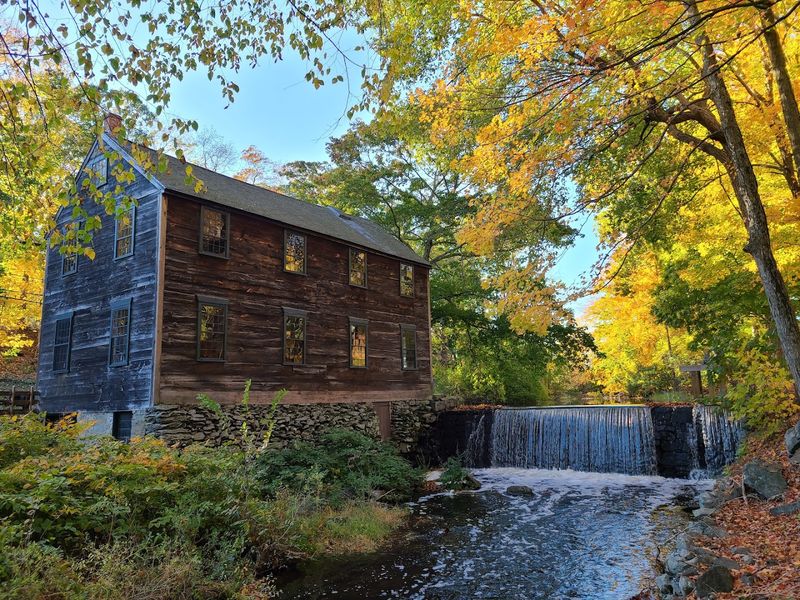
Not every town has a group of people whose whole job is to make sure the natural world does not get quietly paved over. Lincoln does, and the Conservation Commission here takes that responsibility seriously in ways you can actually see.
They focus on preserving waterways, open spaces, and wildlife habitats throughout town. Biodiversity is not just a buzzword for them.
It shows up in the wetlands they protect and the historical landscapes they work to keep intact.
Community cleanup events bring residents together around shared environmental goals, which does something important beyond the obvious tidying up. It builds the kind of neighborhood culture where people feel connected to where they live.
That sense of ownership over a place is hard to manufacture and easy to lose if no one tends to it.
The commission also works alongside the town’s broader sustainability efforts, feeding into Lincoln’s Climate Action Plan with practical, ground-level knowledge. Their work is not glamorous, but it is consistent, and consistency is what actually moves the needle on environmental health over time.
For anyone relocating from a city where green space is an afterthought, knowing this kind of infrastructure exists in Lincoln is genuinely reassuring. It signals that the town values what it has.
A Climate Action Plan That Goes Beyond Recycling Bins
Most towns talk about sustainability the way people talk about going to the gym in January. Lincoln actually put together a Climate Action Plan with real targets, and that distinction matters more than it might sound at first.
The plan aims for carbon neutrality, which is ambitious for a town of roughly 22,500 people. It outlines strategies for solar installations, a Green Energy Coach program to help residents improve home energy efficiency, and expanded public transportation options.
Electric vehicle infrastructure is also part of the conversation.
Reducing waste and protecting environmental resources round out the plan’s priorities, making it a genuinely multi-layered approach rather than a single-focus document. The Community Sustainability Committee drives this work forward, keeping it from collecting dust on a shelf somewhere.
For people moving from Massachusetts with sustainability on their minds, this kind of civic commitment is a meaningful signal. You are not just buying a house.
You are joining a community that is actively thinking about what kind of place it wants to be in twenty years.
Rhode Island’s energy landscape is evolving fast, and Lincoln is positioning itself to benefit from that shift rather than scramble to catch up. That forward-thinking approach is part of what makes the town feel like a genuinely smart long-term choice.
Lincoln Primary Care and the Brown University Health Connection
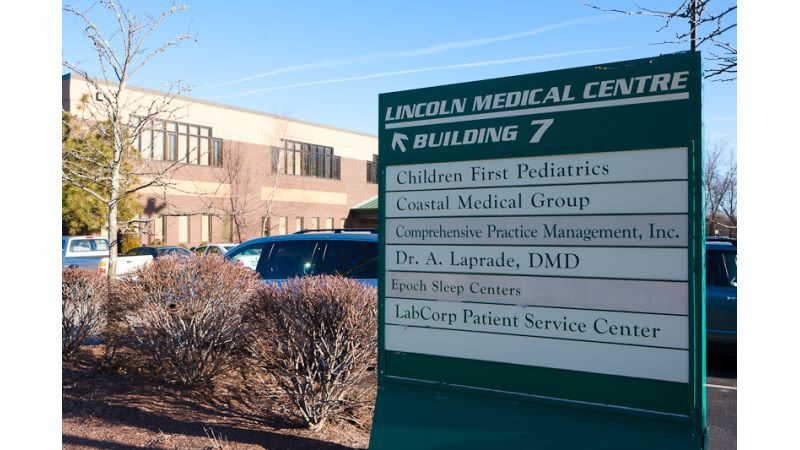
Healthcare access can make or break a relocation decision, especially for families and older adults. Lincoln handles this better than most comparable towns, starting with Lincoln Primary Care, which is affiliated with Brown University Health.
That affiliation matters because it connects patients to a broader network of specialists, research-backed protocols, and coordinated care. Adult primary care here includes preventive services and chronic disease management, with an on-site laboratory that saves patients from chasing results across multiple facilities.
Having a primary care option this well-connected in a town this size is not something you take for granted. Many similarly sized communities rely on urgent care clinics as a substitute for actual primary relationships with physicians.
Lincoln offers both, and that layered approach to local healthcare is genuinely valuable.
For anyone managing ongoing health conditions or simply wanting a doctor who knows their history, this kind of setup is a quiet luxury that rarely gets mentioned in relocation guides. Brown University Health’s presence also signals a commitment to quality that goes beyond basic coverage.
Knowing that your healthcare is not something you will need to sacrifice in exchange for affordable housing is exactly the kind of reassurance that makes Lincoln worth considering seriously. Good medicine should not require a Massachusetts zip code.
Health Access Network Brings Federally Qualified Care to Lincoln

There is something quietly powerful about a Federally Qualified Health Center operating in your town. Health Access Network’s Lincoln location brings family medical care, walk-in services, behavioral health support, dental care, and on-site lab work under one roof.
That combination is rare. Most towns have a doctor’s office or an urgent care, not a facility that covers mental health, dental, and family medicine together.
The breadth of services here means residents can handle a wide range of health needs without driving significant distances or navigating complicated referral chains.
Behavioral health services deserve special mention because access to mental health care remains one of the most underserved areas in suburban communities across New England. Having it available locally, without the cost barriers that often accompany private practices, is a meaningful advantage for Lincoln residents.
Walk-in care adds another layer of flexibility that working families especially appreciate. Not every health concern fits neatly into a scheduled appointment, and having a same-day option nearby reduces both stress and the temptation to ignore something that should be checked.
For people relocating from urban Massachusetts where similar facilities often come with longer wait times and higher costs, finding this level of care in a smaller Rhode Island town genuinely changes the calculus on where to put down roots.
Landmark Medical Center and Hospital Access Within a Short Drive
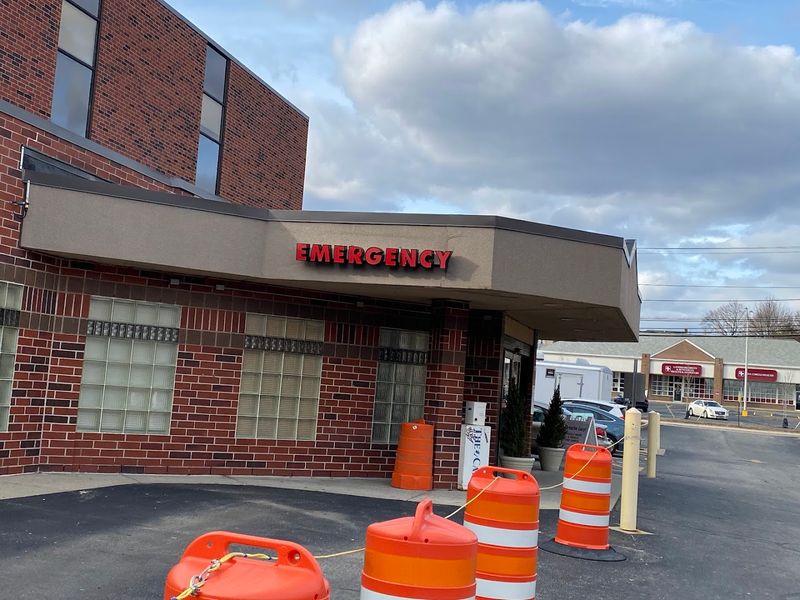
Primary care covers a lot, but there are moments when you need a full-service hospital, and knowing one is close by changes how safe a place feels. Landmark Medical Center in Woonsocket sits roughly 5.5 miles from Lincoln, which in practical terms means you are never far from emergency services or surgical care.
That proximity is not something to overlook. In medical emergencies, distance is time, and time is everything.
Living in a community where a hospital is a short drive rather than a long one is the kind of practical advantage that rarely makes it into neighborhood marketing materials but absolutely shapes quality of life.
Beyond Landmark, Lincoln residents also have relatively easy access to Memorial Hospital of Rhode Island in Pawtucket, Roger Williams Medical Center in Providence, and The Miriam Hospital, which has earned national recognition including the America’s 250 Best Hospitals Award. That is a genuinely impressive roster of options for a town of Lincoln’s size.
For families with young children, elderly parents, or anyone managing serious health conditions, this network of nearby hospitals provides a layer of security that is hard to put a price on. It is one of those factors that only becomes obvious when you actually need it, and by then you are very glad it is there.
Home Prices That Do Not Require a Second Mortgage on Your Peace of Mind
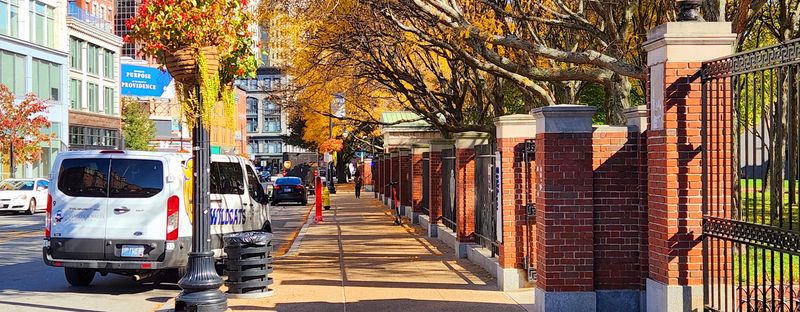
Rhode Island’s housing market is not cheap by national standards, but compared to Massachusetts it tells a genuinely different story. The median home price in Massachusetts runs considerably higher than in Rhode Island, and that gap represents real money that stays in your pocket or goes toward your life instead of your mortgage.
Lincoln specifically sits at an average home value that reflects a desirable community with good schools, green space, and strong amenities, without the premium you would pay for the same quality of life just across the state line. That balance is harder to find than it sounds.
For buyers coming from eastern Massachusetts or the Boston suburbs, the sticker shock runs in reverse here. Instead of bracing for a number that stretches every budget assumption, you find something that actually fits.
That feeling of financial breathing room is not a small thing.
Renters benefit from the same dynamic. Average two-bedroom apartment costs in Rhode Island run meaningfully lower than in Massachusetts, and Lincoln’s rental market reflects that broader trend.
Whether you are buying or renting, the numbers work more comfortably here.
Affordability is not just about the purchase price, either. Property taxes, utilities, and everyday costs all factor in, and Rhode Island’s overall cost of living sits noticeably below Massachusetts across most categories that affect daily spending.
Manville Park and the Everyday Quality of Lincoln’s Recreational Spaces
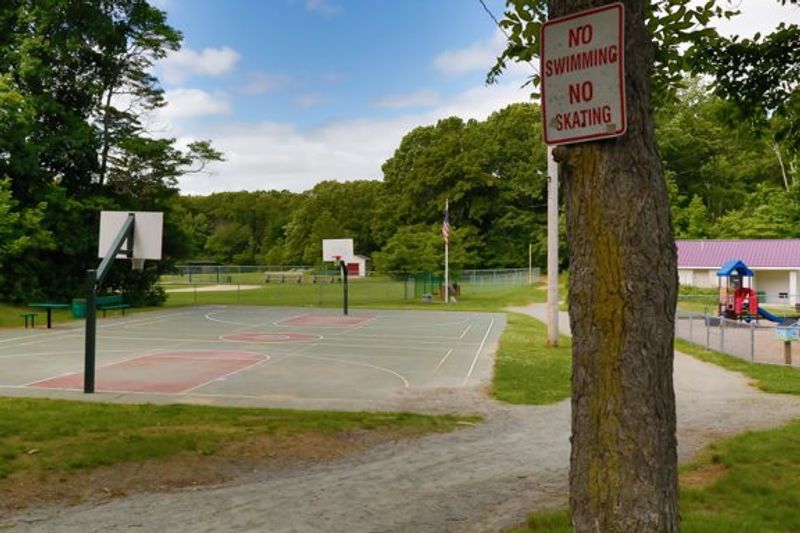
Not every green space needs to be a state park to matter. Manville Park is the kind of neighborhood anchor that makes a town feel genuinely livable rather than just geographically convenient.
Baseball fields, tennis courts, and playgrounds give families a reason to step outside on an ordinary Tuesday. That accessibility to everyday recreation is something that urban transplants often underestimate until they have lived without it.
A park you can walk to is worth more than a famous one you have to drive an hour to reach.
Lincoln’s Parks and Recreation Department maintains these spaces with the kind of consistency that signals municipal pride rather than minimal effort. Facilities that are well-kept send a message about how a community values shared public life, and Manville Park reflects that clearly.
For parents with young kids, having a playground and open fields nearby shortens the gap between restless energy and outdoor activity. That matters enormously for daily family rhythms in ways that are hard to quantify but immediately obvious once you experience them.
The park also serves as an informal social hub where neighbors actually meet each other, which is increasingly rare in communities built around car culture and private yards. Lincoln’s investment in spaces like Manville Park is part of what makes it feel like a real community rather than just a collection of houses.
The Cost of Living Comparison That Makes the Massachusetts Border Feel Like a Relief
Massachusetts is approximately five percent more expensive than Rhode Island overall, and while that might sound modest, it compounds across housing, childcare, clothing, and entertainment in ways that add up quickly over a year. Moving across that border is not just a geographic shift.
It is a financial one.
Lincoln benefits directly from Rhode Island’s lower cost baseline while sitting close enough to Massachusetts employment centers to make commuting viable. That combination is genuinely rare.
You get access to the economic opportunities of the Boston metro region without paying Boston metro prices for your daily life.
Childcare costs in Massachusetts run higher than in Rhode Island, which matters enormously for young families calculating whether a two-income household is actually profitable after daycare expenses. Entertainment and sports costs follow the same pattern.
The savings are not dramatic on any single line item, but they are consistent across nearly every category.
Income tax structures differ between the two states as well, with each having its own trade-offs depending on earnings level. The overall picture, though, consistently favors Rhode Island for middle-income households trying to build financial stability without sacrificing quality of life.
Lincoln captures all of that advantage while offering the kind of town character that makes the choice feel like a genuine upgrade rather than a compromise. That is a combination worth paying attention to.
Why Lincoln Feels Like a Town That Has Quietly Figured Things Out
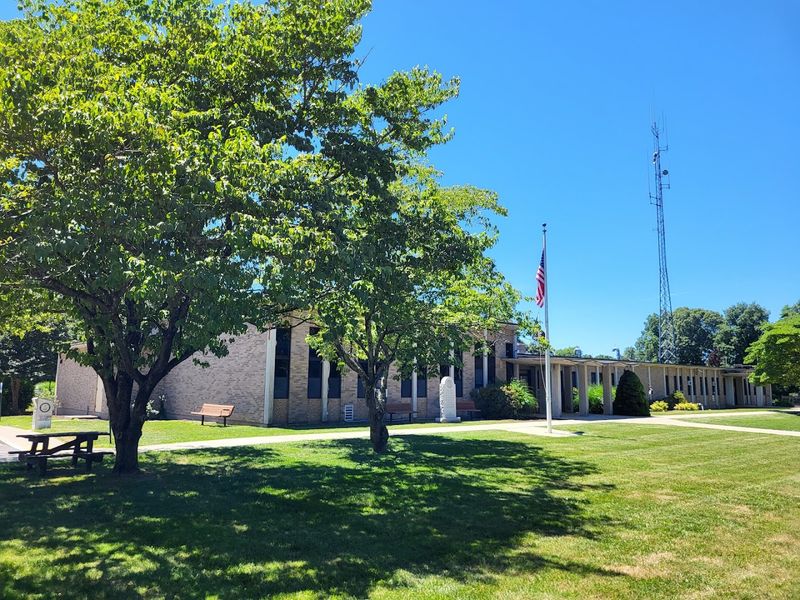
Some towns have great parks but poor services. Others have good healthcare but nothing to do on a Saturday.
Lincoln manages to hold several things together at once in a way that feels less like luck and more like intentional community building over time.
The population of around 22,500 keeps things human-scaled without feeling isolated. You are close enough to Providence for concerts, restaurants, and cultural events, but far enough away that the pace of daily life stays manageable.
That balance is something a lot of people spend years searching for.
The town’s northeastern Rhode Island location places it within the Providence metropolitan area and the broader Greater Boston combined statistical area. That geography gives residents genuine options.
Multiple commuting routes, multiple hospital networks, and multiple recreational environments all within reasonable reach.
What strikes me most about Lincoln is how little it seems to need validation from outside. It is not trying to be trendy or to attract a particular demographic.
It is just a well-run town with good bones, real green space, solid healthcare infrastructure, and housing costs that do not require you to sacrifice everything else to afford a home.
That kind of place is harder to find than it should be. Lincoln, Rhode Island earns its reputation quietly, and that is probably the most honest endorsement it could have.
Address: Rhode Island, Lincoln, Providence County, RI 02865.
