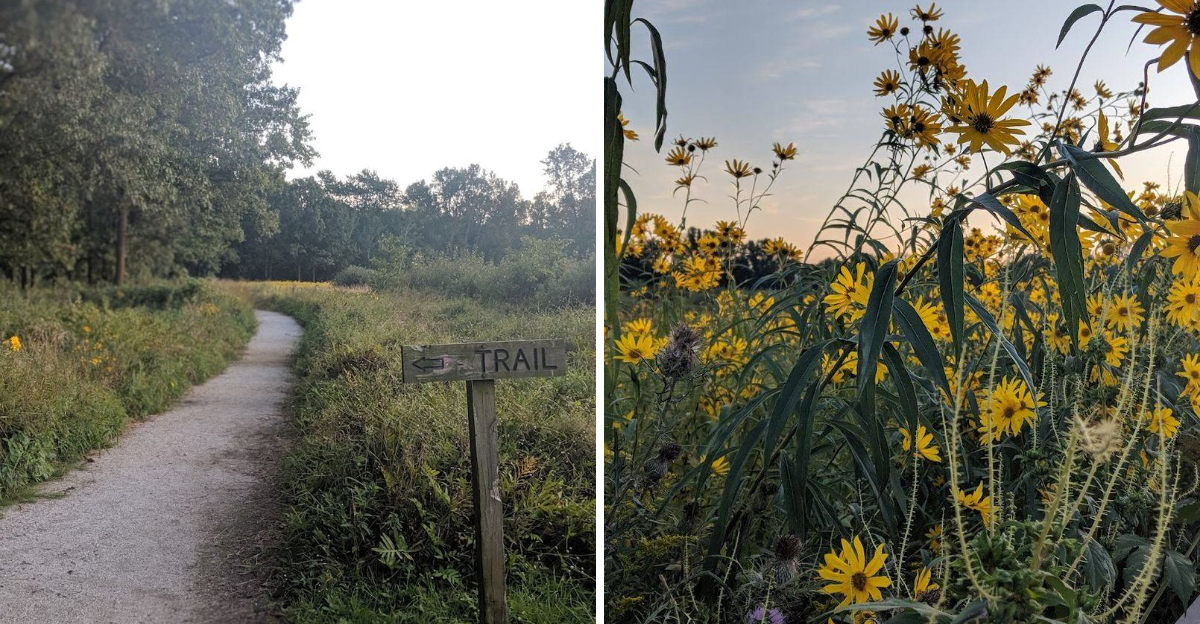
I never expected to find a landscape like this tucked into northwest Indiana. This state nature preserve feels like stepping into another world, where wide-open sand prairies stretch beneath big skies and rare wildflowers appear in quiet seasonal bursts that most people never get to see.
This protected area sits near Schererville and offers something noticeably different from a typical Indiana park. It preserves one of the last remaining examples of the sand prairie ecosystem that once covered large parts of the region, making a visit feel like a glimpse into a landscape that has nearly vanished over time.
The experience is simple but striking. Gentle trails wind through open terrain, and each season changes the scenery in subtle but meaningful ways.
Whether you come for the unique plant life, the quiet atmosphere, or just the sense of space, it leaves a lasting impression that draws people back again and again.
A Rare Sand Prairie Ecosystem That Once Dominated The Region
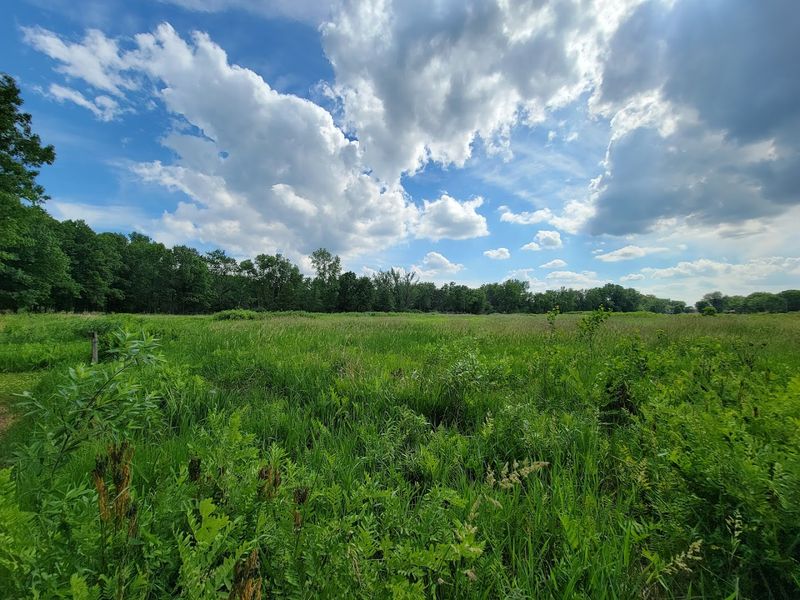
Sand prairies used to stretch across large portions of northwest Indiana before development changed the landscape forever. Hoosier Prairie preserves one of the last remaining examples of this ecosystem, giving visitors a glimpse into what the region looked like centuries ago.
The sandy soil here supports plant communities you simply cannot find in other Indiana preserves.
Walking through the preserve feels different from hiking through typical Hoosier forests. The openness creates a sense of space that reminds me more of western landscapes than the Midwest.
Native grasses sway in the breeze, and the sandy ground crunches softly underfoot with each step.
This ecosystem developed after the last glaciers retreated, leaving behind sandy deposits that created unique growing conditions. Plants here adapted to survive in dry, nutrient-poor soil that would challenge most vegetation.
The preserve protects about 439 acres of this rare habitat, including not just sand prairie but also marshes, oak savannas, and ponds.
Conservation efforts focus on maintaining the delicate balance of species that depend on this specific environment. Fire management plays a crucial role because many prairie plants actually need periodic burning to thrive.
Visiting here means supporting the ongoing work to preserve this irreplaceable natural community for future generations to experience and study.
Wildflowers That Bloom In Spectacular Seasonal Displays
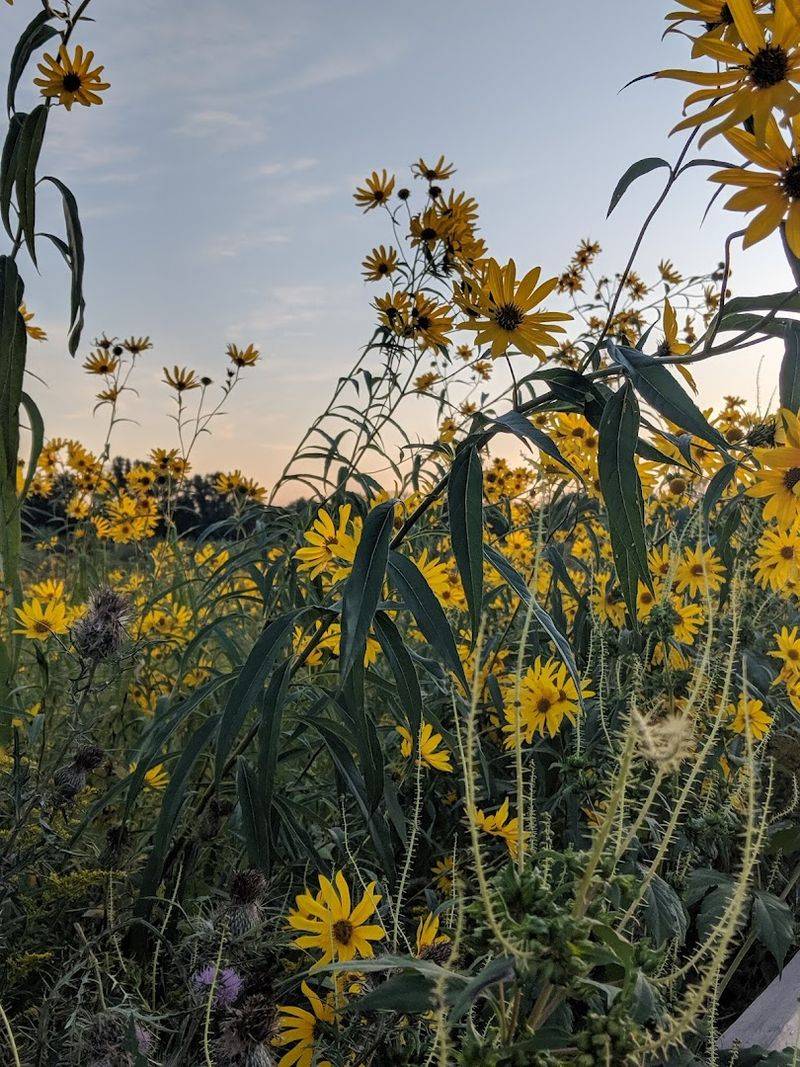
The wildflower displays at Hoosier Prairie change dramatically throughout the growing season. Spring brings early bloomers that take advantage of sunlight before the grasses grow tall.
Summer explodes with color as dozens of species reach their peak, and fall offers a final show of late-blooming asters and goldenrods.
Some of the rarest plants in Indiana grow here, species that have disappeared from most of their former range. The preserve protects several threatened and endangered plants that depend on sand prairie conditions to survive.
Spotting these rare blooms adds an element of discovery to every visit.
I always bring a field guide because identifying the different species becomes part of the adventure. The diversity amazes me each time, with new flowers appearing every few weeks as the seasons progress.
Purple coneflowers, black-eyed Susans, and wild lupine create waves of color across the sandy ground.
The preserve asks visitors to stay on designated trails to protect these delicate plant communities. Photography enthusiasts find endless subjects here, especially during peak bloom times in June and July.
Morning light creates the best conditions for capturing the flowers against the open prairie backdrop, and the variety ensures you will see something different with each visit throughout the warmer months.
Well-Maintained Trails Perfect For Quick Nature Escapes
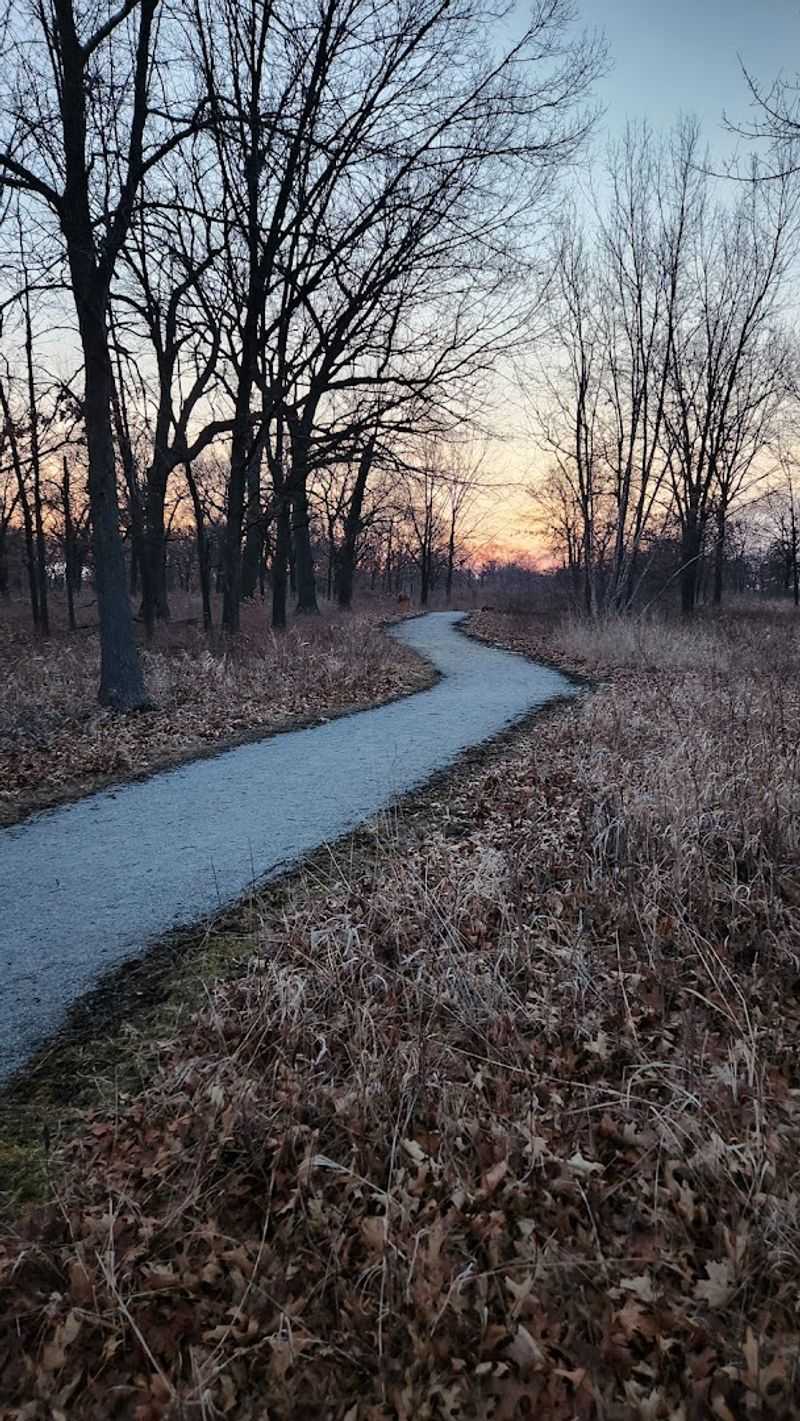
The trail system at Hoosier Prairie offers an accessible way to experience the preserve without requiring a major time commitment. The main loop takes about 20 to 30 minutes to walk at a leisurely pace, making it perfect for a quick nature break during a busy day.
Despite the short distance, the trail passes through several different habitat types.
Trail markers correspond to a brochure available at the sign-in station, providing educational insights about what you are seeing along the way. The paths stay relatively clear and easy to follow, though conditions can get muddy after rain.
I recommend wearing waterproof footwear if you visit within a day or two of wet weather.
The trails wind through oak savanna, cross through prairie openings, and skirt along marshy areas where frogs sing loudly during spring and summer. Benches placed along the route offer spots to pause and observe wildlife or simply soak in the peaceful atmosphere.
The preserve opens at 9 AM and closes at 5 PM daily, giving plenty of daylight hours for visits.
Dogs are welcome but must stay on leash to protect both wildlife and the sensitive plant communities. The preserve does not provide trash cans, so plan to pack out everything you bring in.
This policy helps maintain the natural character of the area while encouraging visitors to practice leave-no-trace principles during their time on the trails.
Wildlife Viewing Opportunities In A Suburban Setting
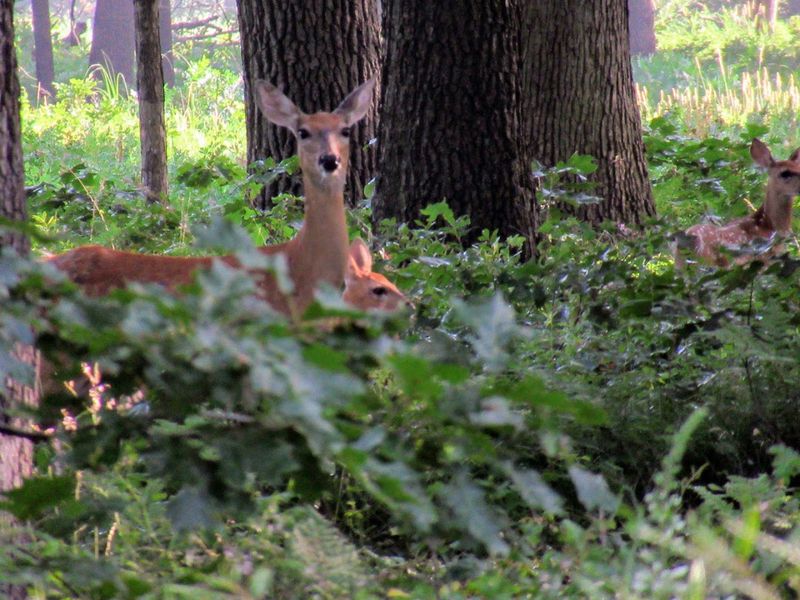
Wildlife thrives at Hoosier Prairie despite its location near developed areas. Deer frequently appear along the trails, especially during early morning or evening hours when they feel most comfortable moving through open areas.
Watching them graze among the native plants reminds me why protecting these habitats matters so much.
Bird watchers find the preserve particularly rewarding because the mix of habitats attracts diverse species. Eastern Wood Pewees, Northern Flickers, and goldfinches make regular appearances, and the marsh areas draw waterfowl and wading birds.
The sounds of traffic from nearby roads do intrude somewhat, but the bird activity remains impressive throughout the seasons.
Frogs create an incredible chorus during spring and summer, their calls echoing across the wetland areas. The preserve supports several amphibian species that depend on the ponds and marshes for breeding.
Butterflies and other pollinators visit the abundant wildflowers, adding movement and color to the prairie landscape.
After hiking, check yourself carefully for ticks because deer populations mean these parasites are present in the area. The preserve provides important habitat for species that have lost ground elsewhere as development continues.
Bringing binoculars enhances wildlife viewing, and patience often rewards visitors with sightings they might otherwise miss while walking quickly through the preserve.
A Living Laboratory For Rare Plant Species
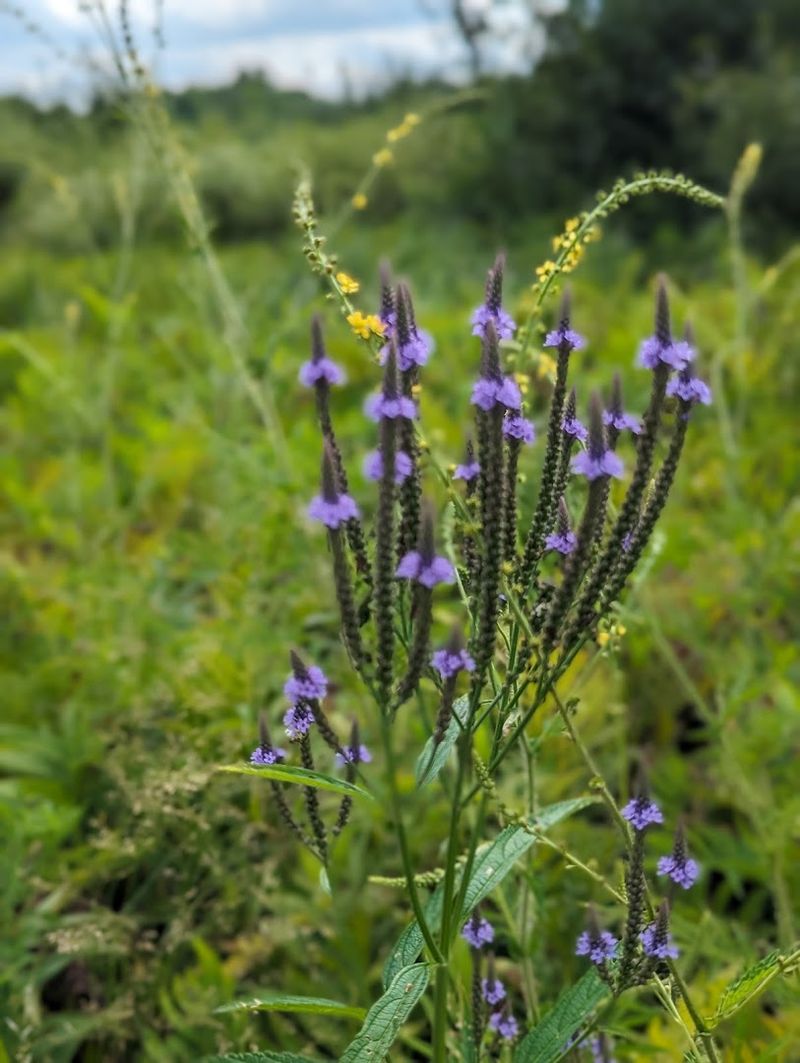
Botanists and plant enthusiasts consider Hoosier Prairie a treasure because it harbors species found almost nowhere else in Indiana. The preserve functions as a living laboratory where rare plants continue to survive in their natural habitat.
Some species here are so uncommon that seeing them requires careful observation and proper timing.
The sandy soil creates growing conditions that most plants cannot tolerate, but specialized prairie species evolved to thrive in exactly these circumstances. Their adaptations to drought, poor nutrients, and intense sun make them fascinating subjects for study.
The preserve protects these plants not just for their rarity but for their role in the broader prairie ecosystem.
Educational programs occasionally take place here, connecting people with the unique botanical heritage of the region. School groups, naturalist clubs, and conservation organizations use the preserve as an outdoor classroom.
The experience of seeing endangered plants in their native setting creates a deeper understanding than any textbook could provide.
Visitors must resist the temptation to pick flowers or collect seeds because removing even small amounts can harm vulnerable populations. Photography offers a better way to take home memories of the rare species you encounter.
The preserve staff and volunteers work continuously to monitor plant populations and manage threats, ensuring these botanical rarities persist for future generations to discover and appreciate along the trails.
A Refuge Saved From Development Through Conservation Efforts
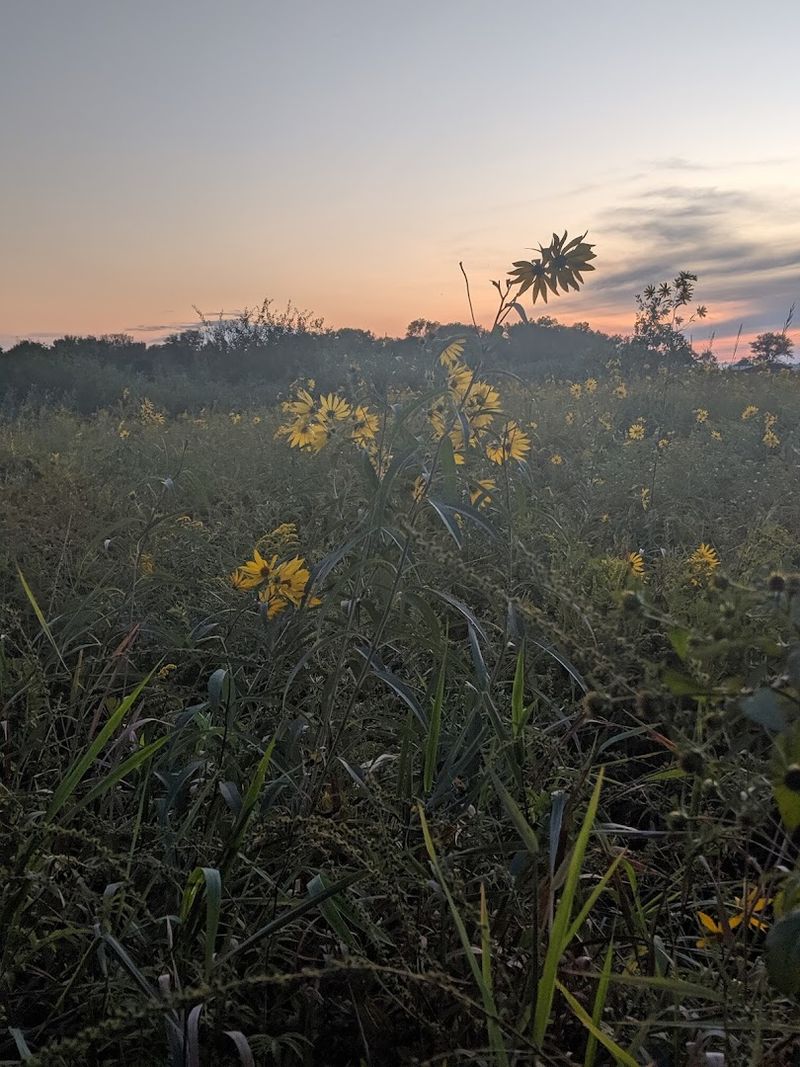
The story of how Hoosier Prairie survived makes its existence even more remarkable. This land faced the same development pressures that erased most sand prairies from the region.
Conservation organizations recognized the ecological importance and worked to protect it before the opportunity disappeared forever.
The Nature Conservancy played a key role in preserving this area, and the Indiana Department of Natural Resources now manages it as a dedicated nature preserve. This designation provides the highest level of protection available under state law.
Walking here means experiencing a landscape that easily could have become another parking lot or industrial site.
Oil pipelines and railroad lines run near the preserve boundaries, visible reminders of the industrial development that surrounds this natural oasis. The contrast between the preserved prairie and nearby factories illustrates why protection efforts matter so much.
Without intervention, this ecosystem would have joined the long list of habitats lost to progress.
Supporting the preserve through visits and advocacy helps ensure ongoing protection and management. The work never truly finishes because invasive species, changing climate conditions, and other pressures require constant attention.
Every person who visits and appreciates what has been saved here contributes to building public support for conservation. The preserve stands as proof that determined efforts can rescue irreplaceable natural areas even in heavily developed regions.
Easy Access For A Quick Nature Fix Near Schererville
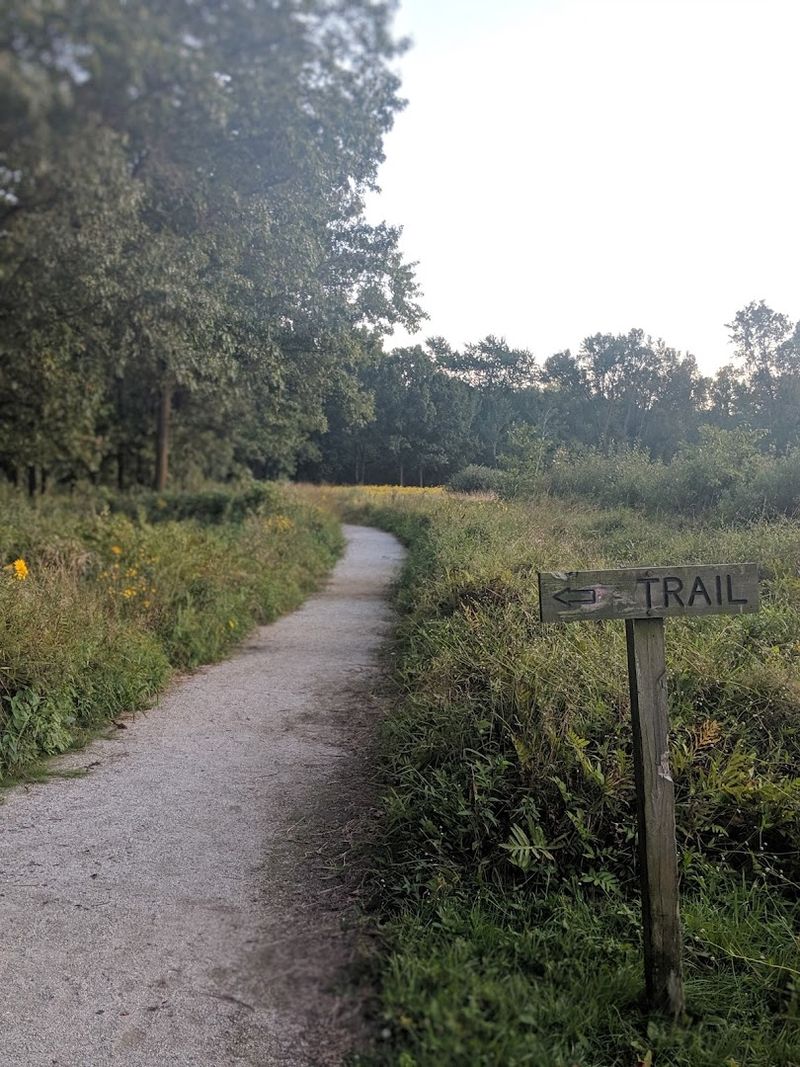
Location makes Hoosier Prairie especially valuable because quality natural areas are not abundant in northwest Indiana. The preserve sits right in Schererville at 135 East Main Street, making it easy to reach from surrounding communities.
You can visit during a lunch break, before work, or whenever you need a quick escape into nature.
The parking area provides convenient access, though some visitors have noted it occasionally serves as storage for equipment from nearby businesses. This minor inconvenience does not diminish the value of having this natural space so readily available.
The preserve opens daily from 9 AM to 5 PM, offering consistent hours for planning visits.
After exploring the prairie, several nearby spots offer chances to extend your outing. Teibel’s Restaurant at 1775 US Highway 41 in Schererville has served classic comfort food since 1929, providing a local dining institution.
For coffee and a quieter atmosphere, try stopping at Hoosier Roast Coffee at 1 West Lincoln Highway in Schererville. If you want more outdoor time, Pennsy Greenway Trail connects to regional trail systems for biking or extended walks.
The proximity to residential areas means families can introduce children to nature without major travel. Short trails and easy access make the preserve manageable for various fitness levels and time constraints.
Having this resource nearby encourages regular visits throughout the year, building connections with the changing seasons and the rare landscape they support.
