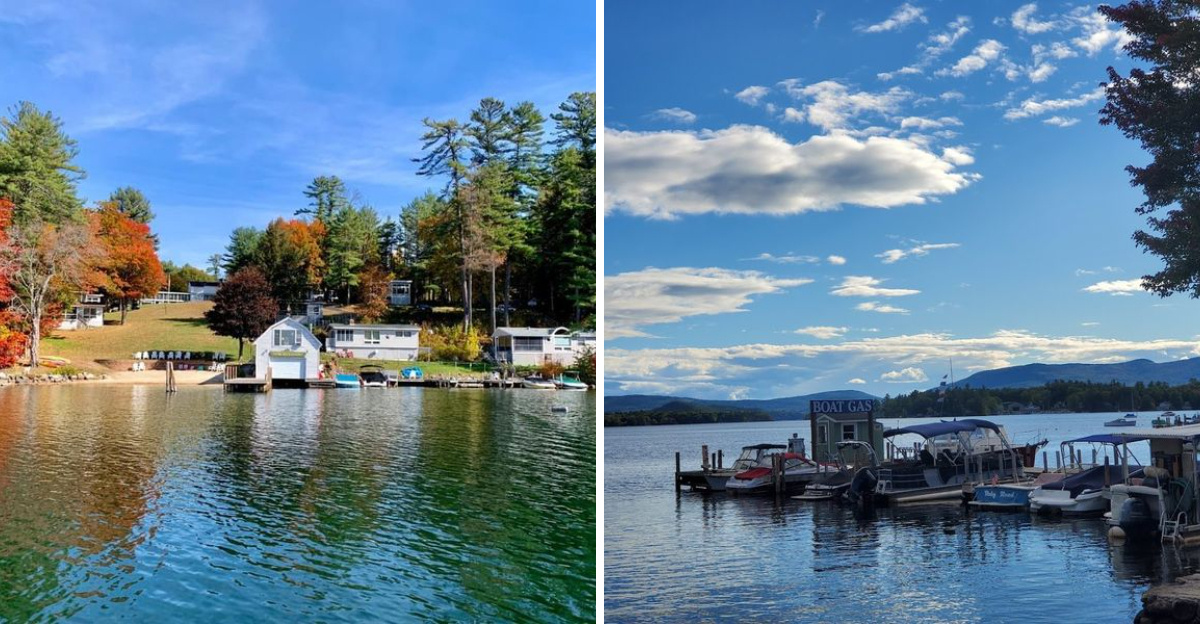
I do not usually write negative articles about places in New Hampshire, but sometimes the truth needs to be told. I have been visiting this lake town for years, and I have watched it change in ways that break my heart.
The locals are the ones who told me the word “ruined.” They did not say it with anger. They said it with sadness.
The quiet streets that used to be empty on summer mornings are now packed with cars by eight AM. The little local shops that sold handmade goods are being replaced by souvenir stores selling the same cheap items you can find anywhere.
The public beaches are so crowded that you can barely see the sand. I talked to a woman who has lived here for forty years.
She said she does not even go to the lake anymore during the summer. She waits until September, when the tourists finally go home.
That is not how life in a New Hampshire lake town should feel. The beauty is still there, but the peace is getting harder to find.
The Traffic That Turned a Five-Minute Drive Into a Two-Hour Nightmare
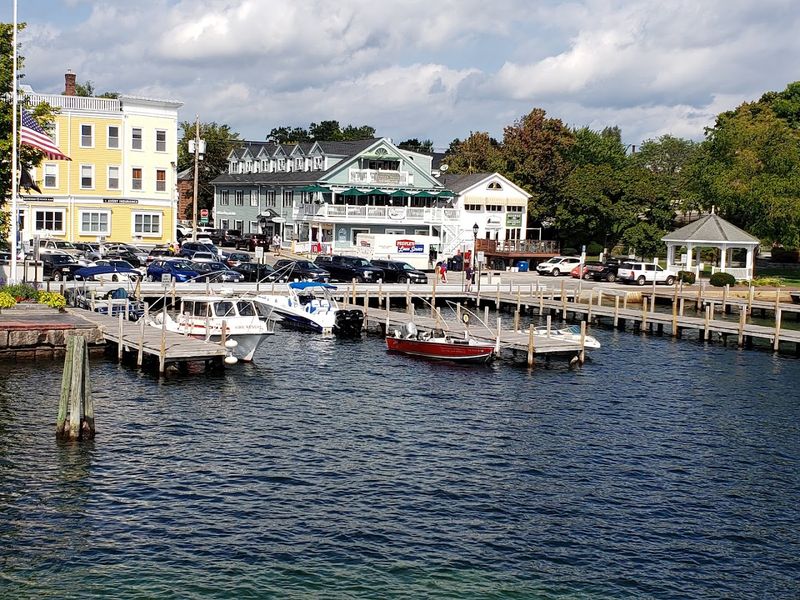
Picture this: you need to grab something from the store two blocks away, and by the time you get back, your ice cream has melted and your patience has evaporated.
That is the summer reality for many long-time residents of Wolfeboro, New Hampshire, where a quick five-minute drive can stretch into a two-hour crawl during peak July weeks.
The town’s narrow, historic streets were simply not designed for the volume of vehicles that now pour in each summer. Main Street becomes a slow-moving parking lot, and side roads offer little relief.
Locals who once zipped around town on their own schedule now plan errands around tourist hours or avoid going out altogether on weekends.
It is not just inconvenient. For emergency vehicles trying to navigate through gridlocked roads, the situation raises real safety concerns that the town is actively working to address.
New Hampshire is a state that prides itself on independence and practicality, and residents here are pragmatic about solutions. The town is exploring smarter parking systems and traffic flow improvements, but for now, summer in Wolfeboro means patience is not just a virtue.
It is a survival skill.
Housing Costs Skyrocketed and Longtime Locals Got Priced Out
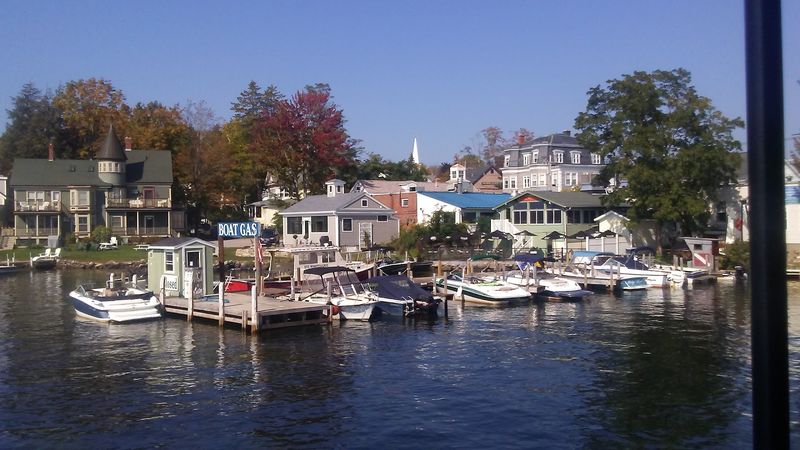
There is a quiet crisis unfolding behind the postcard-perfect scenery of Wolfeboro, New Hampshire. As the town’s popularity surged, so did property values and rental prices, pushing many longtime residents and seasonal workers right out of the housing market.
Affordable housing has become one of the most pressing and emotionally charged conversations at town hall meetings.
Short-term rental platforms have transformed dozens of homes that once housed local families into rotating vacation properties. Landlords discovered they could earn far more renting by the week in summer than signing a year-long lease with a local teacher or nurse.
The ripple effect hit hard: hospitality workers who keep the town’s restaurants and shops running cannot afford to live anywhere near where they work.
New Hampshire has always had a strong sense of community, and in Wolfeboro, that community is fighting back. Local advocacy groups are pushing for updated zoning rules that limit short-term rentals and prioritize long-term housing stock.
Some progress has been made, but the gap between what the market demands and what working residents can afford remains wide. For a town that calls itself a community first and a resort second, this tension cuts deep.
Lake Winnipesaukee Is Getting Loved a Little Too Hard
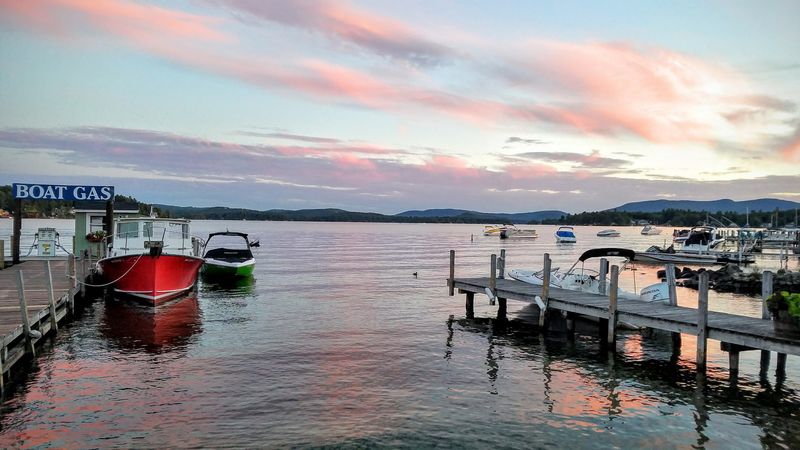
Lake Winnipesaukee is the crown jewel of Wolfeboro and honestly of all of New Hampshire. Its crystal-clear water, island-dotted surface, and mountain backdrop make it the kind of place people travel hours to see.
But that beauty is now under real pressure from the sheer number of people who want a piece of it every summer.
Boat traffic has increased dramatically, with personal watercraft zipping across the lake at speeds that erode shorelines and disturb nesting wildlife. The noise alone has changed the peaceful character of early mornings that residents once treasured.
Beyond noise, the environmental impact is measurable. Fuel runoff, wake erosion, and the introduction of invasive aquatic species via unclean boat hulls all threaten the ecosystem that makes the lake worth visiting in the first place.
Wolfeboro has implemented boat inspection programs and invasive species controls at launch points, which is a smart and necessary step. But enforcement is challenging with so many watercraft entering the lake daily.
Locals who grew up swimming and kayaking in quiet coves now find those spots crowded and sometimes unsafe. Protecting Lake Winnipesaukee is not just a local priority.
It is a New Hampshire responsibility that demands ongoing commitment from everyone who enjoys its shores.
The Stormwater System Was Not Built for This Many People
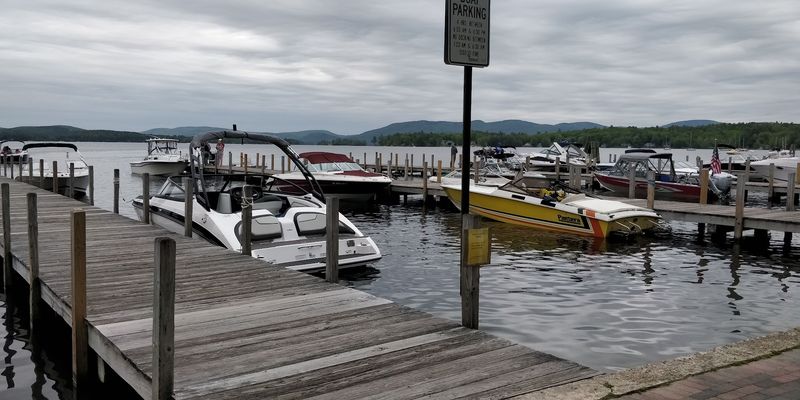
Here is a problem most tourists never think about while snapping photos on the dock: every rainstorm in Wolfeboro sends runoff racing through an aging stormwater system that eventually empties into Lake Winnipesaukee.
With more pavement, more parking lots, and more development feeding that system, the risk of pollution entering the lake grows every year.
Wolfeboro’s stormwater infrastructure was designed for a much smaller footprint. As the town has expanded to accommodate tourism, impervious surfaces have multiplied.
That means more water rushes off roads and parking areas instead of soaking naturally into the ground.
That runoff carries fertilizers, oil, sediment, and other pollutants straight into the lake’s watershed.
New Hampshire environmental agencies have flagged this as a priority issue, and Wolfeboro has begun implementing updated stormwater management regulations to control runoff and reduce pollution loads. Rain gardens, permeable pavement, and buffer zones near the shoreline are among the tools being explored.
Residents who have watched the lake’s clarity slowly shift over decades understand what is at stake. A town that markets itself on the beauty of its water cannot afford to let infrastructure neglect quietly degrade the very thing that draws people here in the first place.
Restaurants and Shops Are Stretched Way Too Thin
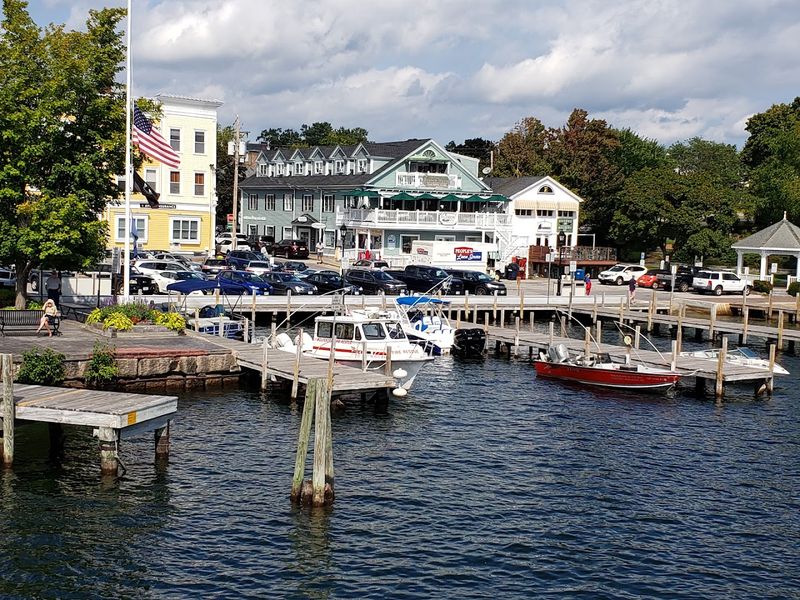
Walking down Wolfeboro’s main street in July feels electric and exhausting all at once. Every table is full, every shop has a line, and the staff behind every counter looks like they have not had a day off since Memorial Day.
The tourism boom that fills registers has also created a staffing crisis that is quietly straining the businesses locals rely on year-round.
Finding reliable workers in a town where affordable housing is scarce has become nearly impossible for many business owners. Some restaurants have cut their hours or closed on days they used to stay open simply because they cannot find or retain enough staff.
The irony is sharp: tourism brings the money, but it also drives away the workforce needed to handle it.
Regulars who loved their favorite spots for their consistency now deal with longer waits, reduced menus, and the occasional apology note on the door.
Wolfeboro’s business community is resilient and creative, and many owners are exploring new staffing models, seasonal housing partnerships, and off-season programming to stabilize operations.
The goal is a town that works for everyone, not just for the six weeks when New Hampshire’s summer hits its peak frenzy and every seat in town is suddenly spoken for.
The Town’s Historic Character Faces Pressure From New Development
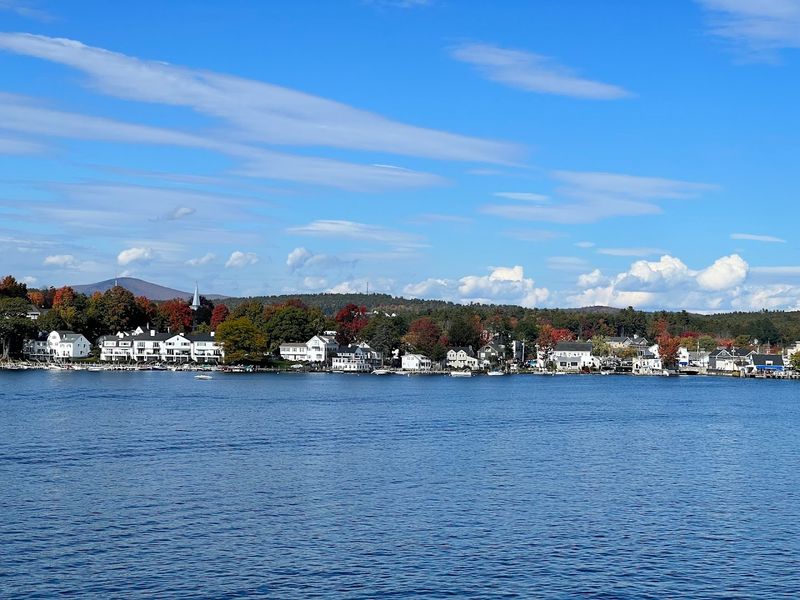
Wolfeboro earned its nickname as the oldest summer resort in America through centuries of carefully preserved character. The white clapboard buildings, the church steeples poking above the tree line, the unhurried rhythm of life near the water.
These are not just aesthetics. They are the identity of the town, and locals are fiercely protective of them.
As tourism dollars pour in, development pressure follows close behind. Proposals for larger commercial buildings, expanded parking infrastructure, and high-density lodging have sparked passionate debates at planning board meetings.
Residents worry that chasing tourist revenue will gradually replace the town’s soul with something generic and forgettable, the kind of place that looks like every other resort town instead of itself.
Wolfeboro has responded by revising zoning regulations to protect the shorefront residential district and tightening architectural design standards that require new construction to complement the existing historic fabric. Green spaces are being defended with real determination.
The town’s Economic Development Committee is also thinking long-term, exploring ways to build a sustainable local economy that does not depend entirely on two months of summer chaos. Preserving what makes Wolfeboro, New Hampshire genuinely special is not nostalgia.
It is smart planning for a community that wants to still be itself in twenty years.
Celebrity Sightings Are Fun Until They Bring the Paparazzi Crowd
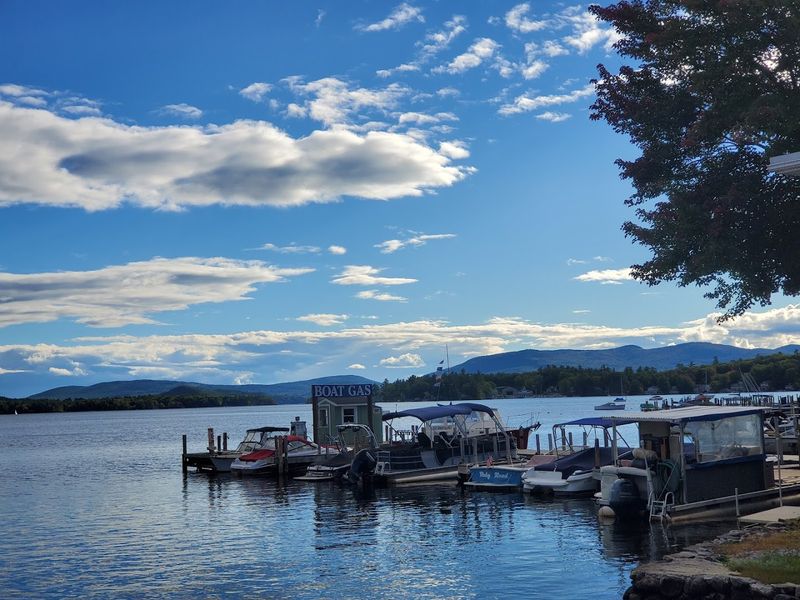
Wolfeboro has always attracted a certain kind of well-heeled summer visitor, the type who values privacy, nature, and a genuinely unhurried pace.
Over the years, notable names including Jimmy Fallon, Drew Barrymore, and Mitt Romney have all been linked to the area. They were all drawn by exactly the low-key atmosphere that defines the town at its best.
The problem is that celebrity association is a double-edged paddle. Word spreads fast in the age of social media, and suddenly the sleepy dock that used to be a locals-only kayak launch becomes a spot where people show up hoping to spot someone famous.
The town’s quiet appeal becomes its own worst advertisement, attracting exactly the kind of attention that undermines the peace everyone came here to find.
Long-time residents shrug off the celebrity angle with the dry humor typical of New Hampshire natives. They did not move here or stay here for the star power.
They stayed for the loons calling across the water at dawn and the ability to leave their doors unlocked. When the town’s identity gets filtered through a celebrity lens, it changes the vibe in ways that are hard to quantify but easy to feel on a crowded summer Saturday at the marina.
Water Quality Worries Are Keeping Locals Up at Night
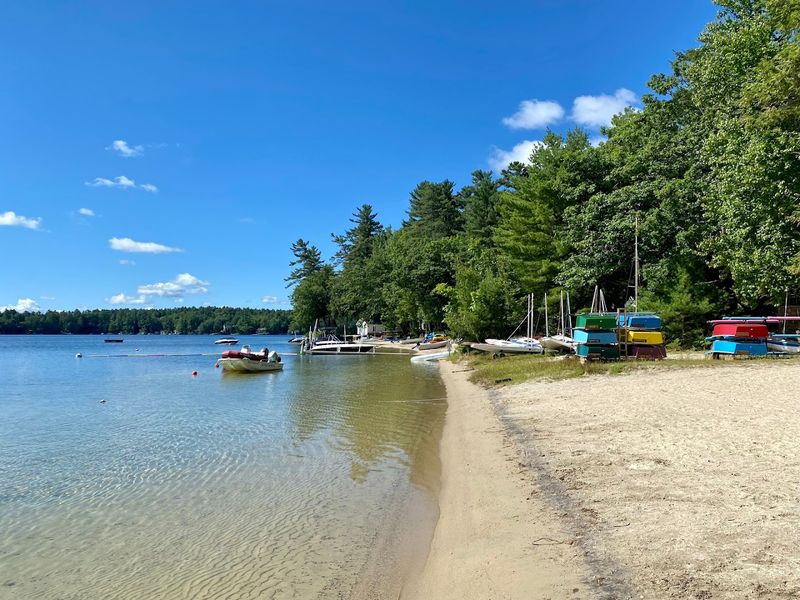
Ask any Wolfeboro local what they fear losing most, and the answer comes quickly: the water. Lake Winnipesaukee is not just a backdrop for vacation photos.
It is the ecological and emotional heart of the community, and its health is directly tied to how well the town manages growth and tourism pressure.
Concerns about water quality have intensified as development accelerates. Fertilizer runoff from manicured lawns near the shoreline contributes to algal blooms that can make swimming unsafe and harm aquatic life.
Invasive plant species, once introduced, spread aggressively and are enormously costly to control. The cumulative impact of thousands of additional people using the lake each summer adds up in ways that are slow to appear but fast to become irreversible.
Wolfeboro has taken measurable steps to address these threats, including new stormwater regulations and active invasive species monitoring at boat launches. Environmental groups and town officials are collaborating on buffer zone protections and public education campaigns.
New Hampshire’s lakes are a statewide treasure, and Wolfeboro understands that stewardship is not optional. The locals who swim in that water with their kids every summer are not being alarmist.
They are paying attention to something that matters more than any single tourist season ever could.
The Push to Become a Four-Season Town Could Change Everything
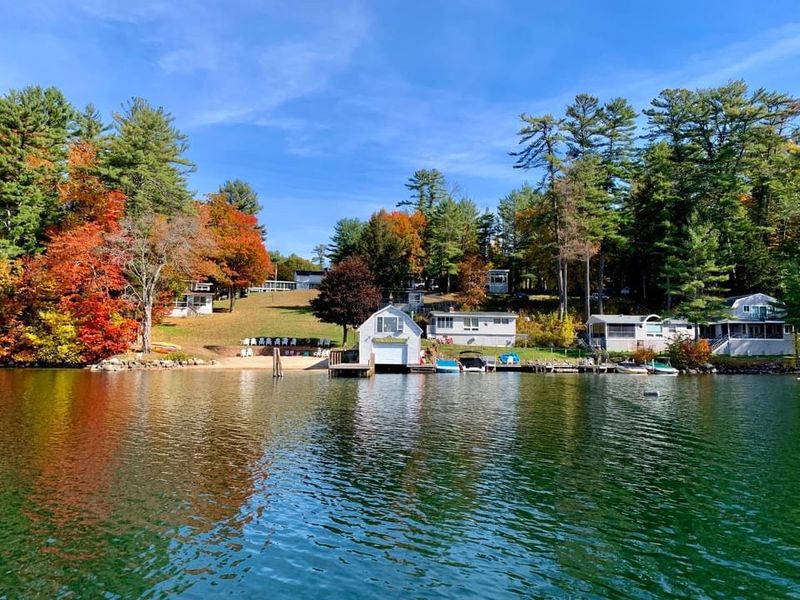
Wolfeboro’s Economic Development Committee is playing the long game, and it is one of the more exciting stories unfolding in this corner of New Hampshire right now.
Rather than accepting the feast-or-famine cycle of a summer-only economy, town leaders are actively working to position Wolfeboro as a destination worth visiting in every season.
A major investment in upgrading the town’s ice arena signals serious intent. Winter programming, fall foliage events, and spring outdoor recreation opportunities are all part of a broader strategy to spread tourism pressure across the calendar instead of concentrating it in July and August.
Spreading visitors across more months means less strain on infrastructure, more stable employment for local businesses, and a healthier balance between resident life and visitor activity.
For locals, the four-season vision is appealing precisely because it could ease the summer crunch without abandoning the economic benefits that tourism genuinely provides. Wolfeboro is not anti-tourist.
Residents understand that visitor dollars fund the services and amenities they enjoy all year. The goal is balance, a town that welcomes people on its own terms and maintains the character that made it worth visiting in the first place.
That is a goal worth rooting for, no matter what time of year you show up.
So Is Wolfeboro Ruined, or Just Evolving Into Something New
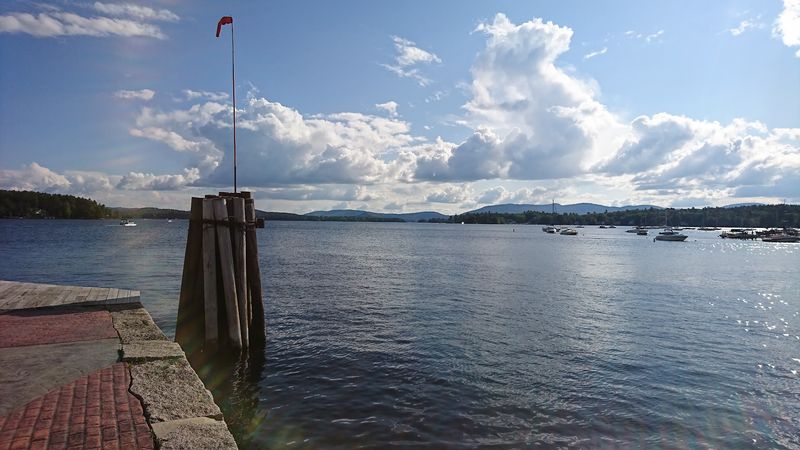
Standing on the dock at sunset with the light going gold across Lake Winnipesaukee, it is genuinely hard to call Wolfeboro ruined. The beauty is still staggering.
The pace, even in summer, retains flashes of the charm that earned this place its legendary reputation as the oldest summer resort in America. But the tension is real and the locals voicing frustration deserve to be heard.
Growth without intention has a cost, and Wolfeboro is reckoning with that cost in real time. Traffic, housing, infrastructure strain, and water quality are not abstract policy debates.
They are daily realities for the people who live here through every season, not just the sunny ones. New Hampshire towns have a history of stubborn self-determination, and Wolfeboro is no different.
The town is actively revising regulations, investing in infrastructure, and planning for a future that does not sacrifice liveability for popularity. Wolfeboro, New Hampshire is located in Carroll County, and you can learn more at wolfeboronh.us.
The address is simply Wolfeboro, New Hampshire, and finding it is easy. Leaving it behind is the harder part.
Pack light, respect the locals, and treat the lake like it belongs to everyone, because it does, and it needs all of us to act like it.
