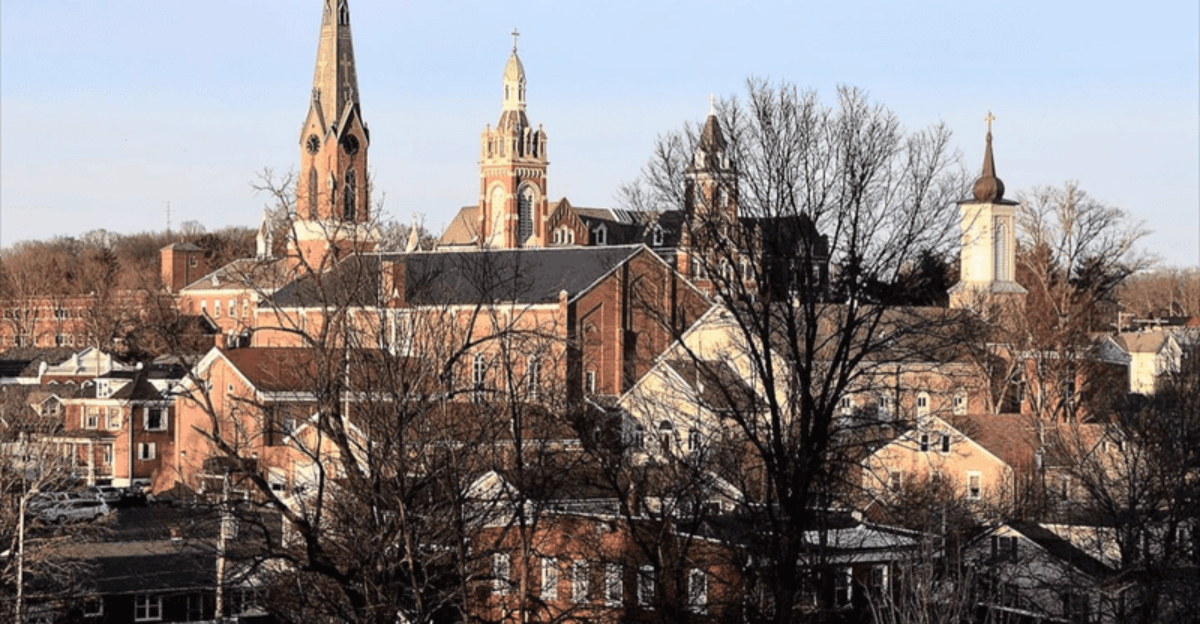
I never expected to find so much old-world charm right here in Indiana. But the moment I started exploring some of the smaller towns tucked across the state, I realized something special was hiding in plain sight.
German immigrants shaped these communities in ways that still show up today, from the architecture to the food to the festivals that fill the streets every summer and fall. These towns carry that heritage with real pride.
You can feel it in the historic churches, preserved buildings, and community events that bring families together year after year. If you love history, culture, and the kind of small-town warmth that feels genuinely earned, these places are absolutely worth your time.
1. Huntingburg
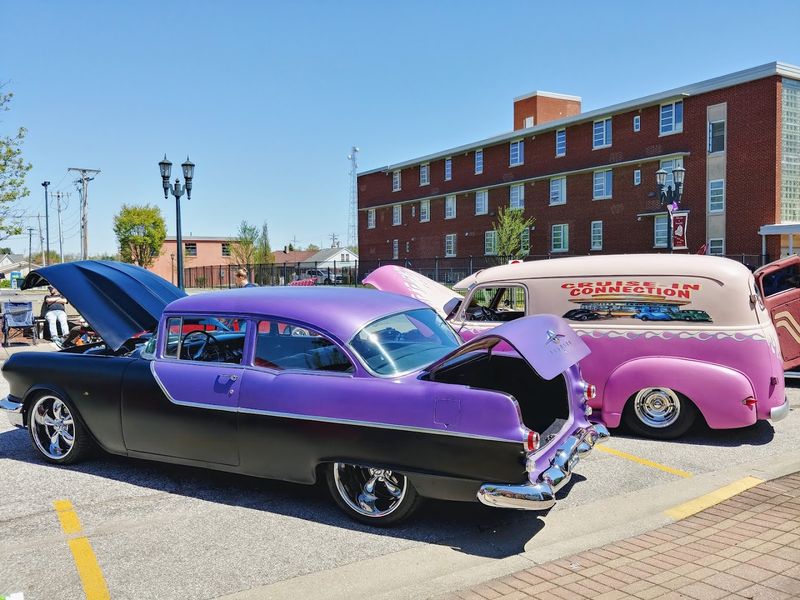
The name says it all, if you know your German. Huntingburg comes from the Germanic words for “hunter’s fortified town,” and this Dubois County city has lived up to that sturdy, grounded identity ever since it was platted in 1837.
German immigrants built this place from the ground up, and the craftsmanship they brought with them is still on full display in the beautifully preserved downtown district.
That downtown is listed on the National Register of Historic Places, which is no small achievement. The Victorian-era storefronts and brick-lined streets give the area a cinematic quality that has actually attracted Hollywood filmmakers over the years.
Walking Fourth Street feels like stepping into another era, one where quality construction and community pride were simply the standard.
Huntingburg earned the nickname “Stogie City” during its industrial heyday, when cigar factories and wood product manufacturing made it one of Southern Indiana’s most productive towns.
Today, the city channels that same energy into its annual Huntingburg Herbstfest, a fall celebration rooted in German tradition that brings the community together with food, music, and seasonal fun.
The League Stadium at 204 E Walnut Street, Huntingburg, IN 47542, made famous by the film “A League of Their Own,” is another local treasure worth visiting. Huntingburg is layered, proud, and full of stories worth hearing.
2. Ferdinand
Ferdinand carries a quiet, almost sacred sense of history. Father Joseph Kundek founded the town in 1840 with a clear vision: create a thriving, faith-centered community for German Catholic immigrants seeking a new life in America.
He named it after Emperor Ferdinand I of Austria, and the settlers who answered his call brought their language, their faith, and their culture with them from central Europe.
At one point, Ferdinand was affectionately known as the “wooden shoe village,” a nod to the traditional German and Dutch footwear that early residents still wore. That kind of detail tells you a lot about how closely these settlers held onto their identity even as they built something new in Indiana.
The architecture here blends old and new styles in a way that feels intentional and respectful of what came before.
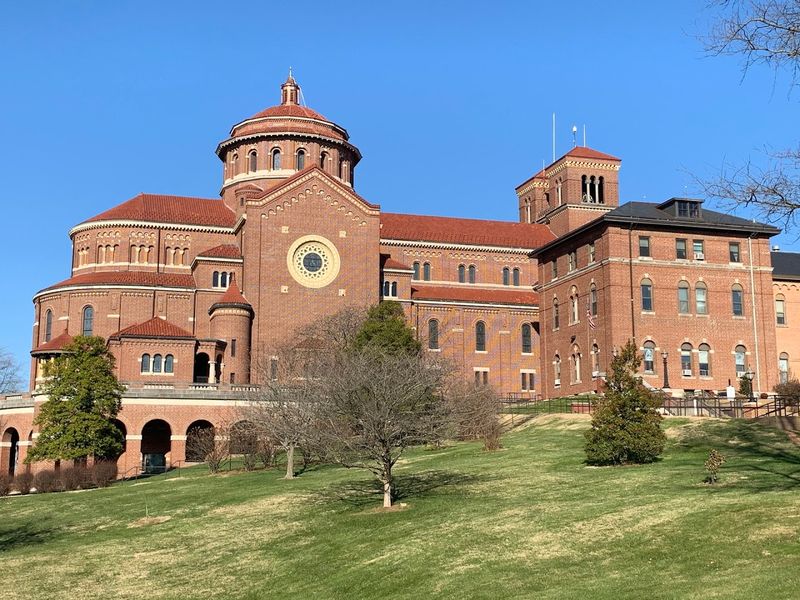
The crown jewel of Ferdinand is without question the Monastery Immaculate Conception, located at 802 E 10th Street, Ferdinand, IN 47532. Founded in 1867 and listed on the National Register of Historic Places, the monastery sits on a hill overlooking the town like something straight out of Bavaria.
The Benedictine Sisters who live and work there welcome visitors and offer a peaceful space for reflection. Ferdinand is small, yes, but its spiritual and cultural presence is enormous, far bigger than its population would ever suggest.
3. Oldenburg
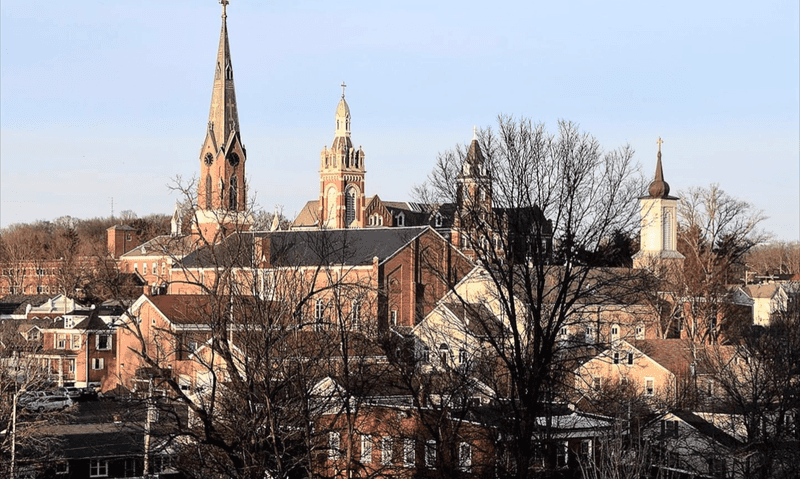
Oldenburg earns its nickname “The Village of Spires” for a very good reason. Look up almost anywhere in town and you will spot the soaring peaks of historic churches cutting into the Indiana sky.
Founded in 1837 by German settlers who named it after their homeland, this small Franklin County community has held onto its roots more tightly than almost any place in the state.
Walking through Oldenburg feels like flipping through a living history book. The bilingual street signs, written in both German and English, immediately signal that this is no ordinary Indiana town.
Many of the brick and stone houses lining the streets were built before 1900, and the Oldenburg Historic District earned its spot on the National Register of Historic Places back in 1983.
Every July, the town hosts Freudenfest, which translates to “Friend Festival.” It draws visitors from across the region with German cuisine, traditional music, folk dancing, and even dachshund races that bring out big laughs and bigger crowds.
The Convent of the Immaculate Conception, located at 505 E Pearl Street, Oldenburg, IN 47036, adds a quiet, reverent beauty to the landscape.
Oldenburg is the kind of place that does not need to shout about its history. It simply lives it, every single day, in every cobblestone and every church bell that rings across the rooftops.
4. Jasper
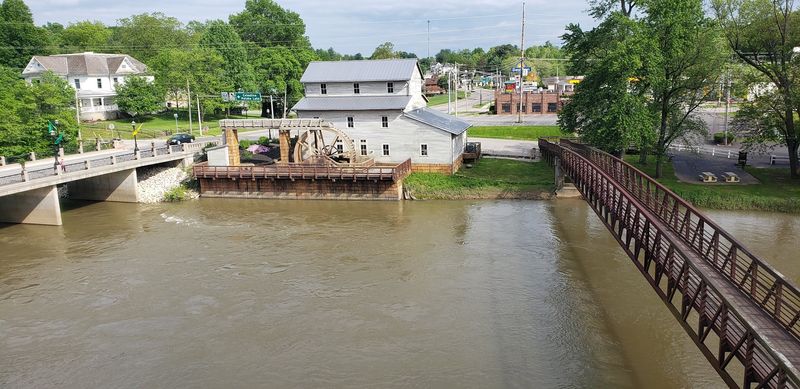
Jasper is the kind of city that makes you feel proud of where you come from, even if your last name has nothing to do with Germany. The German roots here run deep, going back to 1838 when Father Joseph Kundek began actively encouraging German immigrants to settle in Dubois County.
His efforts changed the entire character of the region in ways that are still visible and celebrated today.
The city maintains a sister city partnership with Pfaffenweiler, Germany, a connection that keeps the cultural bond alive across generations. That relationship is not just symbolic.
It shapes the way Jasper approaches craftsmanship, community, and civic pride. The Dubois County Courthouse at 1 Courthouse Square, Jasper, IN 47546 is one of the most striking landmarks in the area, a beautiful reminder of the careful, skilled work that German settlers brought with them.
Every year since the 1970s, Jasper has hosted Strassenfest, a beloved street festival celebrating German heritage with food, music, and community spirit that fills the downtown with energy.
The Astra Theatre at 306 Main Street, Jasper, IN 47546 adds a historic layer to the experience, offering a glimpse into the city’s cultural past.
Jasper does not just remember its German heritage. It celebrates it loudly, warmly, and with a sense of community that feels completely genuine and deeply rooted.
5. Batesville
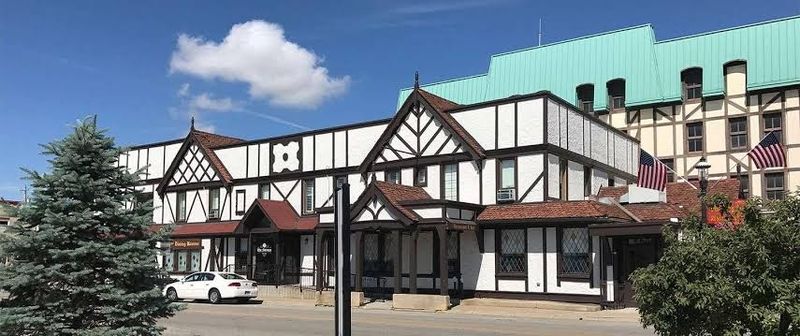
Batesville sits at the heart of one of Indiana’s most German-influenced corners. Settlers from northern Germany began arriving in the early 1830s, and their presence shaped everything from the town’s layout to the values its residents carry today.
The city was officially founded in 1852, and the historic downtown still reflects that era with century-old buildings that have been lovingly maintained over generations.
The Sherman House, built in 1852 and located at 35 S Main Street, Batesville, IN 47006, is one of the most recognized landmarks in the region. It has welcomed travelers for well over a century and remains a beloved gathering spot for locals and visitors alike.
The building itself is a testament to the enduring German commitment to craftsmanship and hospitality that defined this community from its earliest days.
The ancestry of people living in Batesville and the surrounding communities is overwhelmingly German, and that is not just a census statistic. You can feel it in the way neighbors look out for each other, in the pride taken in local institutions, and in the ongoing efforts to preserve and share this heritage.
Batesville has been central to what historians have called a “German renaissance” in Indiana, a movement focused on uncovering and celebrating the state’s deep German roots. It is a town that knows exactly who it is and is not afraid to say so.
6. Santa Claus
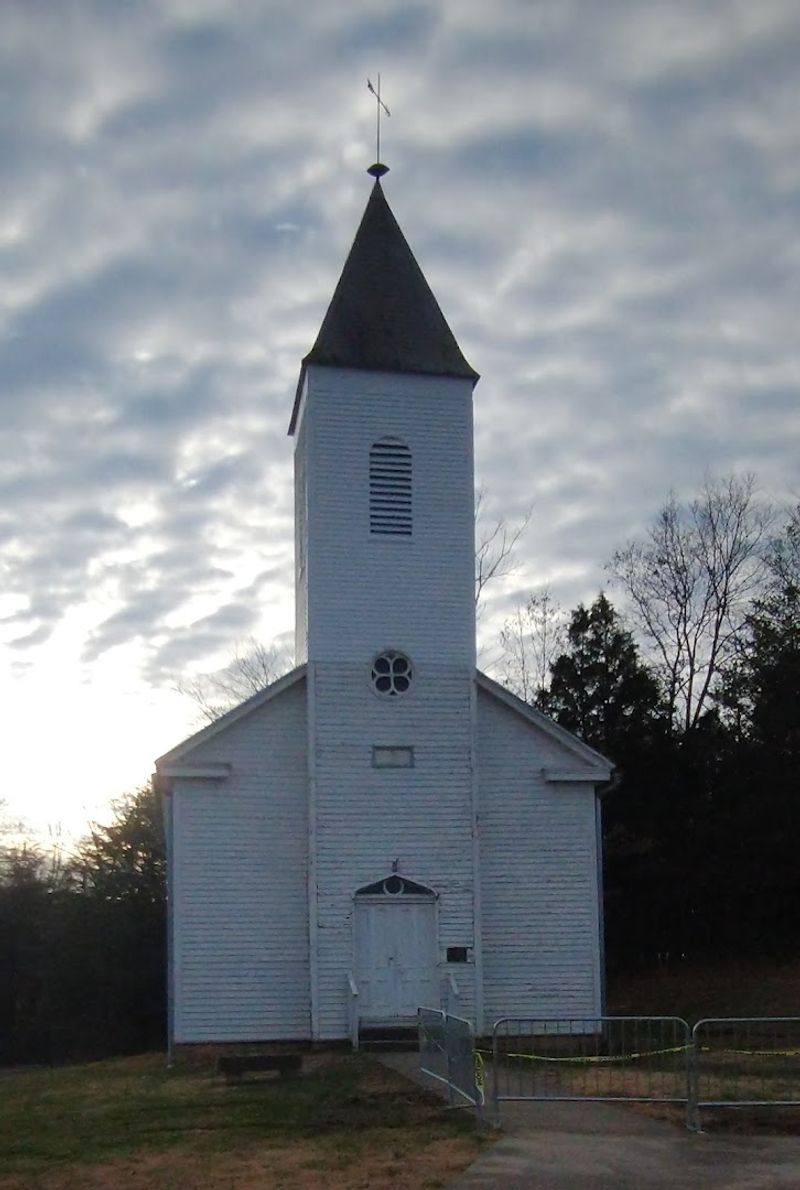
Santa Claus, Indiana, is famous for its name, and the story behind that name is genuinely charming. German immigrants settled this Spencer County community in the 1840s, establishing a quiet farming village far from the holiday spotlight it would eventually enjoy.
The town was originally called Santa Fe in 1854, but when postal officials rejected that name, the community needed a new one fast.
Legend has it that on Christmas Eve, during a town meeting to choose a new name, children outside heard sleigh bells and cried out “Santa Claus!”
The adults inside thought it was perfect, and just like that, the town had an identity unlike any other in America. The name was officially adopted in 1856, and the rest, as they say, is history worth visiting.
Beyond the holiday novelty, the German immigrant roots of Santa Claus give the town a warmth and community spirit that feels genuinely earned.
Holiday World and Splashin’ Safari at 452 E Christmas Blvd, Santa Claus, IN 47579, draws visitors from across the country, but the town itself is worth slowing down for.
The Santa Claus Museum and Village at 41 N Kringle Place, Santa Claus, IN 47579, offers a fascinating look at both the town’s quirky naming history and its immigrant founding story. It is one of Indiana’s most unique cultural experiences, full of heart and history.
7. Seymour
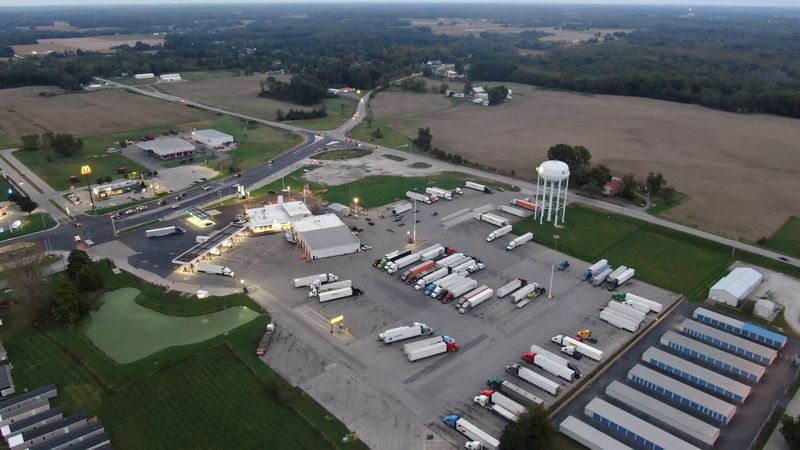
Seymour might not be the first place that comes to mind when you think of German heritage in Indiana, but the history here is real and worth knowing. Before the turn of the 20th century, the town saw a steady influx of German and Dutch migrants of the Lutheran faith.
They established farms, built businesses, and wove their cultural identity into the fabric of the community in ways that lasted for generations.
The Seymour Oktoberfest, which began in 1973, is the most visible celebration of that heritage today. It is one of the longer-running fall festivals in the state, drawing visitors with a lively parade, hot-air balloon races, craft vendors, and plenty of German-inspired food.
The event fills the streets with color and energy every year, and it has become a community tradition that locals genuinely look forward to.
Beyond the festival, Seymour has been making real efforts to explore and promote its German roots through language learning programs and community events that connect younger generations to the past.
Freeman Municipal Airport at 500 N Airport Road, Seymour, IN 47274, sits just outside town and has its own interesting history tied to the area’s development.
Seymour is not a flashy destination, but its authentic community pride and its commitment to honoring the people who built it make it a genuinely rewarding stop on any Indiana heritage road trip.
8. Holland
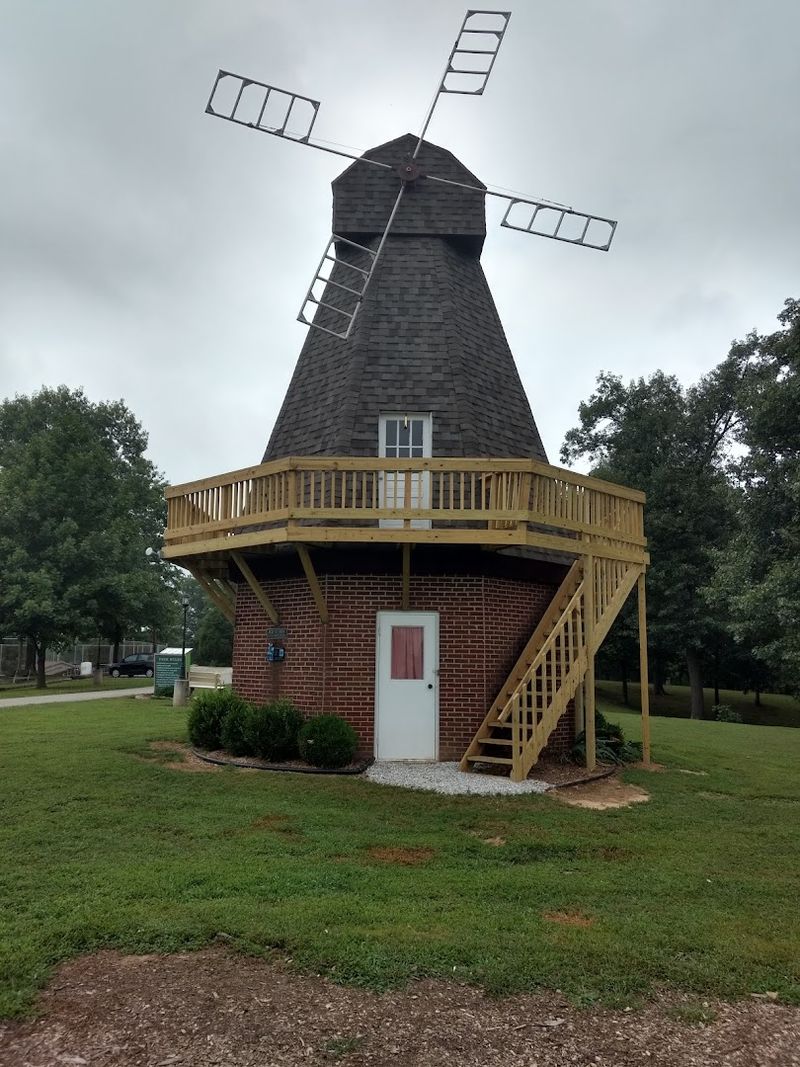
Holland, Indiana, is one of those places that rewards the curious traveler who is willing to go a little off the beaten path. Located in Dubois County, this small community carries a big piece of German immigrant history within its quiet borders.
By the mid-1840s, German Methodist circuit riders were already referring to the area southwest of Huntingburg as “Holland,” long before it was officially recognized as a town.
The town was officially platted in 1859 by a businessman named Henry Kunz, and the early settlers who called it home were a diverse mix of German cultural traditions. Those of Ladbergen descent associated with German Lutherans, while German Methodists and Evangelicals also put down roots here.
That blend of faith traditions and regional German backgrounds gave Holland a layered identity that set it apart from its neighbors even in its earliest years.
Today, Holland is a small, peaceful community where the pace of life slows down and the connection to the past feels close. The surrounding Dubois County landscape is beautiful, especially in the fall when the farmland turns golden and the old church steeples catch the afternoon light.
Nearby attractions in Jasper, just a short drive away, offer more dining and cultural options for visitors. But Holland itself, with its quiet streets and deep roots, is a reminder that some of Indiana’s most meaningful history lives in its smallest and least-celebrated places.
