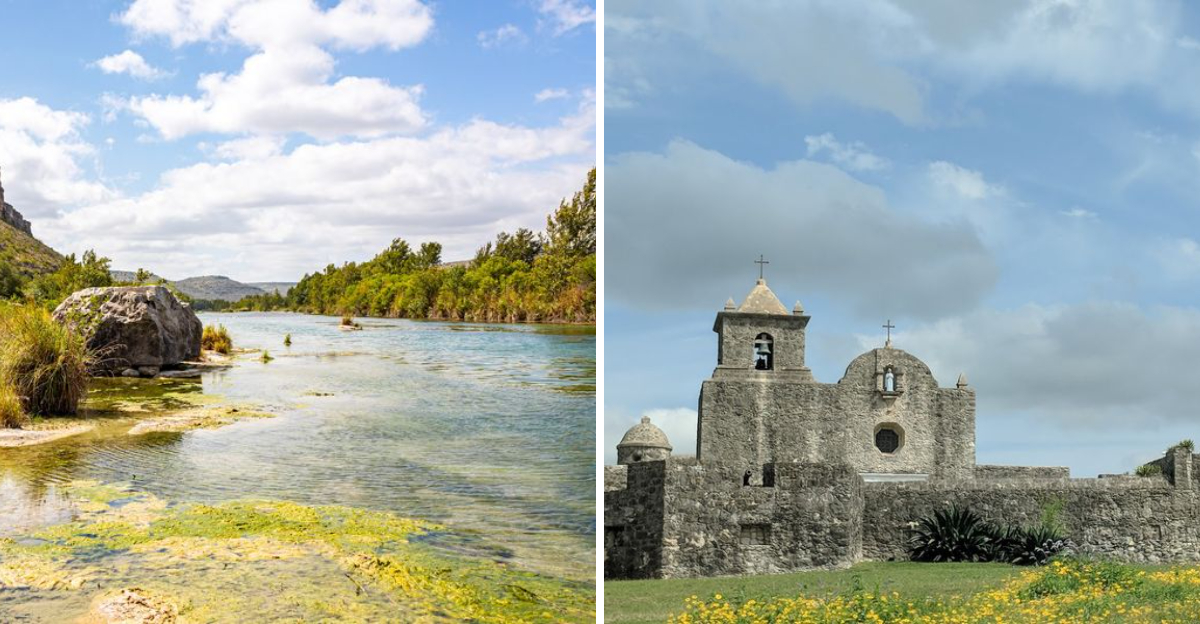
A lifelong Texan should not miss these spots. But many do.
They are off the beaten path, easy to overlook, and rarely make the glossy travel magazines. A quiet swimming hole, a roadside attraction with no sign, a small museum that holds more history than expected.
These hidden gems are scattered across the state, waiting for someone to find them. No long lines, no entrance fees, just genuine spots that feel like a discovery.
Texas is huge, and most of it is still uncharted for the average person. The best finds are often the ones that require a little extra effort.
This list is for the curious, the wanderers, and anyone who wants to see Texas the way it was meant to be seen. Start planning.
The gems are waiting.
1. Big Thicket National Preserve, Kountze
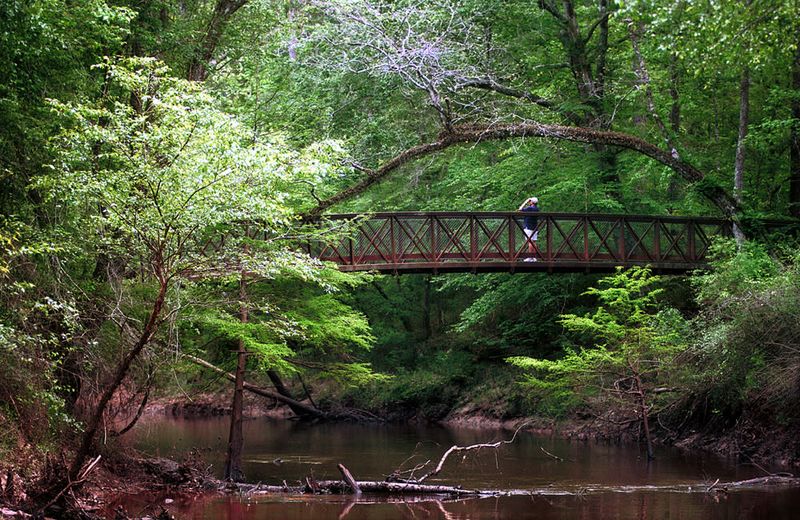
America’s first national preserve doesn’t look like what most people picture when they think of Texas. There are no wide open plains here, no dramatic canyons.
Instead, you get a thick, almost jungle-like wall of trees, ferns, and flowering plants that seems to belong somewhere far more tropical.
Big Thicket spans around 113,000 acres and somehow manages to pack nine completely different ecosystems into one connected stretch of land. Scientists consider it one of the most biologically diverse places in the entire Western Hemisphere.
Over 1,300 plant species have been recorded here, alongside birds, reptiles, and insects that rarely appear anywhere else in the state.
Carnivorous plants grow along the boggy edges of trails, which feels almost too wild to be real. Four different species of pitcher plants thrive here, quietly trapping insects in their elegant, eerie funnels.
I remember stopping along one of the boardwalk trails and genuinely not believing what I was looking at.
Hiking, camping, and paddling are all available throughout the preserve’s various units. The Kirby Nature Trail is a great starting point, looping through several ecosystems in just a few miles.
Birdwatchers especially love this place, since over 185 bird species pass through or nest here.
If you’re used to thinking of Texas as flat and dry, Big Thicket will genuinely shift your perspective. It’s the kind of place that feels alive in a way that’s hard to describe until you’re standing inside it.
Address: 6102 Farm to Market 420, Kountze, TX 77625
2. Seminole Canyon State Park and Historic Site, Comstock
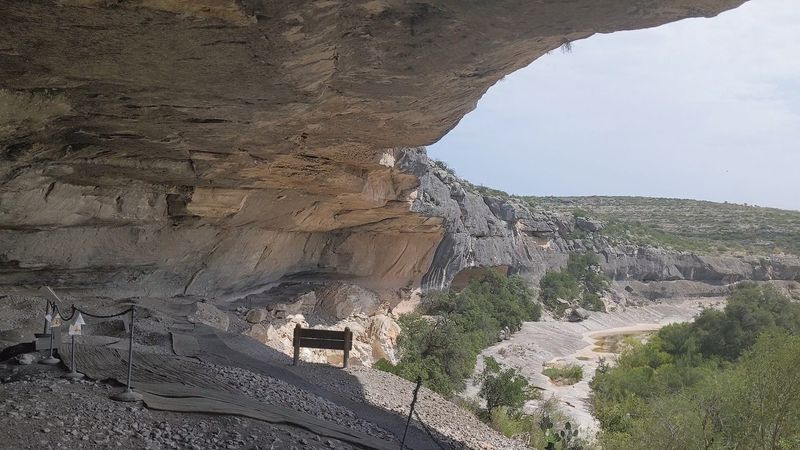
There’s something quietly powerful about being in a canyon where humans lived and created art over 4,000 years ago. Seminole Canyon holds some of the oldest and best-preserved rock art in North America, painted by the Pecos River culture across limestone walls that still feel intimate and alive.
The main attraction is Fate Bell Shelter, a massive overhang where ancient pictographs cover the rock in bold reds and blacks. Guided tours lead you down into the canyon and up to the shelter, and the ranger-led experience genuinely adds depth to what you’re seeing.
Without context, it’s beautiful. With context, it becomes something you won’t forget.
The canyon itself cuts dramatically through the surrounding desert scrubland, and the views from the rim trail are sweeping and a little humbling. You can see for miles in every direction, with the Rio Grande not far off in the distance.
It’s dry, quiet country out here, and that solitude feels like part of the experience.
Spring and fall are the best times to visit, when temperatures are manageable and the desert plants are doing interesting things. Summer heat in this part of Texas is no joke, so plan accordingly.
The park also has a campground if you want to stay overnight and catch the stars, which are spectacular this far from city lights.
Most people have never even heard of this place, which is honestly baffling given what it holds.
Address: US-90, Comstock, TX 78837
3. Big Bend Ranch State Park, Terlingua
Most people who make the long drive out to the Big Bend area head straight for the national park and never realize there’s an even wilder, less-visited stretch of land just to the west.
Big Bend Ranch State Park covers over 300,000 acres of volcanic desert, making it the largest state park in Texas by a significant margin.
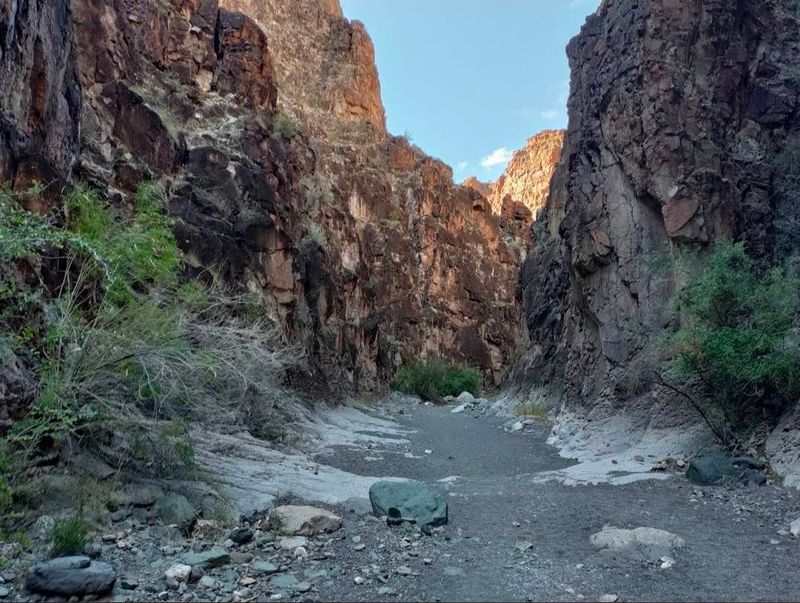
The landscape here feels genuinely remote in a way that’s hard to manufacture. Ancient volcanic calderas, dramatic canyon walls, and the Rio Grande running along the southern edge all combine into something that feels more like a foreign country than a Texas state park.
The Closed Canyon Trail is one of the most striking short hikes in the entire state, a narrow slot canyon that filters light in surreal, almost theatrical ways.
Wildlife is abundant and surprisingly varied. Black bears, mountain lions, pronghorn, and over 240 bird species call this area home.
Spotting any of them feels like a genuine reward for making the effort to get out here.
Because visitor numbers stay relatively low compared to the national park, you can spend hours on a trail without seeing another person. That kind of solitude is increasingly rare and genuinely valuable.
Stargazing here is also extraordinary, with some of the darkest skies in the lower 48 states sitting right above you.
Getting here requires a real commitment of time and driving, but that’s exactly what keeps the crowds away and the magic intact.
Address: 21800 FM170, Terlingua, TX 79852
4. Balcones Canyonlands National Wildlife Refuge, Marble Falls
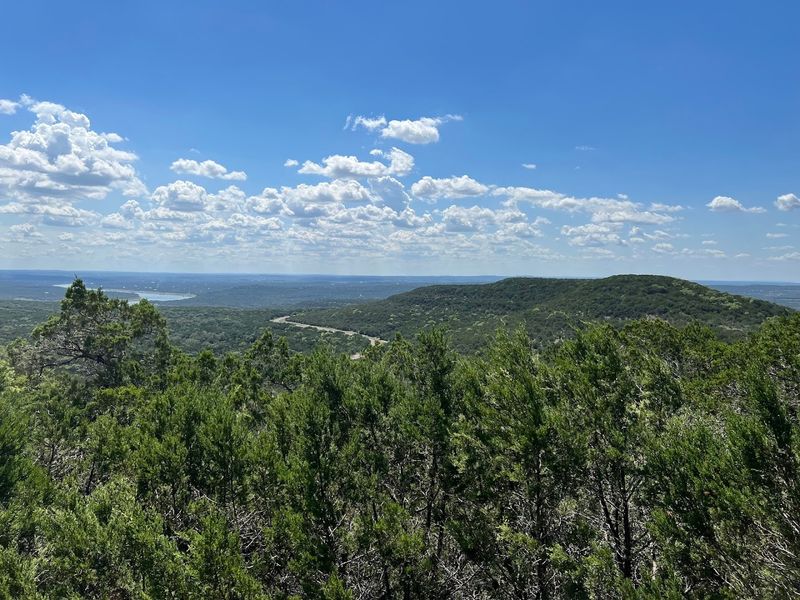
The Texas Hill Country gets plenty of attention for its bluebonnets and wineries, but hidden into the limestone ridges northwest of Austin is a wildlife refuge that most people drive right past without knowing it exists.
Balcones Canyonlands National Wildlife Refuge was established specifically to protect two of the rarest songbirds in North America.
The golden-cheeked warbler and the black-capped vireo both depend on the mature Ashe juniper and oak woodlands found here, and this refuge gives them a protected home.
Birdwatchers travel from across the country to catch a glimpse of these species during breeding season, which runs roughly from March through July.
Even if birds aren’t your thing, the landscape itself is worth the trip.
The refuge covers over 25,000 acres of rugged Hill Country terrain, with several trails open to the public. The Doeskin Ranch unit is particularly popular, offering a well-maintained loop through cedar and oak woodland with occasional long views across the canyon country below.
Early mornings here have a quality of light and sound that feels almost meditative.
Wildflowers bloom across the hillsides in spring, and the fall color change, while subtle compared to New England, adds warm amber and rust tones to the landscape. Deer are almost always visible, and the occasional roadrunner darting across the path never gets old.
It’s a quiet, unhurried kind of place that rewards slow travel more than any checklist approach.
Address: 24518 FM 1431, Marble Falls, TX 78654
5. Caprock Canyons State Park and Trailway, Quitaque
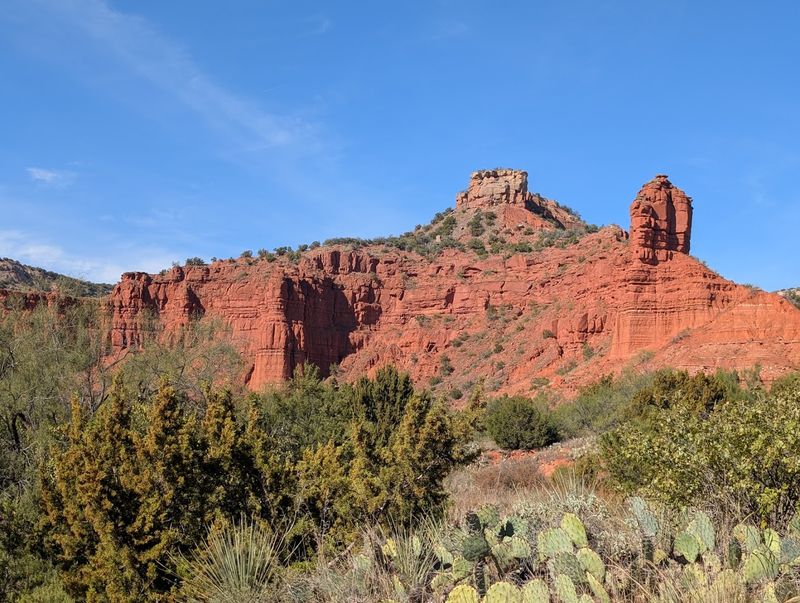
Palo Duro Canyon gets all the fame, but Caprock Canyons sits just a couple of hours south and delivers a very similar kind of jaw-dropping scenery with a fraction of the visitors.
The rust-red rock walls, the layered geology, the wide open silence of the Panhandle surrounding you, it all hits differently when you’re practically the only person there.
The park is home to the official Texas State Bison Herd, descendants of the Southern Plains bison that once numbered in the tens of millions. Seeing them move across the canyon rim in the early morning is one of those experiences that feels genuinely historic.
These aren’t zoo animals. They roam the park freely, and encounters can be surprisingly close if you’re patient and quiet.
The Caprock Canyons Trailway runs for 64 miles through the surrounding region, passing through a 700-foot railroad tunnel that is now home to one of the largest colonies of Mexican free-tailed bats in the world. Watching them emerge at dusk is a spectacle on a scale that’s hard to fully prepare for.
Hiking and mountain biking trails wind through the canyon interior, with the South Prong Trail being a particular standout for its views and terrain variety. The park also has well-equipped camping facilities for those who want to stay and experience the landscape across different times of day.
Address: 850 Caprock Canyon Park Rd, Quitaque, TX 79255
6. Devils River State Natural Area, Del Rio
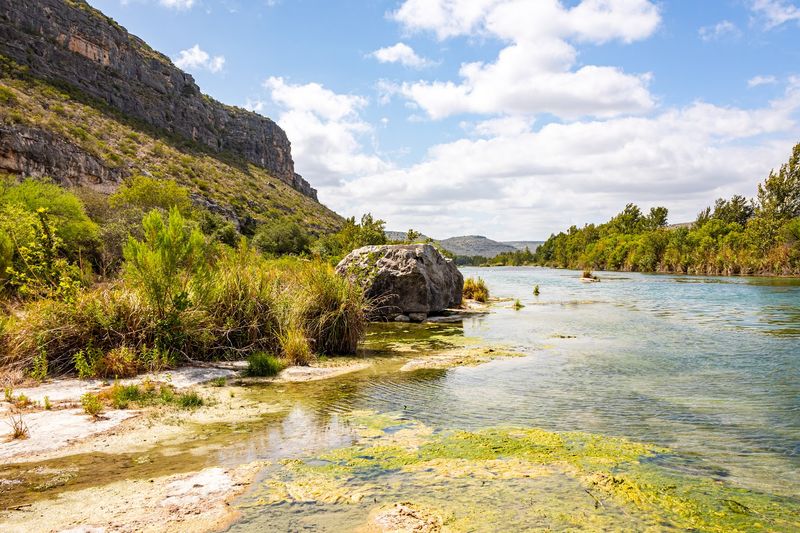
Getting to the Devils River requires genuine effort, and that’s exactly the point. The last stretch of road leading into the state natural area is unpaved and rough, and the remoteness is not incidental.
It’s the whole reason the river here remains one of the clearest, most pristine waterways in the entire state of Texas.
The water runs over limestone bedrock in shades of turquoise and green that look more Caribbean than Texan. Because the watershed is so sparsely populated and development is tightly restricted, the river has stayed remarkably clean.
Kayaking or canoeing through the canyon sections is a genuinely otherworldly experience, with towering limestone walls rising on both sides and the current moving you along at a pace that feels almost dreamlike.
Wildlife here is extraordinary. Peregrine falcons nest in the canyon walls, black bears occasionally pass through the area, and the river itself supports rare fish species found nowhere else on earth.
The sense of ecological health is palpable, even if you can’t quite name what you’re noticing.
Access is limited and permits are required, which keeps visitor numbers intentionally low. Planning ahead is essential, and the park recommends calling before making the drive out.
That extra layer of effort functions as a kind of natural filter, ensuring that the people who make it out here are genuinely invested in the experience.
This is not a place for casual drop-ins. It rewards the committed traveler in ways that are difficult to overstate.
Address: 21715 Dolan Crk Rd, Del Rio, TX 78840
7. Bentsen-Rio Grande Valley State Park, Mission
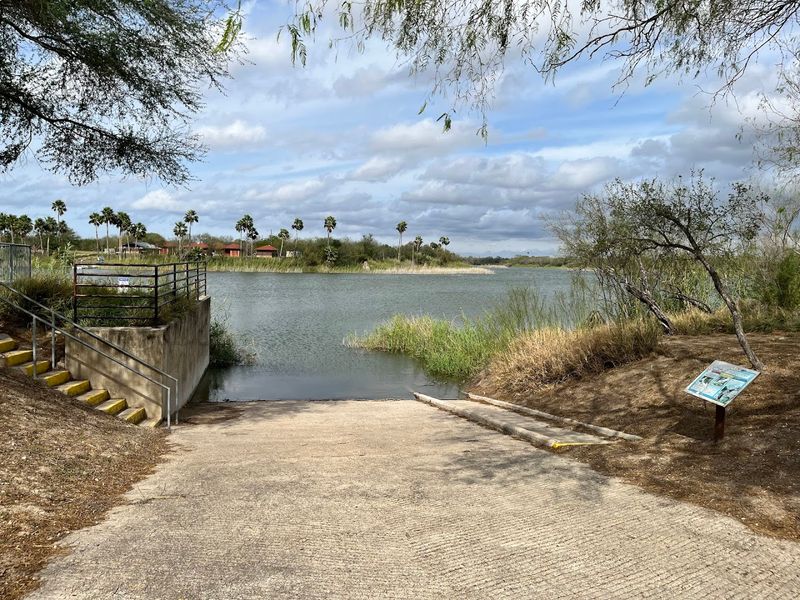
The Rio Grande Valley is one of the most important birding destinations in the entire country, and Bentsen is its crown jewel.
The park sits right along the river in the subtropical zone where North American and Mexican bird ranges overlap, creating a concentration of species that simply doesn’t exist anywhere else north of the border.
Over 360 bird species have been recorded within the park, including specialties like the green jay, the plain chachalaca, and the altamira oriole. These are birds that most American birders have to travel internationally to see, yet here they show up reliably at feeders and in the woodland just off the main trail.
The park operates a tram service that runs quietly through the grounds, making it accessible even for those who can’t walk long distances.
The landscape itself is a fascinating mix of native Tamaulipan thornscrub, resaca wetlands, and riparian woodland. Ocelots and jaguarundis have both been documented in the region, though sightings are rare and largely nocturnal.
Just knowing they’re out there adds a certain electricity to walking the trails after dark.
Butterfly diversity here is equally staggering, with hundreds of species recorded throughout the year. Fall migration brings enormous numbers of raptors, monarch butterflies, and neotropical songbirds all moving through at once.
The Valley in October is genuinely one of the most alive places I’ve ever been in Texas.
Address: 2800 S Bentsen Palm Dr, Mission, TX 78572
8. Caddo Lake, Karnack
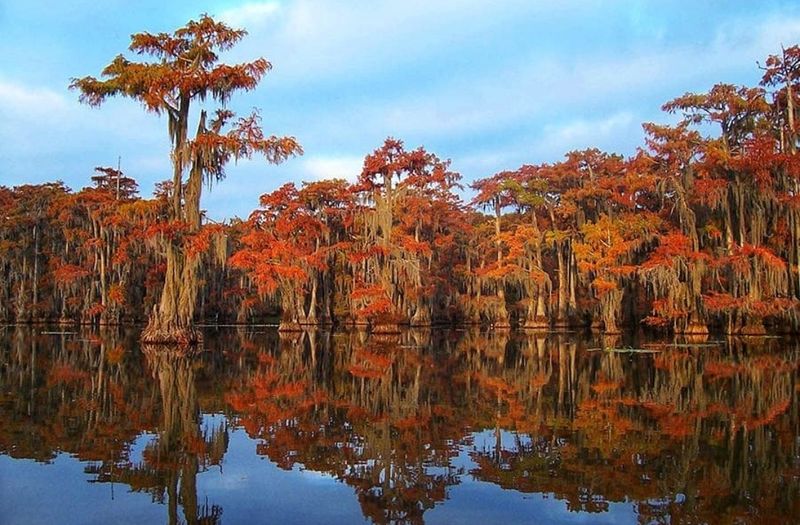
Caddo Lake doesn’t look like Texas. That’s the first thing most people say when they arrive, and it’s completely accurate.
The landscape here belongs to a different world entirely, one of ancient cypress forests, black water channels, and Spanish moss hanging so thick it filters the light into something green and diffuse and genuinely mysterious.
This is the only naturally formed lake in Texas, and it straddles the Louisiana border in a way that makes the whole place feel like a cultural and ecological borderland. Caddo Nation history runs deep here, and the lake carries that weight in its atmosphere.
Paddling through the cypress maze on a quiet morning, surrounded by the sound of herons and the occasional splash of a turtle, you get the sense that very little has changed in a very long time.
The park offers marked water trails that help visitors navigate the bayous without getting lost, which is genuinely useful since the waterways all start to look similar once you’re inside the forest. Fishing is popular here, and the lake supports a healthy population of largemouth bass, catfish, and crappie.
Birdwatching is excellent year-round, with wood ducks, anhingas, and multiple heron species all nesting in the cypress canopy.
Fall is the most visually dramatic season, when the cypress needles turn a deep, burnished orange before dropping. The contrast of orange foliage against dark water is something I hadn’t expected to find in Texas, and it genuinely stopped me in my tracks.
Address: 245 Park Rd 2, Karnack, TX 75661
9. Guadalupe Mountains National Park, Salt Flat
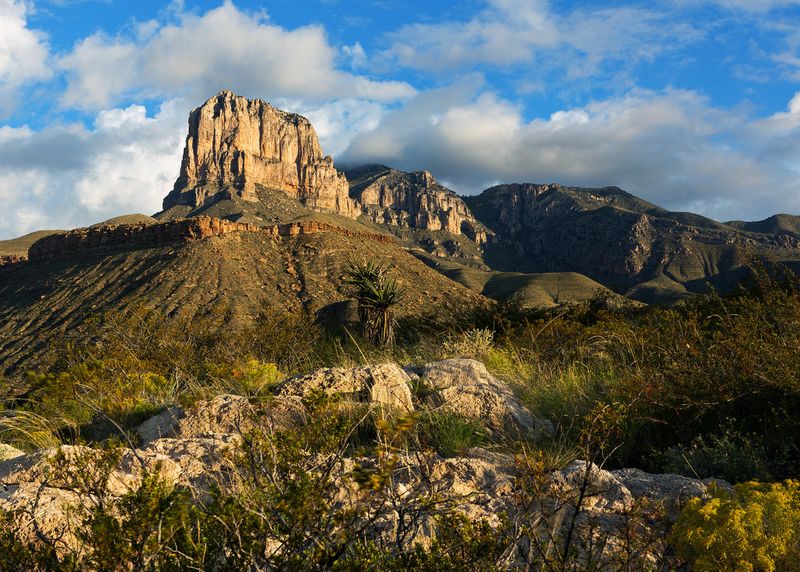
Guadalupe Mountains is the least visited national park in the contiguous United States, and that fact alone should make any traveler’s ears perk up.
It sits in the far western corner of Texas, near the New Mexico border, protecting the world’s most extensive exposed fossil reef from an ancient Permian sea that existed here 265 million years ago.
Guadalupe Peak is the highest point in Texas at 8,749 feet, and the trail to the top is one of the most rewarding hikes in the state. The climb is steep and demanding, but the views from the summit stretch across an almost incomprehensible expanse of desert and mountain terrain.
On a clear day you can see well into New Mexico.
The park also contains McKittrick Canyon, widely considered one of the most beautiful spots in Texas. In fall, the canyon’s bigtooth maples turn vivid shades of red, orange, and yellow in a display that genuinely rivals anything you’d find in New England.
Most people don’t associate Texas with fall foliage, which makes stumbling onto McKittrick Canyon in October feel like discovering a secret.
The Salt Basin Dunes on the western edge of the park are another surprise, a field of white gypsum sand that glows in evening light. Because the park sees relatively few visitors, you can hike for hours in complete solitude.
No crowds, no noise, just wind and rock and the occasional golden eagle riding a thermal overhead.
Address: 400 Pine Canyon Dr, Salt Flat, TX 79847
10. Goliad
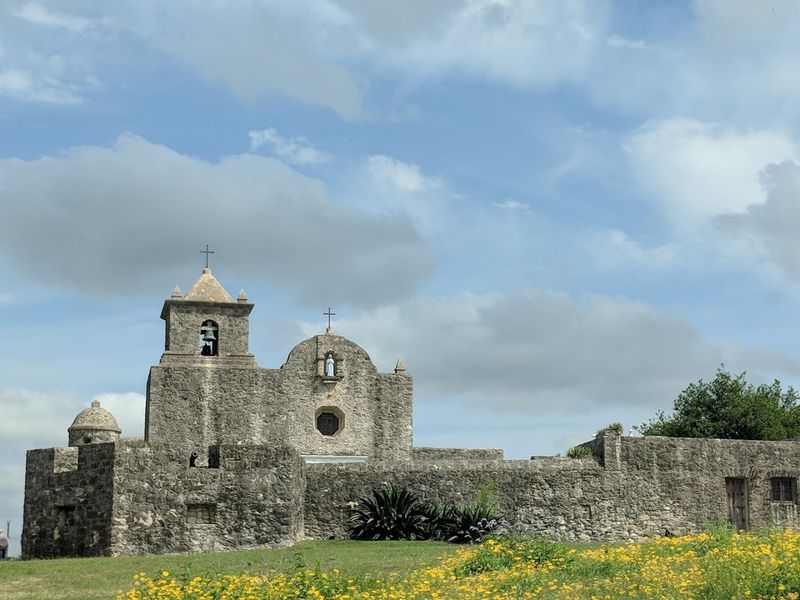
Goliad is one of those Texas towns that holds an enormous amount of history in a very small package. Most Texans know the phrase “Remember Goliad” in the same breath as “Remember the Alamo,” yet far fewer have actually made the trip to see what happened here and why it still matters.
The Presidio La Bahia is one of the best-preserved Spanish colonial forts in the entire Western Hemisphere, and it’s right here in Goliad.
The mission and fort complex dates to the early 1700s, and walking through the thick stone walls gives you an immediate, physical sense of the scale of Spanish colonial ambition in North America.
The craftsmanship of the stonework alone is worth the trip.
The town itself is quiet and unhurried in a way that feels rare. The main square has that particular South Texas character, warm light in the afternoons, old buildings with interesting histories, and locals who seem genuinely pleased when visitors show up.
General Ignacio Zaragoza, the Mexican general who defeated the French at the Battle of Puebla, was born here, which gives the town a significance that extends well beyond Texas history.
Goliad State Park sits adjacent to the mission and offers camping, hiking along the San Antonio River, and excellent birding in the riparian corridor. Spring brings migrating warblers through in impressive numbers.
The combination of living history and accessible nature makes Goliad one of the most complete small-town destinations in the state.
11. San Elizario
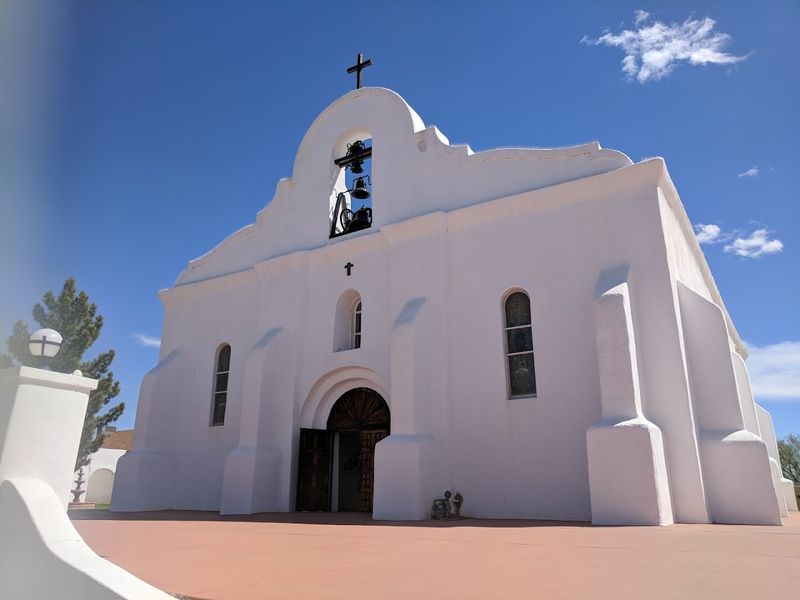
San Elizario sits just southeast of El Paso in a stretch of the Rio Grande valley that most Texans have never thought to visit, and it holds a quiet, layered history that genuinely surprised me.
This small community was actually the county seat of El Paso County before El Paso itself took over that role, and it carries that former importance in its architecture and layout.
The San Elizario Presidio Chapel is the town’s most striking landmark, a whitewashed adobe church that has been rebuilt and restored multiple times over the centuries but still manages to feel ancient and rooted.
The plaza around it has the calm, unhurried character of a Mexican border town, which makes sense given that the surrounding region has been continuously inhabited since long before Texas was Texas.
The town is part of the Camino Real de Tierra Adentro, the old royal road that connected Mexico City to Santa Fe and passed directly through this stretch of the Rio Grande valley. That road carried missionaries, soldiers, traders, and settlers for centuries, and San Elizario was one of its key stops.
Knowing that history changes how you look at the dusty streets and low adobe buildings.
Local festivals here celebrate that deep cultural heritage with food, music, and traditions tied to both sides of the border. The community is small but proud, and the welcome you get as a visitor is genuine.
It’s the kind of place that doesn’t try to perform its history for tourists, it simply lives inside it.
