They are tucked in the woods, hidden along rivers, and scattered across the landscape. These secret ruins in Virginia are waiting to be explored, crumbling remnants of a past that most people have forgotten.
I have visited each one, pushing through brush and stepping over fallen stones to find the remains of old homes, mills, and churches. Some are easy to reach, others require a hike, but all of them offer a glimpse into history that you will not find in a museum.
The walls are covered in moss, the roofs are gone, and the floors are covered in leaves. But the stories are still there, if you know how to listen.
Virginia has plenty of preserved historic sites, but these ruins are for people who want to discover something on their own.
The Rosewell Plantation Ruins (Gloucester County)
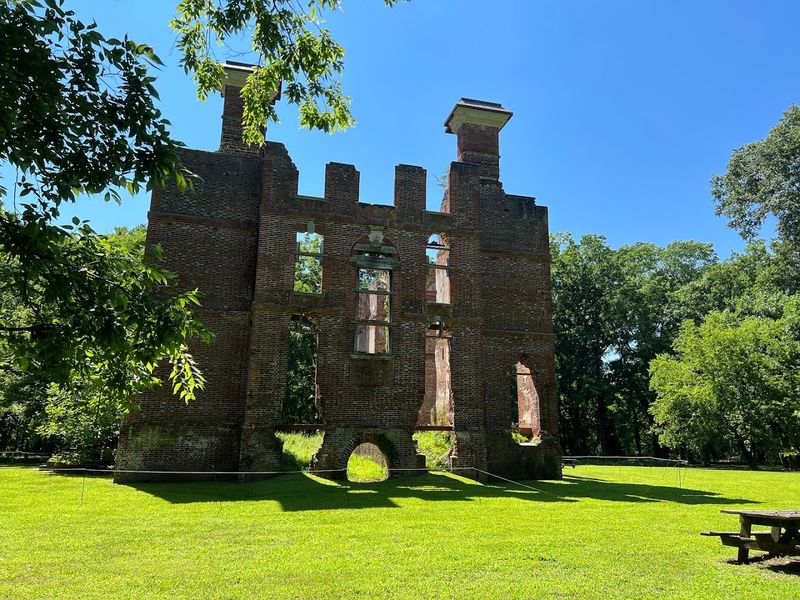
Four enormous chimneys rise from the earth in Gloucester County like ancient sentinels guarding a story too grand to forget.
Rosewell Plantation was once considered one of the most spectacular mansions in colonial America, built between the 1720s and 1730s with a scale and ambition that stunned everyone who visited.
A devastating fire in the early 20th century reduced it to the dramatic skeletal frame you see today.
Standing inside the roofless shell, you can still trace the outline of grand rooms and stairways in the remaining brickwork. The craftsmanship is extraordinary, and the sheer size of the structure makes it clear this was no ordinary home.
Thomas Jefferson reportedly visited Rosewell and may have drafted early ideas for the Declaration of Independence right here on these grounds.
The ruins have been carefully stabilized to preserve what remains, so you can safely explore the vaulted cellar and examine the intricate 18th-century masonry up close. A nonprofit organization works hard to maintain the site and share its layered history with anyone willing to make the trip.
Located in a quiet, rural corner of Virginia, Rosewell feels genuinely off the beaten path.
Visiting on a misty morning adds an almost cinematic quality to the whole experience. The surrounding landscape is peaceful, the air smells like old earth and pine, and the silence makes history feel very close.
Address: 6249 White Marsh Rd, White Marsh, VA 23183.
The Barboursville Ruins (Barboursville, Orange County)
Designed by Thomas Jefferson himself for Virginia Governor James Barbour, the Barboursville mansion was a masterpiece of Federal-era architecture from the moment construction wrapped up in the early 1820s.
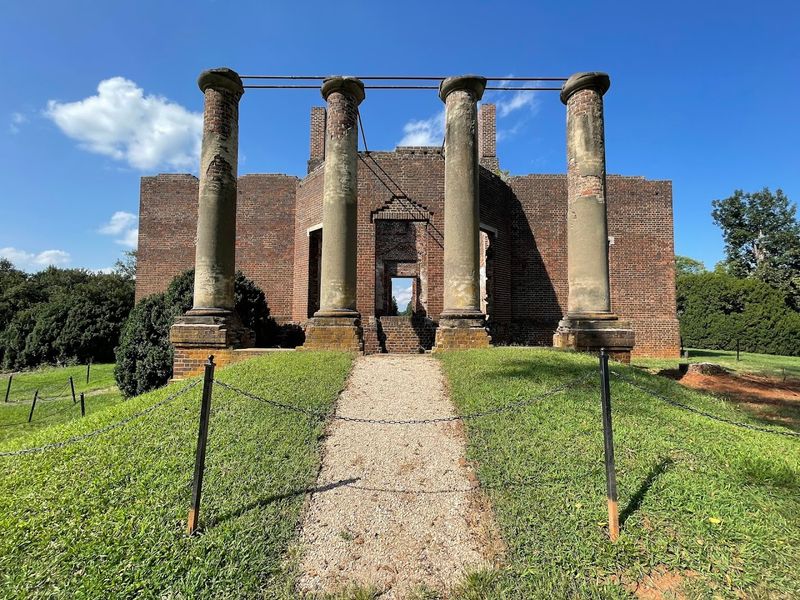
Christmas Day of 1884 changed everything when a fire swept through the building, leaving behind only the graceful brick arches and towering walls that stand on the property today.
The ruins are remarkably intact and hauntingly photogenic.
What makes Barboursville truly special is its setting. The ruins sit on the grounds of Barboursville Vineyards, one of Virginia’s most celebrated wineries, meaning you can pair your history exploration with a genuinely excellent afternoon outdoors.
The contrast between the ancient crumbling masonry and the neatly tended vineyard rows stretching out behind it is visually stunning.
This is the only known building in Orange County designed by Jefferson, which gives the site an architectural significance that goes well beyond its romantic appearance. Walking through the arched doorways and looking up at the open sky through the roofless walls feels like stepping into a painting.
The brickwork shows Jefferson’s characteristic attention to proportion and elegance even in ruin.
The site is publicly accessible, and the vineyards welcome visitors throughout the year. Spending a full afternoon here, moving between the ruins and the surrounding landscape, is one of the most rewarding experiences Virginia has quietly tucked away.
Address: 17655 Winery Rd, Barboursville, VA 22923.
The Wash Woods Settlement (False Cape State Park, Virginia Beach)
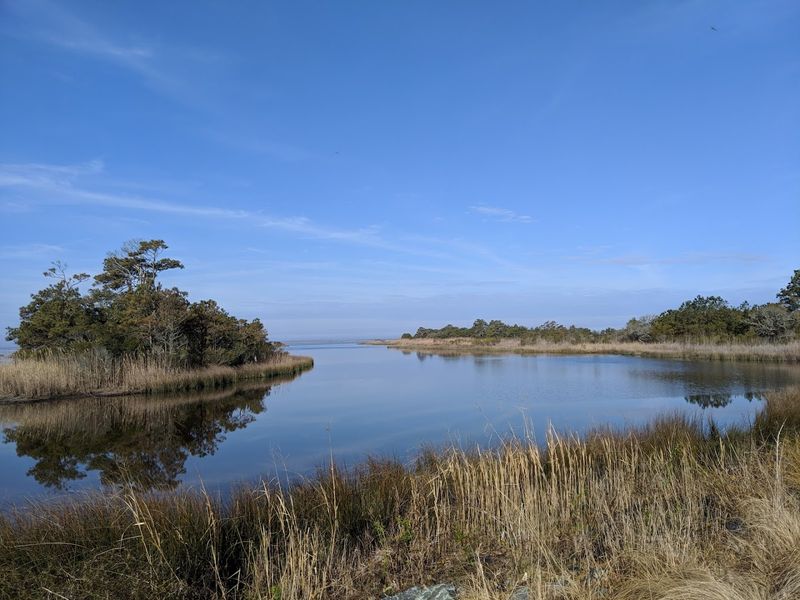
Getting to Wash Woods feels like earning it. Tucked inside False Cape State Park near Virginia Beach, this ghost settlement is only reachable by hiking, biking, or boat, which means the crowds thin out fast and the atmosphere stays wonderfully eerie.
The isolation is part of the magic, and once you arrive, the ruins deliver every bit of drama the journey promises.
Local legend says the community was founded by survivors of a shipwreck who washed ashore on this wild stretch of coastline and simply decided to stay.
Whether or not that story holds up to scrutiny, the crumbling chimneys, foundation stones, and an old cemetery scattered among the coastal dunes paint a vivid picture of lives lived far from the mainland world.
Wind moves constantly through the site, creating an atmosphere unlike anything else in Virginia.
The old church ruins are particularly striking, with walls that have partially survived the salt air and shifting sands. Interpretive markers throughout the settlement help piece together the timeline of who lived here and why they eventually left.
The surrounding landscape of maritime forest and open dunes adds a layer of natural beauty that makes the whole experience feel cinematic.
Plan for a full day if you want to do the site justice, because the park itself is spectacular. Bring water, wear good footwear, and leave the rush somewhere far behind.
Address: False Cape State Park, 4001 Sandpiper Rd, Virginia Beach, VA 23456.
Ruins of Belle Isle (Richmond)
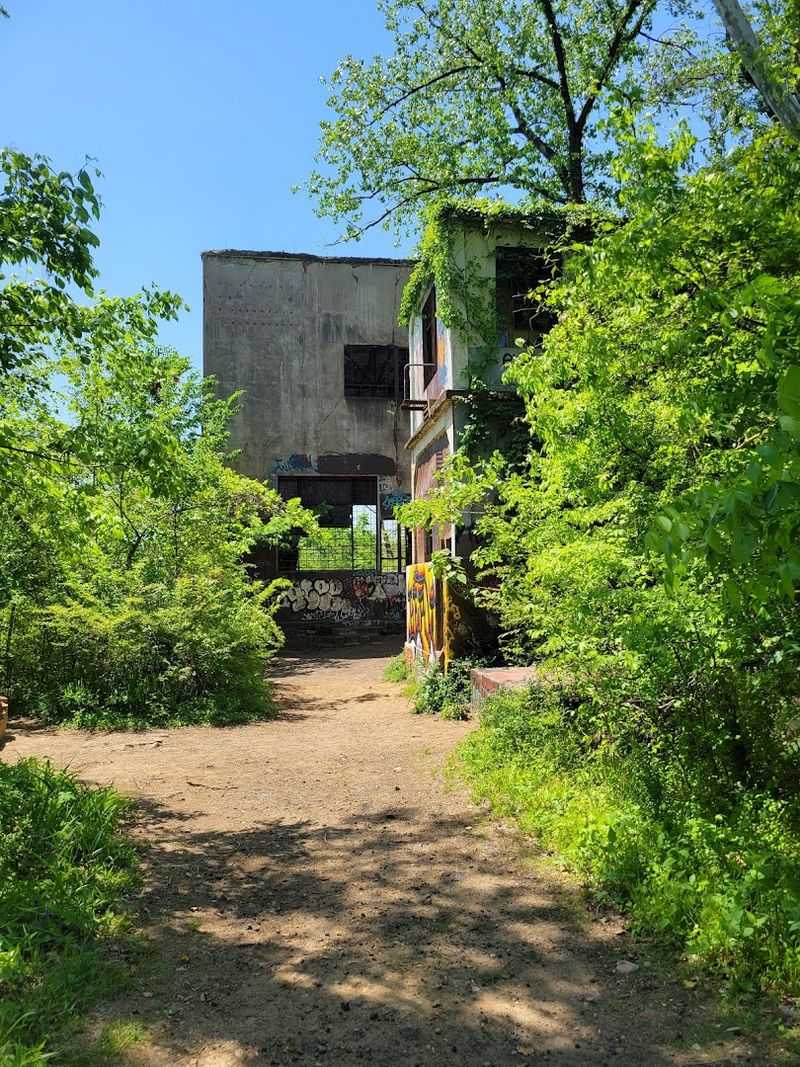
Belle Isle sits in the middle of the James River in Richmond like a small world unto itself, connected to the city by a pedestrian bridge that drops you into an entirely different kind of landscape.
Most people come for the boulders, the swimming holes, and the hiking trails, but the ruins scattered across the island tell a far older and more complicated story.
This place has layers.
The remnants of a 19th-century nail factory and iron foundry operations are still visible, their stone and brick bones slowly being reclaimed by vegetation. During the Civil War, Belle Isle served as a prison camp for thousands of Union soldiers who endured brutal conditions on these very grounds.
Walking past those ruins with that knowledge changes the weight of the whole visit.
The industrial history here is genuinely fascinating, spanning from early American manufacturing through wartime use and beyond. Many of the structures are deteriorating without significant preservation investment, which gives the site an urgency that makes exploration feel meaningful rather than just recreational.
Photographing the ruins against the backdrop of the rushing James River produces some truly striking images.
Richmond’s skyline is visible from several points on the island, creating a striking juxtaposition between the crumbling past and the living city. Belle Isle is free to access and open year-round, making it one of the most accessible ruin experiences in the state.
Address: Belle Isle, Richmond, VA 23220.
Patowmack Canal at Great Falls Park (Great Falls)
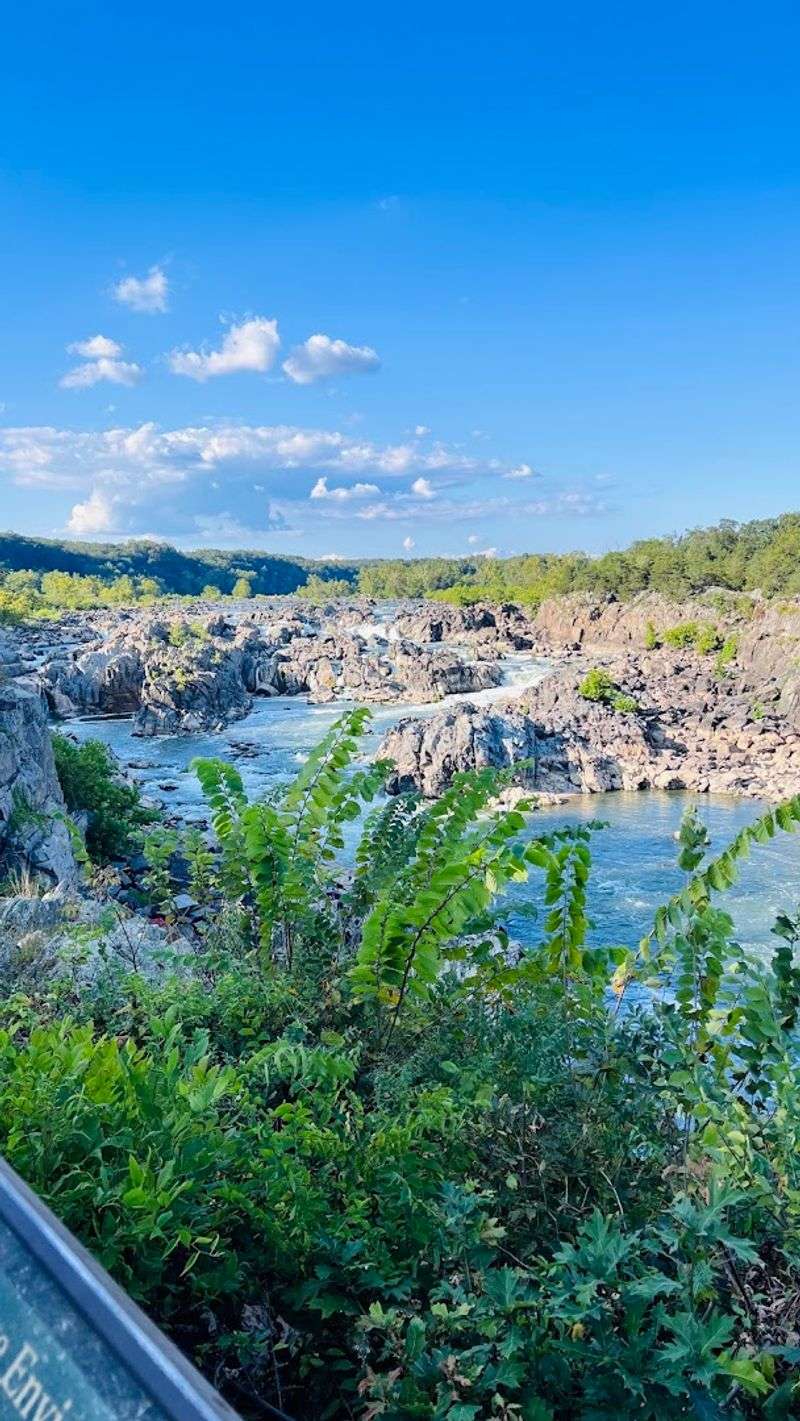
George Washington had a vision, and the Patowmack Canal was it. One of the earliest major engineering projects in American history, this canal was built to carry boats around the spectacular falls of the Potomac River, and the remains of its stone lock system at Great Falls Park are remarkably well preserved.
Standing next to these structures, you genuinely feel the ambition of early American infrastructure.
The canal locks are massive, hand-cut stone chambers that once lifted and lowered boats through dramatic changes in elevation. Walking the towpath alongside the ruins gives you a strong sense of how the system worked and just how much labor went into building it.
The stonework is beautiful in a purely functional way, each block fitted with precision that has kept the walls standing for centuries.
Great Falls Park itself is one of the most spectacular natural settings in the region, with the Potomac thundering through rocky gorges just steps from the historic ruins. The combination of natural drama and historical depth makes this one of the most rewarding stops in Virginia for anyone who appreciates both scenery and story.
The falls themselves are genuinely jaw-dropping from the overlooks.
The park is well-maintained with excellent interpretive signage that explains the canal’s history and Washington’s role in its development. Wear comfortable shoes because the terrain is rocky and uneven in places.
Address: Great Falls Park, 9200 Old Dominion Dr, McLean, VA 22102.
Leesburg Lime Company Kiln (Leesburg)
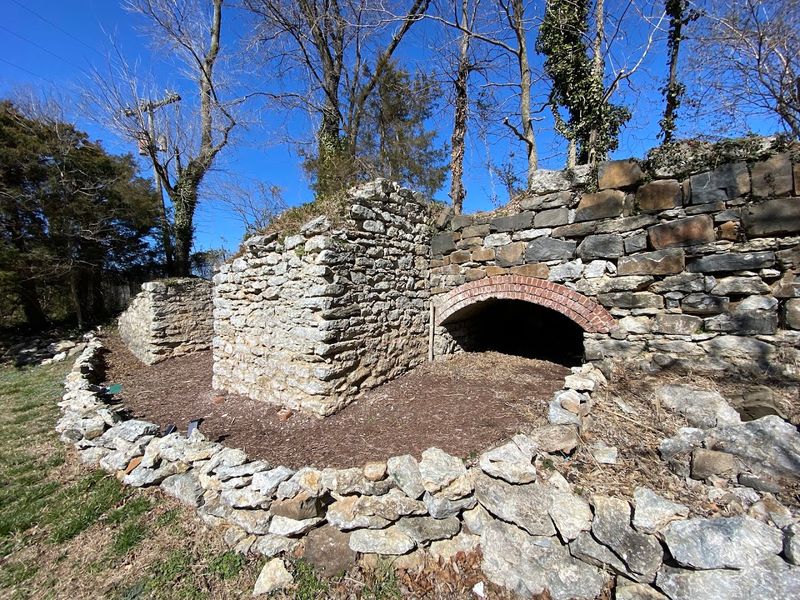
Most people drive through Leesburg thinking about boutique shops and weekend wine trails, completely unaware that a set of remarkable industrial ruins is waiting just off the main drag.
The Leesburg Lime Company Kiln is a beautifully preserved piece of 19th-century industrial archaeology, and it stops you cold the first time you see it rising above the treeline.
There is something deeply satisfying about discovering heavy industry hiding inside a charming Virginia town.
Lime kilns like this one were essential to 19th-century construction and agriculture, burning limestone at intense heat to produce quicklime used in mortar, plaster, and soil treatment.
The Leesburg kiln is a substantial stone structure, its thick walls still largely intact and draped in climbing vegetation that gives it a wonderfully atmospheric quality.
The craftsmanship of the masonry reflects the serious engineering knowledge required to build these industrial furnaces.
The surrounding area has been developed over the years, but the kiln itself has been recognized for its historical value and preserved as a local landmark. Interpretive information near the site helps connect the dots between the structure and the broader story of 19th-century Loudoun County industry.
It is not a major tourist attraction, which is honestly a big part of its appeal.
Finding it feels like a small victory, and photographing it rewards patience and a good eye for composition. Leesburg is an easy day trip from Northern Virginia and Washington D.C.
Address: Leesburg, VA 20176.
The Ghost Church at Polegreen (Mechanicsville)
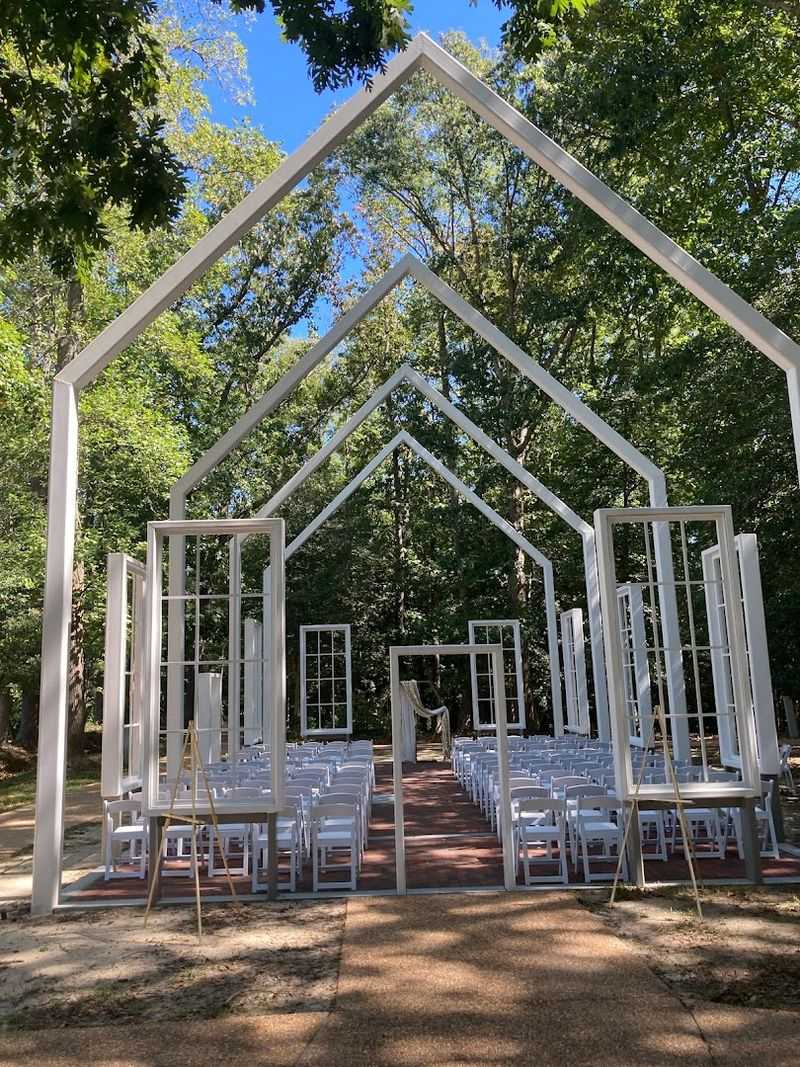
Calling something a ghost church sounds like marketing, but at Polegreen it is simply accurate. The original wooden meetinghouse that stood on this Mechanicsville hillside was destroyed during the Civil War.
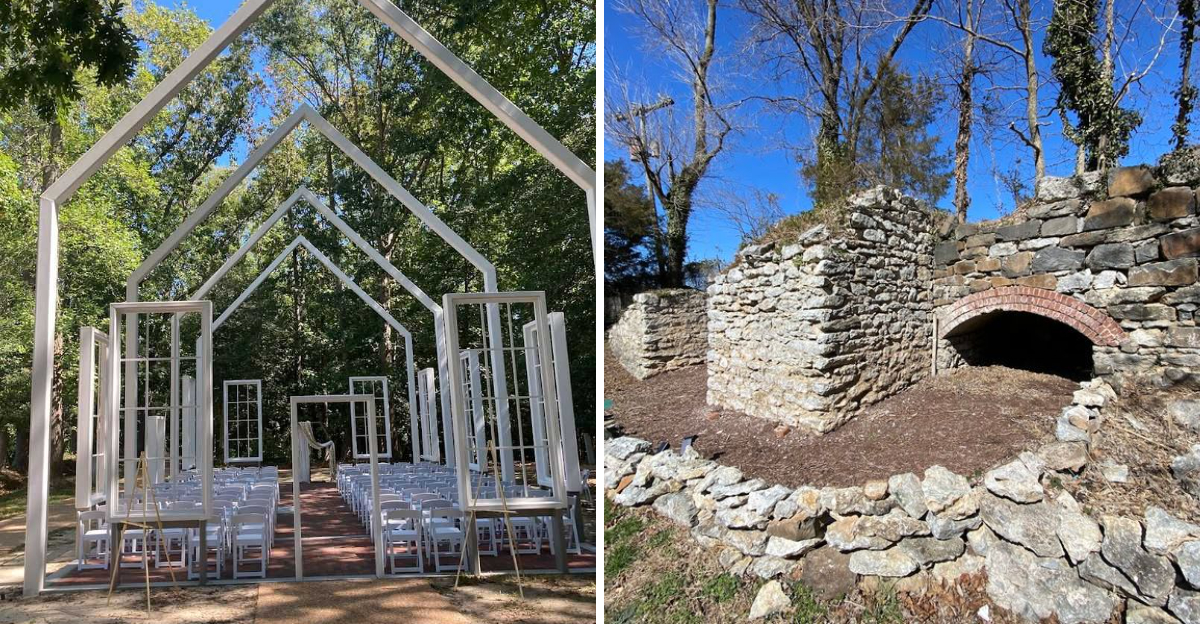
What marks the site today is a steel frame silhouette that traces the exact footprint and roofline of the vanished building.
Standing inside the open-air outline with the sky above you where the ceiling once was is genuinely moving.
Polegreen Church was a significant center of religious and political life in colonial Virginia, closely associated with Samuel Davies, a Presbyterian minister who preached here and mentored a young Patrick Henry.
The ideas that took root in this congregation fed directly into the revolutionary spirit that would eventually reshape a nation.
The ground here carries real historical weight.
The steel ghost structure is a thoughtful and elegant solution to memorializing a building that no longer exists. It preserves the spatial experience of the original without pretending to reconstruct something that is gone.
Walking through the frame, you can measure the modest scale of the meetinghouse and imagine the packed congregation that once filled it with passionate debate and prayer.
The surrounding grounds include an old cemetery and interpretive panels that provide excellent historical context. The site is free to visit and maintained by a local preservation foundation that does remarkable work keeping this story alive.
Address: Historic Polegreen Church, 7340 Rural Point Rd, Mechanicsville, VA 23116.
The Abingdon Plantation Ruins (Arlington)
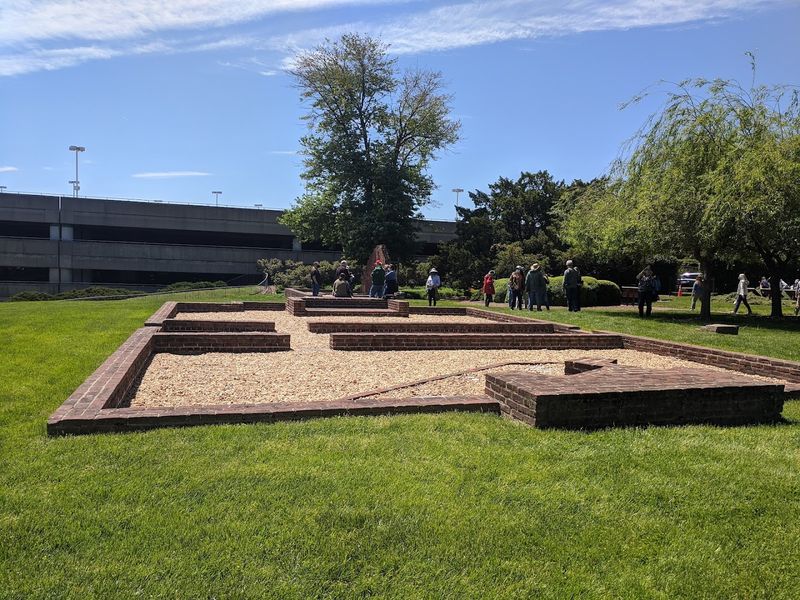
Somewhere between the rental car return lanes and the parking structures at Reagan National Airport, the 18th century is quietly waiting to be noticed.
The Abingdon Plantation ruins sit in one of the most improbable locations imaginable, a few crumbling stone walls and foundation remnants wedged into the bustling infrastructure of one of the country’s busiest airports.
The juxtaposition is almost too strange to believe until you are standing right in front of it.
The plantation dates back to the 1740s and was once a substantial working estate on the banks of the Potomac River. The property has a layered history connected to some significant Virginia families, and the site sits on land that has changed almost beyond recognition over the centuries.
What survives is modest in scale but enormous in historical significance given how thoroughly the surrounding landscape has been transformed.
Finding the ruins requires a bit of determination, as they are not exactly prominently signposted among the airport’s more pressing infrastructure. That scavenger-hunt quality makes the discovery feel genuinely rewarding.
The contrast between the ancient masonry and the modern concrete and asphalt surrounding it creates a visual experience that is hard to shake.
Arlington’s density makes hidden history like this especially precious. The ruins serve as a reminder that the land beneath even the most modern American spaces has its own deep story.
Address: Near the Rental Car Center, Reagan National Airport, Arlington, VA 22202.
Sweet Run State Park Historic Ruins (Western Loudoun County)
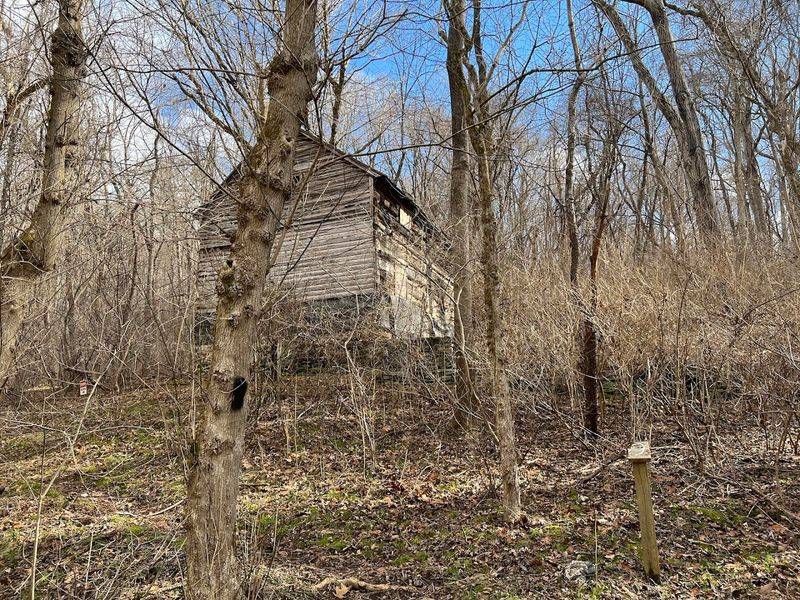
Sweet Run State Park is the kind of place that rewards hikers who pay attention. Tucked into the rolling hills of western Loudoun County, this park preserves the remnants of a small 19th-century farming community.
It once worked this land, and stumbling across the ruins mid-hike is one of those genuinely surprising moments that makes outdoor exploration feel like real discovery.
The park itself is beautiful, but the ruins give it a depth that elevates the whole experience.
Stone walls, old homestead foundations, and the remains of mill structures dot the landscape along several of the park’s trails. The craftsmanship in the stonework is impressive, reflecting the skill and effort of the families who built their lives here generations ago.
Moss and lichen have softened the edges of everything, giving the ruins an almost painterly quality in the right light.
The park is relatively new to the Virginia state park system, which means it still flies well under the radar compared to more established destinations.
Trails are well-maintained but not overcrowded, and the combination of natural scenery and historical remnants makes for a hike that engages both the body and the mind.
Wildflowers in spring and foliage in autumn frame the ruins beautifully.
Bring a camera, move slowly, and take time to read the landscape carefully. The ruins reveal themselves gradually, which is part of what makes the experience so satisfying.
Address: Sweet Run State Park, 251 Turkey Cock Mountain Lane, Hamilton, VA 20158.
The Barrett House (Lorton)
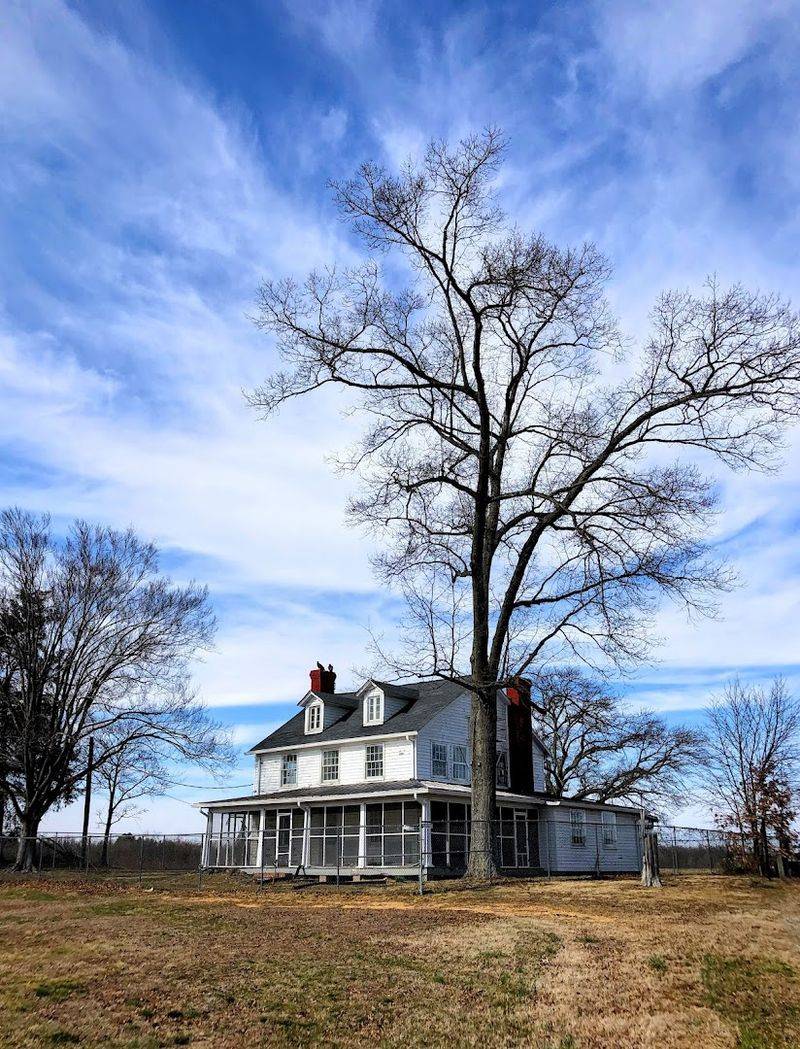
Lorton is not a town that typically tops anyone’s Virginia travel list, but the Barrett House changes that calculation completely. The ruins of this abandoned historic property sit in a wooded setting that amplifies every atmospheric quality the crumbling structure already possesses.
Brick walls lean at unsettling angles, vegetation pushes through every crack, and the whole scene has an intensity that serious ruin explorers will absolutely love.
The Barrett House has a history rooted in the agricultural past of Fairfax County, and its gradual abandonment over the decades has left it in a state of dramatic, photogenic decay. Unlike some preserved and sanitized historic sites, this one feels genuinely raw.
The building is clearly losing its battle with time and nature, which gives every visit a sense of urgency and immediacy.
Photographers find this location endlessly compelling, particularly in the early morning when mist settles among the trees and soft light filters through the gaps in the walls. The surrounding woodland provides a lush green backdrop that contrasts beautifully with the weathered red brick.
Seasons shift the mood dramatically here, from the heavy green of summer to the stark bare branches of winter.
Access to the site requires some research and trail navigation, so checking current conditions and access permissions before visiting is strongly recommended. Respectful exploration is essential to preserving what remains for future visitors.
Address: Lorton, VA 22079.
