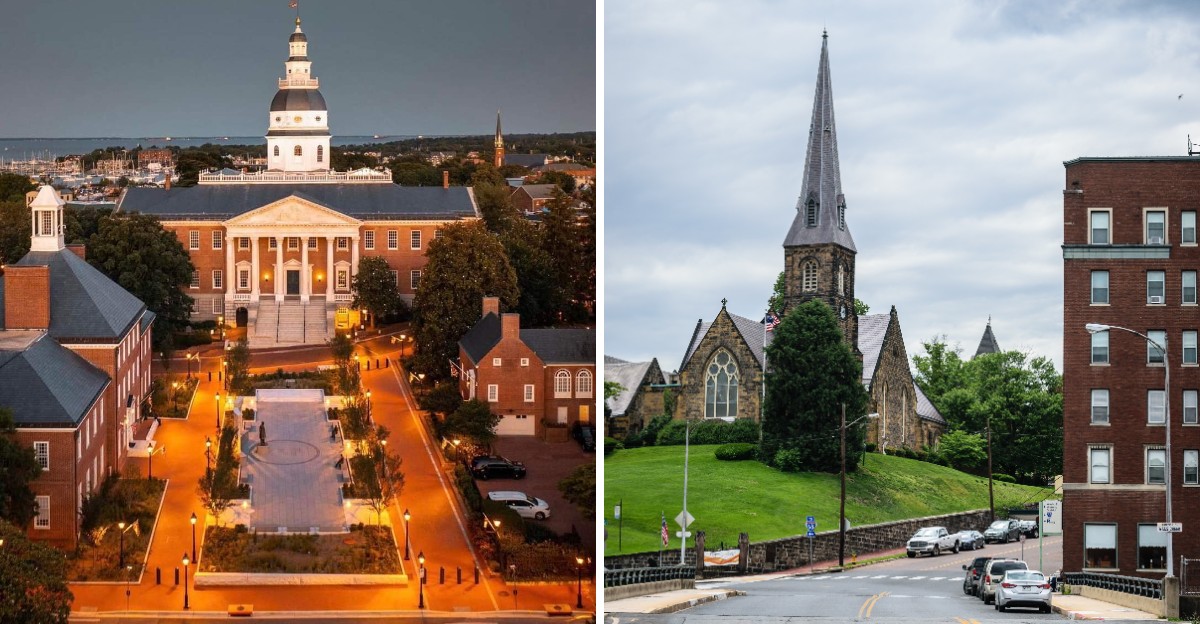
Maryland has plenty to offer. Waterfront views, historic towns, and strong communities.
But those perks come with a price tag, and for some residents, it has become too steep. Property taxes are hitting record highs in certain areas, and everyday expenses are climbing right alongside them.
Groceries, utilities, insurance, all of it adds up. The result is a quiet shift, as families who once put down roots start looking elsewhere.
Some move to neighboring states, others to quieter corners of Maryland where the numbers make more sense. Locals talk about it at kitchen tables and town meetings.
It is not a dramatic exodus, but it is a trend worth watching. A reminder that affordability shapes the choices people make.
The kind of issue that hits close to home.
1. Baltimore
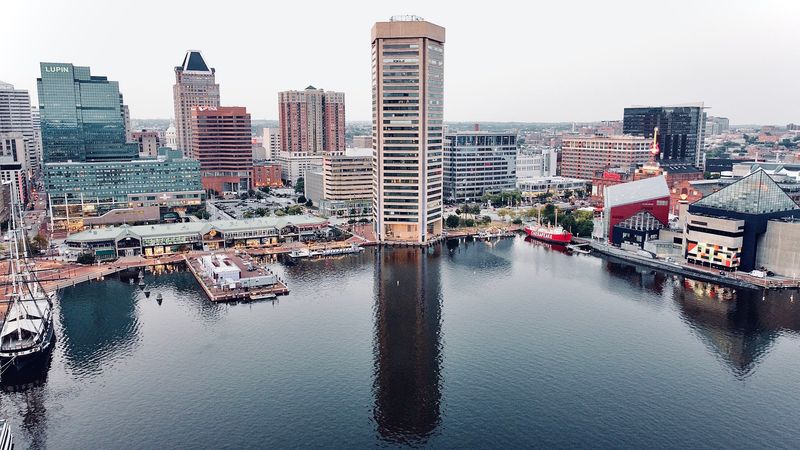
Baltimore carries the kind of weight that only old cities understand. The rowhouses stretch for miles, the harbor still hums with activity, and the neighborhoods have personalities as distinct as fingerprints.
Yet beneath all that character, a financial storm has been building for years.
Property taxes in Baltimore are among the highest in the entire state, and residents are noticing. Long-time homeowners in neighborhoods like Hampden and Waverly are seeing their annual tax bills climb sharply, even as city services struggle to keep pace with expectations.
The math simply does not add up for many families.
Younger residents who were drawn to Baltimore for its affordability relative to Washington D.C. are now finding that gap narrowing fast. Grocery costs, utility bills, and transportation expenses have all risen significantly.
Some blocks that once buzzed with activity now sit quieter than they used to.
The city still has extraordinary things going for it. The food scene alone could anchor a travel guide.
But when the cost of simply living there outpaces what residents can reasonably manage, even the most loyal Baltimoreans start looking at maps of other places.
2. Takoma Park
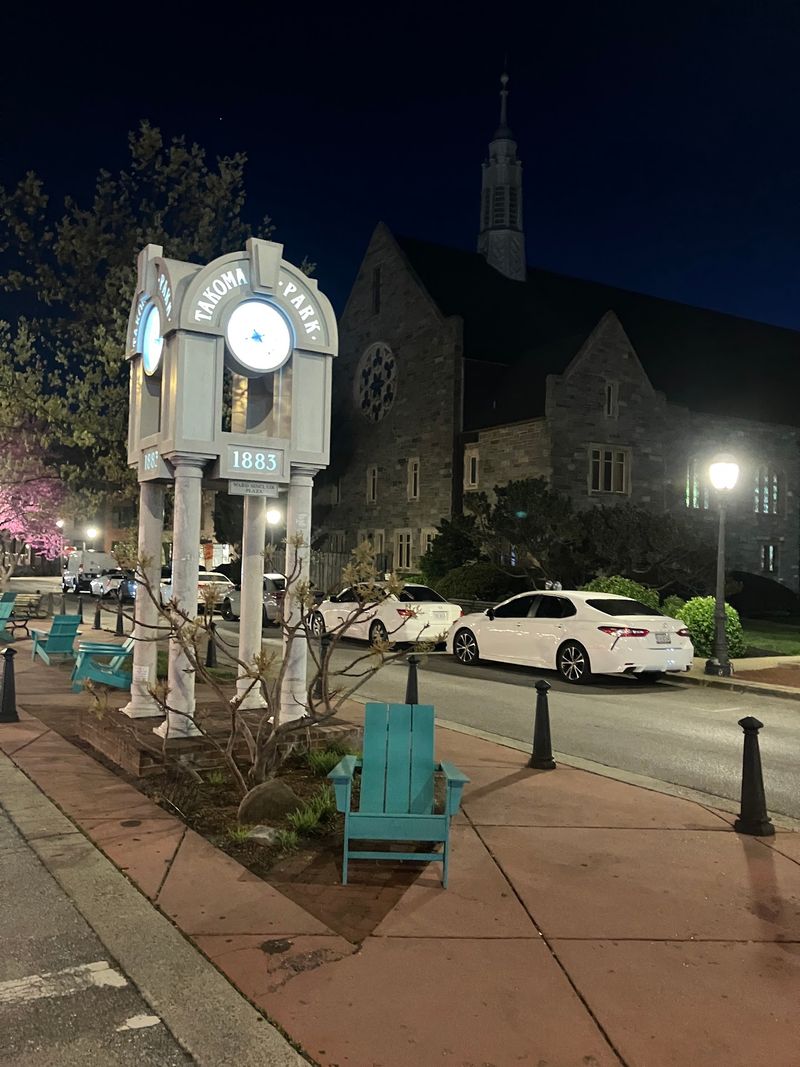
Takoma Park has always prided itself on being different. Known affectionately as the People’s Republic of Takoma Park, the city built its identity around progressive values, tight community bonds, and a fiercely independent spirit.
Murals brighten building walls. Community events fill the calendar.
The local farmers market draws devoted regulars every week.
But even a city with this much personality cannot escape the pressures of rising costs. Property taxes have climbed steadily, and the average household is feeling it.
Residents who chose Takoma Park specifically because it felt accessible and community-driven are now finding the financial reality harder to ignore.
Rental prices have also pushed upward considerably, affecting younger renters and artists who gave the neighborhood much of its creative energy. When those residents leave, they take something irreplaceable with them.
The character of a place is built by the people who can afford to stay.
Longtime homeowners are caught in a strange position, watching their property values rise while their ability to comfortably afford the associated costs shrinks. Some have started exploring nearby counties in Virginia or Pennsylvania where the tax burden is noticeably lighter.
Takoma Park remains vibrant, but the tension is real and growing.
3. Westernport
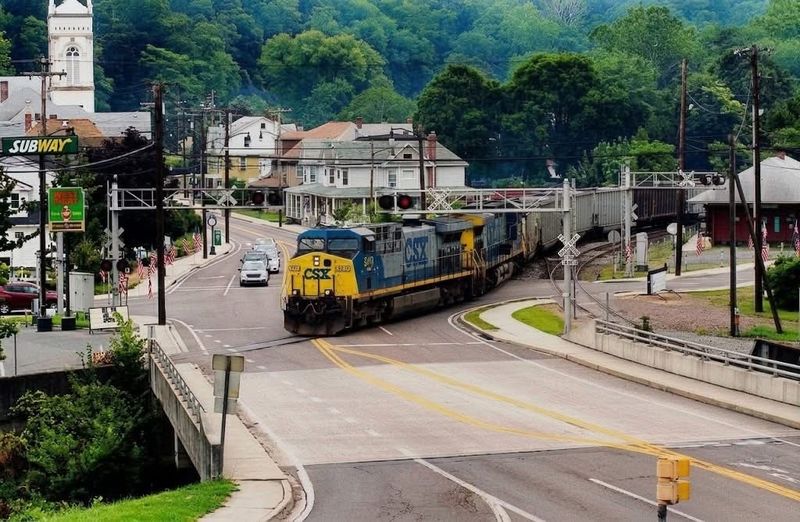
Westernport sits quietly along the North Branch of the Potomac River, a small town with a working-class history rooted in paper mills and industry. The landscape here is rugged and honest, the kind of place where neighbors still know each other by name.
However, the economic foundation that once kept this community stable has been crumbling for a long time.
Property taxes may not be the highest in the state here, but when local incomes are low and job opportunities are scarce, even modest tax bills become serious burdens. Many residents are simply not earning enough to keep up with the combined cost of housing, utilities, and basic necessities.
The squeeze feels different in a small town because there are fewer options available to absorb the pressure.
Younger residents have been leaving Westernport for years, heading toward larger cities in search of better-paying jobs. What remains is an aging population trying to hold things together with limited resources.
Storefronts that once served a bustling community now sit empty, and the population numbers reflect a steady decline.
There is still genuine warmth in Westernport. The scenery along the river is quietly beautiful.
But affection for a hometown can only stretch so far when the finances stop working.
4. Mountain Lake Park
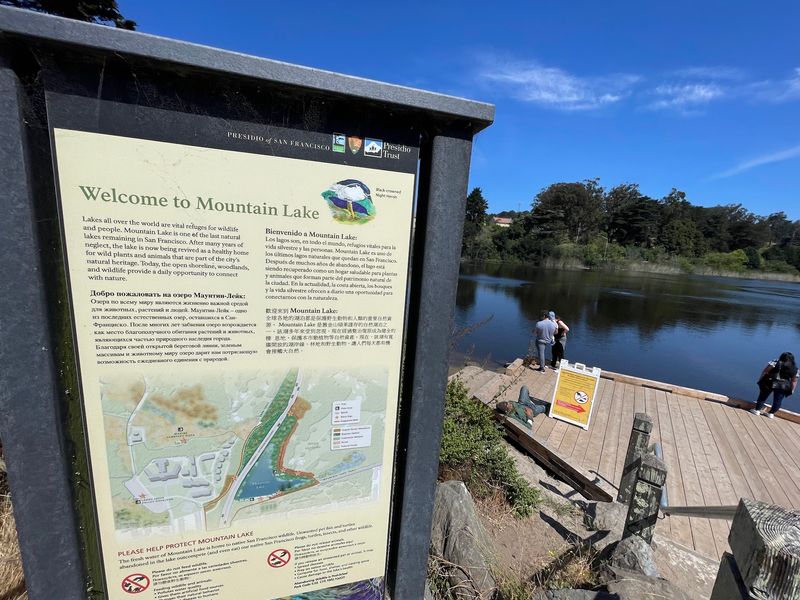
Mountain Lake Park is one of those towns that feels frozen in a gentler era. Neat Victorian-era homes line the streets, mature trees frame every block, and the pace of life moves at a rhythm that bigger cities have long forgotten.
The community was founded as a Methodist retreat in the 1880s, and traces of that original character still linger in the architecture and the neighborhood’s calm personality.
The problem facing Mountain Lake Park today is not dramatic. There is no single crisis to point to.
Instead, it is a slow and steady erosion driven by costs that keep rising while economic opportunities remain limited.
Residents who want to stay are finding it harder to justify the expense, especially when comparable housing in neighboring West Virginia or Pennsylvania comes with significantly lower tax obligations.
The local population has been shrinking gradually, and with it, the small-town infrastructure that depends on a critical mass of residents. Businesses need customers.
Schools need students. Community organizations need volunteers who are not already stretched thin.
Mountain Lake Park still rewards anyone willing to visit. The surrounding landscape is genuinely stunning, especially in fall.
But the people who call it home deserve economic conditions that make staying a real choice rather than a financial sacrifice.
5. Oakland
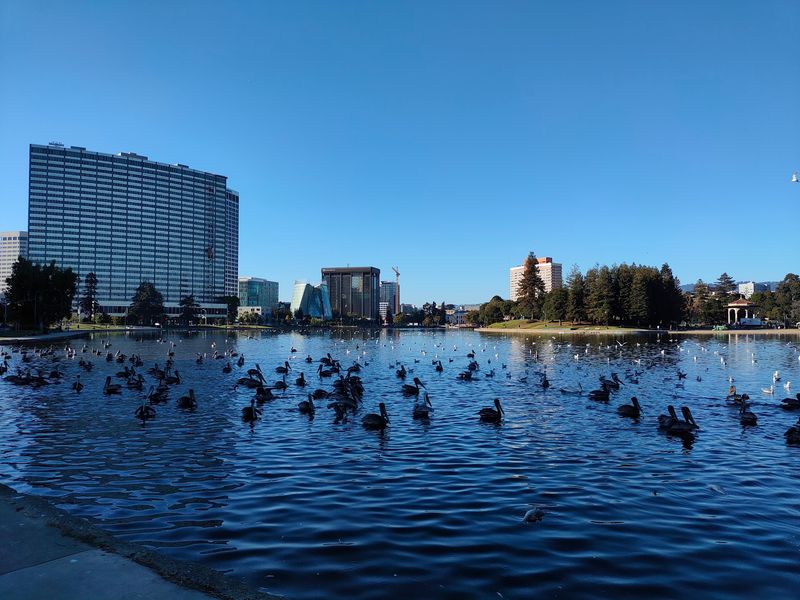
Oakland serves as the seat of Garrett County, nestled deep in the Appalachian highlands of Western Maryland. The town has a rugged, self-reliant quality that reflects its geography.
Winters are serious here. The summers, however, are genuinely spectacular, drawing visitors from across the region who come for Deep Creek Lake and the surrounding outdoor landscape.
Seasonal tourism brings energy and some economic activity, but it also creates an uneven financial reality for year-round residents.
Property values near the lake have climbed sharply as vacation home buyers compete for limited inventory, pushing up assessed values and tax burdens for everyone in the area, including locals who have no interest in selling.
Full-time residents, many of whom work in trades, healthcare, or local services, are finding that their incomes simply do not scale alongside the rising costs. Heating a home through a Western Maryland winter already strains household budgets.
Add rising taxes and grocery costs, and the math becomes very difficult very quickly.
Oakland still has the kind of small-town sincerity that is genuinely hard to find. The mountains surrounding it offer a beauty that no price tag can fully capture.
But sincerity does not pay property taxes, and more residents are realizing that with quiet frustration.
6. Cumberland
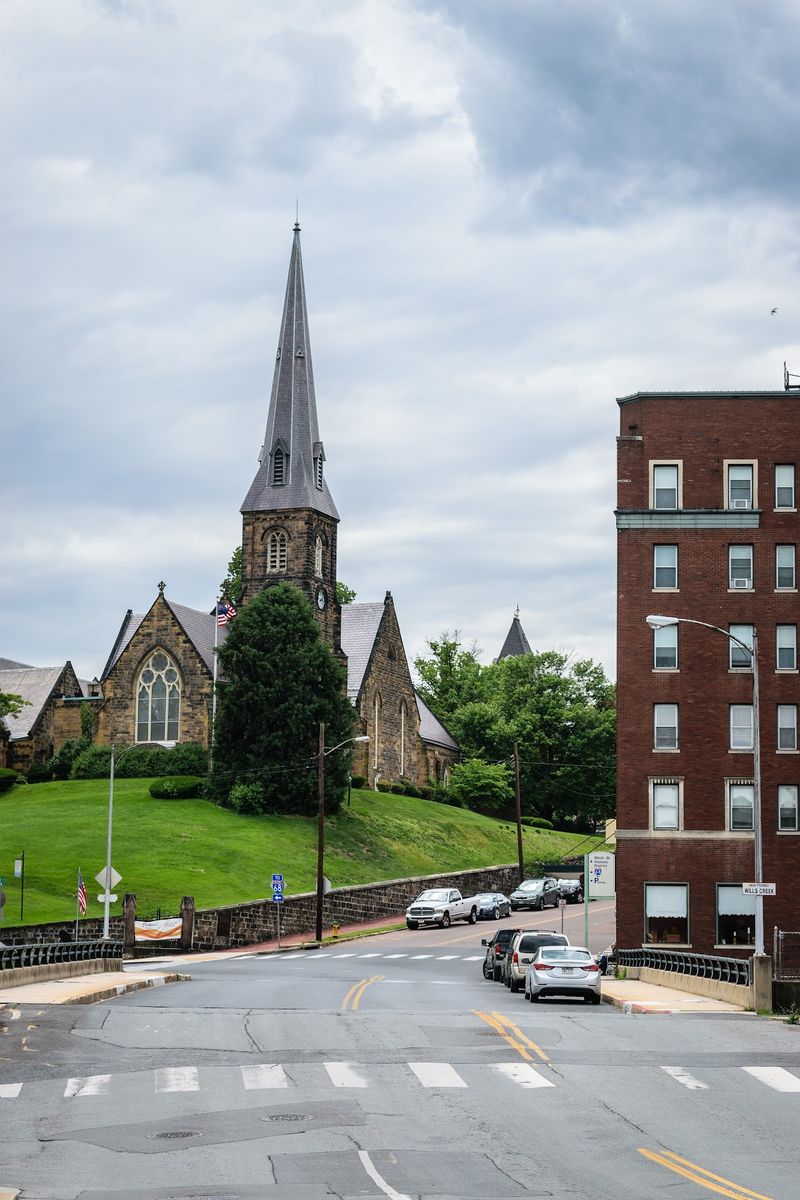
Cumberland once stood at the center of American westward expansion. The National Road began here.
The C and O Canal ended here. The railroads ran through here.
History practically seeps through the brick walls of the old downtown, and the mountain scenery surrounding the city is dramatic and genuinely beautiful.
But Cumberland has been navigating economic decline for decades, and the combination of stagnant job growth and rising living costs has accelerated the population loss.
Residents who grew up here feel a deep attachment to the place, but attachment alone cannot cover rising utility bills or keep a family comfortable when wages have not kept pace with expenses.
Property taxes in Allegany County have increased alongside statewide trends, and for a community where median incomes remain well below the state average, those increases hit disproportionately hard.
Younger residents in particular are leaving for cities where their skills translate into better-paying opportunities.
What Cumberland offers to those who stay, or to visitors passing through, is remarkable. The architecture tells a layered American story.
The trails along the C and O Canal corridor are among the finest in the Mid-Atlantic. The city deserves a better economic chapter than the one it is currently living through.
7. Bel Air
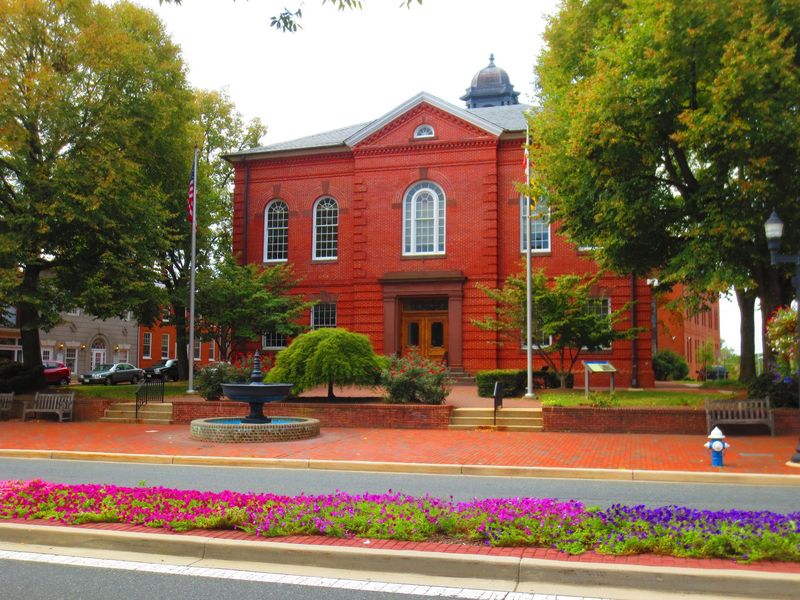
Bel Air occupies a curious position in Maryland’s geography and economic landscape. As the county seat of Harford County, it sits close enough to Baltimore and the I-95 corridor to attract commuters, yet far enough to maintain a suburban identity that many families find appealing.
The downtown has been revitalized in recent years with restaurants and boutique shops that give it a genuine sense of energy.
The problem is that Harford County’s property tax rates have climbed steadily, and in a community where many residents are already stretching budgets to cover commuting costs, childcare, and rising grocery bills, those increases add up fast.
The promise of suburban stability is starting to feel harder to keep.
Some longtime residents describe a sense of being priced out gradually rather than all at once. Each year brings another small increase, another adjustment, another quiet calculation about whether staying still makes financial sense.
For families on single incomes or those approaching retirement, those calculations are becoming harder to resolve in favor of staying.
Bel Air remains an attractive town by most measures. The community events are well-attended, the schools have strong reputations, and the surrounding countryside is pleasant.
But pleasant surroundings do not soften a tax bill that arrives every year without fail.
8. Frostburg
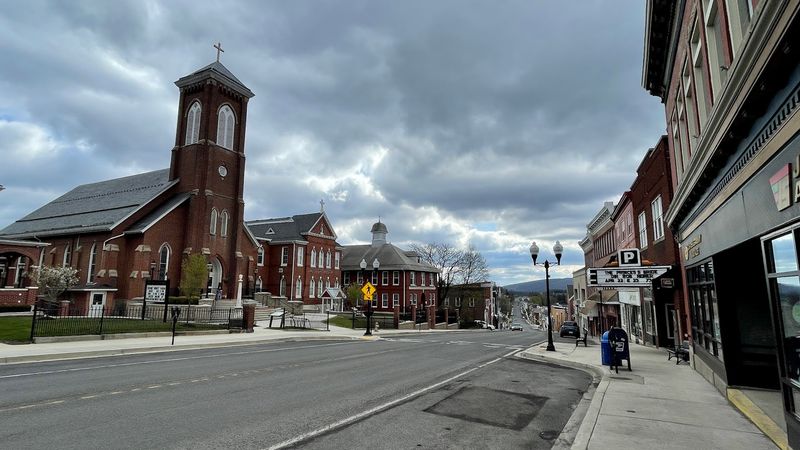
Frostburg is a college town perched high in the Alleghenies, home to Frostburg State University and a community that has long relied on that academic anchor for stability and character.
The elevation gives the town a brisk, fresh-air quality that feels genuinely invigorating, and the campus adds a cultural energy that keeps things from feeling entirely isolated.
However, outside the orbit of the university, Frostburg faces many of the same pressures that affect its neighbors in Western Maryland. Full-time, non-academic residents are contending with rising costs in a region where economic alternatives are limited.
When the university cannot absorb everyone who needs employment, options narrow quickly.
Property taxes have risen alongside statewide trends, and in a town where many residents rely on modest incomes, those increases represent a meaningful share of household budgets.
Heating costs during long mountain winters add another layer of financial pressure that residents in milder parts of the state simply do not face.
Students cycle through, as they always have. But the permanent population, the people who built their lives around this mountain town, has been gradually thinning.
Frostburg still has charm, grit, and scenery worth seeking out. The people who remain are proud of it.
Pride, though, cannot substitute for economic breathing room.
9. Annapolis
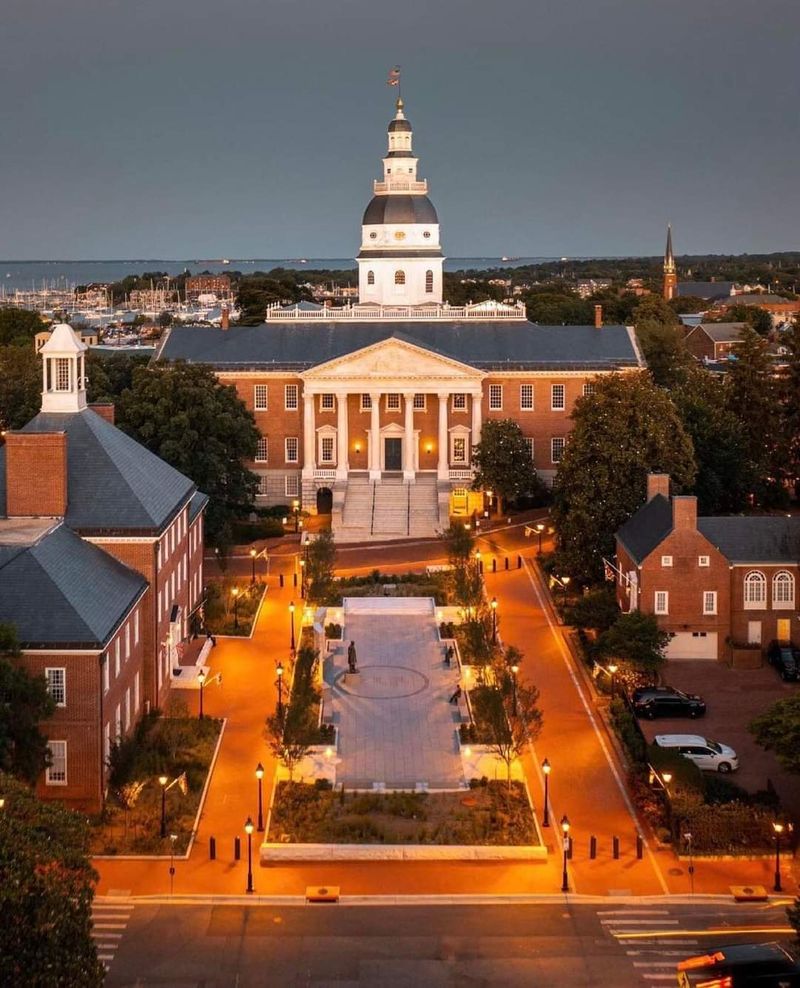
Annapolis is one of the most beautiful small cities on the entire East Coast. Full stop.
The colonial architecture is preserved with obvious care, the harbor fills with sailboats throughout warmer months, and the Maryland State House presides over it all with quiet authority. Visitors fall in love with Annapolis quickly and completely.
Living there, however, is a different conversation. Property values in Annapolis and surrounding Anne Arundel County have surged over the past decade, driven partly by demand from D.C. professionals and remote workers seeking waterfront access and historic charm.
That demand has pushed tax assessments to levels that strain even comfortable middle-class budgets.
Long-time residents, including watermen families who have worked the Chesapeake Bay for generations, are increasingly priced out of a city their ancestors helped build.
The cultural fabric of Annapolis is inseparable from that maritime heritage, and losing those families changes the city in ways that no amount of tourism revenue can replace.
Everyday expenses compound the challenge. Dining, services, and even basic groceries carry price tags that reflect the city’s desirability rather than the economic realities of its working residents.
Annapolis deserves to be celebrated. It also deserves a honest conversation about who can actually afford to stay.
