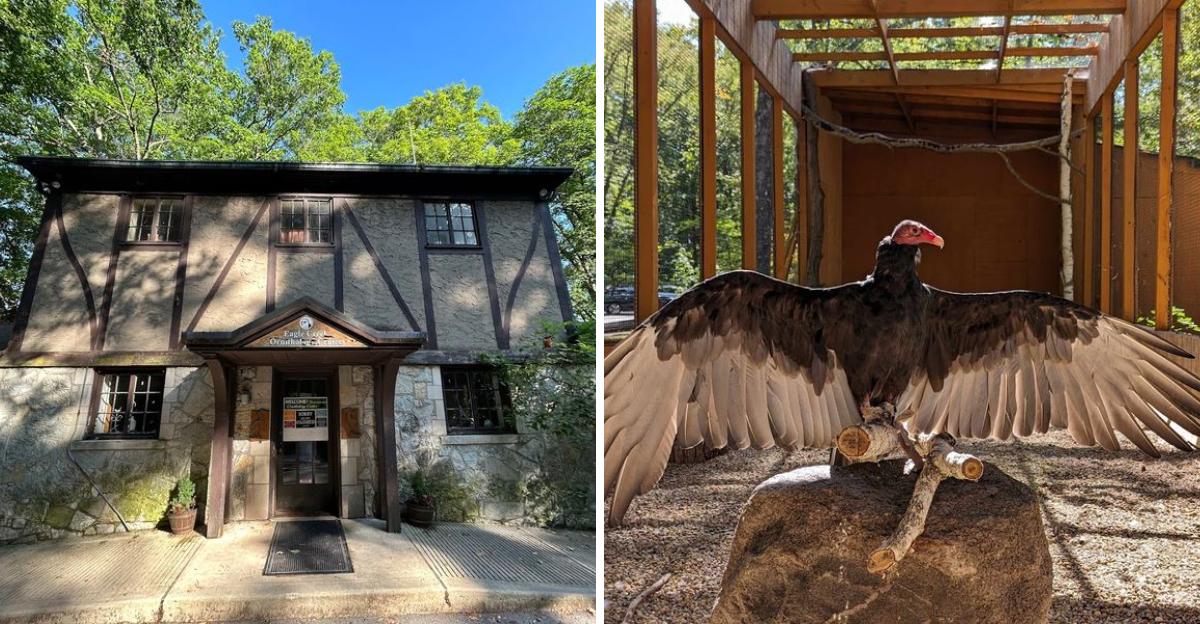
I still remember the first time I heard about a place in Indianapolis where injured birds get a second chance at life. It felt almost magical to think that right here in the city, dedicated people work quietly to heal broken wings and care for wild animals until they are ready for the world again.
This nature center sits along the edge of a large reservoir, offering something many people do not expect to find in an urban area: a close look at wildlife rehabilitation in action. Stepping inside, it quickly becomes clear this is more than a nature stop.
It is a working sanctuary where birds of prey and other native species receive treatment, rest, and protection. Owls recovering from injuries, hawks unable to hunt on their own, and other rescued birds are given the care they need by a dedicated team.
Each one carries its own quiet story, and each visit leaves a stronger appreciation for the effort it takes to protect and preserve local wildlife.
Witness The Rehabilitation Process That Saves Indiana Wildlife
Behind the scenes at this facility, a quiet miracle happens daily. Injured birds arrive from across central Indiana, brought by concerned citizens, animal control officers, and park rangers.
Each one receives immediate assessment and treatment.
The rehabilitation process is meticulous and science-based. Birds undergo physical examinations, receive medications, and sometimes require surgery.
They’re housed in quiet recovery areas where stress is minimized. As they heal, they move to larger flight cages where they can rebuild strength and practice essential survival skills.
What I find remarkable is the goal: always to return birds to their natural habitats whenever possible. The staff doesn’t want to create dependency.
They want wild birds to remain wild, capable of hunting, migrating, and reproducing naturally. Every decision centers on what’s best for the animal’s long-term welfare.
Visitors can learn about this process through interpretive displays inside the center. You’ll see photographs documenting successful releases, read case studies of challenging rehabilitations, and understand the criteria used to determine if a bird is ready for freedom.
Some displays show the specialized equipment used, from feeding tools to bandaging materials.
The center also educates people on what to do if they find an injured bird. Not every baby bird needs rescuing, and well-meaning interventions can sometimes do more harm than good.
Learning these distinctions helps protect wildlife across our communities.
Explore Indoor Exhibits Featuring Taxidermy And Educational Displays
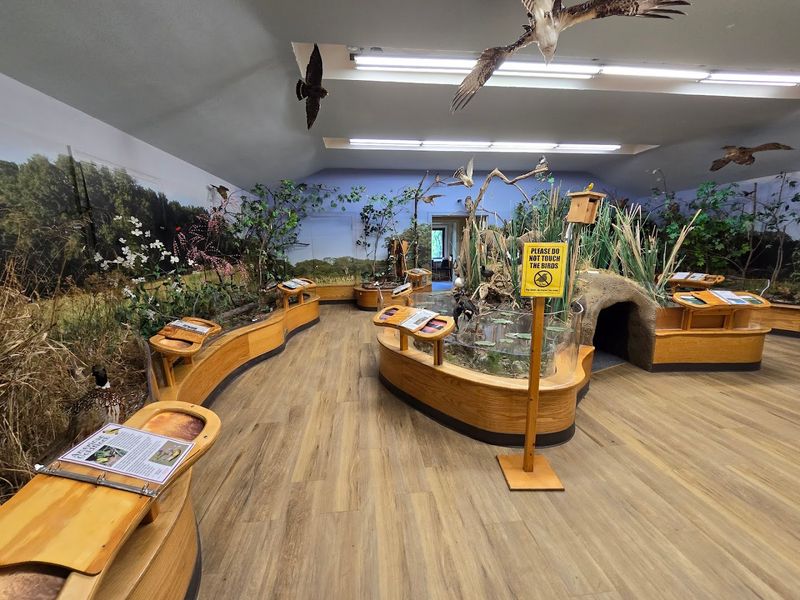
Step inside the ornithology center and you’ll find yourself surrounded by stunning examples of Indiana’s bird diversity. The taxidermy collection here is exceptional, showcasing species you might never see in the wild even with years of birdwatching.
These aren’t dusty museum pieces stuck behind glass. The specimens are beautifully mounted in lifelike poses that capture each species’ character.
A woodpecker mid-peck, a heron poised to strike, cardinals in breeding plumage so vibrant they almost seem alive.
What sets this collection apart is the quality of both the taxidermy work and the accompanying information. Each display includes details about habitat preferences, feeding behaviors, migration patterns, and conservation status.
You learn not just what the bird looks like but how it lives and what threats it faces.
For families, these exhibits offer an incredible teaching opportunity. Kids can examine details impossible to see on a living bird: the intricate patterns of feather barbules, the structure of different beak types, the variations in foot design that reveal how each species has adapted to its ecological niche.
I’ve spent time just studying the waterfowl display, marveling at how many duck species pass through Indiana during migration. The shorebird collection reveals birds I’ve walked past at reservoirs without recognizing.
Every visit teaches me something new about the avian life sharing our state.
Use Observation Rooms With Telescopes For Lake Birdwatching
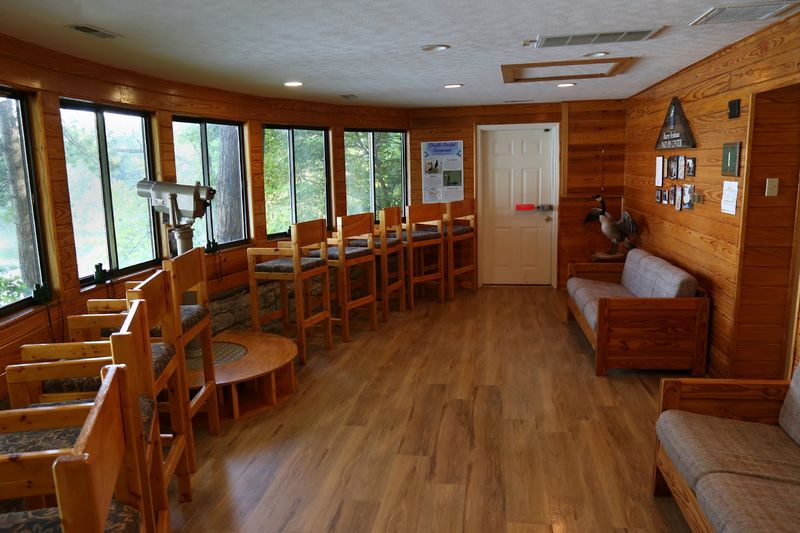
Two dedicated observation rooms offer panoramic views across Eagle Creek Reservoir, and they’re equipped with high-quality telescopes available for free public use. On any given day, you might spot dozens of bird species without stepping outside.
The rooms are designed with serious birdwatchers in mind but welcome complete beginners too. Large windows provide unobstructed sightlines across the water and surrounding wetlands.
The telescopes bring distant birds into crystal-clear focus, revealing field marks you’d never see with naked eyes.
During migration seasons, these rooms become front-row seats to one of nature’s great spectacles. Waterfowl by the thousands stop at Eagle Creek to rest and feed.
Warblers flit through shoreline trees. Raptors soar on thermal currents above the reservoir.
What I appreciate is how the setup encourages patience and observation. You’re not rushing along a trail trying to catch glimpses.
You can settle in, scan the water methodically, and really watch bird behavior. I’ve seen diving ducks disappear beneath the surface and timed how long they stay submerged.
I’ve watched herons stalking fish in the shallows with incredible focus and precision.
The naturalists often leave field guides and species checklists in the observation rooms. If you spot something unfamiliar, resources are right there to help with identification.
It’s informal, self-directed learning at its best, perfect for curious minds of any age.
Access Clean Facilities And Helpful Staff For A Comfortable Visit
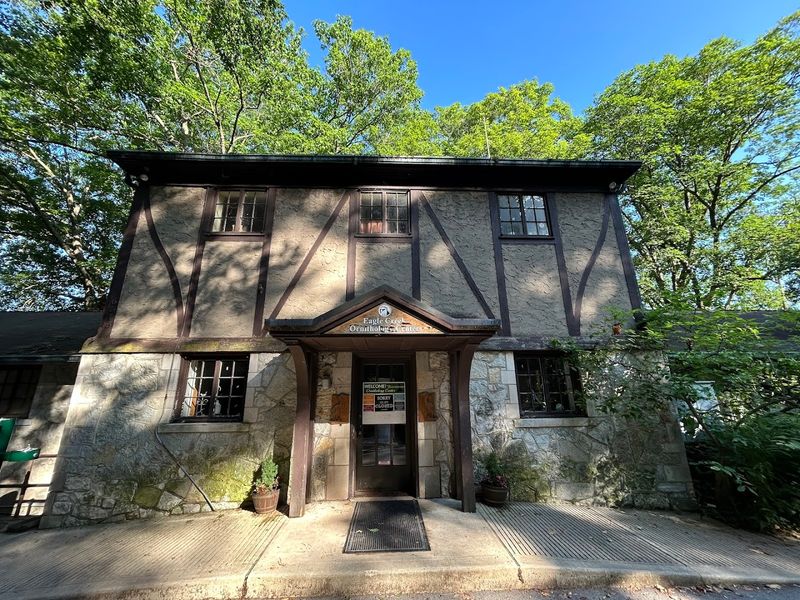
Sometimes the practical details make or break a nature outing, especially with kids or elderly family members. The Eagle Creek Ornithology Center, located at 6515 Delong Rd, Indianapolis, IN 46278, gets this right with clean, well-maintained restrooms and genuinely helpful staff.
The facilities are accessible and kept in excellent condition. After hiking trails at other parks where restrooms are questionable at best, finding clean facilities here feels like a luxury.
It’s one of the few places within Eagle Creek Park offering indoor restrooms, making it a natural starting or ending point for longer park visits.
But what really stands out is the staff’s knowledge and enthusiasm. These aren’t just people working a job.
They’re passionate naturalists who love sharing their expertise. Ask about the bird you saw on the trail, and you’ll get a thoughtful, detailed response.
Wonder what’s migrating through this week, and they’ll tell you what’s been spotted recently.
I’ve watched naturalists interact with children, adjusting their explanations to match young attention spans while still delivering real information. They answer the same questions repeatedly without showing impatience.
They help identify birds from partial descriptions and vague gestures.
The center also offers programs and events throughout the year, from bird banding demonstrations to guided nature walks. Staff members lead these activities with genuine enthusiasm that’s contagious.
You can tell they’re not just teaching about birds because it’s their job but because they genuinely want others to experience the wonder they feel.
Meet Permanent Resident Raptors Who Cannot Return To The Wild
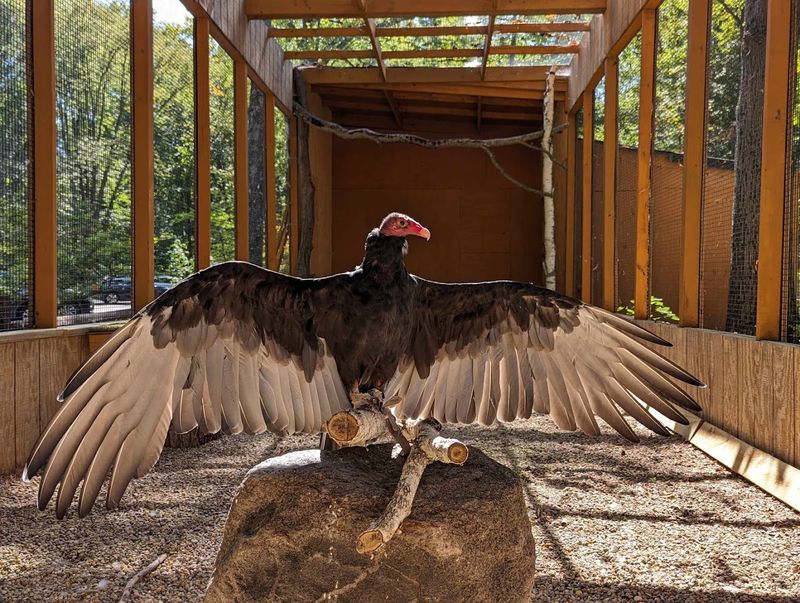
Not every bird that comes through rehabilitation can be released back into the wild. Some arrive with injuries too severe for survival in nature.
Others lose the ability to hunt or fly well enough to fend for themselves.
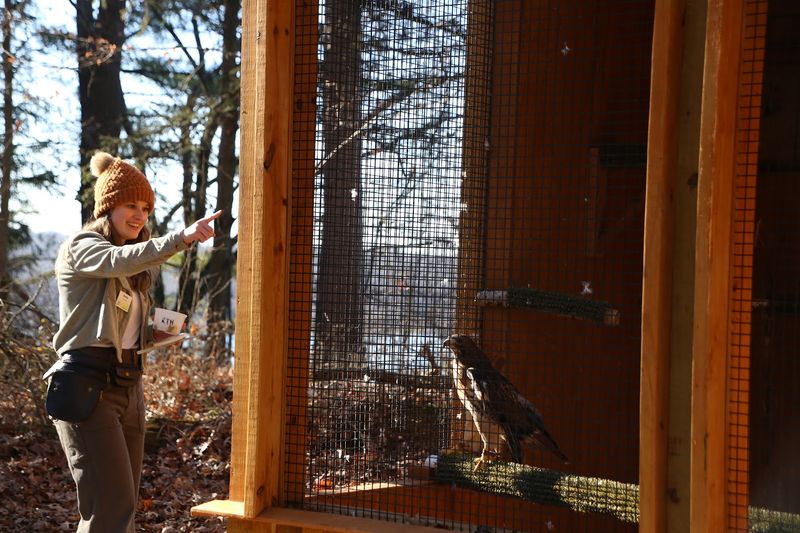
At the Eagle Creek Ornithology Center, these permanent residents become ambassadors for their species. You’ll meet owls whose wings never healed quite right, hawks with vision problems, and a turkey vulture who depends on human care.
Seeing them up close is humbling.
Each bird lives in a specially designed enclosure that meets their unique needs. The staff ensures they receive proper nutrition, veterinary care, and enrichment activities.
These aren’t pets or performers but wild animals living with dignity despite their limitations.
What strikes me most is how these birds help educate visitors about wildlife conservation. When you stand inches away from a great horned owl and see the power in those talons, you understand why habitat protection matters.
When you learn about the hawk’s injury caused by a car collision, you think twice about speeding through rural areas at dusk.
The naturalists share each bird’s individual story with genuine affection and respect. They explain what happened, how the rehabilitation process worked, and why release wasn’t possible.
It’s educational without being preachy, emotional without being manipulative. You leave with a deeper appreciation for the fragility and resilience of wildlife.
Enjoy Scenic Trails And Reservoir Views Surrounding The Center
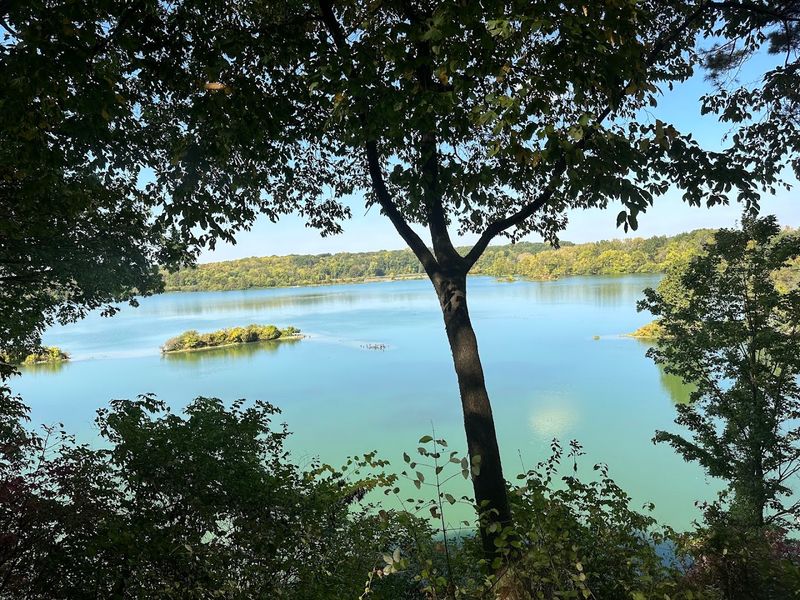
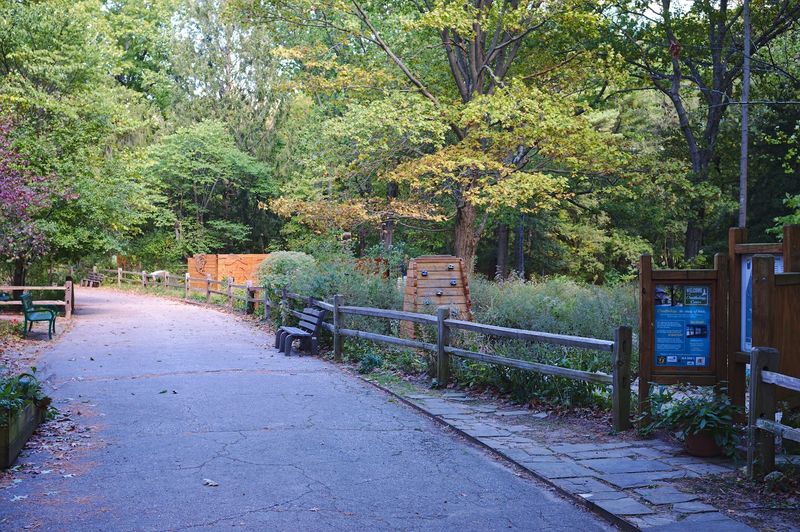
The ornithology center sits at the heart of some of Eagle Creek Park’s most beautiful terrain. Trails radiate out in multiple directions, offering everything from easy lakeside strolls to longer loop hikes through varied habitats.
Walking these paths, you’re surrounded by the landscape that makes this area such vital bird habitat. Mature forests provide nesting sites and insect-rich feeding grounds.
Wetland edges attract wading birds and waterfowl. Open meadows host grassland species increasingly rare in developed areas.
The views across Eagle Creek Reservoir are stunning, especially during golden hour when light slants across the water. I’ve stood at overlooks watching the sun set behind distant treelines, the water reflecting orange and pink, while birds settle in for the night with soft calls echoing across the stillness.
Trail markers and maps help you navigate, and the paths themselves are well-maintained without feeling overly manicured. You’re in nature but not bushwhacking.
Benches placed at scenic spots invite you to pause and simply observe.
What makes these trails special is knowing that every bird you encounter might have a connection to the rehabilitation work happening at the center. That hawk circling overhead could be a former patient now thriving in the wild.
The owls you hear at dusk might be related to the permanent residents you just met. It creates a sense of connection and continuity that deepens the experience beyond a simple nature walk.
Support Conservation Through Education And Awareness Programs
Every visit to the Eagle Creek Ornithology Center supports wildlife conservation in tangible ways. Your presence helps justify funding for rehabilitation services.
Your questions help staff understand what information the public needs. Your growing awareness translates into better choices that protect wildlife.
The center functions as an educational hub, teaching thousands of visitors annually about bird biology, ecology, and conservation challenges. These aren’t abstract lessons but practical knowledge you can apply.
You learn why keeping cats indoors protects songbirds. You understand how window strikes kill millions of birds annually and what simple modifications can prevent deaths.
You discover why native plants matter for supporting insect populations that birds depend on.
School groups frequently visit for structured programs aligned with science curricula. Kids who might never encounter wildlife rehabilitation otherwise get to see it firsthand.
They meet birds, ask questions, and often leave inspired to protect nature. Some probably discover career interests they’ll pursue for life.
The center also serves as a resource for injured wildlife beyond what they can treat directly. Staff provide referrals, advice on baby bird situations, and guidance on coexisting with wildlife.
This network of information helps animals across the region, not just those brought to the facility.
By visiting, you’re participating in something larger than a recreational outing. You’re supporting the idea that wildlife has intrinsic value worth protecting, that injured animals deserve care, and that education can change how humans interact with the natural world.
That’s a message Indiana needs to keep hearing.
