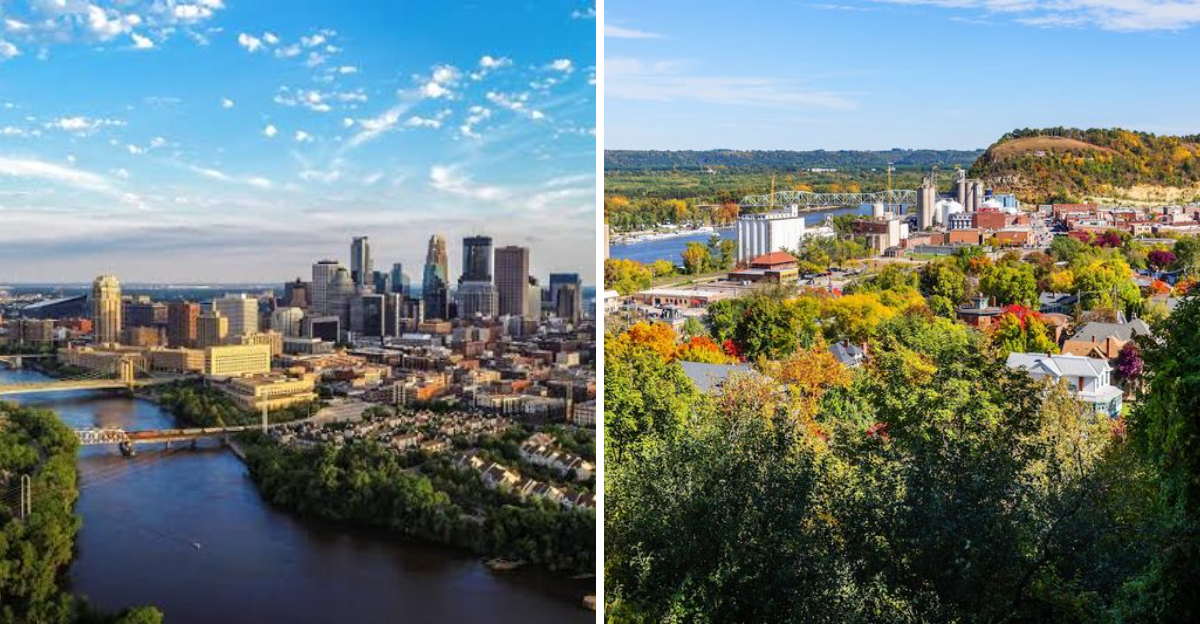
College towns have a certain rhythm that works perfectly for a weekend escape. Bookstores stay open late, coffee shops actually know how to pull a good shot, and live music pops up in basements and back patios without any pretension.
This Minnesota roundup features college towns worth visiting in 2026, each one offering a different flavor of small city energy. You can wander through campuses covered in old oak trees and limestone buildings, then grab lunch at a student favorite where portions are generous and prices stay reasonable.
The areas near campus tend to have quirky shops, international markets, and a surprising number of excellent restaurants because hungry students refuse to eat boring food.
Summer is the ideal time to go because most students have gone home, leaving behind the amenities without the crowds or the noise.
You will find empty library reading rooms, quiet park benches, and a relaxed pace that disappears once fall semester starts. Minnesota has famous tourist destinations that fill up every weekend, but these college towns offer a different kind of getaway, one built on interesting conversations and spontaneous discoveries.
Pack comfortable walking shoes and a willingness to try whatever the locals recommend.
1. St. Cloud, Minnesota
St. Cloud punches above its weight when it comes to weekend adventures, and most people do not even know it yet.
St. Cloud State University anchors this mid-sized city on the Mississippi River, and the campus itself is worth exploring. The buildings mix old stone architecture with modern additions in a way that feels thoughtful rather than jarring.
The downtown area has been quietly reinventing itself over the past few years. You will find independent restaurants, a growing arts scene, and a riverfront park that is genuinely lovely in warmer months.
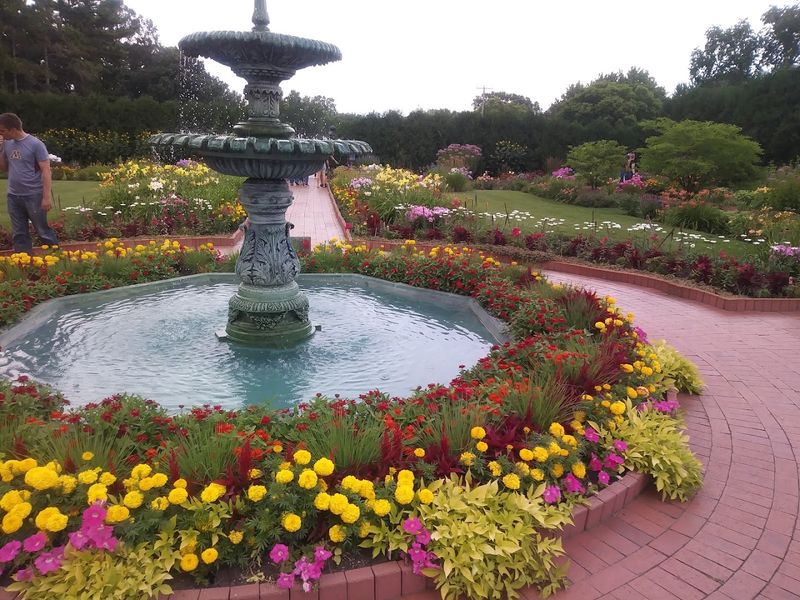
Munsinger and Clemens Gardens are two connected public gardens right along the river that bloom brilliantly from late spring through fall. Entry is free, and the paths are peaceful even on busy weekends.
For outdoor lovers, the Quarry Park and Nature Preserve offers swimming in old granite quarries, which is a truly unique experience. The water is cold and clear, and the rocky landscape feels unlike anything else in the state.
St. Cloud is also a solid base for exploring central Minnesota, with lakes and state forests within easy driving distance. Plan one night and you might end up staying two.
2. Mankato, Minnesota
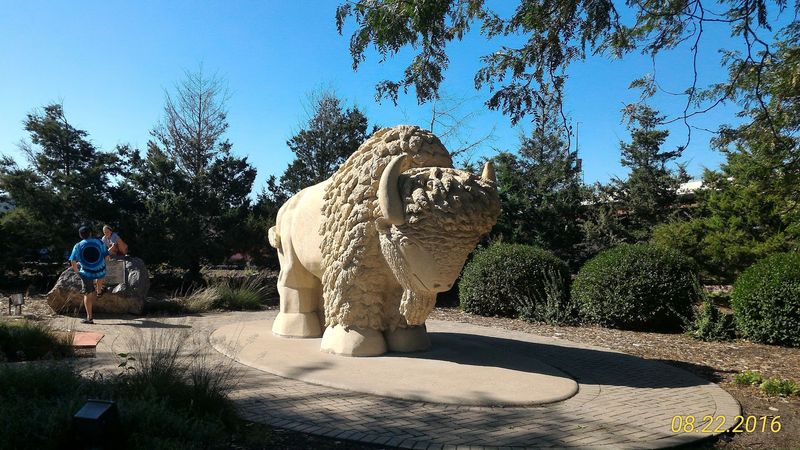
Mankato has the kind of comfortable confidence that comes from knowing exactly what it is: a real, working college town with great bones and a welcoming crowd.
Minnesota State University Mankato is a large campus with over 14,000 students, which means the surrounding city has the restaurants, shops, and entertainment options to match that energy.
The downtown area sits along the Minnesota River and has been growing steadily. Old Town Mankato, the historic commercial district, has independent shops and a solid weekend brunch scene that locals are fiercely proud of.
Minneopa State Park is just a short drive from campus and features one of the few two-tiered waterfalls in Minnesota. The lower falls are especially dramatic after a rainy spring, and the bison range within the park is a genuine highlight.
The Sibley Park Zoo is free and a surprisingly fun stop, especially if you are traveling with younger family members. It sits right along the Blue Earth River with shaded picnic areas nearby.
Mankato also hosts the Mankato Pow Wow each September, one of the largest powwows in the Midwest, celebrating Dakota culture with dancing, drumming, and traditional arts and crafts.
3. Morris, Minnesota
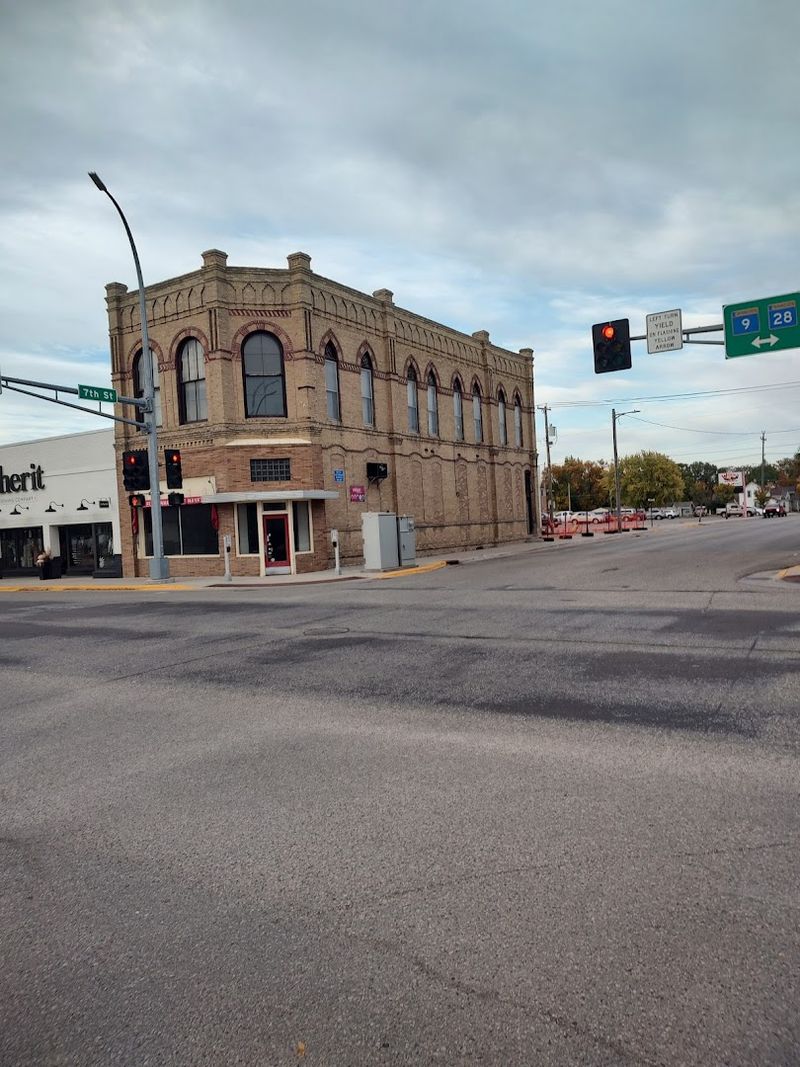
Out on the western Minnesota prairie, Morris quietly does things its own way, and that independence is exactly what makes it worth visiting.
The University of Minnesota Morris is a small liberal arts campus with a reputation for sustainability. The campus runs on wind energy and has a working organic farm that students help manage throughout the year.
Morris is a tiny town, but it has a real downtown with a few good spots to eat and a community that genuinely engages with the university. The Prairie Inn is a local favorite for comfort food after a day of exploring.
The surrounding landscape is dramatic in its own flat, wide-open way. The tallgrass prairie stretches in every direction, and the sky at night is staggeringly clear.
If you have never done serious stargazing, Morris is a great place to start.
The Pomme de Terre River runs nearby and offers calm canoeing in the summer months. It is unhurried and quiet, which is exactly the point.
The campus hosts free public events throughout the year, including lectures, theater productions, and art shows. Checking the university calendar before your trip could turn a simple visit into something genuinely memorable.
4. Winona, Minnesota
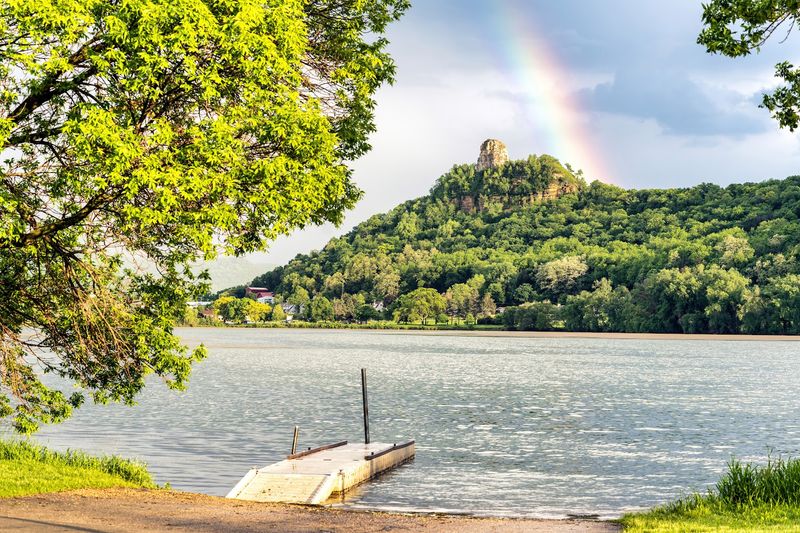
Winona is one of those towns that looks almost too beautiful to be real, sandwiched between limestone bluffs and the wide Mississippi River.
Winona State University and Saint Mary’s University of Minnesota both call this city home, giving it a layered academic culture that shows up in its bookstores, galleries, and conversation.
Sugar Loaf Bluff is the most iconic landmark in town, a narrow rock formation that rises above the city and can be seen from almost everywhere. Hiking up to the bluff overlooks gives you one of the best views in all of southeastern Minnesota.
The Winona County Historical Society Museum is worth an hour of your time. It covers the city’s fascinating history as a major Mississippi River port town in the 1800s, complete with original artifacts and excellent storytelling.
Levee Park runs along the riverfront and is a calm, shaded place to sit, watch the river, and eat lunch from one of the nearby food trucks that set up on warmer weekends.
The downtown has a walkable stretch of shops and cafes that reward slow exploration. Winona feels like a town that has figured out how to be itself, and that ease is contagious.
5. Moorhead, Minnesota
Sharing a border with Fargo, North Dakota, Moorhead has a dual-city energy that gives it more options than most towns its size could ever offer on their own.
Minnesota State University Moorhead and Concordia College both sit in this city, and their combined student populations keep the local economy and cultural calendar lively throughout the year.
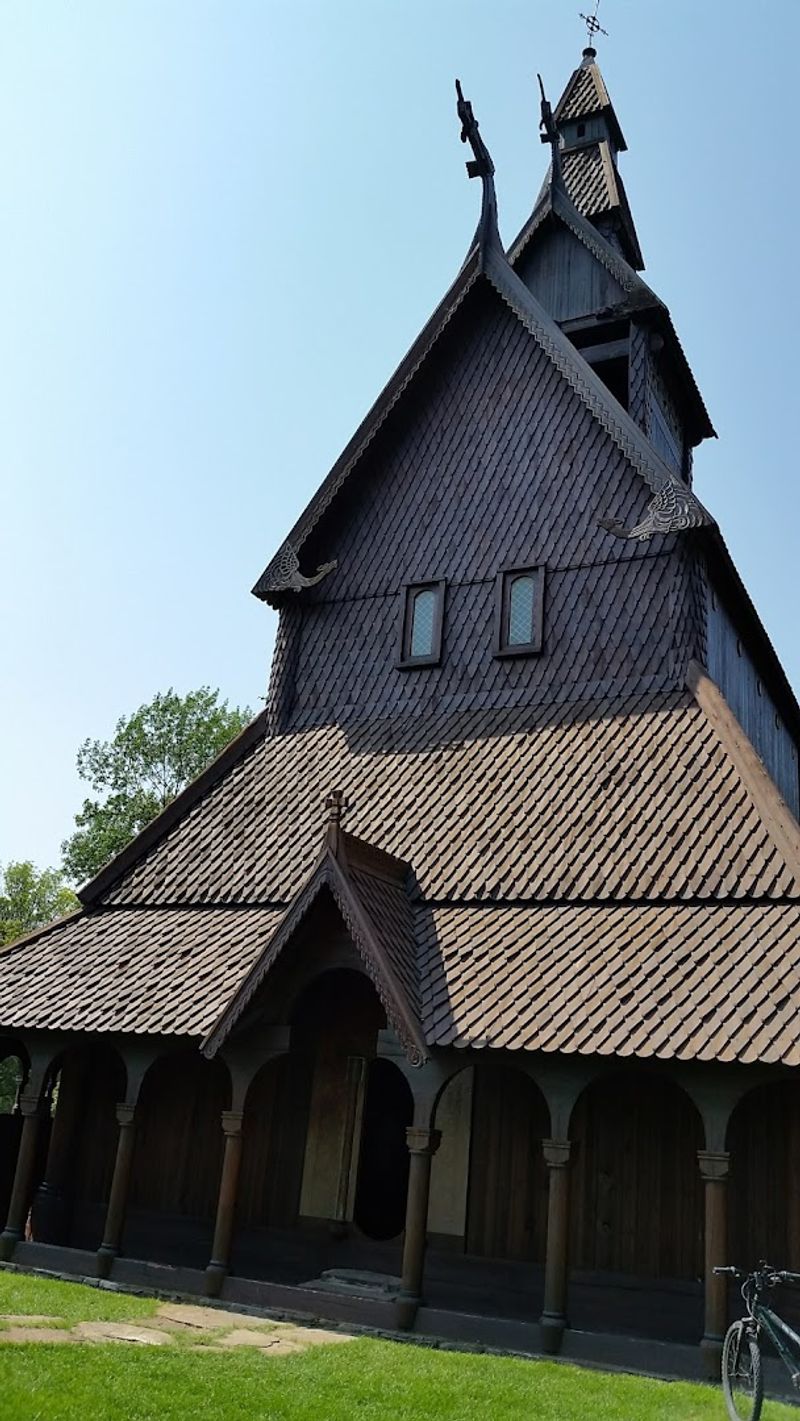
The Hjemkomst Center is one of the most unexpected highlights in the region. It houses a full-scale replica of a Viking ship that was actually sailed from Duluth to Norway in 1982.
The story behind it is remarkable, and the ship itself is breathtaking up close.
The Red River runs along the edge of town, and the trail system along its banks is excellent for walking or cycling on a clear day. The flat terrain makes it easy and meditative.
The Plains Art Museum, just across the river in Fargo, is worth the short walk over the bridge. It has a strong permanent collection and rotating exhibits that are consistently interesting.
Moorhead has a handful of excellent independent coffee shops near the campuses that make the perfect base for a slow morning before exploring. The town is understated and genuinely easy to enjoy.
6. Minneapolis, Minnesota
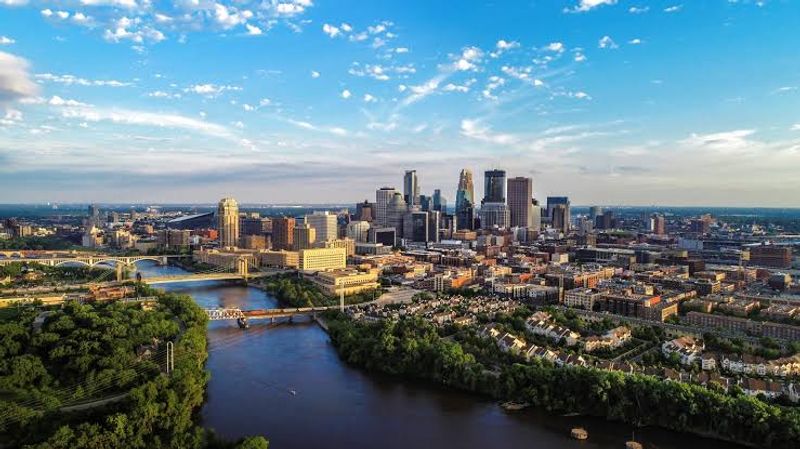
The University of Minnesota sits right in the heart of one of the most energetic cities in the Midwest.
Minneapolis is not your typical quiet college town. It stretches wide and bold, with light rail lines cutting through neighborhoods packed with murals, markets, and music venues.
Spend a morning walking along the Stone Arch Bridge for views of the Mississippi River that honestly feel cinematic. Then cross into Dinkytown, the neighborhood just north of campus, for some of the best cheap eats in the city.
The Minneapolis Institute of Art is free and enormous. You could spend four hours there and still miss entire wings.
On weekends, the Midtown Global Market buzzes with food stalls from dozens of cultures.
If the weather cooperates, rent a bike and follow the Greenway trail west. It connects neighborhoods you would never find otherwise.
The Chain of Lakes area is especially beautiful in early summer, with joggers, paddleboarders, and picnickers everywhere you look.
Minneapolis rewards curiosity. The more you wander, the more it gives back.
7. Saint Peter, Minnesota
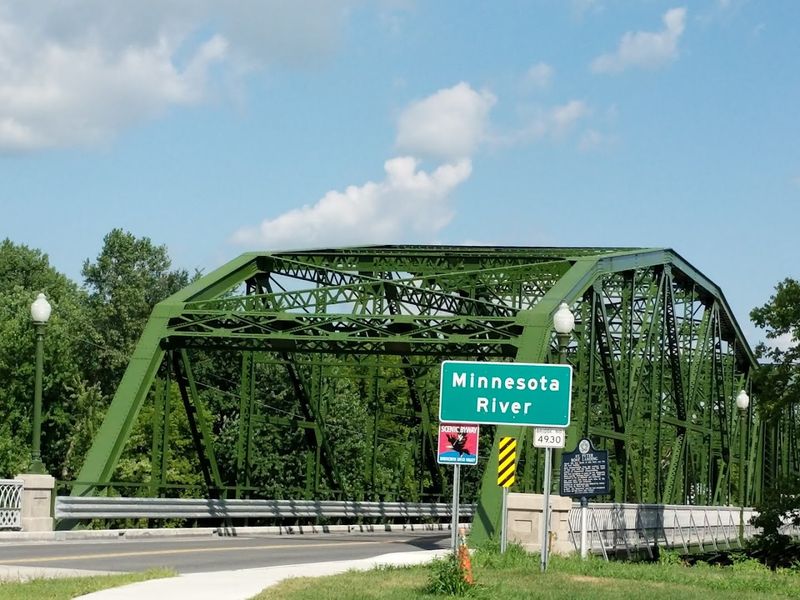
Saint Peter is small, tidy, and anchored by Gustavus Adolphus College, a liberal arts school with a campus that looks like it was designed to make you feel calm just by walking through it.
The town sits along the Minnesota River Valley, and the scenery in fall is genuinely stunning. Flandrau State Park is right on the edge of town and has swimming, camping, and trails that wind along the river through dense hardwood forest.
The downtown area is compact but has a few standout spots. Patrick’s Restaurant has been a local institution for years, and the Friday fish fry draws people from surrounding towns.
It is the kind of place where everyone seems to know each other.
Gustavus hosts the Nobel Conference every October, one of the longest-running science conferences at a liberal arts college in the world. It draws internationally recognized researchers and is open to the public.
The Hillstrom Museum of Art on campus has rotating exhibitions that are free to visit. It is a small but serious collection that punches well above its weight for a town of this size.
Saint Peter rewards a slow pace. Come with no agenda, and you will leave with a full list of reasons to return.
8. Collegeville, Minnesota
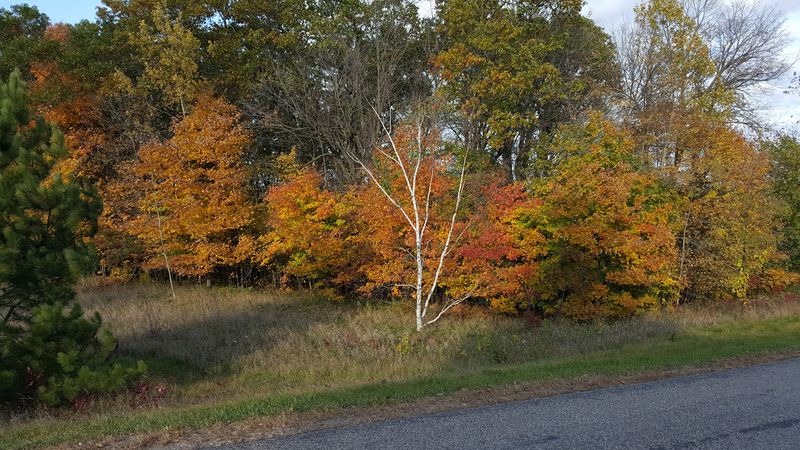
Collegeville is barely a dot on the map, but what it lacks in size it more than makes up for in architectural drama and natural beauty.
Saint John’s University sits here, and its campus is genuinely one of the most remarkable in the entire country. The Abbey Church, designed by Marcel Breuer and completed in 1961, is a modernist masterpiece that draws architects and art lovers from around the world.
The campus covers over 2,400 acres of forest, lakes, and trails, all open to the public. You can hike for hours without seeing another soul, which is a rare and wonderful thing.
The Hill Museum and Manuscript Library on campus holds one of the largest collections of handwritten manuscripts in the world. It is an extraordinary place that most people have never heard of, and a guided visit is absolutely worth scheduling in advance.
The adjacent College of Saint Benedict in Saint Joseph is just a short drive away and shares many academic programs with Saint John’s. Together, the two campuses create a unique and connected community.
Collegeville sits near the town of Saint Cloud, making logistics easy. Come for the architecture, stay for the trails, and leave with a quiet sense that you found something most travelers miss entirely.
9. Northfield, Minnesota
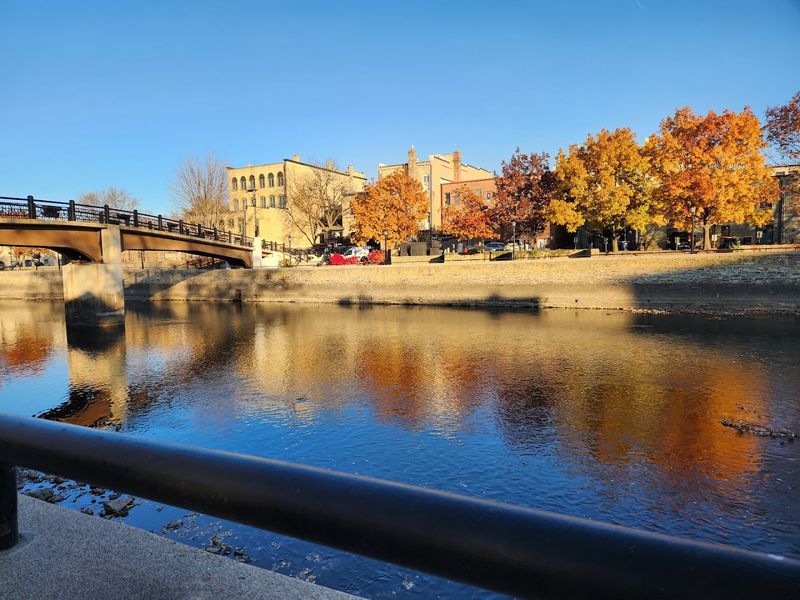
Two colleges, one small town, and more charm per square foot than almost anywhere else in Minnesota.
Northfield is home to both Carleton College and St. Olaf College, which gives it a double dose of campus energy packed into a very walkable downtown.
The Cannon River runs right through the middle of town, and the riverside trail is perfect for a slow morning walk. Bridge Square, the heart of downtown, has a farmers market on Saturdays that draws locals and visitors alike.
Northfield is also famous for the Jesse James raid of 1876, when the town fought back against an infamous outlaw gang. The Northfield Historical Society Museum tells that story well, and it is genuinely gripping.
Both campuses are open to visitors and worth a stroll. Carleton has a stunning arboretum with over 800 acres of natural land that you can explore for free.
St. Olaf sits on a hill with sweeping views of the surrounding countryside.
The coffee shops near campus fill up fast on weekends. Get there early, grab a seat by the window, and just watch the town move.
10. Bemidji, Minnesota

Bemidji sits at the headwaters of the Mississippi River, which is already a remarkable thing to say about any town, and it only gets more interesting from there.
Bemidji State University gives this northern Minnesota city its academic backbone, and the campus sits just steps from the shore of Lake Bemidji. The combination of university energy and lake-town calm is something you have to experience to fully appreciate.
The Paul Bunyan and Babe the Blue Ox statues on the lakefront are among the most photographed landmarks in Minnesota. They are wonderfully oversized and completely sincere, which is part of their charm.
Lake Bemidji State Park is just a few miles from downtown and has excellent swimming beaches, forest hiking trails, and a bog boardwalk that takes you through a fascinating northern ecosystem. The pitcher plants and sundews along the boardwalk are genuinely captivating.
Downtown Bemidji has a small but lively arts scene, anchored by the Bemidji Community Art Center and several independent galleries. The town takes its creative identity seriously, and it shows in the murals and sculptures scattered throughout the streets.
Winter in Bemidji is bold and uncompromising. Snowshoeing, ice fishing, and Nordic skiing are all taken seriously here, and the infrastructure for winter recreation is excellent.
11. Red Wing, Minnesota
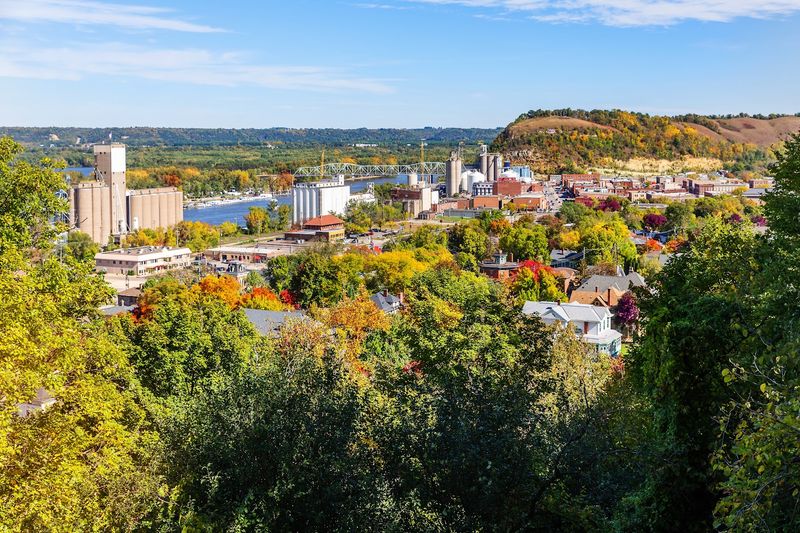
Red Wing has the kind of old-world riverfront character that makes you slow down the moment you arrive, like the town itself is asking you to take your time.
Saint Mary’s University of Minnesota has a campus here that overlooks the Mississippi River from a dramatic bluff position. The views from campus alone are worth the drive from the Twin Cities.
The downtown is full of beautifully preserved 19th-century architecture. The St. James Hotel, open since 1875, is a landmark that still operates as a full-service inn, and even if you are not staying there, stop in to see the lobby.
Barn Bluff is the most popular hike in town, a steep but short climb that rewards you with sweeping views of the river, the city, and the bluffs stretching south toward Wisconsin. It is a classic for a reason.
Red Wing Pottery has been made in this city since 1877, and the Red Wing Stoneware and Pottery shop near downtown is a great place to pick up a genuine piece of local craftsmanship as a souvenir.
Hay Creek Valley Campground is nearby for those who want to extend the trip. Red Wing is one of those places that fits perfectly into a long, unhurried weekend with no fixed schedule.
