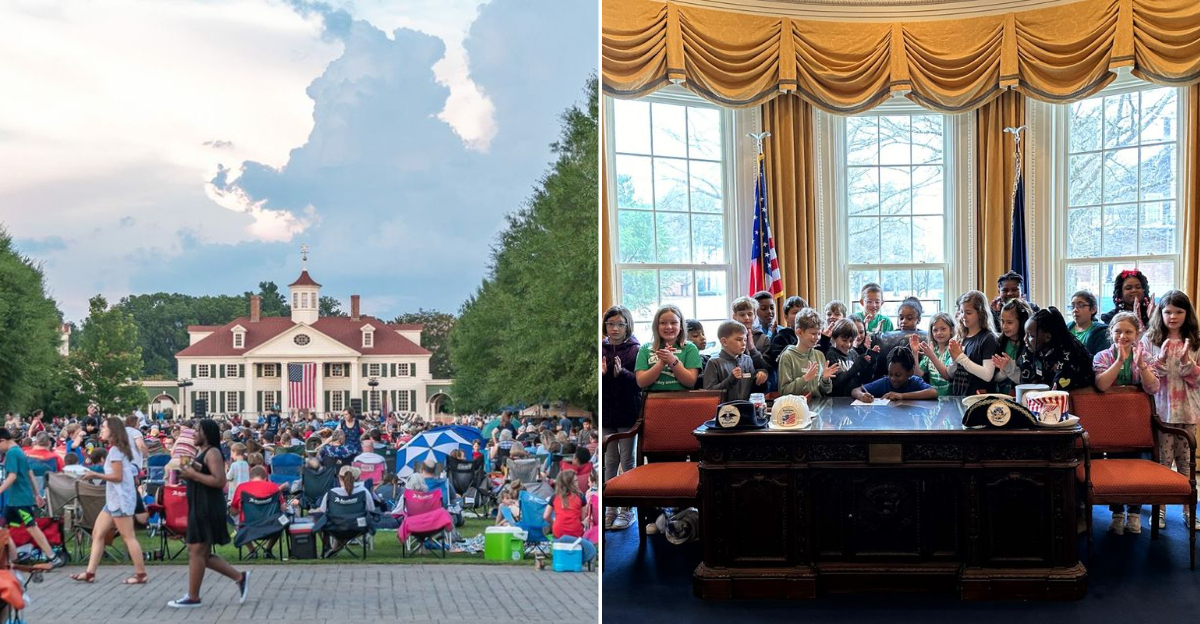
You do not need a plane ticket to Philadelphia to stand where American democracy was born. Just south of Birmingham, Alabama, a full-scale replica of Independence Hall rises from a quiet campus, complete with the very steeple that once held the Liberty Bell.
The brick facade is faithful down to the weather vane, and the assembly room inside recreates the tense summer of 1776 when delegates argued over freedom. Costumed interpreters bring the debates to life, inviting you to take a side, cast a vote, and feel the weight of history on your shoulders.
You can walk through the same kind of doors that Adams and Jefferson walked through, then step outside to explore colonial gardens and a Revolutionary War encampment. The site spans nearly two hundred acres, but the replica building remains the emotional heart.
It is a place where history is not just told, but felt. Alabama has hidden this patriotic treasure in plain sight, waiting for travelers who want to touch the past without leaving the South.
Pull open the heavy door, take a seat in the assembly room, and listen for echoes of a revolution.
The First Glimpse Feels Wildly Unexpected
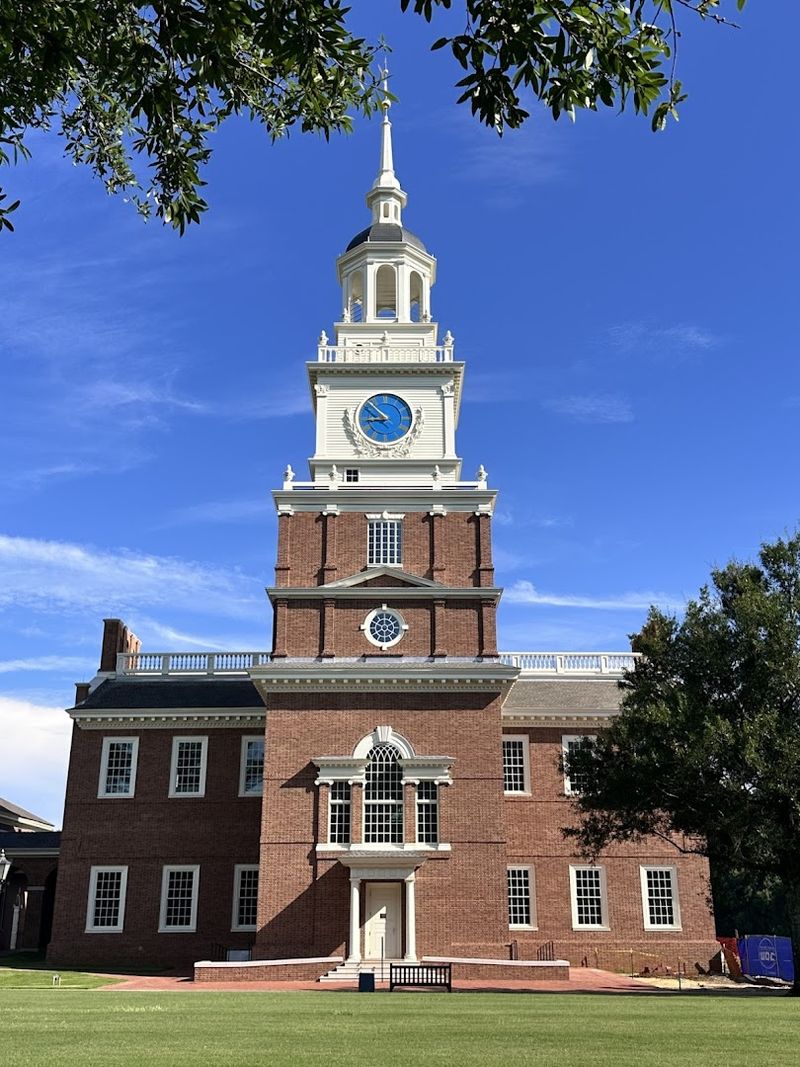
The first thing that hits you is how strange and delightful it feels to see a building you associate with Philadelphia standing out in Alabama. You come over the rise, the grounds open up, and suddenly the whole scene looks bigger and more ambitious than you probably expected.
It has that rare effect where you laugh a little, not because it feels fake, but because your brain needs a second to catch up.
American Village is spread across a broad campus in Montevallo, and the setting gives the replica room to breathe instead of crowding it. That matters, because Independence Hall is meant to feel important, and here it gets the kind of visual space that lets you take it in properly.
The lawns, the trees, and the overall quiet all help the building land with a little more weight.
What I liked most right away was that the place did not come off like a theme attraction trying too hard. It felt thoughtful, a little grand, and surprisingly calm, which is a good combination when you are about to spend time with American history.
Before I even stepped closer, I already knew this stop was going to stick with me.
Getting There Sets The Tone
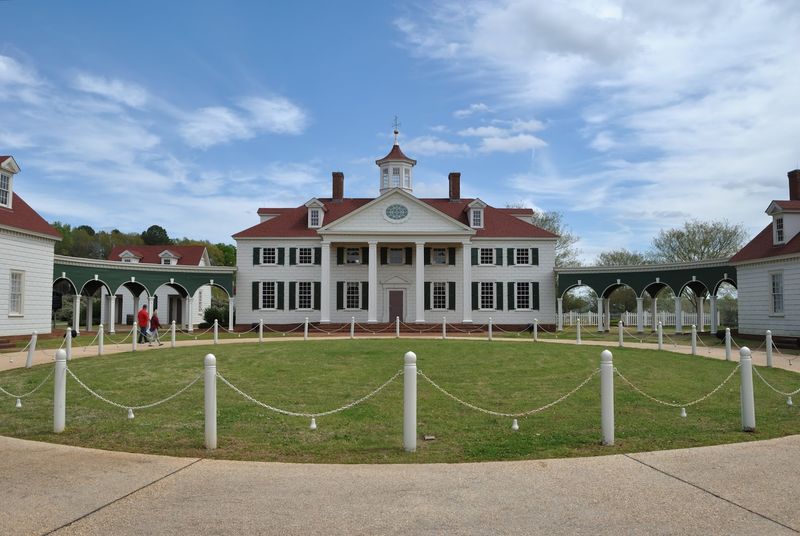
Getting here feels pleasantly simple, and that easy arrival honestly sets the mood for the whole visit. American Village is at 3727 Highway 119, Montevallo, AL 35115, and once you turn in, the pace changes in a way that makes you want to stop checking your phone.
The roads and open space do a nice job of easing you into the experience before you even start looking closely at the buildings.
Montevallo itself already has that quieter college-town rhythm, so the campus does not feel dropped into the wrong place. Instead, it feels tucked into a part of Alabama where you can actually hear yourself think, which suits a site built around civic ideas and public memory.
I appreciated that the approach gave the whole visit a sense of intention without feeling formal.
If you are anything like me, you will probably start wondering whether the replica is going to feel gimmicky once you park and walk in. That question goes away fast, because the grounds immediately suggest a place built for learning, strolling, and paying attention.
It is a calm, open introduction, and it makes the bigger reveal inside the campus work even better.
The Building Looks Serious In The Best Way
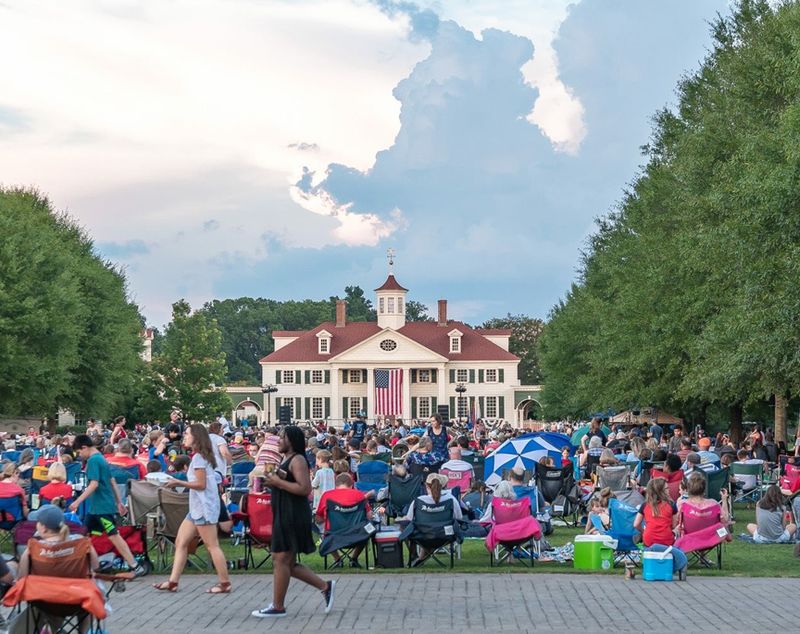
Once you get close, the replica itself really does carry some authority, and that surprised me more than I expected. The brickwork, the symmetry, and the vertical lift of the tower give it a presence that reads as civic rather than theatrical.
You are not just looking at a copy of a famous building, because the whole thing is designed to make you think about what happened in rooms like this and why those rooms still matter.
What makes it work is the level of care in the proportions and the overall setting. Nothing about it feels tossed together for a quick photo opportunity, and the building has enough scale that you naturally slow down as you approach.
In Shelby County, it also stands out dramatically on the horizon, which adds to that sense that something consequential is happening here.
I found myself circling it a bit before going inside, mostly because every angle landed differently. From one side it feels stately, from another it feels almost cinematic, and then you remember you are still in Alabama and the contrast gets even better.
That little disorientation is part of the fun, and it makes the site memorable before any program even begins.
Inside, The Story Starts To Feel Personal
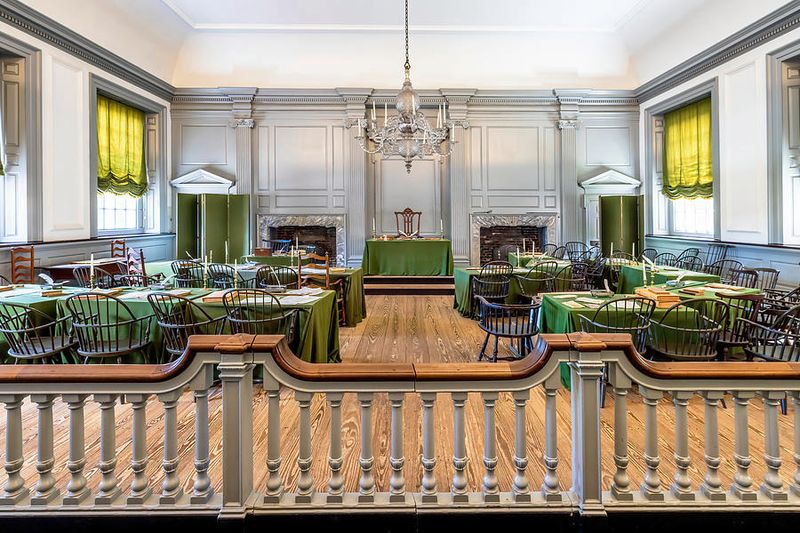
The moment you step inside, the scale shifts from impressive to intimate, and that is where the place really got me. Exterior grandeur is nice, but interior detail is what makes a replica feel worth your time, and this one leans into that beautifully.
The rooms are arranged to pull you toward the human side of history, where debates, nerves, and unfinished ideas would have filled the air.
The Assembly Room is the clearest example of that effect, because it gives you a physical sense of where enormous arguments could unfold. The furniture, color palette, and overall period styling are handled with enough discipline that the room feels grounded rather than decorative.
You do not need to be a major history person to stand there and imagine voices bouncing around the space.
I liked that the interior never tried to wow me with flashy tricks or overdone staging. Instead, it trusted the architecture, the interpretation, and your own imagination, which is almost always the smarter move.
By the time I moved through the building, I had stopped thinking about whether it was a replica and started thinking about the ideas it was built to bring closer.
The Reenactment Space Gives It Real Energy
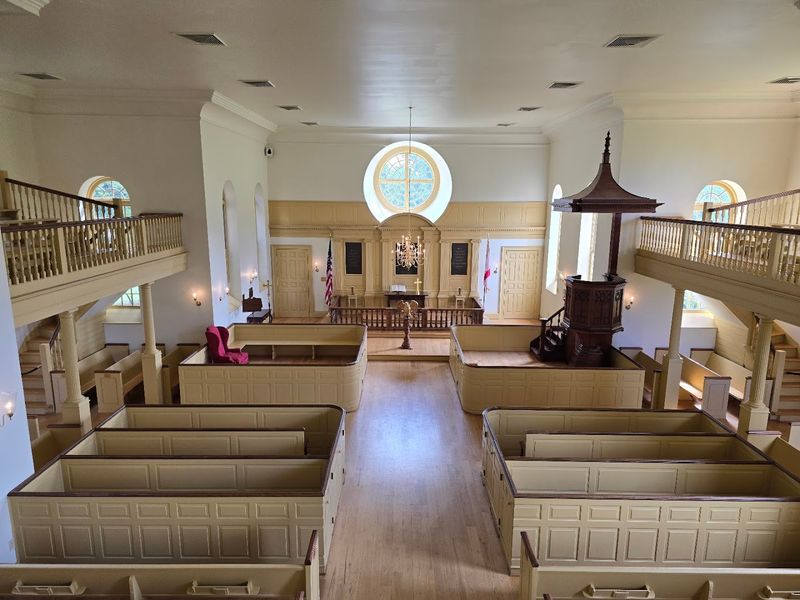
Here is where the place stops being a handsome building and becomes something more alive. The reenactment space inside the hall is built to host programs that let visitors watch the founding era play out in a setting that feels connected to the story, not detached from it.
That distinction matters, because history can flatten fast when it is kept behind glass and labels.
The theater gives the hall a pulse, and you can tell the building was designed around that purpose instead of treating performance as an afterthought. Rather than simply displaying patriotic symbolism, the site uses space to draw people into conversation, disagreement, and decision making.
That makes the whole thing feel educational in a very direct way, but not in the school field trip sense that puts adults on edge.
I think that is what impressed me most about American Village as a whole. It understands that civic history becomes more memorable when you can hear it, watch it, and feel the room holding it together around you.
Even if you arrive mostly curious about the replica itself, this performance element is what gives the building staying power after you leave and head back through Alabama traffic.
Little Details Keep Pulling You In
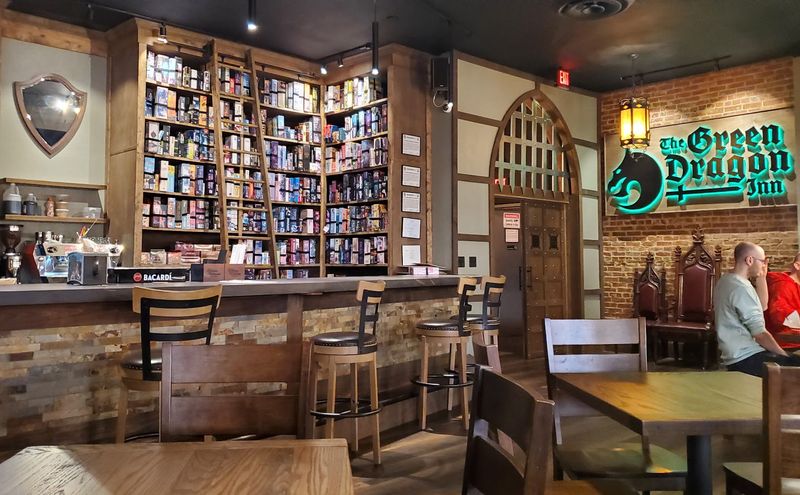
What really sneaks up on you are the smaller features tucked into the experience, because they keep the place from feeling one-note. There is a replica Liberty Tree, there are references to the Green Dragon Tavern, and those touches widen the story beyond one room and one document.
Instead of saying, here is the famous building, the site keeps nudging you toward the broader culture that fed the revolutionary moment.
I love that approach because history is rarely just one grand speech in one famous chamber. It is conversation, rumor, organizing, persuasion, and the everyday spaces where people tested ideas before they ever became public declarations.
When a place remembers that, the experience gets richer and more human, which is exactly what happens here.
You start noticing wood tones, layout choices, and bits of interpretation that connect the polished symbolism to lived experience. None of it feels cluttered, and none of it tries to overpower the hall itself, but together those elements give the visit texture.
By the time I moved on, I felt like I had been guided through an atmosphere as much as a building, and that made the whole stop more memorable than I expected.
It Is Built For Learning Without Feeling Stuffy

One thing I kept coming back to was how intentionally this place is built for learning, while somehow avoiding the heavy, overexplained feeling that educational sites can slip into. The programs here are centered on the founding ideals of the United States, but the setting keeps those ideas from floating off into abstraction.
When you walk through the hall and the rest of the campus, you can feel that the goal is participation and curiosity, not just passive admiration.
That comes through especially in spaces designed for debate, interpretation, and shared experience. The site uses rooms, staging, and movement to invite visitors into the texture of civic life, which is a much more engaging method than simply listing facts on panels.
You end up considering not only what happened, but how people argued, persuaded, compromised, and imagined a country into being.
I think that is why the replica matters beyond novelty. It is not there just so people can say Alabama has a full-scale Independence Hall now, although that is certainly a conversation starter.
It is there because a building can focus attention, and once attention is there, the place has a chance to make history feel lived, contested, and emotionally present.
The Grounds Give You Room To Think
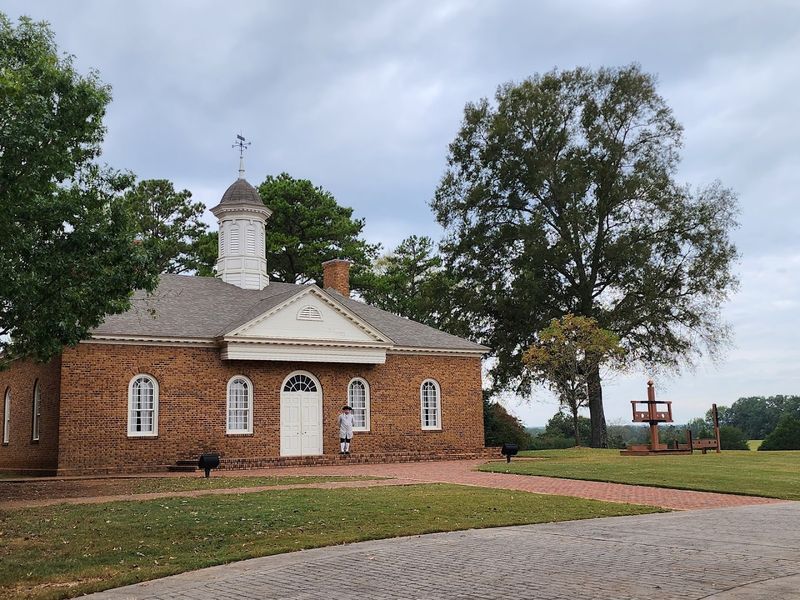
Some places throw information at you so hard that by the end you feel like your head needs a nap, but this is not one of them. The grounds at American Village give everything a little breathing room, and that changes the experience more than you might expect.
You can move from architecture to open lawn to shaded corners without feeling pushed, which lets the ideas settle naturally.
That slower rhythm matters because the site is dealing with big themes, and big themes need a little silence around them. When I wandered between buildings, I found myself thinking less about checking off features and more about how unusual it is to have this kind of civic campus in Alabama.
The setting allows for reflection without turning reflective, if that makes sense, and that balance is harder to pull off than it looks.
It also helps that the place is visually coherent without being overly manicured. You get atmosphere, but you also get enough openness to keep the site from feeling precious or overly curated for photographs.
By the time I reached the end of my walk, I realized the campus had quietly done something smart, which was giving me space to connect the replica to the wider mood of the visit.
