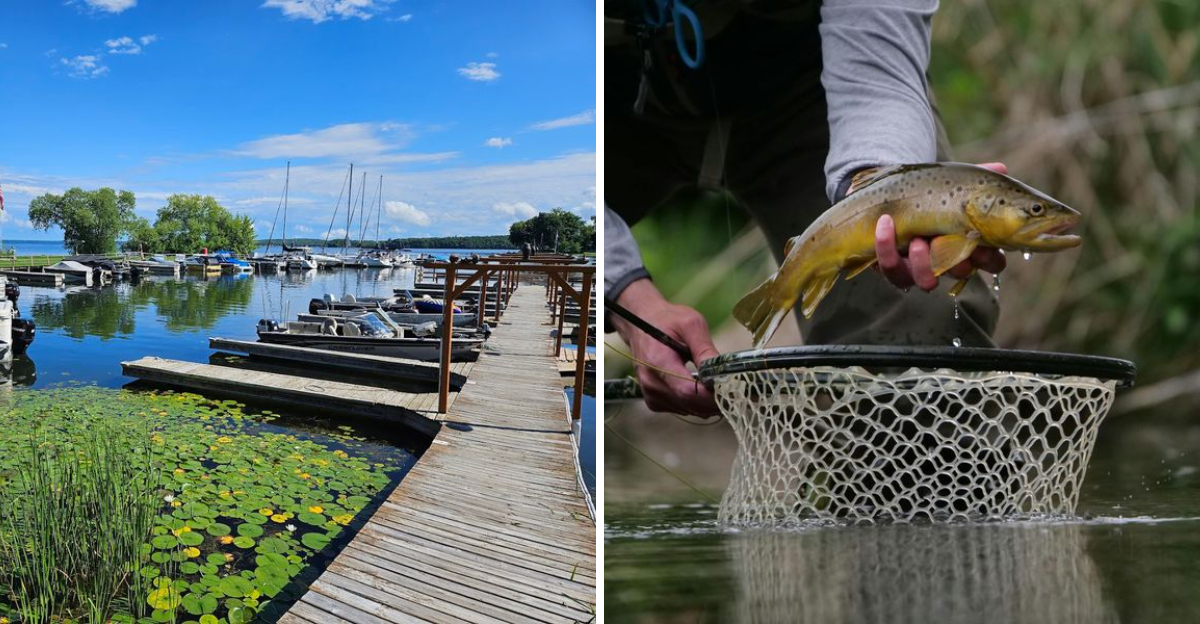
Ask a local where they caught that monster walleye and they will smile and change the subject quickly. I have learned that some fishing spots are so good that people protect them like family secrets worth keeping.
Minnesota has hidden fishing holes that never appear on social media because the locals refuse to name them anywhere online. These spots are not on any map or app and you will need a friend who trusts you to find them.
I watched a man pull in a beautiful northern pike from a pond that looks like just another patch of water. Minnesota really offers quiet places where the fish are biting and the only crowd is dragonflies and maybe a heron or two.
The locals share these spots with their kids and grandkids but never with strangers on the internet. I was lucky enough to be invited to one and promised not to share the exact location with anyone.
The water was calm and the sun was warm and the fish were actually biting which felt like winning a small lottery. You leave with a full cooler and a vow of silence and a deep respect for Minnesota’s fishing code of honor.
1. The Backwater Slough Off Lake Winnibigoshish
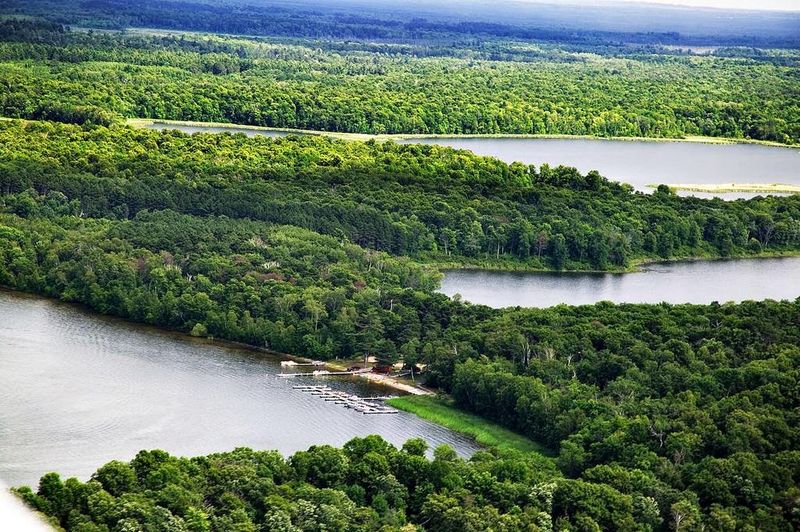
Lake Winnibigoshish gets plenty of attention, but the real action happens away from the main basin.
A narrow channel on the lake’s eastern edge opens into a shallow backwater slough that most visitors never notice. Local walleye anglers have fished this spot for generations without ever mentioning it by name online.
The slough warms faster than the open lake in spring. That temperature difference draws baitfish early, and walleye follow close behind.
Water depth here rarely exceeds six feet, so a simple slip bobber rig works better than anything fancy. Locals favor fathead minnows rigged just above the weeds.
Timing matters more than gear in this spot. The two hours after sunrise produce the most consistent action, especially in May and early June when spawning walleye stack up near the reed edges.
Carp occasionally roll through and muddy the water, which can shut the bite down fast. When that happens, patient anglers simply wait it out on the bank with a thermos of coffee.
The slough also holds surprisingly large northern pike in summer. A few locals pull forty-inch fish from this water every season without posting a single photo online.
That kind of discipline is genuinely rare in the social media age.
2. The Sunken Island Near Mille Lacs
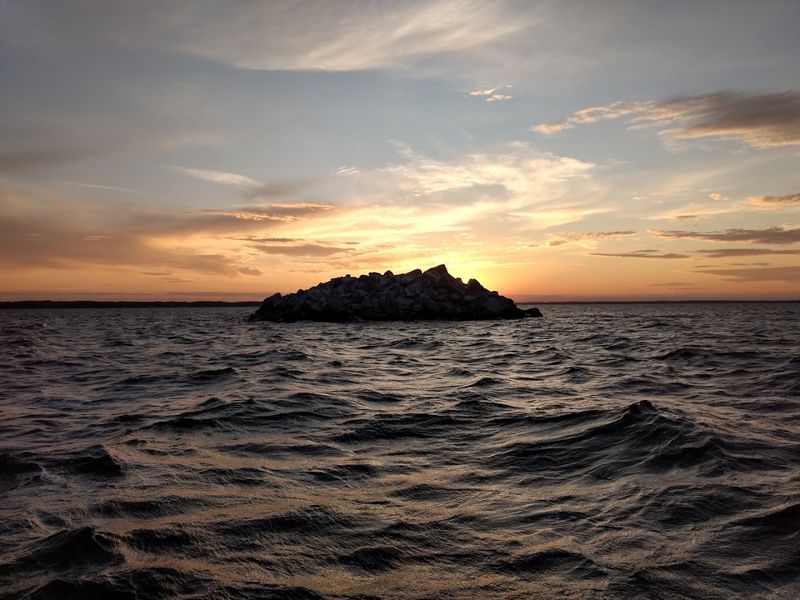
Mille Lacs Lake is famous, but fame does not always lead you to the fish.
Beneath the surface near the lake’s northwestern shoreline sits a submerged gravel hump that does not appear on most recreational fishing maps. Local guides discovered it decades ago and have kept it off the digital record ever since.
The hump tops out at around twelve feet and drops sharply to twenty-two on both sides. Walleye use the structure as a resting lane during summer, especially when wind pushes warm surface water across the lake.
Jigging a quarter-ounce leadhead tipped with a plastic paddle tail right along the break produces strikes when nothing else seems to work. Color choice matters here.
Locals swear by chartreuse in low light and natural shad patterns under bright skies.
Getting to this spot requires reading the water carefully. There are no buoys, no markers, and no helpful signage.
Experienced anglers use bottom contour changes and bird activity as their only navigation tools.
Perch also gather around the hump in late fall when water temperatures drop. Ice anglers who know its location drill their holes with quiet confidence while others on the same lake struggle to find a single bite.
Earning the coordinates to this spot usually takes years of friendship with the right people.
3. A Spring-Fed Pond in the Boundary Waters
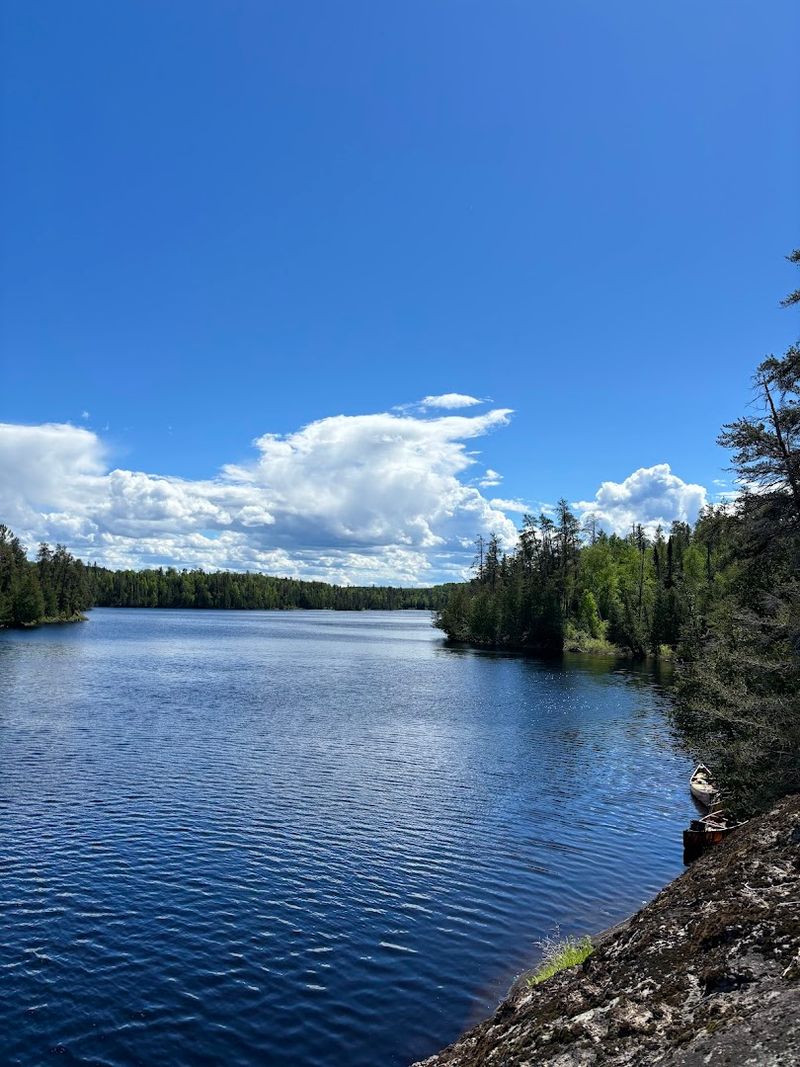
Not every great fishing hole requires a boat ramp or a parking lot.
Deep inside the Boundary Waters Canoe Area Wilderness sits a small, spring-fed pond that does not appear on standard BWCA portage maps. Reaching it requires a half-mile bushwhack through dense spruce forest after completing an already difficult portage.
The effort filters out nearly everyone. That is exactly why the brook trout inside this pond have grown to sizes that seem almost unbelievable for such a small body of water.
Brook trout in Minnesota rarely top four pounds, but anglers who have found this pond report fish pushing that mark regularly. The spring water keeps temperatures cold even in August, creating ideal conditions year-round.
A small dry fly presented quietly near the inlet produces explosive surface strikes. Locals use barbless hooks and practice strict catch-and-release to protect the fishery they have worked hard to keep secret.
The pond’s location passes from paddler to paddler only through whispered conversation at remote campsites. Nobody writes it down, and certainly nobody posts it.
Sitting beside this water on a still morning, with no sound except a loon calling somewhere in the distance, reminds you why some places deserve their silence. The fishing is extraordinary, but the solitude might actually be the bigger reward here.
4. The Oxbow Bend on the Root River
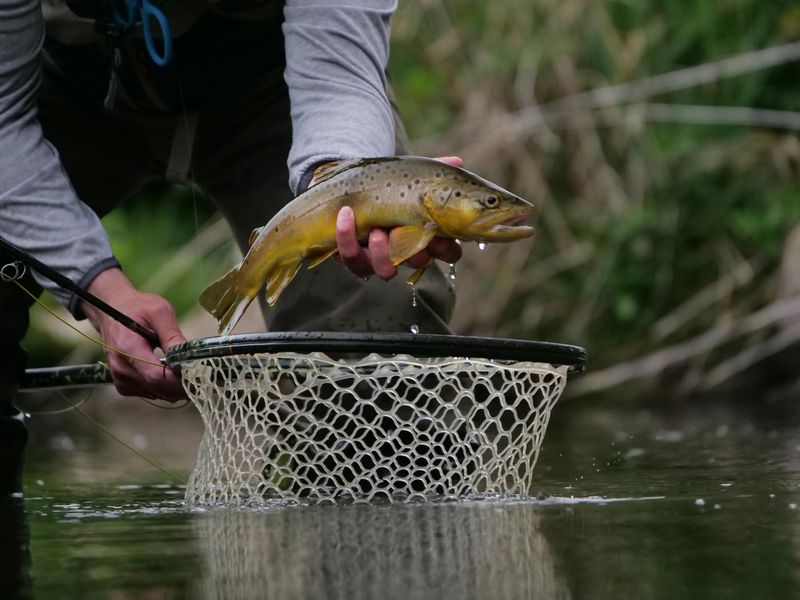
Southeastern Minnesota holds some of the most underappreciated trout water in the entire Midwest.
Along the Root River corridor, one particular oxbow bend creates a deep outside pool that locals have quietly fished for smallmouth bass and brown trout for at least fifty years. The bend is accessible only by wading through a shallow riffle that requires confident footing on slippery limestone.
That natural obstacle keeps casual anglers away. The pool on the far side runs eight feet deep at its center and holds fish that rarely see artificial lures.
Smallmouth bass in this pool average fifteen inches, with occasional fish pushing eighteen. Brown trout share the same water and are notoriously selective, which makes landing one feel like a genuine accomplishment.
Locals fish this bend with small streamers in early morning and switch to nymphs by midday when light hits the water directly. Matching the hatch is not optional here.
The fish have seen enough poor presentations to become genuinely cautious.
The Root River corridor is publicly accessible, but knowing where to park, where to wade, and where exactly the pool begins requires local knowledge that no app can provide.
Regulars at the nearest bait shop in Lanesboro, Minnesota, will talk about the river in general terms. Ask them about the oxbow specifically and watch how quickly the conversation changes direction.
5. The Shallow Weedy Bay on Leech Lake
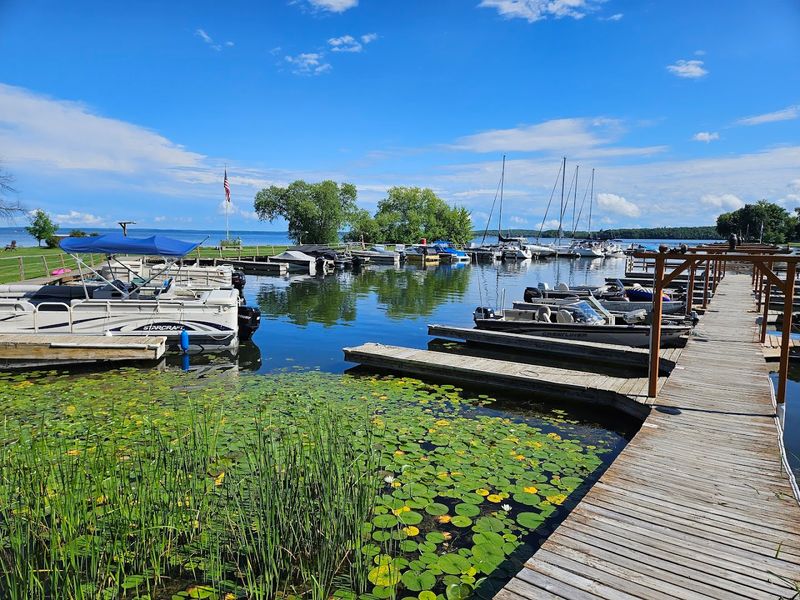
Leech Lake draws anglers from across the country, and most of them head straight for the main lake basin.
That predictable behavior works in the favor of anyone willing to explore a particular shallow bay tucked along the lake’s southern shoreline. The bay is barely three feet deep at its center and choked with emergent vegetation that most anglers consider unfishable.
Locals see it differently. Largemouth bass use this bay as a summer nursery, and the biggest fish in the lake spend their warmest months buried in the thickest cover available.
A Texas-rigged soft plastic crawfish punched slowly through the vegetation produces strikes that feel like a submerged log suddenly came to life. Patience is the entire strategy here.
One good cast might sit in place for two full minutes before anything happens.
Muskie also push into this bay during fall cooling periods. Locals have pulled fish over fifty inches from water so shallow the fish’s dorsal fin breaks the surface on the hookset.
The bay has no official name on any map, which locals appreciate deeply. A few handwritten notes in old fishing journals are the only record of what this water produces year after year.
Getting there requires running a flat-bottomed boat through a narrow channel that looks like it leads nowhere. That appearance is very much intentional.
6. A Forgotten Farm Pond in Fillmore County
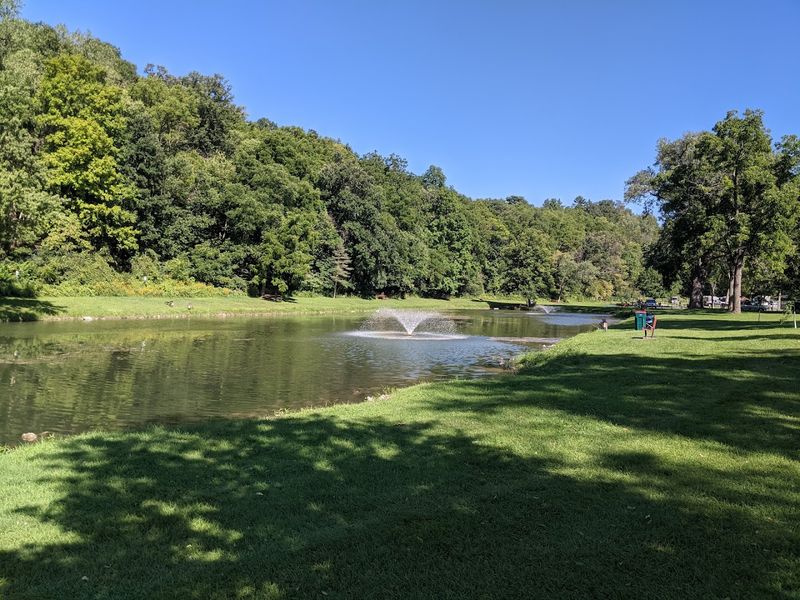
Some of the best fishing in Minnesota has nothing to do with lakes or rivers.
Scattered across Fillmore County in the southeastern corner of the state are dozens of privately owned farm ponds that receive almost zero fishing pressure. One in particular, maintained by a farming family for over sixty years, holds bluegill and largemouth bass of a size that would genuinely surprise most anglers.
The pond covers roughly four acres and was stocked carefully over decades with quality genetics. The result is bluegill pushing ten inches and bass regularly topping five pounds in water that almost nobody fishes.
Access is strictly by permission, which is exactly why the fish have grown this large. The family grants fishing rights to a small circle of trusted neighbors and longtime friends.
Newcomers rarely find their way in without a proper introduction.
Fishing technique here is refreshingly simple. A small bobber, a hook, and a garden worm produce results that expensive gear cannot match in more pressured water.
The pond sits in a natural bowl surrounded by hardwood ridges that block the wind on most days. Afternoons in early October, when the leaves have turned and the bass are feeding aggressively before winter, are the most memorable sessions anglers describe from this spot.
Word travels about places like this only through handshakes, not hashtags.
7. The Deep Hole Below a Dam on the Rum River
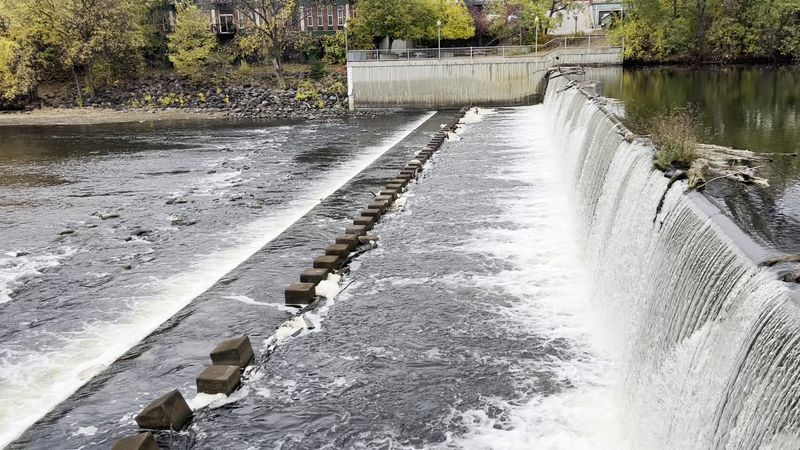
Moving water in Minnesota produces some remarkable fishing that most lake-focused anglers completely overlook.
Below a small dam on the Rum River in central Minnesota, the current carves a deep hole that holds walleye, channel catfish, and freshwater drum in numbers that seem almost impossible given how little attention this stretch receives.
Walleye stack in this hole during spring when water temperatures rise and current speeds increase with snowmelt runoff. Locals position themselves on the rocky bank downstream from the dam and cast upstream, letting jigs swing naturally through the current seam.
The channel catfish population in this hole is particularly impressive. Fish over ten pounds are common, and a few locals have landed catfish pushing twenty pounds from this exact stretch of river.
Night fishing is when the spot truly performs. Catfish move aggressively after dark in the current-rich water below the dam, and a fresh cut sucker on a simple bottom rig is all the presentation required.
The area is technically public access, but parking is inconvenient and the path to the water is overgrown enough to discourage anyone not specifically looking for this spot.
Regular visitors describe the experience as fishing that feels forgotten by time. No crowds, no boat traffic, and no social media tags.
Just running water and fish that have not learned to be suspicious yet.
8. A Remote Walleye Lake in Itasca County
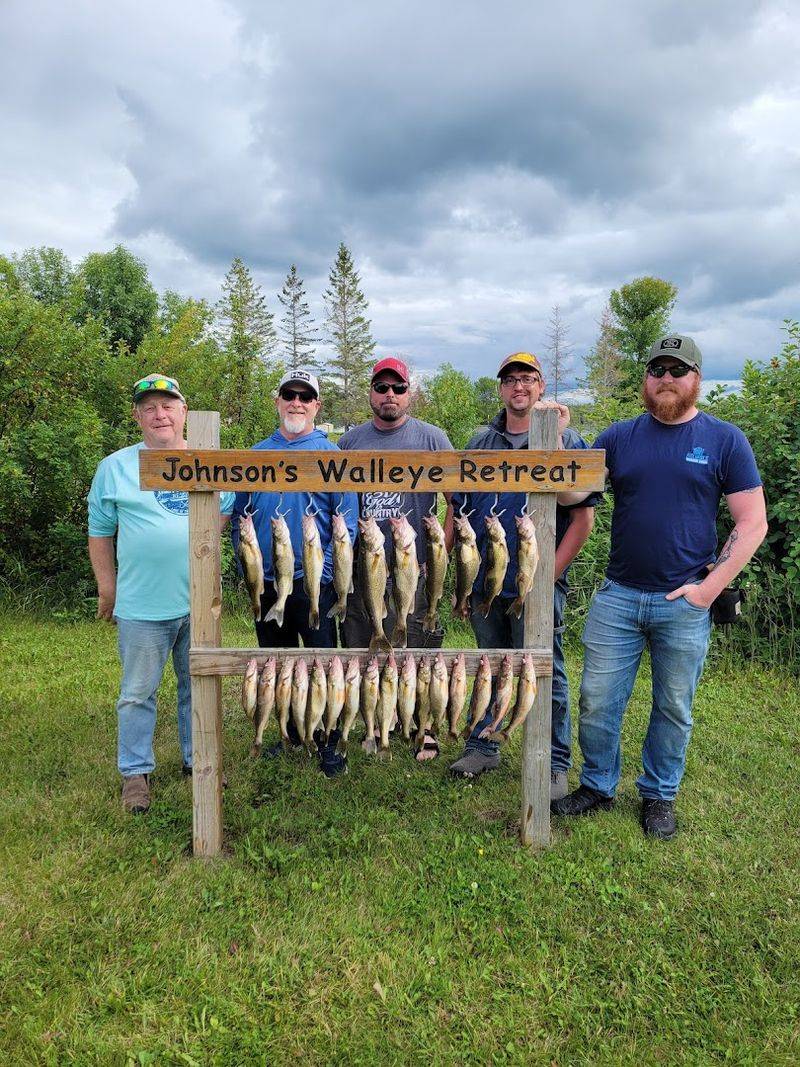
Itasca County contains hundreds of lakes that never appear on tourist maps or fishing reports.
One small lake, reachable only by a two-track logging road that turns into a mud challenge after any significant rain, holds walleye populations that biologists would describe as exceptional for its size. The lake covers just under 200 acres and has no public boat launch, which effectively limits access to those with the right vehicle and the right knowledge.
Locals carry a canoe or a small aluminum boat in on a trailer and launch from a grassy bank that offers just enough clearance. The extra effort is a feature, not a problem.
It guarantees a private experience on water that fishes as if it is 1975.
Evening trolling along the weed edges with a simple spinner and minnow combination produces walleye in the fifteen to nineteen inch range with remarkable consistency. Larger fish patrol the deeper basin and require a slower, more deliberate presentation.
The lake also holds a healthy population of yellow perch that provide fast action during midday when walleye go quiet. A simple drop shot rig with a small minnow catches perch quickly enough to keep any fishing trip entertaining.
Local families have camped on the lake’s western shore for generations. The unwritten rule is simple.
You find this place on your own, and you keep it on your own.
9. The River Mouth Flat on the St. Croix
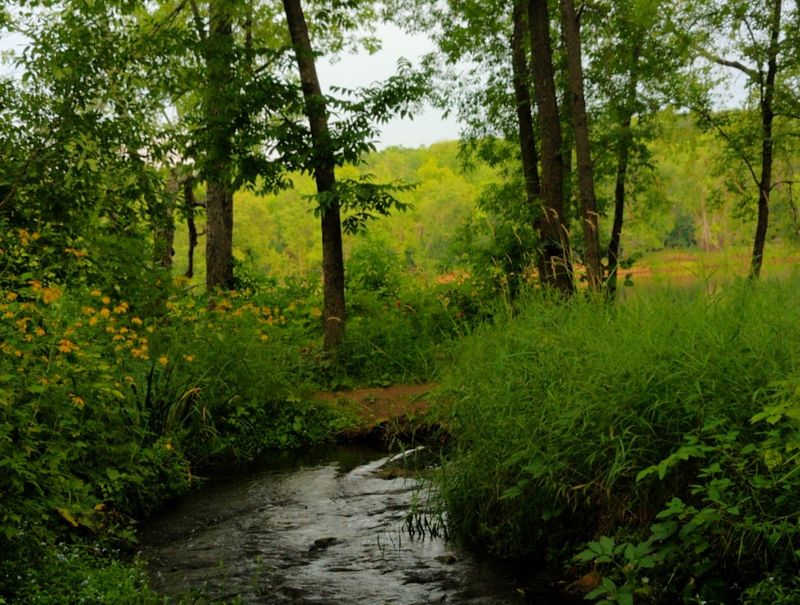
The St. Croix River forms the border between Minnesota and Wisconsin, and most anglers fish its main channel for smallmouth bass and walleye.
A small tributary entering the St. Croix from the Minnesota side creates a shallow flat at its mouth that collects an extraordinary variety of fish during seasonal migrations. Locals have fished this flat for decades without drawing any public attention to its productivity.
In spring, walleye stage on this flat before moving upstream to spawn in the tributary. The congregation of fish is dense enough that a single morning session can produce a dozen quality walleye without moving the boat more than fifty yards.
Smallmouth bass use the same flat throughout summer, feeding on crayfish that tumble out of the tributary current. A small tube jig dragged slowly across the sandy bottom mimics that movement perfectly and draws strikes from fish that seem almost eager to cooperate.
Sauger appear in the deeper water just off the flat’s edge in fall and early winter. Ice anglers who know the flat’s contour set up on the drop-off in January and catch sauger until the season closes.
The flat is visible from the main river, which is why locals fish it in the early morning before boat traffic picks up. By the time other anglers are launching, the locals are already heading home with their stories.
Some secrets hide in plain sight.
