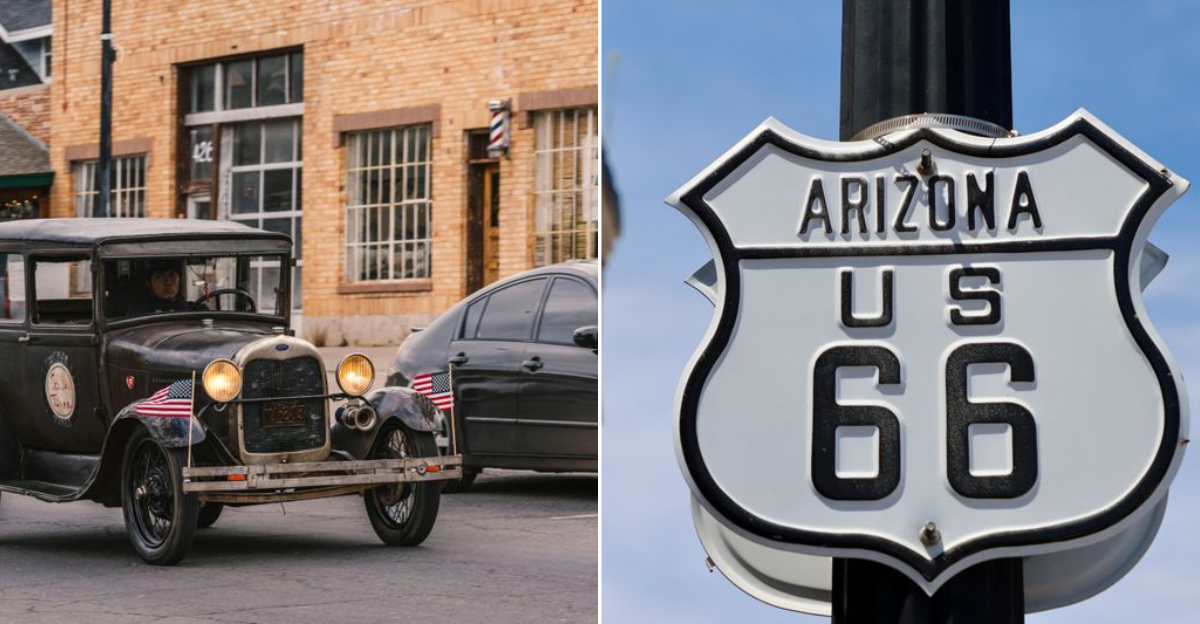
Have you ever driven down a famous road and wondered if it lives up to its reputation? That’s the feeling some travelers get on Arizona’s stretch of Route 66 today.
Once celebrated as the “Main Street of America,” this highway carried generations of drivers chasing adventure, small-town charm, and a slice of history.
But times have changed. Many of the roadside attractions that gave Route 66 its character have faded, while others have been replaced with souvenir shops and commercial stops.
The sense of discovery that used to define the drive feels harder to find.
Instead of a unique journey, parts of the route can come across as repetitive or overly focused on tourism. That doesn’t mean Route 66 has lost all of its appeal.
It still offers glimpses of history, classic diners, and desert scenery.
The question is whether the road today delivers the same special experience people expect. Maybe Route 66 isn’t gone, but it’s different.
1. Commercialization Replaced Quirky Discovery
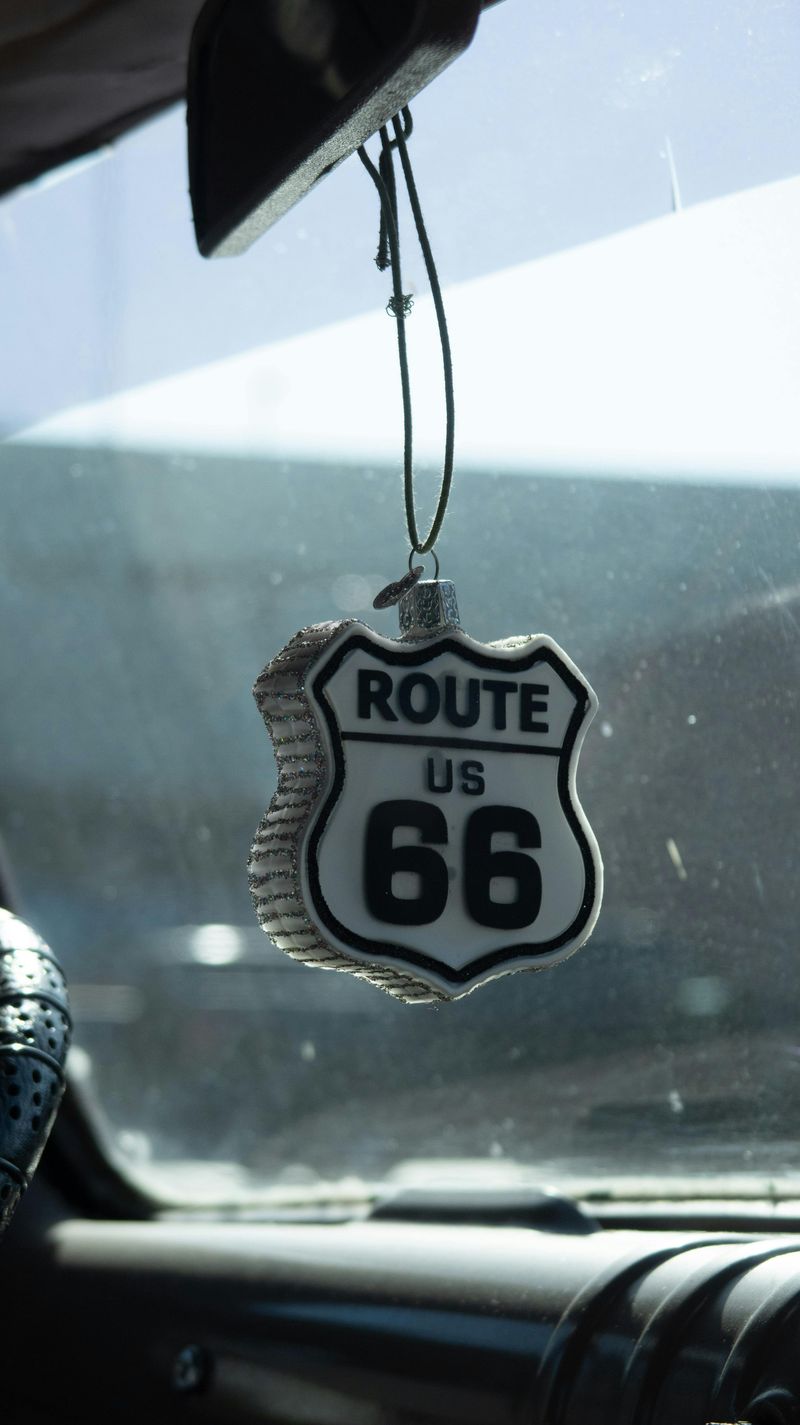
Remember when you would roll into a dusty Arizona town and stumble onto some odd little storefront that felt like a secret?
That chance discovery made Route 66 feel personal, like the road was talking to you. Lately, it feels like the conversation got replaced by a sales pitch.
Across the state, big souvenir superstores sit where weird, one of a kind shops once held court. You still see neon, but it announces branded themes and tidy photo vignettes.
The spontaneous corners got tidied up into predictable rows.
I do not dislike a good gift shop, but the balance feels off. The road once rewarded curiosity with oddball surprises tucked behind gas pumps or inside creaky motels.
Now the surprises arrive packaged and placed at the front door.
When everything is curated, the thrill fades a little. You do not wander so much as follow arrows and selfie spots.
That makes the drive feel less like exploring and more like checking boxes.
Arizona still hides the real stuff if you keep looking. Talk to the person sweeping a porch.
Step away from the biggest store on the block and take the side street.
That is where the softer moments live: a faded sign without a marketing plan, a quiet porch where the wind does the talking.
The charm did not vanish completely. It is just harder to find beneath all the packaging.
2. Interstates Drained Authentic Traffic
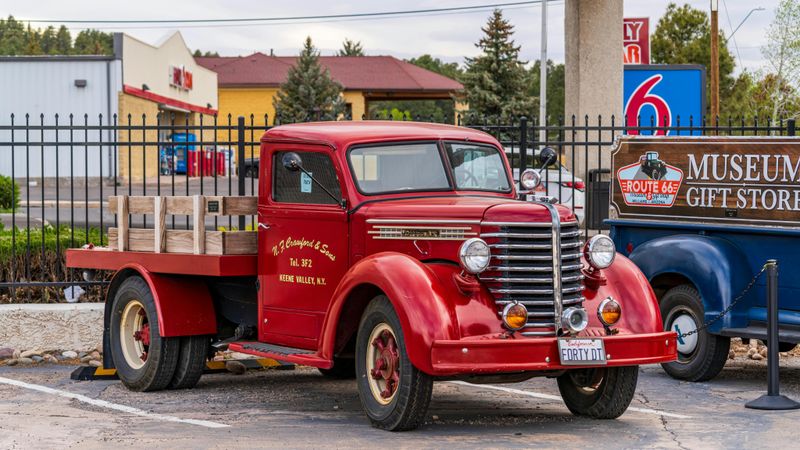
You feel it the moment you leave the on ramp behind. The interstate hum shifts away, and Route 66 settles into a quieter, almost paused world.
That silence used to be filled with everyday travelers stopping because it was the only road around.
Arizona’s Route 66 turned into a destination rather than a lifeline.
That change froze towns in place. They got preserved, but not always in a living way.
It is a museum feeling at times. You park, you read a plaque, you take a picture, then you move on.
The flow is curated instead of necessary.
Because real traffic left, businesses that relied on locals and passersby thinned out. The ones that remain often lean into nostalgia to keep the lights on.
That shapes what you see and how you see it.
I try to remember the road carried families, workers, and wanderers who were not chasing a vibe. They were getting somewhere, slowly but steadily.
That practical heartbeat is part of the magic people miss.
3. Crowds Cluster Around The Same Few Stops
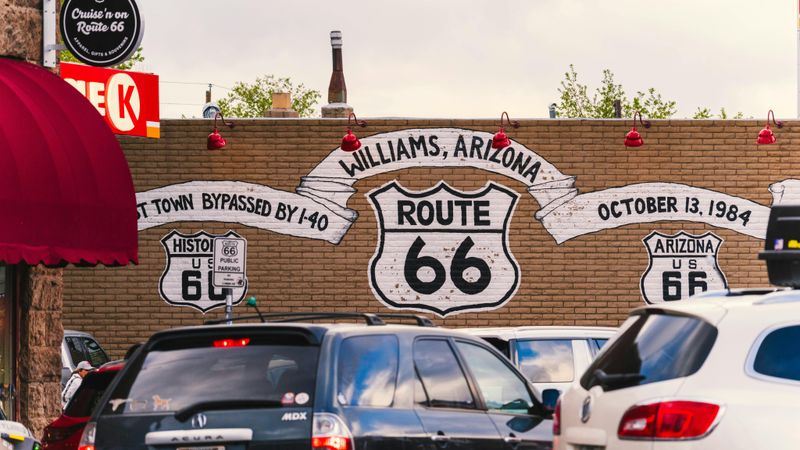
Here is the weird part. Some stretches feel jam packed while others feel like you missed a turn and the map forgot you.
Places like Seligman and Kingman soak up most of the attention, and the edges sit quiet.
That cluster effect breaks the rhythm this state used to deliver mile by mile. You bounce between crowd surge and empty calm.
It is whiplash for a road that once flowed like a slow conversation.
Big crowds compress the experience into lines and lenses. People hurry to the next marquee sign.
The smaller scenes never get their moment.
I like slipping a block or two off the main drag. A small garage doorway, a faded mural, a sleepy motel awning can still tell a good story.
You just have to sidestep the funnel.
The icons are still worth it, but do not let them be the whole trip. Follow a side street until the noise fades, and that is where the old rhythm returns.
4. Instagram Changed How People Experience It
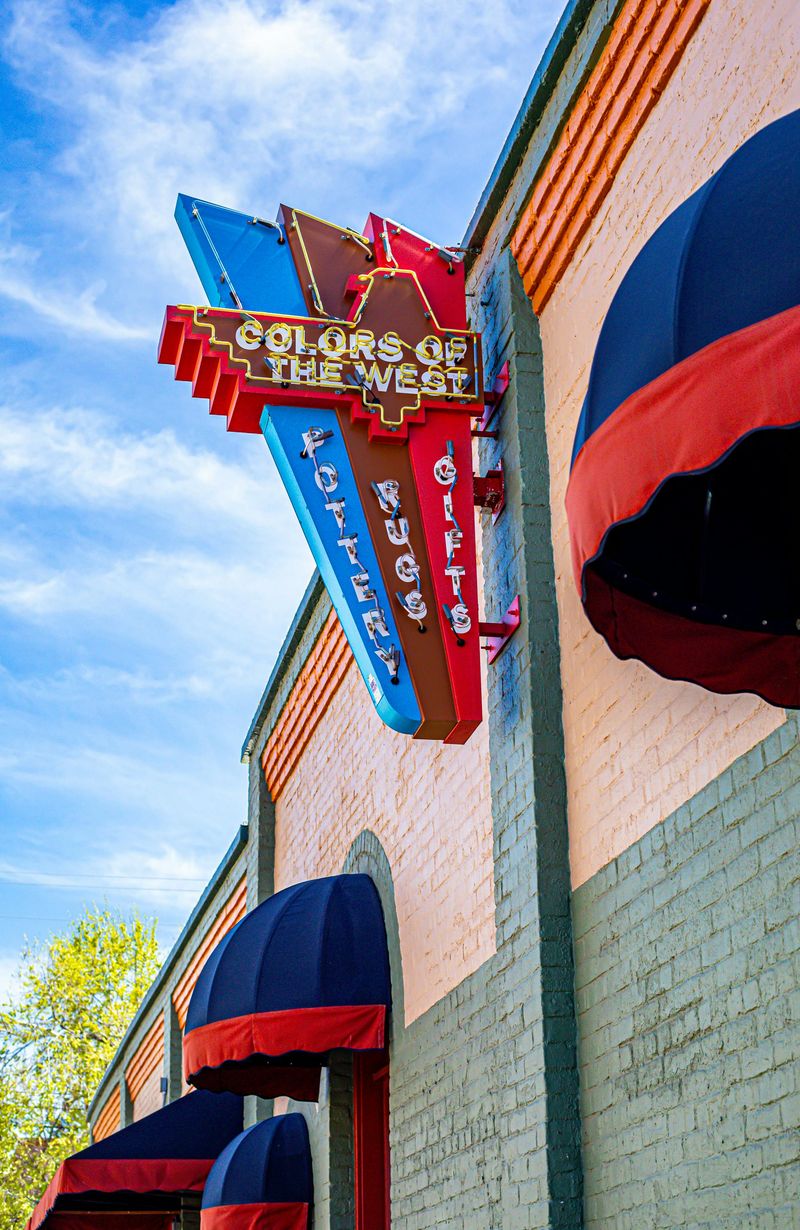
Have you noticed how trips can turn into scavenger hunts for backdrops?
On Arizona’s Route 66, that shift is everywhere. People hop out, pose, and hop back in before the dust even settles.
I get the impulse. The signs are gorgeous and the light is kind, but the road shrinks when it is reduced to a checklist of frames.
It changes how towns behave too. Spots that photograph well get spruced up for the grid, and spots that do not drift into the background.
I try to do the opposite. Put the phone down, count to ten, then look again.
Listen for a train horn or the clunk of an old door latch.
When you step away from the shot list, Arizona starts to sound like itself. You pick up the wind through cottonwoods and a low rumble on the highway.
Those small things are the soul of the drive.
5. Original Businesses Were Replaced Or Repurposed
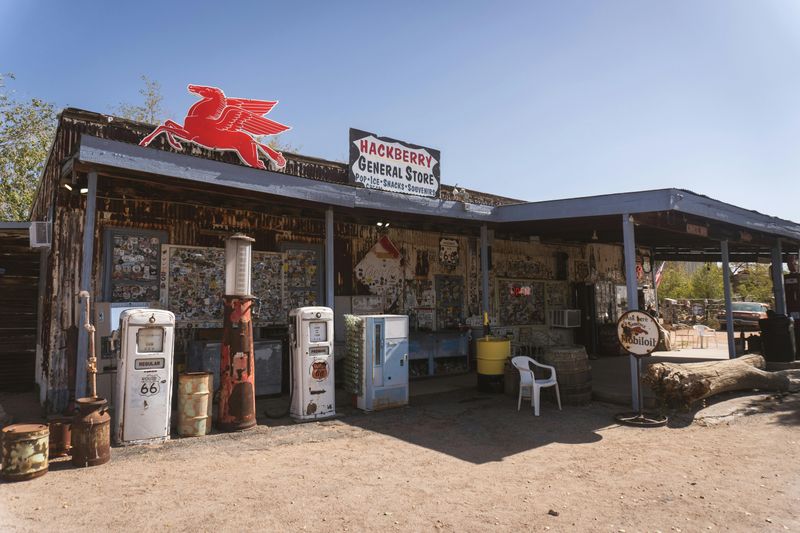
Look closely at the cute station with the pumps out front. The hoses do not carry fuel anymore.
The register rings up magnets and T shirts instead of spark plugs.
Across the state, family run motels and garages changed hands or closed. Some came back as themed replicas.
They look right from a distance but work differently up close.
There is value in saving the bones. A building spared is a story kept.
Still, the difference between preserved and recreated is easy to feel.
Function tells the truth. When a place still does what it was built to do, the air feels warmer.
When it plays dress up, you notice the seams.
I try to support the holdouts that still fix tires or rent rooms without a photo op in the lobby. They are the practical heartbeat of Route 66.
Even one open bay door changes the tone of the block.
The good news is Arizona keeps both kinds. You can learn from a careful restoration and still root for a working shop.
Just do not confuse the two as the same thing. One is a living tool, and the other is a memory on display.
6. Nostalgia Became The Main Product
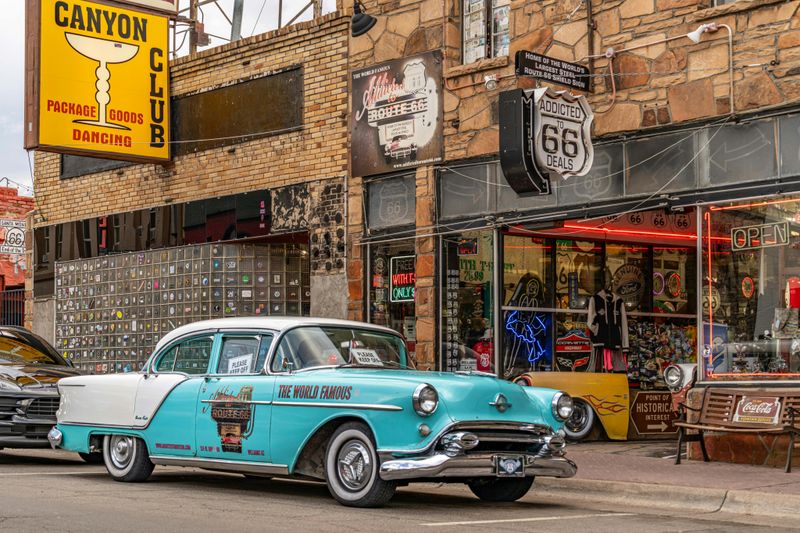
On this road, nostalgia is not just a flavor, it is the whole menu. This state leans into that because people show up hungry for the glow.
Neon signs hum like lullabies to a time many of us never lived. Props get arranged just so.
The past gets packaged into a feeling you can buy.
There is comfort in that, and I am not knocking the warm fuzzies. But when the idea of the past replaces the messy past itself, something important slips away.
The stage lights wash out the grit.
I try to let the curated bits be doorways rather than destinations. Read the placard, enjoy the glow, then ask a local about what used to stand on the next lot.
That extra question adds depth if you ask me.
The state’s quiet corners can still surprise you with uncurated moments.
Nostalgia works best as seasoning, not the whole plate. When it is everywhere, your senses dull.
Mix in the imperfect pieces and the road starts to feel human again.
7. Short Visits Replace Long Stays
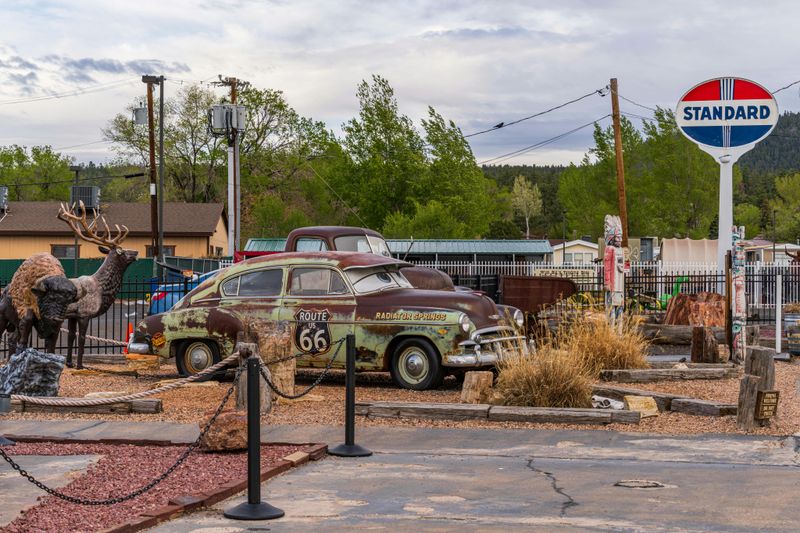
People used to linger along this road. One night in Williams, another in Holbrook, a slow roll that let towns breathe around you.
Now many travelers blast through Arizona in a single sweep.
Quick visits mean you skim the surface. You get the sign, you get the sticker, then you go.
The deeper layers never get their chance.
Staying put changes everything. Morning light warms the brick differently than late afternoon.
Locals remember your face on the second pass.
I like choosing one town and giving it time. Walk after sunset when the highway quiets, or sit it outside a room and watch the neon flicker to its own rhythm.
Arizona rewards that slower pace. The small talk grows into stories.
The map shifts from lines to places you can feel.
If you have a tight schedule, pick one stretch and do it well. Even a single unhurried night brings the road back to life.
The magic is still there. It just needs time to meet you halfway.
8. Rising Costs Changed The Road’s Accessibility
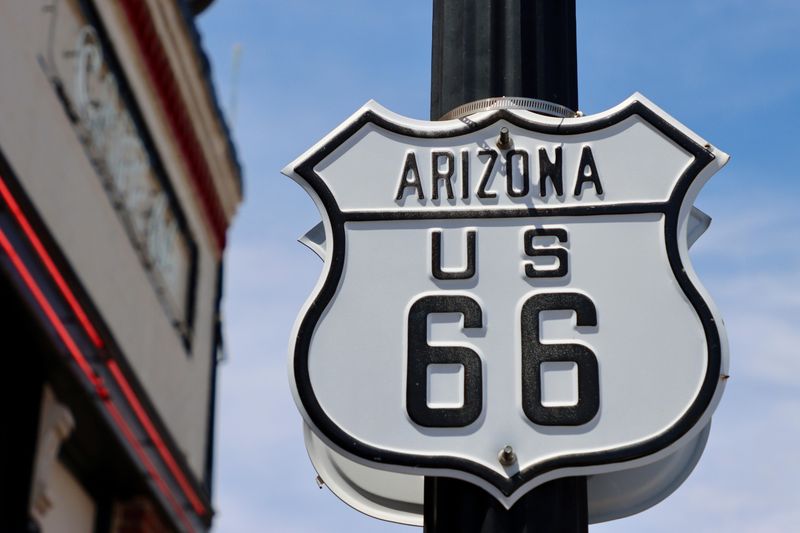
Let us talk about the wallet side for a second. Costs creep up, and the road does not always give more in return.
That mismatch hits travelers who want the classic drive without fancy extras.
The state is friendly, but it is not always cheap. Gas, rooms, and basic stops add up faster than expected.
Planning replaces the old roll of the dice approach.
Spontaneity takes a hit when you have to calculate every turn. You start picking fewer stops.
The long, loose wander gets trimmed down.
I try to keep it simple. Carry tools for small fixes, and book a room only when the sun gets low and the day has had its say.
It helps to focus on free moments the desert never charges for.
Arizona still makes space for budget travelers, just not as effortlessly. With a little intention, the drive stays doable.
It feels less democratic than it used to, but not out of reach if you travel light and stay flexible.
9. Seasonal Tourism Creates Empty Off-Months
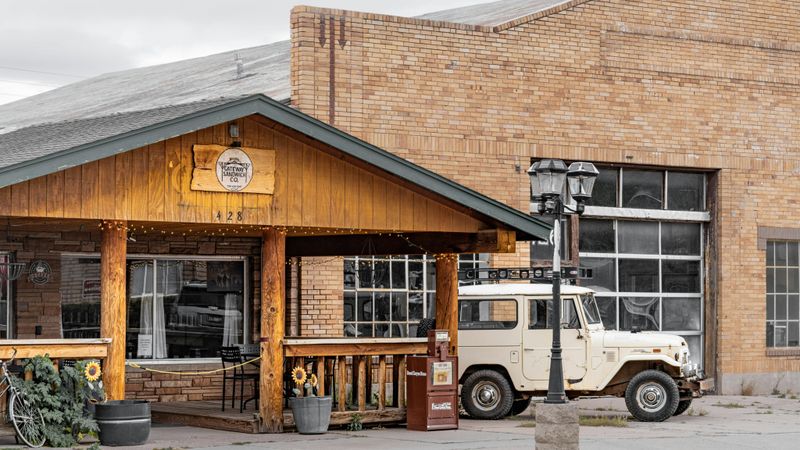
Arizona’s seasons have a way of nudging people around. Busy windows pack the sidewalks for a while, then one day the doors feel heavier and the street goes quiet.
The swings are sharp along Route 66.
When crowds disappear, towns feel paused. A few lights glow, the wind fusses with banners, and you hear your own footsteps.
It is peaceful, but also a little hollow in my opinion.
That inconsistency wears on the road’s steady life. Staff hours shrink, and small places wait for the next wave instead of growing roots.
There are upsides to the quiet. You can stand under a sign and listen to the ballast thrum of a freight line without interruption.
Long views stretch clean across the valley.
I like visiting on the edges of the busy season. The conversations go longer, and folks have time to point you toward a mural or a side trail.
Arizona’s Route 66 is beautiful even when it is sleepy. Just know that empty months change the story you hear.
The silence can be lovely, but it also reminds you how much these towns depend on motion.
10. Preservation Focused On Landmarks, Not Communities
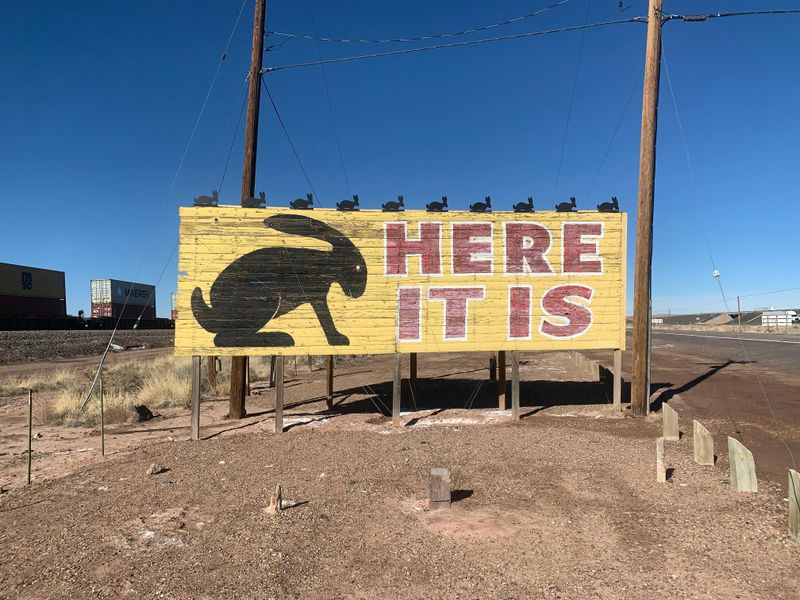
Preservation is a gift, but it can get lopsided. Here, grants and attention often flow to the signs and facades.
The people behind those walls do not always get the same care.
So the road looks alive at first glance. Neon crackles on, paint shines, and the selfie spot is ready.
Meanwhile, year-round life stays fragile.
You can feel the gap in small ways: a landmark gleams while the grocery two blocks over is shuttered, a museum thrives while a clinic scrambles.
I love a restored marquee as much as anyone, but a town is more than its postcard. It needs steady work, housing, and reasons to stay.
Travelers can tilt the balance a bit. Spend money in places that serve local life, not just visiting eyes.
Ask what keeps the lights on in February.
This state has the bones, and the bones are strong. If attention widens from objects to community, the road breathes deeper.
That is how Route 66 starts to feel real again, block by block.
11. Younger Generations Lack Context
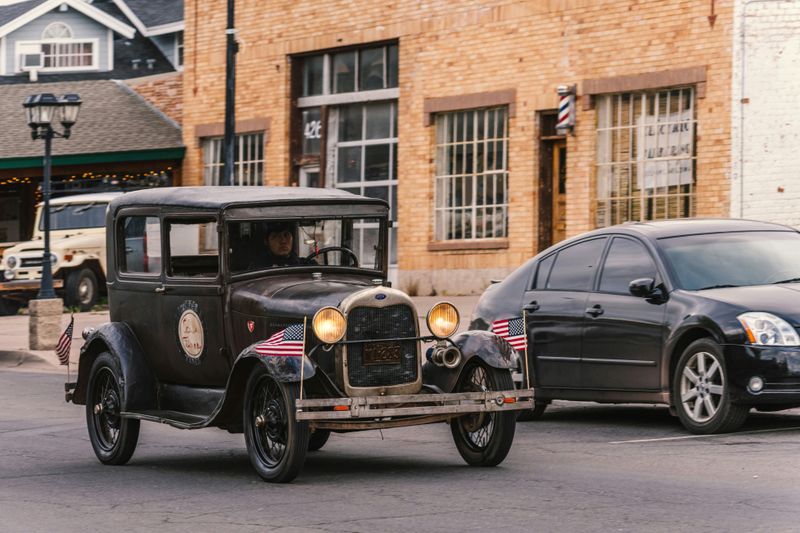
For a lot of younger travelers, the legend of Route 66 lands like a story told secondhand. There is curiosity, but not always the built in emotion.
Arizona’s stretches demand context to really click.
Without memories tied to the road’s working days, the symbols can feel like props. Signs and motels look cool but float free of meaning.
I feel like the weight does not automatically transfer.
That is not about blame, it is just how time works. People connect when the story gets personal.
Arizona has enough variety to match any curiosity.
When the road hooks into something you care about, the history stops feeling distant. The signs point somewhere human.
That is when Route 66 starts speaking a new language that still carries the old tune.
12. The Magic Didn’t Vanish, It Fragmented
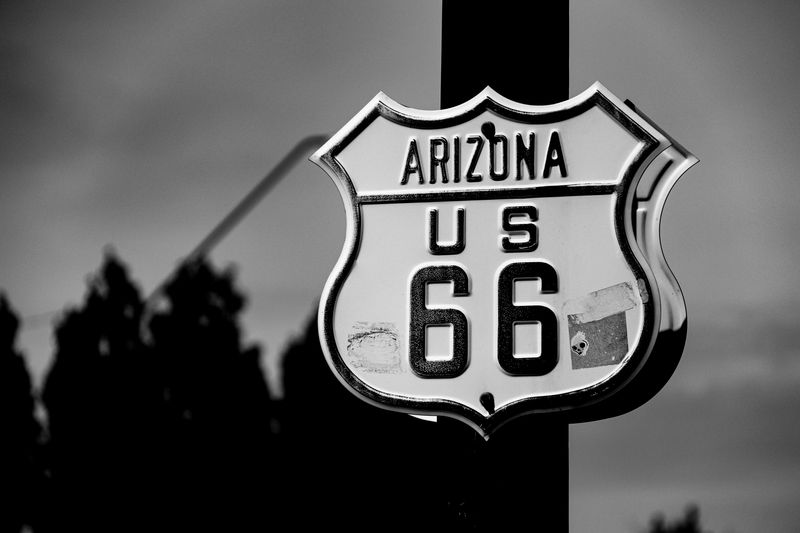
Here is the truth that keeps me coming back. The magic is not gone.
It is scattered in pieces along Arizona’s long, sunburned line.
One mile gives you silence that feels like a held breath. The next mile tosses you into staged nostalgia.
Then you catch an honest moment that makes everything worth it again.
It is a puzzle now. You collect small wins and stitch them into a personal trip.
The whole might not sing, but the verses still do.
So do not chase a perfect, continuous glow. Chase the flickers, and let them add up in your own order.
When the wind lifts grit across the shoulder and the train sighs in the distance, lean on the hood and just listen.
The state will meet you there, not loudly, but clearly.
That is the road as it exists today. Not a single ribbon of wonder, but plenty of wonder threaded through.
If you go in with open eyes, you will find enough to carry home.
