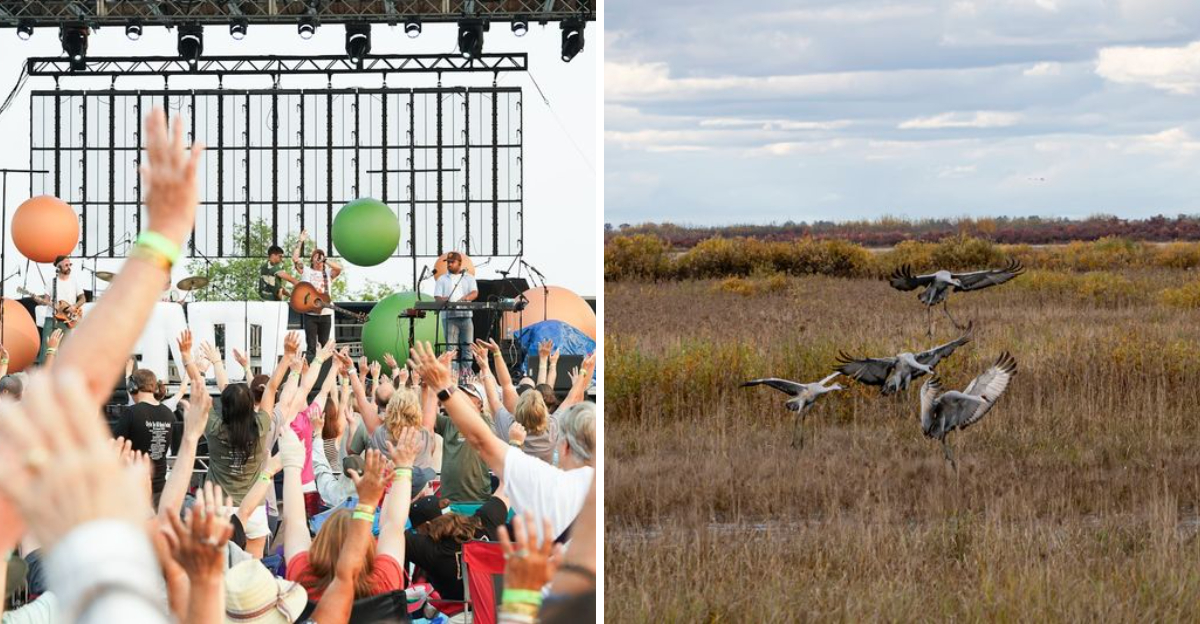
Spring in Minnesota arrives with a burst of energy that feels like the whole state waking up from a long cozy nap. I made a list of experiences that you simply cannot find anywhere else in the country.
Minnesota has a spring season filled with moments that are uniquely local and absolutely worth planning your calendar around. The maple syrup festivals let you watch sap drip from trees and taste fresh syrup still warm from the evaporator.
I stood at the edge of a melting waterfall that roared with snowmelt while wildflowers bloomed at its base like nature’s own confetti. Minnesota really offers a spring that rewards people who are willing to brave a little leftover chill for big rewards.
The bird migrations bring thousands of sandhill cranes and warblers and waterfowl that stop to rest in the wetlands and prairies. I watched a heron stalk through shallow water while the last ice patches floated past like lazy white boats.
The fishing opener and the first farmers markets and the return of patio seating all signal that winter has finally loosened its grip. You leave with a full calendar and the happy feeling of living somewhere with four distinct and beautiful seasons.
1. Paddling the Boundary Waters Canoe Area Wilderness During Ice-Out, Ely, Minnesota
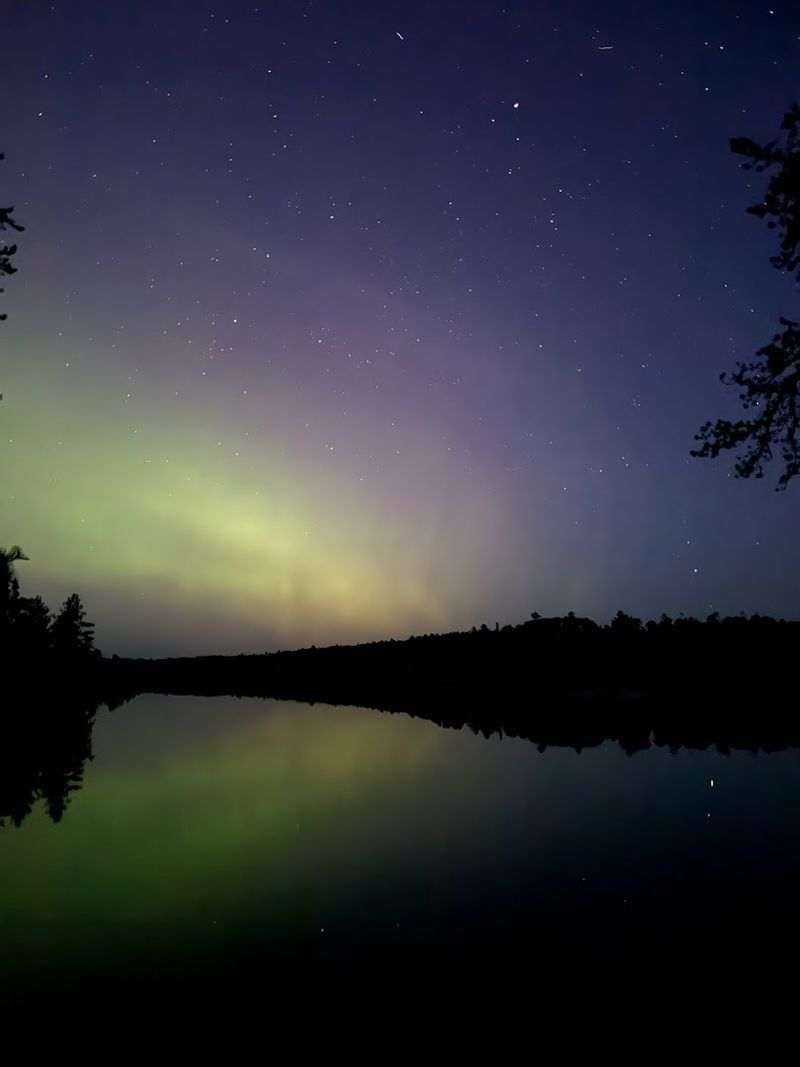
The Boundary Waters Canoe Area Wilderness near Ely, Minnesota, is one of the most protected wild places in the entire country. Spring ice-out transforms it into something almost surreal.
Ice-out typically happens in late April or early May. The lakes shift from frozen white to deep steel blue almost overnight.
Paddling through this transition feels like having the entire wilderness to yourself, because you basically do.
Crowds are minimal in early spring. The portage trails are soft underfoot, and loons begin calling across the water with that haunting, rolling cry.
Black bears emerge from dens, and moose wade through shallow bays eating aquatic plants.
Fishing is exceptional right after ice-out. Walleye, northern pike, and smallmouth bass are actively feeding in the shallows.
Many anglers consider this the single best fishing window of the entire year.
The BWCA requires a permit, so plan ahead. Outfitters in Ely can set you up with canoes, gear, and route suggestions tailored to early-season conditions.
Nights are still cold, so pack layers and a solid sleeping bag. Spring paddling here rewards preparation with experiences that stay with you for years.
2. Chasing Morel Mushrooms in the Hardwood Forests of Southeast Minnesota
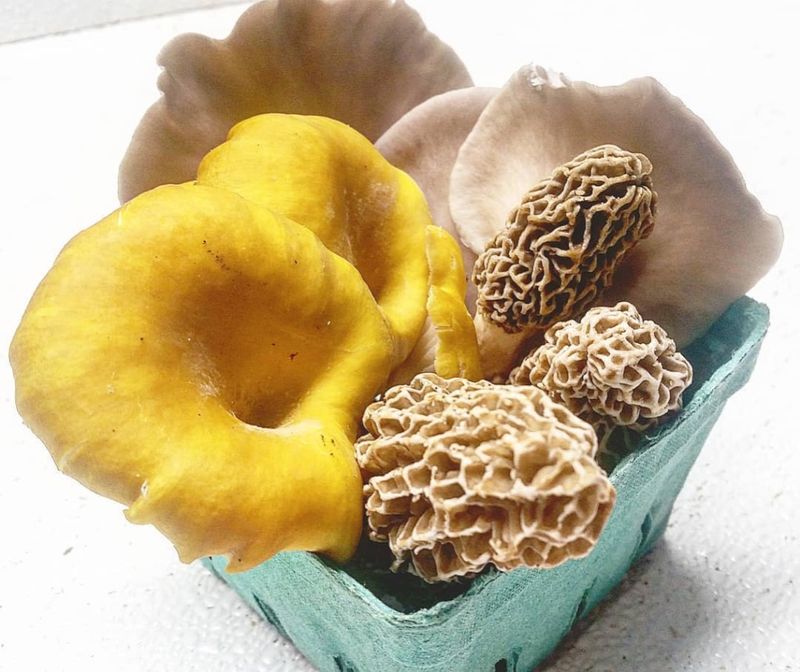
Morel mushrooms have a devoted following in Minnesota, and for good reason. These honeycomb-capped fungi appear for only a few precious weeks each spring, and finding them feels like uncovering buried treasure.
Southeast Minnesota, particularly around the bluff country near Winona and Houston County, produces impressive morel harvests. Elm trees, dying or recently fallen, are your best clues.
Morels love the soil around them during the warming weeks of late April and early May.
Experienced foragers guard their spots fiercely. First-timers should connect with local foraging groups or guided mushroom walks, which are offered in the region each spring.
Learning to identify morels correctly is essential, since false morels exist and can cause illness.
The flavor of a fresh morel, sauteed simply in butter with a pinch of salt, is unlike anything you can buy in a grocery store. The texture is meaty, earthy, and deeply satisfying.
Pair your foraging trip with a drive along the Great River Road. The Mississippi River bluffs in spring are stunning, with wildflowers carpeting the hillsides and eagles soaring overhead.
A morel hunt in this part of Minnesota becomes a full sensory experience, not just a grocery run.
3. Experiencing the Smelting Run on the North Shore of Lake Superior, Two Harbors, Minnesota
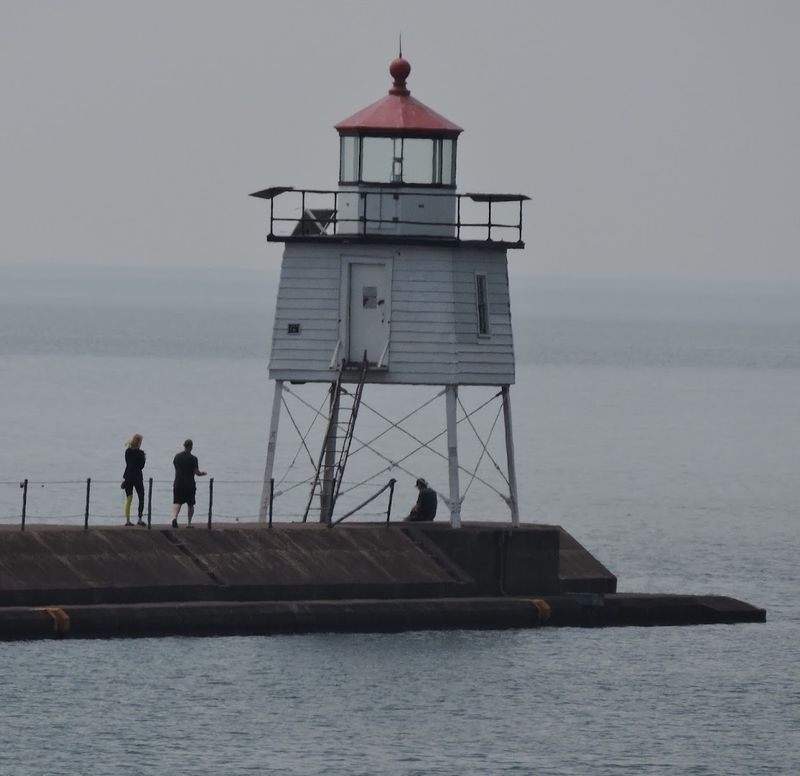
Every spring, something wonderfully chaotic happens along the North Shore of Lake Superior. Smelt, small silver fish, surge up the tributary streams in massive numbers to spawn.
Locals call it the smelt run, and it’s a Minnesota rite of passage.
Two Harbors and other North Shore communities become gathering spots for families armed with dip nets, buckets, and headlamps. The smelt run typically peaks in late April.
You wade into cold, fast-moving water and scoop as many fish as you can carry home.
It’s cold, it’s messy, and it’s absolutely joyful. Kids love it.
Long-time residents have childhood memories built entirely around this tradition. The sense of community along the riverbanks at midnight is genuinely warm, despite the freezing temperatures.
Smelt are best eaten fresh, battered and pan-fried whole. The flavor is mild and slightly briny, and the bones soften completely during cooking.
Many families have secret seasoning recipes passed down through generations.
Regulations apply to smelt dipping, so check the Minnesota DNR guidelines before you go. The season is short and unpredictable, depending on water temperatures.
Following local fishing forums or the DNR website helps you hit the peak run at exactly the right moment.
4. Watching the Whooping Crane Migration at Crex Meadows, Grantsburg Area, Wisconsin-Minnesota Border
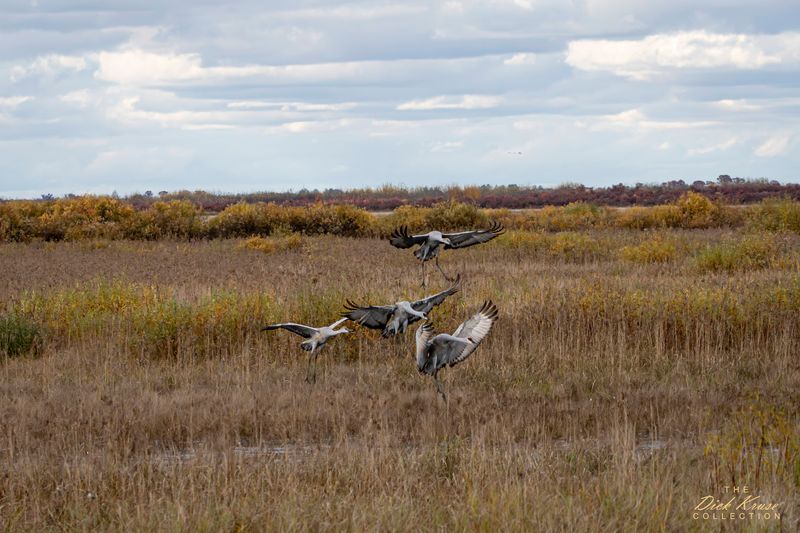
Few wildlife moments match the electric feeling of spotting a whooping crane in the wild. These birds are among the rarest in North America, and spring brings them through the Minnesota-Wisconsin border region in small but breathtaking numbers.
Crex Meadows Wildlife Area, near Grantsburg, sits just across the border and serves as a key stopover point. The flat, open marshland feels almost prehistoric when the cranes arrive.
Sandhill cranes travel in massive flocks alongside them, making the spectacle even more dramatic.
Early morning visits reward the most patient observers. Bring binoculars or a spotting scope, because these birds keep their distance.
The soft light of dawn turns the wetlands into something out of a nature documentary.
Whooping cranes nearly vanished in the 20th century. Conservation programs brought them back from fewer than 20 individuals.
Seeing one now feels like witnessing a small miracle.
The surrounding trails at Crex Meadows also offer excellent birding for warblers, eagles, and trumpeter swans. Spring mornings here are rarely quiet.
Plan your trip for late March through early May for the best migration window.
5. Wildflower Hiking at Itasca State Park, Park Rapids, Minnesota
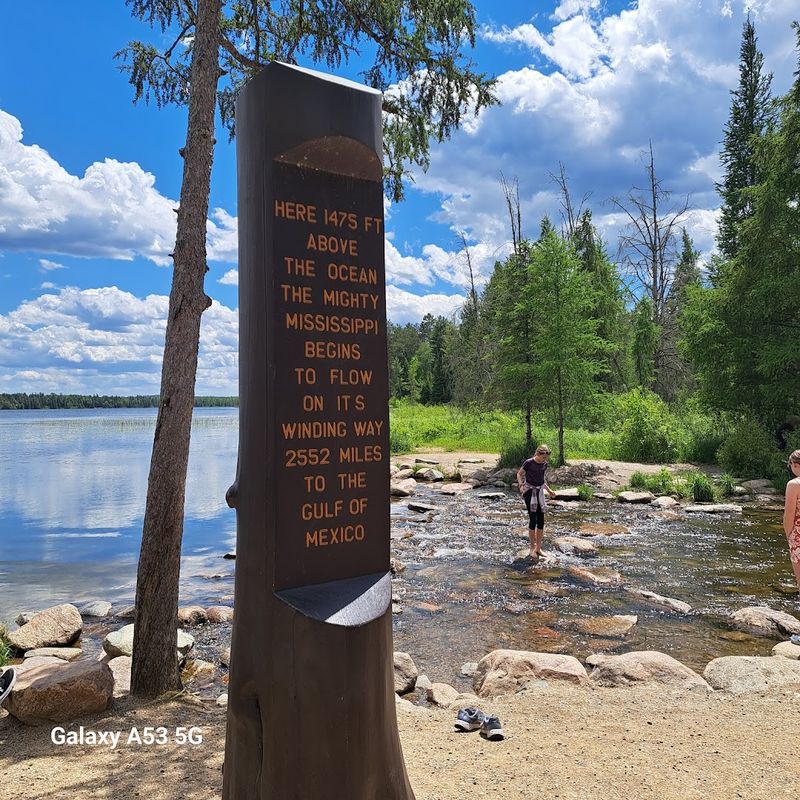
Itasca State Park, Minnesota’s oldest state park near Park Rapids, transforms in spring into a living wildflower gallery. The forest floor erupts with color weeks before the tree canopy fills in, creating perfect light conditions for both flowers and photographers.
Trillium, trout lilies, hepatica, and wild ginger spread across the ground in waves of white, yellow, and purple. The park’s 100-plus miles of trails wind through old-growth forests, past glacial lakes, and along the headwaters of the Mississippi River.
The headwaters themselves are a spring spectacle. Snowmelt swells the tiny stream that becomes the mighty Mississippi, and you can literally wade across the starting point of one of America’s greatest rivers.
It’s a quietly humbling experience.
Birdwatching in spring at Itasca is equally rewarding. Warblers, vireos, and thrushes pass through in large numbers during May migration.
The park’s old-growth pines also host nesting bald eagles and great horned owls.
Camping is available and highly recommended. Waking up to birdsong inside the old-growth forest is a completely different experience from a day visit.
Spring weekends fill up fast, so reservations through the Minnesota DNR reservation system are essential. Itasca in May is genuinely one of the most beautiful places in the entire Midwest.
6. Attending the Syttende Mai Norwegian Festival in Spring Grove, Minnesota
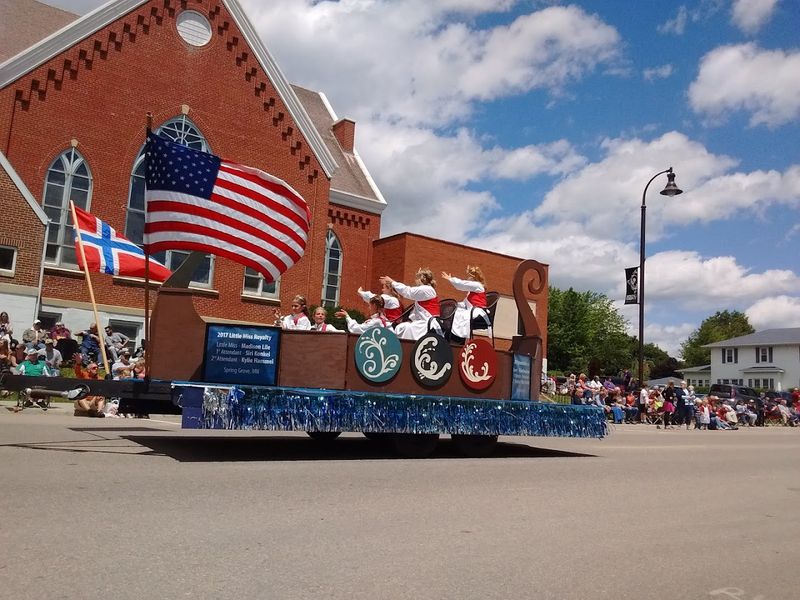
Spring Grove, Minnesota, holds a legitimate claim as the most Norwegian town in America. Every May 17th, the community celebrates Syttende Mai, Norway’s Constitution Day, with a passion that would make Oslo proud.
The festival fills the streets of this small southeastern Minnesota town with traditional Norwegian bunad costumes, folk dancing, live music, and foods like lefse, krumkake, and rommegrot. The parade draws visitors from across the region who come specifically for the authentic cultural experience.
Spring Grove has deep Scandinavian roots. Norwegian immigrants settled the area in the 1850s, and their descendants have kept the traditions alive with remarkable dedication.
Walking the main street during Syttende Mai feels genuinely transporting.
The surrounding bluff country is also at its absolute peak in mid-May. Rolling green hills, blooming orchards, and winding country roads make the drive to Spring Grove part of the experience itself.
The festival is family-friendly and free to attend, though you’ll want to budget for the food vendors. Local church basements serve traditional Norwegian meals that are worth every penny.
Spring Grove is a small town with a big cultural heart, and Syttende Mai is its finest hour. Mark your calendar well in advance, because this one fills up fast.
7. Kayaking the Wild Rice River During Spring Flood Stage, Mahnomen County, Minnesota
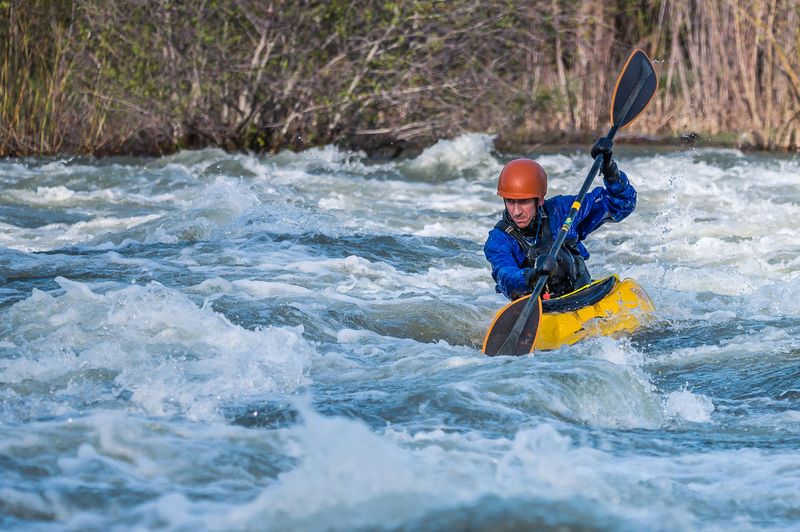
Spring flooding along the Wild Rice River in Mahnomen County creates a temporary paddling experience that simply doesn’t exist any other time of year. The river spills into the surrounding floodplain forest, turning the landscape into a watery maze of submerged trees and glassy reflections.
Paddling through a flooded forest is genuinely eerie and beautiful at the same time. Tree trunks rise from still water, great blue herons stand on half-submerged branches, and the silence is broken only by the drip of water and distant frog calls.
The Wild Rice River corridor runs through the White Earth Nation lands, an area rich in Ojibwe history and culture. Paddling here carries a deeper cultural weight worth acknowledging and respecting.
Spring flood stage typically peaks in late March through April, depending on snowmelt. Water levels can change quickly, so checking current conditions before launching is critical.
Local outfitters in the region can advise on safe put-in points.
Wildlife sightings during flooded forest paddles are exceptional. Otters, mink, wood ducks, and sandhill cranes are commonly spotted in this corridor during spring.
The combination of unusual scenery, abundant wildlife, and cultural significance makes this one of the most underrated spring paddling routes anywhere in the Upper Midwest.
8. Watching the Loon Return to Northwoods Lakes, Brainerd Lakes Area, Minnesota
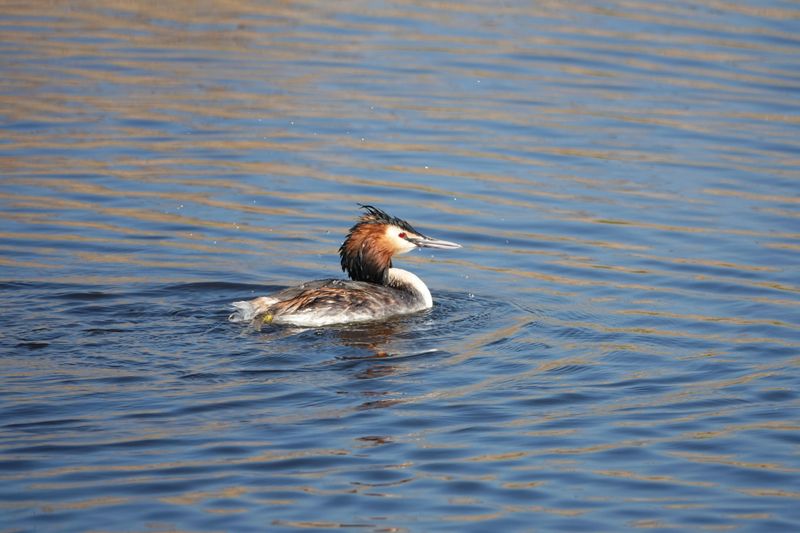
There is no sound in nature quite like the call of a common loon echoing across a still northern lake at dusk. Minnesota is home to the largest breeding population of common loons in the lower 48 states, and spring is when they return.
The Brainerd Lakes Area, a sprawling network of lakes in central Minnesota, is one of the best places to witness loon arrivals. Birds typically return from their Gulf Coast wintering grounds in late April and early May, often before the ice has fully cleared.
Watching a loon land on water is spectacular. They come in fast and low, skidding across the surface in a controlled crash landing that always draws a gasp.
Within days of arrival, the calling begins in earnest, and the northwoods sound fully alive again.
Kayaking quietly near loon territories at dawn gives you the best viewing opportunities. Loons are sensitive to disturbance during nesting season, so keeping a respectful distance is both ethical and required by Minnesota law.
The Minnesota DNR’s LoonWatch program invites volunteers to count loons each summer, but the spring return is the real magic. Pair your loon-watching trip with a stay at one of the many lakeside resorts in the Brainerd area for a full northwoods spring experience.
9. Exploring the Spring Wildflower Bloom at Afton State Park, Hastings, Minnesota
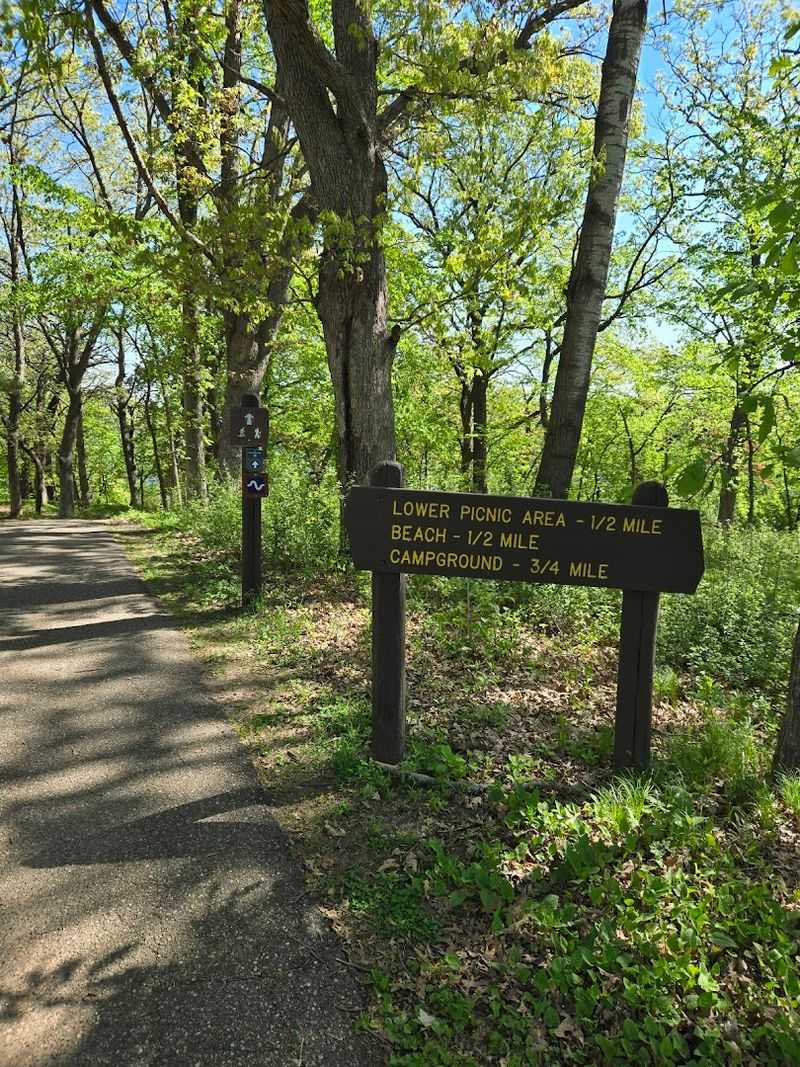
Afton State Park sits along the bluffs above the St. Croix River near Hastings, Minnesota, and spring turns its steep ravines into something almost tropical in their lushness. The wildflower bloom here is one of the most accessible yet genuinely stunning in the entire Twin Cities region.
Bloodroot, Dutchman’s breeches, wild blue phlox, and large-flowered trillium carpet the forest floor in April and May. The deep ravines that cut through the park create microclimates that support a remarkable variety of spring ephemerals.
The trails at Afton are hilly and rewarding. Views from the bluff tops stretch across the St. Croix River valley into Wisconsin, and the contrast between the bright green spring foliage and the deep blue river is genuinely striking.
Afton is also a great spring birding spot. The park sits along a migration corridor, and warblers, tanagers, and orioles move through in impressive numbers during May.
Early morning visits on weekdays give you the best chance of quiet, uncrowded trails.
The park is just 30 minutes from downtown St. Paul, making it an easy half-day escape for city residents. Parking fills quickly on spring weekends, so arriving before 8 a.m. is strongly recommended.
Afton proves that world-class natural beauty doesn’t require a long drive from the metro.
10. Attending the Duluth Homegrown Music Festival, Duluth, Minnesota
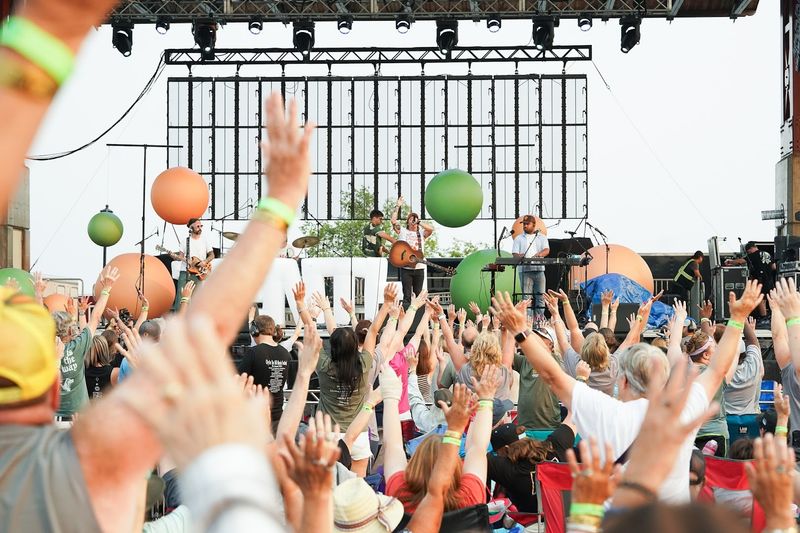
Every spring, Duluth, Minnesota, reminds the rest of the country what a genuinely homegrown music scene looks like. The Duluth Homegrown Music Festival runs for an entire week in early May and features exclusively local artists across dozens of venues throughout the city.
No touring acts, no headliners from elsewhere. Every performer on every stage is from the Duluth region.
The result is a festival that feels intensely personal and deeply connected to the city’s creative community.
Duluth has a surprisingly rich music culture shaped by its working-class roots, its proximity to the great lake, and a long tradition of folk, roots, and indie artistry. The festival captures all of that in one concentrated week of shows.
Venues range from historic theaters to neighborhood bars to outdoor spaces with views of Lake Superior. The city itself is worth exploring during the festival.
Spring in Duluth means the lake is still cold and dramatic, with morning fog rolling in off the water in great gray sheets.
Wristband passes give access to most venues and offer exceptional value for the sheer number of performances. The festival draws a mix of longtime locals and curious visitors who quickly understand why Duluth’s creative community inspires such fierce loyalty.
Plan to stay at least three nights to do it proper justice.
