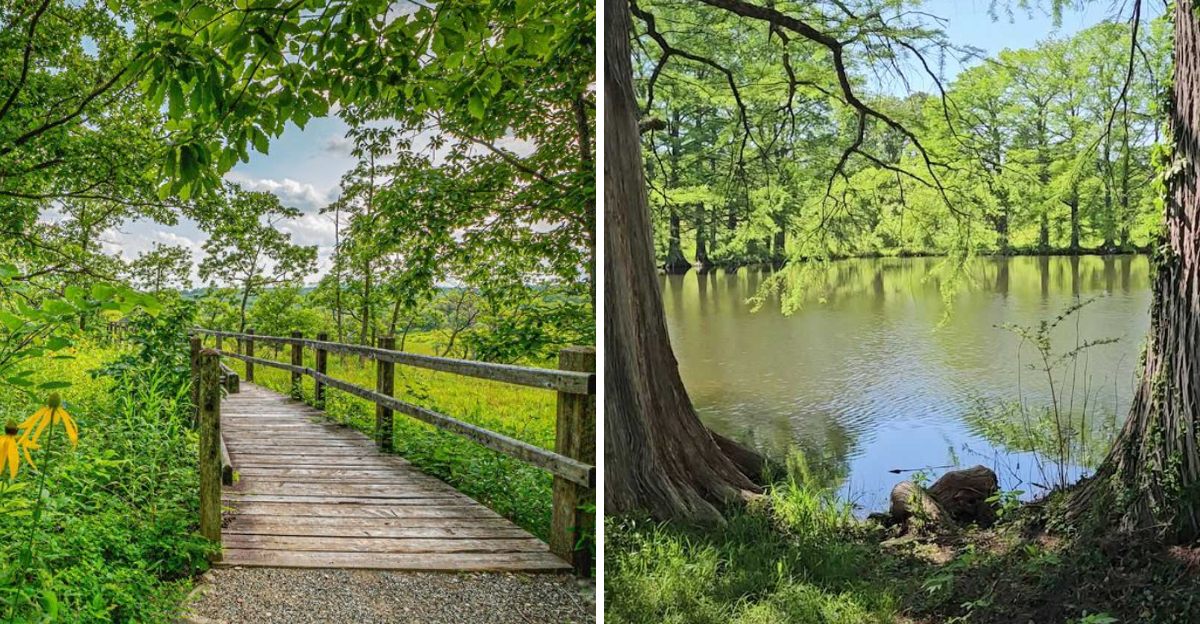
The parking lot holds six cars on a perfect Saturday morning, which feels like a glitch in the matrix. Just outside St. Louis, this sprawling garden hides in plain sight, full of wildflower meadows, wooden bridges, and reflective pools where dragonflies hover like tiny helicopters.
No crowds. No tour buses.
No Instagrammers blocking the path for the perfect shot. Families picnic on shady lawns without competing for space.
Couples hold hands along trails that loop through quiet corners most people have never seen. Even the name sounds humble, as if designed to keep the masses away.
That suits the regulars just fine. They come here for beauty without lines, for a garden that feels like their own private discovery.
Bring a camera and a picnic. The flowers put on a show.
The quiet steals the scene. You will leave wondering why everyone talks about the other places instead. Shh. Do not tell too many people. Some secrets deserve to stay secret.
A Living Landscape Unlike Anything Else in Missouri
Standing at the edge of the main trailhead at Shaw Nature Reserve, the first thing that hits you is the sheer scale of the place. Missouri is full of beautiful outdoor spaces, but few pack this much variety into a single destination.
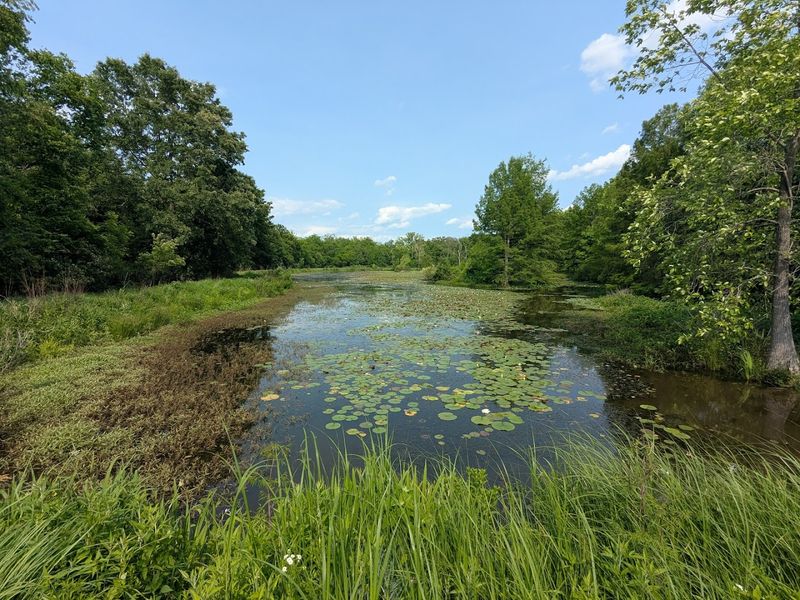
The reserve covers roughly 2,500 acres, and within that space you will find native tallgrass prairies, dense woodland corridors, open wetlands, and river-bottom habitats. Each zone feels like a completely different world.
The terrain shifts as you walk, going from open sunny meadows to shaded forest floors in just a few steps. It keeps every hike feeling fresh and unpredictable in the best possible way.
What makes this place especially remarkable is that it is managed by the Missouri Botanical Garden. That means the land is cared for with real botanical expertise, not just basic park maintenance.
Native plant communities are actively restored and protected here. You are not just walking through pretty scenery; you are moving through a carefully tended living ecosystem.
For anyone who loves the natural side of Missouri, this reserve is the kind of place that makes you wonder why it is not already on every must-visit list in the state.
The Whitmire Wildflower Garden Is Pure Magic in Bloom
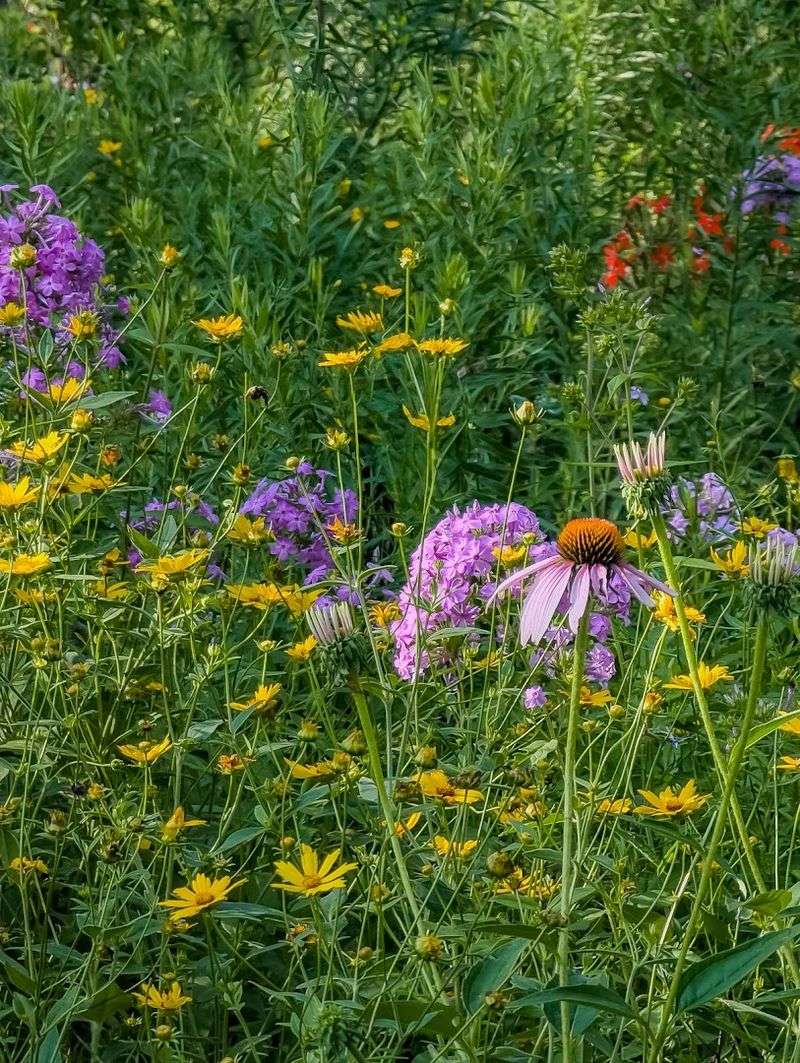
Right near the visitor center, the Whitmire Wildflower Garden stops most first-time visitors in their tracks. It is a curated collection of Missouri native wildflowers arranged in sweeping beds that feel both designed and completely natural at the same time.
Spring brings Virginia bluebells, daffodils, and trillium. Summer pushes out coneflowers, black-eyed Susans, and native grasses that sway in every breeze.
Fall arrives with goldenrod and asters painting everything in warm tones.
The garden is not just beautiful; it is also a working demonstration of what Missouri landscapes looked like before development changed everything. Walking through it feels like a quiet history lesson about the land itself.
Butterflies and pollinators are everywhere during peak bloom season. Bring a camera, because the light filtering through the flowers in the morning hours is genuinely stunning.
Many people spread out a picnic blanket right at the edge of the garden and spend an hour or two just watching the bees work and the colors shift in the wind. It is the kind of slow, satisfying afternoon that is hard to find anywhere else in Missouri.
Eighteen Miles of Trails Means You Will Never Run Out of Path
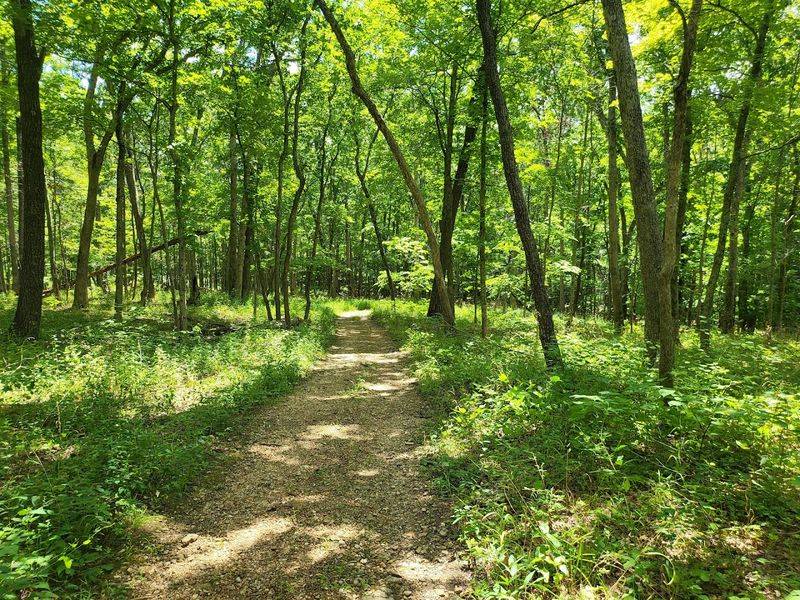
Eighteen miles of marked trails sounds like a lot, and honestly, it is. Shaw Nature Reserve gives hikers enough ground to cover that you could visit a dozen times and still find corners you have never explored before.
The trails range from easy, flat loops near the visitor center to more challenging ridge walks with real elevation changes and sweeping views.
The Bluff Overlook and Crescent Knoll Overlook trails are two of the most rewarding, offering wide-open vistas across the Missouri countryside.
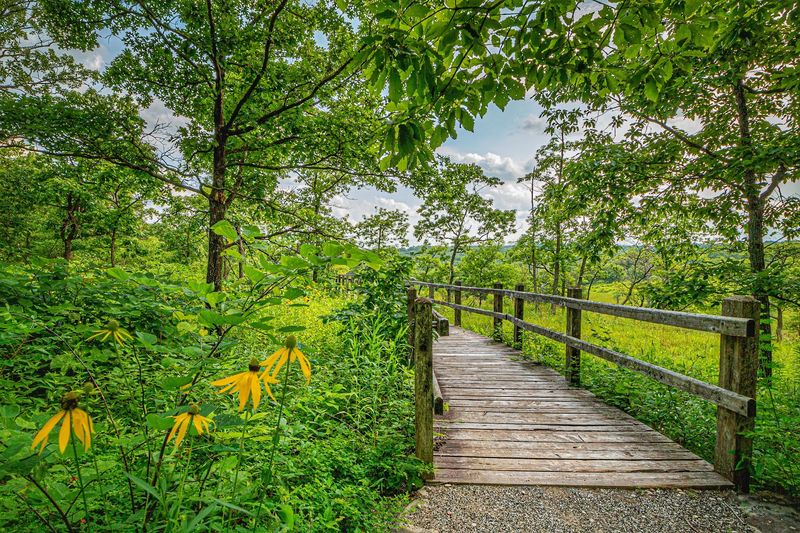
Trail surfaces vary too. Some paths are wide and mowed through prairie grass, while others narrow into dirt singletrack through the woods.
The variety keeps things interesting no matter how many times you return.
One thing worth knowing is that not every trailhead has a posted sign. Picking up a paper map at the visitor center before heading out is genuinely useful, and the staff there are happy to suggest a route based on how long you want to walk.
Missouri hikers who think they have seen it all tend to leave here with a changed perspective. The trail system here is quietly one of the best in the entire state.
The Meramec River Trail Delivers a Completely Different Kind of Quiet
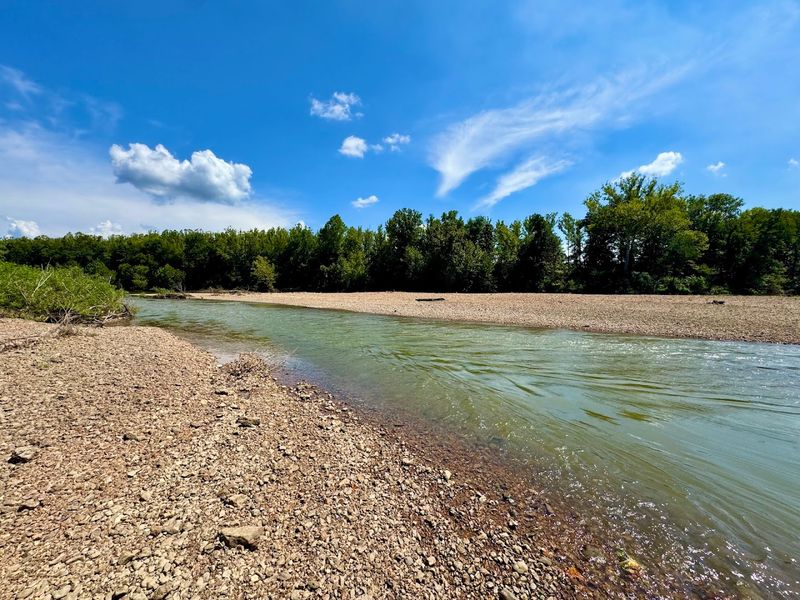
Some trails take you to views. The Goddard River Trail at Shaw Nature Reserve takes you to the Meramec River itself, and the experience is completely different from anything else on the property.
Walking down toward the river bottom, the air changes. It gets cooler, heavier, and greener.
The tree canopy closes in and the sounds of the open prairie disappear behind a wall of cottonwoods and sycamores.
When you reach the river, the pace of the whole world seems to slow down. The Meramec moves quietly here, and the gravel bars along its edge make a perfect spot to sit and simply exist for a while.
Wildlife is noticeably more active near the water. Great blue herons are a common sight, and during spring migration, the riparian corridor becomes a busy highway for warblers and other songbirds moving through Missouri.
It is worth checking the reserve website before visiting, since the river trail can close temporarily after heavy rain when the water level rises. When it is open, though, it is one of the most genuinely peaceful stretches of trail anywhere in the state.
The river does not disappoint, and neither does the walk to get there.
Native Plants Are the Real Stars of the Whole Reserve
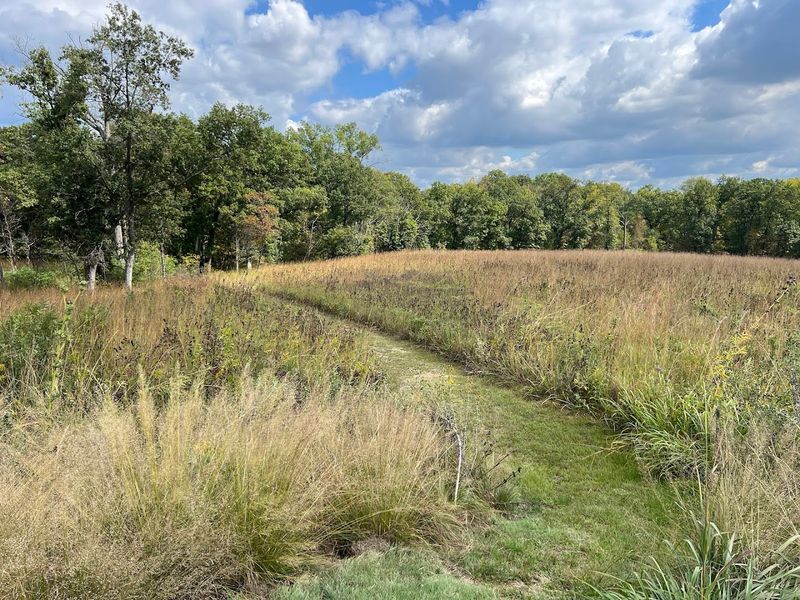
Shaw Nature Reserve is not a typical botanical garden with manicured hedges and imported exotic species. The whole philosophy here centers on native Missouri plants, and that focus makes it feel honest and deeply rooted in the land.
Walking the prairie sections in midsummer is like stepping into a painting. Tall native grasses like big bluestem and Indian grass tower overhead, and wildflowers bloom in dense, layered waves of color that shift week by week through the season.
The wetland areas add another layer of botanical interest. Prairie wetland irises are a particular highlight, with their vivid purple blooms reflecting in the still water around them.
The lily pads in the wetland section are also worth seeking out, especially in early morning light.
For anyone interested in gardening with native plants, this reserve functions as a living reference library. Seeing how these species grow together in their natural community is far more instructive than any catalog or website.
The Missouri Botanical Garden even hosts an annual native plant sale at the reserve, which draws serious gardeners from across the region. Getting plants grown from locally sourced seed is a rare opportunity that plant lovers in Missouri genuinely appreciate.
Wildlife Encounters Are Frequent and Genuinely Surprising
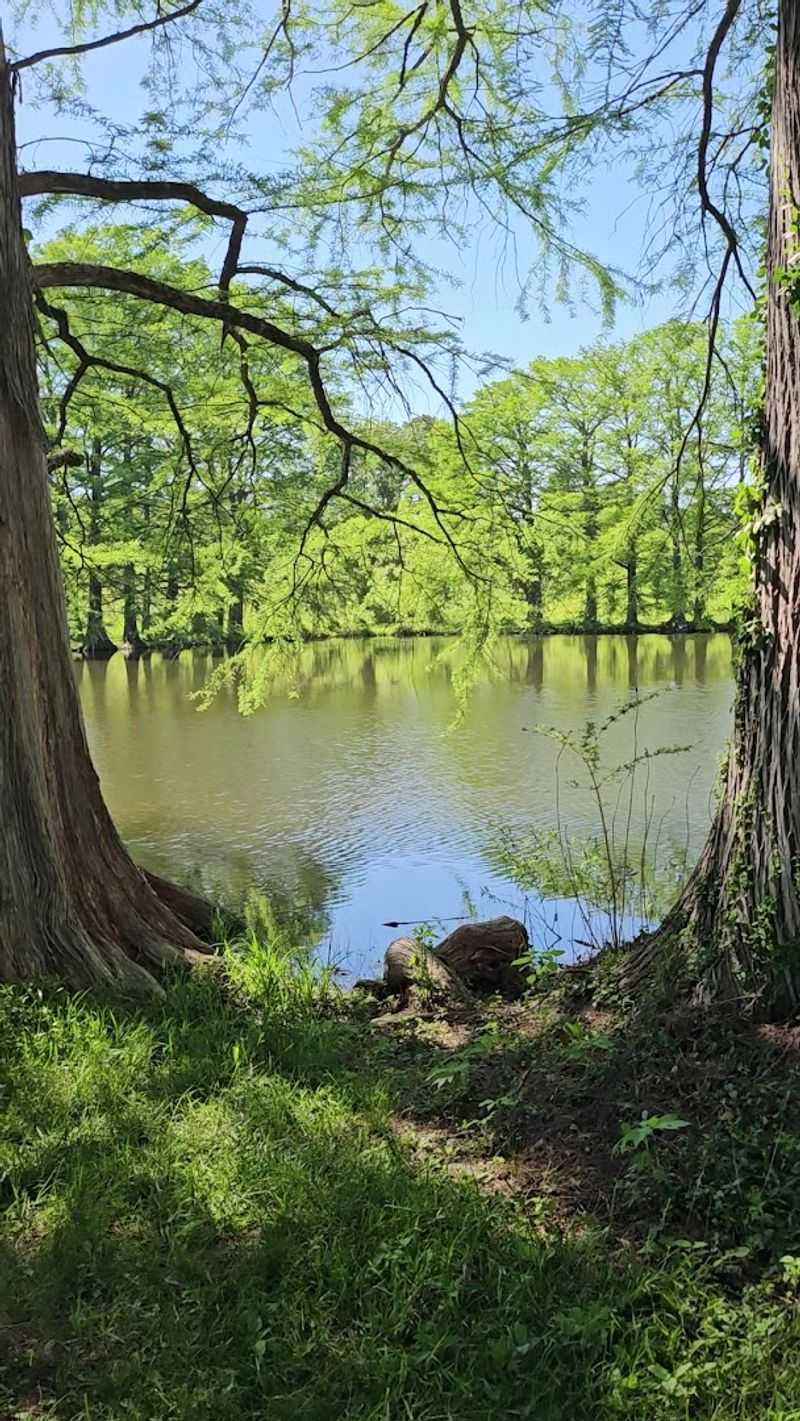
For a place that sits just about 35 miles west of St. Louis, the wildlife activity at Shaw Nature Reserve is impressively robust. Missouri has no shortage of natural areas, but the variety of animals moving through this reserve on any given day is something special.
White-tailed deer appear regularly along the woodland edges, especially in the early morning and late afternoon. Wild turkeys strut through the prairie sections with complete confidence, seemingly unbothered by the presence of hikers on the nearby paths.
Butterflies deserve their own mention here. The reserve actively supports monarch butterfly habitat, and during late summer migration the prairie sections can be alive with them.
Swallowtails, fritillaries, and skippers are common throughout the warmer months as well.
Bird activity is strong across all habitat types. The open prairies attract grassland species like meadowlarks and dickcissels, while the woodland trails bring in woodpeckers, nuthatches, and an impressive variety of warblers during spring migration.
Bringing binoculars is a genuinely good idea here. The Merlin Bird ID app also pairs wonderfully with a walk through the reserve, turning every unfamiliar call from the treetops into a satisfying identification moment somewhere along the trail.
The Visitor Center Sets the Tone for the Whole Experience
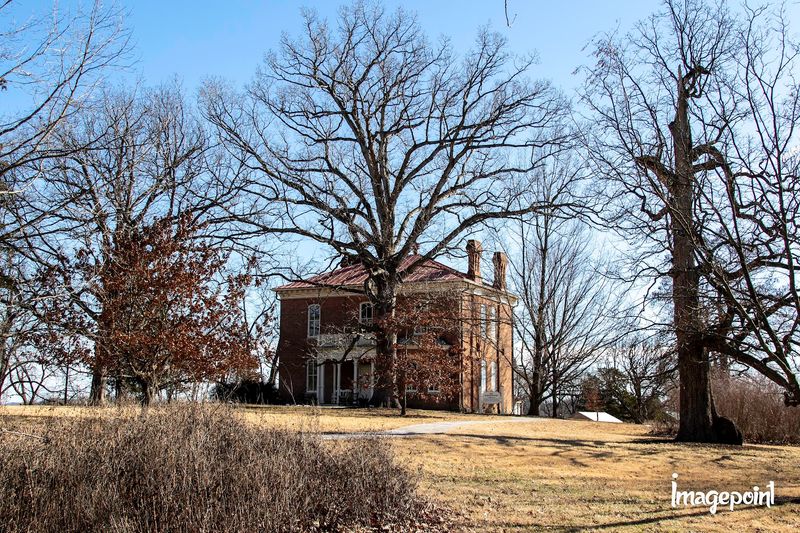
Before stepping onto any trail at Shaw Nature Reserve, stopping at the visitor center is worth every minute. The staff there have deep knowledge of the property and a genuine enthusiasm for helping people find the right trail for their energy level and interests.
The center has maps, seasonal trail condition updates, and information about any events or programs running during your visit.
Picking up a paper trail map here is a smart move, since cell service can be inconsistent in some of the more remote sections of the reserve.
The visitor center also serves as a connection point to the broader mission of the Missouri Botanical Garden.
Displays inside explain the conservation work happening across the property, from prairie restoration to wetland management, giving context to everything you are about to see outside.
Programs and workshops run throughout the year, covering topics like native plant identification, bird watching, and sustainable gardening. The calendar on the reserve website is updated regularly and worth checking before any visit.
For families, the staff can point out the best kid-friendly routes and the location of the playground, which is a genuinely creative and well-maintained space that younger visitors tend to love from the moment they see it.
Every Season Brings a Completely Different Reserve to Life
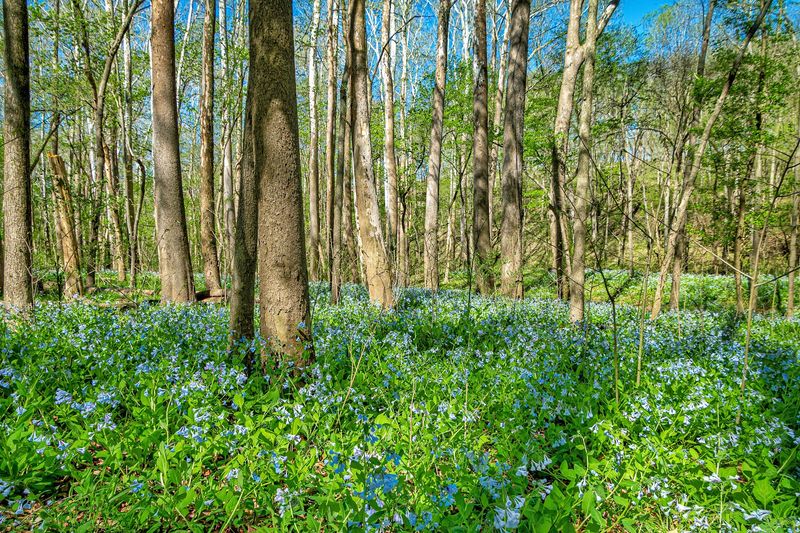
One of the most compelling arguments for visiting Shaw Nature Reserve more than once is how dramatically the landscape changes across the four seasons. Missouri weather keeps the reserve in a constant state of transformation, and each visit genuinely feels like a new place.
Spring is the showiest season, with Virginia bluebells carpeting the river-bottom areas and daffodils blooming in masses along the garden paths. The whole reserve seems to wake up in waves of color through April and May.
Summer brings heat and height to the prairie sections, where the native grasses grow tall and the wildflower diversity peaks. Early morning walks during July and August reward visitors with golden light, active wildlife, and relatively cool temperatures before the afternoon warmth sets in.
Autumn turns the woodland sections into a rich tapestry of red, orange, and gold. The trails feel more open as leaves fall, revealing views and terrain features that are hidden during the leafy summer months.
Winter is the quietest season but far from empty. The structure of the native grasses and seed heads against a gray sky has its own stark beauty, and the trails are far less crowded, making it a surprisingly peaceful time to explore Missouri’s most underrated natural space.
The Prairie Restoration Work Here Is Genuinely Impressive
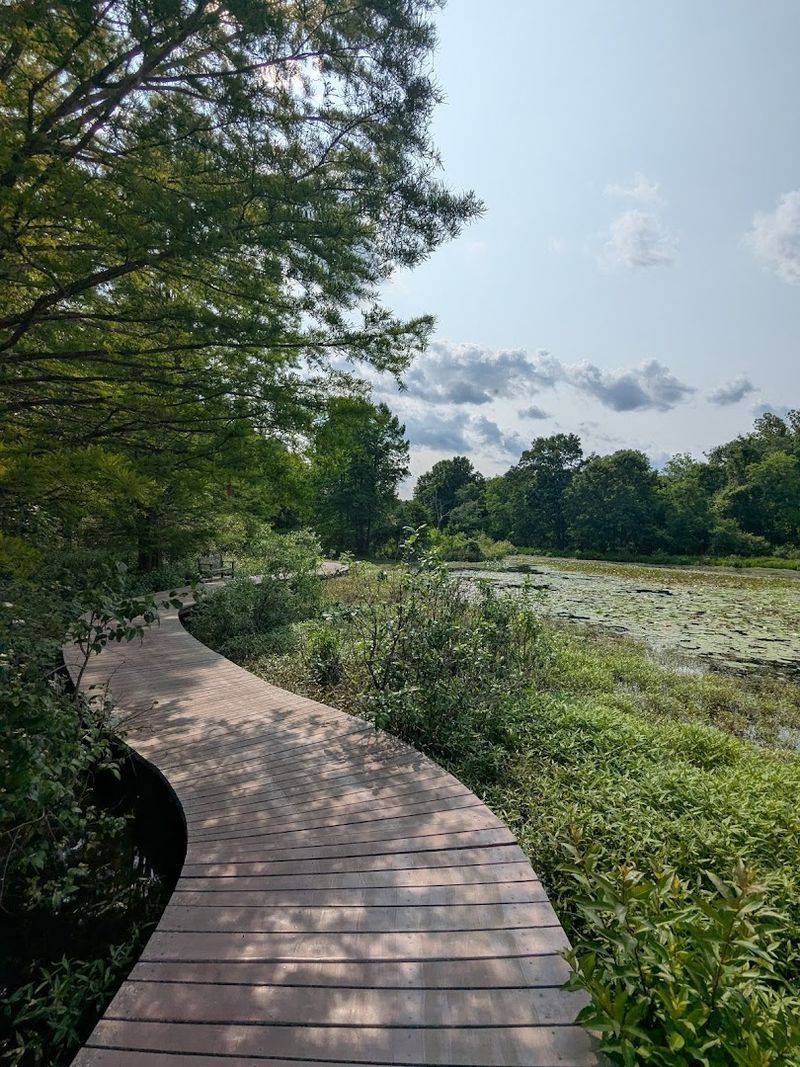
Missouri once had millions of acres of native tallgrass prairie, and almost all of it is gone.
Shaw Nature Reserve is one of the places actively working to bring it back, and walking through the restored prairie sections makes you understand just how magnificent that original landscape must have been.
The restoration process involves controlled burns, invasive species removal, and careful reseeding with locally sourced native plant material. The results are visible in the density and diversity of the plant communities that now cover large sections of the reserve.
In peak summer, the prairie can reach shoulder height in places. The sheer biomass of it is impressive, and the ecological function it provides for insects, birds, and small mammals is enormous compared to a conventional mowed lawn or agricultural field.
Watching a controlled burn section recover over a single season is one of nature’s more fascinating processes.
Areas that look scorched and bare in early spring are typically lush and blooming by midsummer, demonstrating exactly why fire is such an important tool in prairie management.
For anyone curious about conservation science, this reserve offers a front-row seat to real restoration work happening across a large, meaningful scale right here in Missouri.
Getting There and Planning Your Visit Is Easier Than You Think
Shaw Nature Reserve sits at 307 Pinetum Loop Rd, Gray Summit, MO 63039, making it an easy drive from St. Louis and reachable from much of central Missouri within a couple of hours.
The location right off Interstate 44 means there is no complicated back-road navigation required to get there.
The reserve is open daily from 8 AM to 5 PM, which gives most visitors a solid window for a half-day or full-day outing. Parking is free throughout the property, and several parking areas are spread across the reserve so you can access different trail sections without a long walk from the car.
Missouri Botanical Garden members get free entry, which is a strong incentive for anyone who visits the reserve or the garden regularly. For non-members, the entry fee is modest and genuinely good value for the amount of land and experience you get in return.
Dogs are welcome on the trails as long as they are on a leash, which makes this a popular destination for Missouri pet owners looking for a serious outdoor adventure with their animals.
Restrooms are available at the visitor center and at pavilion areas throughout the reserve, making longer visits comfortable for families and groups of all sizes.
