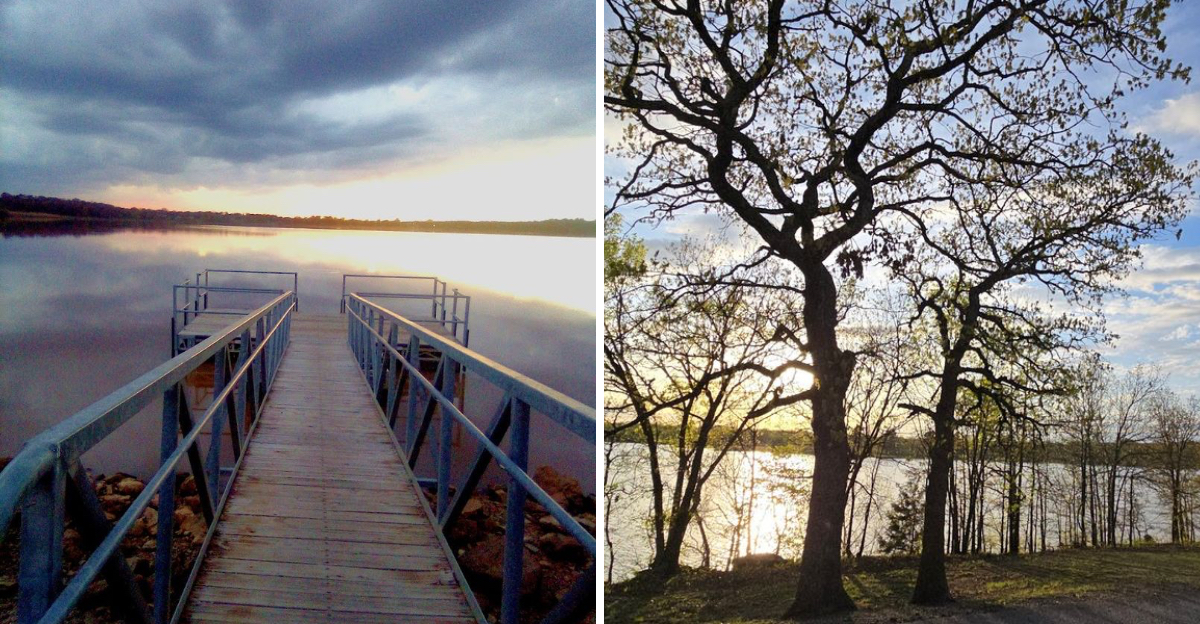
The Army Corps of Engineers built this lake for practical reasons, flood control and water storage, not for beauty or recreation. But nature had other plans.
Over the decades, the shoreline softened into something wild and lovely, with trees growing right to the water’s edge and coves that feel completely private. Fishermen cast for bass and crappie from small boats, rarely competing for space.
Kayakers paddle into narrow inlets where the only sounds come from birds and the occasional splash of a turtle. Families camp in the shady spots along the shore, building fires and telling stories while the stars come out one by one.
The lake does not advertise or draw crowds. It simply exists, a quiet corner of eastern Oklahoma that feels like a secret the locals have kept to themselves.
Bring a fishing pole, a tent, or just a good book. The lake does not care what you do. It only asks that you enjoy the peace.
The Surprising History Behind the Dam
Not every lake starts as a nature escape. Heyburn Lake was created when the U.S.
Army Corps of Engineers built a dam across Polecat Creek in Sapulpa, Oklahoma, primarily to control flooding in the region.
The project was part of a broader mid-20th century effort across Oklahoma to tame unpredictable waterways that threatened farmland and communities downstream.
What began as an engineering solution gradually became something far more personal for the people living nearby.
Over the decades, the Corps of Engineers maintained the land around the reservoir as a public recreation area, adding campgrounds, boat ramps, and picnic spots.
The dam itself still stands as the backbone of the whole operation, quietly doing its original job while everything around it has evolved into a beloved outdoor destination.
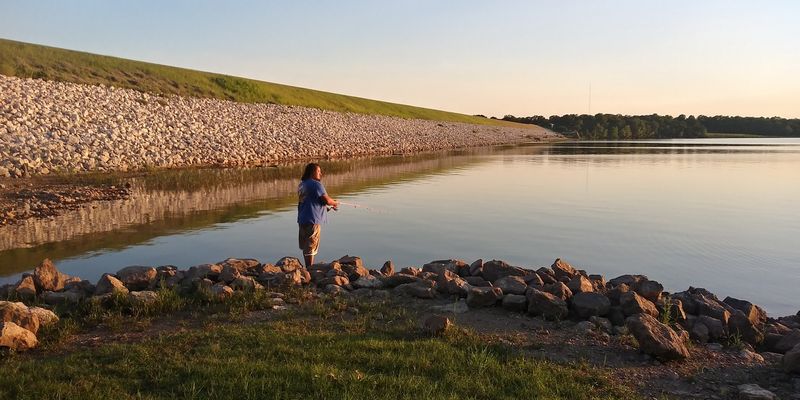
Standing near the dam overlook, it is easy to appreciate both functions at once. The structure is functional and unassuming, but the view it creates across the water is genuinely beautiful.
It is a rare case where practical infrastructure accidentally produced something worth visiting on its own terms, and that origin story gives Heyburn Lake a character that purpose-built recreation spots rarely match.
Setting and Scenery Around the Water
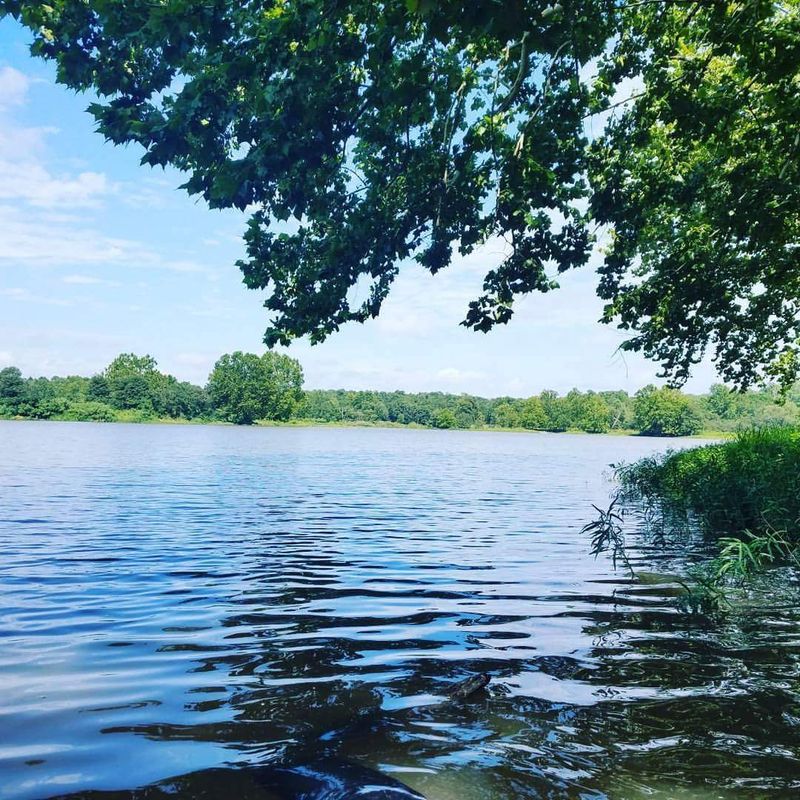
The landscape around Heyburn Lake feels genuinely wild for a reservoir this close to a major highway.
Rolling hills covered in post oak and blackjack oak press right up to the water’s edge on most sides, giving the lake a sheltered, enclosed feeling that larger Oklahoma reservoirs simply cannot replicate.
The shoreline shifts between rocky outcroppings, sandy patches, and grassy banks depending on where you walk. That variety keeps every corner of the lake visually interesting and gives different kinds of wildlife a range of habitats to occupy.
Early mornings are especially atmospheric here. A low mist sometimes hangs over the water just after sunrise, and the surrounding trees hold onto the quiet in a way that feels almost deliberate.
The lake covers roughly 920 acres, which is small enough to feel intimate but large enough to offer real solitude if you want it.
Oklahoma’s geography can feel flat and featureless in many places, but the Sapulpa area has enough gentle elevation change to give Heyburn Lake a sense of depth and dimension.
The water picks up color from the sky throughout the day, shifting from silver at dawn to deep blue by midday.
Fishing Is the Main Event Here
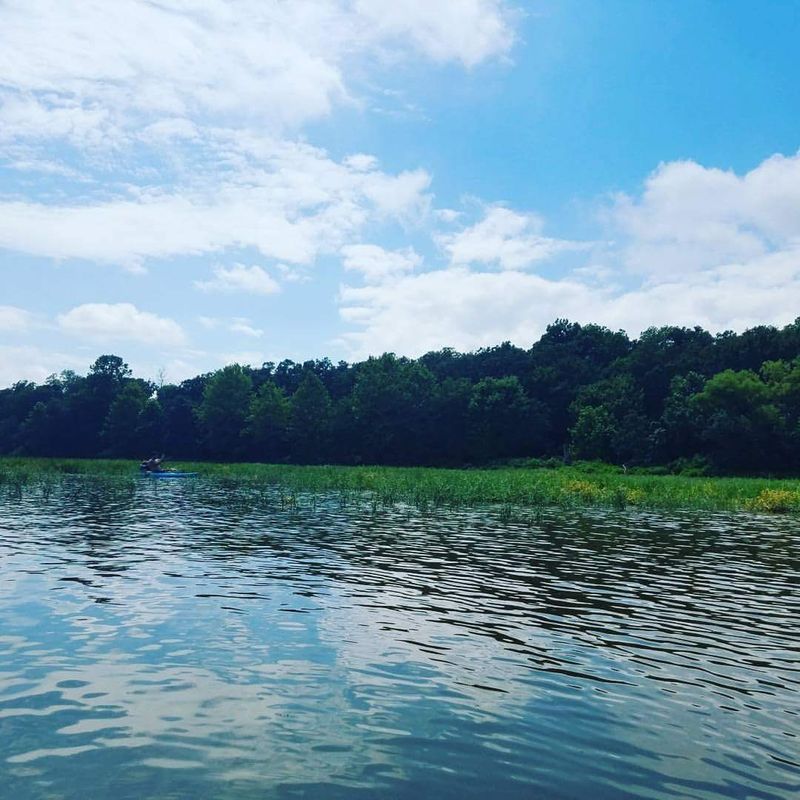
Fishing is the heartbeat of Heyburn Lake, and the lake punches well above its weight for a reservoir of its size. Crappie are the standout species here, and the lake has built a quiet reputation among local anglers who know exactly where to drop a line.
Bass, catfish, and bluegill round out the catch options, giving anglers of every skill level something to chase. The boat ramp makes launching straightforward, and the relatively small size of the lake means you can cover a lot of productive water without burning through fuel.
Bank fishing is just as viable, especially along the rocky stretches near the campground areas. A simple setup with live bait works perfectly well, and the unhurried pace of the lake makes even a slow fishing morning feel worthwhile.
Oklahoma fishing regulations apply here, so a valid state license is required before you cast. The spring and fall seasons tend to produce the most consistent action, though patient anglers find success year-round.
There is something deeply satisfying about pulling a crappie out of a lake that most people have never heard of, and Heyburn Lake delivers that feeling on a regular basis.
Camping Options for Every Style
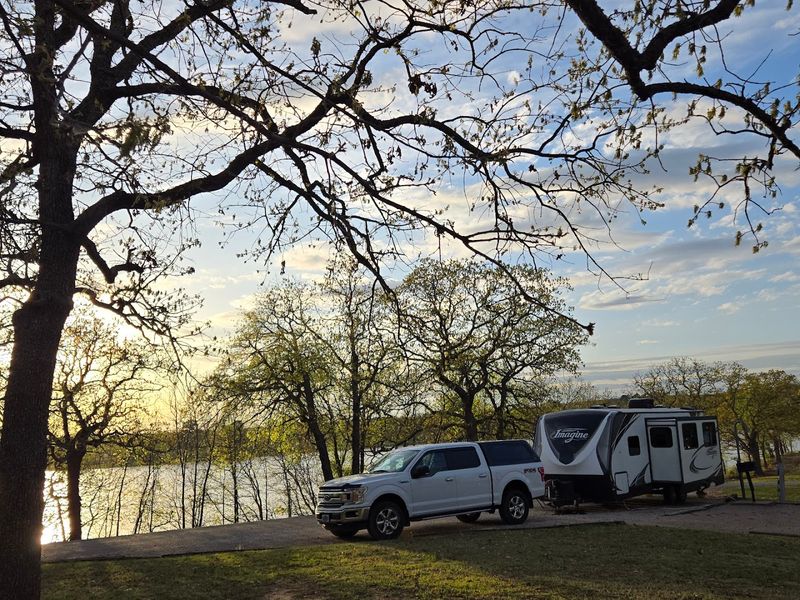
Camping at Heyburn Lake covers a wide range of preferences without ever feeling overcrowded. The Army Corps of Engineers manages two main campground areas, and between them they accommodate primitive tent campers, RV travelers, and everyone in between.
Shepherd’s Point Campground offers lakeside sites that put you genuinely close to the water. Waking up a few steps from the shoreline with nothing but birdsong and rippling water in the background is the kind of morning that makes the whole trip worthwhile.
The RV section provides water and electrical hookups, and a dump station is available on site. A bathhouse with hot showers serves the area, which is a real comfort after a day of paddling or hiking.
The facilities are functional and reasonably maintained, fitting the understated character of the lake itself.
Primitive sites offer a more stripped-back experience with vault toilets and basic amenities, which suits campers who prefer fewer neighbors and more atmosphere.
The campground rarely fills to capacity, especially on weekdays, so finding a good spot is usually straightforward.
In Oklahoma, where outdoor recreation options are plentiful but solitude is harder to find, Heyburn Lake delivers both at once.
Boating and Paddling on Calm Water
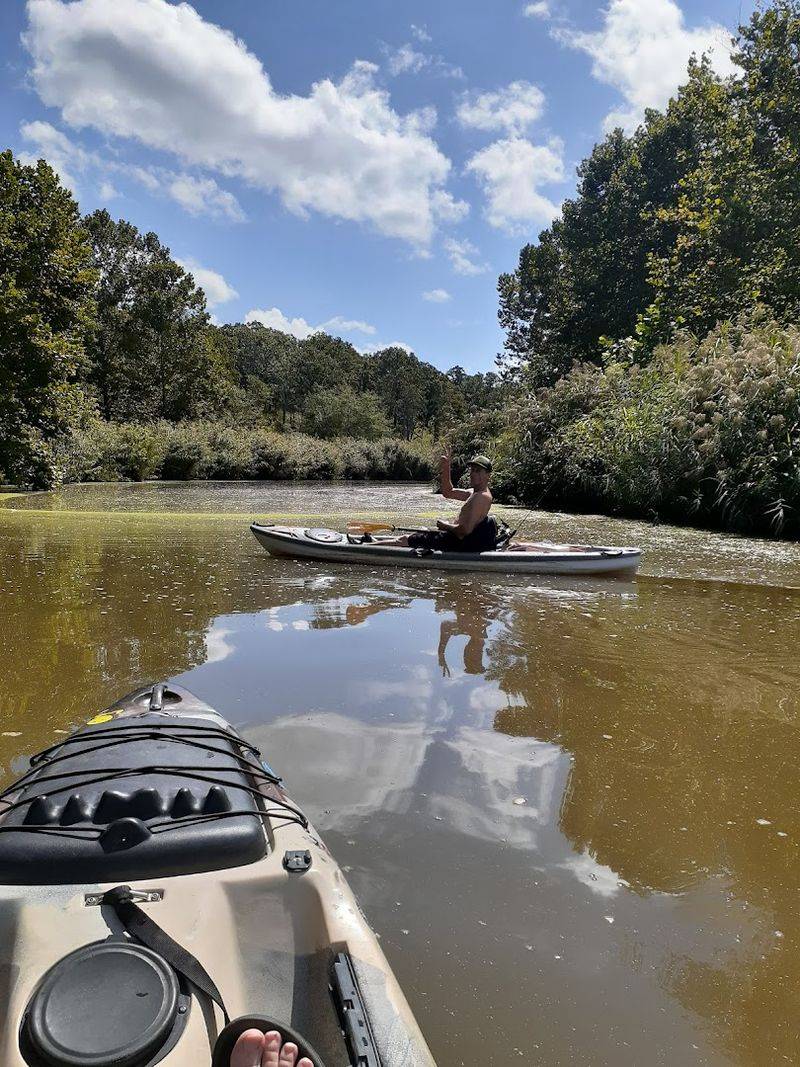
The size of Heyburn Lake is actually one of its biggest advantages for boaters and paddlers. At around 920 acres, the water is calm and manageable, making it an ideal spot for kayaking, canoeing, and small motorboat use without the stress of large waves or heavy boat traffic.
The boat ramp is paved and easy to use, which takes the hassle out of launching. Kayakers in particular find the lake well-suited to a relaxed morning paddle, circling the coves and watching herons stalk the shallows along the wooded banks.
There is no roaring marina scene here. The boating culture at Heyburn Lake is quiet and unhurried, which suits the overall atmosphere perfectly.
Fishing boats and small recreational crafts share the water without conflict, and the pace rarely picks up beyond a gentle drift.
Paddling into one of the quieter coves on the far side of the lake feels like stepping into a private corner of Oklahoma that few people know about. The water reflects the surrounding oaks so clearly on calm days that you almost feel like you are floating above the treetops.
That kind of stillness is genuinely hard to find anywhere close to a city.
Swimming and Beach Use at the Lake
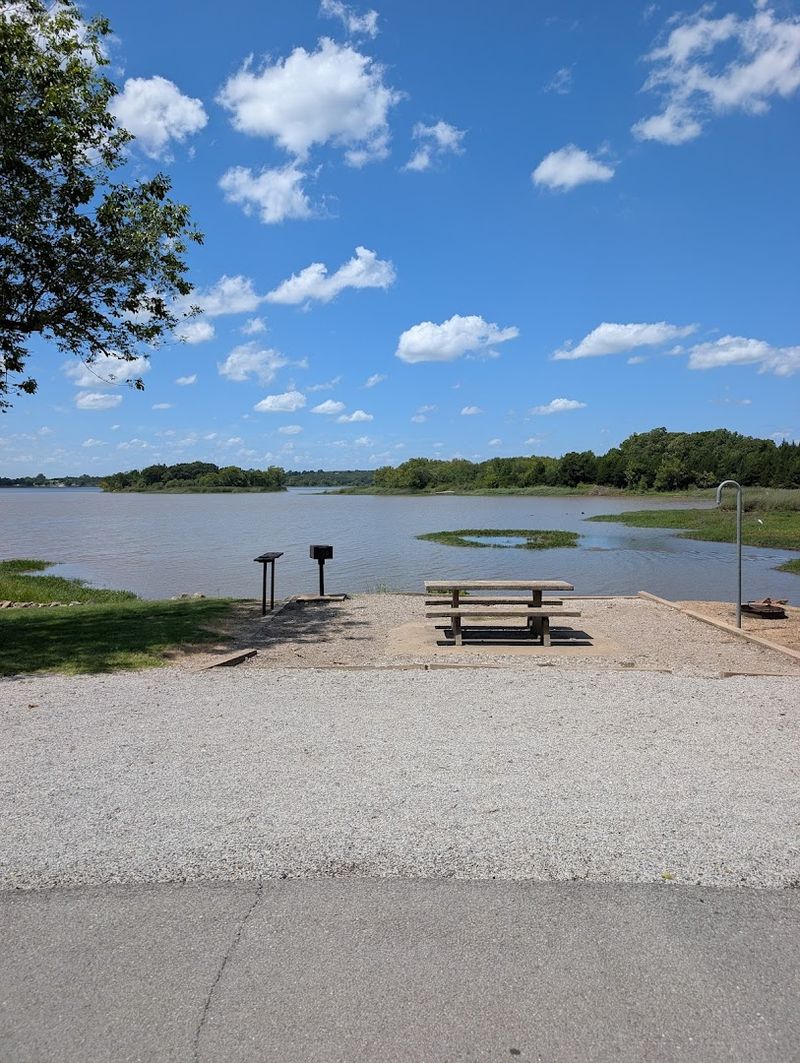
Swimming at Heyburn Lake is a casual, low-key affair that fits the overall spirit of the place perfectly. There is a beach area where families spread out towels and wade into the water, especially during the warmer months when Oklahoma heat makes any cool water feel like a reward.
The lake bottom near the swimming area can be rocky in spots, so water shoes are a genuinely good idea rather than just a cautious suggestion. The water clarity varies depending on recent rainfall, but on calm, dry stretches the lake clears up nicely and feels inviting.
Families with kids find the shallow entry points easy to manage, and the relatively small scale of the lake means parents can keep a comfortable eye on younger swimmers.
The beach area also connects naturally to the picnic zone, making it simple to combine a swim with a cookout.
Sunsets from the beach side of the lake are genuinely spectacular. The western sky turns shades of orange and pink that reflect across the water in a way that feels almost theatrical.
Oklahoma is famous for dramatic skies, and Heyburn Lake puts you in the perfect position to watch the whole show unfold right in front of you.
Wildlife and Birdwatching Along the Shoreline
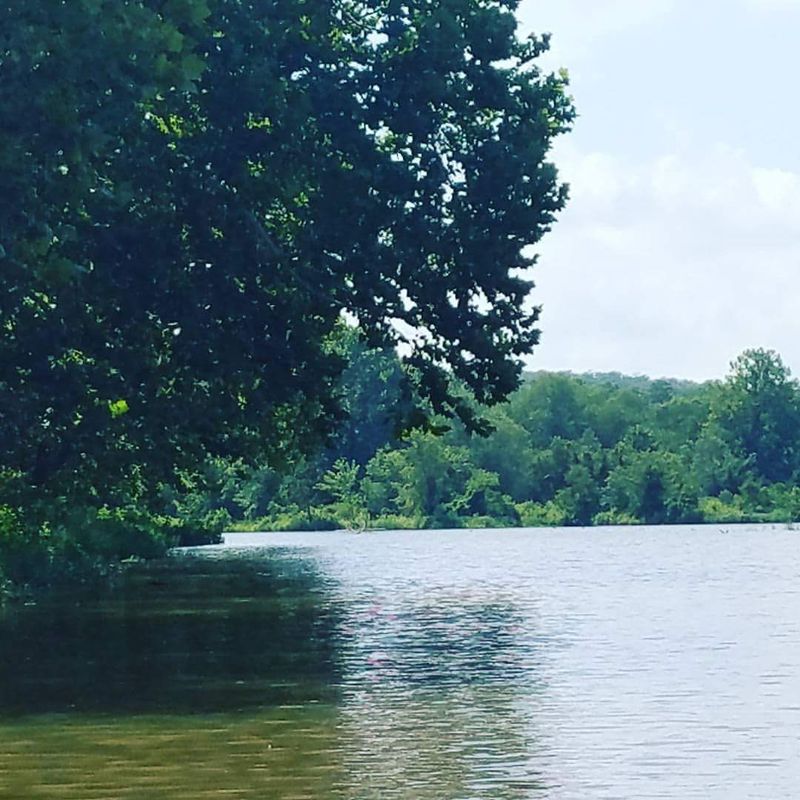
Wildlife at Heyburn Lake shows up without any announcement or fanfare, which is part of the appeal.
Egrets, kingfishers, and various species of ducks frequent the water depending on the season. Spring and fall migrations bring a rotating cast of shorebirds and songbirds through the surrounding woodland, making those seasons particularly rewarding for anyone carrying binoculars.
White-tailed deer move through the wooded areas around the lake in the early morning and at dusk. Spotting one stepping carefully to the water’s edge while the mist is still lifting is the kind of moment that makes you reach for your camera before your coffee.
The habitat variety around the lake, combining open water, rocky shoreline, wooded upland, and grassy clearings, supports a surprisingly diverse range of species for such a compact area.
Oklahoma’s central location along North American flyways means the bird diversity here shifts meaningfully with the seasons.
Spending a quiet hour at the water’s edge with nothing but a field guide and a good view is one of the best free activities the lake offers.
Horse Trails and Hiking Around the Reservoir
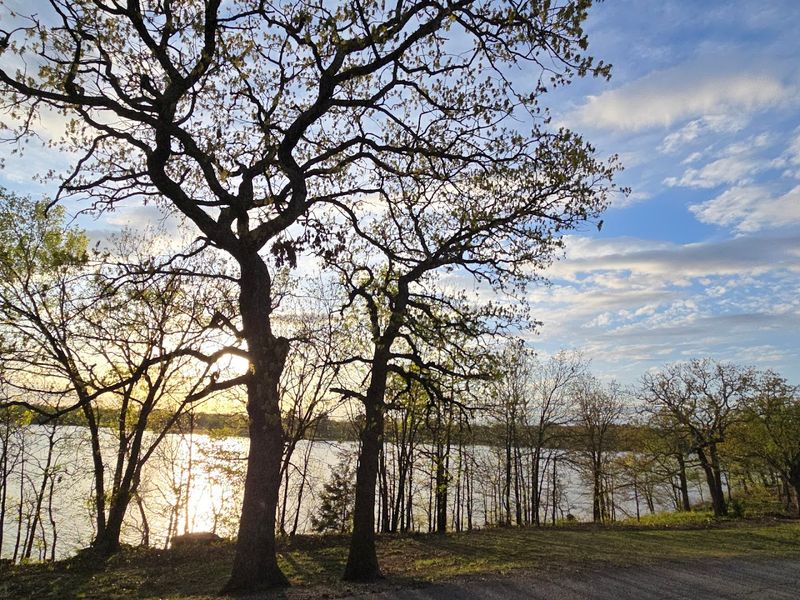
Heyburn Lake offers more than just water-based activities, and the horse riding trails are one of the more unexpected highlights. Designated equestrian trails wind through the wooded terrain surrounding the reservoir, giving riders a genuinely scenic route through Oklahoma’s post oak country.
Hikers can use portions of the trail network on foot, and the terrain is accessible without requiring any specialized gear or high fitness level. The paths move through shaded woodland, open grassy areas, and along higher ground with occasional views down toward the water.
The combination of rocky outcroppings, seasonal wildflowers, and dense canopy overhead makes these trails feel more dramatic than their modest length might suggest. Spring is a particularly good time to walk them, when the oaks are leafing out and the understory fills with color.
Trail conditions vary after heavy rain, and the clay-heavy soils in this part of Oklahoma can become slippery when wet, so checking the weather before heading out is a practical habit.
The trails do not loop through heavy crowds, and it is entirely possible to spend an hour or two on foot here without crossing paths with another person.
That level of quiet is increasingly rare in Oklahoma’s accessible outdoor spaces.
Picnicking and Day Use Areas
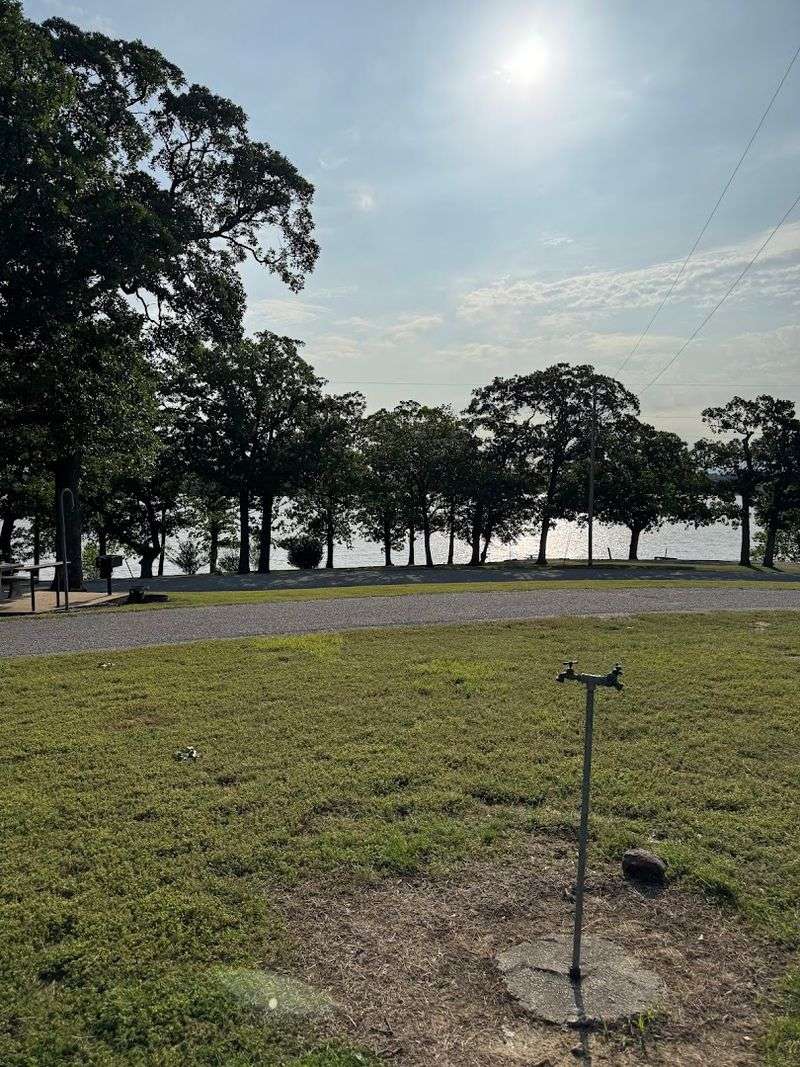
Day visitors to Heyburn Lake have plenty of options beyond fishing and swimming. The picnic areas are well-positioned along the shoreline, with tables set under mature trees that provide real shade during Oklahoma’s notoriously intense summer afternoons.
Grills are available at several picnic spots, making it easy to set up a proper outdoor meal without hauling extra equipment. The combination of shade, water views, and a functional grill is a simple formula that works reliably well, especially for family gatherings or a relaxed weekend afternoon.
The dam overlook area nearby adds an interesting element to a day visit. From that vantage point, the full shape of the lake becomes clear, and the surrounding landscape stretches out in a way that gives genuine perspective on how this small reservoir fits into the broader terrain.
Facilities in the day use area include restrooms, which are a straightforward but important detail for families planning a longer visit. The overall atmosphere at the picnic area is unhurried and unpretentious, which matches the character of the lake as a whole.
Bringing a good spread of food, finding a table with a water view, and spending a few hours doing absolutely nothing urgent is an underrated way to spend a day in Oklahoma.
Best Times to Visit and What to Expect
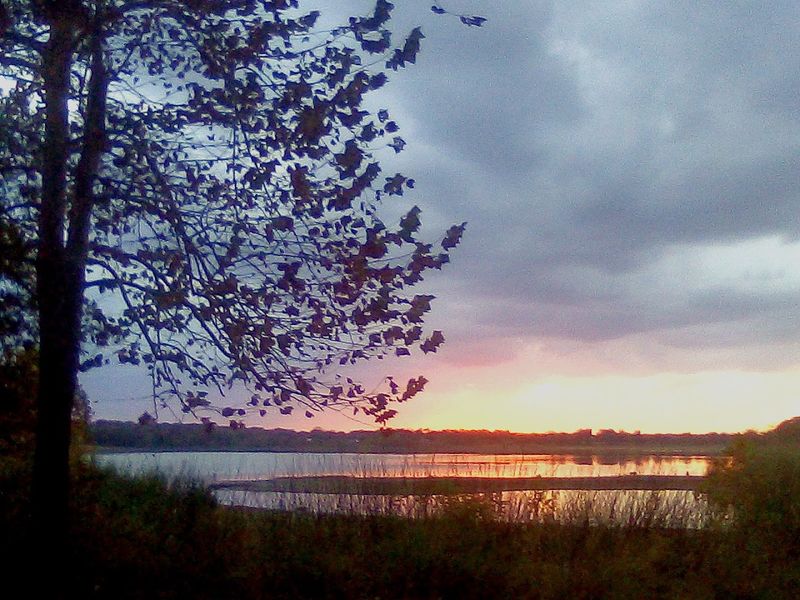
Timing a visit to Heyburn Lake makes a real difference in what the experience feels like. Spring and fall are the standout seasons, offering mild temperatures, active wildlife, and the kind of light that makes the landscape look its best without the punishing heat of an Oklahoma summer.
Spring brings wildflowers to the woodland trails and migrating birds to the water’s edge, while fall turns the surrounding oaks into a warm palette of orange and rust that reflects beautifully on the lake surface.
Either season gives the place a visual energy that summer and winter simply cannot match.
Summer visits are absolutely doable, especially for swimming and early morning fishing before the heat builds. Arriving at the lake before 8 a.m. during July or August rewards patience with cooler air, glassy water, and far fewer other people around.
Weekdays across all seasons are noticeably quieter than weekends, and the campground rarely reaches full capacity outside of holiday weekends. Oklahoma weather can shift quickly, so packing layers and checking forecasts before arrival is always a smart move.
The lake is accessible year-round, and even a quiet winter morning here has its own stripped-back beauty that makes the drive from Sapulpa feel completely worthwhile.
Getting There and Making the Most of Your Trip
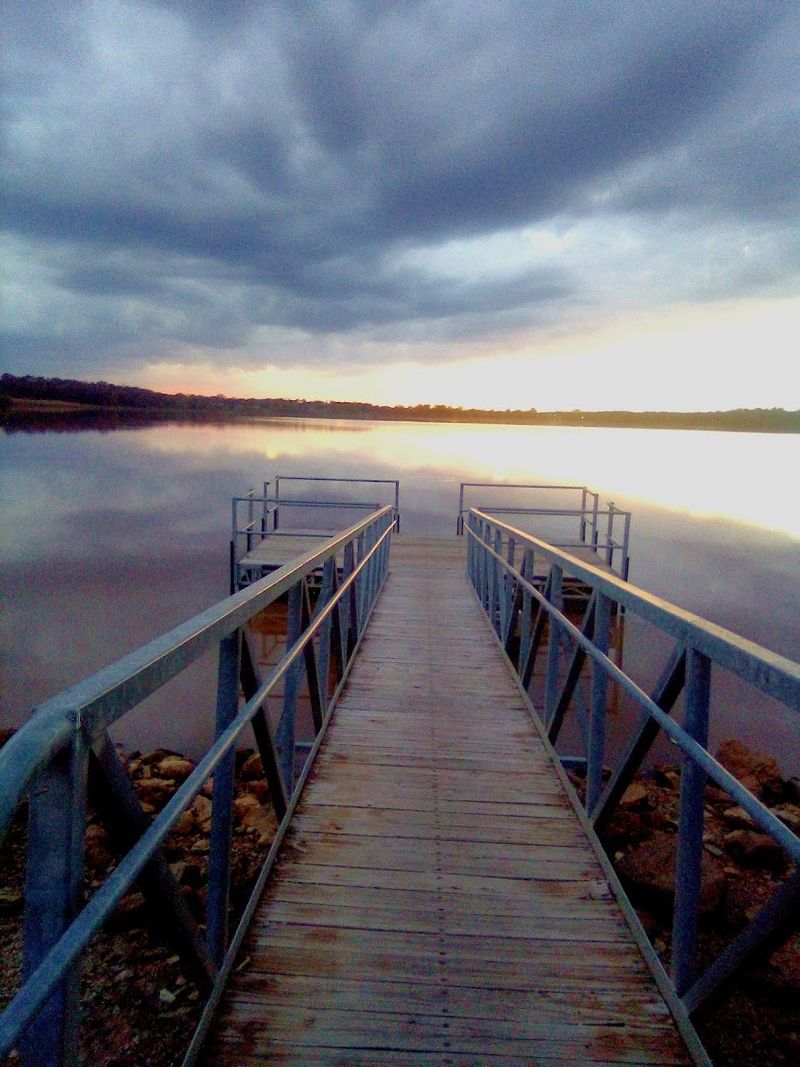
Reaching Heyburn Lake is straightforward, which removes one of the usual barriers to visiting a lesser-known Oklahoma destination.
The lake sits near Sapulpa, Oklahoma, easily accessible from I-44, and all roads leading into the recreation area are paved, making the approach smooth regardless of what you are driving.
From Tulsa, the drive takes roughly 30 to 40 minutes depending on traffic, putting Heyburn Lake firmly in day-trip range for a large portion of Oklahoma’s population. That proximity is part of what makes it such a practical escape for people who cannot commit to a long road trip.
Cell service can be limited in parts of the recreation area, so downloading an offline map before arrival is a helpful step.
The Army Corps of Engineers Recreation Area at Heyburn Lake manages the facilities, and their website provides current information on campground availability and any seasonal closures.
Packing a cooler, sunscreen, water shoes, and a fishing license covers most of what you need for a full day here. The lake does not demand elaborate preparation or expensive gear.
It rewards simplicity, patience, and a willingness to slow down and pay attention to what is right in front of you, which turns out to be quite a lot more than most people expect from a flood control reservoir in Oklahoma.
