Missouri has always been a place where families could put down roots without emptying their savings accounts. That promise is starting to crack in certain corners of the state.
Ten towns are watching their populations shrink as property taxes climb higher and housing costs push ordinary families past their breaking point.
These are not struggling communities with boarded up storefronts and fading hopes. Many of them are perfectly nice places to live, with good schools, friendly neighbors, and a quality of life that should be the envy of bigger cities.
But when the tax bill arrives and the rent goes up for the third time in two years, even the most loyal residents start doing the math. The numbers rarely work in their favor.
Some families pack up for cheaper rural areas, trading longer commutes for more affordable roofs over their heads. Others leave Missouri entirely, chasing opportunity across state lines where their paychecks stretch further.
The loss is gradual but steady, like water wearing down a stone, and the towns left behind feel the weight of every empty house.
1. St. Louis City, Missouri
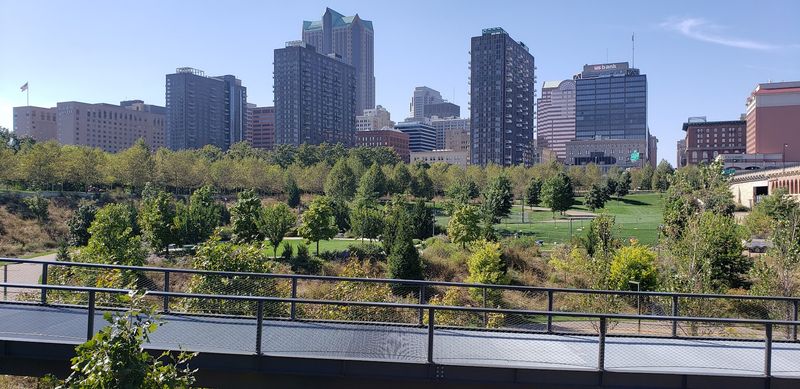
More than 23,000 residents have left St. Louis City since 2020, making it one of the steepest urban population drops in the entire Midwest.
That is not a small number. That is neighborhoods going quieter block by block, schools losing enrollment, and local businesses watching foot traffic shrink year after year.
Property taxes in St. Louis City have climbed steadily, even as home values in many zip codes struggle to keep pace. Families who once stretched their budgets to stay are now finding that the math simply does not work anymore.
I walked through several residential corridors on the north side of the city and saw block after block of homes with for-sale signs that had clearly been standing for a while. The architecture is stunning in places, old brick rowhouses with real character, but charm alone does not pay a tax bill.
What makes St. Louis unique among Missouri cities is that it operates as an independent city, meaning it is not part of any county. That structure creates a narrow tax base, and when residents leave, the burden falls harder on those who remain.
Young families in particular are relocating to suburban St. Louis County or crossing into Illinois, where housing costs can be more predictable. The city has launched several revitalization programs over the years, with mixed results.
Some neighborhoods like Lafayette Square and Tower Grove South remain vibrant and draw new residents. But those pockets of energy have not been enough to reverse the broader outward flow.
St. Louis City is a place I genuinely love visiting, full of culture, history, and incredible food. Watching it lose population at this pace is one of the more complicated things to sit with.
2. Florissant, Missouri
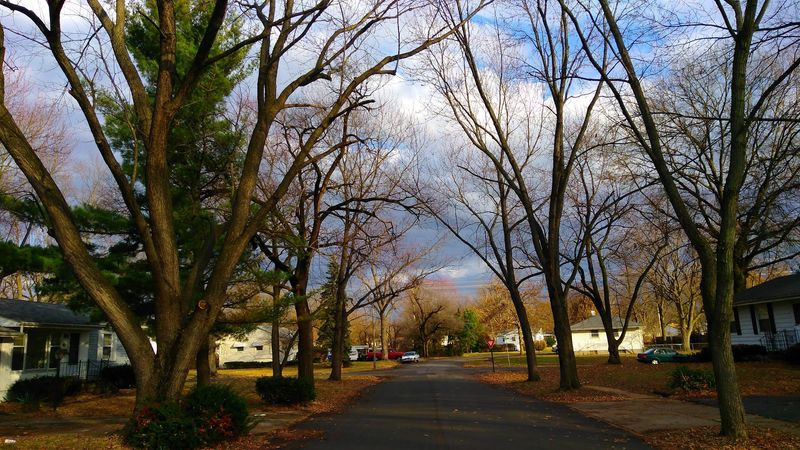
Florissant lost approximately 1,255 residents in a relatively short window, and that figure lands differently when you know this was once one of St. Louis County’s most stable suburban communities.
Built up heavily in the postwar era, Florissant offered exactly what middle-class families wanted: good schools, manageable lots, and a sense of permanence. For decades, it delivered on that promise.
But the math changed. Property tax assessments climbed, and many longtime homeowners found themselves paying significantly more without seeing equivalent improvements in services or infrastructure.
For residents on fixed incomes, especially retirees who raised their families here, the pressure became real fast.
I drove through Florissant on a Tuesday afternoon and noticed how many ranch-style homes had vacancy signs or showed signs of deferred maintenance. These are not abandoned properties, just homes where the owners are stretched thin or have already moved on.
The city sits in north St. Louis County, an area that has experienced broader economic stress as commercial anchors have closed and job opportunities have shifted southward or out of the region entirely. That economic gravity pull makes it hard for any single suburb to hold its population steady.
Younger families who might have chosen Florissant a generation ago are now looking at communities further west or southwest, where newer housing stock and lower initial tax burdens feel more appealing.
There is still real community spirit here. Local events, longtime churches, and neighborhood associations work hard to keep things connected.
But community spirit, as meaningful as it is, cannot fully offset the financial strain that is quietly pushing people toward the exit.
3. University City, Missouri
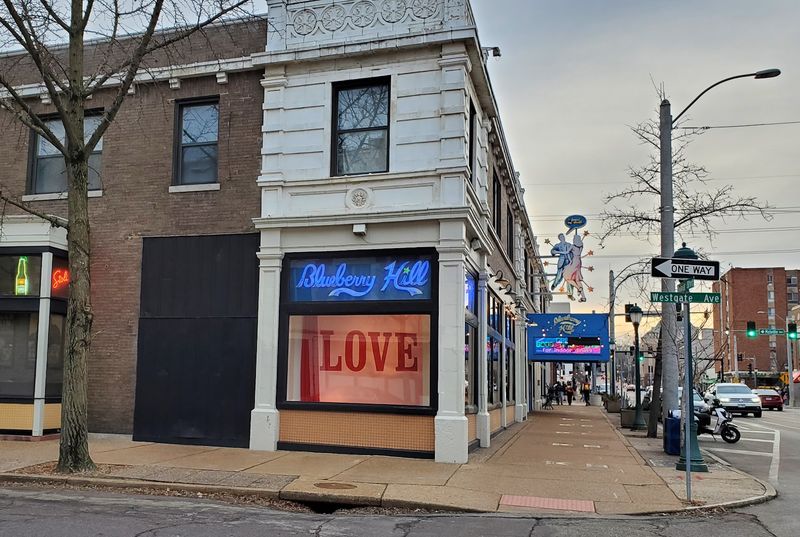
University City, tucked just west of St. Louis and bordering Washington University’s campus, lost approximately 883 residents in recent years. For a city of its size, that is a meaningful dent.
On the surface, U City, as locals call it, seems like exactly the kind of place people would want to stay. It has a walkable commercial corridor on the Delmar Loop, diverse housing stock, and a deeply rooted arts culture that gives the community real personality.
But rising property assessments have created tension, particularly for long-term homeowners who bought modestly and now face tax bills that feel disconnected from their daily financial reality.
The Loop has also seen turnover in its retail scene, with some beloved longtime businesses closing and leaving gaps that are slow to fill.
I spent an afternoon on Delmar Boulevard and found the energy still present but noticeably thinner than I remembered from earlier visits. Some storefronts were vacant, and the foot traffic on a weekend felt lighter than you might expect for such a culturally rich stretch of street.
University City has historically attracted educators, artists, and young professionals drawn by its progressive reputation and proximity to major institutions. That draw has not disappeared, but it is competing with affordability pressures that make nearby municipalities look more practical.
Renters in particular are feeling the squeeze, as landlords pass rising costs along through higher monthly rates. When renting in U City costs as much as owning in a suburb 20 minutes away, the calculation shifts quickly.
The city has real assets worth fighting for, and many residents are doing exactly that through local advocacy and community investment.
4. Maryland Heights, Missouri
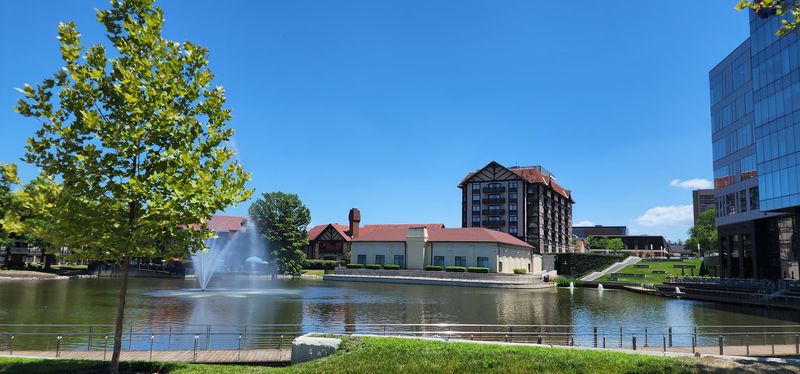
Maryland Heights sits along the Missouri River corridor in St. Louis County, and it lost approximately 629 residents in a span that has local planners paying close attention.
This is a community that built much of its identity around commercial development, particularly the sprawling entertainment and hospitality district near the river.
But residential life here has always had a quieter character, made up of subdivisions that were established in the 1970s and 1980s and have aged alongside their original owners.
As those original homeowners age out or pass properties on, the next generation is not always eager to step in. Property tax rates in the area have risen, and the older housing stock requires investment that younger buyers are not always prepared to make upfront.
I found Maryland Heights to be one of those places that feels functional without feeling particularly energized. The roads are maintained, the commercial strips are busy enough, but the residential side has a stillness to it that speaks to demographic change happening slowly and steadily.
The city has worked to diversify its tax base through commercial development, which has helped buffer some of the residential pressure. But when families leave, they take their connection to local schools, parks, and civic life with them, and those losses are harder to replace than a tax dollar.
Maryland Heights is also positioned in a part of St. Louis County that has seen broader outmigration trends, making it difficult to reverse the pattern independently.
There are genuine strengths here, including access to trails and outdoor recreation along the river, that could anchor a new identity if the community leans into them deliberately and consistently.
5. Chesterfield, Missouri
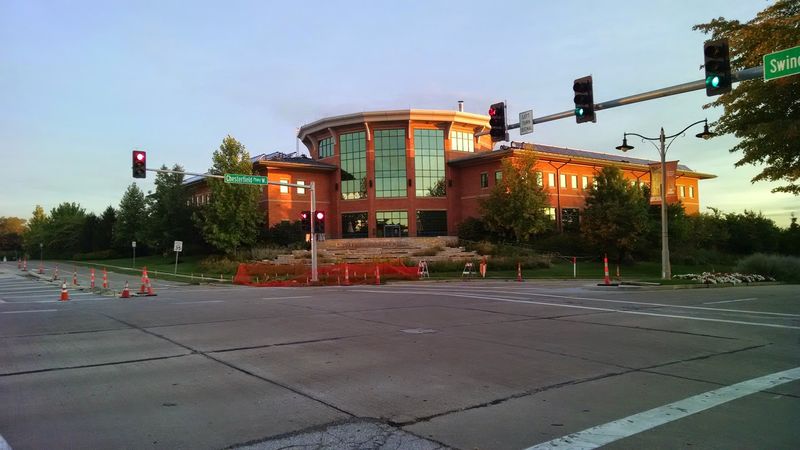
Chesterfield surprises people when it shows up on a list like this. It is one of the more affluent communities in Missouri, known for its planned subdivisions, high-performing schools, and robust retail scene anchored by Chesterfield Mall.
Yet even here, approximately 527 residents have departed, and the reasons are more nuanced than financial distress alone.
Property taxes in Chesterfield are significant, reflecting the high assessed values of homes in the area. For families whose incomes have not kept pace with appreciation, carrying a large mortgage alongside escalating tax bills creates pressure even in a comfortable zip code.
Empty nesters are also a factor. Many Chesterfield residents who built their lives here when the suburb was booming in the 1990s are now downsizing, and their adult children are not necessarily choosing to stay in the same community.
They are heading to urban cores, to Sun Belt cities, or to smaller towns with lower overall costs.
I drove through several of Chesterfield’s established neighborhoods and noticed a pattern of well-maintained homes sitting on the market longer than you might expect given the area’s reputation. Agents I spoke with mentioned that buyer pools are thinner than in recent years.
The retail environment adds another layer of complexity. Chesterfield Mall has struggled with anchor store closures, and while the area has pivoted toward experiential and medical tenants, the shift signals a community in transition rather than one at peak momentum.
Chesterfield still holds considerable appeal, and its infrastructure and school quality remain strong selling points. But even prosperity does not fully insulate a community from the broader pressures reshaping Missouri’s suburban landscape right now.
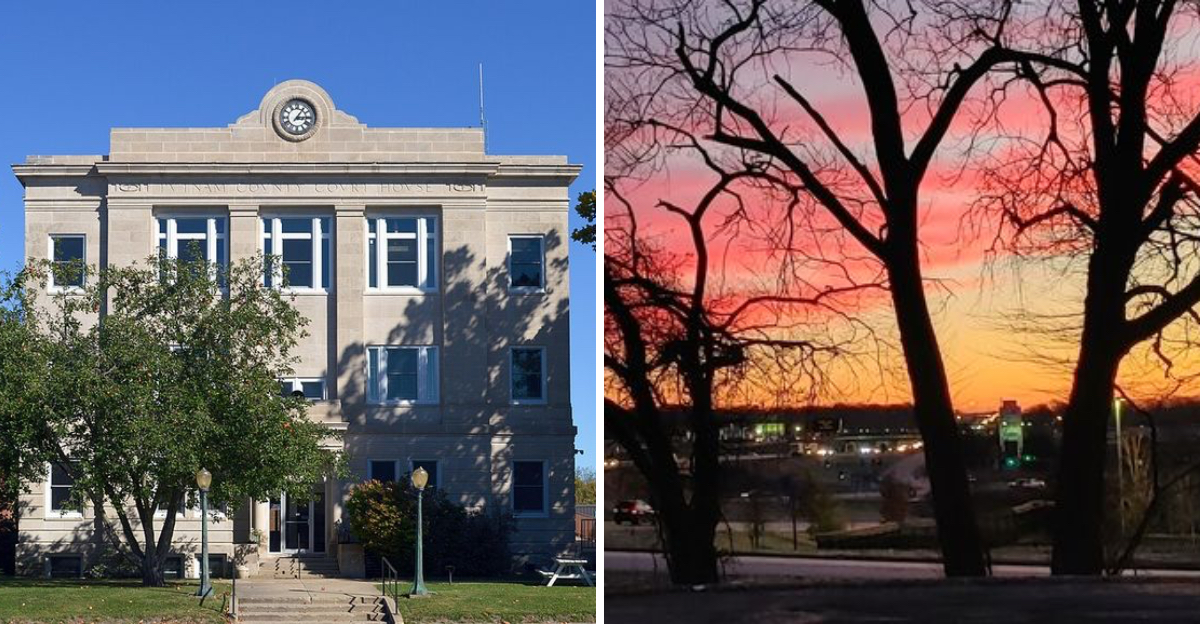
6. Putnam County and Unionville, Missouri
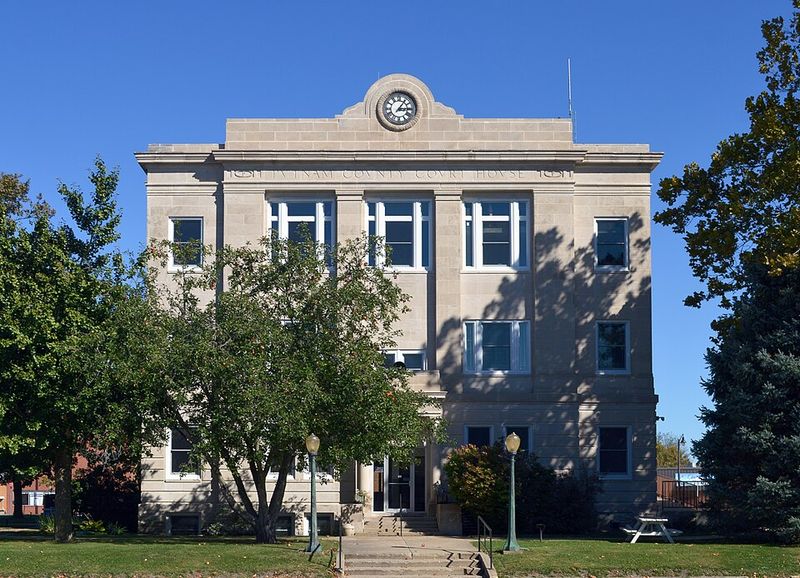
Rural Missouri tells a different version of this story, and Putnam County tells it as clearly as anywhere in the state.
Leading rural declines with a 2.2% population drop, this county and its county seat of Unionville are experiencing the kind of slow erosion that does not make headlines but reshapes communities over generations.
Unionville is a small town where everyone knows their neighbors, where the local diner has been in the same family for decades, and where the rhythm of life runs on agricultural cycles.
But that familiarity cannot stop young people from leaving when opportunity is limited and housing costs, while lower in absolute terms, are increasingly out of proportion with local wages.
Property taxes in rural Missouri are generally lower than in urban areas, but so are incomes. When a tax bill rises even modestly in a county where median household earnings are already stretched, the impact is proportionally severe.
I made a point of stopping in Unionville on a cross-state drive, and the quietness of the main commercial block was striking. A few businesses remained open and clearly loved by their regulars, but the gaps between them told a story of gradual contraction.
The school district has seen enrollment decline, which triggers funding reductions, which in turn affects the quality of local education, which gives families one more reason to consider relocating. It is a cycle that rural communities across the country know well.
Putnam County also lacks the broadband infrastructure that would allow remote workers to plant roots here. That gap is one of the most solvable problems on this list, and also one of the most frustratingly slow to address at the policy level.
7. Jennings, Missouri
Jennings sits just north of St. Louis City in St. Louis County, and it has experienced steady multi-year resident losses that reflect both local challenges and the broader pressures reshaping north county.
This is a working-class community with deep roots and a strong sense of neighborhood identity. People here are not leaving because they want to.
Many are leaving because the financial math has tipped against them in ways that feel impossible to ignore.
Property tax burdens in Jennings are felt acutely because home values have not risen as dramatically as in wealthier parts of the metro, meaning residents pay a higher effective rate relative to what their property is actually worth on the open market.
That disconnect is one of the more frustrating aspects of how property taxation works in practice.
I spent time in Jennings talking with people outside a community center, and the conversations were candid.
Long-term residents described watching neighbors leave one by one, often for communities in St. Charles County or for states like Texas and Tennessee where the overall cost of living feels more manageable.
The city has worked to attract investment and improve public spaces, and there have been genuine wins in recent years. But progress at the municipal level struggles to outpace the economic forces pulling residents away.
Schools in Jennings have faced their own pressures, with enrollment shifts affecting programming and resources. For families with young children, school quality is often the deciding factor when weighing whether to stay or go.
Jennings has the bones of a resilient community. What it needs most is sustained investment and policy attention that matches the scale of the challenge it faces.
8. Bellefontaine Neighbors, Missouri
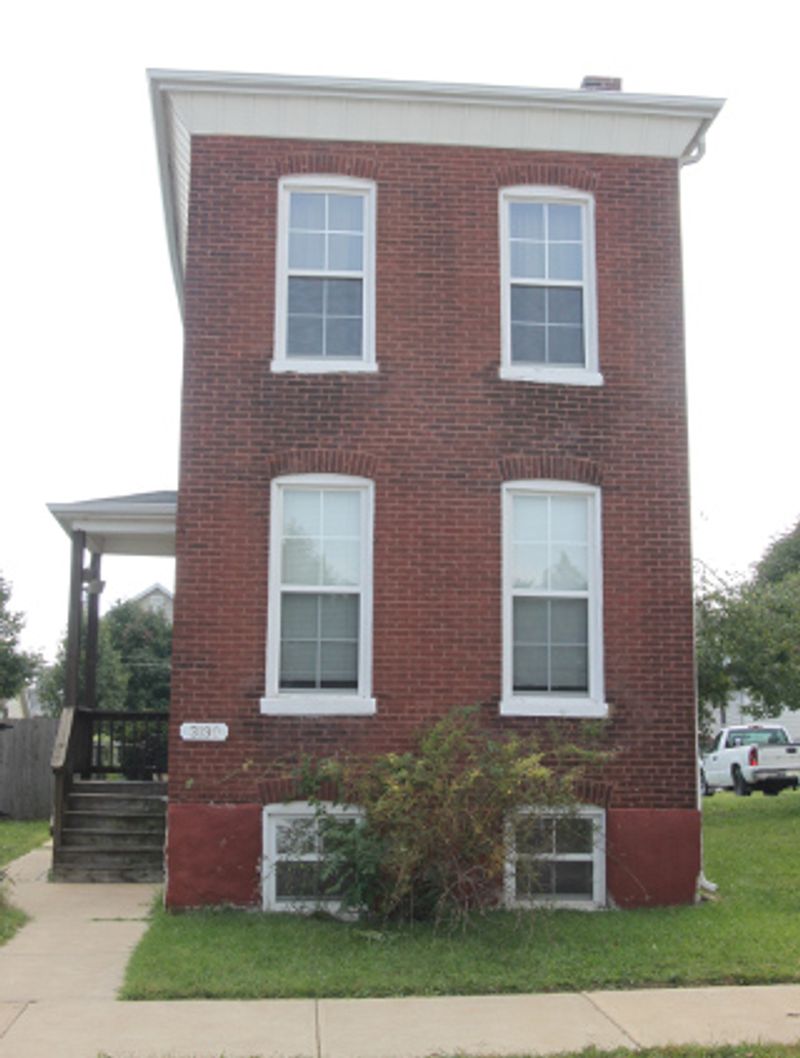
The name Bellefontaine Neighbors carries a certain optimism in it, a sense of community and connection baked right into the city’s identity. But this north St. Louis County suburb is part of the wider migratory outflow that has been reshaping the region since well before 2020.
Established largely in the postwar period, Bellefontaine Neighbors was designed for a version of suburban life that centered on stability, homeownership, and proximity to St. Louis employment.
All three of those anchors have weakened over time as the regional economy has shifted and housing costs have climbed relative to local incomes.
Property assessments here have risen alongside county-wide trends, and for homeowners who purchased modestly and planned to stay long-term, the increases have been jarring.
Some residents have described receiving reassessment notices that felt completely disconnected from what they see when they look at their street.
I found Bellefontaine Neighbors to be one of those places where the physical environment is well-kept enough but carries a sense of transition. Homes are maintained, yards are tended, but the for-sale signs appear with a frequency that suggests more people are leaving than arriving.
The community does have genuine strengths, including access to parks along the Missouri River bluffs and a tight-knit network of civic organizations that keep local life engaged and purposeful.
But civic pride alone cannot absorb the pressure of a regional pattern that has been pulling residents westward and southward for years. Bellefontaine Neighbors needs regional policy solutions, not just local determination, to meaningfully reverse its population trajectory.
It remains a place worth rooting for, and plenty of people who live there are doing exactly that every single day.
9. Berkeley, Missouri

Berkeley occupies a particular slice of north St. Louis County geography, sitting adjacent to Lambert-St. Louis International Airport in a zone where industrial land use and residential neighborhoods have long existed in an uneasy proximity.
Ongoing industrial and residential population shifting has defined Berkeley’s recent trajectory, as the community navigates the tension between its economic assets and the livability concerns those same assets create for the people who live nearby.
Airport noise, traffic patterns, and industrial zoning decisions have all played roles in shaping where people choose to live and whether they choose to stay. When a neighborhood’s character is partly defined by what surrounds it rather than what is within it, retention becomes an uphill challenge.
I visited Berkeley on a gray morning and found a community that felt genuinely caught between identities. Some blocks showed clear investment and care, while others reflected years of disinvestment and demographic churn that makes sustained neighborhood improvement difficult to achieve.
Property tax burdens here mirror those across north county, high relative to market values in ways that squeeze homeowners without providing proportional returns in services or infrastructure quality.
The city has assets worth developing, including its position within the regional airport corridor and proximity to major transportation routes. Economic development anchored in those strengths could potentially create a stabilizing effect on the residential side.
But that kind of transformation requires coordinated effort across municipal, county, and state levels, and it requires time that departing residents are not necessarily willing to wait through.
Berkeley is a community in genuine flux, and the next several years will likely determine whether it finds a new equilibrium or continues along its current downward demographic path.
10. Ferguson, Missouri

Ferguson carries a weight in the national conversation that most small Missouri cities do not, and that context shapes how any discussion of its population trends must be approached with care and honesty.
Since the 2020 census, Ferguson has followed a consistent downward demographic trajectory, reflecting both the specific history of this community and the broader economic forces compressing north St. Louis County as a whole.
Property taxes and housing costs are part of the story here, but so is the lingering uncertainty that can follow a period of significant civic disruption.
When a community becomes a symbol of something larger than itself, the path back to everyday stability is longer and more complicated than outside observers often appreciate.
I walked through Ferguson’s residential streets and its downtown commercial corridor, and I found a place that is genuinely trying. Local businesses have opened, murals have gone up, and community organizations are active and visible.
The effort is real and it deserves recognition.
But population numbers respond slowly to positive momentum, and the families who have left in recent years made decisions based on a combination of financial pressure, school concerns, and a desire for environments that felt more settled and predictable.
Ferguson’s school district has faced its own enrollment pressures, which feed back into the broader cycle of residential outmigration that affects north county communities broadly.
The city’s location is genuinely convenient, with good highway access and proximity to employment centers. Those practical advantages could support recovery if paired with meaningful investment in housing affordability and school quality.
Ferguson is a place I believe in, not because of what it has been through, but because of the people I saw still showing up for it every day.
