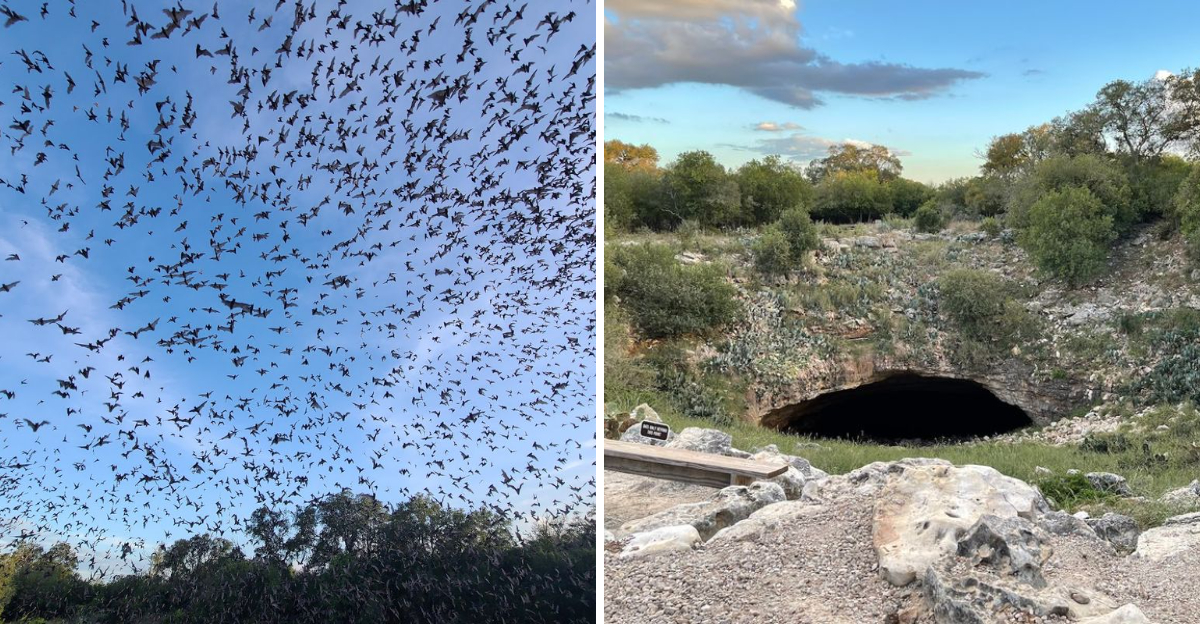
Imagine standing outside a cave as the sun begins to set, waiting for something truly remarkable to happen. The sky starts to darken, but not from clouds.
A massive stream of bats begins to pour out of the cave, creating a swirling cloud that stretches across the horizon. More than 10 million of them emerge on a single summer evening, a phenomenon that has to be seen to be believed.
This Texas cave is home to the largest bat colony in the world, and the nightly emergence is a wildlife event like no other. The preserve offers a viewing area where visitors can watch this natural spectacle unfold.
The sheer number of bats is staggering, and the sound of their wings is unforgettable. It is a reminder of the incredible wildlife that calls Texas home.
A person could watch for an hour and still be amazed. This is one of those experiences that stays with you long after the bats have flown off into the night.
The World’s Largest Bat Colony and What That Actually Means
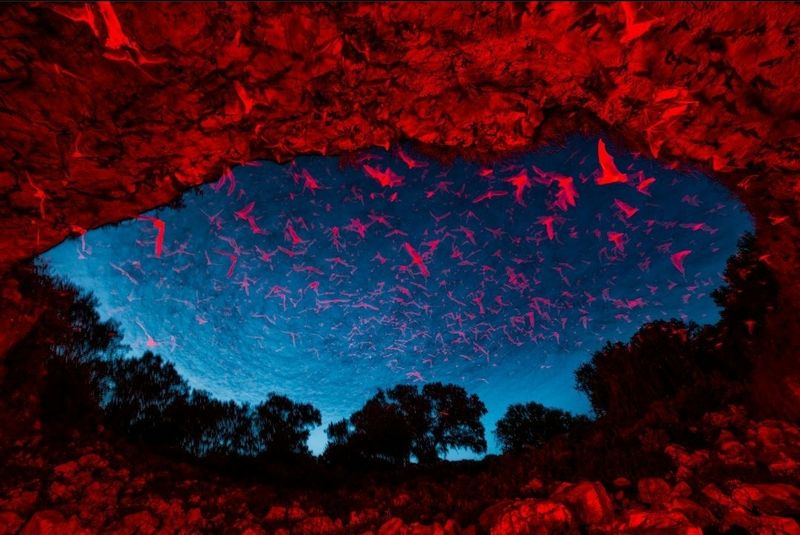
Numbers on paper rarely hit the same way as numbers in real life. When you read “15 to 20 million bats,” your brain struggles to picture it, but the moment that column starts rising from the cave entrance, the scale becomes undeniably real.
Bracken Cave Preserve is recognized globally as the site of the largest known bat maternity colony on Earth.
The residents are Mexican free-tailed bats, scientifically known as Tadarida brasiliensis, a species that migrates annually from Mexico, Central America, and South America to raise their young in this limestone cave in the Texas Hill Country.
The colony starts with somewhere between 8 and 10 million bats when the females arrive in March and April. By mid-June, each female has given birth to a single pup, and the population essentially doubles overnight.
That is when the cave reaches its most staggering numbers.
What makes this colony so significant goes beyond the spectacle. Bracken Cave is a critical anchor point in the annual migration route of Mexican free-tailed bats across the continent.
Losing it would have ripple effects across ecosystems stretching thousands of miles. Bat Conservation International has worked hard to protect the land surrounding the cave, growing the preserve to 1,458 acres with an additional 3,462 contiguous acres co-managed with The Nature Conservancy.
The cave itself sits quietly in the landscape, giving no outward hint of the extraordinary life pulsing inside it. That contrast between stillness and spectacle is part of what makes arriving here feel genuinely surprising.
The Bat-nado, Nature’s Most Jaw-Dropping Exit
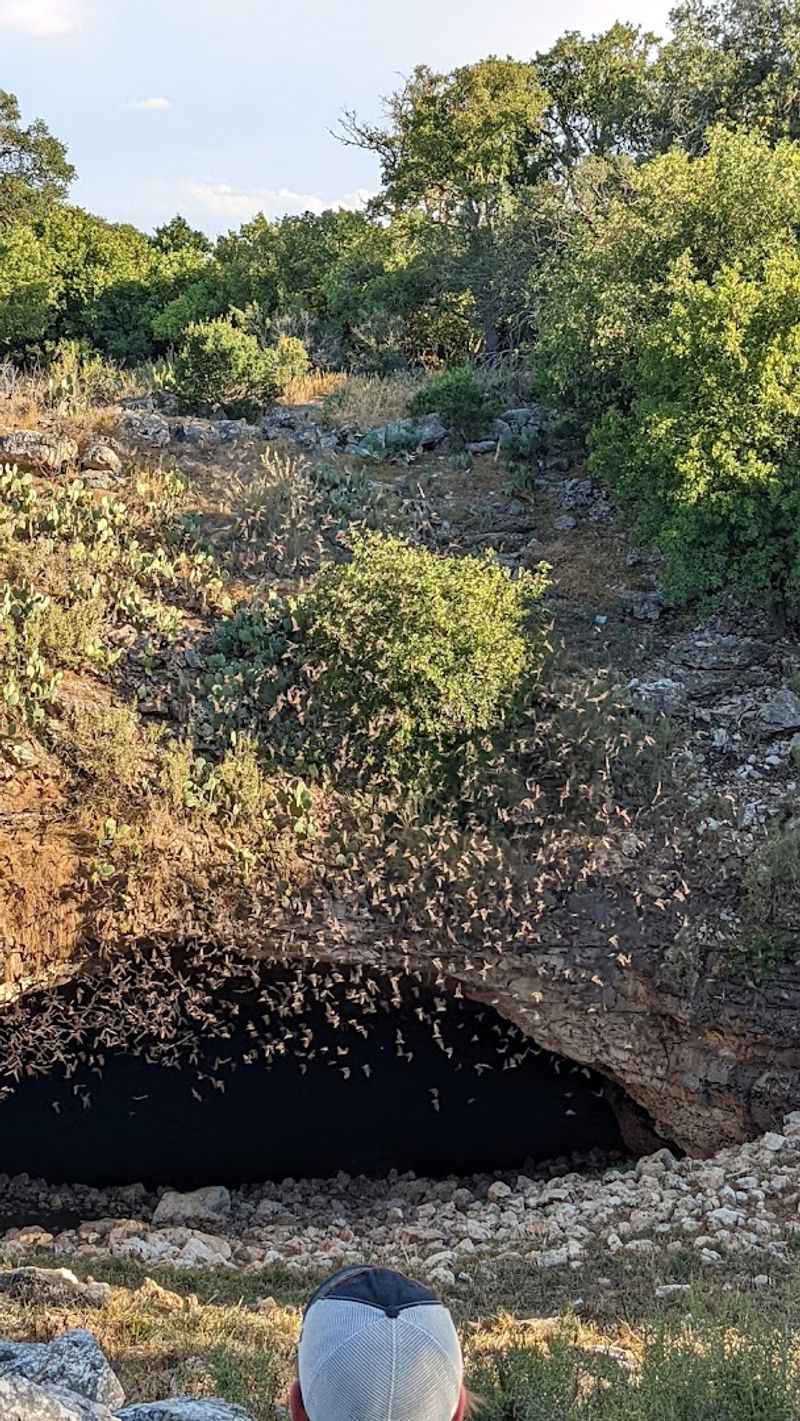
Nobody warns you about the sound. Before a single bat clears the cave entrance, you can hear a low, building hum rising from underground, like distant applause growing closer.
Then the first bats appear, and within minutes the sky is thick with movement.
The emergence is commonly called a “bat-nado” because of the spiraling, tornado-like shape the bats form as they rise. They circle upward in a tight column before fanning out across the darkening sky to hunt.
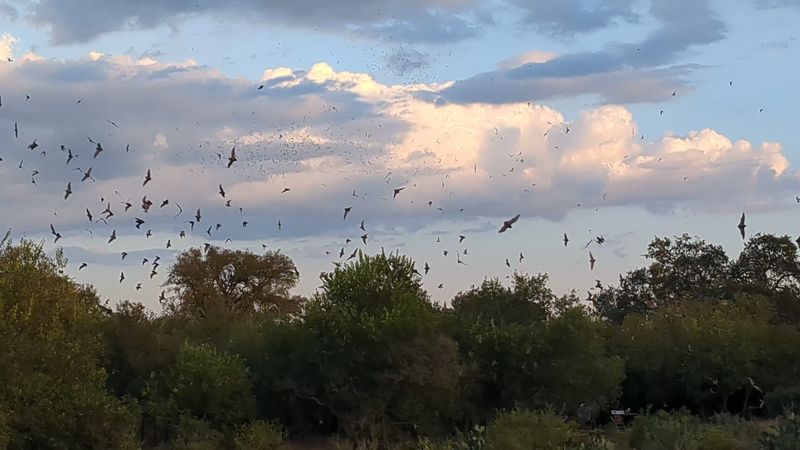
This is not a quick event. On busy summer nights, the emergence can last three to four hours as the sheer volume of bats cycles out of the cave in continuous waves.
The physical sensation of being nearby is something that surprised me completely. There is a breeze generated by millions of wings moving in unison, a faint rhythmic pressure in the air that you feel on your skin.
The sound shifts from a soft flutter to something closer to rolling thunder as the column thickens.
The volume of bats is so enormous that the emergence actually shows up on weather radar. Meteorologists in San Antonio have tracked the nightly flights as radar signatures moving outward from the cave location, which is a strange and wonderful piece of trivia to share afterward.
Flash photography is strictly prohibited during the event, so leave the flash off and just absorb it. No photograph fully captures the feeling anyway.
Some experiences are meant to live in memory rather than on a screen.
Baby Bat Season and the Creche Phenomenon
Mid-June at Bracken Cave marks one of the most remarkable biological events in North America. Every pregnant female in the colony gives birth at roughly the same time, flooding the cave with newborn pups almost simultaneously.
The pups cannot fly at birth, so they cling to the cave walls while their mothers head out each night to hunt. To stay warm and safe, the pups cluster together in dense groups called creches.
These nursery clusters can pack as many as 400 to 500 pups per square foot, which is a density that is hard to visualize until you see photographs from inside the cave.
Each mother returns from her nightly hunt and locates her own pup among millions of others using a combination of unique calls and scent.
The precision of that recognition, repeated millions of times every single night, is one of those biological details that makes you quietly rethink how you define intelligence in animals.
By late July, the pups are ready to fly for the first time. They join the nightly emergence, adding their numbers to the already massive column rising from the cave.
This is when the bat-nado reaches its most spectacular peak, and it is the best time of summer to visit if you want the full experience.
The creche system is also why the preserve takes such care to limit disturbance during this period. Any significant disruption during birthing season could cause mothers to abandon pups, which would be catastrophic for the colony’s survival.
The Ecological Superpower of 15 Million Hungry Bats
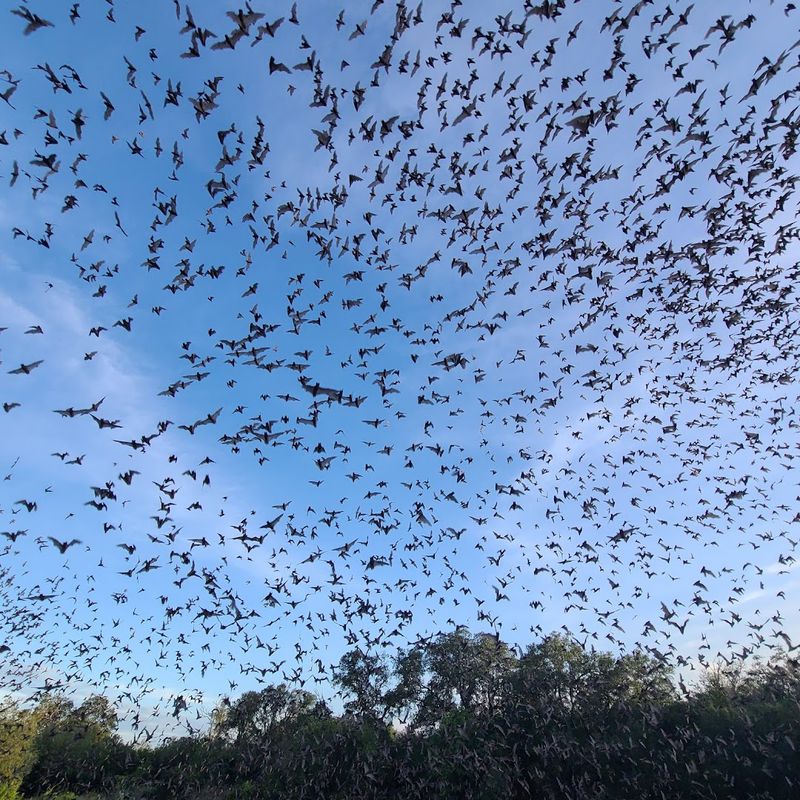
Fifteen million bats need a lot of food, and what they choose to eat turns out to be incredibly good news for Texas farmers. The Bracken colony consumes over 100 tons of insects on a single summer night, and a significant portion of those insects are agricultural pests.
Cotton bollworm moths and army cutworm moths are among the primary targets. These are insects that cause serious damage to crops across the region, and the bats essentially provide a natural pest control service on a scale no human-designed system could replicate.
Researchers estimate that the colony saves local agriculture billions of dollars in crop damage and pesticide costs each year.
Mexican free-tailed bats are genuinely extraordinary flyers. They can reach speeds of up to 60 miles per hour, making them among the fastest bats in the world.
They hunt at elevations between 3,000 and 10,000 feet, and a single bat can travel more than 100 miles in one night chasing food.
That combination of speed, range, and appetite means the colony’s influence spreads far beyond the immediate area around the cave.
Farms and ecosystems across a wide swath of south-central Texas benefit from the nightly flights of these bats in ways that most people never think about when they sit down to eat.
Understanding this ecological role changes how the spectacle feels. The emergence is not just a visual wonder.
It is millions of tiny engines powering a regional food system every single night of the summer.
Bat Conservation International and the Story Behind the Preserve
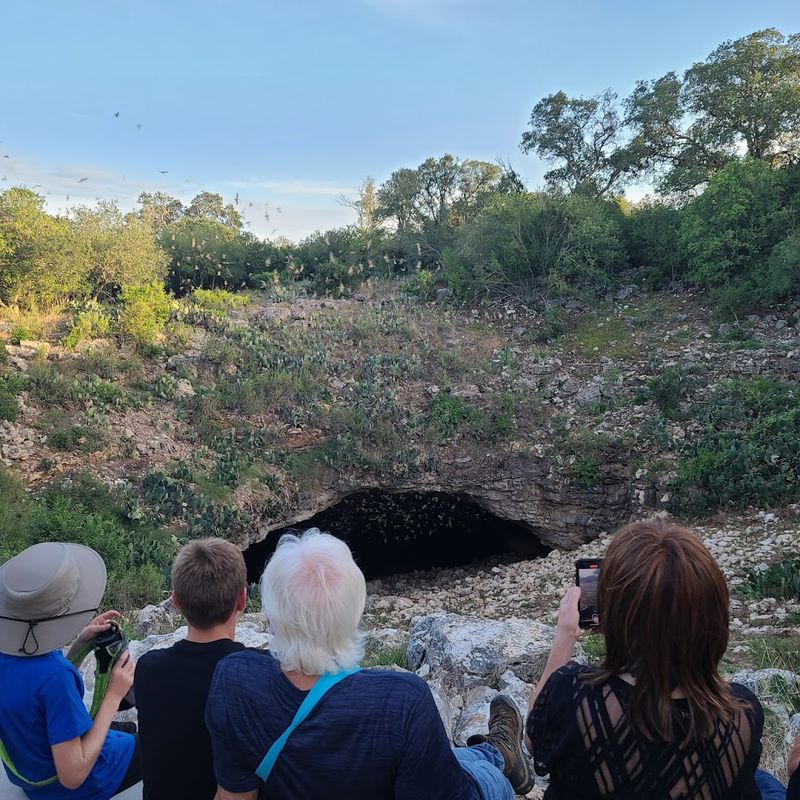
Bracken Cave did not become a protected preserve by accident. The story behind its conservation is one of deliberate, sustained effort by people who understood exactly what was at stake.
Bat Conservation International, known as BCI, acquired the cave and its surrounding land in 1992 after recognizing the site as irreplaceable.
Over subsequent years, through additional land purchases and partnerships, the preserve grew to its current size of 1,458 acres, with an additional 3,462 contiguous acres co-managed alongside The Nature Conservancy.
The reason that buffer land matters so much comes down to two threats: urbanization and light pollution. San Antonio is one of the fastest-growing cities in the United States, and the suburban edge has been creeping steadily toward the Hill Country.
Without protected land surrounding the cave, development would eventually push right up to the entrance, exposing the colony to artificial light and human disturbance that could disrupt or destroy it.
BCI also actively monitors the cave for white-nose syndrome, a fungal disease that has devastated bat populations across North America. The fungus causes bats to wake prematurely from hibernation, burning through their fat reserves before winter ends.
Early detection and ongoing research are critical to preventing an outbreak at Bracken.
The preserve represents what conservation looks like when it prioritizes long-term ecological health over short-term convenience. Visiting here feels like participating in something larger than a single evening’s experience.
You are standing on land that was deliberately kept wild so that something extraordinary could keep happening.
How to Actually Get a Reservation and What to Expect
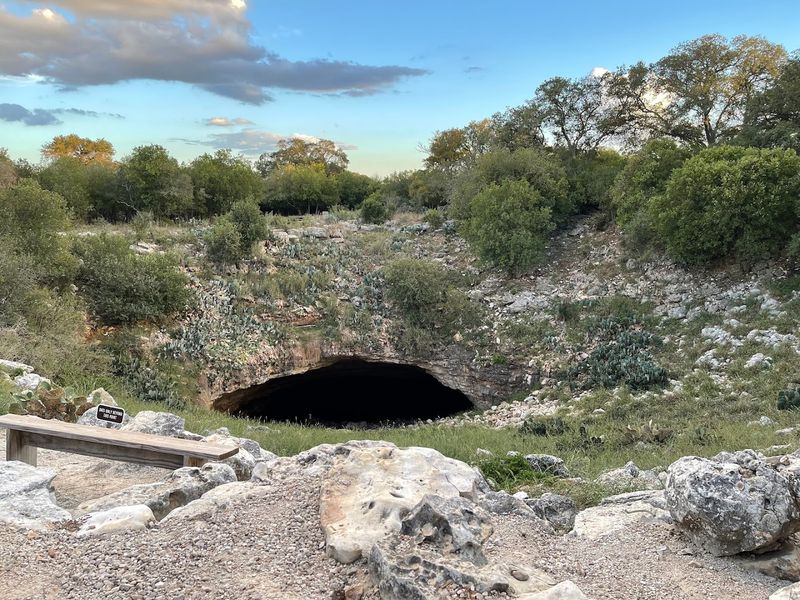
Getting access to Bracken Cave is not like booking a state park campsite. The preserve operates on a controlled access model designed to protect the colony from disturbance, which means walk-ins are simply not a thing here.
Visitation is primarily available to members of Bat Conservation International and their partners. Membership opens up access to advance reservations for summer viewing nights, which typically run from May through September.
Some limited public viewing opportunities may become available, but all visits require prior booking. There are no tickets sold at the gate, ever.
Once you have a reservation, BCI communicates the exact arrival time about three days before your visit. Timing varies based on when bats are expected to emerge, generally falling somewhere between 6:00 PM and 7:30 PM Central Time.
Flexibility is part of the deal since the bats follow their own schedule, not ours.
When you arrive, an expert naturalist gives an educational talk before the emergence begins. This is genuinely worth paying attention to because the context it provides makes the spectacle significantly more meaningful.
You go from watching a cool natural event to understanding a complex ecological system in real time.
The path to the viewing area covers about 100 yards of mulched trail, and the terrain is natural and uneven. Bench seating is available, and there is a port-a-potty on site.
The setting is deliberately minimal because the focus is entirely on the cave, the bats, and the sky above you.
What to Pack for a Summer Evening at the Cave
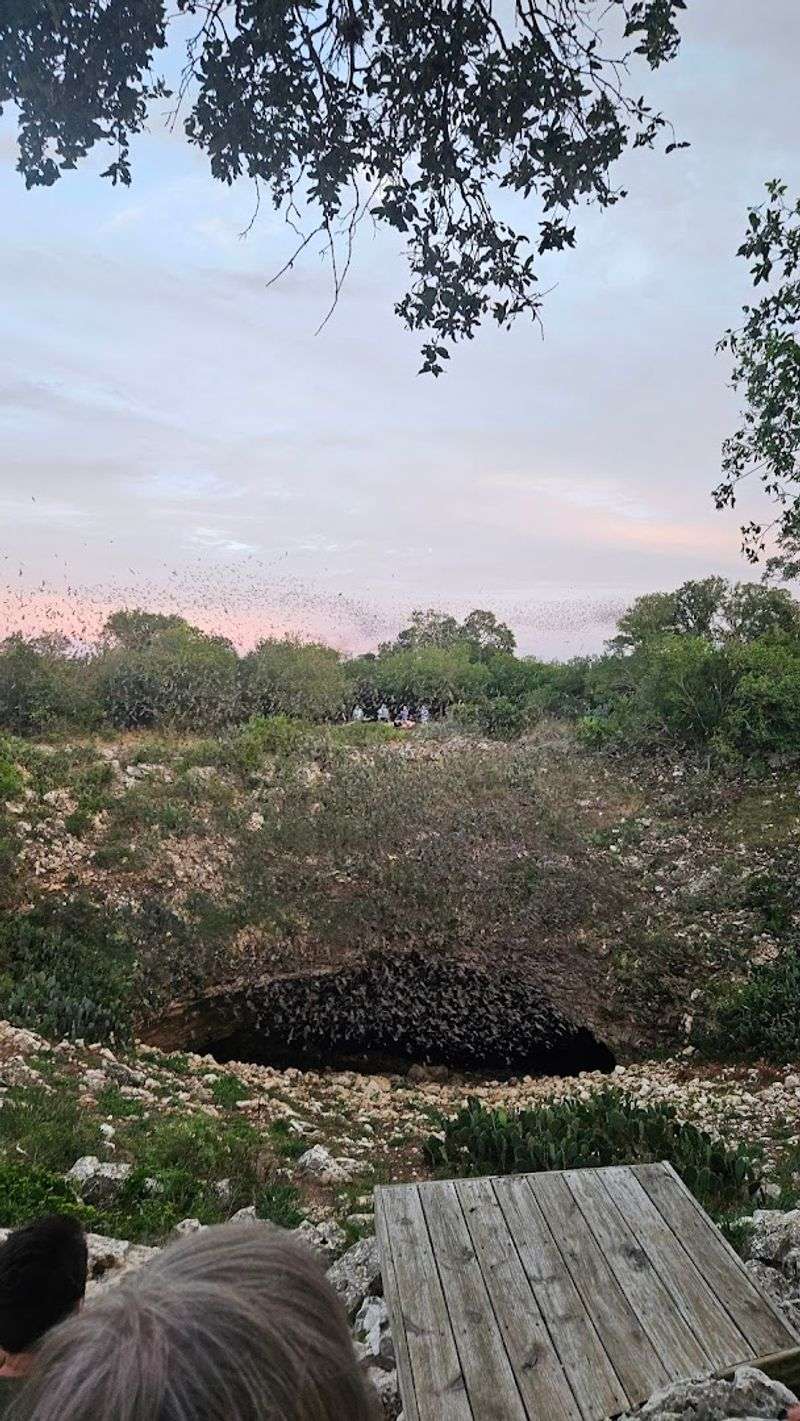
A little preparation goes a long way when you are heading to a natural preserve in the Texas Hill Country on a summer evening. The heat alone makes packing smart a genuine priority, not just a suggestion.
Closed-toe shoes are a must. The pathway to the viewing area is natural ground, and the surrounding landscape is home to snakes, spiders, and other wildlife that share the space with visitors.
Comfortable clothing appropriate for Texas summer temperatures will keep you focused on the bats rather than the heat. Temperatures can still be high even as the sun drops.
Bring more water than you think you need. A hat and sunscreen are useful for the time you spend waiting before the emergence begins, since the pre-show educational talk happens while daylight is still present.
Insect repellent is a practical addition given the outdoor setting.
Binoculars make a noticeable difference. The column of bats rises high into the sky, and being able to track individual bats against the fading light adds a layer of detail to the experience.
A camera is welcome, but flash photography is absolutely prohibited. The bats are sensitive to sudden bright light, and the rule is strictly enforced for good reason.
Food is not permitted in the viewing area, so eat beforehand. Hand sanitizer is a sensible thing to carry given the natural environment.
Keep in mind that live cameras operate at the preserve, so your visit may be captured on film. None of this is a burden.
It is just part of treating a wild place with the respect it deserves.
The San Antonio Connection, Hill Country Beauty Within Reach
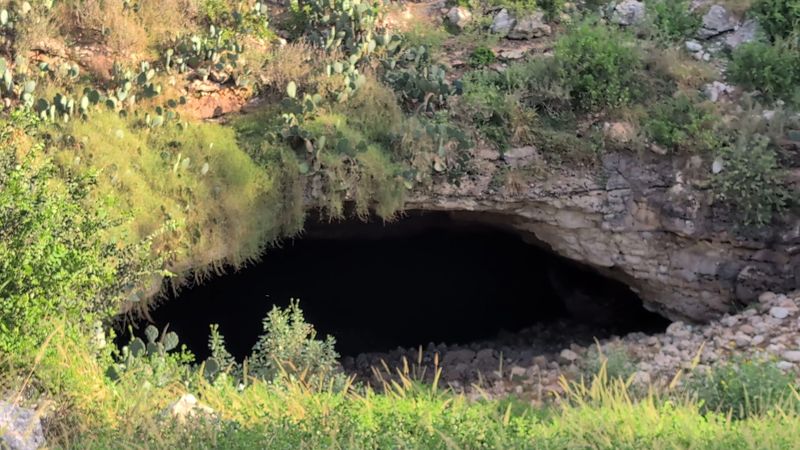
One of the genuinely surprising things about Bracken Cave Preserve is how close it sits to a major city. The preserve is less than 20 miles from downtown San Antonio, which means you can have dinner on the River Walk and still make it to the cave in time for the emergence.
That proximity makes it an easy addition to any San Antonio trip without requiring a dedicated day of travel. The drive takes you out of the urban grid quickly, moving through neighborhoods that thin out into the rolling limestone landscape of the Hill Country edge.
San Antonio itself offers plenty to explore before or after your cave visit. The San Antonio Missions, a UNESCO World Heritage Site, sit on the south side of the city and represent some of the best-preserved Spanish colonial architecture in North America.
The Pearl District on the northern stretch of the River Walk has become a hub for local food and culture worth an afternoon of wandering.
The Hill Country setting around the preserve is beautiful in its own right. Limestone outcrops, cedar and live oak trees, and the wide open Texas sky create a backdrop that feels different from the manicured parks closer to downtown.
There is a roughness to the landscape that suits the wildness of what happens at the cave each evening.
Pairing a cave visit with time in San Antonio makes for a genuinely full and varied Texas experience that is hard to replicate anywhere else.
Why This Experience Stays With You Long After You Leave
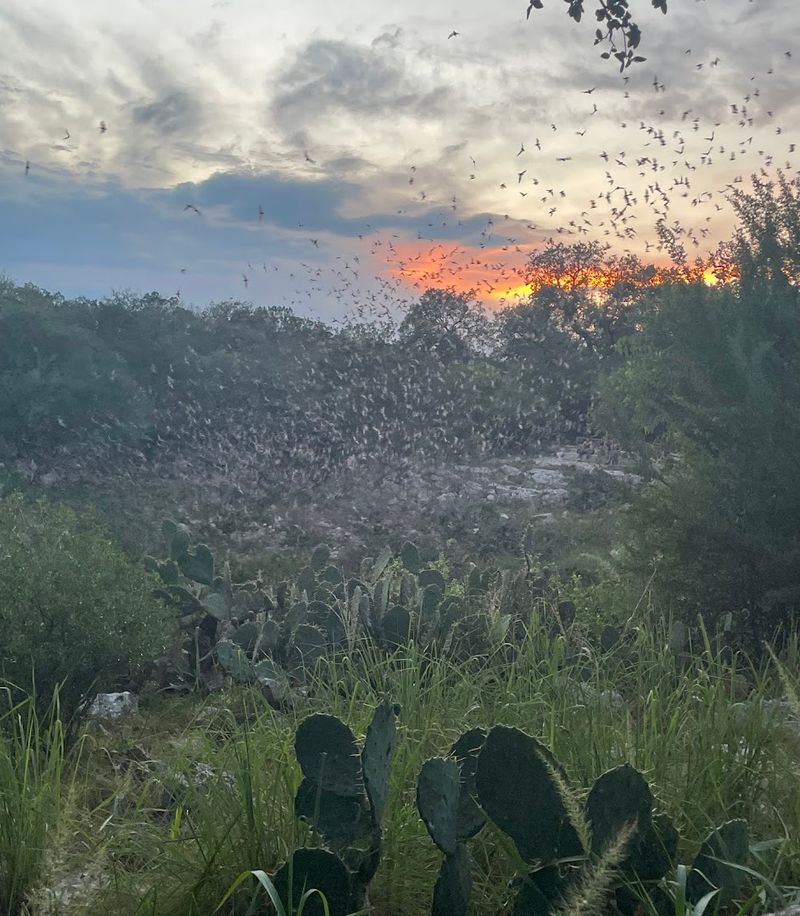
There are travel experiences you enjoy in the moment and forget by the following week, and then there are the ones that quietly rearrange something in how you see the world. Bracken Cave falls firmly into the second category.
Part of it is the scale. Human beings are not naturally wired to process 15 million of anything, and watching that number manifest as a living, moving, breathing column of wings rewires your sense of what nature is capable of.
It is humbling in the best possible way.
Part of it is the context. Knowing that those millions of bats are heading out to protect crops, support ecosystems, and sustain a migration route that spans two continents gives the spectacle a weight that pure visual wonder alone cannot provide.
You leave understanding something real about how the natural world functions, not just that something impressive happened in front of you.
There is also something about the effort required to be there. Because access is controlled and reservations are required, everyone in that viewing area chose to be present.
There is a shared attentiveness in the crowd that you rarely feel at open tourist attractions. People are genuinely watching, genuinely listening, genuinely moved.
I thought about Bracken Cave for weeks after visiting, turning details over in my mind. The sound of the wings.
The way the column caught the last light. The feeling of being a very small creature in a very large world.
That kind of experience is worth planning around.
Address: 7515 Bracken Cave Rd, San Antonio, TX 78266
