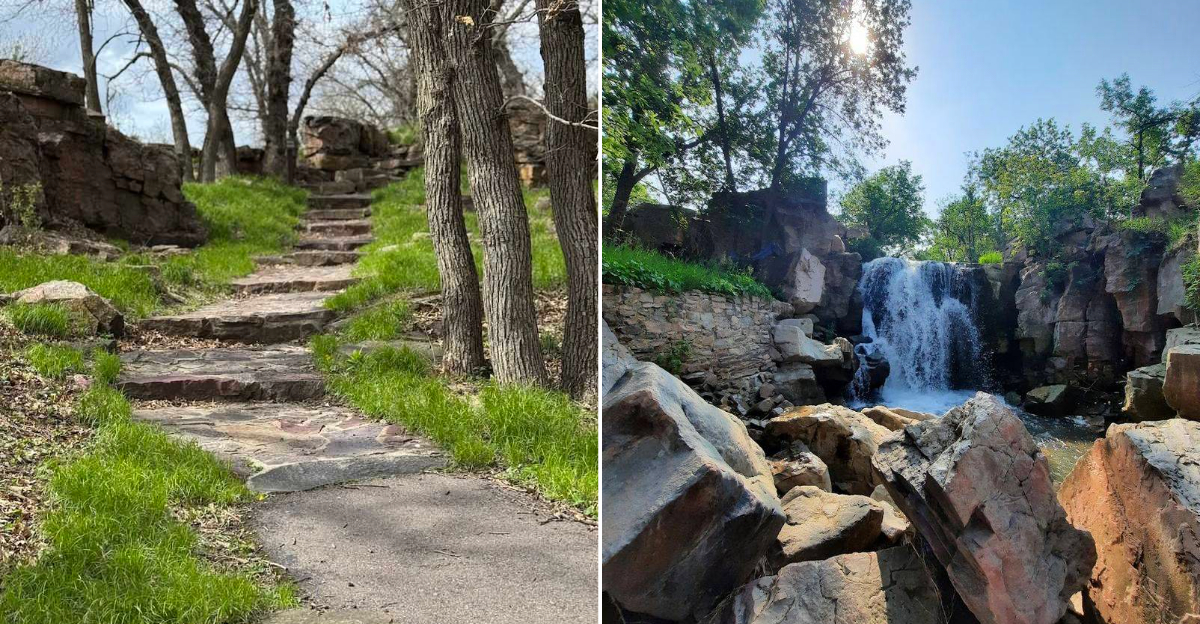
Pull over. You almost missed it.
This Minnesota national park hides quietly on the prairie, ignored by most road trippers who speed past on the interstate. But for thousands of years, Native Americans have made pilgrimages here to quarry a sacred red stone, a tradition that continues today.
The rock is soft and deeply spiritual, carved into ceremonial pipes by Indigenous artisans you can watch at the visitor center.
A short paved trail leads to active quarries, towering pink quartzite cliffs, and a hidden waterfall that spills over ancient rock. No crowds, no entrance fees, just a quiet place where history is still being made.
So which overlooked gem protects a centuries-old tradition and a 20-foot cascade, yet remains one of the most unknown sites in the National Park System?
Pack a picnic and discover this secret of the tallgrass prairie.
Why This Place Feels So Different
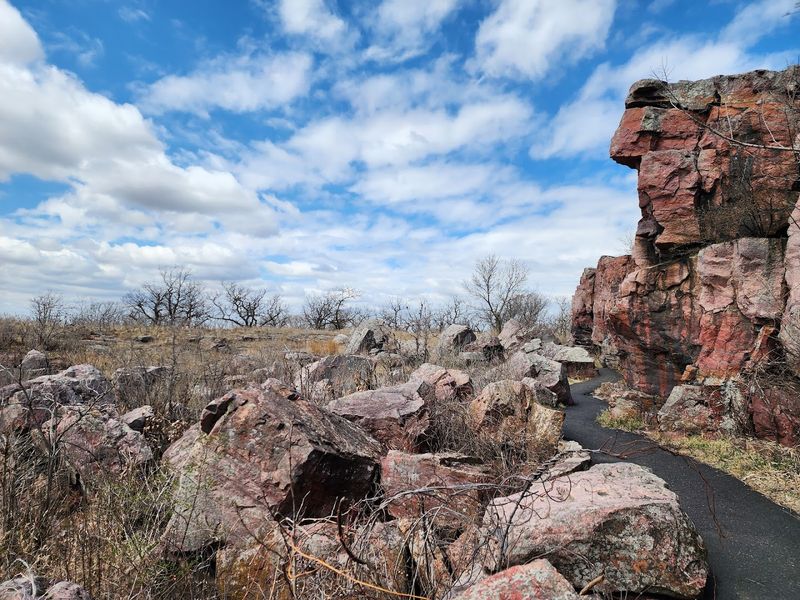
The first thing that struck me here was how quiet the land feels, even before you really know what you are looking at. You pull in expecting a scenic stop, and instead the whole place feels grounded, almost solemn, like it has its own pace and you are supposed to meet it there.
That mood matters, because Pipestone National Monument is not just pretty land in Minnesota.
This is a sacred quarry site where Indigenous people have gathered pipestone for generations, and you can feel that history in a way that is hard to fake. The soft red stone, also called catlinite, has long been used for ceremonial pipes, and the monument protects both the quarry and the traditions connected to it.
Once you know that, every trail bend and every exposed rock face starts carrying more weight.
I liked that the place never tries too hard to impress you with spectacle. Instead, it lets the prairie, the quartzite, and the sound of moving water do the work, and somehow that lands deeper.
If you are tired of places that feel overexplained or overbuilt, this one feels refreshingly direct, and that makes the whole visit easier to remember later.
Getting There And Knowing Where You Are
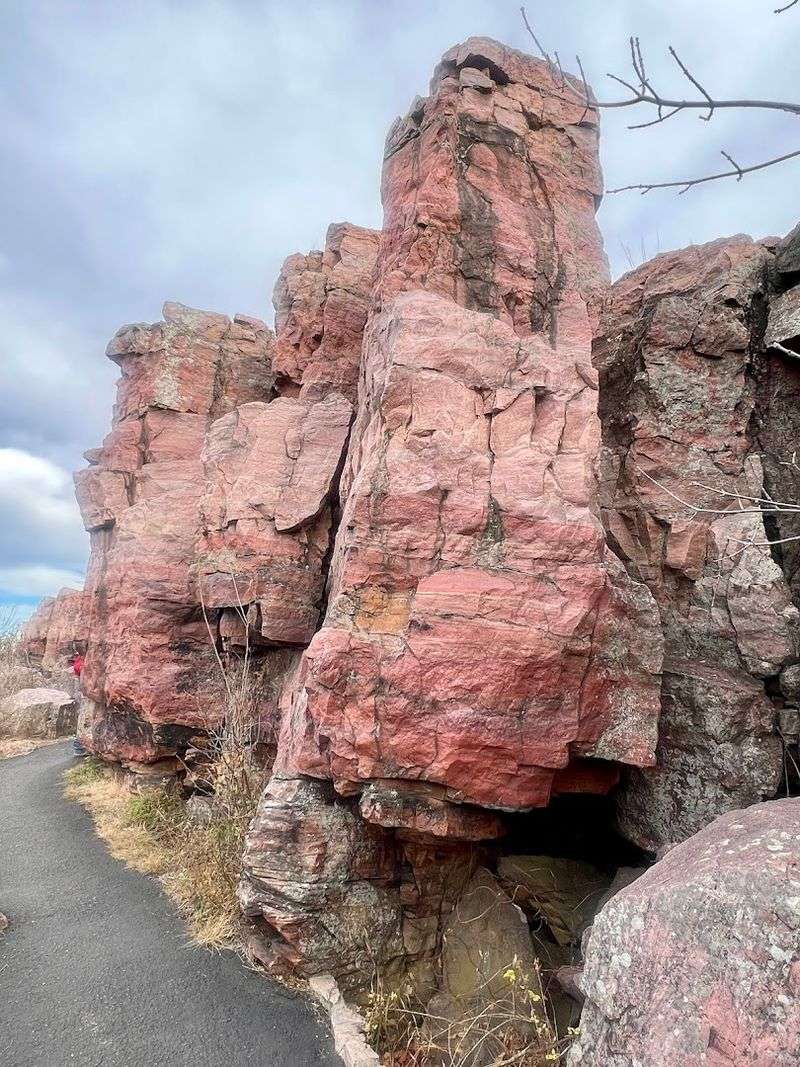
If you are the kind of person who likes to know exactly where a place sits before it starts meaning something, this helps. Pipestone National Monument is at 36 Reservation Avenue, Pipestone, Minnesota 56164, right in the southwestern corner of the state where the landscape opens up and the horizon starts doing a lot of the talking.
Getting there feels less like entering a resort area and more like arriving somewhere people actually still use and care about.
That matters because the monument is woven right into the town of Pipestone instead of being tucked far away behind a gate and a long approach road. You are not disappearing into wilderness here, at least not in the usual sense, and I think that surprises people.
The site feels deeply rooted in community, culture, and place, which gives the whole visit a different kind of texture.
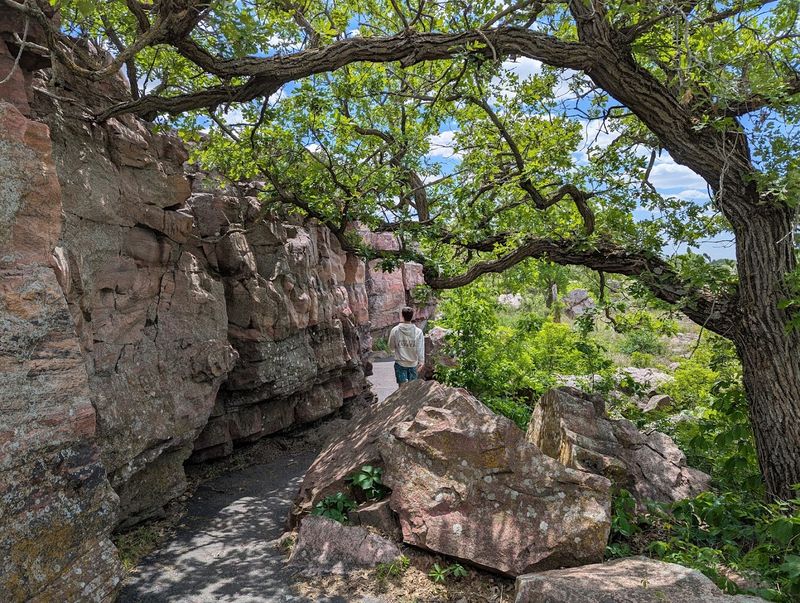
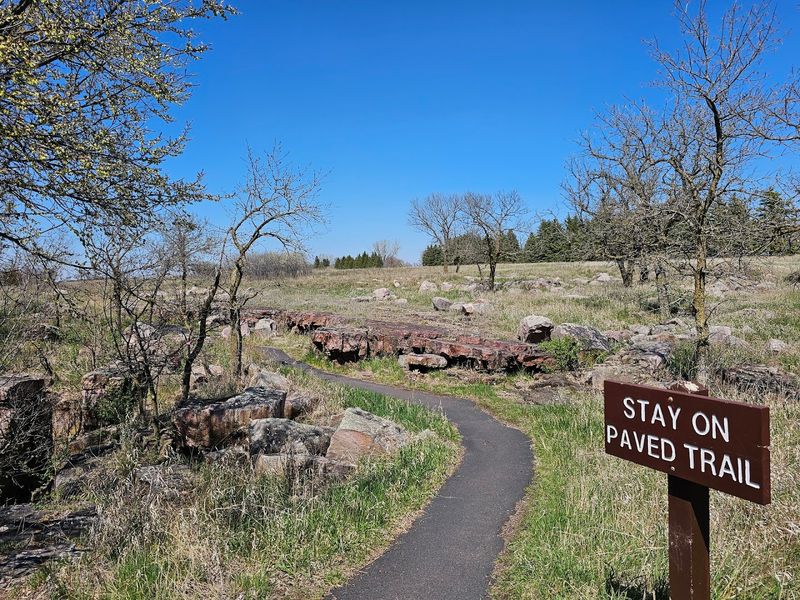
Once you park and start walking, the surroundings get simpler in a good way. Prairie grass, exposed stone, and a manageable trail system make it easy to settle in without any fuss.
If you have ever skipped a place because it sounded too small to matter, this is exactly the sort of stop that proves size is not really the point.
Winnewissa Falls Is Smaller Than You Think
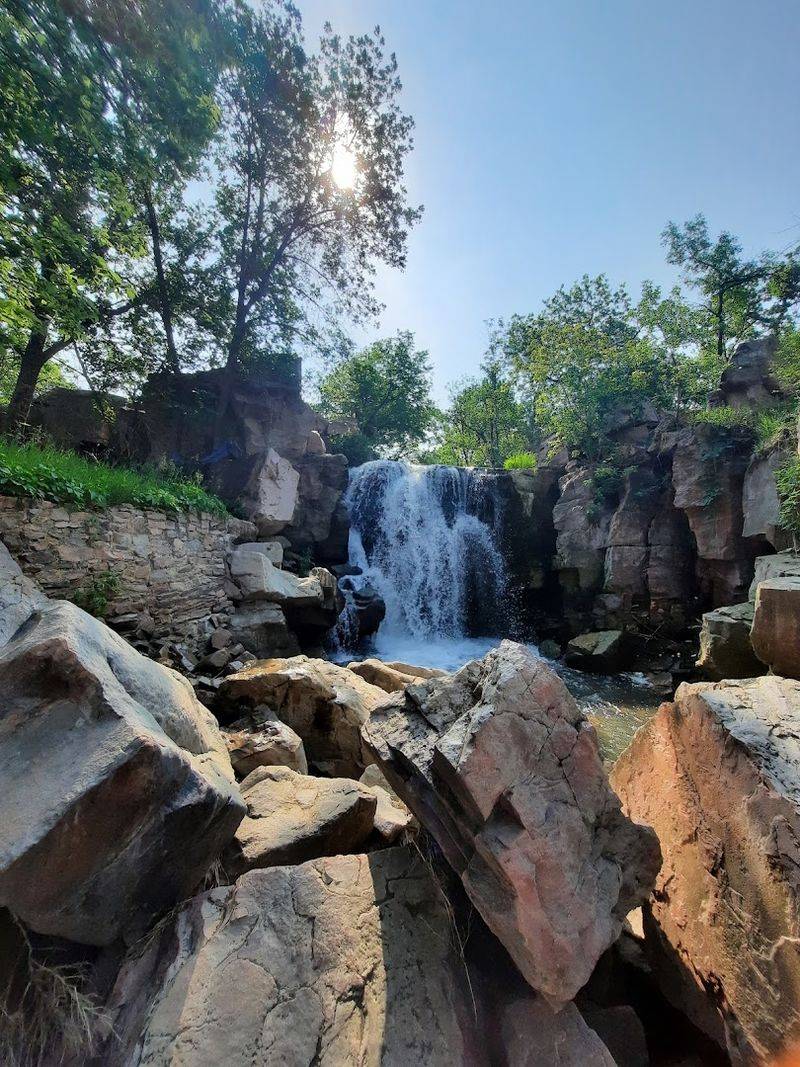
Let me say this upfront, because it actually makes the experience better. Winnewissa Falls is not some huge roaring waterfall that blows your hat off and sends you running for your camera.
It is smaller, quieter, and tucked into the monument in a way that feels completely right for the landscape around it.
That is exactly why I liked it so much. The water slides over the quartzite ledge with this steady, unshowy motion, and the red rock gives everything a warm tone that sticks in your head afterward.
Instead of overwhelming the place, the falls feel like part of the story the land is already telling, which makes it more satisfying than something obviously staged for attention.
I think a lot of people miss how much beauty there is in a feature that does not need to dominate the view. You stand there, hear the water, look at the stone, and suddenly the monument starts feeling more layered than it did from the parking lot.
If you have ever said you prefer places that feel real over places that feel dramatic, this corner of Pipestone absolutely understands the assignment without ever seeming like it is trying.
The Quarry Site Is The Heart Of It
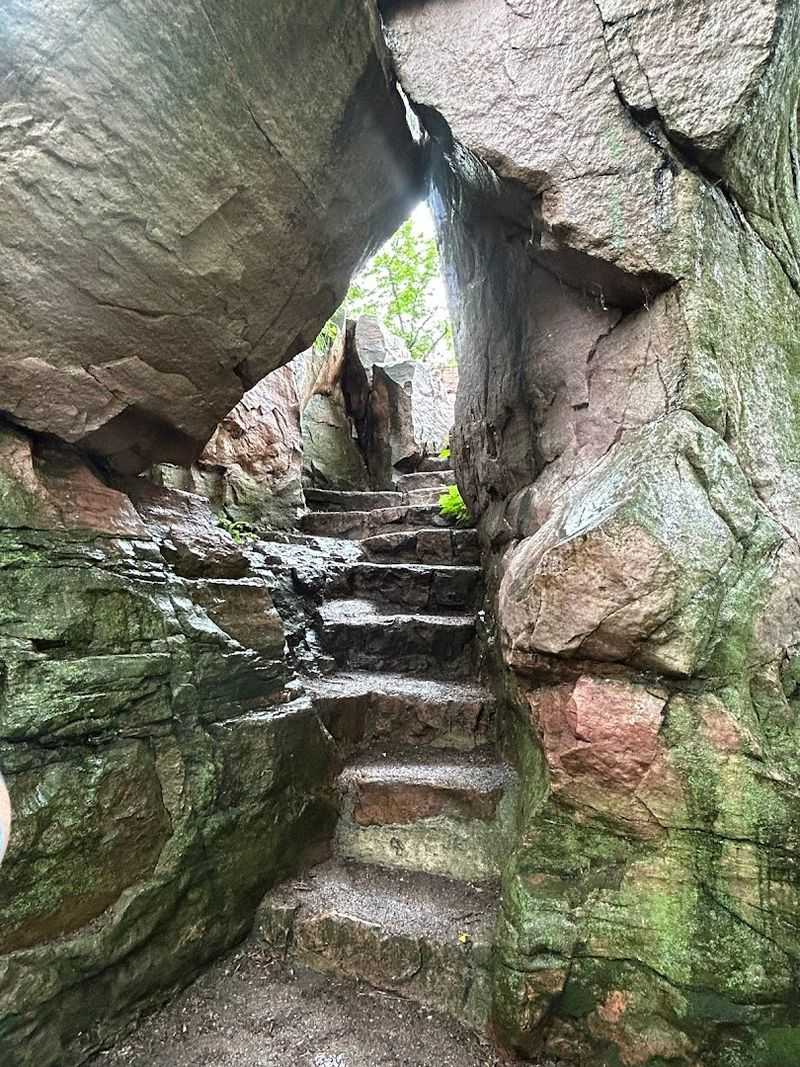
Honestly, the quarry is the reason this place stays with you, because everything else circles back to it. Seeing the area where pipestone is still quarried by hand makes the monument feel alive in the present, not sealed off in the past like a museum display.
That difference changes the whole tone of the visit.
Pipestone, or catlinite, has long been used by many Tribal Nations for ceremonial pipes, and the stone carries meaning far beyond what a quick roadside stop could ever explain. The monument protects the quarry, and enrolled tribal members can apply for permits to extract stone in traditional ways.
Knowing that makes you look at the land with more care, because it is not just interpretive scenery.
I found myself slowing down here without trying to. The exposed layers, the marks of work, and the understanding that people still come for this material give the place a sense of continuity that is pretty rare in travel.
Minnesota has plenty of scenic stops, but not many that make you think this clearly about living tradition, responsibility, and the difference between simply seeing a place and actually recognizing what it means to the people connected to it.
The Visitor Center Is Actually Worth Your Time
I know, visitor centers can be a mixed bag, and sometimes you walk in already planning your exit route. This one is worth lingering in, because it gives the landscape outside context without draining the life out of it.
Instead of drowning you in trivia, it helps you understand why the monument matters before you head farther in.
The exhibits explain the geology, the cultural significance of the stone, and the long history of quarrying in a way that feels clear and respectful. If there is a ranger talk happening, I would make time for it, because hearing the story spoken out loud lands differently than reading a panel on the wall.
You come away with enough grounding that the trail, the falls, and the quarry all make more sense afterward.
I also liked that the space feels manageable. You are not committing to a huge indoor detour, and that makes it easier to actually pay attention instead of skimming your way through.
In a place like Pipestone, where meaning is such a big part of the experience, a little background goes a long way, and this is one of those rare stops where the indoor portion genuinely sharpens what you notice once you are back outside in the Minnesota wind.
You Can Watch Stone Carving Up Close
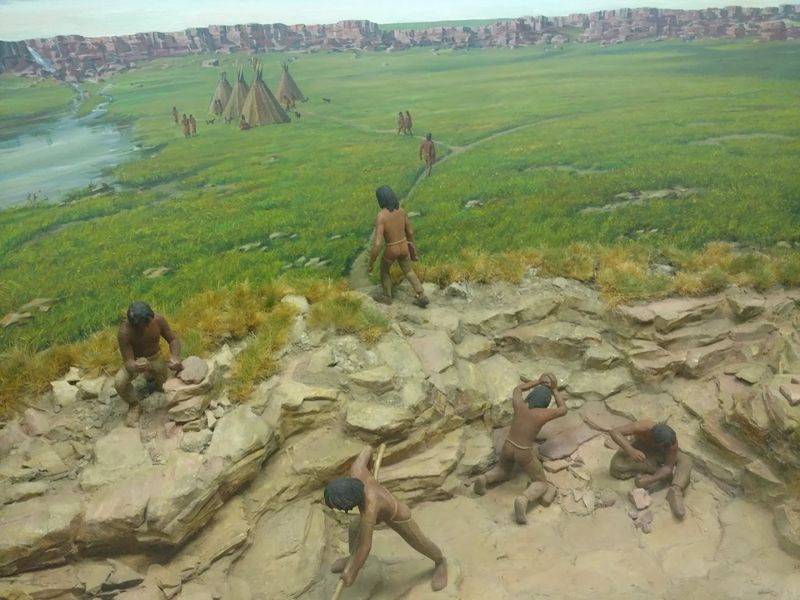
One of the coolest parts of visiting is seeing pipestone carving connected to real people and real skill instead of just a finished object in a case. When demonstrations are happening, the monument suddenly feels more personal, because you can watch the care, patience, and knowledge that go into shaping the stone.
That kind of experience sticks with you longer than any souvenir shelf ever could.
What I appreciated was how the craft brings the site back to the human scale. Out on the trail, it is easy to think in terms of geology and landscape, but watching carving reminds you that the stone has always been part of lived tradition.
The material, the hands, and the intention all come together in a way that quietly pulls you in.
If you travel a lot, you know how often historic sites separate the story from the people who carry it forward. Here, when you get the chance to see carving interpreted or demonstrated, that gap narrows in a meaningful way.
You leave with a stronger sense that Pipestone is not just about what happened before, but also about what continues now, and that makes this Minnesota monument feel more immediate, more grounded, and honestly a lot more memorable than many bigger-name places.
The Prairie Does More Than You Expect
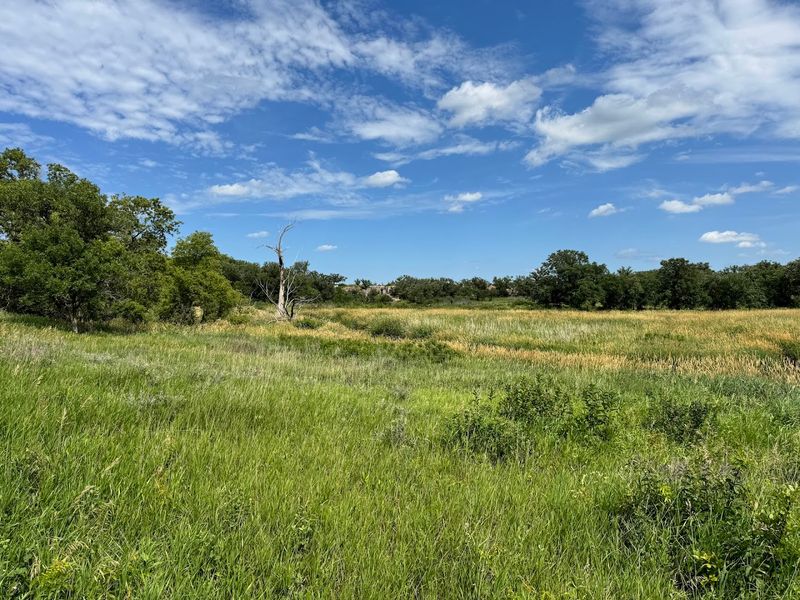
I think people who are used to mountains or thick forest sometimes underestimate prairie until they are standing in it with nowhere else to look. Then the openness starts working on you.
At Pipestone, the grass, sky, and distance create this calm, spacious feeling that makes everything else in the monument land more deeply.
The prairie here is not just background decoration around the rock features. It is part of the place’s whole personality, and the contrast between soft grassland and hard stone is a big reason the landscape feels so memorable.
Wind moving through the plants, birds crossing overhead, and that wide Minnesota sky give the monument a kind of gentle motion even when you are standing still.
I loved how this part of the visit made me slow my thoughts down a notch. There is not much visual clutter, and that simplicity helps you notice details you would probably miss elsewhere, like subtle shifts in color or the way the trail curves through the land.
If you have ever come home from a trip remembering a feeling more than a photo, that is what the prairie does here, and it quietly becomes one of the strongest parts of the whole experience.
The Town Of Pipestone Adds A Lot
Something I did not fully expect was how much the town itself adds to the monument visit. Pipestone is not trying to overwhelm you with attractions, and that is probably why it feels pleasant to wander for a bit after the trail.
The pace stays easy, and the connection between town, stone, and monument feels natural instead of forced.
You notice pretty quickly that the local identity is tied to the same material and landscape you just saw inside the monument. That continuity makes the whole outing feel more complete, because the story does not stop at the park boundary.
Walking around town gives you a better sense that this is not an isolated landmark dropped in the middle of nowhere, but part of a living place in Minnesota.
If I were talking a friend through the day, I would absolutely say not to rush off the second you finish the trail. Stretch the visit a little, look around, and let the town round out what you just experienced.
There is something nice about ending a meaningful outdoor stop with a simple drive or walk through a place that still reflects the same geology and history, because it keeps the monument from feeling detached from everyday life.
This Is The Kind Of Place You Remember Later
Some places hit you all at once, and some sneak up on you later when you are already home, and this one definitely falls into the second group. At first, Pipestone National Monument can seem modest, especially if you are used to dramatic national park scenery.
Then a few days pass, and you keep thinking about the quarry, the prairie, and the feeling of that quiet trail.
I think that happens because the monument gives you something more lasting than a quick visual thrill. It has beauty, sure, but it also has texture, meaning, and a kind of steadiness that makes the visit feel personal.
You do not need a packed itinerary to get something from it, and that is a relief if you are tired of travel that feels like performance.
Would I tell someone to go out of their way for it? Absolutely, especially if they want to see a part of Minnesota that does not get talked about nearly enough.
It is thoughtful, specific, and deeply tied to the people and stone that define it, and those are usually the places that hold up best in memory. This one does not shout for attention, which is exactly why it ends up earning it.
What To Know Before You Go
If you are thinking about going, my main advice is to arrive ready for a slower visit than the name national monument might suggest. This is not a race through major viewpoints, and it works best when you give yourself room to walk, read, listen, and just stand still for a while.
That slower pace is not a compromise here, because it is the whole point.
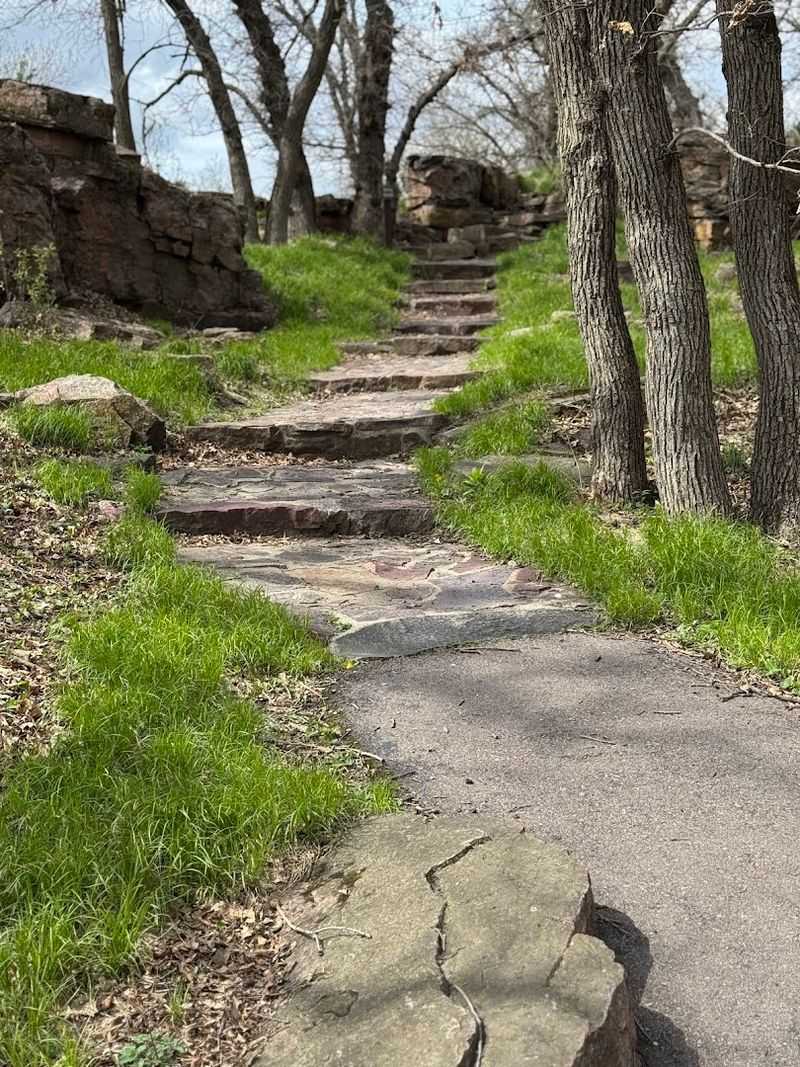
Comfortable shoes help, especially if you plan to do the trail and spend time around the quarry overlooks and falls. I would also pay attention to the weather, because open prairie can feel very different depending on wind, sun, or changing skies.
The monument is approachable, but the experience gets better when you treat it as a place to notice rather than a place to conquer.
Most of all, go in knowing this is a cultural landscape as much as a scenic one. If you carry that understanding with you, everything comes into focus more clearly, from the rock layers to the carved stone traditions tied to the site.
Pipestone National Monument may not be the Minnesota destination people casually name first, but once you have been there, it becomes surprisingly easy to recommend with real feeling instead of generic travel talk.
