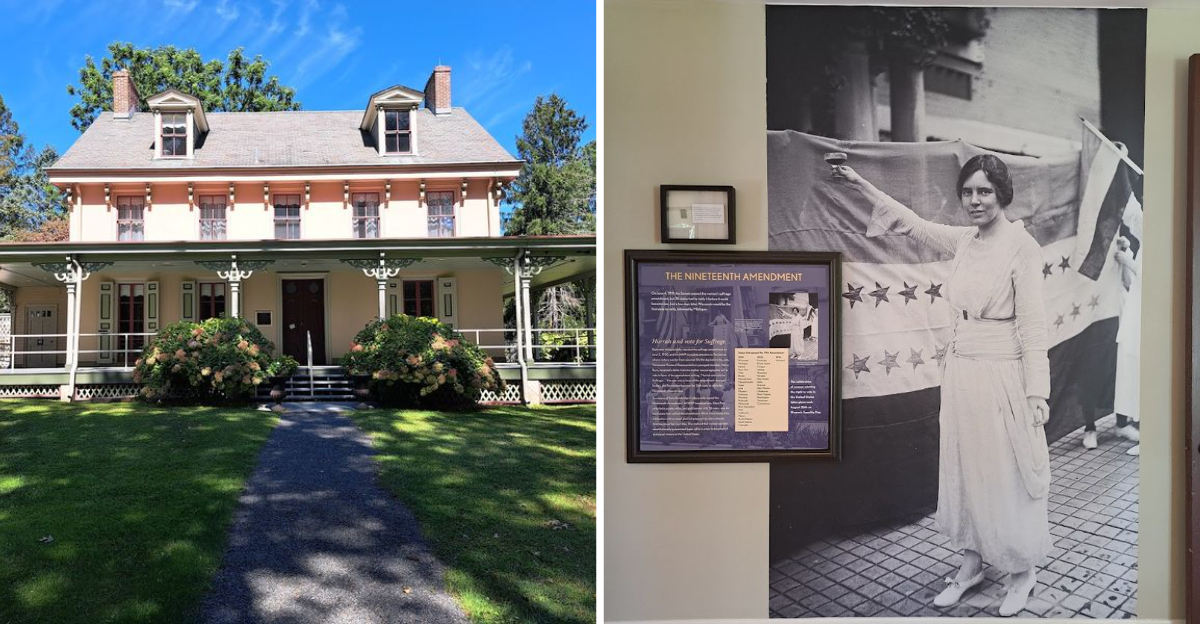
What does it feel like to stand where the fight for equality first sparked into flame?
This historic site isn’t just about the past; it’s a living reminder that gender justice is still a work in progress.
The stories here carry the weight of marches, voices, and determination that reshaped history.
Every corner whispers resilience, every exhibit fuels reflection.
Come see for yourself how New Jersey keeps the spirit of justice burning bright and join the conversation it inspires.
The Historic Grounds of Paulsdale: Where It All Began
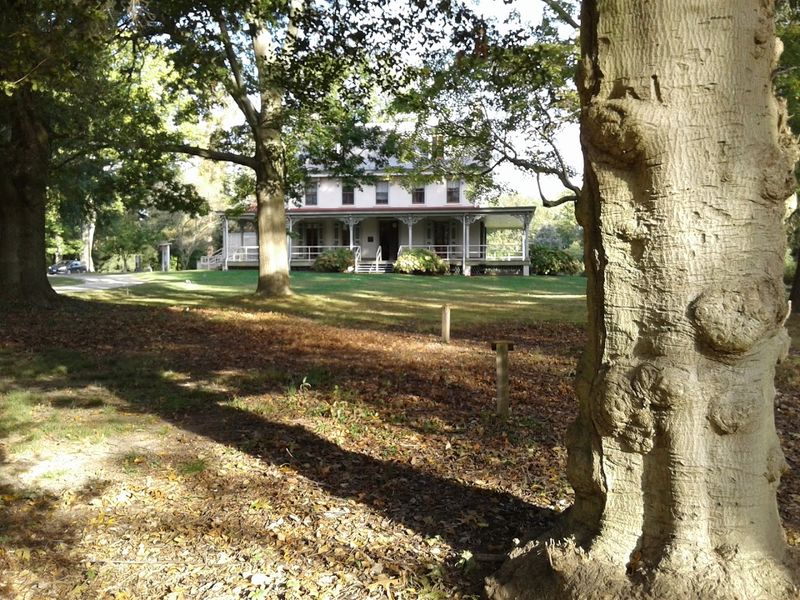
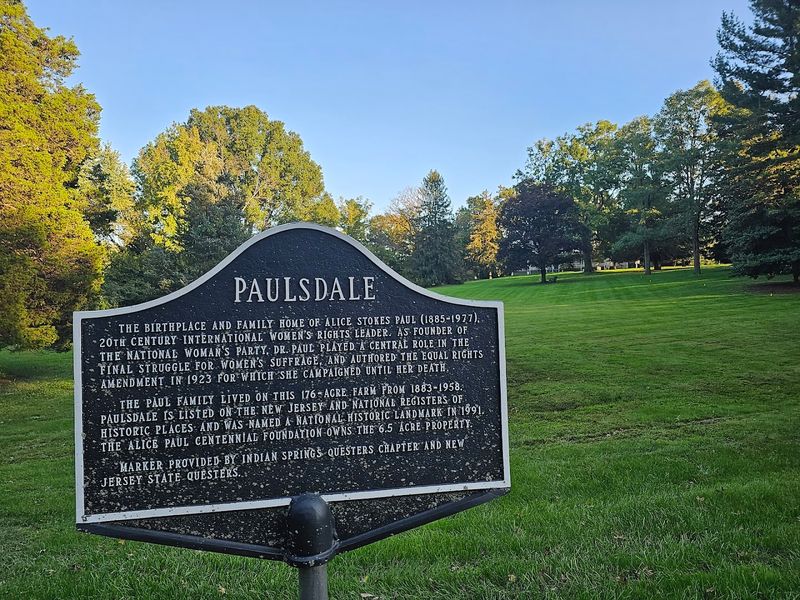
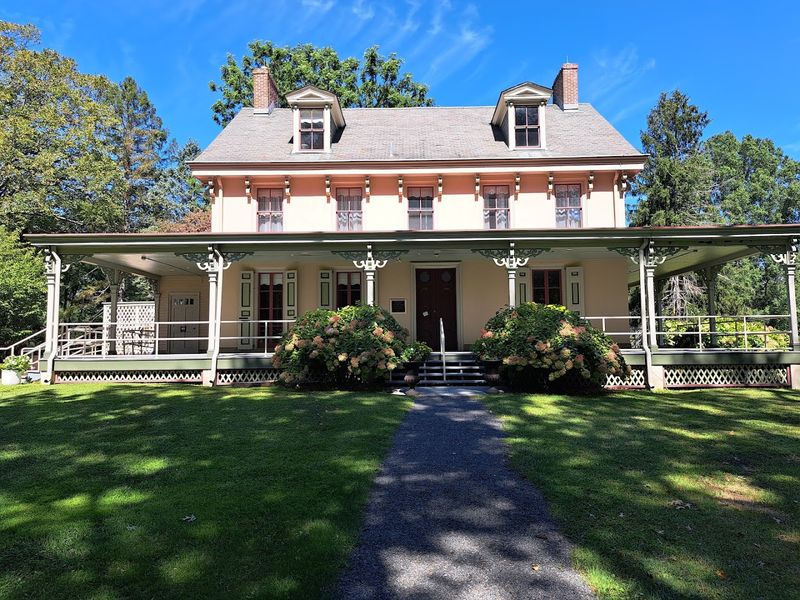
Walking up the gravel path toward this 1840s farmhouse, you get the sense that the ground beneath your feet has absorbed decades of purpose. Paulsdale is not just a pretty old house.
It is the birthplace and childhood home of one of America’s most determined advocates for equality.
Built around 1840, the estate was added to the National Register of Historic Places in 1989. Two years later, in 1991, it earned the status of a National Historic Landmark.
That is a remarkable double recognition for a property tucked quietly into Mount Laurel Township.
The grounds stretch generously around the house, offering a sense of the working farmstead it once was. Massive mature trees frame the property in a way that photographs simply cannot do justice.
There is a ginkgo tree on the property so large it stops you mid-step. Standing here, it is easy to understand why this place continues to draw visitors from across the country seeking connection to something genuinely meaningful.
Alice Paul Herself: The Woman Who Refused to Wait
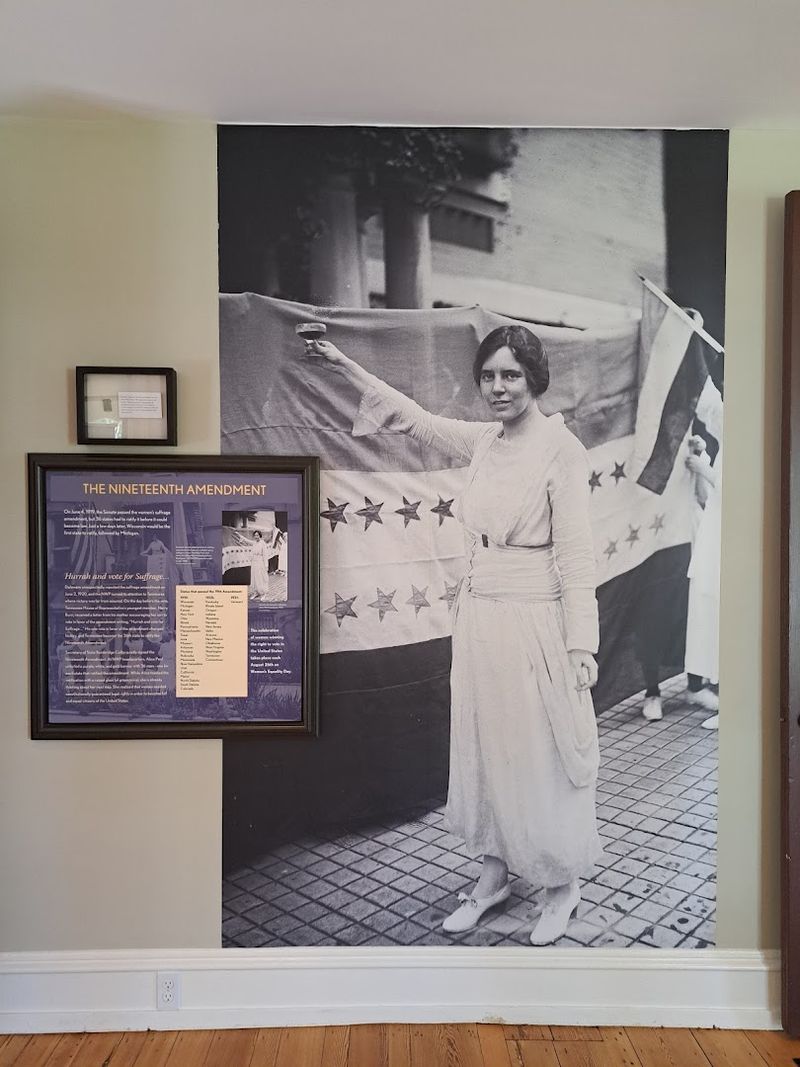
Some people ask for change politely. Alice Paul demanded it with strategy, creativity, and an iron will that made even her opponents quietly respect her.
Born in 1885 right here at Paulsdale, she grew up in a Quaker household that treated equality as a basic human expectation, not a political debate.
Paul became one of the leading architects of the American women’s suffrage movement. She organized the famous 1913 Women’s Suffrage Parade in Washington, D.C., the day before Woodrow Wilson’s inauguration, deliberately drawing national attention to the cause.
That kind of bold, calculated thinking defined her entire career.
She also authored the Equal Rights Amendment, first introduced to Congress in 1923. She spent the rest of her long life, all the way to 1977, pushing for its ratification.
The ERA remains a living conversation today, which means Alice Paul’s work is technically still unfinished. Visiting her birthplace makes that fact feel less like a history lesson and more like a personal challenge to every visitor who walks through the door.
The Alice Paul Center for Gender Justice: More Than a Museum
Established in 1984 as the Alice Paul Centennial Foundation, the center has grown into a living institution that goes far beyond displaying artifacts behind glass. The mission here is active, not passive.
Gender justice is treated as an ongoing project, not a completed chapter in a textbook.
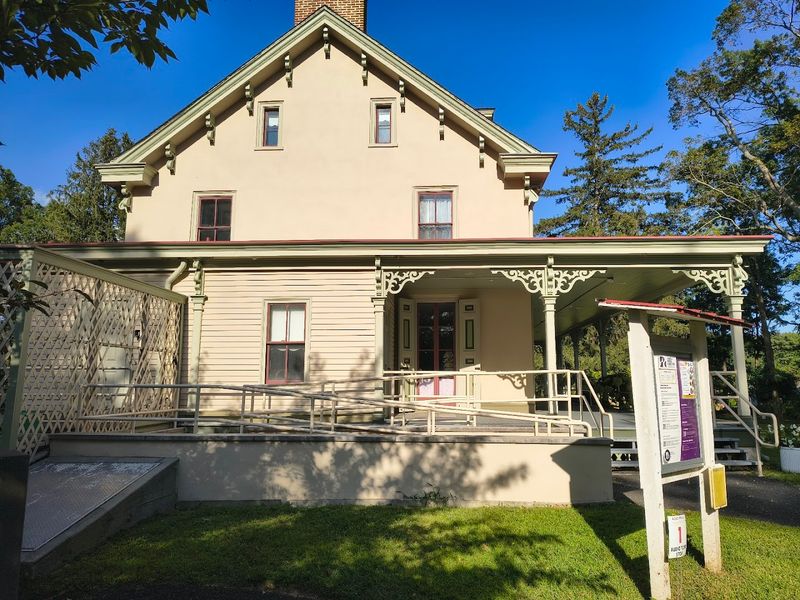
The house museum occupies the first floor of Paulsdale and is fully accessible via a ramp. Rooms are intentionally spare of furniture, which was actually Alice Paul’s own preference.
She wanted her work and mission remembered, not her personal belongings, and that choice gives the space a focused, almost meditative energy.
Three rooms and a hallway are filled with carefully curated information about her life and legacy. A self-guided tour lets you move at your own pace, reading exhibits that trace her work across decades.
For a small additional fee, a guided tour brings the story to life with context and passion that printed panels alone cannot quite match. Either way, you leave knowing considerably more than when you arrived.
Educational Programs That Actually Spark Something
There is a particular kind of energy in a room where people are genuinely learning something that matters. The Alice Paul Center for Gender Justice creates that energy regularly through a robust lineup of programs designed for all ages.
These are not dry lectures in folding chairs.
Programming includes expert presentations on women’s history, suffrage movements, civic engagement, and advocacy. Author talks bring fresh perspectives into the conversation.
Film screenings and moderated community discussions create space for people to connect ideas from the past to questions they are living with right now.
In March 2026, the center hosted an Equal Rights Amendment tour to kick off Women’s History Month, walking participants through Alice Paul’s contributions and the current status of the ERA. That kind of timely, relevant programming is what separates this center from a static historic site.
Young people especially seem to respond to it with genuine curiosity. It is the kind of place where a school field trip can actually change how a student sees the world around them.
The Outdoor Audio Tour: A Walk Through Living History
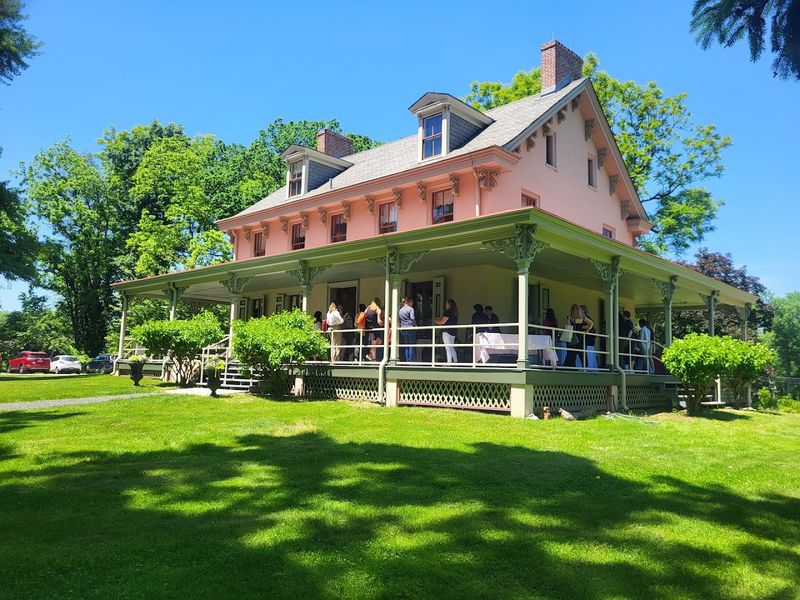
Once you step outside after the house tour, the experience does not stop. A free audio tour of the grounds transforms a pleasant walk into something genuinely absorbing.
The paths wind through grass and gravel, passing beneath trees that have been standing since before anyone alive today was born.
The outdoor tour adds layers to what you learned inside, connecting the physical landscape to the life that unfolded here. You get a real sense of the farm as it once functioned, and of the young Alice Paul who grew up running these same grounds.
That spatial connection to history is something no documentary can replicate.
The paths are accessible enough for most visitors, though some sections are unpaved. Comfortable shoes are a genuinely good idea.
The whole experience, house tour plus outdoor audio walk, can take anywhere from thirty minutes to an hour and a half depending on how slowly you choose to wander. There is no rush here.
The grounds seem to quietly encourage visitors to slow down, breathe, and actually absorb what they are experiencing.
The Preserving Paulsdale Dinner: History With a Three-Course Meal
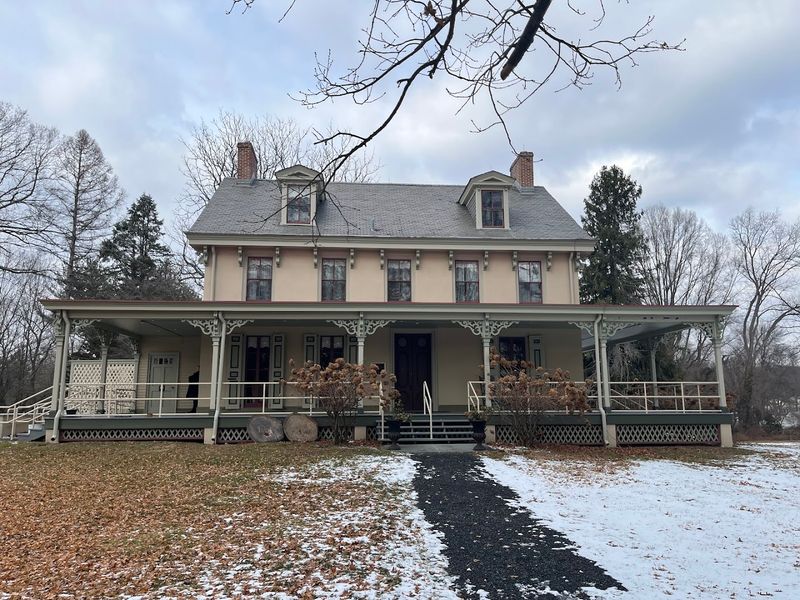
Not every historic site hosts a fundraiser that also sounds like a genuinely lovely evening out. The Preserving Paulsdale Dinner, scheduled for May 8, 2026, is exactly that kind of event.
It brings together good food and a great cause in a setting that very few dining experiences can match.
A three-course meal served against the backdrop of the preserved Paulsdale estate is the kind of thing that sounds almost too good to be practical. But the center pulls it off with purpose.
Every ticket supports the ongoing care and sustainability of the museum and its grounds, protecting a site of irreplaceable American history.
Events like this one are part of what keeps Paulsdale alive and accessible for future generations. Fundraising through community gathering is very much in the spirit of Alice Paul herself, who understood that collective effort was the engine of lasting change.
If you are looking for a dinner with genuine meaning attached to it, this is a pretty compelling option sitting right there in Mount Laurel, New Jersey.
The NJ Women’s Heritage Trail Connection
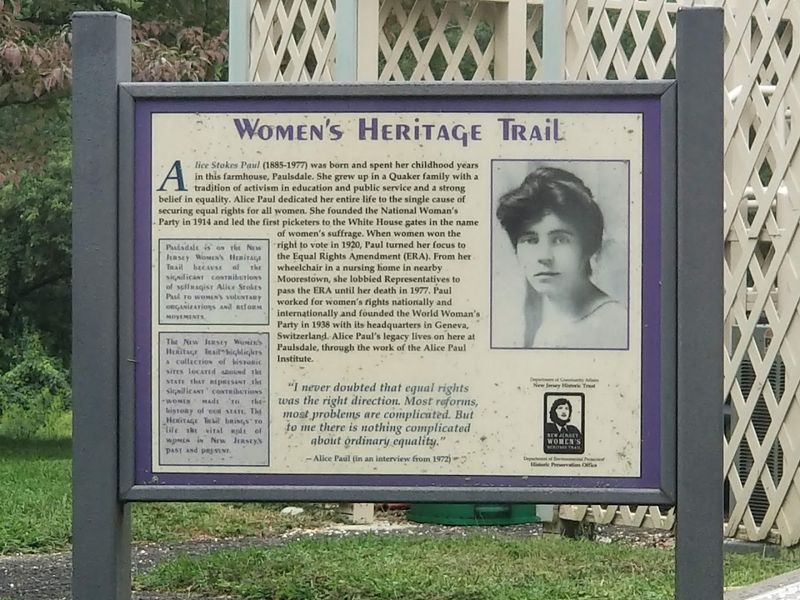
Here is something worth knowing before you visit: Paulsdale is an official stop on the New Jersey Women’s Heritage Trail, a statewide network of sites connected to remarkable women in New Jersey history.
Many visitors discover this connection only after they arrive, which tends to send them home with a new list of places to explore.
The trail is a genuinely underrated way to experience New Jersey’s history from a perspective that is often left out of standard travel guides. Each stop tells a story that connects to others, building a larger picture of the women who shaped this state and this country.
Paulsdale anchors the trail with particular weight given Alice Paul’s national significance.
Planning a road trip around the trail is the kind of thing that turns a weekend into an adventure. The sites vary in size and focus, but the thread running through all of them is the same: women who acted, organized, created, and refused to be invisible.
Starting at Paulsdale gives that journey the strongest possible opening chapter.
Getting Involved: Volunteering and Community Engagement
Visiting once is a great start. Coming back as a volunteer is something else entirely.
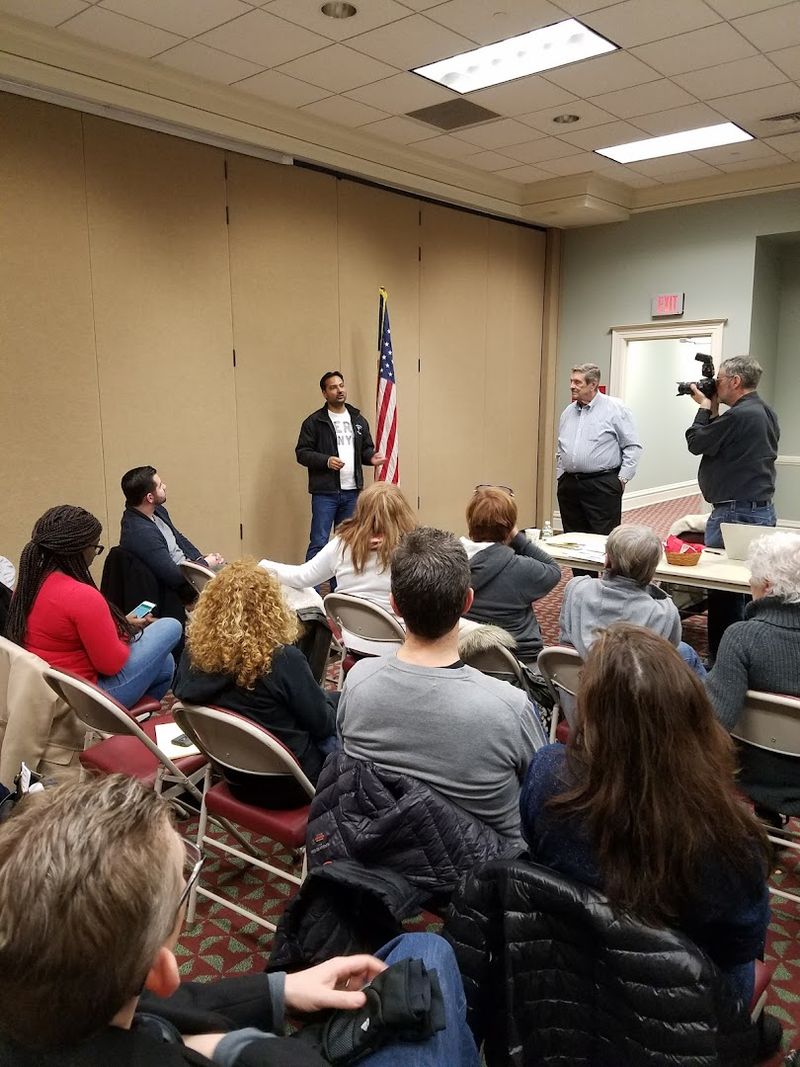
The Alice Paul Center for Gender Justice actively welcomes people who want to contribute their time and energy to keeping the mission moving forward. There are meaningful ways to plug in at almost every level of availability.
Volunteering here means joining a community of people who genuinely care about gender equity and historical preservation. Tasks range from supporting public events and educational programs to helping maintain the grounds and welcoming visitors.
The work is varied enough that almost anyone can find something that fits their skills.
Beyond volunteering, the center encourages broader community engagement through its events calendar and advocacy programming.
Attending a workshop, sharing information about the center with friends, or simply showing up for an event all contribute to the institution’s continued vitality.
This is the kind of place that grows stronger the more people know about it. Getting involved, even in a small way, connects you to a cause that Alice Paul herself spent her entire life building from the ground up.
Why the Fight for Gender Justice Still Matters Today
Walking out of Paulsdale, it is hard not to feel the weight of unfinished business. Alice Paul authored the Equal Rights Amendment in 1923.
It has still not been permanently enshrined in the Constitution. That single fact reframes everything you just experienced inside the house museum from historical curiosity to urgent present-day relevance.
The Alice Paul Center for Gender Justice exists precisely to hold that tension. It honors the past while insisting that the work is ongoing.
Every program, every event, every school group that comes through the door is a small act of continuation in a very long relay race toward full equality.
Gender justice is not a finished project, and this center does not pretend otherwise. That honesty is part of what makes it so compelling as a place to visit.
You leave not just with knowledge but with a sense of personal responsibility, which is exactly the kind of reaction Alice Paul herself would have considered a successful outcome.
Address: 128 Hooton Rd, Mt Laurel Township, NJ
