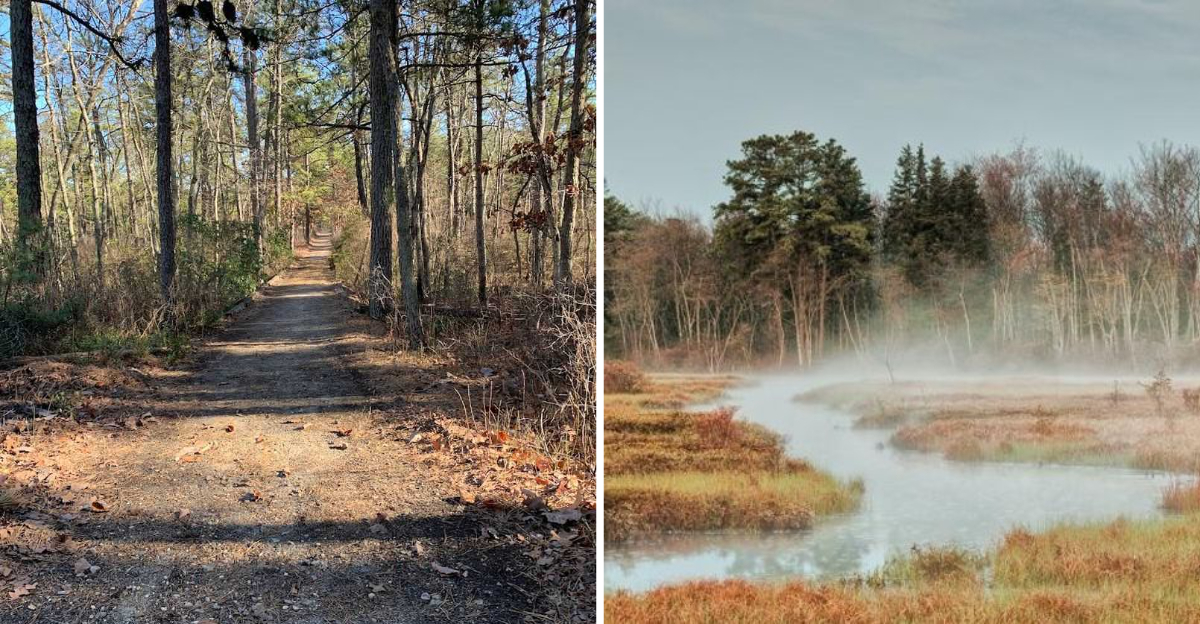
Okay, so get this: New Jersey just casually hid a 1.1-million-acre wilderness and forgot to mention the 17-trillion-gallon underground ocean beneath it.
I know, I had to read that number twice too, which is roughly the amount of coffee I’d need to hike this whole place.
While everyone else is fighting for beach parking, you could be standing above a secret liquid treasure that makes the Pine Barrens feel even more gloriously weird.
I love that the Garden State’s real magic isn’t a boardwalk; it’s a massive, sandy, blueberry-scented forest sitting on an aquifer so ridiculous it sounds like a math typo.
New Jersey just proved it’s full of surprises, and this one’s deep.
The Kirkwood-Cohansey Aquifer: A Hidden Ocean Beneath Your Feet
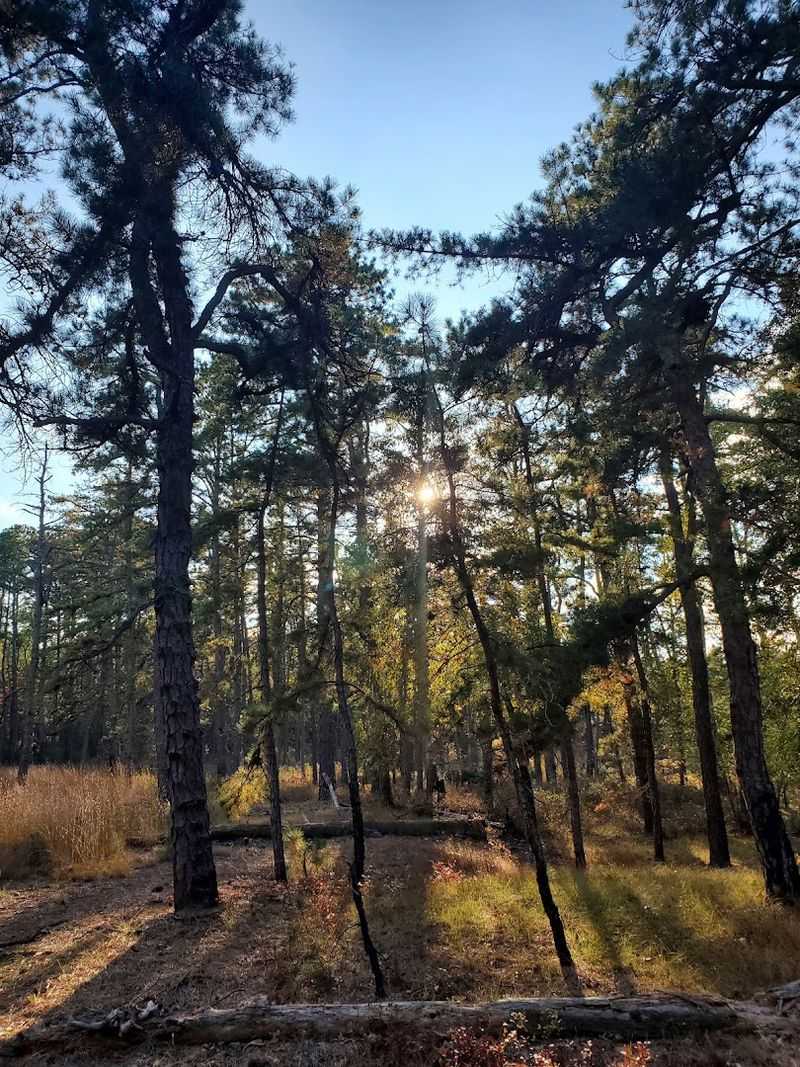
Most people walk through the Pine Barrens without realizing they are literally standing on top of one of the most remarkable freshwater reserves on the planet.
The Kirkwood-Cohansey aquifer holds an estimated 17 trillion gallons of water, making it one of the largest and purest underground water systems in the entire United States.
That number is almost impossible to wrap your head around.
What makes this aquifer so special is the quality of the water itself. Because the surrounding soil is mostly sandy and naturally filtered, the water that seeps down into this underground reservoir stays remarkably clean.
It supplies fresh drinking water to roughly one million people in southern New Jersey.
The aquifer also feeds the streams, rivers, and wetlands above it, keeping the entire Pinelands ecosystem alive and thriving year-round. Without it, the bogs, cedar swamps, and winding waterways that define this landscape simply would not exist.
Protecting this underground resource is one of the main reasons the Pinelands became a protected National Reserve back in 1978.
1 Million Acres of Pure Pine Forest That Feels Endless
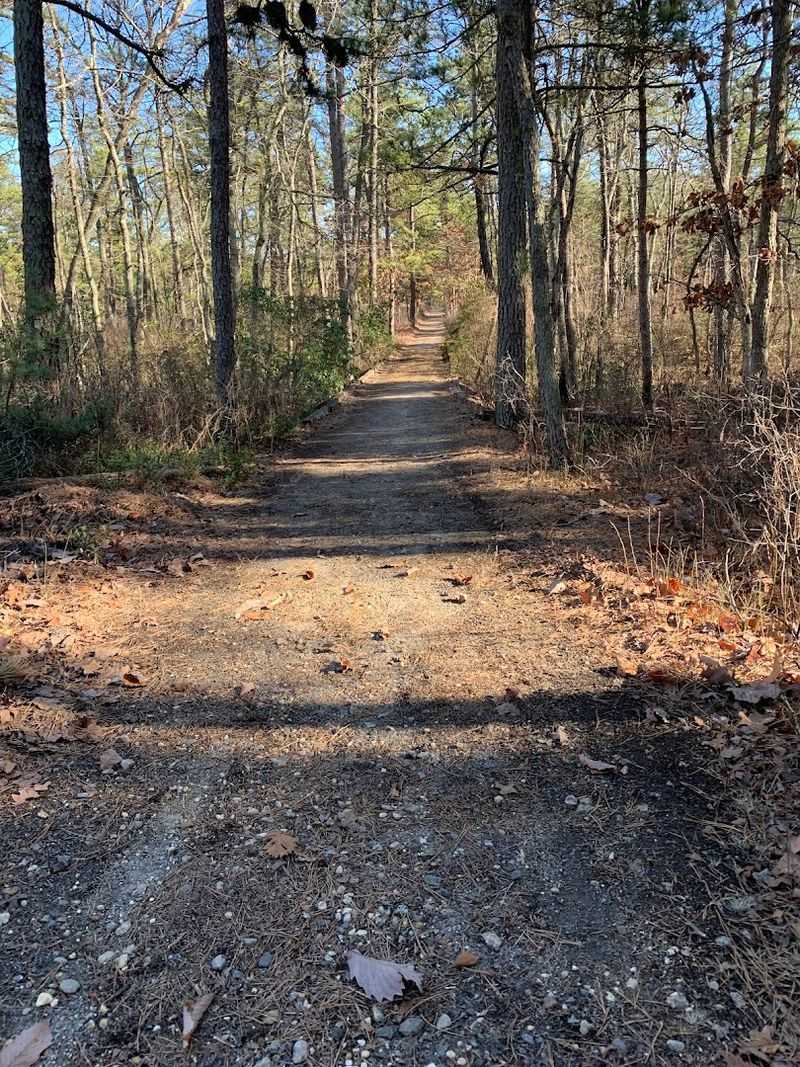
Walking into the Pinelands for the first time feels a little like stepping into a painting that someone forgot to finish. The forest just keeps going.
Pine trees, oak trees, and cedar stands layer over each other in every direction, creating a dense, aromatic canopy that feels completely removed from the suburban sprawl just miles away.
At 1.1 million acres, the New Jersey Pinelands National Reserve is the largest open space on the Eastern Seaboard south of Maine. That is not a small claim.
The sheer scale of this place is genuinely humbling when you are standing in the middle of a quiet trail and realize you could walk for hours without seeing a single building.
The forest floor is soft and sandy underfoot, carpeted with low-growing shrubs, mosses, and wildflowers that thrive in the region’s unique acidic soil. Pitch pines, which are specially adapted to survive wildfires, dominate much of the landscape.
Their gnarled, resilient trunks give the forest a character unlike anything else on the East Coast.
Cranberry Bogs: Where New Jersey’s Most Iconic Harvest Happens
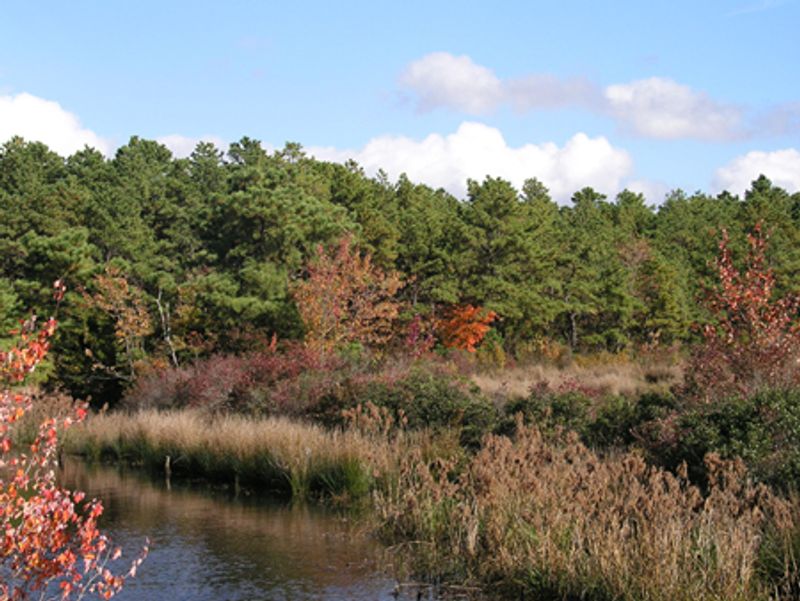
Few sights in New Jersey are as visually striking as a cranberry bog during harvest season. Picture flooded fields glowing an intense, almost unreal shade of red, with thousands of cranberries floating on the surface like a living carpet.
It is one of those scenes that makes you stop and just stare for a minute.
The Pine Barrens has been cranberry country for well over a century. The region’s naturally acidic, sandy soil and abundant freshwater supply create ideal growing conditions that commercial cranberry farmers have relied on for generations.
Some of the bogs you can visit today have been in continuous operation for more than 150 years.
Cranberry farming shaped the cultural identity of the Pinelands in a deep way. Historic villages grew up around the bogs, and the traditions tied to the harvest are still very much alive.
Visitors who time their trip to the fall harvest season get to witness something truly special, a working agricultural tradition embedded right inside a protected wilderness that has resisted the pace of modern development remarkably well.
Blueberry Farming: The Sweet Side of the Pinelands
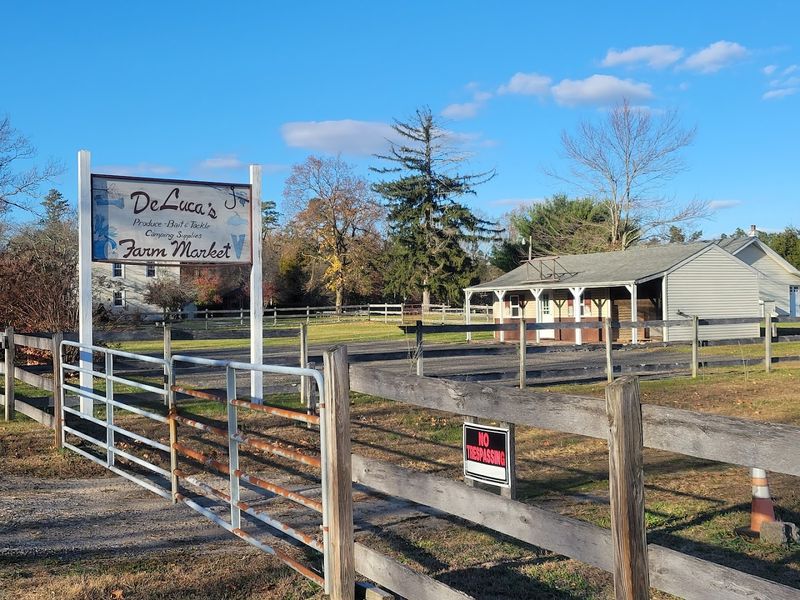
Cranberries get most of the spotlight, but blueberries deserve their own standing ovation in the Pine Barrens story.
New Jersey is one of the top blueberry-producing states in the country, and a huge portion of that production comes from farms rooted right here in the Pinelands region.
The same acidic, sandy soil that cranberries love turns out to be absolutely perfect for blueberries too.
Highbush blueberries thrive in the Pinelands climate, producing plump, sweet berries each summer that end up in kitchens and markets across the country. Farm stands near the reserve during peak season are stacked with fresh-picked blueberries that taste nothing like what you find in a grocery store.
The difference is remarkable.
Beyond the farms, wild blueberry bushes grow naturally throughout the reserve, adding bursts of color to the understory in late spring and summer.
Hiking through the Pinelands in July and stumbling across a wild blueberry patch is one of those small, genuinely delightful surprises this place has a habit of delivering.
It is the kind of thing that makes the whole trip feel worth it.
Wildlife That Will Genuinely Surprise You
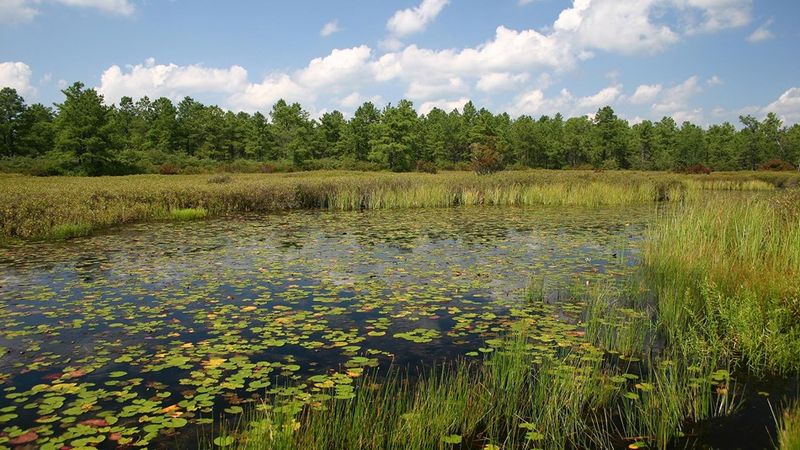
The Pine Barrens punches way above its weight when it comes to wildlife diversity. With 299 species of birds recorded in the region, it is a serious destination for birders, but you do not need binoculars or a field guide to appreciate what is living out here.
Herons wade through the shallow cedar streams. Ospreys circle overhead.
Red foxes dart across sandy trails at dusk.
The reserve is also home to 91 species of fish, 59 species of reptiles and amphibians, and 39 species of mammals. Some of those species are rare or threatened, making the Pinelands a critical refuge for animals that have lost habitat elsewhere in the densely developed Northeast.
The Pine Barrens tree frog, a tiny green amphibian, is one of the most celebrated residents and can only be found in a handful of places on Earth.
What really sets this place apart is how undisturbed the wildlife feels. Animals here behave like they belong, because they do.
The reserve’s protected status has allowed populations to stabilize and thrive in ways that are increasingly rare on the Eastern Seaboard.
Canoeing and Kayaking the Cedar Streams: A Must-Do Experience
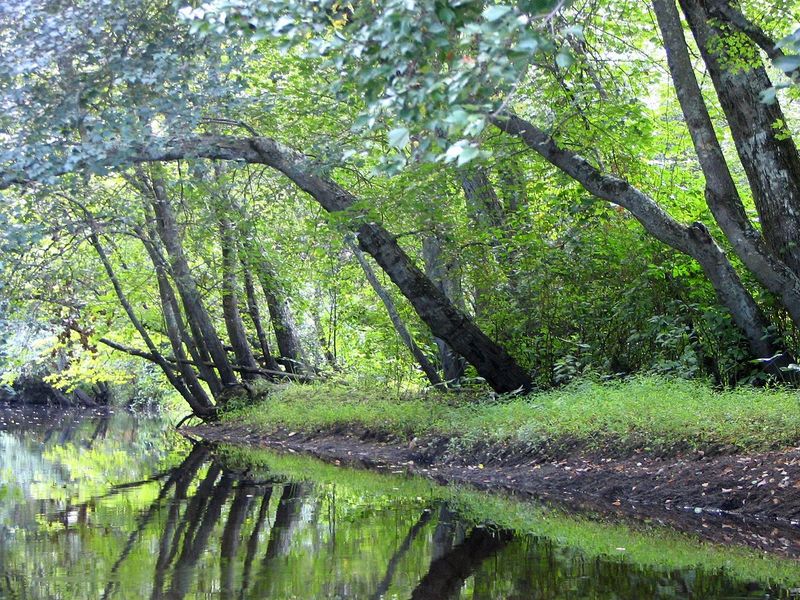
Paddling a canoe through the cedar streams of the Pine Barrens is one of those experiences that sounds calm and turns out to be absolutely unforgettable.
The water here is naturally dark, stained a deep amber-brown by tannins released from cedar trees, and it is crystal clear despite its unusual color.
It looks like someone brewed a very light tea and then let a river run through it.
The streams are narrow and winding, cutting through dense forest at a pace that feels genuinely unhurried. Branches arch overhead, sunlight filters through in golden patches, and the only sounds are water moving against the hull and birds calling from the tree line.
Time moves differently out here.
Several outfitters operate near the reserve and offer canoe and kayak rentals for people who want to explore the waterways without hauling their own gear. Routes range from easy floats suitable for beginners to longer stretches that take most of a day to complete.
Either way, getting out on the water is the single best way to understand what makes the Pinelands feel so unlike anywhere else.
Hiking Through the Pines: Trails That Reward Every Step
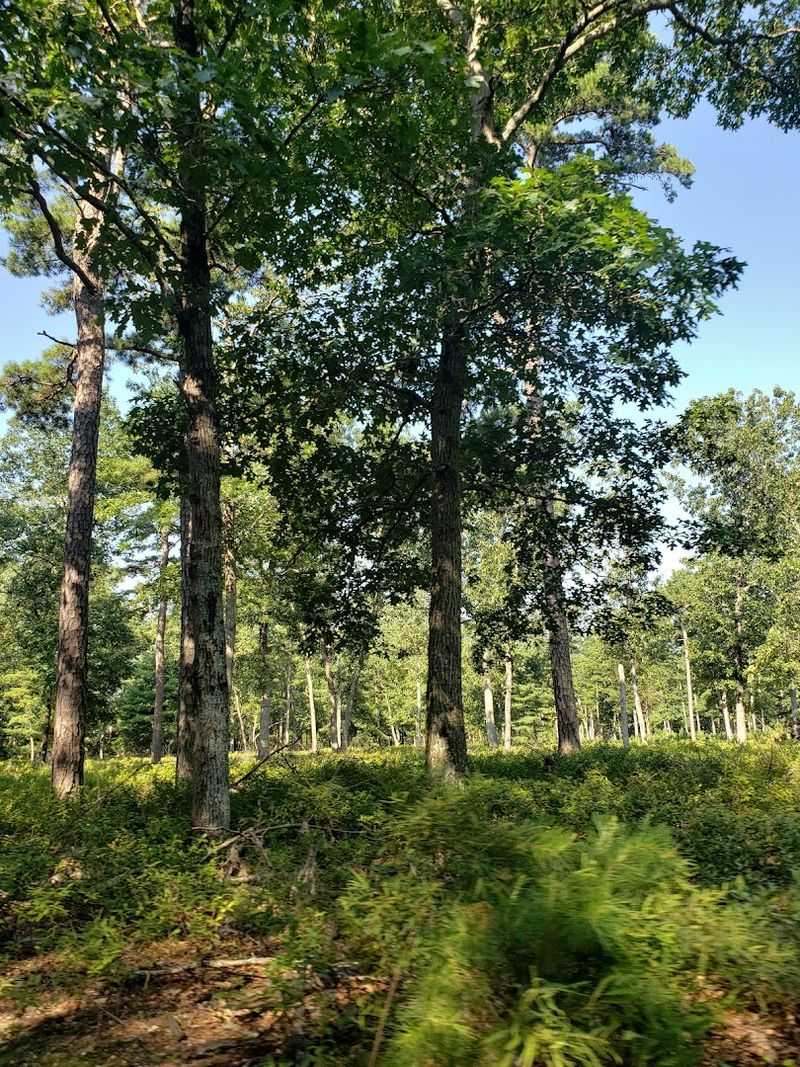
Something about hiking in the Pine Barrens feels different from hiking almost anywhere else on the East Coast.
The terrain is mostly flat, the trails are sandy and soft underfoot, and the forest has this quiet, almost meditative quality that is hard to describe until you have experienced it yourself.
It is not dramatic scenery. It is something more subtle and more lasting.
The reserve has an extensive network of trails ranging from short, easy loops to multi-day routes that connect different sections of the Pinelands. The Batona Trail is the most well-known, stretching roughly 53 miles through some of the most remote and beautiful sections of the forest.
Backpackers who complete the full route come back with stories that stick with them for years.
Day hikers will find plenty of accessible options near Atsion, where the reserve’s presence is easy to feel even on a short walk. The combination of fresh pine-scented air, open sandy paths, and the occasional cedar bog crossing makes even a casual afternoon hike feel genuinely restorative.
Bring water, wear sunscreen, and leave the headphones at home.
The Lenape Legacy and Deep Cultural Roots of the Pinelands
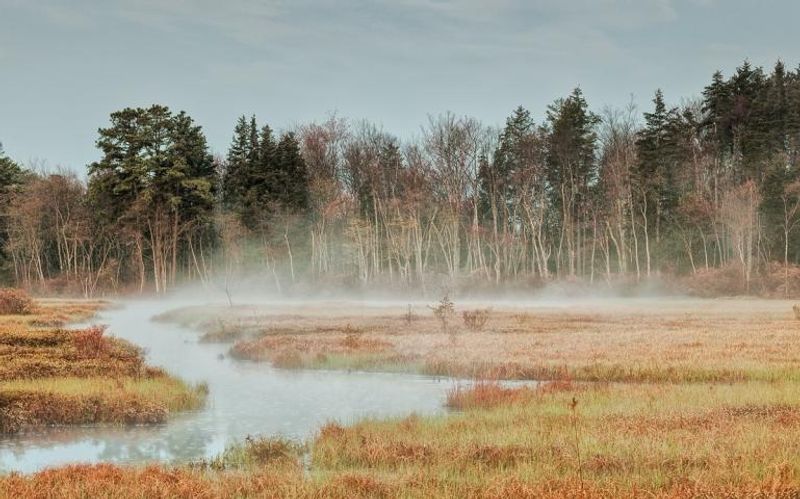
Long before the cranberry bogs and the hiking trails, the Lenape people called this landscape home.
Their presence in the region stretches back thousands of years, and their relationship with the land shaped how the Pinelands ecosystem was understood and used for generations.
The reserve’s history is not just ecological. It is deeply human.
European settlers arrived in the 17th and 18th centuries and brought with them industries that left a lasting mark on the landscape.
Iron furnaces, glass factories, and lumber mills once operated throughout the Pines, and the ghost towns and ruins they left behind are scattered across the forest like quiet reminders of how busy this place once was.
Batsto Village is the most preserved example and is well worth a visit.
Understanding this history adds a completely different dimension to a trip to the Pinelands. The forest you walk through today grew back over land that was once cleared, mined, and farmed.
That resilience is part of what makes the reserve so compelling. The Pinelands has absorbed centuries of human activity and still managed to hold onto something wild and irreplaceable.
Why the Pinelands National Reserve Matters More Than Ever
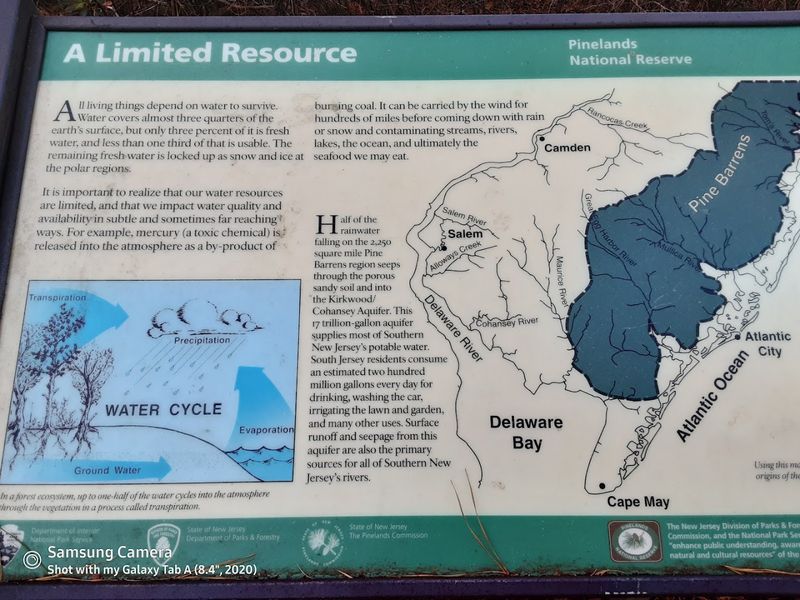
The New Jersey Pinelands National Reserve was established by Congress in 1978 as the first National Reserve in the United States. That designation was not just symbolic.
It created a framework for protecting the land, the water, and the ecosystems within the reserve from the kind of unchecked development that had already consumed much of the surrounding region.
Today, that protection matters more than it ever has. The Pinelands sits in the middle of one of the most densely populated corridors in the country, surrounded by cities, highways, and suburban sprawl.
The fact that 1.1 million acres of functioning wilderness still exists here is a genuine conservation success story that deserves far more recognition than it typically gets.
The reserve also serves as a living classroom for environmental education, offering programs for students and researchers who want to understand how ecosystems work at scale. Whether you visit for a weekend canoe trip or a month-long research project, the Pinelands has something to teach.
Getting there is easy. Leaving, it turns out, is the hard part.
Address: 853 Atsion Rd, Shamong, NJ.
