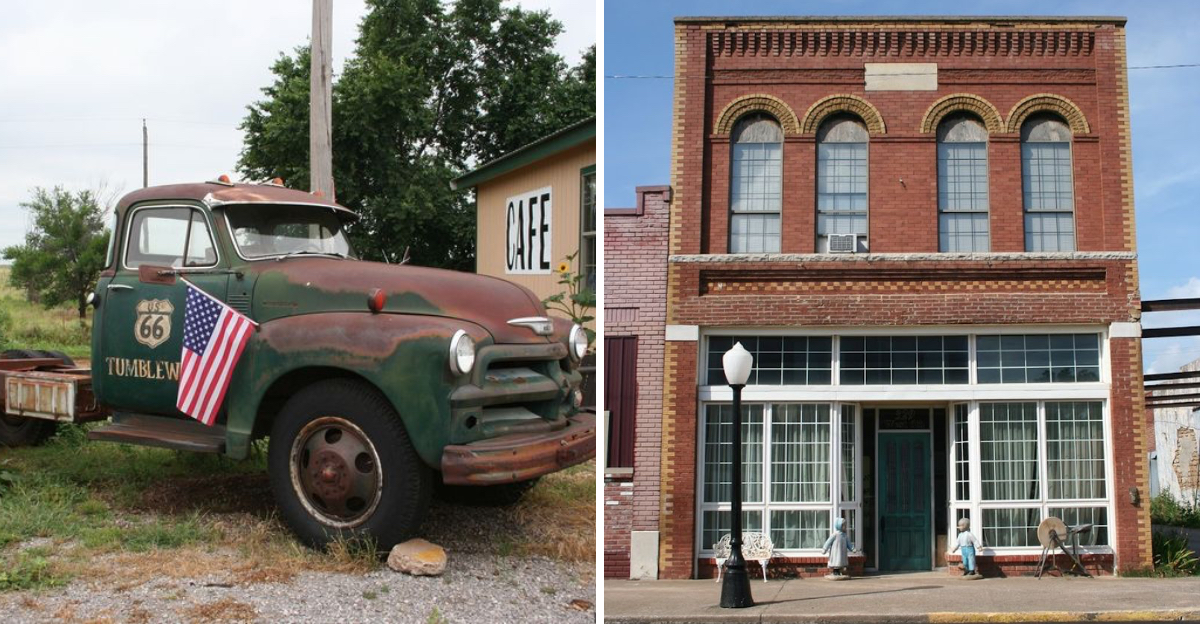
The gas pedal feels heavier the farther you drive, not because of traffic, but because something in the air changes. The radio stations fade, the billboards disappear.
And suddenly you are rolling into an Oklahoma small town that seems to have misplaced its calendar somewhere around 1955. Eleven such towns dot the Sooner State, each one offering the rare gift of feeling like a different century entirely.
Main Street still holds court here, lined with brick storefronts that have not changed much since your grandparents were young. A hardware store sells nails by the scoop, a five and dime still stocks toys in cardboard bins.
The diner serves pie on heavy white plates, and the waitress calls you honey without a trace of irony. Time moves slower in these places, not because the clocks are broken, but because no one is in a hurry to fix them.
Oklahoma preserved these towns almost by accident, simply by being too far off the interstate for progress to bother with them. That neglect became their greatest asset.
1. Guthrie, Oklahoma
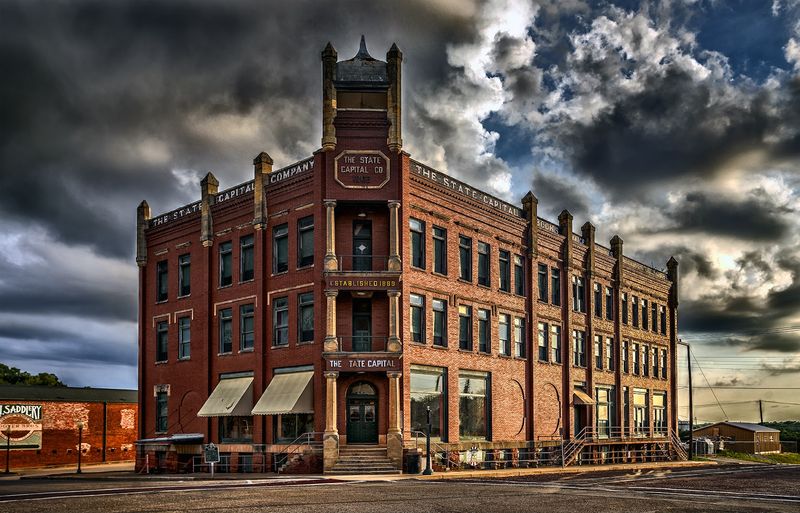
Born in a single chaotic afternoon during the 1889 Land Run, Guthrie rose from open prairie into a territorial capital faster than almost any city in American history.
What those early settlers built here was extraordinary. Guthrie holds the largest contiguous urban historic district in the entire United States, covering 400 city blocks and more than 2,100 buildings.
Walking these streets today, you feel the ambition baked into every brick. Victorian storefronts, Craftsman bungalows, and Colonial Revival facades line block after block, all frozen in a moment that most cities long ago demolished.
The story behind that preservation is almost as dramatic as the founding itself. When Oklahoma politicians moved the state capital to Oklahoma City in 1910, Guthrie essentially went to sleep.
That long slumber turned out to be its greatest blessing.
The Scottish Rite Masonic Center alone is worth the drive. It rises like a Greco-Roman temple in the middle of the plains, and its interior fixtures are considered irreplaceable.
Sixty-five miles of brick sidewalks connect it all, and every block reveals a new architectural style that reminds you this town once believed it would become the Chicago of the Southwest.
The trolley tour that runs on Saturdays is one of the most affordable and genuinely enjoyable ways to absorb the history here. Your guide will point out buildings you would otherwise walk right past.
Guthrie is not performing nostalgia for tourists. It simply never stopped being itself, and that quiet confidence is exactly what makes it so magnetic.
2. Medicine Park, Oklahoma
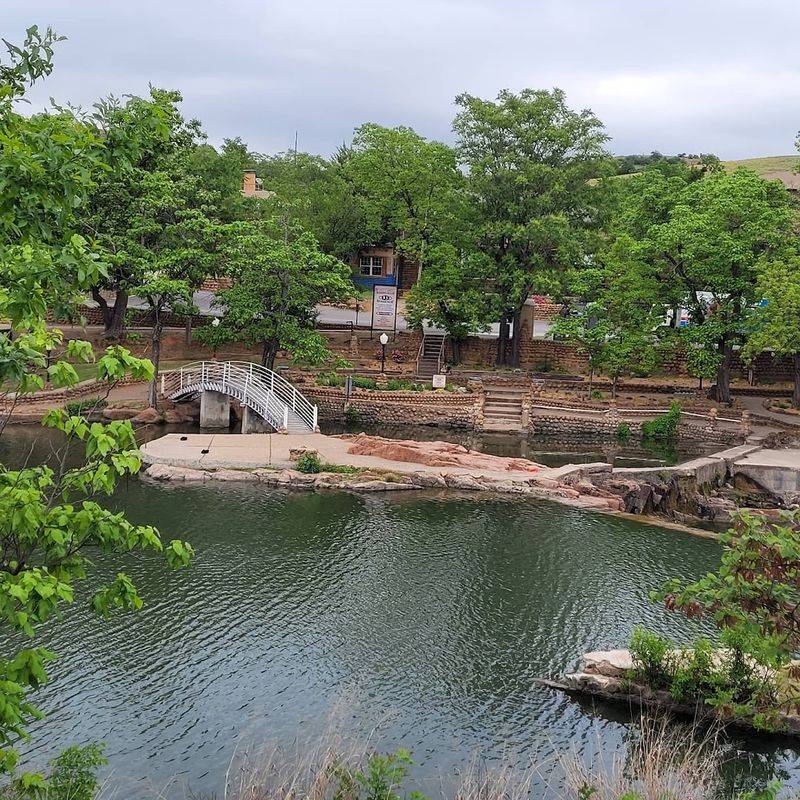
Tucked against the foothills of the Wichita Mountains, Medicine Park was built entirely from naturally formed red granite cobblestones that exist nowhere else in Oklahoma.
Founded on the Fourth of July in 1908, the town was designed as a resort community, and that celebratory origin seems to have permanently shaped its personality. Every building here looks hand-crafted and intentional.
The cobblestone cottages lining the streets feel like something pulled from a postcard that was never supposed to exist in western Oklahoma. Bath Lake, created by two dams on Medicine Creek, still draws summer swimmers just as it did a century ago.
The guest book of this tiny town reads like a hall of fame. Will Rogers, Roy Rogers, and even figures from the more colorful chapters of American history reportedly passed through Medicine Park during its heyday.
The Dance Hall once hosted Bob Wills and The Texas Playboys throughout the late 1920s and 1930s, filling these cobblestone streets with Western swing music on warm Oklahoma nights.
Nearby, the Holy City of the Wichitas hosts what is considered the longest-running passion play in North America, performed annually since 1926. The permanent sets are built from native granite pulled directly from the surrounding landscape.
Expedia once named Medicine Park the fifth prettiest town in the United States, and standing at the edge of Bath Lake with the Wichitas rising behind it, that ranking feels completely earned.
Spend a slow afternoon here and you will understand why people keep coming back to a town this small.
3. Bartlesville, Oklahoma
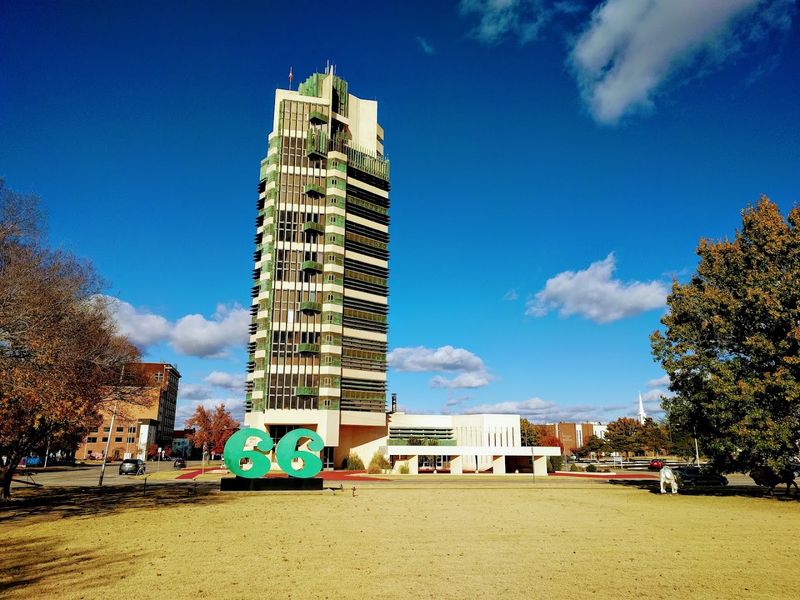
Forty-five miles north of Tulsa, Bartlesville keeps a secret that most of the architectural world already knows: it is home to Frank Lloyd Wright’s only realized skyscraper.
The Price Tower, completed in 1956, was originally designed for a Manhattan site that never came together. Bartlesville got it instead, and the building still looks like it arrived from 20 years in the future.
Its copper-clad, cantilevered design catches the light differently at every hour of the day. Walking around it, I kept stopping just to look at angles that should not work but somehow do.
Beyond the Price Tower, Bartlesville rewards wandering without a plan. The downtown core is lined with elaborate cornices, decorative brickwork, and grand building entrances that were clearly built to impress for generations.
Antique hunters have quietly turned Bartlesville into one of the premier stops in the state. Shops here carry Depression glass, vintage advertising pieces, and mid-century collectibles at prices that would make big-city dealers wince.
The surrounding Washington County landscape adds another layer to the visit. Rolling green hills and wooded creek valleys give the area a feel that surprises first-time visitors expecting flat plains.
The Price Tower tour is genuinely one of the best architecture experiences available anywhere in Oklahoma. The guide explains Wright’s original vision and walks you through interior spaces that still function exactly as he intended.
Bartlesville is the kind of town that grows on you slowly, then all at once, leaving you wondering why you did not come sooner.
4. Purcell, Oklahoma
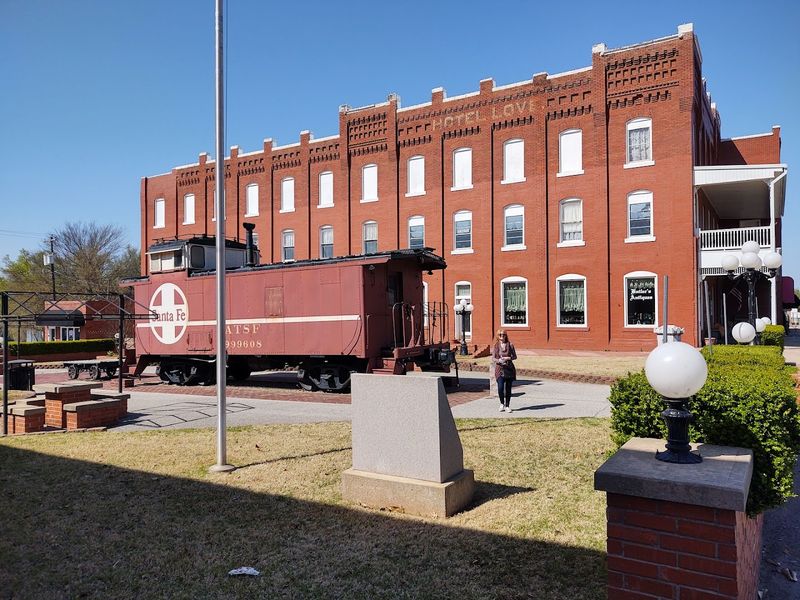
Sitting about 35 miles south of Oklahoma City along the bluffs above the South Canadian River, Purcell carries the proud nickname the Heart of Oklahoma, and the geography makes that title feel literally accurate.
The town was established in 1887, named for Edward B. Purcell, who served as vice president of the Santa Fe Railway at the time.
The railroad did not just name this town, it built it.
Main Street today looks like a film set for a story set a hundred years ago. Antique stores occupy historic buildings with original facades, and the sidewalks feel unhurried in a way that city streets simply cannot replicate.
What genuinely surprised me here was the Amtrak Heartland Flyer. This passenger train still rolls right through Purcell on the same rails that gave the town its reason to exist, connecting Oklahoma City to Fort Worth on a schedule that has not changed much in spirit since the 1880s.
Purcell also carries the title Quarter Horse Capital of the World, a claim backed by deep roots in the ranching culture that shaped central Oklahoma for generations.
Butler Antiques operates out of a building that once served as a 63-room lodge and now sits on the National Register of Historic Places. The old caboose parked in Santa Fe Plaza right next door is an essential photo stop.
Standing on Purcell’s bluffs and watching the river bend below, it becomes easy to understand why someone decided to build a town right here and never move it.
5. Arcadia, Oklahoma
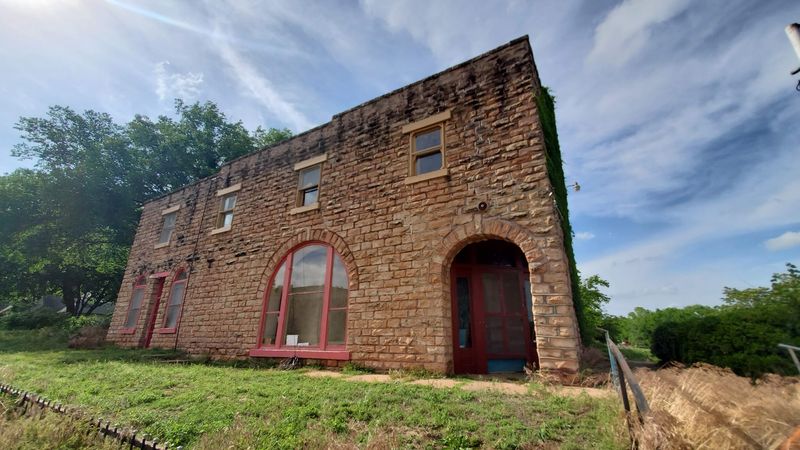
There are exits along Route 66 that promise something interesting and deliver something forgettable. Arcadia is absolutely not one of those exits.
The Round Barn, built in 1898, is Oklahoma’s only wooden round barn and one of the most photographed structures along the entire Mother Road. Standing inside it feels like being enclosed in a giant hand-crafted wheel.
The barn’s roof collapsed in 1988, and what happened next says everything about this community. A retired contractor assembled a group of fellow retirees, most of them over 65, who called themselves The Over-The-Hill Gang and restored the entire structure by 1992.
That story is stitched into the fabric of Arcadia, a town that refuses to let its landmarks disappear without a fight.
The second landmark here is impossible to miss because it towers 66 feet above the highway covered in LED lights.
Pop’s 66 Soda Ranch stocks hundreds of soda varieties lining the walls inside, and the attached diner serves chicken-fried steak and hand-made milkshakes with no apology for being exactly what it is.
The Round Barn’s second-floor viewing platform is worth climbing for the perspective alone. From up there, the circular construction that seemed impossible at ground level suddenly makes complete structural sense.
Arcadia sits roughly 20 miles northeast of Oklahoma City, making it an easy half-day trip that punches far above its weight in character and charm.
Route 66 has a thousand faces, and the one it wears in Arcadia is quirky, handmade, and completely sincere in a way that polished tourist towns rarely manage.
6. Catoosa, Oklahoma
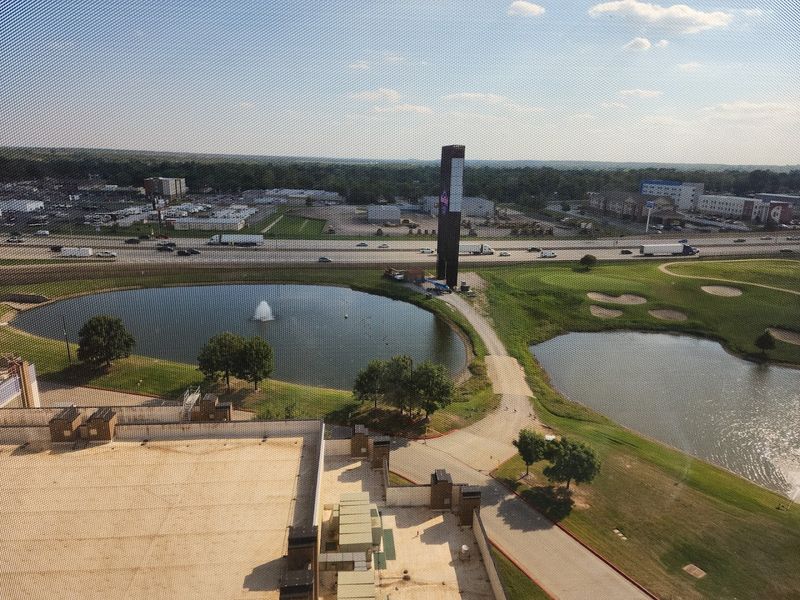
Somewhere between Tulsa and the Arkansas border, Route 66 offers up one of its most endearing surprises: an 80-foot-long blue concrete whale sitting peacefully beside a pond in Catoosa.
Hugh S. Davis built it in 1972 as an anniversary gift for his wife, who collected whale figurines.
That origin story tells you everything you need to know about why this landmark feels so different from most roadside attractions.
There is no commercial angle here, no ticket booth, no gift shop attached. It is simply a man’s love letter to his wife, rendered in steel and concrete and painted a cheerful shade of blue.
You can climb inside the whale’s mouth, walk across its back, and slide down its tail, all of which I did without a moment of hesitation. The whole experience takes maybe 20 minutes and leaves you smiling for the rest of the afternoon.
Catoosa itself sits just east of Tulsa in Rogers County, and the surrounding area has more to offer than the whale alone. The D.W.
Correll Museum nearby holds an eclectic collection that includes antique cars, minerals, shells, vintage toys, and a mummified cat discovered inside the walls of the old museum building.
That last detail alone makes Catoosa one of the more memorable stops in northeastern Oklahoma.
The Blue Whale draws visitors from across the country and has appeared in countless road trip documentaries, but standing beside it in person still carries a warmth that no photograph fully captures.
Some landmarks earn their fame, and this one absolutely has.
7. Claremore, Oklahoma
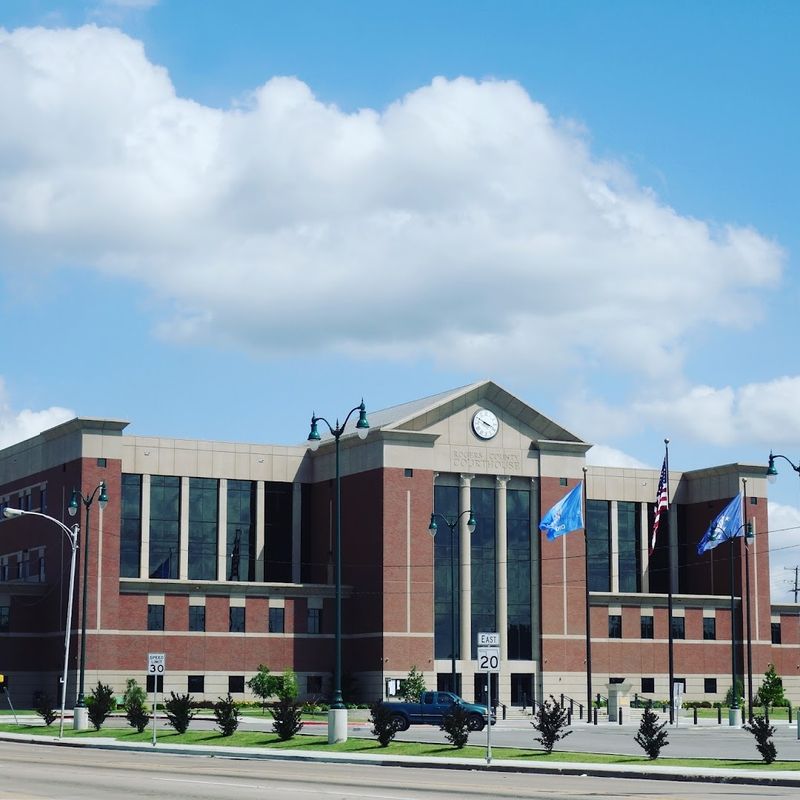
Long before podcasts and social media, one man managed to become simultaneously a Ziegfeld Follies star, a radio host, a syndicated newspaper columnist, a movie actor, and a genuine working cowboy. That man was Will Rogers, and Claremore is where his story lives.
Rogers was born on a ranch near Oologah, just north of Claremore, and the town has honored his memory in a way that feels genuinely affectionate rather than manufactured.
The Will Rogers Memorial Museum holds his saddles, his lassos, personal belongings, films he appeared in, and an extensive collection of his newspaper columns. Reading those columns today, the wit still lands sharp and clear nearly a century later.
Claremore sits in Rogers County in northeastern Oklahoma, about 25 miles northeast of Tulsa, and the drive up from the city takes you through rolling green hills that explain why Rogers always spoke so fondly of this part of the world.
The town also claims a connection to Lynn Riggs, the playwright who wrote Green Grow the Lilacs. That play became the foundation for the musical Oklahoma, and the Lynn Riggs exhibit in Claremore includes the famous surrey with the fringe on top.
Walking through the museum, I kept finding myself pausing at small personal items, a pair of worn boots, a handwritten note, objects that close the distance between legend and human being.
Claremore does not oversell itself. It simply holds its history with steady hands and trusts that the story is good enough to speak for itself, which it absolutely is.
8. Texola, Oklahoma
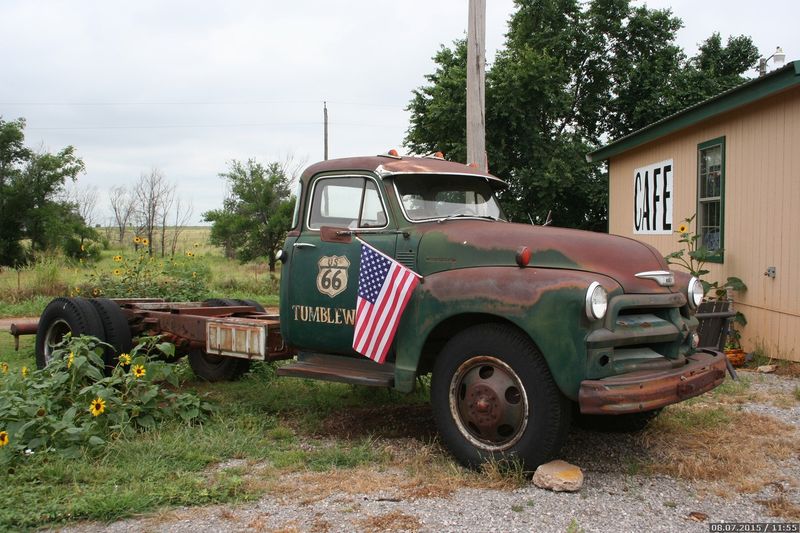
Standing at the edge of Texola, right where Oklahoma meets Texas, you feel the full weight of what Route 66 once promised and what time eventually took away.
The town peaked in 1930 with 581 residents, serving motorists and supporting cotton production across the surrounding plains. Then the Great Depression arrived, followed by the Dust Bowl, and eventually the I-40 bypass finished what those earlier blows had started.
By 2020, the population had dropped to 43 people. That number is not a typo.
Walking Texola’s streets is a genuinely different experience from any polished heritage town. Crumbling commercial shells stand beside weeds reclaiming what prosperity left behind.
The contrast between what was and what remains is impossible to ignore.
The 1910 territorial jail, a single-cell concrete fortress, still stands as the town’s most photographed landmark. It was built to hold one person at a time, which says something about how orderly or disorderly early Texola must have been.
A Baptist church stands defiant near the center of town. A handful of maintained properties signal that those 43 residents have not given up on the place, and their quiet persistence gives Texola a dignity that pure abandonment never could.
The Magnolia Service Station at Grand Avenue and Broadway marks where Route 66 historically split directions. Its condition changes with each visit, so photographing it sooner rather than later is genuinely good advice.
Texola is not a comfortable stop, but it is an honest one, and honest is sometimes exactly what a road trip needs.
9. Sapulpa, Oklahoma
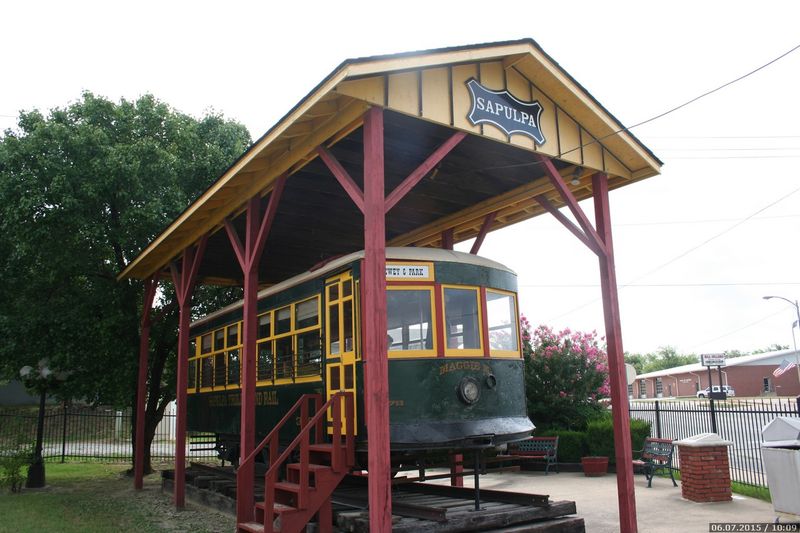
Just 15 miles southwest of Tulsa, Sapulpa sits close enough to the city to feel convenient but far enough removed in character to feel like a genuine escape.
The town’s most surprising landmark is a 1920s filling station originally built by Waite Phillips, the same Phillips whose name is attached to an oil empire that shaped Oklahoma’s history. The building now houses a museum dedicated to automobiles from that same era.
Stepping inside feels like entering a black-and-white photograph that someone forgot to drain of color. The cars inside gleam under the lights, their curves and chrome representing a moment when automobile design was treated as a serious art form.
Sapulpa also sits along the original Route 66 alignment, and stretches of the old road here still carry that particular quiet that the interstate bypasses never quite replicated.
Pretty Water Lake offers a completely different side of Sapulpa. The name is not a marketing invention, it is the actual name, and the lake earns it.
Trout fishing, hiking trails, and a stillness that makes the city feel genuinely far away are all waiting there.
Creek County, where Sapulpa serves as the county seat, has a rich history tied to the Creek Nation, and that heritage is woven into the town’s identity in ways that reward curious visitors who look beyond the surface.
The filling station museum is a compact stop, but it lingers in memory longer than many larger attractions. Sometimes the best museums are the ones that fit inside a single room and still manage to tell a complete story.
10. Elk City, Oklahoma
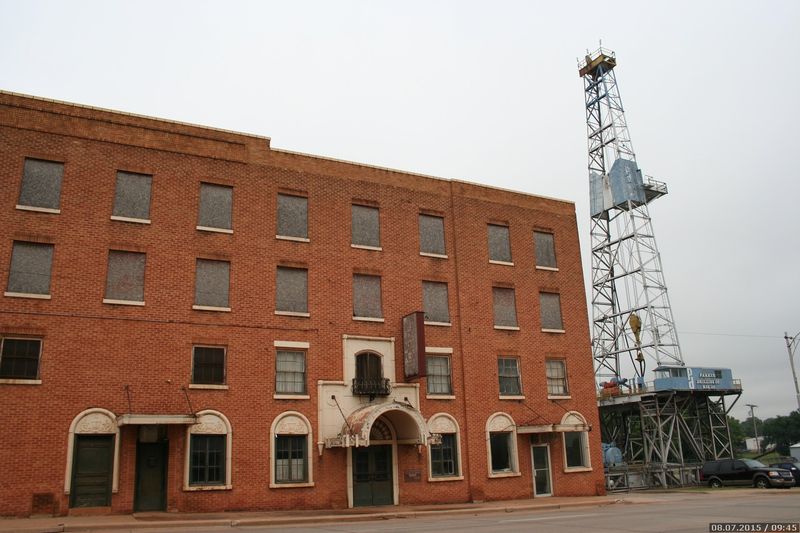
Out in western Oklahoma, about 100 miles west of Oklahoma City, Elk City made a decision that most small towns never get around to making: it built an entire museum complex dedicated to the road that put it on the map.
The National Route 66 Museum covers all eight states through which the Mother Road runs, and the centerpiece experience lets you sit behind the wheel of a 1955 Cadillac and virtually travel the entire route.
That detail alone tells you something about the ambition of this place. Elk City did not build a small exhibit room with a few photographs.
It built a full complex that takes hours to properly absorb.
The surrounding museums cover pioneer life and rodeo culture with the same level of care, filling in the broader story of how western Oklahoma was settled and shaped over generations.
A replica old-fashioned general store recreates the experience of shopping before chain stores existed, right down to the merchandise displays and the layout. It sounds like a small thing until you are standing inside it.
Finding the complex is not difficult. Look for Myrtle, a nearly two-story kachina doll standing at the entrance, visible from the road before you even turn into the parking lot.
Ackley Park sits directly next to the museum complex and adds a surprisingly complete recreational stop. Stocked fishing ponds, playgrounds, mini golf, a train ride, and a wooden carousel with 36 hand-carved horses make it a full afternoon for families.
Elk City rewards visitors who budget more time than they think they will need.
11. Chelsea, Oklahoma
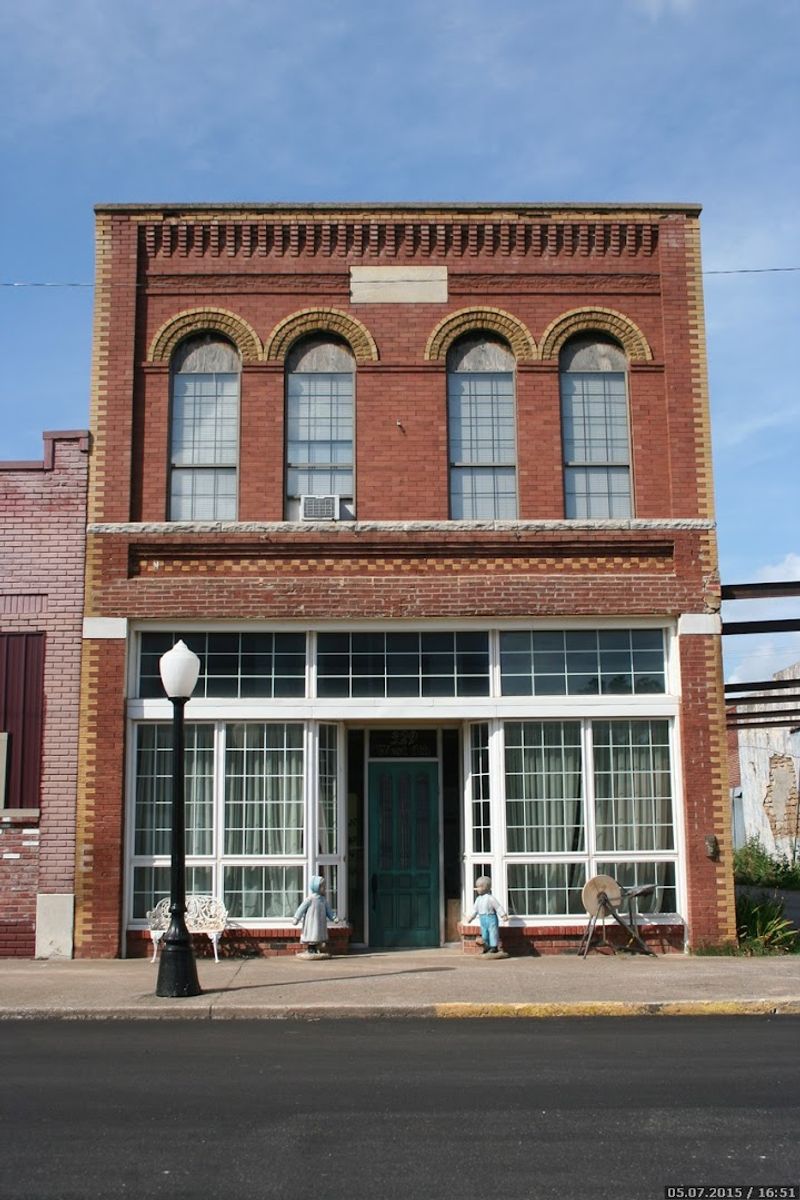
About 46 miles northeast of Tulsa, Chelsea offers something that most Route 66 towns simply cannot: a chance to walk on a section of the original road that no longer carries any cars.
The Pryor Creek Bridge is a 123-foot-long steel-truss bridge that has been closed to vehicle traffic but left open for pedestrians. Walking onto it feels like stepping into a pause in time.
The steel trusses frame the landscape on both sides like a series of photographs, and the quiet is the kind that cities spend millions trying to manufacture. Out here it just exists naturally.
Chelsea itself is a small Rogers County town with a personality shaped by its position along Route 66 and its proximity to the Verdigris River valley. The surrounding landscape is greener and more wooded than the western Oklahoma plains, giving the whole area a softer, more sheltered feel.
The Pedestrian Underpass Mural at Walnut and West Sixth Street adds another layer to Chelsea’s Route 66 identity. Painted by Kenneth Hollingshead in 2016, it depicts the sections of the highway that run through town and gives you the unusual experience of walking under the road rather than on it.
Standing at the center of the Pryor Creek Bridge and looking down the length of the trusses in both directions, I found myself thinking about all the families who crossed this structure heading somewhere they hoped would be better.
Chelsea holds that history without making it heavy, which is a genuinely rare and valuable quality in a small town.
