A promise made in grief. A promise kept for decades.
One man stood beside a grave and swore that the names of his fallen friends would never fade from memory.
So he built a museum with his own two hands, room by room, artifact by artifact.
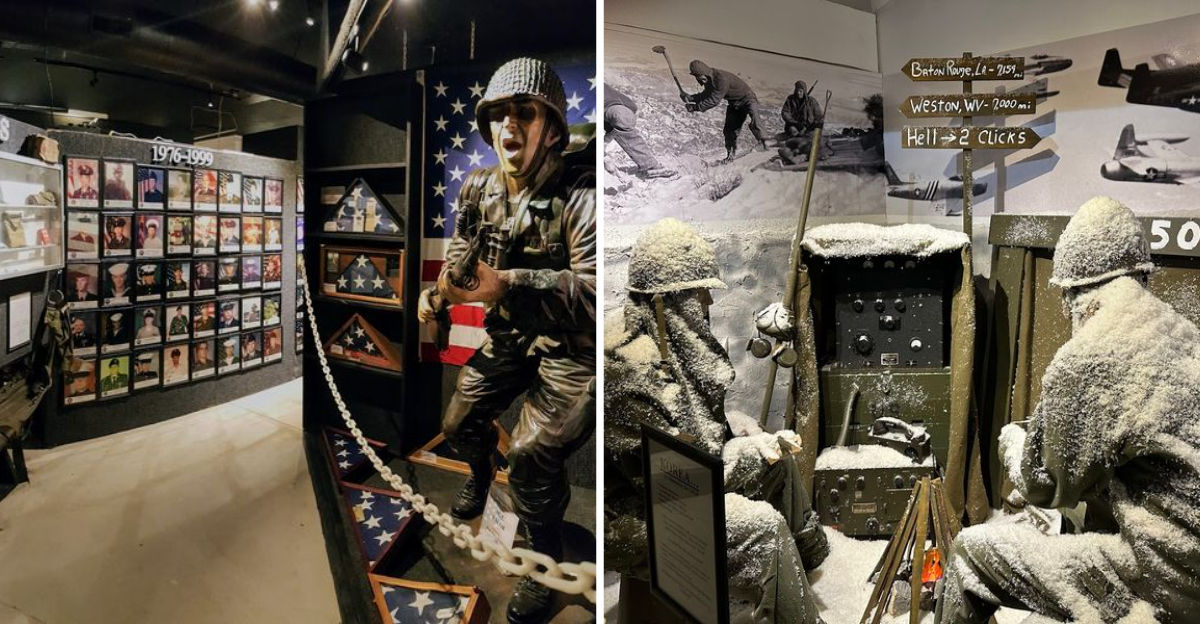
Letters, boots, helmets, and photographs that stare back at you with young faces full of everything ahead of them.
You do not just walk through this place.
You feel the weight of each item like a hand on your shoulder.
Why do we keep painful history alive?
Because forgetting would be a second loss.
This West Virginia treasure is not polished or fancy. It is raw, honest, and absolutely unforgettable.
Walk slowly. Read everything. Those names are waiting to be remembered.
The Graveside Promise That Started It All
Some museums begin with a grant or a government initiative. This one began with grief.
When Ron McVaney returned home from his military service in Germany, he came back to something his childhood friends never got the chance to experience: a future.
His friends had been drafted alongside him, sent to Vietnam while he was sent elsewhere, and none of them came home alive.
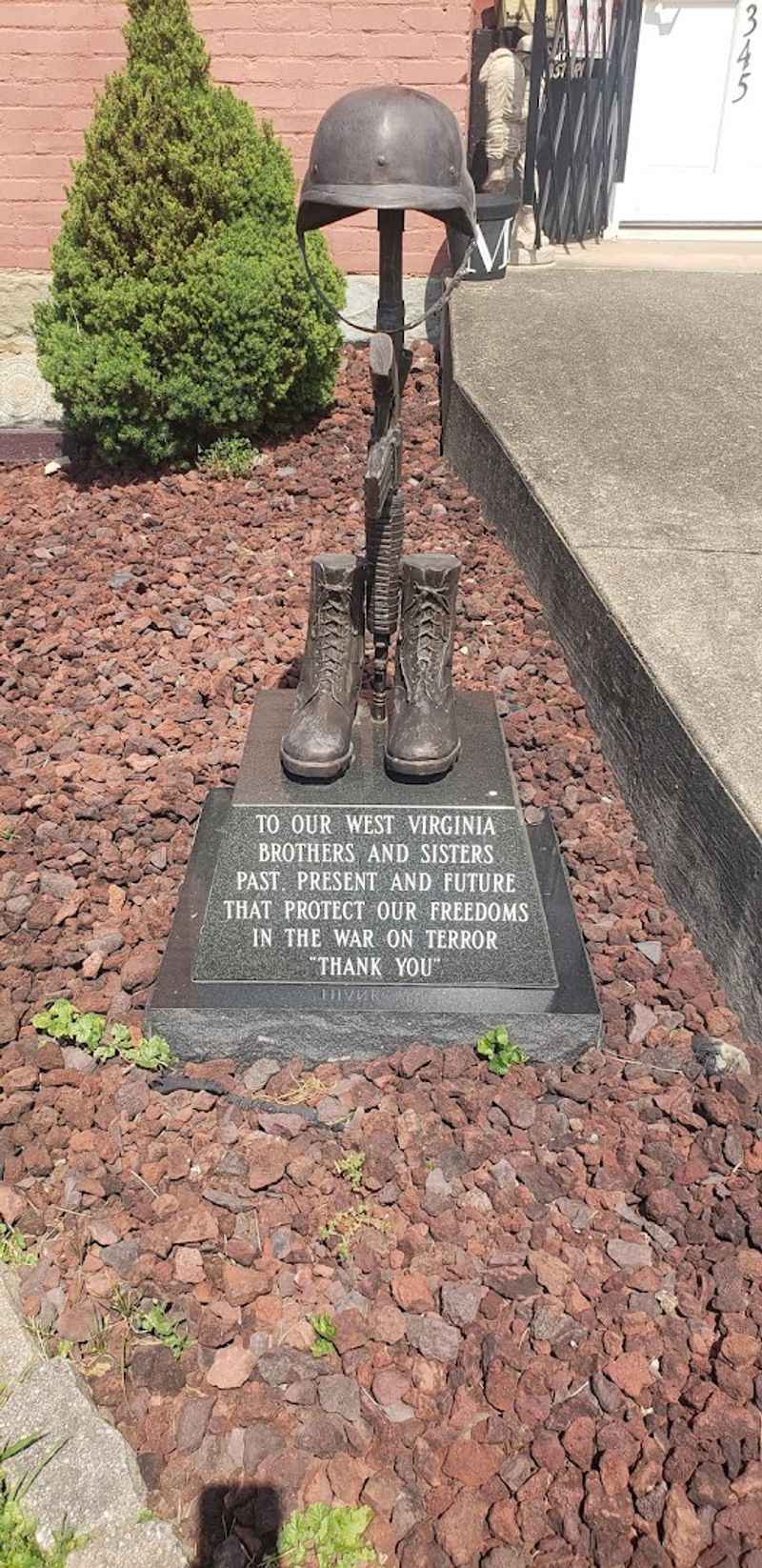
Standing as a pallbearer at a friend’s funeral, McVaney made a vow out loud to the sky and the dirt and whoever was listening. He promised he would never let anyone forget those guys.
That was not a figure of speech. That was a life-altering commitment that would eventually shape every single year that followed.
The weight of that promise is something you feel the moment you step inside the Mountaineer Military Museum. It is not just history on display.
It is loyalty made physical, grief transformed into something lasting, and a reminder that some promises are bigger than the person who makes them.
A Team Behind the Mission
Behind every meaningful place, there is usually a person willing to sacrifice comfort for purpose. Here, there were two.
Ron McVaney retired in 2003 and immediately started doing what he had promised decades earlier, collecting military memorabilia and using his own money to build displays that honored the fallen.
His wife Barbara did not just support the mission from the sidelines. She stepped fully into it, helping grow the collection, open the doors to the public, and keep the whole thing running.
When the museum first opened in Buckhannon in May 2003, it was their shared dream becoming real.
After Ron passed, Barbara continued carrying the mission forward with a dedication that visitors consistently describe as deeply moving. She lives the promise her husband made.
The museum is open Saturdays from 10 AM to 4 PM, and Barbara’s presence in that space carries the kind of warmth and seriousness that makes every visit feel personal, not just educational. This is a love story as much as a history lesson.
The Historic Weston Colored School Building
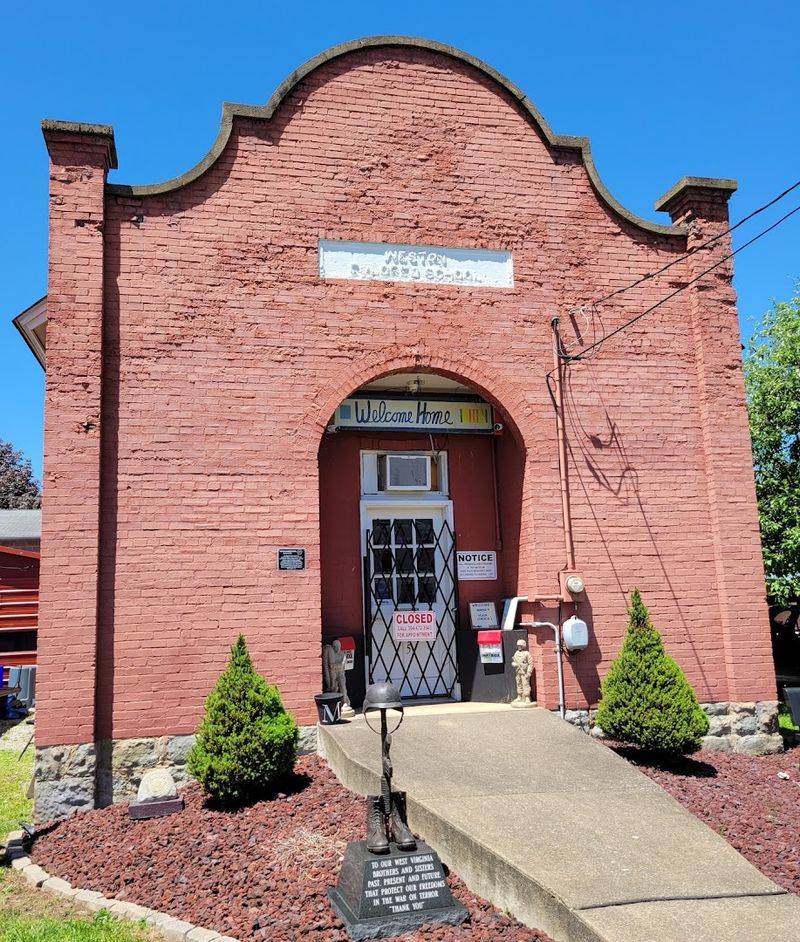
The building itself carries its own layer of history before you even think about the military artifacts inside. The Mountaineer Military Museum found its permanent home in Weston in May 2006, housed inside the historic Weston Colored School building on Center Avenue.
That is a structure with stories baked into its walls long before the first uniform was ever mounted on display.
From the outside, the building reads as modest. Nothing about the exterior screams museum.
Visitors consistently mention being surprised by how much space and depth exists once you step inside, which makes the experience feel a little like finding a hidden world behind an ordinary door.
The Lewis County Board of Education and the Lewis County Commission both played a role in helping establish the museum in this location.
The partnership between community institutions and one family’s personal mission is part of what makes this place feel so rooted in the fabric of West Virginia.
It belongs here. It grew here.
And it plans to stay here.
Exhibits Spanning Every Major American Conflict
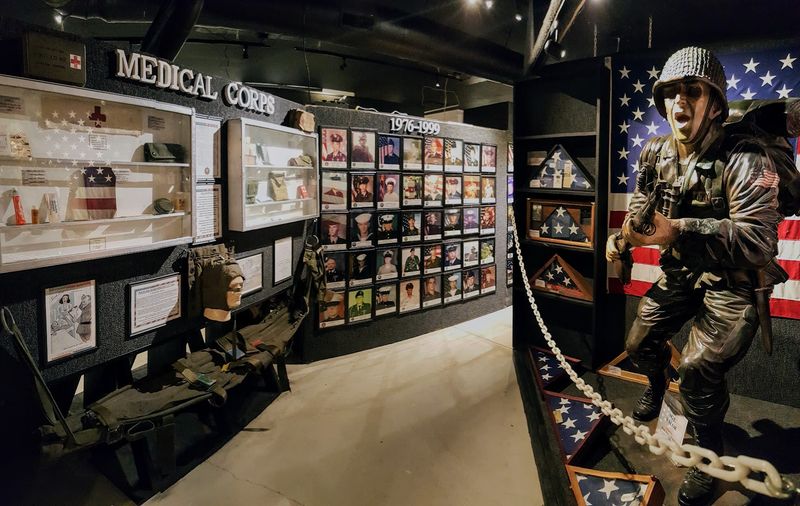
Walking through the Mountaineer Military Museum feels like moving through a timeline of sacrifice. T
he collection covers World War I, World War II, the Korean War, the Vietnam War, Desert Storm, and Operation Iraqi Freedom, which means nearly every generation of American military service is represented somewhere in these rooms.
What makes the exhibits stand out is the personal nature of the items. These are not sterile replicas behind glass.
Many pieces were donated by West Virginia families, which means they once belonged to real people from nearby towns, people whose names appear on local memorials and in local memories.
Each era gets its own attention, with displays that try to capture not just the weapons and uniforms but the experience of the soldiers who wore them. There is an exhibit depicting the brutal cold of Korea in the early 1950s.
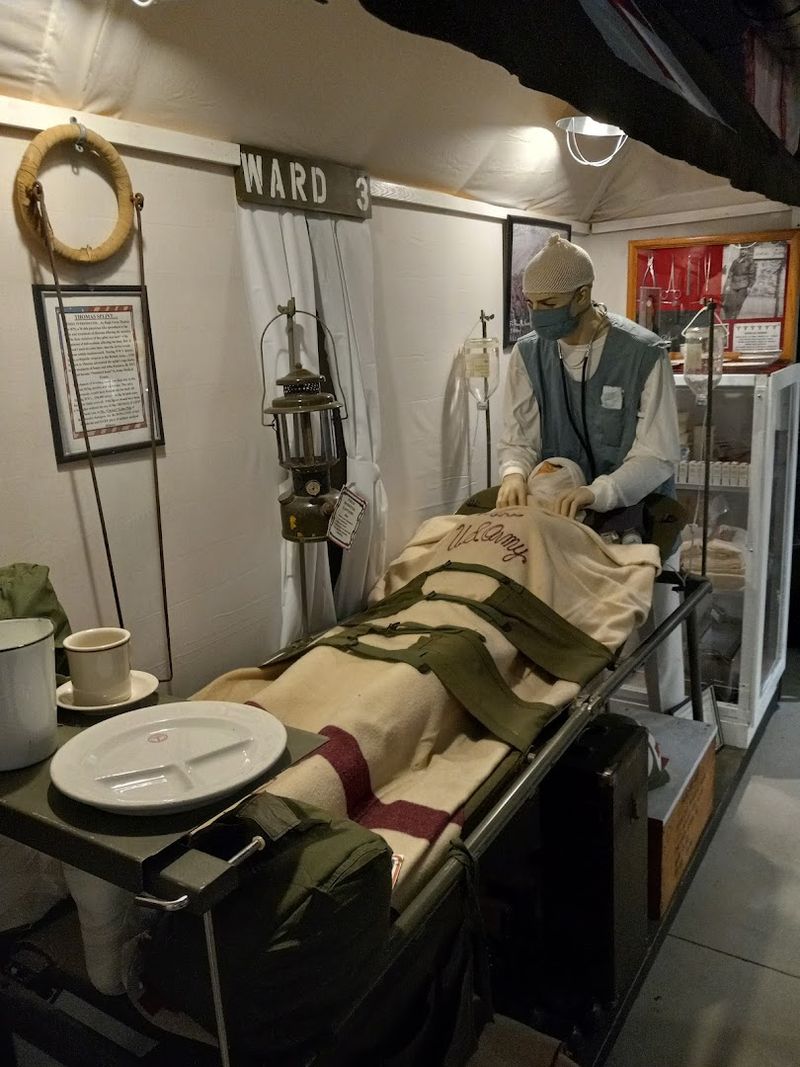
There are medical care setups, music from the Vietnam era, and photographs that connect every artifact to a human face. History here has a heartbeat.
The Reflection Room for Fallen Soldiers
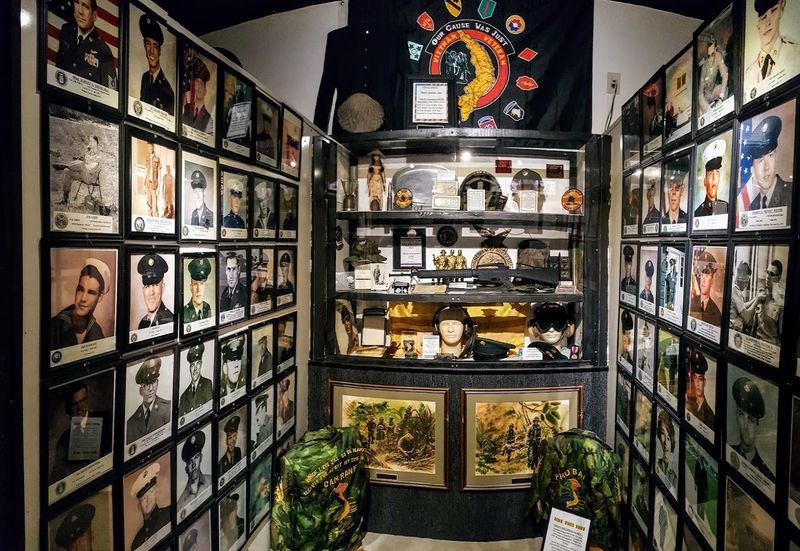
Somewhere in the middle of all the artifacts and displays, there is a room that asks you to slow down. The reflection room dedicated to fallen soldiers is one of the museum’s most emotionally powerful additions, a space designed not for information but for feeling.
Stepping into it shifts the energy entirely. The photographs, the names, the quiet arrangement of the space all work together to remind you that every item in this museum was once held by someone who had a family waiting at home.
Some of those families never got to say a proper goodbye.
Visitors consistently describe this room as the moment the museum moved from impressive to unforgettable. It is not dramatic in a theatrical way.
It is honest. The room sits there and lets the weight of loss settle without rushing you past it.
There is also a space called a hooch, designed for quiet meditation, giving visitors another place to sit with what they have seen and felt before heading back into the rest of the collection.
The Hall of Fame Honoring Military Families
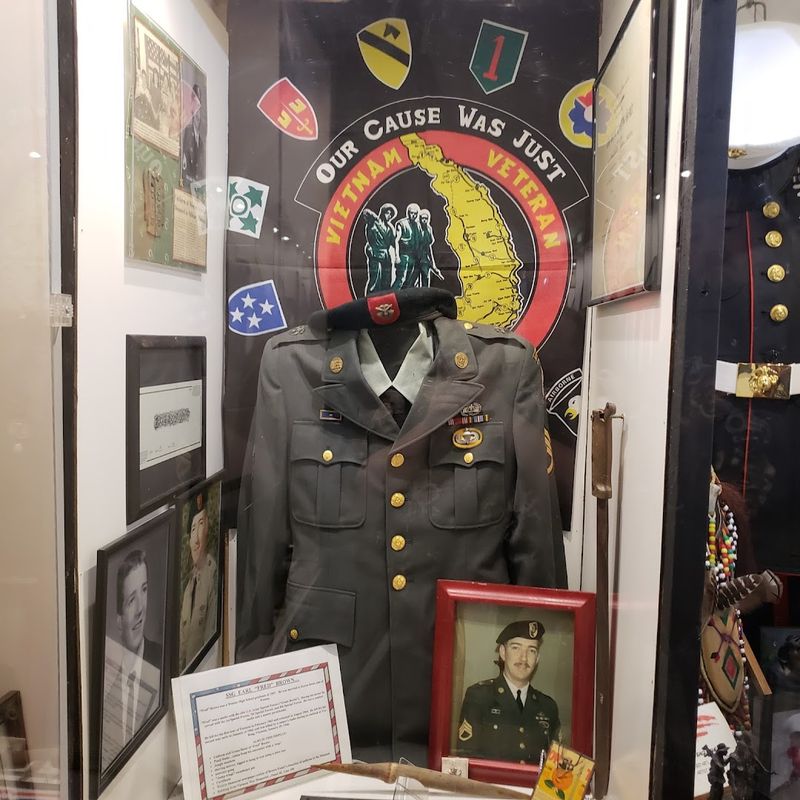
Military service does not only affect the person in uniform. It reshapes entire families, alters childhoods, and leaves marks that last for generations.
The Mountaineer Military Museum recognizes this with a Hall of Fame dedicated to military family members, a feature that sets it apart from more traditional collections.
Seeing a family member’s name or photograph in that space means something that is hard to put into words.
Visitors from across the region and beyond have found connections here, familiar surnames from nearby counties, faces that match stories passed down at kitchen tables for decades.
The Hall of Fame transforms the museum from a place about war into a place about community. It honors not just the ones who served but the ones who waited, worried, and carried the weight of uncertainty for months or years at a time.
That kind of recognition is rare in military museums. It broadens the story in a way that makes almost every visitor feel personally included, whether their family served recently or generations ago.
A Collection Grown Through Community Donations
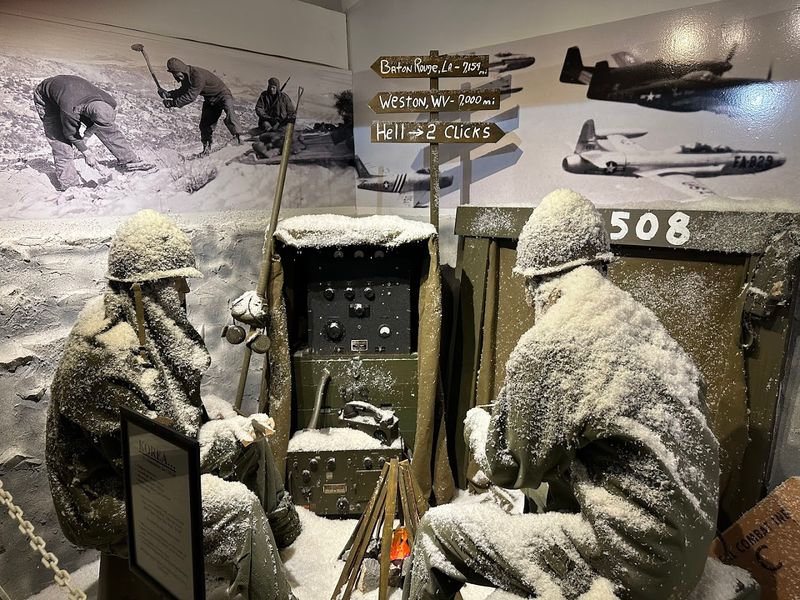
Museums built on institutional funding tend to feel curated from a distance. This one feels personal because it literally is.
A significant portion of the Mountaineer Military Museum’s collection came directly from West Virginians who wanted their family’s military history to have a proper home.
Donations poured in from across the state and beyond, each one carrying its own story. A set of dog tags.
A folded letter. A uniform worn in a jungle or a desert or on a freezing hillside in Korea.
Every donated item represents a family’s decision to share something irreplaceable with strangers, trusting that it will be treated with respect.
The museum has a small surplus store where visitors can purchase items, with proceeds helping cover operating costs like the electric bill. There is also an opportunity to donate military gear directly, which keeps the collection growing and the mission alive.
The whole ecosystem of the museum depends on community investment, which makes every visit feel less like tourism and more like participation in something that genuinely matters to the people who built it.
The Size of the Inside
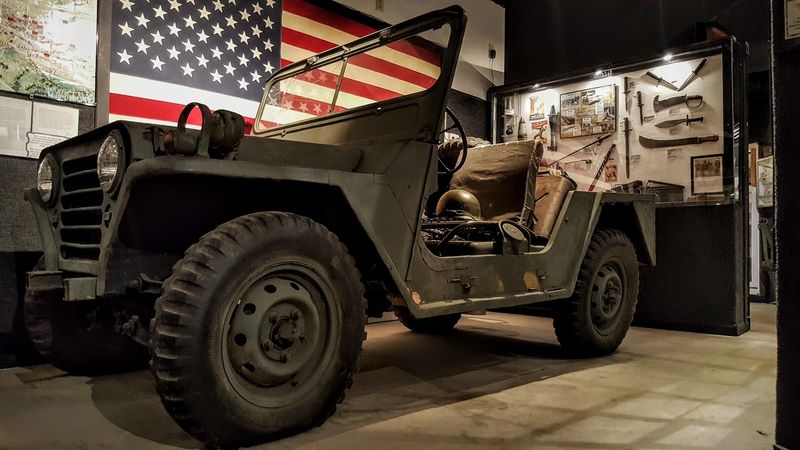
From the sidewalk, the building does not look like much. That is part of what makes walking inside so disorienting in the best possible way.
Nearly every visitor mentions the same thing: they expected a quick fifteen-minute loop and ended up staying for two hours or more.
The collection is dense in the most rewarding sense. Every wall, every case, and every corner holds something worth stopping for.
There are photographs next to the items they depict, context cards that explain what you are looking at, and arrangements that feel deliberate rather than cluttered.
Some people return multiple times and still find something new on each visit, which says a lot about the depth of what has been assembled here. The museum does not rush you.
There is no audio tour playing on a loop or a timed entry system pushing you along. You move at your own pace, and the collection rewards that patience generously.
For history lovers especially, the Mountaineer Military Museum delivers far more than its modest exterior ever promises.
Free Admission and the Spirit of Giving Back
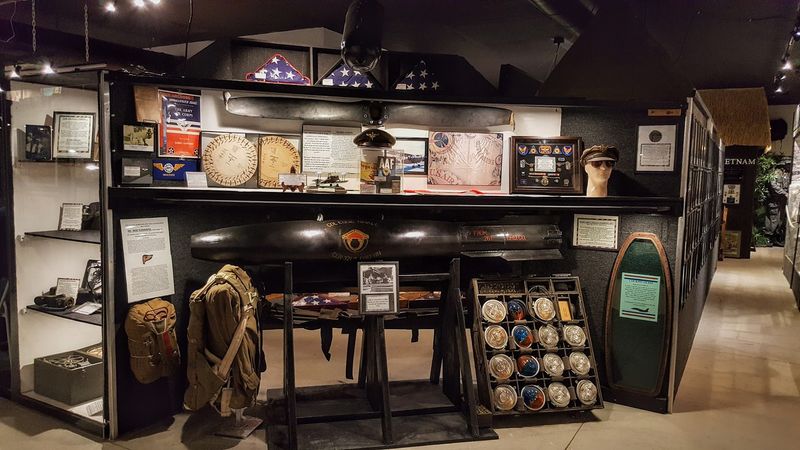
Admission to the Mountaineer Military Museum is free. That single fact says a lot about what this place is really about.
The goal was never profit. The goal was always the promise, to make sure that people who walked through those doors left knowing more about the sacrifices made on their behalf.
Visitors are encouraged to donate if they feel moved to do so, and most do.
The surplus store on the premises also helps keep the lights on, offering military-related items for purchase in a way that supports the museum’s ongoing operation without putting up a paywall in front of the history.
There is something refreshing about a place that trusts its visitors enough to let them decide what it is worth. And from the response the museum consistently receives, people tend to give generously once they have seen what is inside.
The free admission policy also means that families, students, and veterans on fixed incomes can all walk through those doors without hesitation. That accessibility is part of the museum’s quiet generosity.
Planning Your Visit to Mountaineer Military Museum
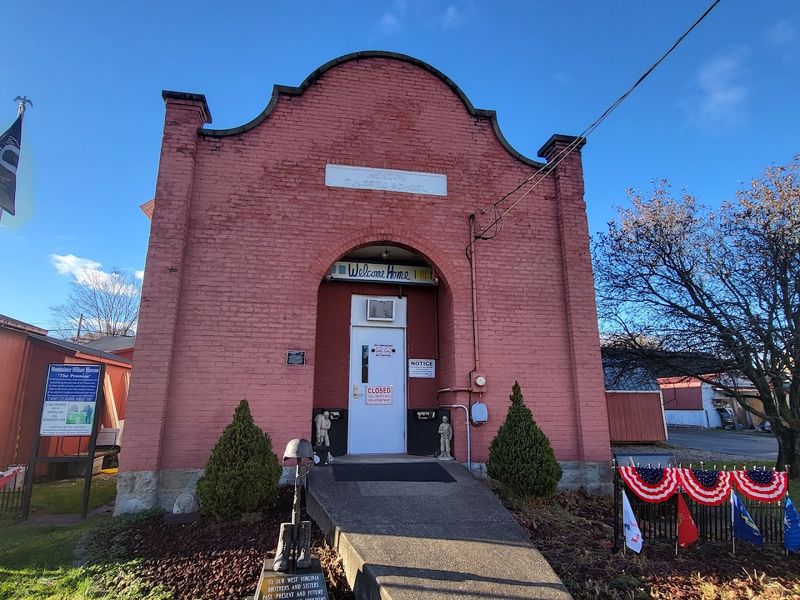
Getting to Weston, West Virginia is the kind of drive that reminds you how beautiful this state actually is. Rolling hills, quiet roads, and the kind of scenery that makes you glad you left the highway.
The museum sits at 345 Center Avenue, easy to find once you are in town.
Hours are currently Saturdays only, from 10 AM to 4 PM. That limited schedule makes planning ahead essential, but it also means the visit carries a certain intentionality.
You do not stumble in by accident. You make the trip on purpose, and that makes the experience feel even more meaningful.
Go with time to spare. Bring tissues if you are the type.
And when you walk out, consider leaving a donation for a place that has earned every penny.
Address: 345 Center Ave, Weston, WV
