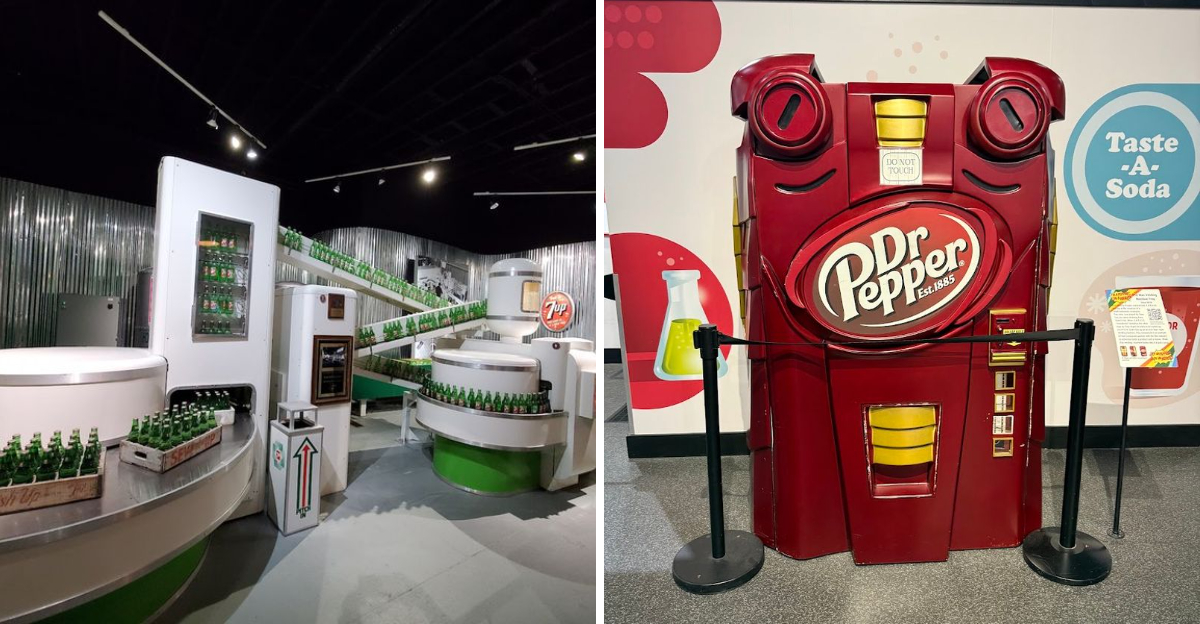
A museum for a soda. Only in Texas.
This spot sits inside the original bottling plant from 1906, and the whole place smells faintly of sugar and nostalgia. Exhibits trace the drink’s journey from pharmacy concoction to cultural icon, with vintage bottles, ads, and a working soda fountain that still serves up floats and fountain drinks.
A person could learn more about Dr Pepper here than they ever thought possible. The building itself is part of the story, old brick walls and creaky floors that have seen a century of bottling history.
Texas has plenty of quirky museums, but one dedicated to a fizzy drink that started right here in Waco is a different kind of tribute. Bring a sweet tooth and a willingness to learn about the origins of a Texas original.
The fountain drinks are worth the price of admission.
The Historic Building That Started It All
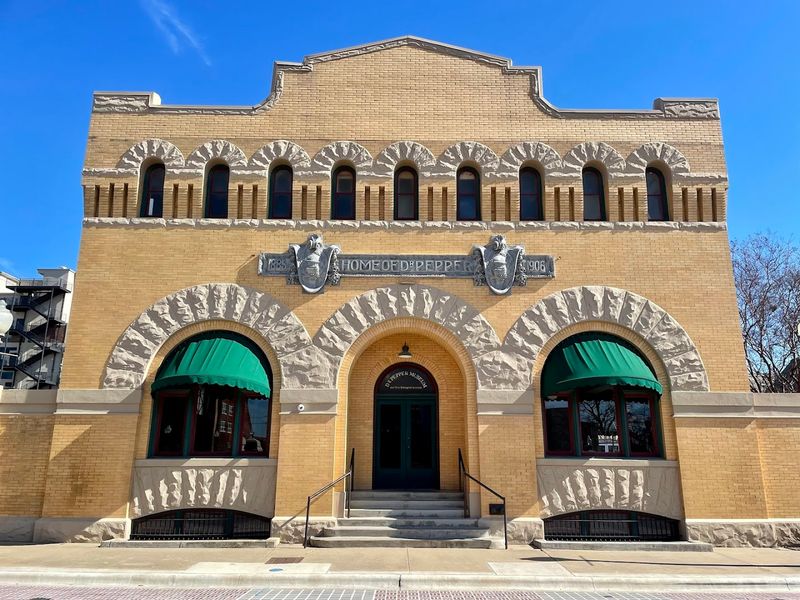
Before you even buy a ticket, the building itself earns your respect. The Dr Pepper Museum is housed in the original 1906 Artesian Manufacturing and Bottling Company structure, which holds the distinction of being the very first building ever constructed specifically for bottling Dr Pepper.
That is not a small detail. That is the kind of origin story most brands would kill for.
The red brick exterior has been carefully preserved, and it sits on the National Register of Historic Places under the official designation “Home of Dr Pepper.”
Walking up to it feels like approaching something that has quietly outlasted a century of change. The building survived two World Wars, countless business shifts, and the rise of modern soda giants, yet here it stands, still telling its story.
The museum opened its doors to the public on May 11, 1991, and it operates as a private non-profit organization. It has no official ties to Keurig Dr Pepper, the current parent company of the brand.
That independence gives the museum a genuine, community-driven energy that you can feel the moment you step inside. The preservation work done on this structure is impressive, and the attention to architectural detail makes it feel like a living piece of American industrial history.
Visiting here is less about nostalgia and more about understanding how a single building in a mid-sized Texas city quietly shaped the soft drink industry for over a hundred years.
Charles Alderton and the Birth of a Legendary Flavor
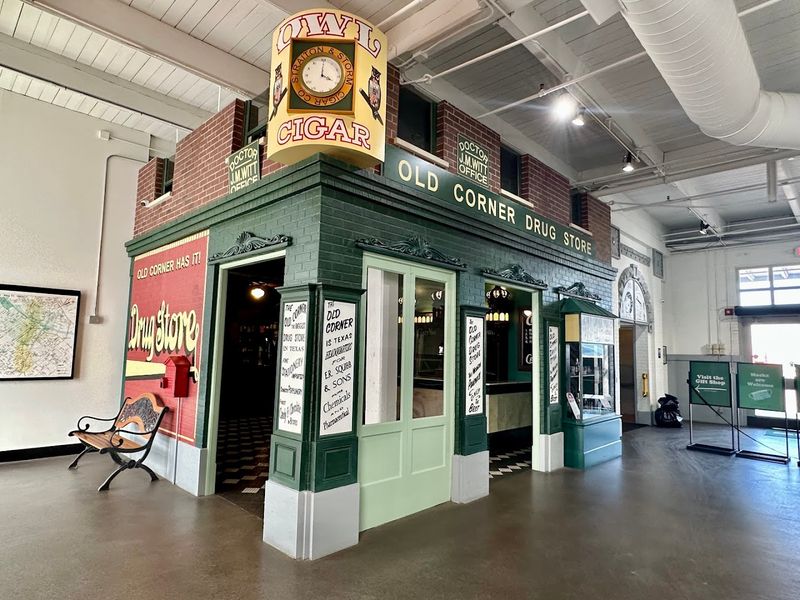
Most people sip Dr Pepper without ever wondering who actually invented it. The answer is a pharmacist named Charles Alderton, and the place where it happened was Morrison’s Old Corner Drug Store right here in Waco, Texas, in 1885.
Alderton reportedly loved the smell of the fruit syrups used at the soda fountain and wanted to create a drink that captured all of them at once.
The result was something the locals started calling “Waco” before it ever got an official name. Customers would walk in and ask for “a Waco,” and the drink spread by word of mouth before it was ever bottled or marketed.
That kind of grassroots popularity is rare, and it says a lot about how genuinely different the flavor was from anything else available at the time.
The museum dedicates real space to this origin story, presenting Alderton’s contribution with the kind of care it deserves. The FDA eventually gave Dr Pepper its own classification as a “pepper soda,” because it did not fit neatly into any existing soda category.
It is not a cola. It is not a root beer.
It is not fruit-flavored, either. The flavor profile comes from a blend of fruit extracts, and despite the persistent myth, there is no prune juice in the recipe.
Alderton created something genuinely one of a kind, and the museum makes sure you leave knowing exactly how remarkable that achievement was for its time.
Three Floors of Soft Drink History You Did Not Expect
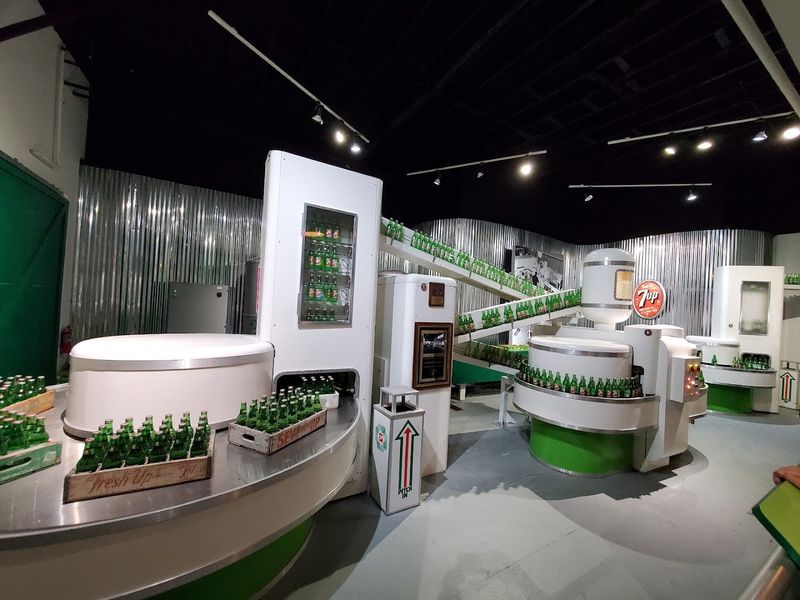
The moment you get inside, the scale of the collection catches you off guard. Three full floors of exhibits cover not just Dr Pepper, but the broader history of the entire American soft drink industry.
That scope is what sets this museum apart from what you might expect when you first hear the words “soda museum.”
The collection holds over 300,000 artifacts, making it one of the largest assemblies of soft drink memorabilia anywhere in the world. Vintage bottles, antique vending machines, old advertising signs, and rare promotional items fill the space in a way that feels curated rather than cluttered.
Each floor builds on the last, taking you from the earliest days of carbonated beverages all the way through the modern era of soda branding and marketing.
What makes the experience click is that it never feels like a commercial. The museum is genuinely educational, and it presents the soft drink industry as a lens through which you can understand American consumer culture, manufacturing history, and even economics.
The W.W. Clements Free Enterprise Institute is built right into the facility, using the soda industry as a practical teaching tool for understanding how American business works.
It sounds dry on paper, but in person it is surprisingly engaging. Kids get pulled in by the colorful visuals while adults find themselves reading placard after placard without realizing how much time has passed.
That is the mark of a well-designed museum, and this one earns that description honestly.
The Old-Fashioned Soda Fountain That Steals the Show
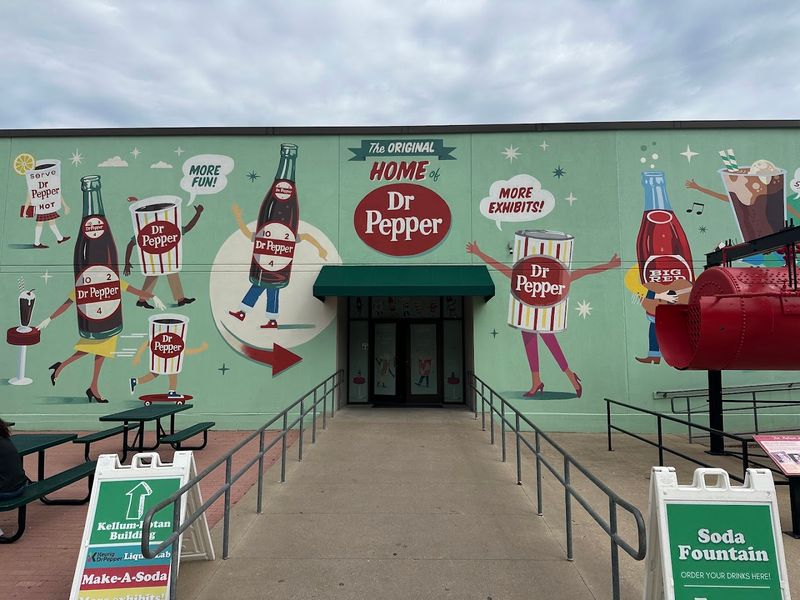
There is one spot inside the Dr Pepper Museum that practically everyone gravitates toward, and that is the old-fashioned soda fountain hidden inside the building. It is not a replica or a prop.
It is a working soda fountain designed to look and feel like something pulled straight from a 1950s drug store, and it delivers on that promise completely.
Sitting down at the counter with a cold, freshly made Dr Pepper feels like a small act of time travel. The stools, the counter, the glass dispensers, all of it creates an atmosphere that is impossible to rush through.
You find yourself lingering longer than planned, which is exactly the point.
The fountain is one of those rare museum features that turns passive observation into actual participation. You are not just reading about how soda used to be served.
You are experiencing it firsthand, right down to the fizz and the flavor. For families visiting with kids, this becomes an instant highlight.
For adults, it triggers a kind of warm, uncomplicated joy that is hard to describe but easy to feel. The staff working the fountain tend to be genuinely enthusiastic, which adds to the overall warmth of the moment.
It is the kind of detail that transforms a visit from informative to memorable, and it is one of the main reasons people leave the Dr Pepper Museum talking about it long after they have returned home.
Make-A-Soda, the Hands-On Experience Worth Every Minute
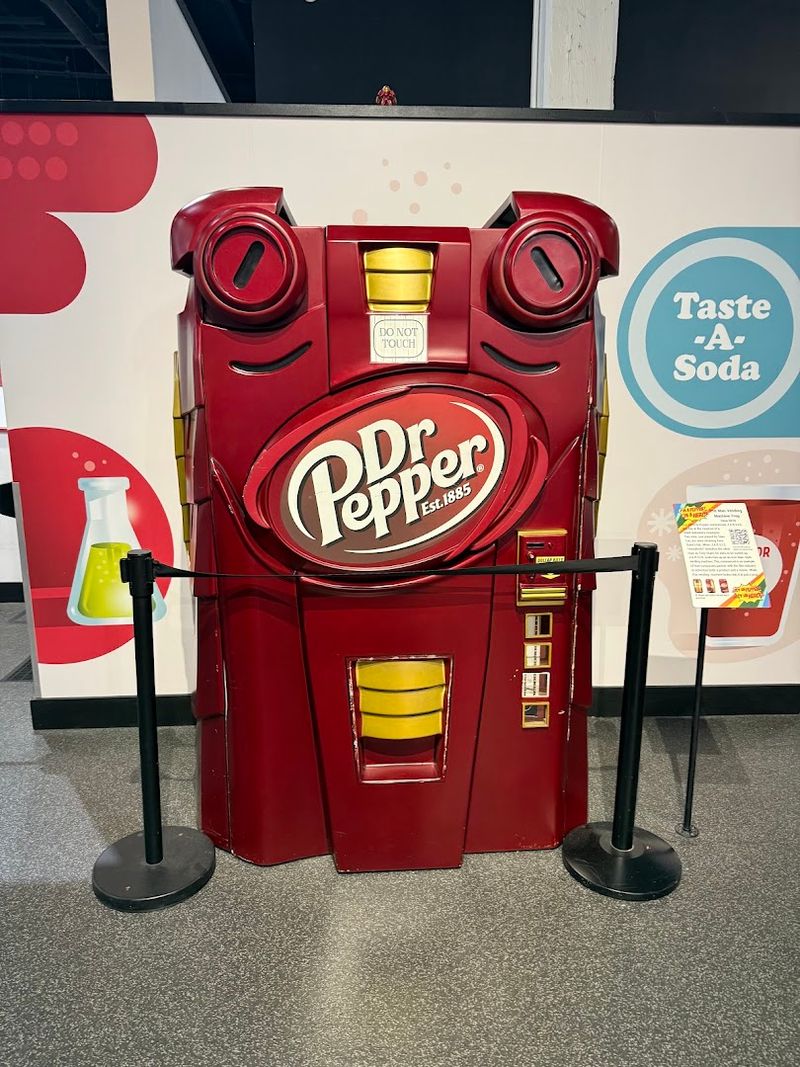
If there is one activity at the Dr Pepper Museum that gets people genuinely excited regardless of age, it is the Make-A-Soda experience. The concept is straightforward.
You get to blend your own custom soda using a selection of syrups and carbonated water, guided through the process by museum staff who clearly enjoy watching people react to their own creations.
The experience does something clever. It takes what seems like a simple, fun activity and quietly teaches you something real about how flavor combinations work and why creating a successful soda formula is harder than it looks.
Most people walk away with a much deeper appreciation for the complexity behind that familiar Dr Pepper taste.
The Taste-A-Soda option pairs well with this, giving visitors a chance to sample different flavor profiles and compare them side by side. Together, these two experiences make the science of soda feel accessible and genuinely fun rather than academic.
There is something satisfying about holding a cup of something you mixed yourself, even if your version does not exactly rival the original. The activity works especially well for school groups and families, but solo visitors enjoy it just as much.
It is interactive without being overwhelming, and it adds a layer of personal engagement to the visit that purely exhibit-based museums often struggle to achieve.
The Make-A-Soda experience is one of those small, well-executed touches that makes the Dr Pepper Museum feel like more than just a collection of old bottles and signs.
The Mystery Behind the Name Dr Pepper
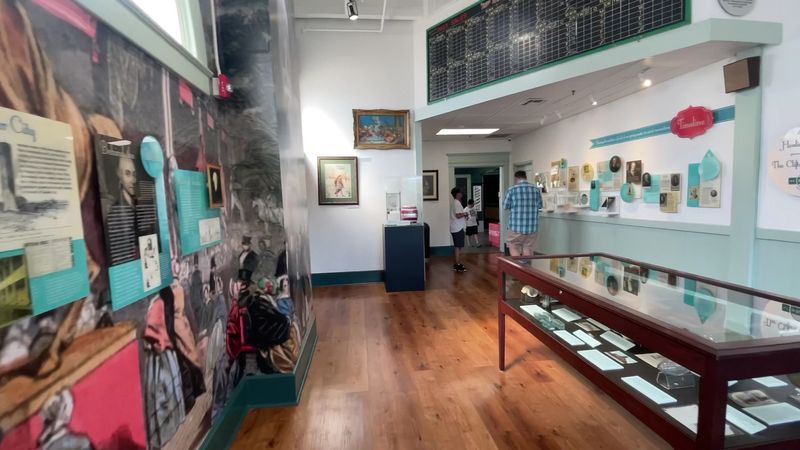
One of the most entertaining rabbit holes the Dr Pepper Museum sends you down is the question of where the name actually came from. Nobody has a definitive answer, and the museum leans into that mystery rather than trying to paper over it.
The staff has collected over a dozen different theories about the origin of the name, and none of them has ever been proven conclusively.
Some theories involve a doctor from Virginia. Others point to a pharmacist’s terminology.
A few are more creative and harder to take seriously, but they get displayed right alongside the more plausible explanations because the museum understands that the uncertainty is part of what makes the story interesting.
It is refreshing to see a museum that does not feel the need to invent a tidy narrative where one does not exist.
That honesty makes the exhibit feel trustworthy. You are not being sold a legend.
You are being invited to think critically about history and how brand stories develop over time. For older visitors and students especially, this section sparks real conversation.
It raises questions about how much of what we accept as historical fact is actually just a well-repeated story. The name mystery has become one of the most talked-about features of the museum, and it is handled with just enough playfulness to keep it light.
It is a small section of the overall experience, but it punches well above its weight in terms of the impression it leaves.
The Secret Formula and the Two Bank Vaults in Dallas
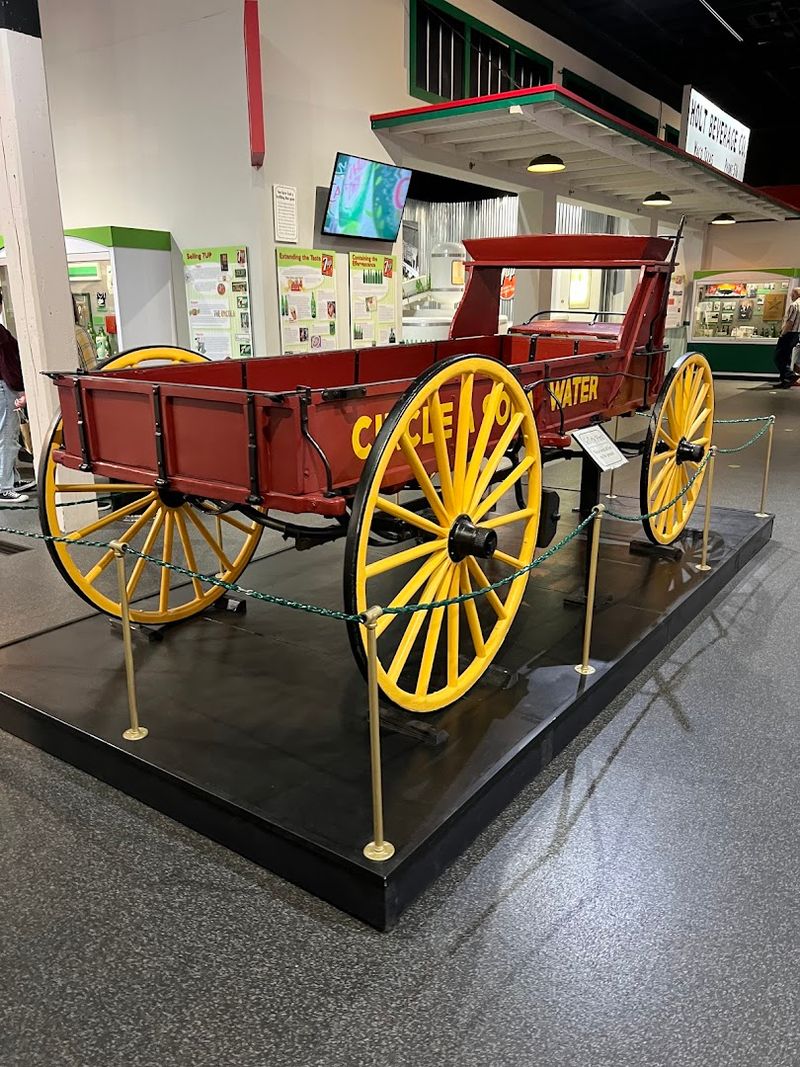
Few things in the food and beverage world carry as much mystique as a closely guarded secret formula, and Dr Pepper has one of the best-kept in the business. The recipe is reportedly divided into two separate halves, each stored in a different bank vault in Dallas, Texas.
The logic is that no single person or location ever holds the complete formula at one time.
The museum addresses this piece of lore with the right amount of drama. It is the kind of detail that sounds almost too cinematic to be true, but it has been reported consistently enough that it carries real weight.
Whether you believe every detail or not, the story perfectly captures how seriously the brand has always taken its recipe.
What the museum also makes clear is what the formula is not. Despite decades of popular rumor, Dr Pepper does not contain prune juice.
The flavor comes from a blend of fruit extracts, and the specific combination is what gives it that unmistakably layered taste that the FDA eventually had to create an entirely new category to describe. No existing classification fit.
The agency landed on “pepper soda” as the only accurate label, which tells you everything about how genuinely unique the drink is. That kind of regulatory acknowledgment of distinctiveness is rare, and the museum presents it as the point of pride it truly is.
The formula mystery is one of the most compelling threads woven through the entire visit.
Why Waco, Texas Owns This Piece of American History
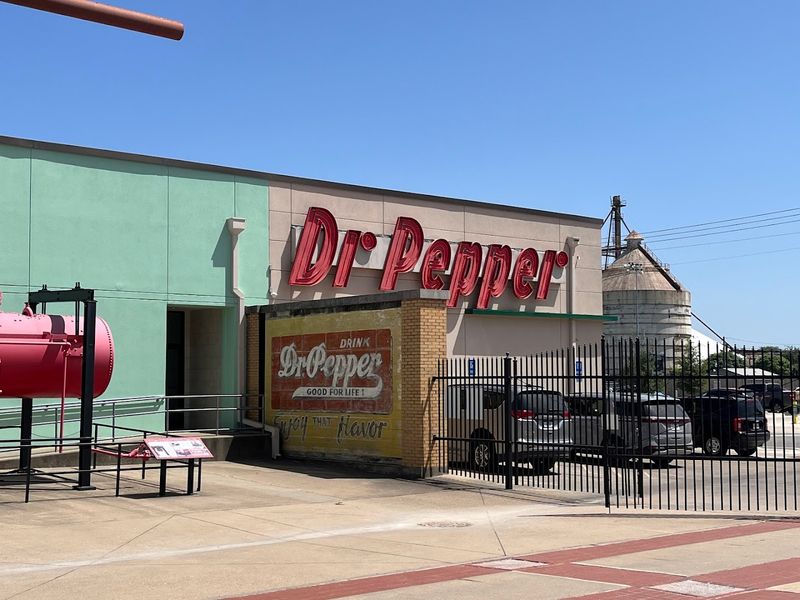
Waco does not always get the national attention it deserves, but the Dr Pepper Museum is a strong argument for why this city matters more to American culture than most people realize.
The drink that became the oldest major brand soda in the United States was born here, mixed by hand at a local drug store counter, and first tasted by Waco residents who simply called it by the name of their own city.
That local pride runs deep, and you feel it throughout the museum. The exhibits do not shy away from Waco’s central role in the story.
The 1904 Louisiana Purchase Exposition in St. Louis introduced Dr Pepper to a national audience for the first time, but its roots were always firmly planted in Texas soil.
The museum sits at 300 South 5th Street in a part of downtown Waco that has seen significant revitalization over the years. Visiting the Dr Pepper Museum pairs naturally with exploring the rest of what the city has to offer, from the Brazos River walk to the broader historic downtown district.
The museum itself anchors that experience by giving visitors a reason to think about Waco not just as a place on the map, but as the birthplace of something genuinely iconic. It is the kind of cultural landmark that earns its place in a travel itinerary, and it delivers on that promise every single time.
