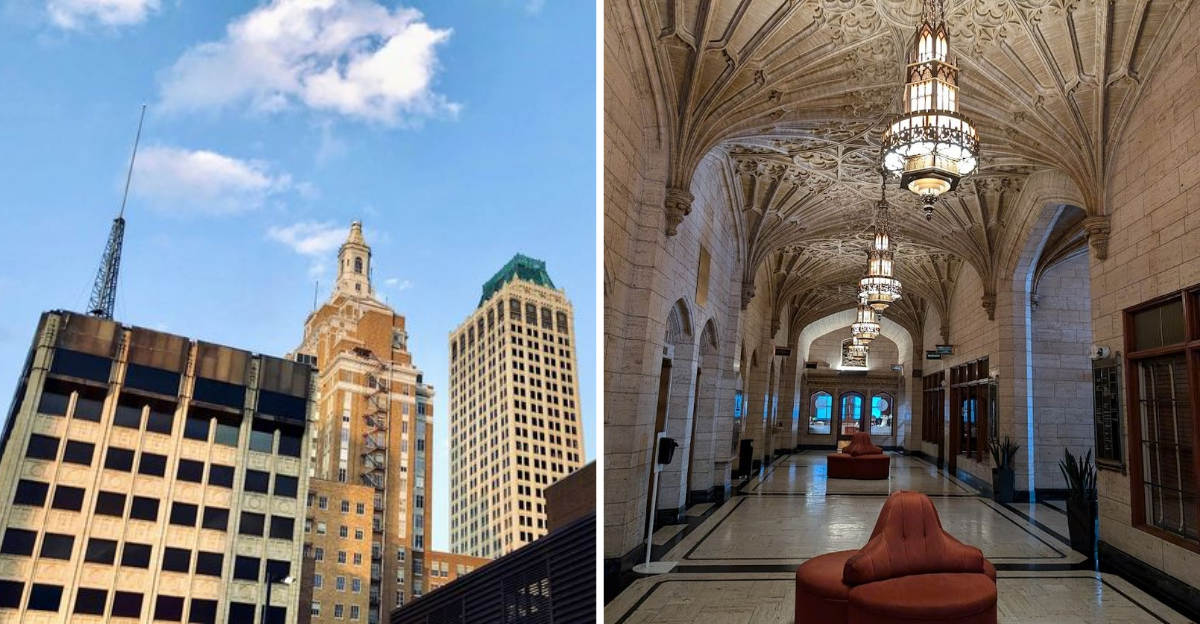
Buildings you pass without a second glance, and then buildings that stop you completely in your tracks. This Oklahoma tower is absolutely the second kind.
The moment I spotted its ornate roofline rising above the city streets, I felt like I had somehow wandered into a different century. It stands twenty four stories tall, a Gothic Revival masterpiece finished in the nineteen twenties during the height of the state’s oil boom, and it still commands attention like nothing else around it.
The colorful tiled pyramid roof, the gargoyles, the glowing copper lantern at the top, none of it looks like it belongs to the present day. Visiting this building is one of those experiences that genuinely reminds you how extraordinary architecture can be when someone truly cares about the craft.
The Gothic Revival Exterior That Turns Heads
From the sidewalk on South Boston Avenue, the Philtower does not look like it belongs to Oklahoma at all. It looks like something transplanted from a medieval European city, then stretched upward to touch the sky.
The Gothic Revival style is immediately obvious, with pointed arches, intricate stonework, and decorative elements carved into nearly every surface.
Architect Edward Buehler Delk designed the building for oilman Waite Phillips, and he clearly did not hold back. The facade is layered with ornamental detail that rewards a slow, careful look.
Art Deco setbacks give the tower its distinctive stepped silhouette as it rises floor by floor.
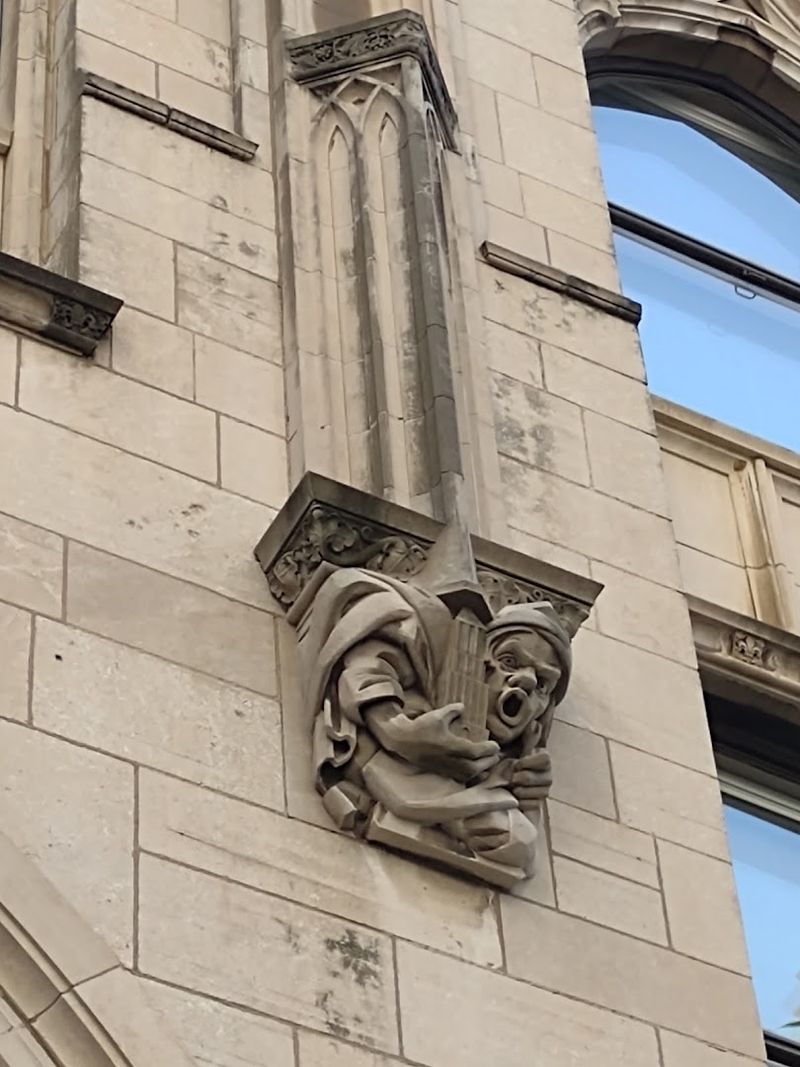
One of the most charming features is a gargoyle that holds a tiny replica of the Philtower itself in its hands. That kind of playful detail is rare in any building, let alone one from the 1920s.
The exterior feels like a love letter to another era, written in stone and steel, and somehow still perfectly legible nearly a century later.
Even the stonework seems to change character with the shifting light, warm and golden in the morning, cool and shadowed in the late afternoon. Pedestrians who pass it every day still pause to glance upward, which is the surest sign of architecture that has not lost its power to move people.
That is the mark of something truly extraordinary.
A Rooftop Unlike Anything Else in Oklahoma
Most skyscrapers end with a flat slab or a simple spire. The Philtower had a completely different idea.
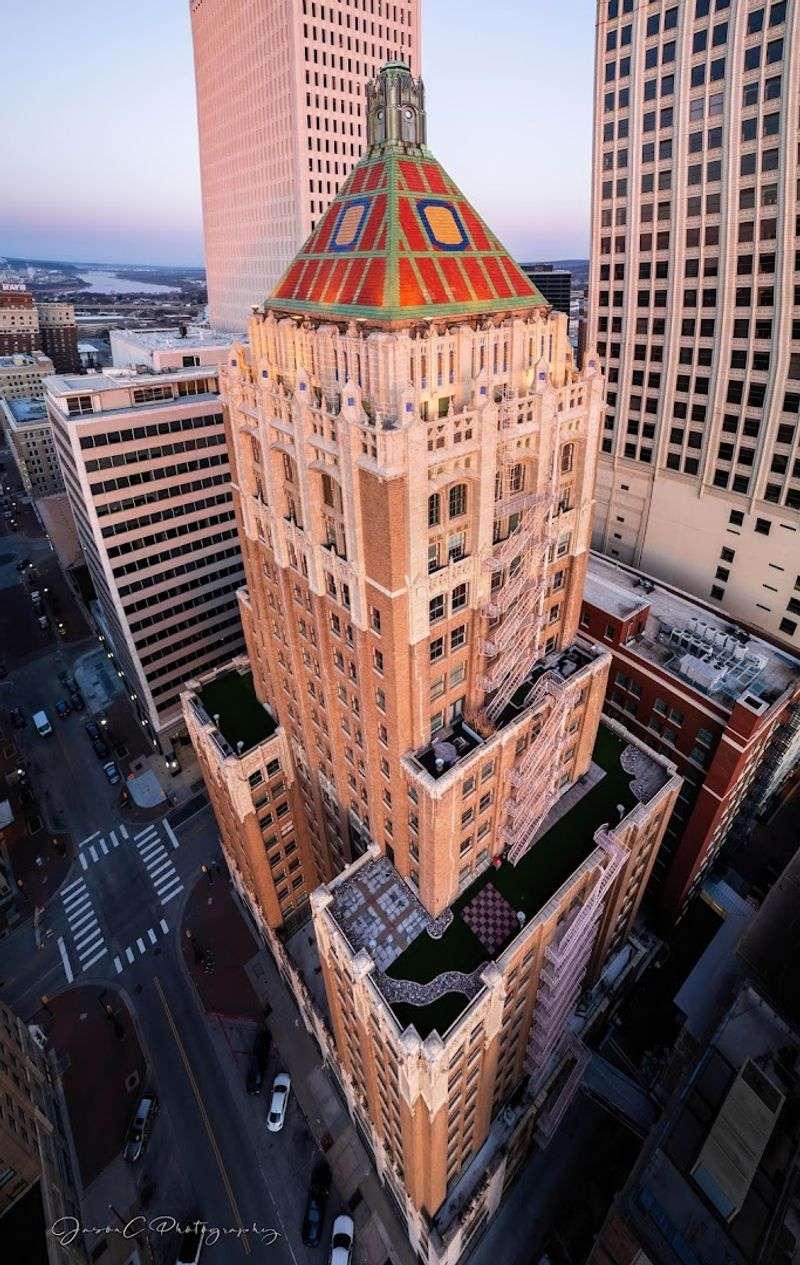
Perched at the very top is a 40-foot pyramidal roof covered in colorful glazed tiles that catch the light in a way that feels almost theatrical. At its peak sits a giant copper lantern that glows warmly after dark, turning the building into a beacon visible from across the city.
At night, the illuminated roof transforms the Tulsa skyline into something genuinely magical. It is the kind of sight that makes you stop mid-sentence during a conversation and just point upward.
The combination of the tiled pyramid and the lantern gives the building a crown-like quality that earned it the nickname “Queen of the Tulsa Skyline” during the oil boom years.
What is remarkable is how intentional it all feels. Nothing about the roofline reads as accidental or rushed.
It was designed to be seen from a distance, to signal that something special was happening here in Oklahoma, and nearly 100 years later, it still delivers on that promise without effort.
The Lobby That Feels Like a Cathedral
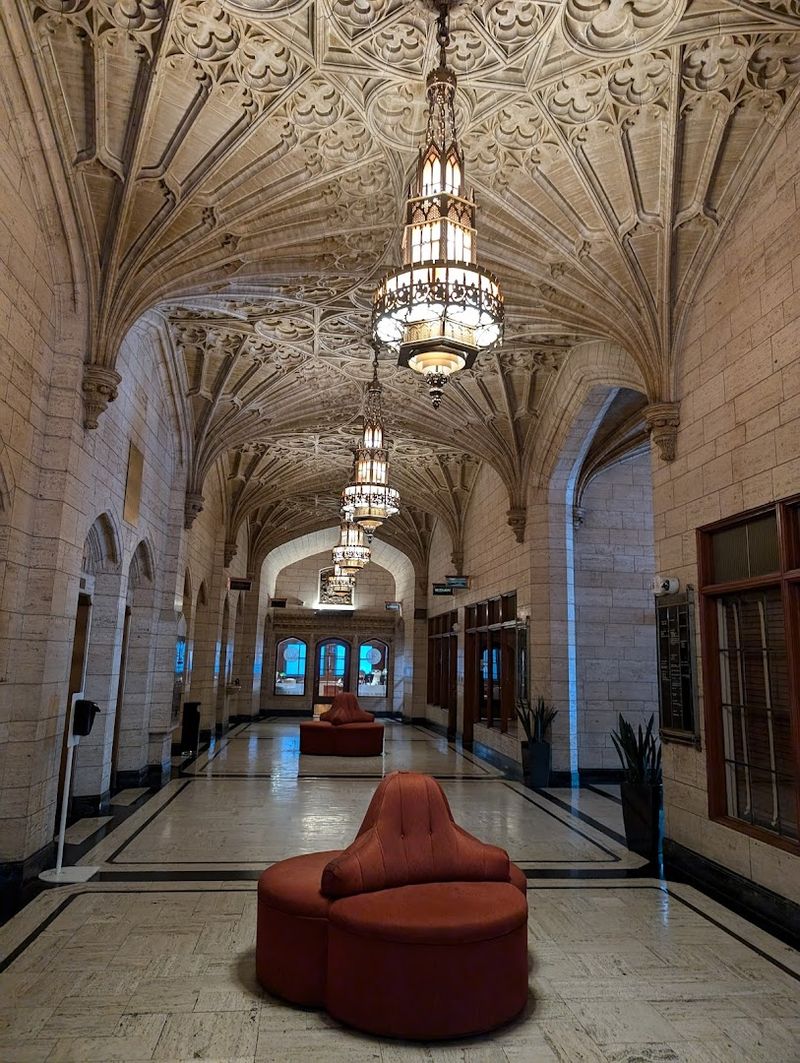
Pushing through the heavy brass doors of the Philtower lobby feels like crossing a threshold into a completely different world. The ceiling stretches overhead in an English fan-vaulted pattern, crafted from travertine to mimic the look of 16th-century carved limestone.
It is one of those details you have to see up close before you fully believe it.
The walls and floors are marble, accented with rich Honduran mahogany trim that adds warmth to the otherwise grand and formal space. Gothic-style brass chandeliers hang overhead, casting a golden glow across everything.
The brass elevator doors are enormous and ornate, almost too beautiful to use as a practical feature.
A marble staircase sweeps upward beneath Gothic arches, and a lobby clock bears the year 1928 alongside Waite Phillips’ initials. Every single element in this room was chosen with intention.
There is no filler here, no corner that feels forgotten or generic. For a building that functions as a modern mixed-use high-rise, the lobby alone is worth the trip downtown.
It genuinely feels more like a historic cathedral than an office building entrance.
Waite Phillips and the Oil Boom Legacy
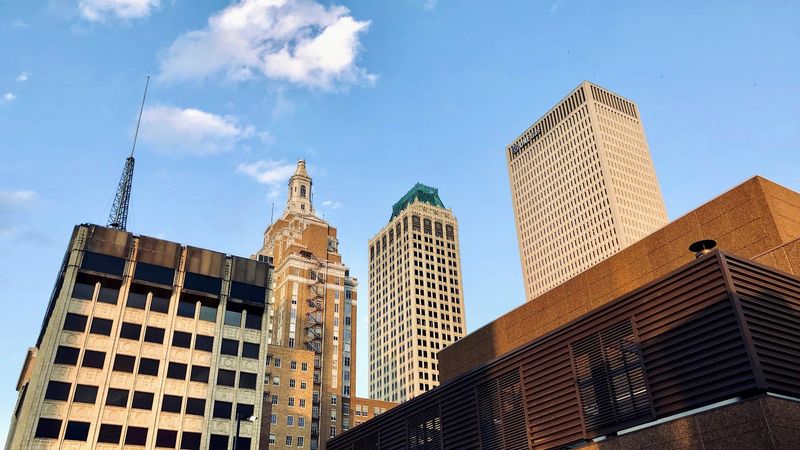
The story of the Philtower is inseparable from the story of Waite Phillips, the oilman who financed its construction. He was one of the wealthiest men in Oklahoma during the 1920s oil boom, and the building he commissioned was meant to reflect that success in the most visible way possible.
Completed in 1928, it briefly held the title of the tallest building in Oklahoma, standing at 323 feet.
Phillips chose South Boston Avenue in Tulsa as the site, placing his tower at the heart of what was then one of the most prosperous cities in the country. His original office on the 21st floor has been preserved and restored, offering a rare glimpse into how the building’s founder actually worked and lived within these walls.
The oil boom that funded the Philtower eventually faded, but the building itself endured. It became a symbol of Tulsa’s ambition during a period when the city genuinely believed it could rival any metropolis in America.
That confidence is baked into every stone and every archway, and it still radiates from the building today with a kind of quiet, dignified pride.
The Secret Tunnel Connecting Two Buildings
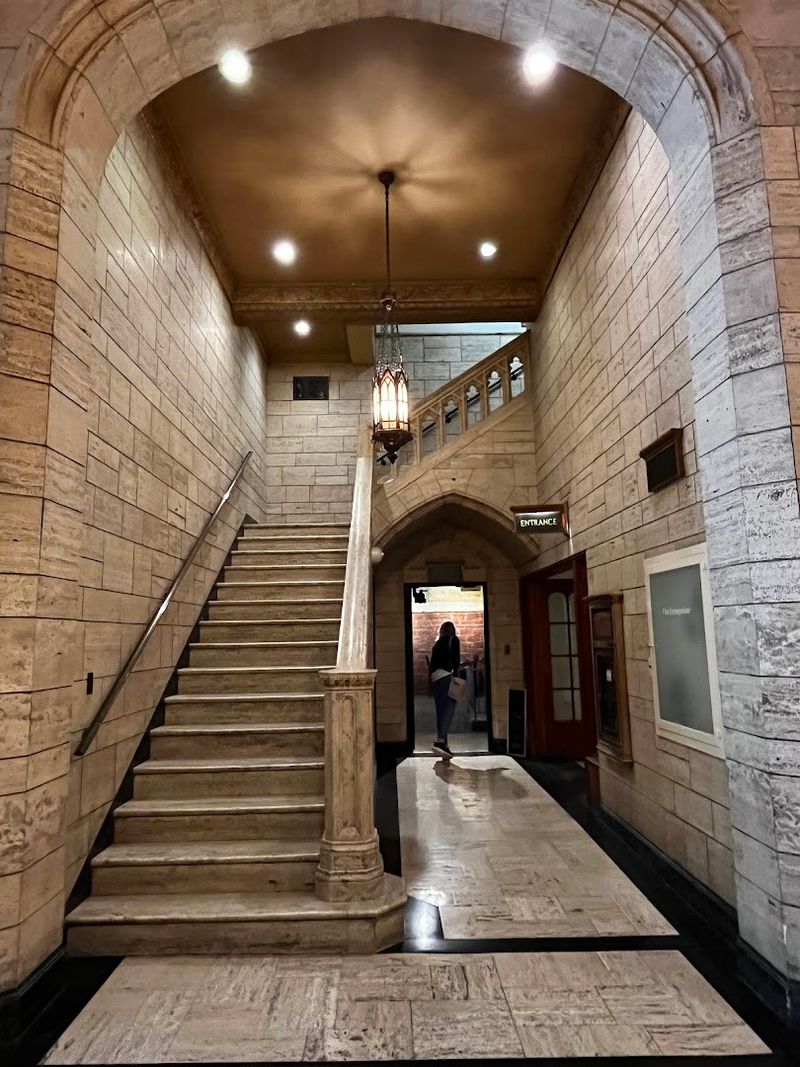
Somewhere beneath South Boston Avenue, there is a tunnel. It connects the Philtower to the Philcade Building directly across the street, and the reason it exists is one of the more fascinating footnotes in Tulsa history.
Waite Phillips reportedly had the underground passage built so he could move between his two buildings without exposing himself on the street, a precaution against potential kidnapping threats that came with his enormous wealth.
The tunnel is part of a broader network of underground passages that run beneath parts of downtown Tulsa. Visitors have explored them on self-guided walks using maps available from the Bank of Oklahoma downtown, turning what might otherwise be a forgotten piece of infrastructure into a genuinely engaging way to experience the city’s layered history.
There is something undeniably thrilling about walking through a passage that a 1920s oil tycoon used for his own protection. It adds a layer of real human drama to the building’s story, reminding you that behind all the gorgeous architecture was a person navigating a complicated and high-stakes world.
The tunnel makes the Philtower feel less like a monument and more like a living piece of history.
From Boy Scouts to Loft Apartments
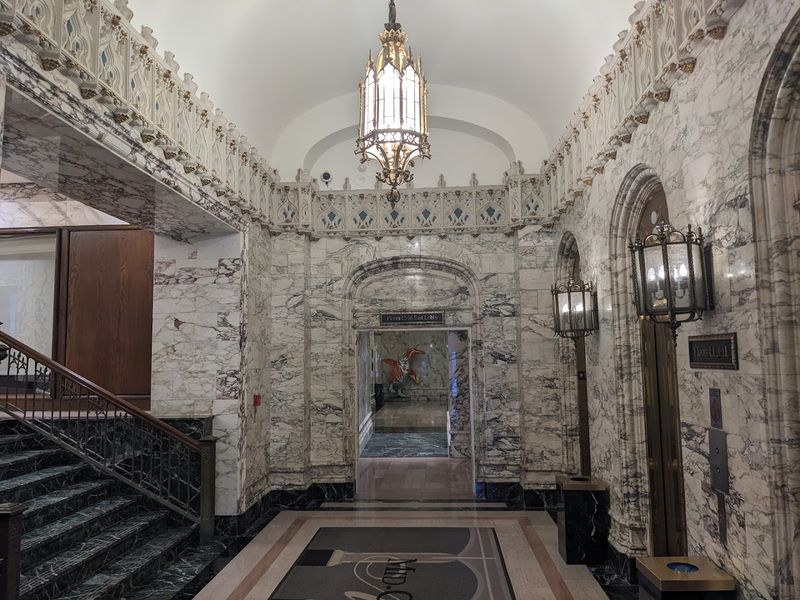
Not many buildings have been owned by the Boy Scouts of America, but the Philtower has that unusual distinction. In 1941, Waite Phillips deeded the building to the Boy Scouts, who held ownership until 1977.
It was a genuinely generous act, intended to help fund the upkeep of Philmont Scout Ranch in New Mexico, which Phillips had also donated to the organization.
After the Scouts sold the building, it passed through several owners before a major transformation took place in 2004. Floors 12 through 20 were converted into loft apartments, making the Philtower the first mixed-use high-rise in Tulsa’s history.
The apartments blend the building’s historic character with modern living, and residents reportedly enjoy some of the best views in the entire city.
The building was listed on the National Register of Historic Places in 1979 and became part of the Oil Capital Historic District in 2010, cementing its status as a protected piece of American architectural heritage. The fact that people actually live inside this century-old Gothic masterpiece adds a warmth and vitality that purely commercial buildings rarely have.
It is history you can genuinely inhabit, not just admire from a distance.
Why the Philtower Is Worth a Visit Today
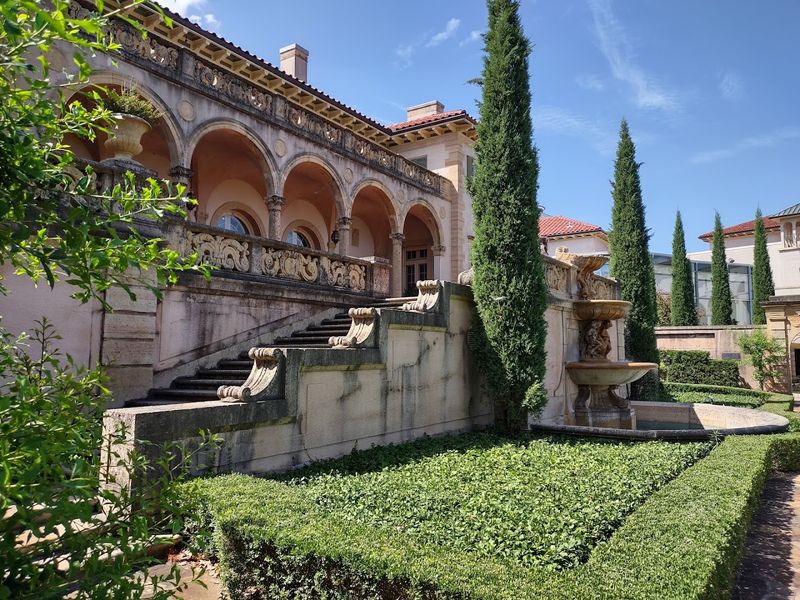
Downtown Tulsa has a lot going for it, but the Philtower is genuinely in a category of its own. The building is open on weekdays, and the lobby alone is reason enough to stop in.
A small museum in the back of the building shares more about the Phillips family and the broader history of the structure, giving context to everything you see around you.
The architecture rewards slow attention. Spend a few minutes just looking at the exterior details, the gargoyles, the carved stonework, the way the setbacks give the building its layered silhouette.
Then step inside and let the lobby do the rest of the work. It is genuinely one of the most impressive interior spaces in Oklahoma, full stop.
For anyone interested in American history, Art Deco design, or just extraordinary buildings, the Philtower belongs on the itinerary. It represents a moment when Tulsa had the wealth, the ambition, and the taste to build something truly world-class.
That moment is long past, but the building remains, holding its ground on South Boston Avenue with the same quiet confidence it has always had.
Address: 427 S Boston Ave #103, Tulsa, OK 74103
