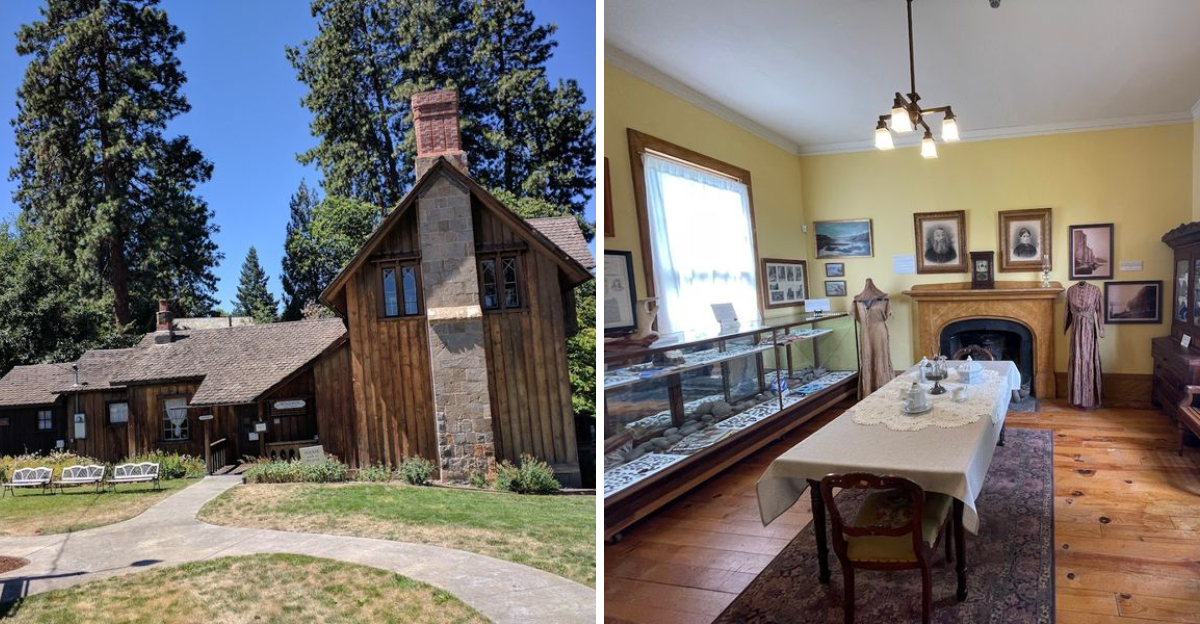
Step through the gates and suddenly the hum of highway traffic fades into the distance like a forgotten memory. The creak of weathered wooden floors beneath your feet tells stories that no history book could ever capture quite the same way.
You can almost hear the clatter of wagon wheels and the murmur of pioneers gathering around a crackling campfire in the courtyard.
The old buildings stand sturdy and proud, their walls holding decades of secrets, from trading posts to makeshift hospitals and everything in between.
Vintage tools, period clothing, and antique furniture fill every room, making you feel like the former residents just stepped out for a moment. Kids love peeking into the old homestead, pointing at cast iron stoves and wooden cribs that seem impossibly small by today’s standards.
Oregon has a knack for keeping its history alive, and this place does it with remarkable authenticity and heart. It is the kind of time travel that does not require a machine, just an open mind and a willingness to listen to the whispers of the past.
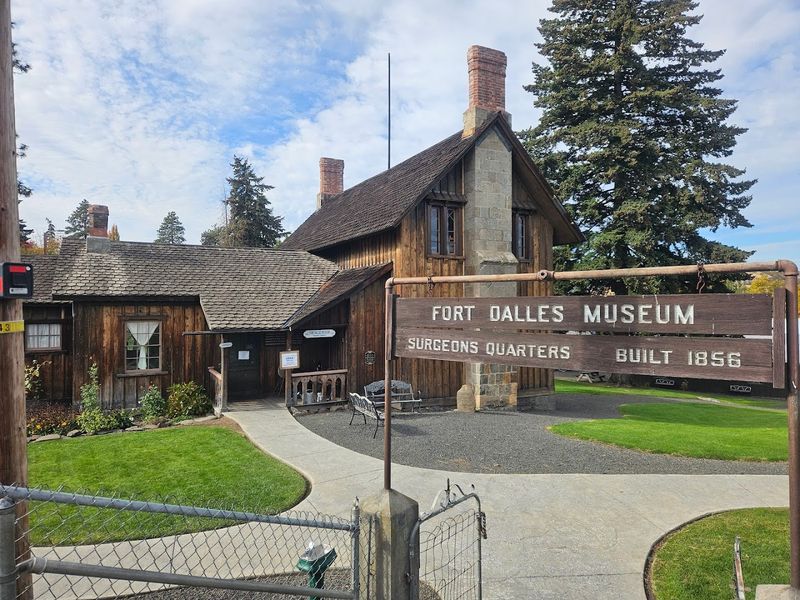
The Surgeon’s Quarters: Oregon’s Oldest Surviving Military Building
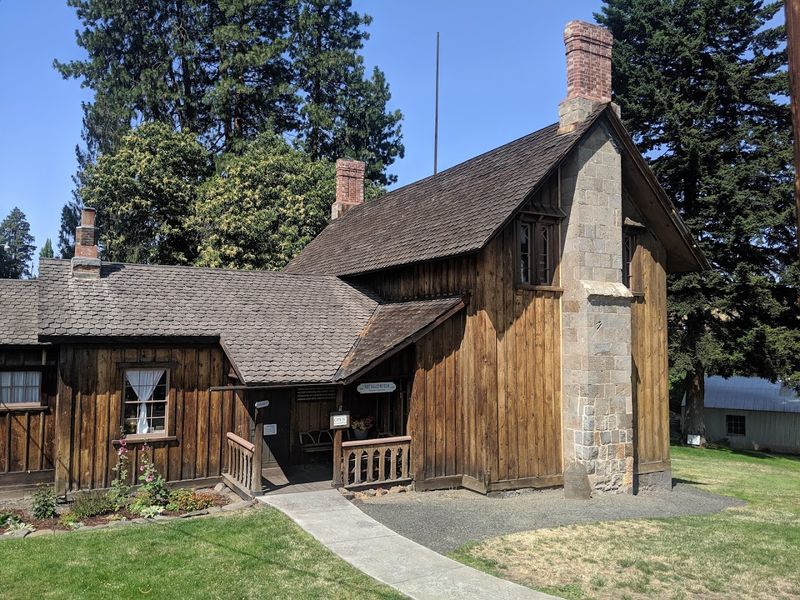
Standing inside the Surgeon’s Quarters, you realize this is no ordinary museum building. It is the oldest surviving military structure in all of Oregon.
The craftsmanship from the 1850s still holds steady, and every creaking floorboard tells a story worth hearing.
This Gothic Revival-style building was designed by Army engineer Thomas Mendenhall. The steep gabled roofline and decorative woodwork look almost too elegant for a frontier fort.
It feels more like a storybook cottage than a military outpost on the edge of the wilderness.
Inside, the rooms are carefully arranged with period furniture and artifacts. You can almost picture the post surgeon moving between rooms on a busy afternoon.
The staff keeps everything pristine, and the attention to detail is genuinely impressive throughout each room.
Visitors often linger here longer than expected, soaking in the atmosphere. The building earned its place on the National Register of Historic Places.
Seeing it in person makes that designation feel completely well-deserved and meaningful.
The Anderson Homestead and Its Remarkable Living History
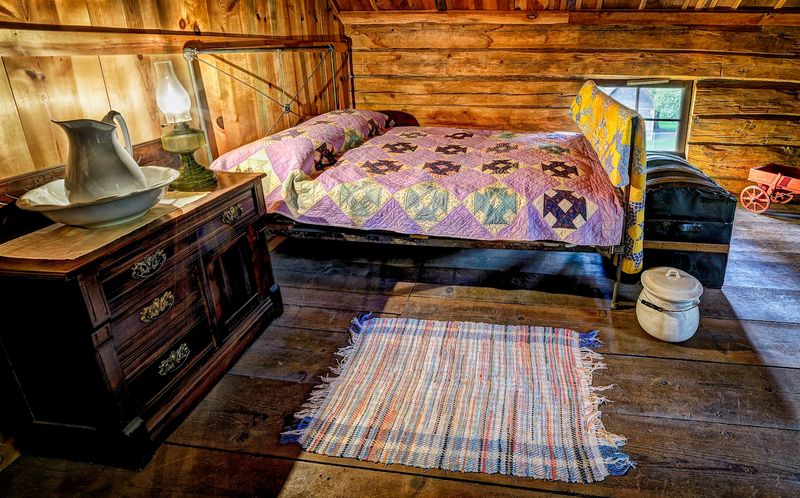
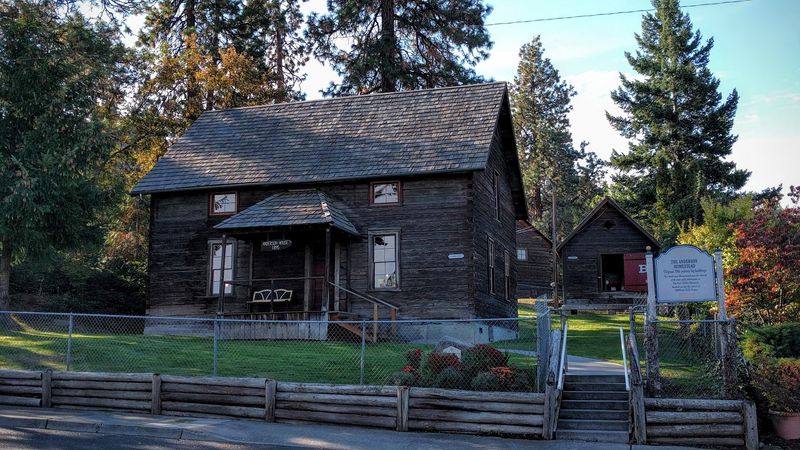
The Anderson Homestead feels like stepping into a family photograph from the 1880s. Every room carries a sense of lives fully lived, not just historical facts pinned to walls.
The house belonged to a real family, and that human connection makes the experience genuinely touching.
New owners took over the property and gave it a thoughtful overhaul. Rooms now feel more like an actual home than a sterile exhibit space.
Personal objects, furniture, and decor are placed with real intention and care throughout the house.
The grounds surrounding the homestead are immaculate and easy to wander. You can take your time exploring each corner without feeling rushed or crowded.
The outdoor space offers a peaceful break between indoor exhibits and makes the whole visit feel relaxed.
Families with children especially enjoy the homestead section. There are areas where kids can interact with certain displays directly.
The Antique Vehicle Collection That Will Drop Your Jaw
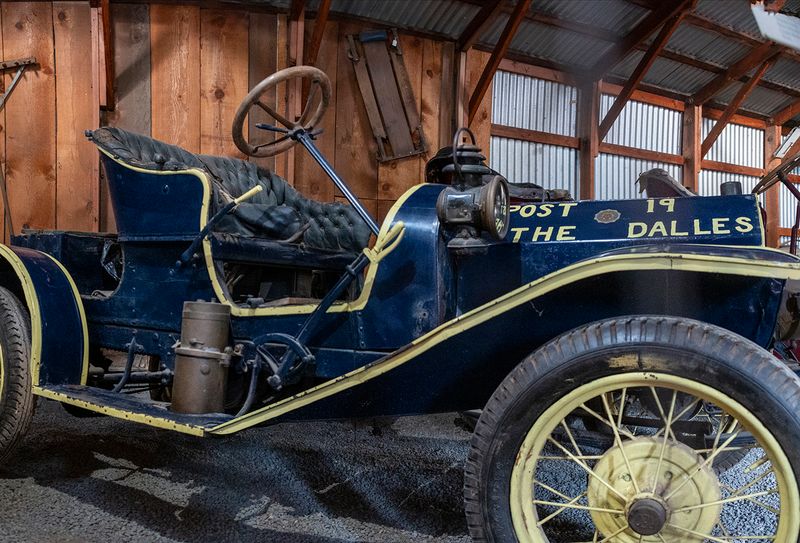
Nothing quite prepares you for walking into the antique garage at Fort Dalles Museum. Row after row of beautifully preserved vehicles sit waiting, each one carrying decades of local history on its frame.
The collection includes some cars that were donated by community members with deep personal connections to the museum.
Six of the antique automobiles once belonged to the American Legion in The Dalles. They were eventually donated to the museum to ensure their preservation for future generations.
Knowing that backstory makes looking at each car feel like reading a community love letter.
There is even an early electric car tucked into the collection, which surprises most visitors. People tend to forget that electric vehicles existed well over a century ago.
Spotting it among the gas-powered classics always sparks great conversation between visitors and staff.
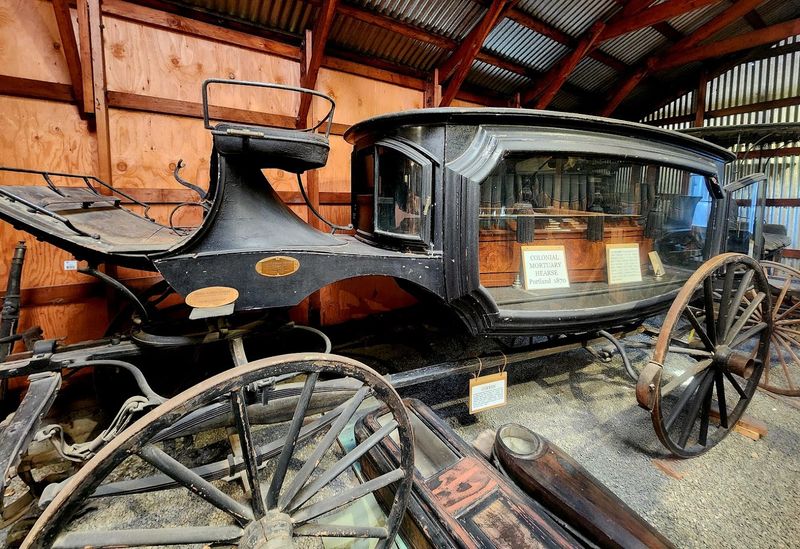
The garage also houses two historic funeral carriages used for transporting the deceased down the road to the cemetery. That detail sounds somber, but it adds a profound layer of local history.
The Knowledgeable Docents Who Bring History Alive
One of the best surprises at Fort Dalles Museum is the quality of its volunteer docents. Bob is a name you will hear mentioned often, and for very good reason.
His enthusiasm for Fort Dalles history is genuine, and his knowledge runs impressively deep on every topic.
The docents here do not simply recite facts from a script. They share stories, answer unexpected questions, and genuinely seem to enjoy every conversation.
That kind of authentic engagement transforms a museum visit into something closer to a personal guided tour.
I asked a question about the fort’s role at the end of the Oregon Trail, and the response lasted a wonderful fifteen minutes. Details came out that no exhibit sign could ever fully capture.
That spontaneous depth of knowledge is exactly what makes small regional museums so special.
The staff and volunteers are consistently described as welcoming, friendly, and accepting of all kinds of visitors. The museum feels like a community gathering place, not just an institution.
Pioneer Life Exhibits That Paint a Vivid Picture
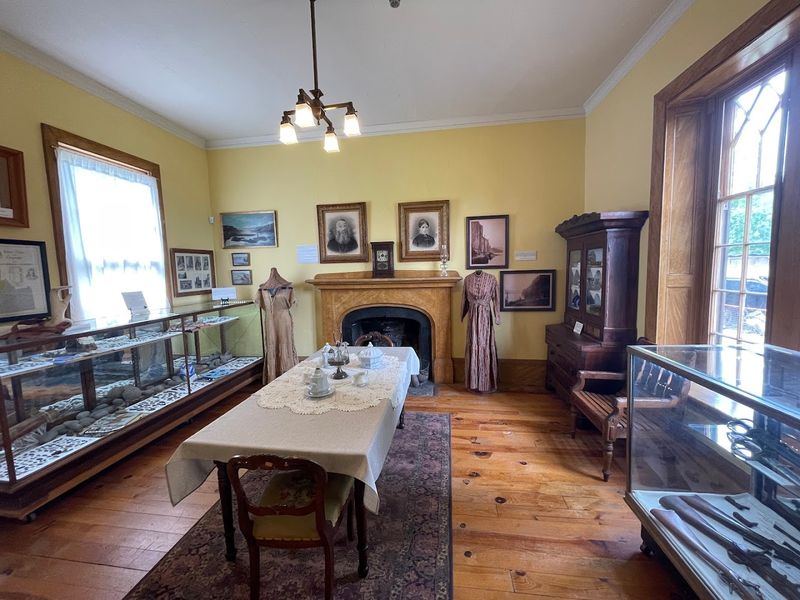
The pioneer life exhibits at Fort Dalles Museum are arranged with remarkable care and storytelling instinct. Each display connects objects to real human experiences rather than just labeling items by date and function.
You find yourself imagining the hands that once used these everyday tools.
Detailed signage explains what various community members did and how they lived. The writing is clear and engaging without being overly academic.
Even younger visitors can follow along and genuinely absorb the stories being told through each carefully chosen artifact.
Wagon wheels, household tools, clothing, and personal items all share space in exhibits that feel balanced and thoughtful. Nothing feels overcrowded or cluttered despite the sheer number of objects on display.
The organization reflects serious curatorial effort and a real respect for the material.
One exhibit traces the daily routines of settlers who arrived exhausted after months on the Oregon Trail. Seeing those ordinary objects laid out so carefully makes their journey feel vivid and immediate.
The Fort’s Role at the End of the Oregon Trail
Fort Dalles was not a traditional fighting fort in the way most people picture military installations. It was established specifically to help settlers arriving at the end of the Oregon Trail find safety and support.
That mission gives the whole site a distinctly humanitarian character that sets it apart from other historic forts.
The fort operated actively through the 1850s before eventually being repurposed and preserved. By around 1905, preservation efforts began transforming it into the museum visitors enjoy today.
That long arc from military outpost to community landmark is genuinely fascinating to trace.
The exhibits explain how soldiers interacted with both settlers and Indigenous communities in this region. The history is presented with honesty and appropriate complexity rather than oversimplification.
Visitors leave with a richer, more nuanced understanding of this critical period in American westward expansion.
Standing on these grounds, knowing that thousands of exhausted travelers once passed through here, carries real emotional weight.
Midnight the Cat: The Museum’s Most Beloved Greeter
Before you even reach the front door, Fort Dalles Museum offers an unexpected and utterly charming welcome. Midnight, the resident black cat, has a well-earned reputation for greeting visitors at the gate.
She is the kind of cat that makes even confirmed non-cat-people immediately reconsider their position.
Multiple visitors have mentioned Midnight with genuine warmth and affection. She apparently has a strong instinct for identifying people who will give her the best belly rubs.
Her social nature adds a playful, living layer to a place already rich with personality.
Having an animal ambassador at a history museum might sound unusual, but it works perfectly here. Midnight breaks the ice and immediately creates a relaxed, welcoming atmosphere.
That casual, friendly tone carries right through the rest of the museum experience in the best possible way.
Kids especially love encountering her before heading inside to explore exhibits. She gives younger visitors an immediate emotional connection to the place.
The Grounds and Gardens: A Peaceful Outdoor Experience
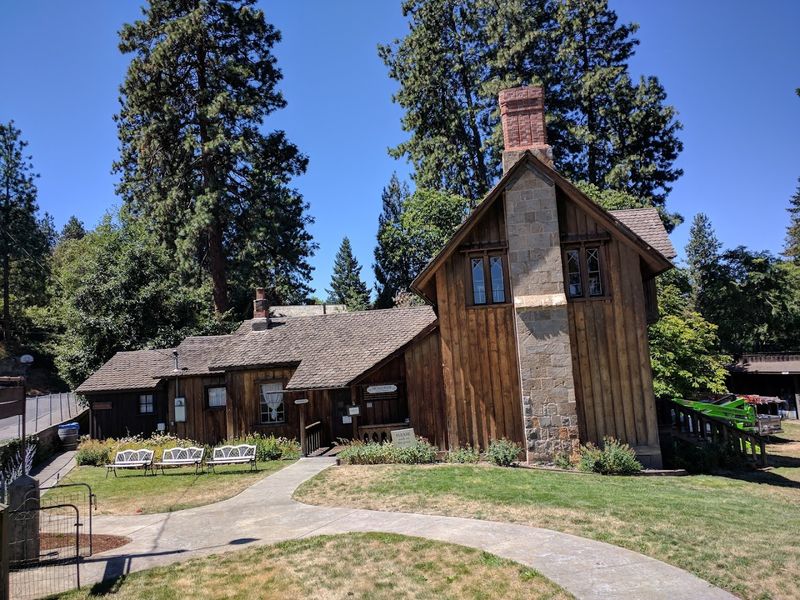
The outdoor grounds at Fort Dalles Museum deserve just as much attention as the indoor exhibits. Mature trees cast generous shade across wide green lawns that feel genuinely restful after driving through the Columbia River gorge.
The whole property has a calm, unhurried quality that encourages you to slow down.
Picnic spots are available for families who want to make a longer afternoon of the visit. Bringing lunch and eating outside among the historic buildings adds a lovely, relaxed dimension to the experience.
It turns a museum stop into something closer to a full day’s outing for families.
The grounds also allow visitors to appreciate the architecture of multiple historic structures simultaneously. Walking between buildings, you notice small details that indoor exhibits cannot fully convey.
The spatial relationship between structures tells its own story about how the fort once functioned as a community.
Free parking is available on-site, which makes logistics simple and stress-free. The overall condition of the grounds reflects consistent, loving maintenance by staff and volunteers.
Historic Wagons and Carriages That Defined Frontier Travel
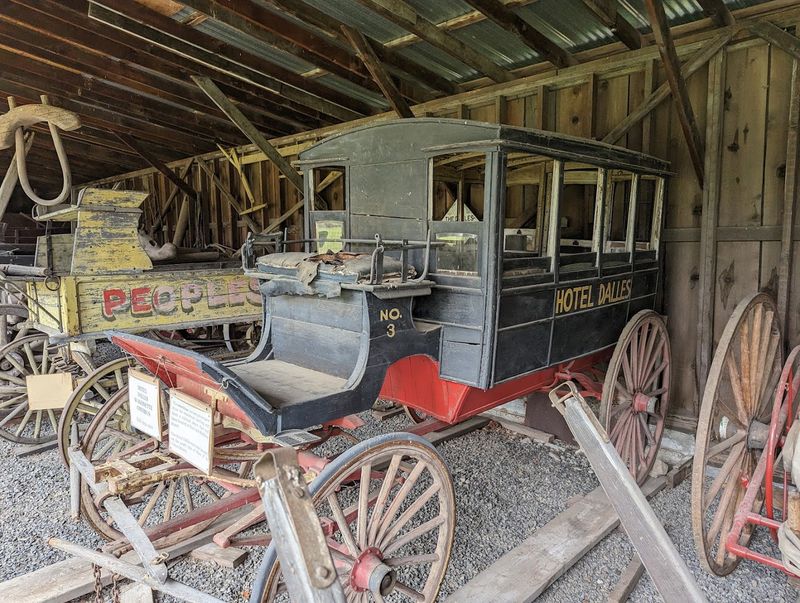
The wagon and carriage collection at Fort Dalles Museum offers a tangible connection to frontier transportation. These were not decorative objects but working vehicles that carried people, goods, and even the deceased across the rugged landscape of the Pacific Northwest.
Seeing them up close makes the scale of frontier life feel immediate and real.
Two of the carriages in the collection were specifically designed for funeral processions. They traveled down the road from the fort to the local cemetery on somber occasions.
That specific history adds a quietly powerful narrative to objects that might otherwise seem purely mechanical.
The wooden construction of these vehicles is remarkable considering the rough terrain they navigated regularly. Craftsmen built them to endure conditions that would destroy modern equipment in short order.
Running your eyes over the joinery and ironwork, you gain deep respect for 19th-century craftsmanship.
Visitors who enjoy history through objects rather than text panels will find this collection especially rewarding. Each wagon and carriage has its own story and function.
Planning Your Visit to Fort Dalles Museum and Anderson Homestead
Fort Dalles Museum is open every day of the week from 10 AM to 5 PM, which makes scheduling a visit pleasantly flexible. The location in The Dalles puts it right along a natural stopping point on a Columbia River gorge road trip.
Timing your arrival for a weekday morning often means a quieter, more personal experience.
The museum phone number is available if you want to check seasonal programming or special events before visiting. The website at fortdallesmuseum.org also provides helpful planning information.
Staff are genuinely responsive and happy to answer questions before you even arrive.
Families with children of all ages find the museum accessible and engaging throughout. The egg hunt activity for younger kids adds an interactive layer that keeps energy levels positive.
Adults tend to linger far longer than they originally planned, which is always the sign of a great museum.
Address: Fort Dalles Museum and Anderson Homestead, 500 W 15th and, Garrison St, The Dalles, OR 97058.
