Salt spray hits your face. The roar of the Pacific fills your ears. You follow a 1.7-mile trail through coastal forest, the path soft with pine needles and sea air.
Then you see it. A massive iron shipwreck, half-buried in the sand, slowly returning to the earth. This is the Glenesslin, a British steamer that met its mysterious end here in 1913 under strange circumstances.
The skies were clear. The seas were calm. Yet the ship ran aground in broad daylight, and no one knows exactly why. The crew survived, but the ship never left.
Today, its rusting ribs lie scattered across a remote Oregon beach, accessible only by a short, free hike. No admission fee, no crowds, just the quiet creak of metal and the crash of waves.
So which Oregon trail leads you to a century?old ghost ship half?swallowed by the sand? Lace up your boots and follow the path to the wreck.
Why This Place Gets Under Your Skin
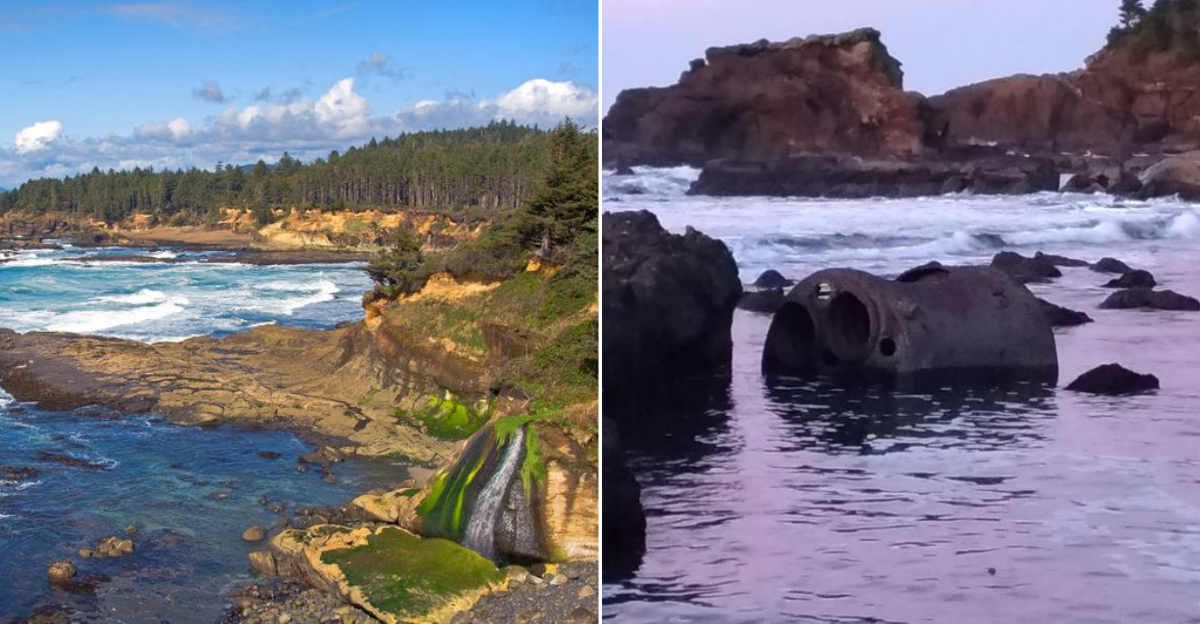
The first thing that hits you here is how unsettled everything feels, and I mean that in the best possible way. The ocean never looks decorative at Boiler Bay, and the dark rock, spray, and constant motion give the whole place a kind of restless energy that stays with you.
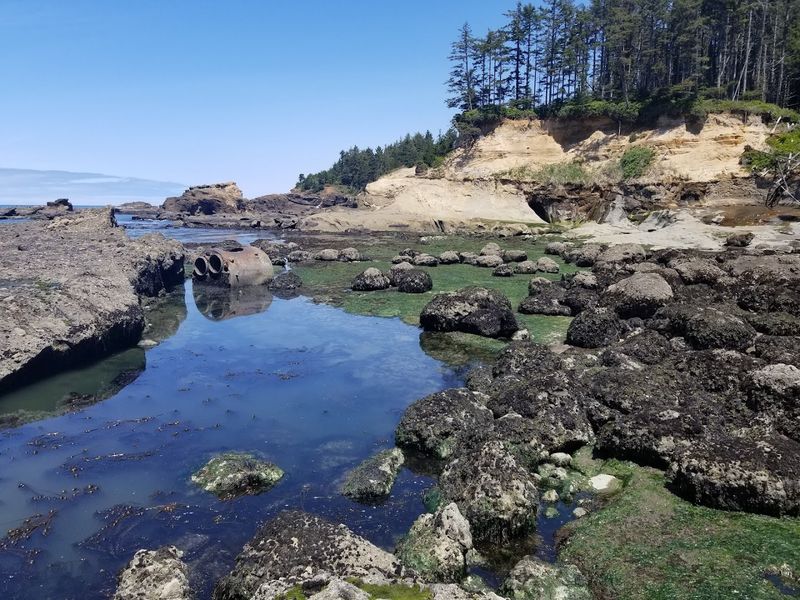
What makes it stranger is knowing the bay got its name from a wrecked steam schooner whose boiler washed up and became part of the story people still tell. You are not looking at some staged history display here, because the coast itself is doing most of the talking, and it says plenty without raising its voice.
I like places that let a little mystery hang in the air, and this one absolutely does that. Depending on the light, the tide, and your mood, Boiler Bay can feel dramatic, quiet, heavy, or almost meditative, which is probably why people pull over for a quick look and end up lingering much longer.
If you are driving the Oregon coast and want a stop that feels grounded, weathered, and honestly a little haunting, this is the kind of place that earns your attention without trying too hard. It is simple, but it does not feel small once you are standing there.
Where To Find It Without Overthinking It
Honestly, one of the nicest things about this stop is that you do not need some complicated plan to get there. Boiler Bay State Scenic Viewpoint sits at 1000 US-101, Depoe Bay, OR 97341, and once you pull in, the ocean is right there doing its thing.
That easy access matters because this stretch of Oregon can already feel like enough of an adventure with the curves, the weather, and all the tempting roadside pullouts. Here, you get the payoff fast, which means even if you only have a little time, you can still step out, breathe in the salt air, and get the full mood of the place.
I would still give yourself more than a rushed glance, though, because Boiler Bay changes the longer you stand there. The surf shifts, the light slides around, and the texture of the water against the rock starts to feel less like scenery and more like the whole point.
If you are heading along the central Oregon coast and want a stop that feels immediate but not shallow, this one is very easy to work into the day. You just park, walk over, and let the place do what it does.
The Shipwreck Story That Named The Bay
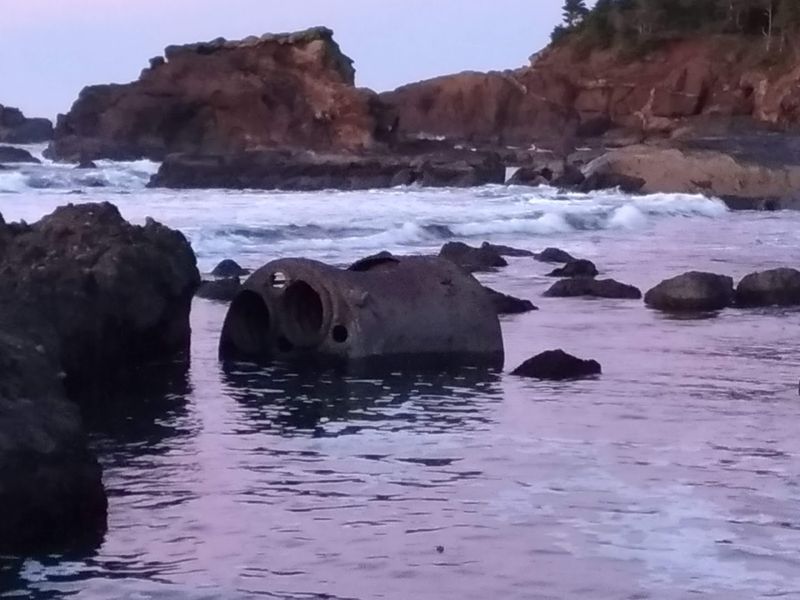
Here is the part that gives Boiler Bay its weird little charge, because the name is not poetic by accident. It comes from the steam schooner J.
Marhoffer, which wrecked offshore, and its boiler later washed up so memorably that the bay ended up being known for it.
I always love when a place name still carries a real event inside it, especially on the Oregon coast where shipwreck stories feel baked into the weather. This one is less about standing in front of a giant intact wreck and more about realizing the sea changed the map, the memory, and the identity of the place.
That makes the overlook feel a bit different once you know what happened here. You stop seeing only waves and rock, and you start imagining the chaos of a vessel meeting this shoreline in rough conditions, with all that force, noise, and uncertainty pressing in at once.
Even if you are not especially into maritime history, the story gives the bay extra weight. It is not just scenic, and it is not just dramatic, because there is a human layer under the spray and stone that keeps the whole stop from feeling disposable or forgettable.
What You Actually See From The Viewpoint
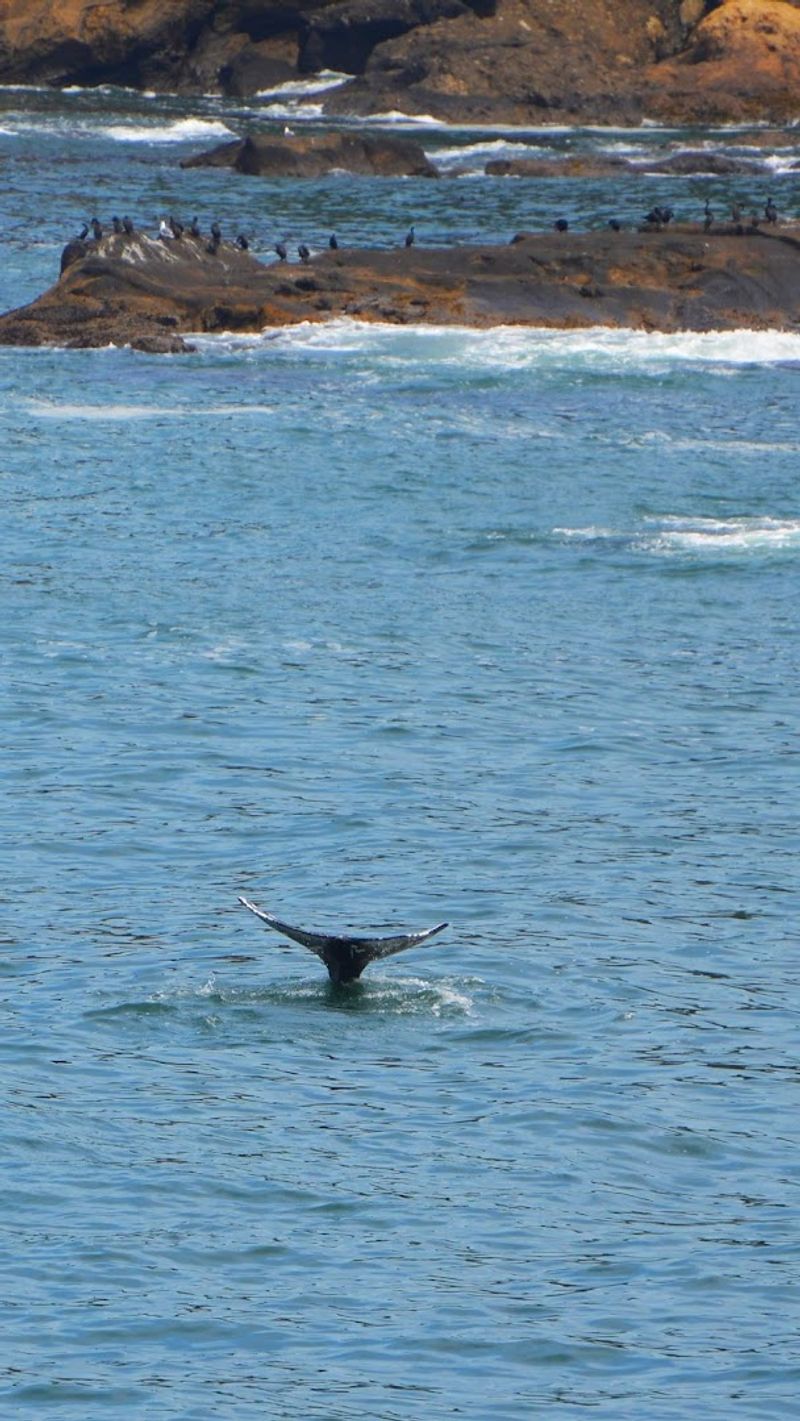
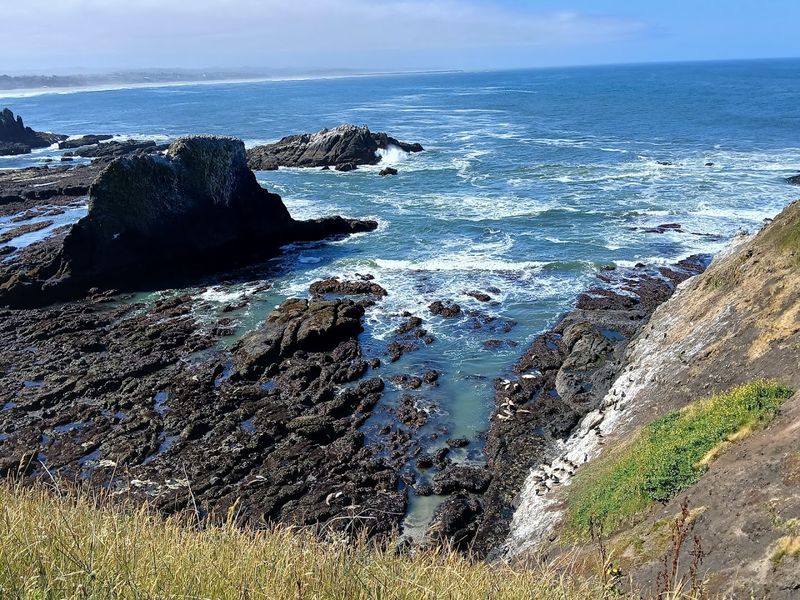
So what do you actually get when you step out of the car here? You get a broad, rough-edged sweep of ocean and rock that feels more intense than tidy, with waves folding into the bay and smashing themselves into dark formations below.
On calmer days, there is a heavy, glassy beauty to it, and on rougher ones the place looks like the Pacific is actively arguing with the coastline. Either way, the viewpoint gives you a strong sense of exposure, which is part of why it feels so memorable even though the setup is simple.
I would not come here expecting a neatly framed landmark with a sign pointing at every detail. This stop works better when you let your eyes wander across the water, the cliffs, and the jagged lines in the rock, because the overall feeling is really the attraction.
There are benches, room to stand around, and plenty of ways to just settle in for a while if the weather is cooperating. If you like coastal places that feel honest instead of polished, this one lands immediately and keeps revealing more the longer you stay put.
When The Ocean Starts Putting On A Show
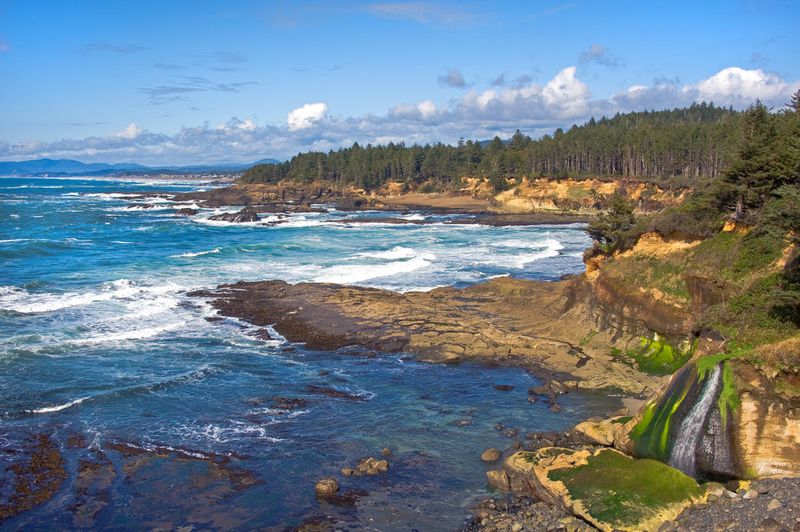
If the surf is up, this place gets loud in a way that makes you stop talking for a second. The waves hit the rock with so much force that you feel the rhythm of it in your chest, and suddenly the whole overlook seems less passive than it did from the road.
That is part of why people get so attached to this stop around Depoe Bay. You are not staring at a flat postcard view, because the ocean here keeps changing its mind, and every few minutes another burst of spray, foam, and movement redraws the whole scene.
I think that constant motion is what makes the shipwreck history feel believable instead of distant. Looking out over Boiler Bay, it is easy to understand how this coastline earned its reputation for being beautiful and unforgiving at the exact same time, which is a very Oregon combination.
Bring a jacket, stand back from the edge, and give yourself time to watch the pattern build. Even if you arrive on a quieter day, there is still a kind of muscular energy in the water that keeps the place from ever feeling sleepy or overly calm.
The Best Mood For Visiting
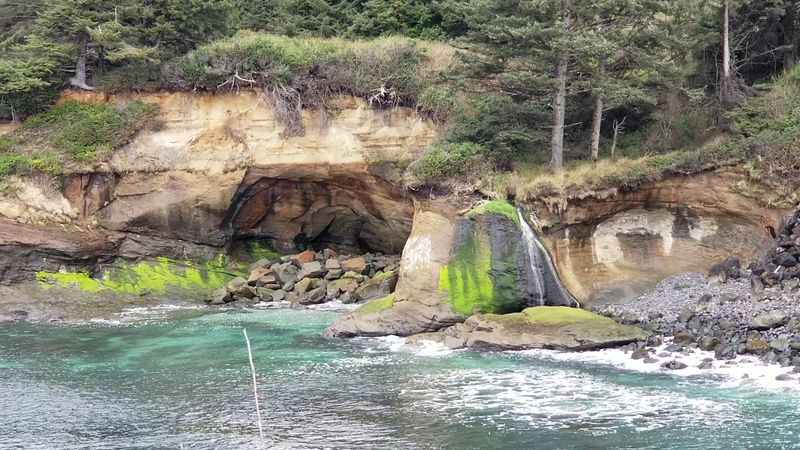
For me, this place is at its best when you are not in a hurry and not trying to check off a list. Boiler Bay has a way of rewarding slower attention, because the more you watch the water and the shifting light, the more the place starts feeling layered instead of simple.
An overcast day actually suits it beautifully, which feels very on brand for Oregon. The gray sky deepens the colors in the rock and water, and the whole bay takes on this thoughtful, almost cinematic mood that would probably disappear if everything looked too bright and cheerful.
That does not mean you need dramatic weather to enjoy it, because even a mild day gives you plenty to work with. You just want enough time to settle in, listen to the surf, and notice how the scale of the coastline keeps pulling your attention farther out.
I would come here when you are open to lingering, maybe after a drive when your head needs to clear a little. It is the kind of stop that can meet you where you are, whether you feel chatty and curious or quiet and happy to just stare at the sea.
A Good Stop If You Like History Without A Museum Feel
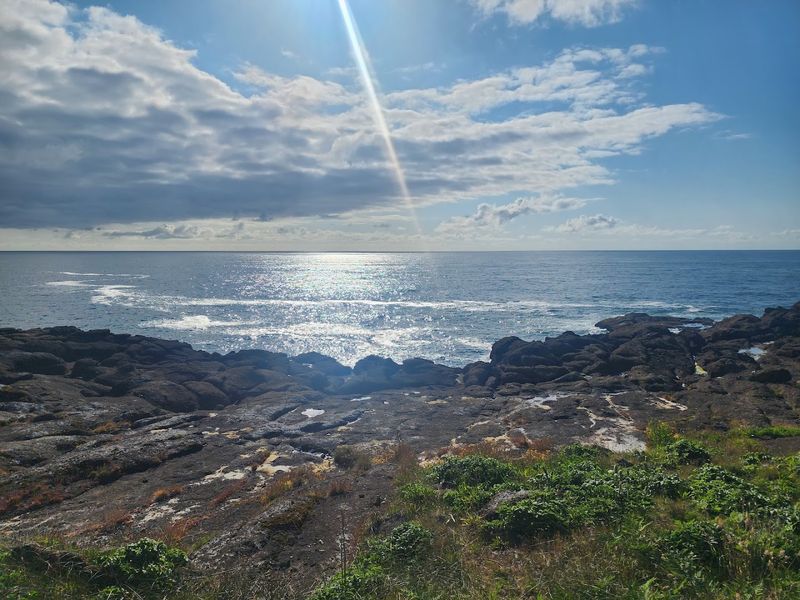
If you enjoy history but do not always want to read ten signs in a row, this place has a nice balance. Boiler Bay gives you a real story tied to a real wreck, but it still feels like an outdoor experience first, which keeps everything from becoming too formal.
I think that matters because some historical stops can feel separated from the landscape that created the story in the first place. Here, the water, the rocks, the wind, and the exposed coastline are all part of the explanation, so you understand the history partly through your own senses.
The wreck itself is not presented like a giant theatrical reveal, and honestly that makes the whole thing more interesting to me. Instead of being handed a neat conclusion, you are standing in the conditions that shaped the event, and that creates a stronger connection than a polished display ever could.
It is a thoughtful stop for kids, curious travelers, and anyone who likes leaving a place with a story attached to it. You get beauty, context, and just enough mystery to keep turning it over in your head after you are back on the road.
What To Notice Before You Leave
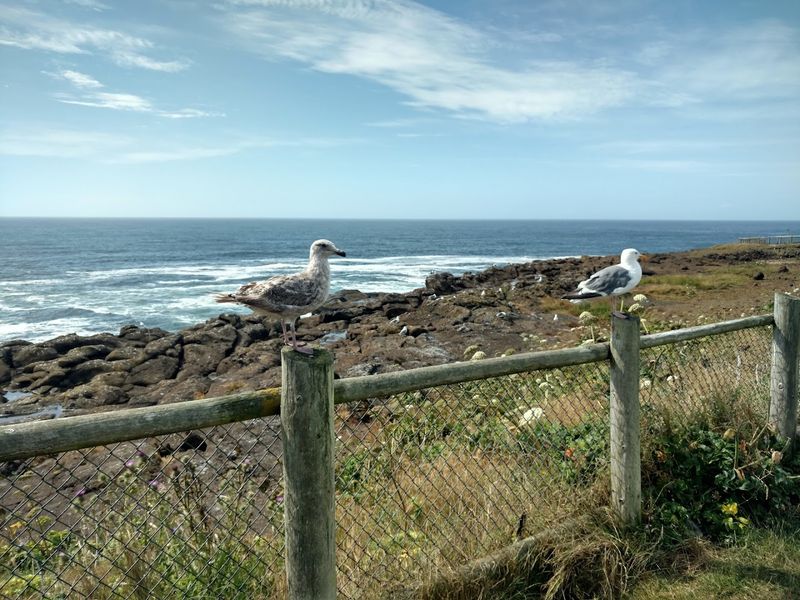
Before you head out, take one more slow look instead of doing that quick final glance from the parking area. Notice how many textures are fighting for your attention at once, from the rough black rock to the slick water surfaces to the white foam tracing lines through the bay.
I always think places like this become richer when you focus on details instead of only the big view. The birds moving over the water, the changing color in the sea, and the way the wind pushes sound around all make Boiler Bay feel alive in a very immediate way.
You may not walk away with some giant checklist accomplishment, and that is kind of the point. This stop is more about atmosphere than achievement, and once you let it be that, the whole experience gets easier, deeper, and a lot more memorable than you expected.
There is also something satisfying about leaving with a stronger sense of where you actually were. Not just a turnout on the highway, but a piece of the Oregon coast shaped by wreckage, weather, and time, still carrying its past in a name people say without always knowing why.
