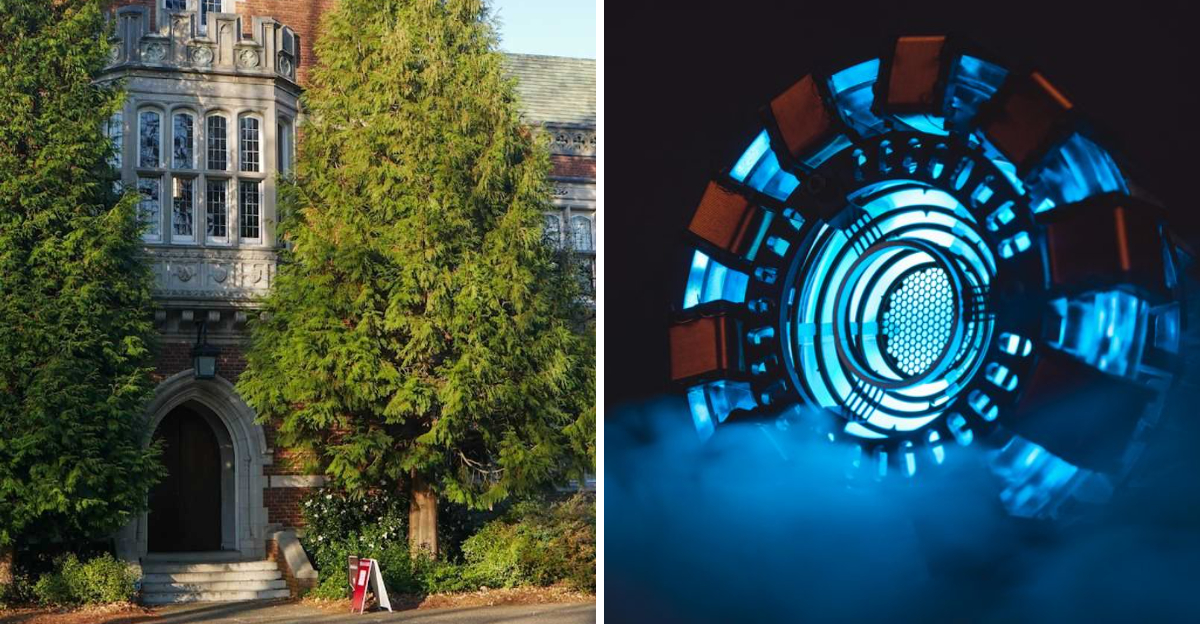
Oregon once had a nuclear reactor hidden inside an underground bunker somewhere. I am not making this up because the control room is still completely intact today.
All the buttons and switches are right there waiting for curious fingers honestly. My hand hovered over a big red button labeled SCRAM and I behaved myself.
The reactor is decommissioned now so nobody is glowing in the dark thankfully. I felt like a secret agent who stumbled into a abandoned villain’s lair finally.
The bunker walls are thick enough to survive basically anything except my bad jokes. A student showed me where they used to watch the blue glow underwater once.
Pressing buttons is strictly forbidden but I really really wanted to try anyway. This is the coolest college tour you will never ever get to take elsewhere.
What Exactly Is the Reed Research Reactor?

Most people walk past Reed College without any idea that a nuclear reactor sits beneath their feet. The Reed Research Reactor is a TRIGA Mark I reactor, a type specifically designed for research and teaching.
It was built in 1968 and has been running ever since.
TRIGA stands for Training, Research, Isotopes, General Atomics. That name tells you a lot about its purpose.
This reactor was never meant to power a city or generate electricity for homes.
Its whole job is science. Students use it to study neutron behavior, test materials, and produce radioactive isotopes for medical and research purposes.
The reactor operates at very low power levels compared to commercial reactors. It runs at just 250 kilowatts, which sounds like a lot until you realize most commercial reactors run at over 1,000 megawatts.
Reed’s reactor is tiny by comparison but mighty in what it teaches. It remains one of only a handful of university reactors still operating in the United States today.
The Underground Bunker That Houses It
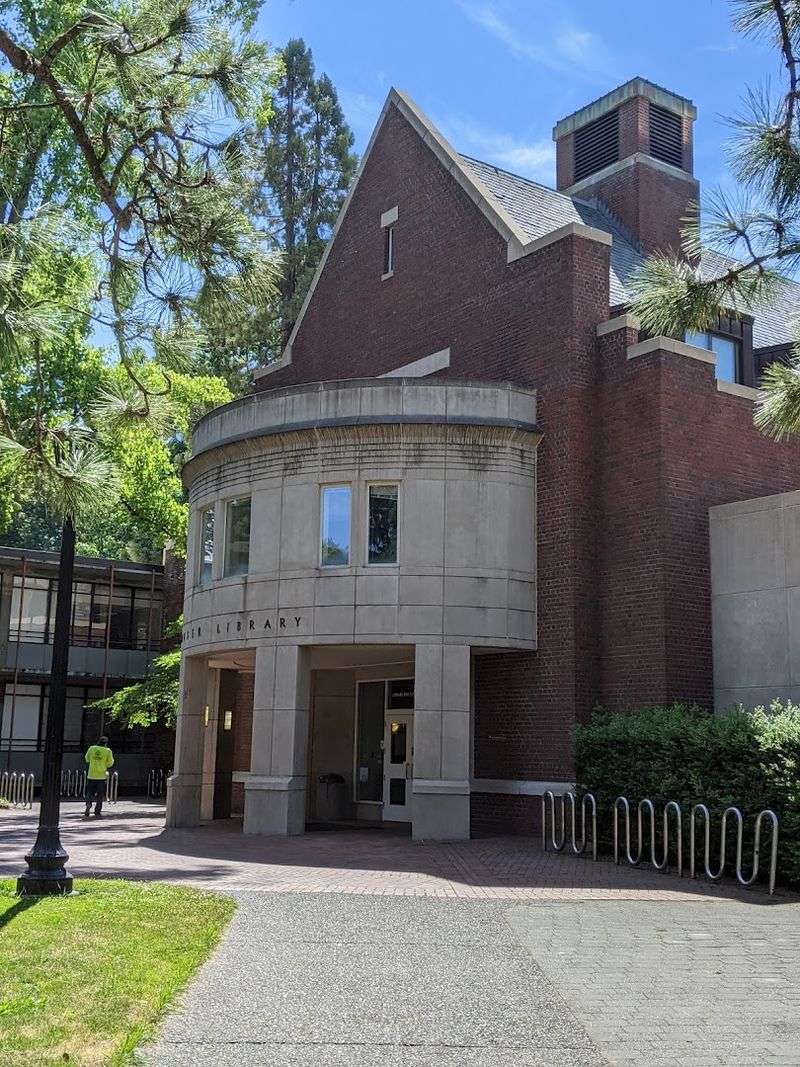
Walking toward the reactor building on campus feels surprisingly ordinary. There are no flashing lights or dramatic warning signs.
The structure is low to the ground, partly sunk into the earth, built from thick reinforced concrete.
Going inside feels like stepping into a different era. The walls are heavy.
The air has a particular stillness to it. You can sense the weight of the building around you immediately.
The underground design was intentional. Burying the reactor reduces radiation exposure to the surrounding campus and neighborhood.
It also helps contain any unexpected events, though TRIGA reactors are famously stable and considered among the safest reactor designs ever built. The layout is compact and purposeful, every inch designed with safety and function in mind.
Visiting the space gives you a real appreciation for how much thought went into building something so unusual right in the middle of a college campus. It genuinely does not feel like any other building you have ever been inside.
The Control Room With All the Buttons Still There
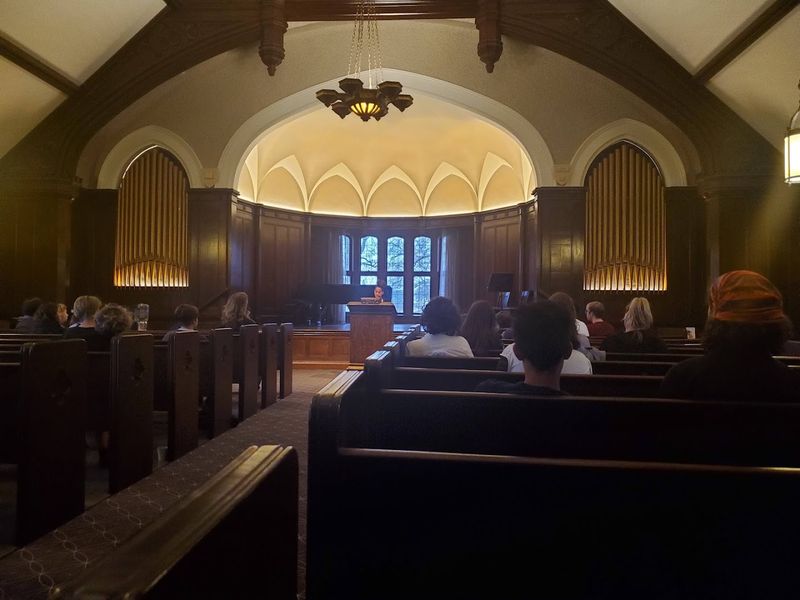
The control room is the part that stops visitors in their tracks. Every original button, switch, gauge, and dial from the 1960s is still mounted exactly where it was installed.
Nothing has been replaced with a touchscreen or modernized for aesthetics.
The panels are painted in that particular shade of institutional green you only see in old government buildings. Indicator lights glow in amber and red.
The whole scene feels like time stopped somewhere around 1972.
What makes this even more remarkable is that the equipment is not decorative. These controls are functional.
Students actually use them to operate the reactor during licensed procedures. The control room is staffed by trained student operators who hold federal licenses from the Nuclear Regulatory Commission.
Watching a college student calmly adjust a reactor control rod using equipment older than their grandparents is genuinely surreal. The room has a quiet authority to it, the kind of place where you instinctively lower your voice and pay attention to everything around you.
College Students Actually Run This Thing
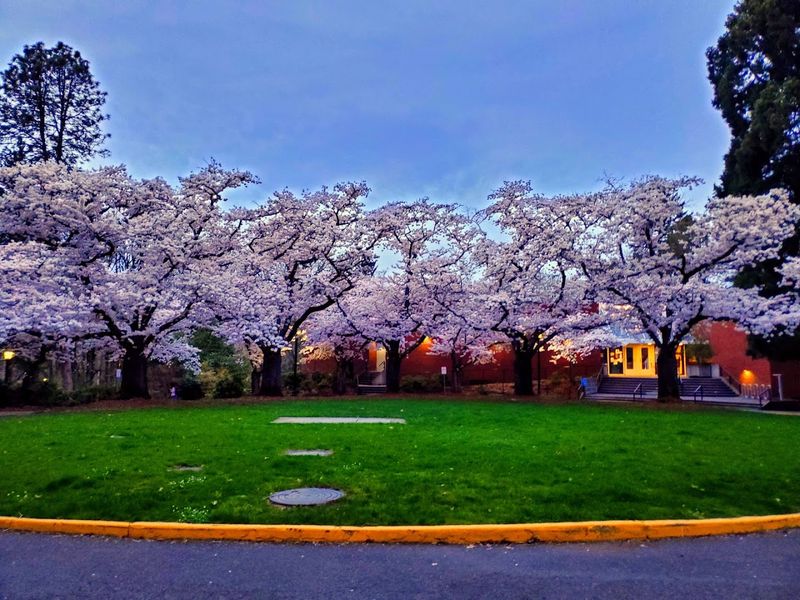
Here is the detail that makes most people do a double take. Undergraduate students at Reed College are licensed nuclear reactor operators.
They go through rigorous training and pass federal exams administered by the Nuclear Regulatory Commission before they ever touch a control.
The licensing process is the same one used for operators at full-scale commercial nuclear facilities. These are not simplified student versions of the test.
They are the real deal.
Student operators typically spend months learning reactor physics, safety protocols, and emergency procedures before they qualify. The reactor staff includes a licensed reactor supervisor who oversees all operations.
But day to day, students run the controls, conduct experiments, and manage the facility. It is one of the most hands-on educational experiences available anywhere in the country.
You do not just learn about nuclear physics from a textbook here. You actually operate a nuclear reactor, which is a sentence that probably sounds impossible until you visit Reed and see it happening right in front of you with your own eyes.
How the Reactor Has Stayed Licensed for Decades
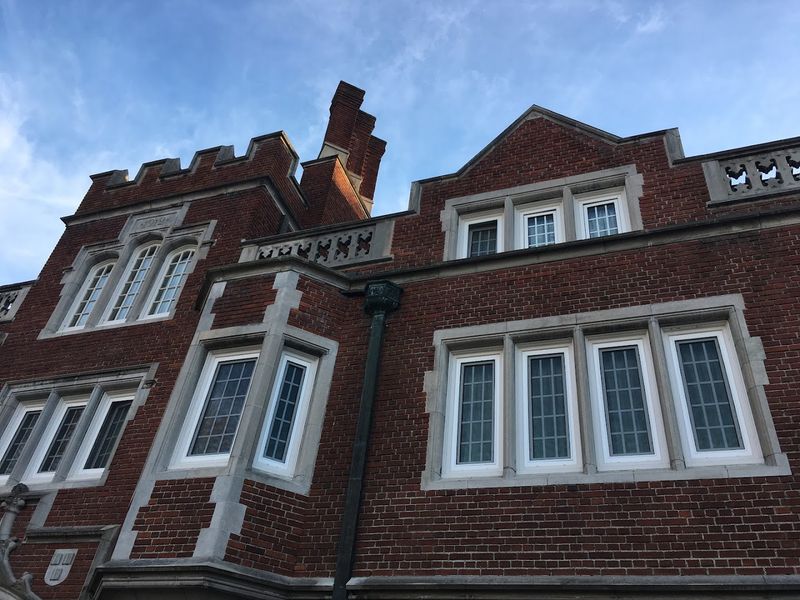
Keeping a nuclear reactor licensed for over fifty years is not a simple task. The Reed Research Reactor has maintained its operating license through consistent safety records, regular inspections, and strict adherence to Nuclear Regulatory Commission standards.
Inspectors check everything from equipment condition to operator training records and emergency preparedness plans.
Reed has passed every inspection cycle throughout its history. The TRIGA reactor design plays a big role in that track record.
It has an inherent safety feature called a negative temperature coefficient, which means the reactor naturally slows down if it gets too hot. It essentially self-regulates in a way that prevents runaway reactions.
This physical property makes TRIGA reactors uniquely forgiving compared to other designs. Combined with rigorous student training and dedicated professional staff, the reactor has operated without any significant safety incidents.
That kind of record over more than five decades is genuinely impressive and speaks to the serious culture of responsibility that Reed has built around this unusual facility on its campus.
What Researchers Actually Study Here
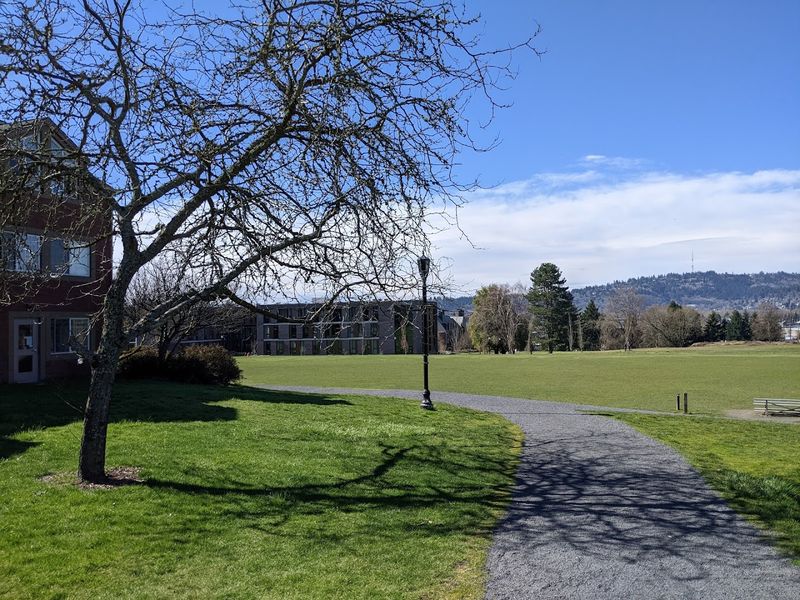
The reactor is not just a conversation piece. Real research happens here regularly.
One of the most common uses is neutron activation analysis, a technique that can identify trace elements in a sample without destroying it.
Scientists expose a sample to neutron radiation inside the reactor. The neutrons cause atoms in the sample to become radioactive in measurable ways.
By analyzing the radiation given off, researchers can identify exactly what elements are present and in what quantities.
This technique has been used to analyze everything from ancient pottery to environmental samples to geological materials. Archaeologists have sent artifacts to Reed for analysis.
Environmental scientists use it to track pollution sources. Geology researchers examine rock compositions with remarkable precision.
The reactor also produces radioactive isotopes used in medical and industrial applications. Beyond research, it serves as a teaching tool for physics, chemistry, and nuclear engineering students.
Can Visitors Actually See the Reactor?
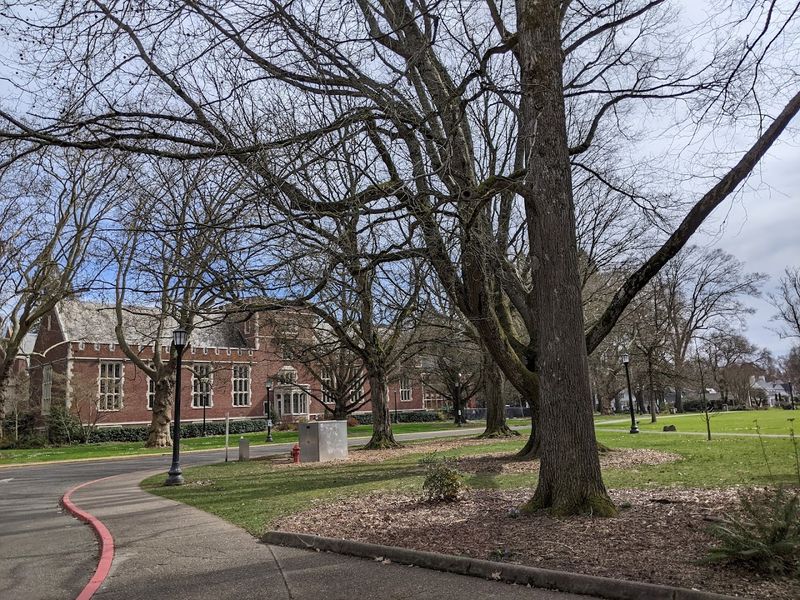
Public access to the reactor is one of the most appealing aspects of this whole story. Reed College does offer tours of the reactor facility, and seeing the actual reactor pool in person is something you will not forget quickly.
When the reactor is operating, the water in the pool glows an electric blue color. That glow is called Cherenkov radiation, caused by particles moving faster than light travels through water.
It is one of the most visually striking things you can witness in a scientific setting. The blue shimmer is soft and steady, almost beautiful in a way that feels completely at odds with the serious science happening around it.
Tours are typically arranged through the reactor staff and are not daily drop-in events. You will want to contact Reed in advance to schedule a visit.
The experience is popular with school groups, science enthusiasts, and curious travelers alike.
The History Behind Building a Campus Reactor in 1968
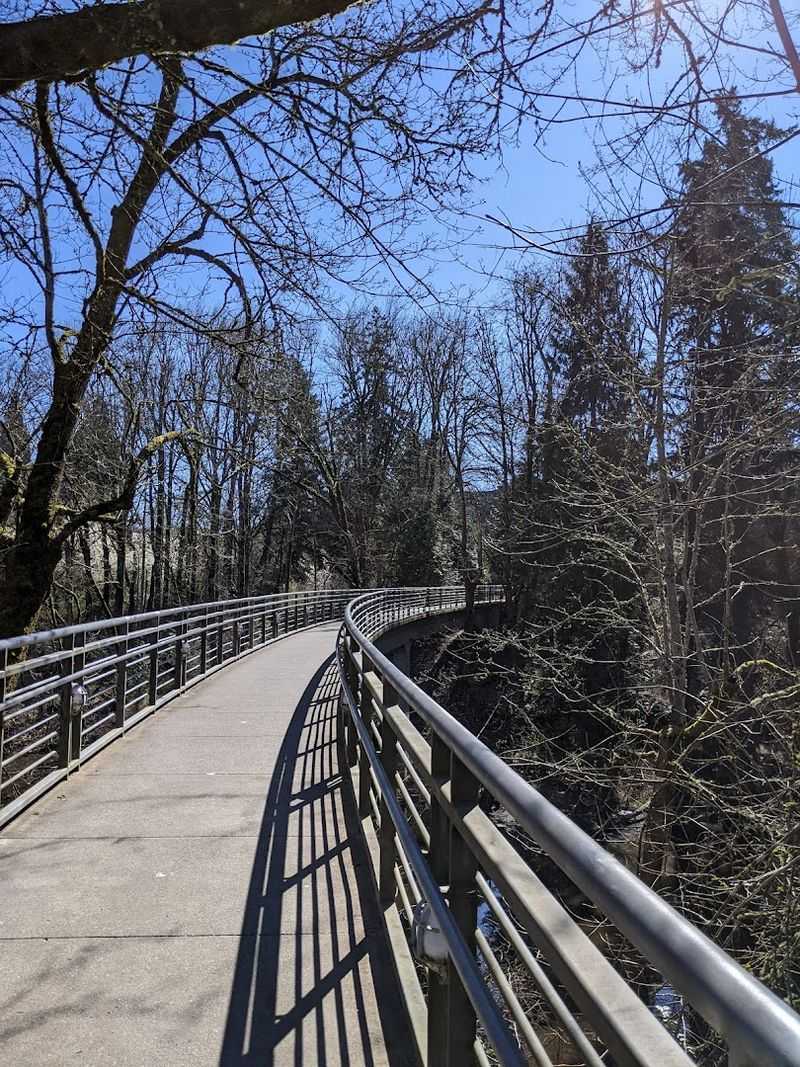
The late 1960s were a different era for nuclear energy. Public enthusiasm for atomic science was still high, and universities across the country were building research reactors as symbols of scientific ambition and educational progress.
Reed College joined that wave in 1968. The decision to install a TRIGA reactor reflected the college’s commitment to serious hands-on research in the sciences.
Reed had always prided itself on rigorous academics.
A working reactor fit perfectly into that identity. The TRIGA design was chosen specifically because of its built-in safety characteristics, making it appropriate for a campus environment.
General Atomics, the company that developed TRIGA reactors, had designed them with university settings in mind from the very beginning. Over the following decades, many university reactors shut down due to funding cuts, regulatory changes, or shifting institutional priorities.
Reed kept going. The commitment to maintaining the reactor has required consistent investment and dedication from the college.
Reed College Campus and the Reactor’s Surprising Neighbors
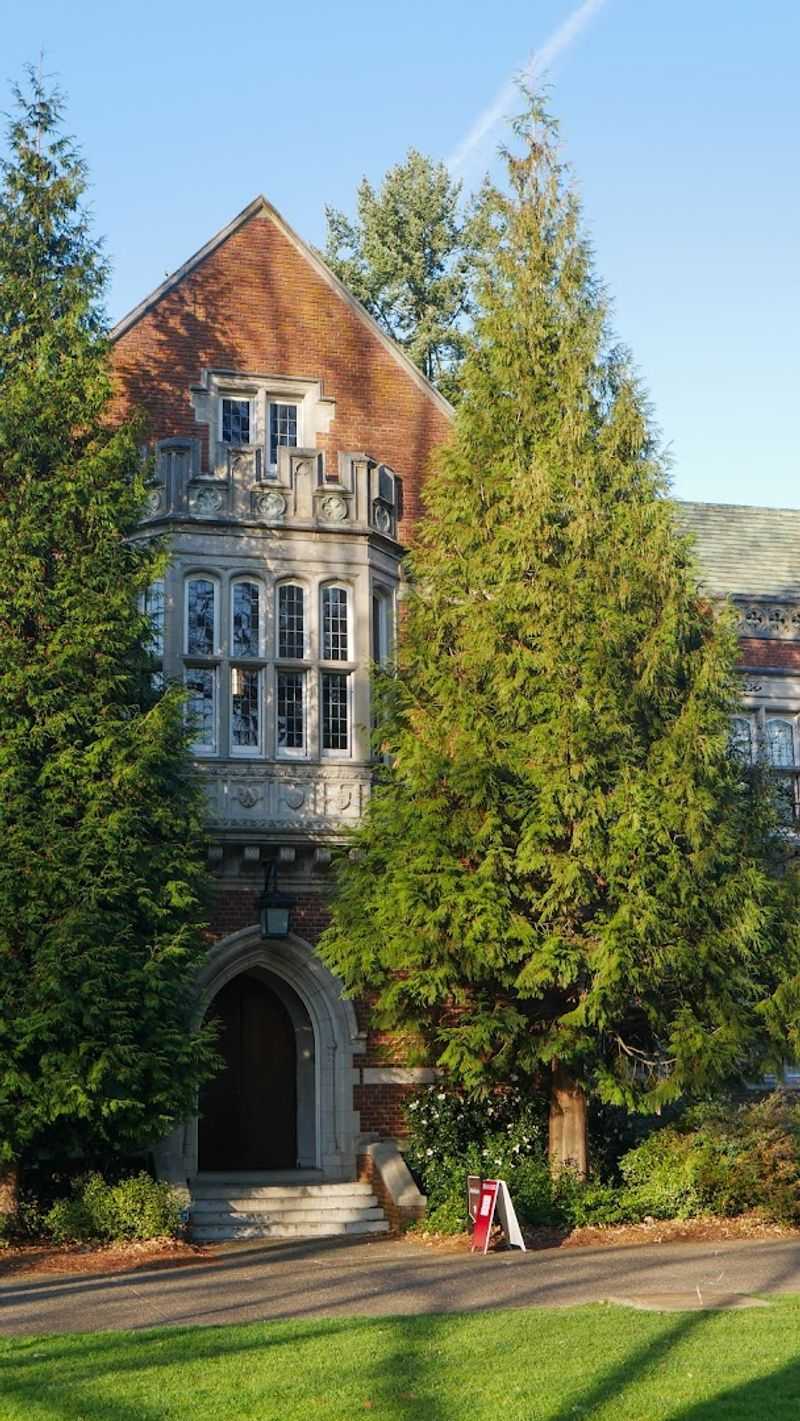
One of the strangest and most charming things about the Reed Research Reactor is its location. It sits on a campus full of Gothic stone buildings, lush canyon trails, flowering gardens, and a creek running through a restored natural habitat.
Students walk to class past ancient-looking gargoyles and then duck into an underground bunker to operate a nuclear reactor. That contrast is very Reed College.
The campus itself is genuinely beautiful. Tall trees shade the pathways.
The Reed Canyon below the main campus offers a quiet natural escape right in the middle of Southeast Portland. Wildlife lives in the canyon.
The Crystal Springs Creek runs through it, supporting fish that travel all the way to the river. The campus feels peaceful and almost timeless in its older sections.
Knowing that a nuclear reactor hums quietly beneath part of that serene landscape adds a layer of unexpected intrigue.
Planning Your Visit to the Reed Research Reactor
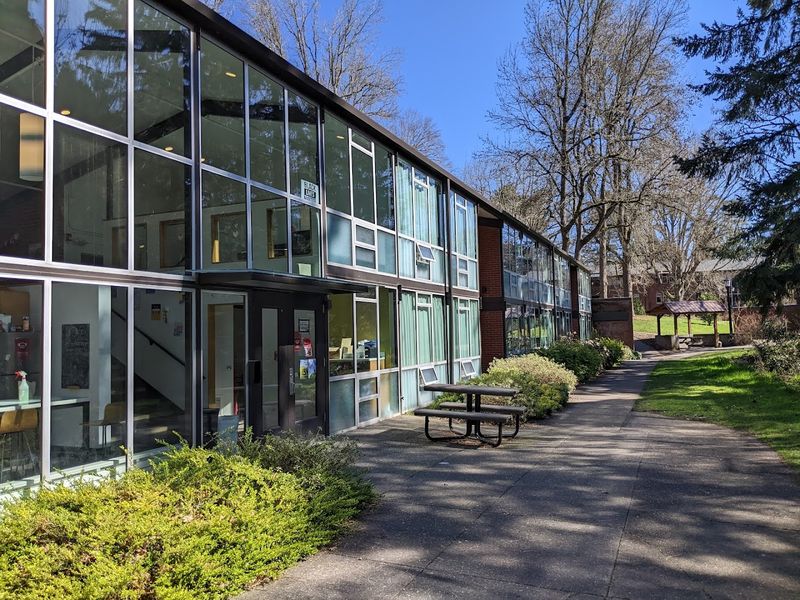
Getting to Reed College is straightforward. The campus sits in Southeast Portland at 3203 SE Woodstock Blvd, a neighborhood that feels residential and calm compared to busier parts of the city.
Parking is available near the campus perimeter.
Public transit options connect the area to downtown Portland. The campus is walkable once you arrive, and the grounds are open to visitors during regular hours.
To see the reactor specifically, reaching out to the Reed reactor staff ahead of time is essential. Tours are not available on a casual walk-in basis.
The facility operates under federal licensing requirements that make advance scheduling necessary. Weekday visits during the academic year offer the best chance of seeing the reactor in operation.
Bringing a group is a great option since tours often accommodate school classes and science organizations. Wear comfortable shoes since the campus involves some walking.
Go with curiosity and patience. The people who work and study at the reactor are passionate about sharing what they do.
