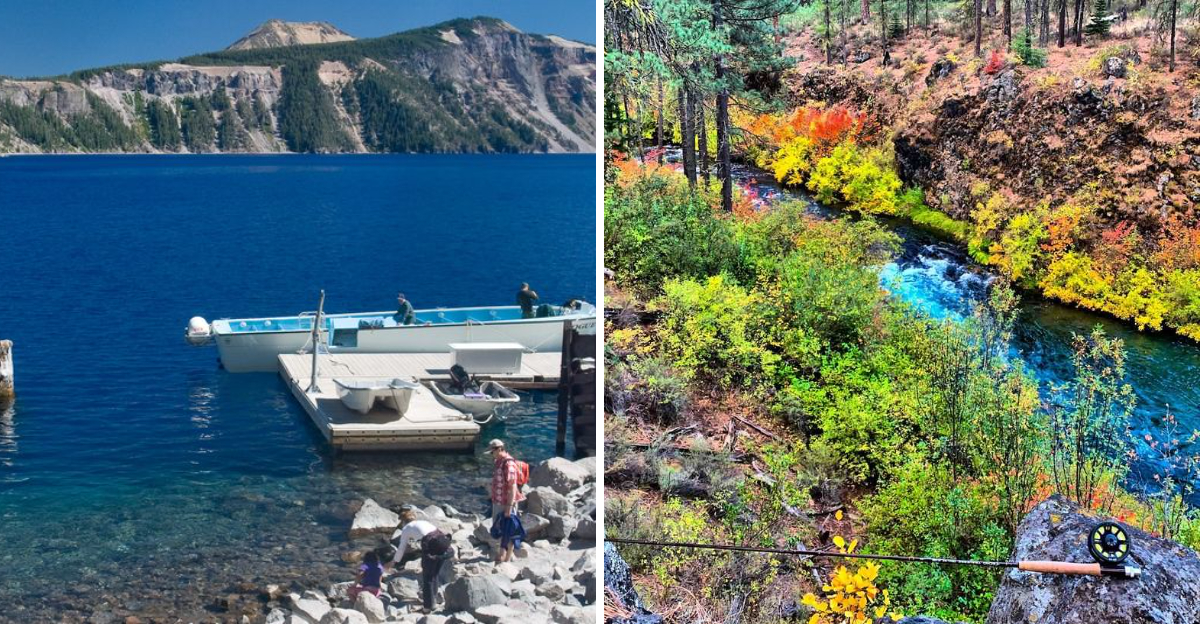
Crystal clear water and summer go together like lemonade and a hot afternoon. You want to see every rock on the bottom before you jump in.
You want to float and watch your own toes wiggle without any murky mystery. This Oregon swimming spots roundup delivers exactly that kind of clarity.
Some are lazy river bends where the current does all the work for you. Others are deep pools tucked under waterfalls where the water stays shockingly cold and perfectly transparent.
You can see fish swimming past your legs like you are inside an aquarium. Tiny pebbles glow in different colors ten feet down.
The best part is that most of these places require a short walk to reach, so the crowds thin out quickly. Oregon has famous lakes that turn brown with boat traffic, but these hidden gems stay clean because fewer people know about them.
Pack a mask and snorkel even for shallow spots because looking under the surface is half the fun. Bring water shoes because sharp rocks hide in even the clearest swimming holes.
And please pack out every single piece of trash so these spots stay beautiful for the next person.
1. Tamolitch Blue Pool, McKenzie River, Oregon
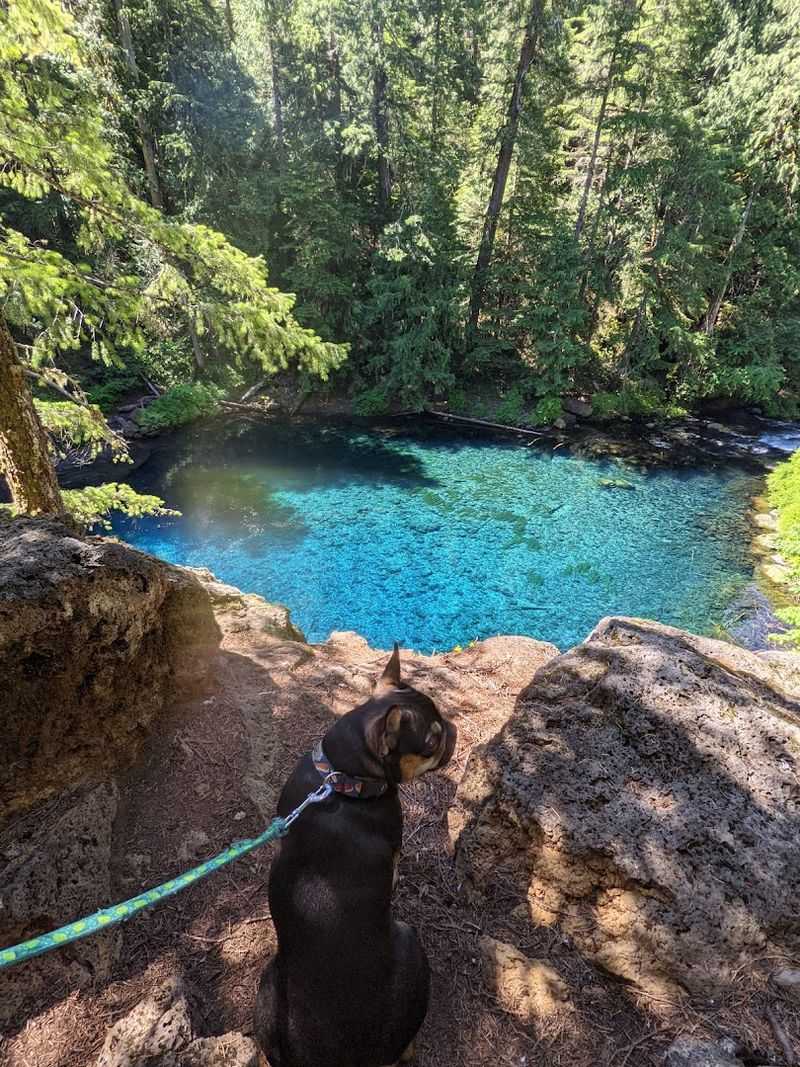
The water here glows a shade of blue so vivid, you might think someone added food coloring to it. Tamolitch Blue Pool sits along the McKenzie River in the Willamette National Forest.
The pool is fed by underground springs that push water up through volcanic rock. That underground journey is what gives the water its jaw-dropping clarity and brilliant turquoise color.
To reach the pool, you hike about two miles along the McKenzie River Trail. The trail winds through old-growth forest and past lava fields, making the journey just as rewarding as the destination.
Water temperatures stay cold year-round, usually hovering around 34 to 38 degrees Fahrenheit. That said, a quick dip on a hot August afternoon feels absolutely incredible after a sweaty hike.
The pool sits inside a natural rock amphitheater, and the acoustics are surprisingly cool. Bring water shoes because the rocky bottom can be slippery and uneven in spots.
Summer weekends draw crowds, so arriving early on a weekday gives you the best chance of having this magical spot mostly to yourself.
2. Proxy Falls Swimming Area, Three Sisters Wilderness, Oregon
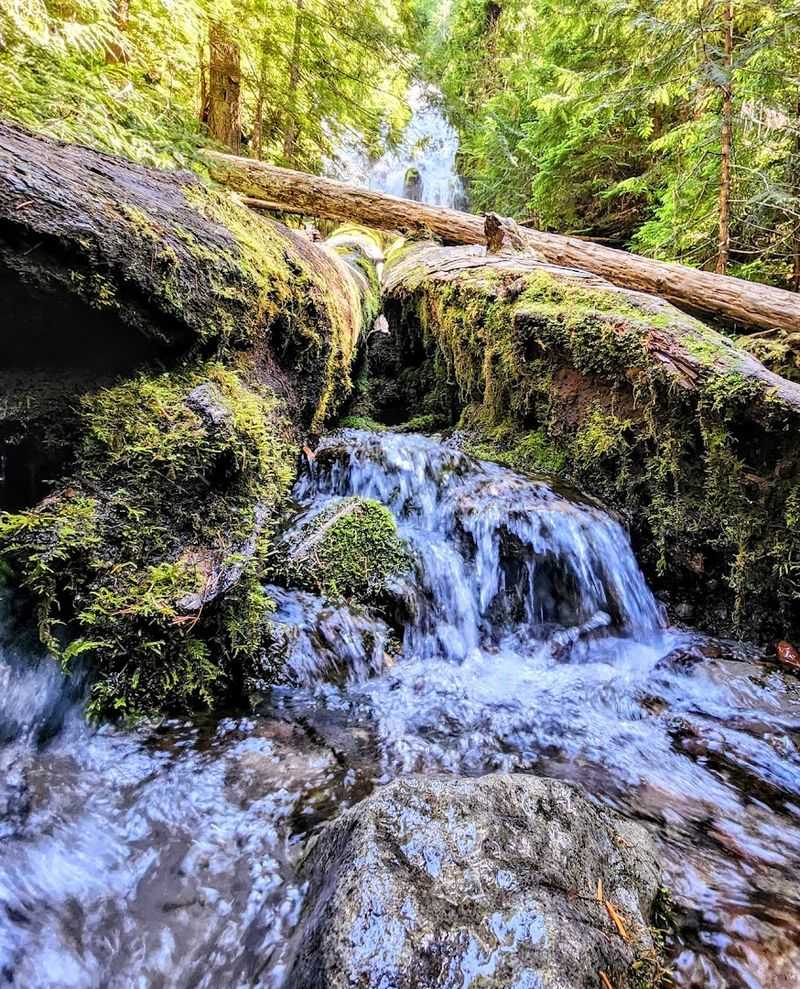
Most people visit Proxy Falls just to photograph the stunning waterfall, but the swimming area nearby is genuinely worth the trip on its own. The Three Sisters Wilderness in central Oregon provides the dramatic backdrop here.
The falls drop in two separate tiers, creating a misty, cool atmosphere even on the warmest days. The pool at the base collects the clearest water you can imagine, filtered naturally through volcanic rock.
A short loop trail of about 1.6 miles leads you through old lava flows and towering Douglas firs. The hike feels manageable for most fitness levels, including older kids and teens.
Water clarity here is remarkable because the volcanic terrain acts as a natural filtration system. You can see straight to the rocky bottom even in deeper sections of the pool.
The area sits at a higher elevation, so bring an extra layer for the morning hours when temperatures can dip unexpectedly. Afternoon sun warms things up nicely for swimming.
Parking fills up fast in July and August, so a Recreation Pass is required and arriving by 9 a.m. is strongly recommended for a stress-free visit.
3. Opal Creek Wilderness Swimming Holes, Santiam Canyon, Oregon
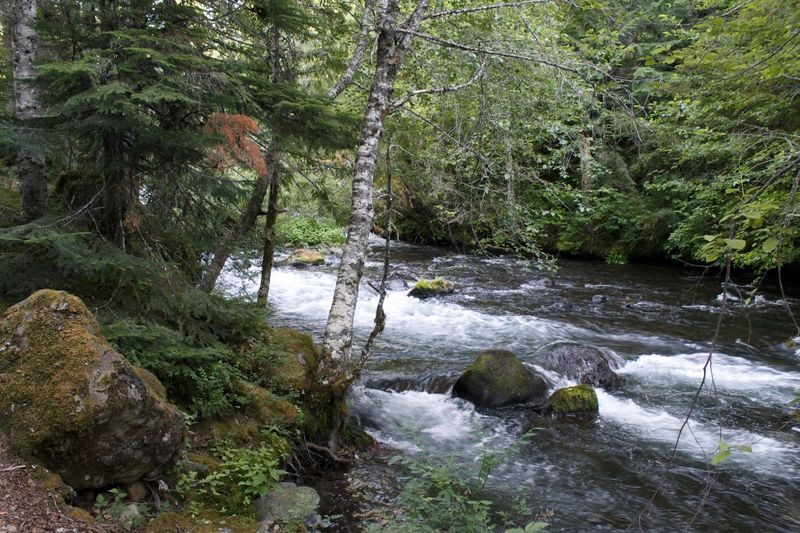
Opal Creek earned its name honestly. The water truly does shimmer with an opal-like glow that shifts between green, blue, and gold depending on the light.
This spot sits deep in the Santiam Canyon east of Salem.
The creek flows through one of the last remaining old-growth forests in the Pacific Northwest. Ancient cedars and firs tower overhead, creating a cathedral-like canopy above the swimming holes.
Getting here requires a roughly five-mile hike on the Opal Creek Trail. The trail follows the creek closely, giving you plenty of teaser views of the water before you reach the main swimming area.
Jawbone Flats, a small historic mining town along the trail, adds a fascinating historical layer to the adventure. You can explore the old buildings and learn about the area’s gold mining past.
The swimming holes vary in depth and temperature, so there is something for every comfort level. Shallow, sunlit pools warm up nicely by early afternoon during peak summer weeks.
This area was once threatened by logging, and local activists fought hard to protect it. Swimming here feels like a small celebration of that hard-won conservation victory.
4. Drift Creek Falls Swimming Area, Lincoln City, Oregon
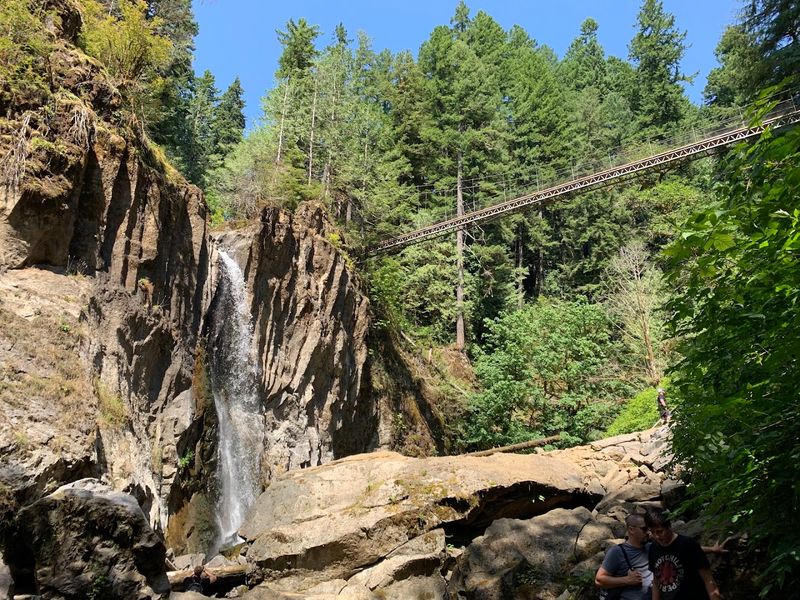
A swinging suspension bridge greets you about halfway through the hike, and yes, it absolutely lives up to the hype. Drift Creek Falls sits in the Coast Range near Lincoln City on Oregon’s north coast.
The falls drop nearly 75 feet into a gorgeous plunge pool surrounded by ferns and old-growth timber. The pool is shallow enough near the edges for safe wading and cool enough to feel refreshing on a warm coastal day.
The trail to reach the falls is about three miles round trip and rated moderate in difficulty. Families with kids in the 8-and-up range typically handle it without much trouble.
This spot stays slightly cooler than inland swimming areas because of its proximity to the Pacific coast. Morning fog often lingers, but afternoons usually clear up beautifully for swimming.
The Siuslaw National Forest manages this area, and a Northwest Forest Pass is required for parking. The relatively short trail means you can squeeze this into a half-day trip if needed.
Wildlife sightings along the trail are common, including Roosevelt elk and various woodpeckers. Keep your camera ready because the scenery around every bend is genuinely stunning.
5. Susan Creek Swimming Hole, North Umpqua River, Oregon
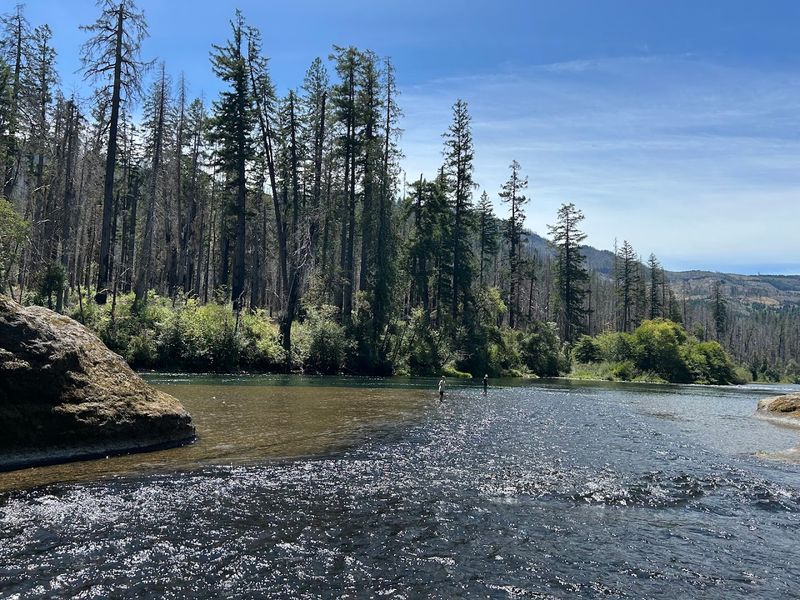
The North Umpqua River is legendary among Oregon swimmers, and Susan Creek is one of its most accessible and family-friendly entry points. The site sits just off Highway 138 east of Roseburg.
Wide, flat rocks line the riverbanks here, making them perfect for sunbathing between swims. The water runs clear enough that you can watch small fish darting around your feet in the shallower sections.
A short 1.2-mile trail leads from the campground to Indian Mounds, adding a cultural and historical dimension to your visit. The mounds are remnants of the Cow Creek Band of the Umpqua Tribe.
The river current here is generally calm during summer months, making it a safer choice for younger swimmers and beginners. Always check current conditions before entering, as spring runoff can increase flow significantly.
Susan Creek Campground sits right next to the swimming area, making this an ideal overnight destination. Waking up and walking directly to a pristine river is one of summer’s finest simple pleasures.
The surrounding ponderosa pines and canyon walls create a sheltered, warm microclimate that makes afternoon swims especially comfortable throughout July and August.
6. Bagby Hot Springs Swimming Area, Mount Hood National Forest, Oregon
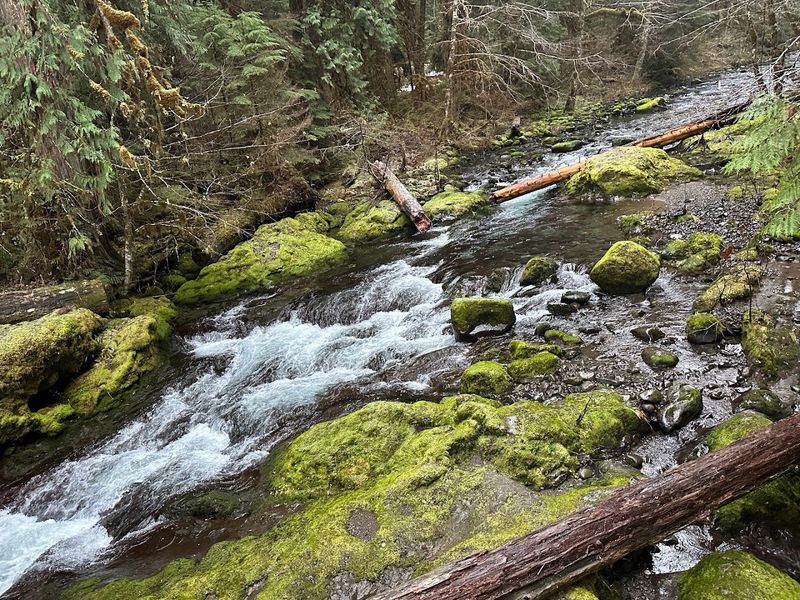
Hot springs and cool forest streams in the same location sounds too good to be true, but Bagby delivers exactly that combination. This beloved spot sits within Mount Hood National Forest, about 70 miles southeast of Portland.
The main attraction is the series of hand-hewn cedar log tubs fed by natural geothermal water. The surrounding Hot Springs Fork of the Collawash River provides a refreshing cold-water contrast after soaking.
Reaching Bagby requires a 1.5-mile hike through genuinely magnificent old-growth forest. Giant western red cedars and Douglas firs line the trail, some with trunks wider than a car.
The springs have been a gathering place for people for thousands of years. Indigenous communities used this area long before modern visitors discovered its restorative qualities.
Weekends bring larger crowds, especially during summer, so a Tuesday or Wednesday visit offers a far more peaceful experience. Arriving before noon also helps you snag a tub before the afternoon rush.
No fee is required to enter, but a Northwest Forest Pass is needed for parking. The combination of hiking, soaking, and swimming makes Bagby one of the most complete outdoor experiences in the state.
7. Toketee Falls Swimming Pool, North Umpqua River, Oregon
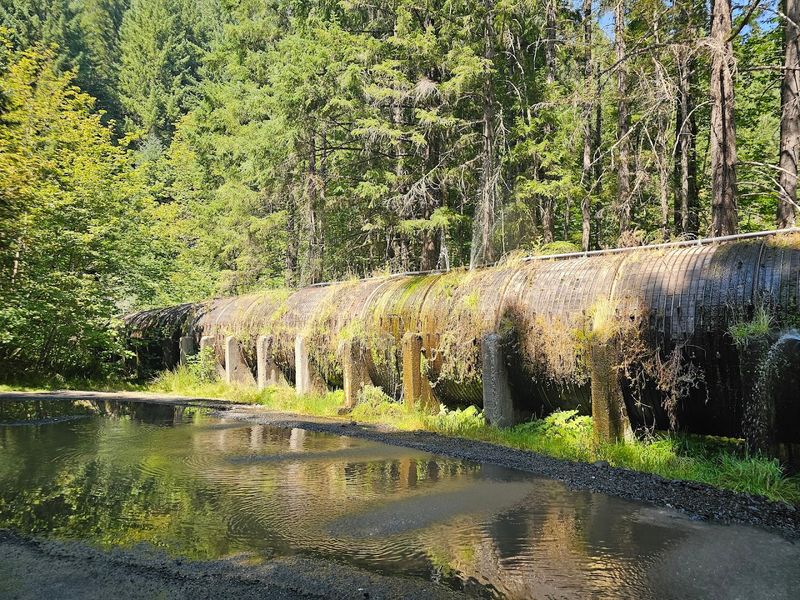
Toketee means beautiful in the Chinook language, and this waterfall absolutely earns that name every single day. Located along the North Umpqua River in Douglas County, Toketee Falls is one of Oregon’s most photographed natural features.
The falls drop in two tiers, first 28 feet and then a dramatic 113-foot plunge into a deep turquoise pool. The surrounding walls of hexagonal basalt columns give the scene a geometric, almost otherworldly quality.
A wooden boardwalk and staircase lead to the main viewing platform, which is roughly 0.4 miles from the trailhead. The short distance makes this accessible for almost everyone, including young children.
Swimming directly under the main falls is not permitted, but the pool area below the viewing platform allows for wading and cooling off. The water clarity is extraordinary, with a vivid blue-green tint caused by mineral content.
Summer afternoons bring the best light for photography, with sunbeams cutting through the mist created by the falling water. Pack a waterproof case for your phone because the spray reaches further than you expect.
The surrounding Umpqua National Forest offers dozens of additional trails and swimming spots, making Toketee a great anchor for a multi-day adventure.
8. Wildwood Recreation Site, Sandy River, Oregon
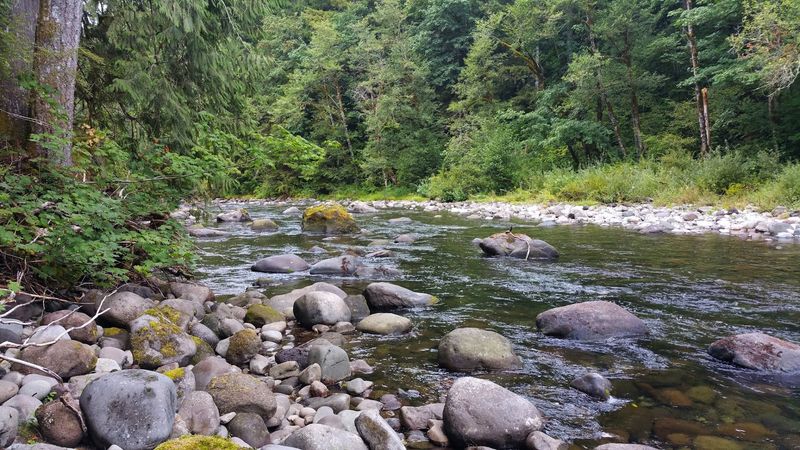
Just 40 miles east of Portland, Wildwood Recreation Site on the Sandy River feels like a complete escape from city life. The Bureau of Land Management manages this area, and it shows in how well-maintained the facilities are.
The Sandy River runs clear and cool through a wide gravel floodplain here, creating natural pools and calm channels perfect for swimming. Water transparency is impressive, especially in late summer when flows drop and clarity peaks.
The site includes over five miles of trails through old-growth Douglas fir forest. An underwater viewing window built into the river bank lets visitors watch salmon and steelhead migrating through the river.
That salmon-watching feature alone makes Wildwood genuinely unique among Oregon swimming spots. Kids absolutely love pressing their faces against the glass and watching the fish navigate upstream.
The gravel bars along the river provide ample space for picnicking, sunbathing, and building the kind of elaborate rock dams that kids have been constructing since the beginning of time.
Parking fees apply, and the lot fills up quickly on summer weekends. Arriving before 9 a.m. on a Saturday is the single best strategy for securing a good spot close to the water.
9. Crater Lake National Park Swimming Areas, Klamath County, Oregon
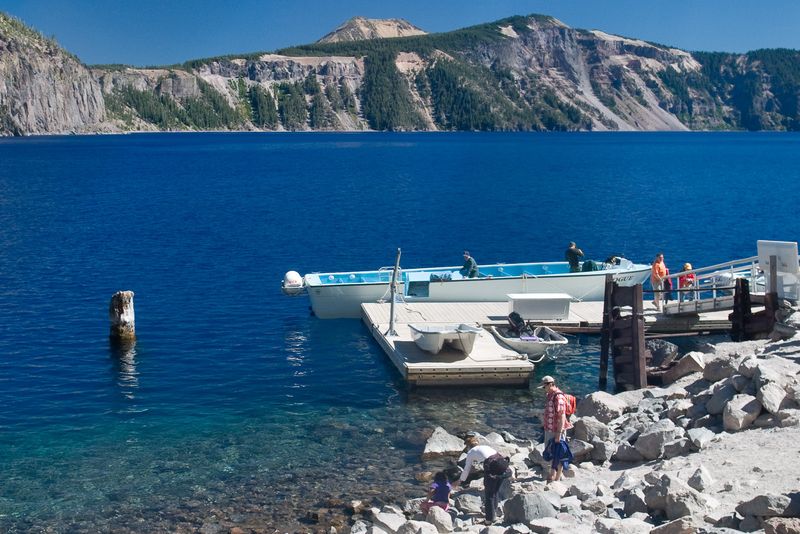
Crater Lake holds the title of deepest lake in the United States, plunging 1,943 feet at its deepest point. That extraordinary depth is part of what gives the water its impossibly deep blue color.
Swimming is permitted at two locations within the national park: Cleetwood Cove and the Wizard Island shoreline. Cleetwood Cove is the only spot with trail access down to the water, and it is steep.
The 1.1-mile trail to Cleetwood Cove drops about 700 feet in elevation. That means the return hike back up is genuinely challenging, so bring plenty of water and take your time.
Water temperatures rarely climb above 60 degrees Fahrenheit even in August, so the lake is cold by any reasonable standard. The clarity, however, is absolutely unmatched, with visibility reportedly reaching up to 100 feet.
Wizard Island can be reached by boat tour, and swimming off its rocky shoreline is a bucket-list experience. The sense of swimming in the middle of an ancient volcanic caldera is hard to put into words.
Summer 2026 entry requires advance reservations due to high demand. Booking your timed entry permit as soon as they become available is strongly advised.
10. Alsea Falls Swimming Hole, Alsea River, Oregon
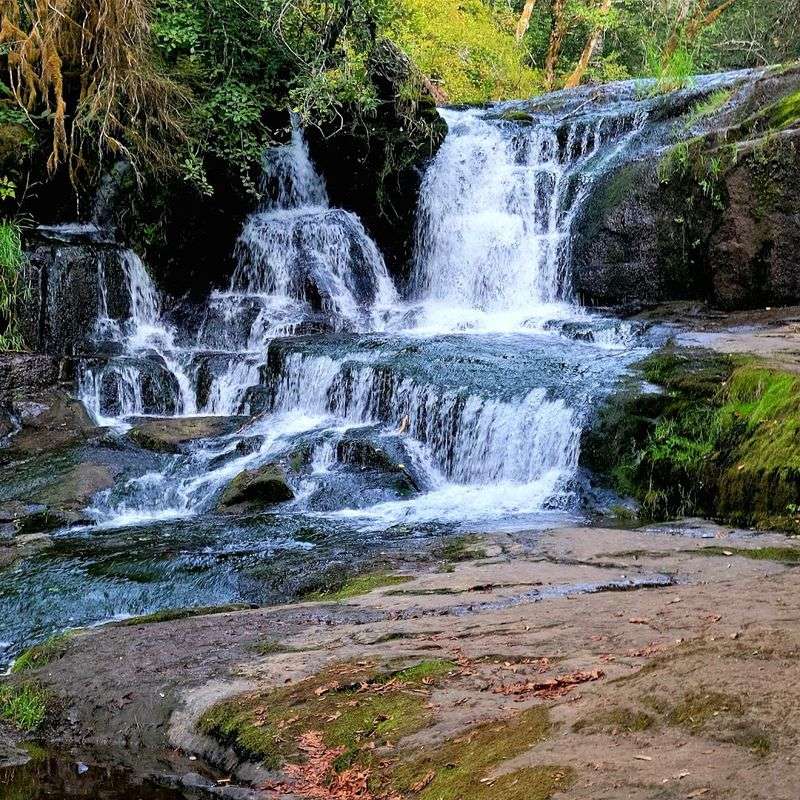
Alsea Falls is the kind of swimming spot that feels like a personal discovery every time you visit, even though locals have loved it for generations. The falls sit along the South Fork Alsea River in the Coast Range, about 20 miles south of Corvallis.
The waterfall drops about 15 feet into a shallow, clear pool that warms up beautifully by mid-afternoon in July and August. The surrounding forest stays cool and shaded, making the temperature contrast between sun and shade especially pleasant.
A short loop trail of about 2.5 miles connects Alsea Falls with nearby Green Peak Falls, giving hikers two waterfall experiences in a single outing. Both falls feed into swimming areas that are calm and welcoming for families.
The Siuslaw National Forest manages the campground adjacent to the falls, making overnight stays easy and affordable. Falling asleep to the sound of running water is one of those simple joys that never gets old.
This area sees far less traffic than more famous spots like Tamolitch Blue Pool, which means you often have the swimming hole largely to yourself even on summer weekends.
Bring sandals with good grip because the rocks around the pool can be slippery when wet.
11. Metolius River Swimming Spots, Jefferson County, Oregon
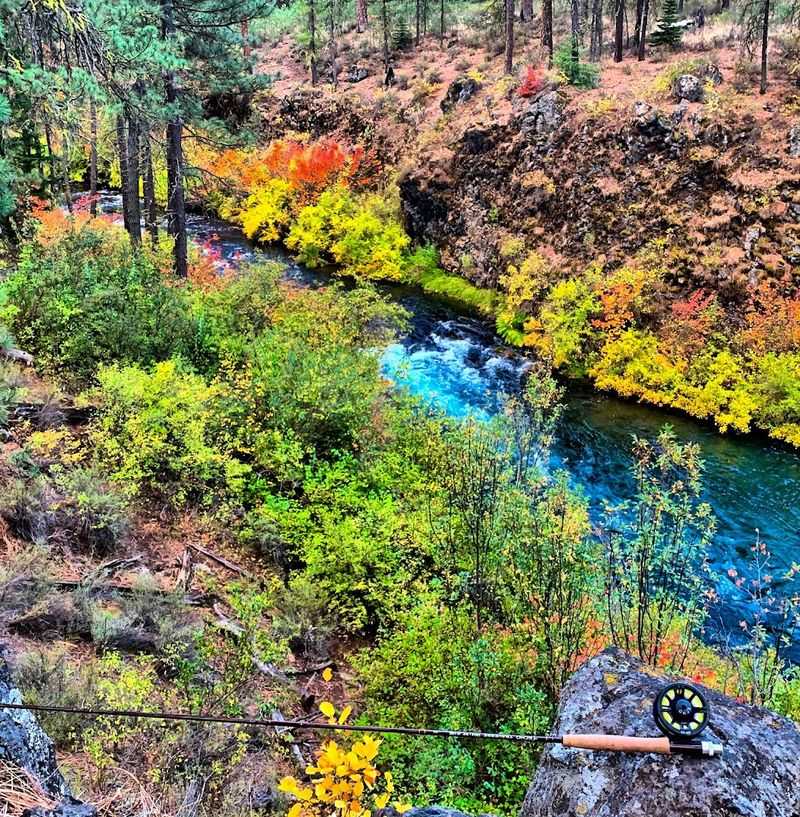
The Metolius River springs fully formed from the ground at the base of Black Butte, one of the more visually dramatic origins of any river in the American West. Jefferson County in central Oregon is the setting for this remarkably clear and fast-moving waterway.
The water maintains a steady temperature of about 48 degrees Fahrenheit year-round, fed entirely by underground springs. That consistent cold makes it less ideal for long swims but absolutely perfect for a quick, exhilarating plunge on a hot day.
The clarity of the Metolius is legendary among Oregon anglers and swimmers alike. You can watch rainbow trout holding in the current from the riverbanks with startling ease, the water is that transparent.
Several campgrounds line the river corridor, including Camp Sherman Campground, which provides easy river access for overnight guests. Wading in the shallows near camp is a favorite activity for families staying in the area.
Bull trout, a sensitive and protected species, live in the Metolius, so catch-and-release fishing rules are strict here. Swimming is permitted in designated areas, but always respect the posted signage to protect the river’s ecosystem.
The ponderosa pine forest surrounding the river creates one of the most serene and photogenic settings in all of Oregon.
