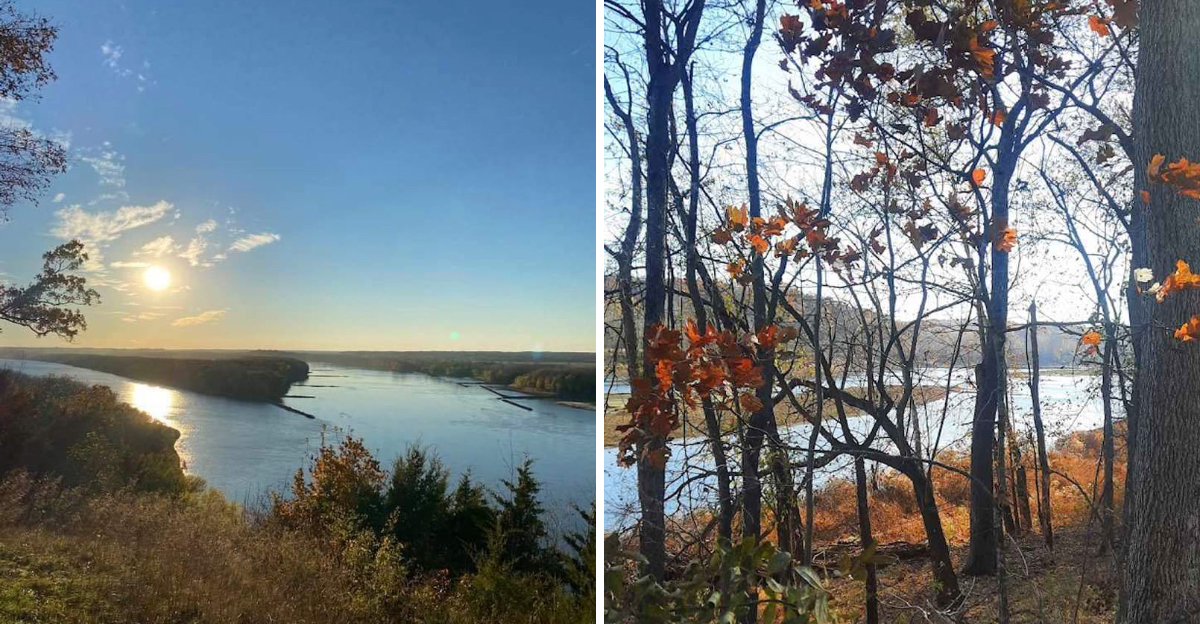
The Ozarks have a way of slowing things down, and cell service is usually the first thing to disappear. Then goes the urge to check your watch, followed by that part of the brain that worries about things which do not actually matter.
One peaceful Missouri campground along the Osage River has perfected this slow motion magic, offering the ultimate lazy river getaway for anyone who needs to remember what real rest feels like.
You can float for hours without seeing another person, letting the current do all the work as it pulls you gently past limestone bluffs and under overhanging trees. The water moves at a pace that feels designed for napping, reading, or simply staring at the sky while the world drifts by.
Tubes work best for this kind of trip, though kayaks and canoes also make appearances. The tubing crowd understands the assignment most clearly, which is to let the river decide the speed and to stop trying to control everything for once.
The Osage River and Its Ozark Soul
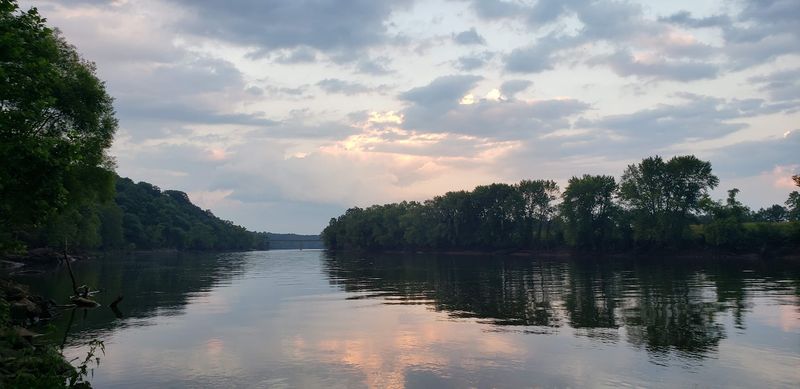
There is something almost magnetic about the Osage River the moment you first lay eyes on it. The water moves with quiet confidence through the Missouri Ozarks, curving around limestone bluffs and mossy banks like it has been doing this for thousands of years, because it has.
The Osage River is one of the longest rivers in Missouri, stretching over 500 miles before it empties into the Missouri River near Jefferson City. Along the way, it carves through some of the most scenic terrain in the entire state.
The Ozark landscape surrounding the river feels ancient and unhurried. Towering ridgelines drop down to the water’s edge, and the tree canopy creates a natural tunnel effect in certain stretches that feels almost private.
Spending time here means stepping into a landscape shaped by geology, time, and water working together. The river does not demand your attention with dramatic waterfalls or tourist crowds.
It simply flows, and somehow that quiet confidence is what makes it so deeply appealing to anyone who finds it.
Camping Along the Riverbanks of Missouri
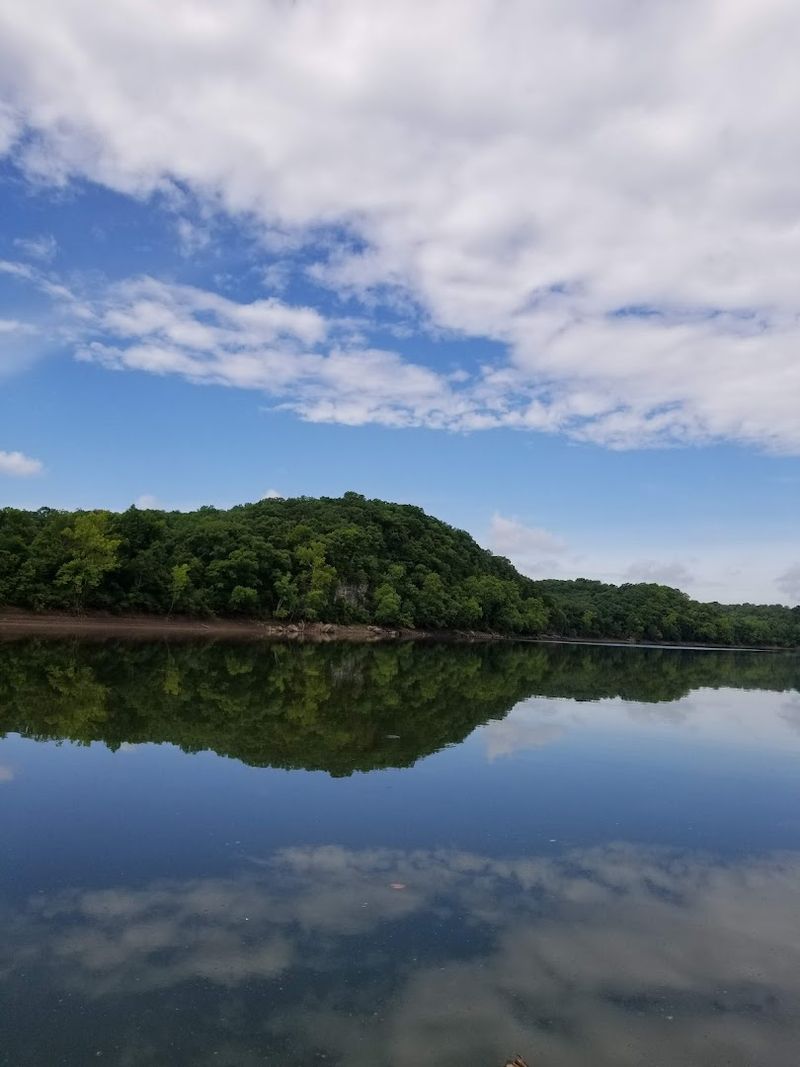
Pitching a tent within earshot of moving water might be one of the most underrated pleasures in outdoor travel. Along the Osage River, several campgrounds and public access areas make it genuinely easy to set up a basecamp right on the river’s edge.
The sound of the current at night replaces every notification, alarm, and background noise you forgot you were carrying. Missouri offers a handful of state-managed access points along the Osage corridor, and some private campgrounds sit close enough to the water that you can practically fish from your campsite.
Mornings here have a particular kind of stillness. Mist rises off the water, birds start their routines before sunrise, and the air carries that clean, earthy river smell that no candle has ever successfully replicated.
Setting up camp along the Osage means you are not just sleeping near a river. You are syncing your schedule to it, waking when the light hits the water and resting when the current quiets down for the evening.
It is the kind of camping that reminds you why people started doing this in the first place.
Floating the Current at Your Own Speed
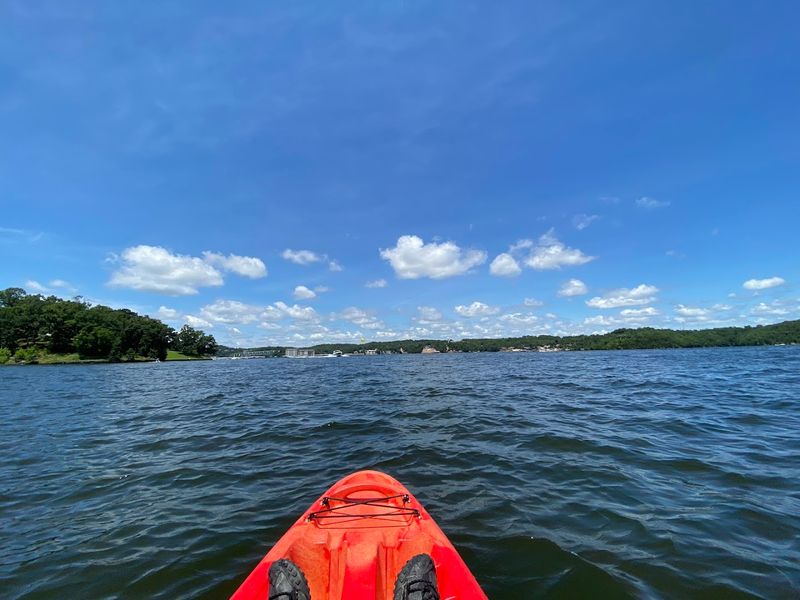
Floating a Missouri river is practically a state tradition, and the Osage delivers one of the most laid-back versions of that experience anywhere in the Ozarks. The current is gentle enough in many stretches that you can drift for hours without doing much of anything at all.
Canoes, kayaks, and inner tubes all work well here depending on the section and the season. The river’s pace allows for long, unhurried floats where the scenery changes gradually and the only real decision is whether to paddle a little or just let the water take you.
What makes floating the Osage feel different from busier float trips is the relative quiet. You are unlikely to feel like you are stuck in a river traffic jam here.
The banks stay mostly wild and green, with occasional gravel bars perfect for stopping, stretching, and watching the sky.
A slow float down the Osage is the kind of afternoon that sneaks up on you. You think you will be out for two hours, and then you look up and realize the sun has moved considerably further across the Missouri sky than you planned for.
Fishing Spots Worth Getting Up Early For
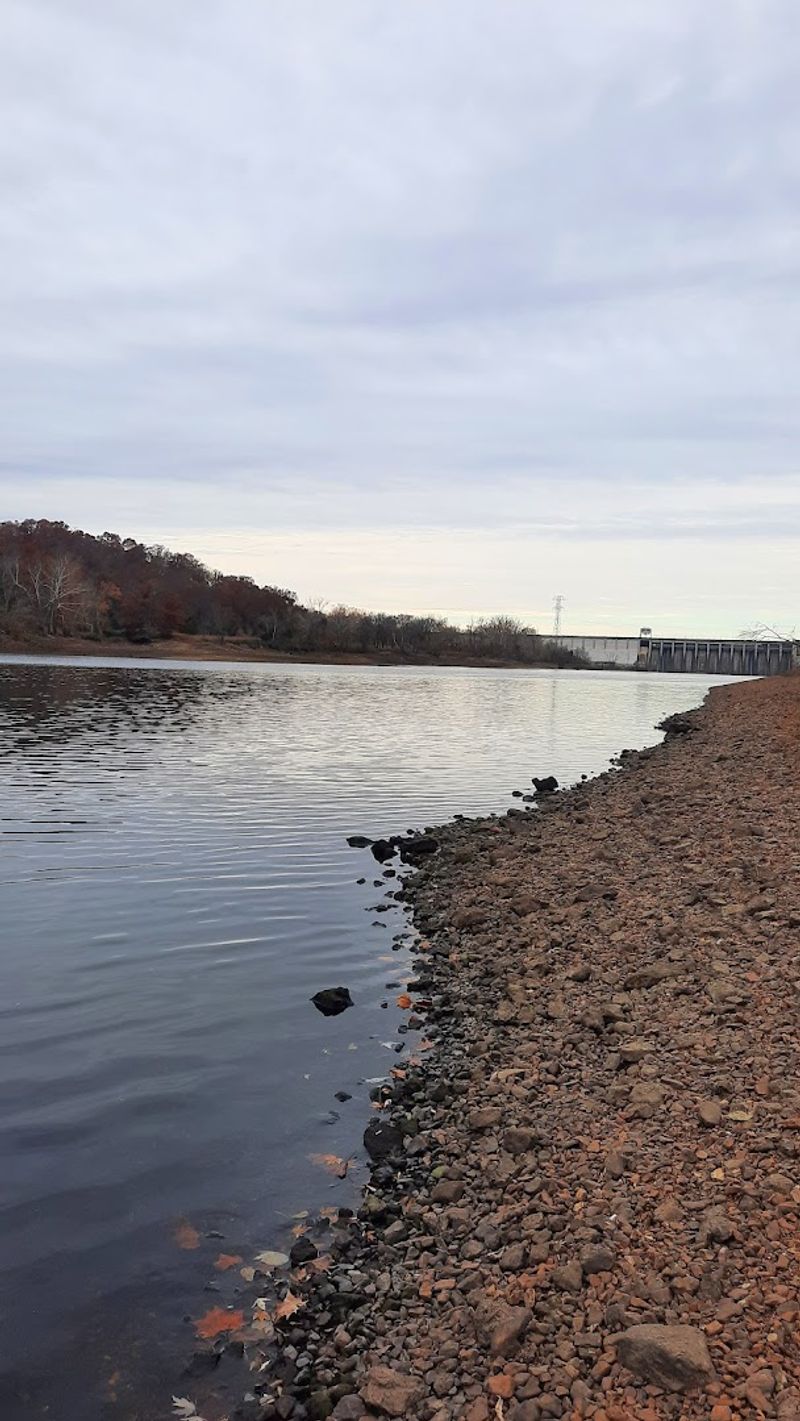
Fishing on the Osage River is the kind of activity that justifies setting an alarm you would normally ignore. The river holds a solid variety of species including catfish, bass, crappie, and sauger, making it productive for anglers with different preferences and skill levels.
Catfishing on the Osage has a loyal following in Missouri, and for good reason. The river’s deeper holes and slower pools create ideal habitat, and fishing after dark or in the early morning hours tends to produce the best results for those willing to put in the time.
Public access areas along the river give you plenty of entry points without requiring a boat. Bank fishing from gravel bars and rocky shorelines is common, and the river’s varied structure means you can move around until you find where the fish are holding.
There is a particular satisfaction that comes from pulling a fish out of a river you have been watching all morning. The Osage has a way of rewarding patience, and the combination of good habitat and relatively light pressure makes every cast feel like it has real potential behind it.
Bagnell Dam and the View Above the Water
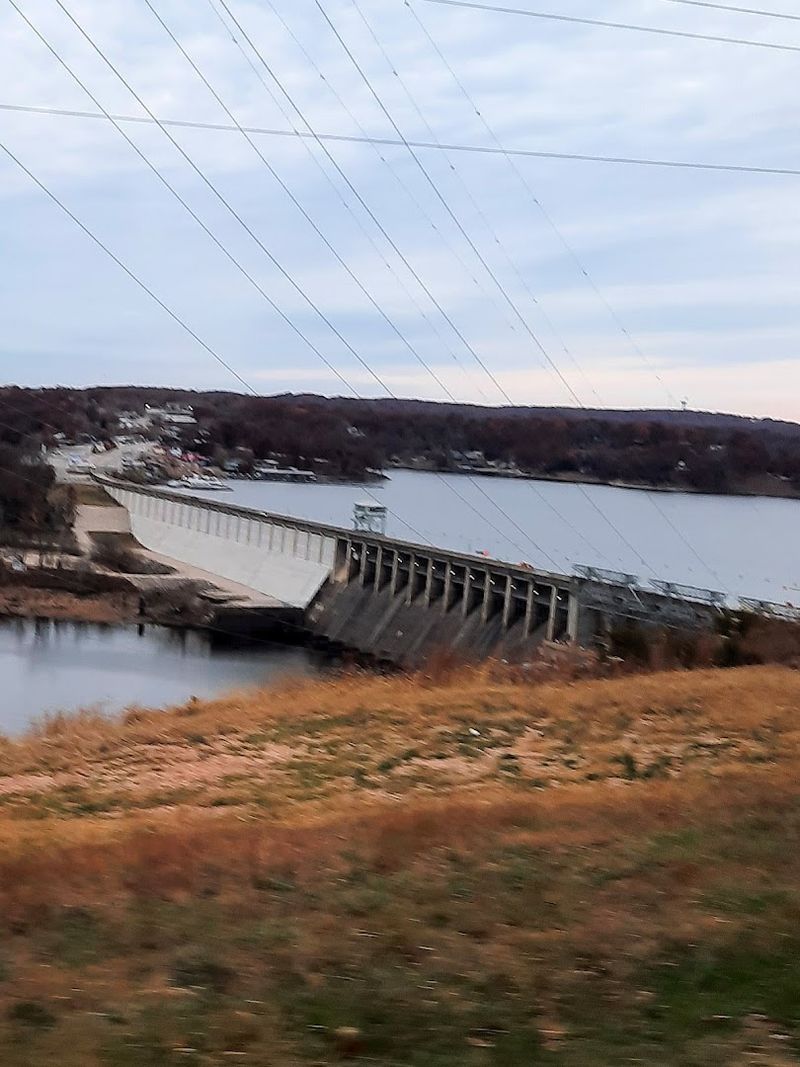
One of the most dramatic moments along the entire Osage River corridor happens at Bagnell Dam, where the river is transformed into the Lake of the Ozarks. Standing at the viewing area above the dam gives you a perspective on the river’s scale that is genuinely hard to process at first.
Completed in 1931, Bagnell Dam was a major engineering achievement for its era. The structure harnessed the power of the Osage to generate hydroelectric power, and the viewing area maintained near the dam lets visitors see the operation up close at no cost.
A large water turbine is displayed at the entrance of the viewing deck, giving you a tangible sense of the mechanical force behind the whole operation. The view from above, especially during autumn when the surrounding Missouri hillsides turn orange and red, is genuinely worth the stop.
Standing above the dam and looking downstream at the original river channel is a reminder of just how much the Osage has shaped the region, both literally through its geology and historically through the communities and infrastructure that grew up along its banks.
Autumn Colors Along the Ozark Corridor
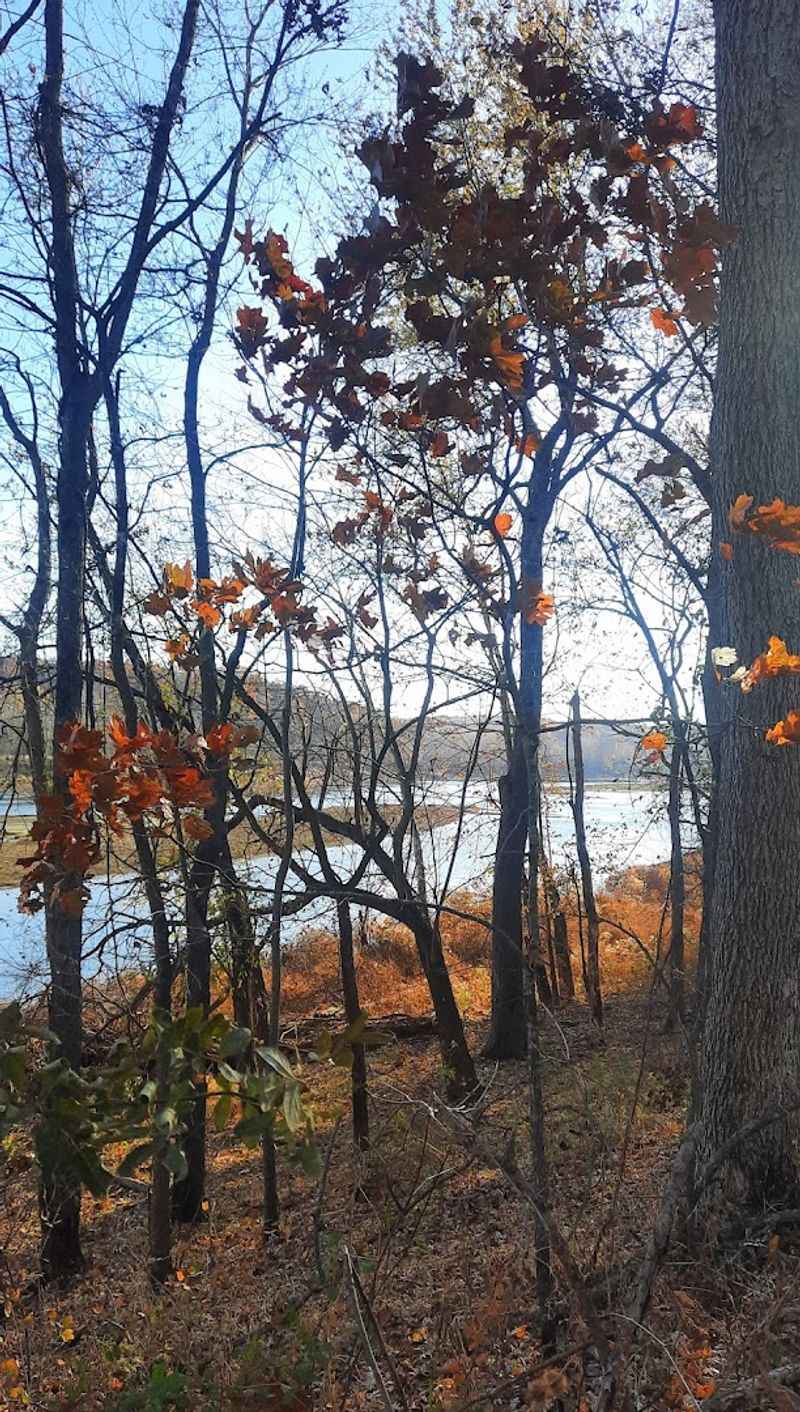
If there is a single season that turns the Osage River into something almost impossibly beautiful, it is autumn. The Ozark hillsides flanking the river go through a full color transformation from mid-October into November, and the effect from the water or the riverbanks is remarkable.
Missouri’s Ozark region has a dense mix of hardwood species including oak, maple, and hickory, all of which contribute different shades to the fall palette. Floating the river during peak color season means watching those reflections ripple across the surface every time your paddle dips in.
The viewing area near Bagnell Dam becomes especially popular in autumn for good reason. The combination of the dam’s structure, the flowing water below, and the forested ridges in full color creates a scene that holds your attention longer than you might expect.
Camping during this season adds another layer to the experience.
Cooler temperatures make sleeping outside genuinely comfortable, the crowds thin out considerably compared to summer, and waking up to fog-draped orange hillsides along the Missouri river corridor feels like something out of a painting you would actually want to live inside.
Wildlife Along the River’s Edge
The Osage River corridor functions as a natural highway for wildlife, and spending a slow morning on the water means crossing paths with a surprising variety of animals. Great blue herons are practically regulars here, standing motionless in the shallows with the patience of seasoned anglers.
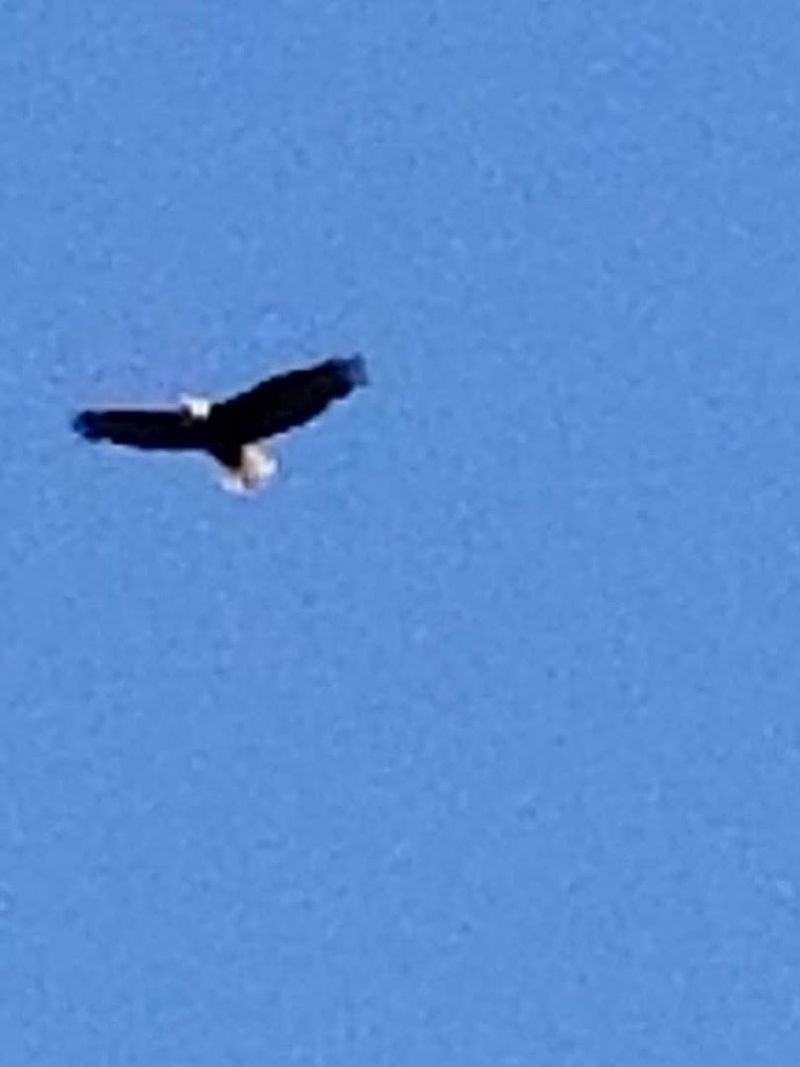
Bald eagles have made a strong comeback in Missouri and the Osage River area is one of the better spots to spot them, particularly in winter when they congregate near open water.
Watching one drop toward the surface and come back up with a fish is the kind of moment that stops all conversation immediately.
White-tailed deer frequently appear at the water’s edge in the early morning and late afternoon hours. Beaver activity is visible along certain stretches where gnawed stumps and lodge structures mark their territory along the muddy banks.
The river also supports a healthy population of turtles, which spend warm days stacked on any available log with the dedication of creatures who have absolutely nowhere else to be.
Keeping your eyes open and your movements quiet rewards you with a steady stream of small wildlife encounters that make every hour on the Osage feel genuinely alive.
Public Access Points and How to Use Them
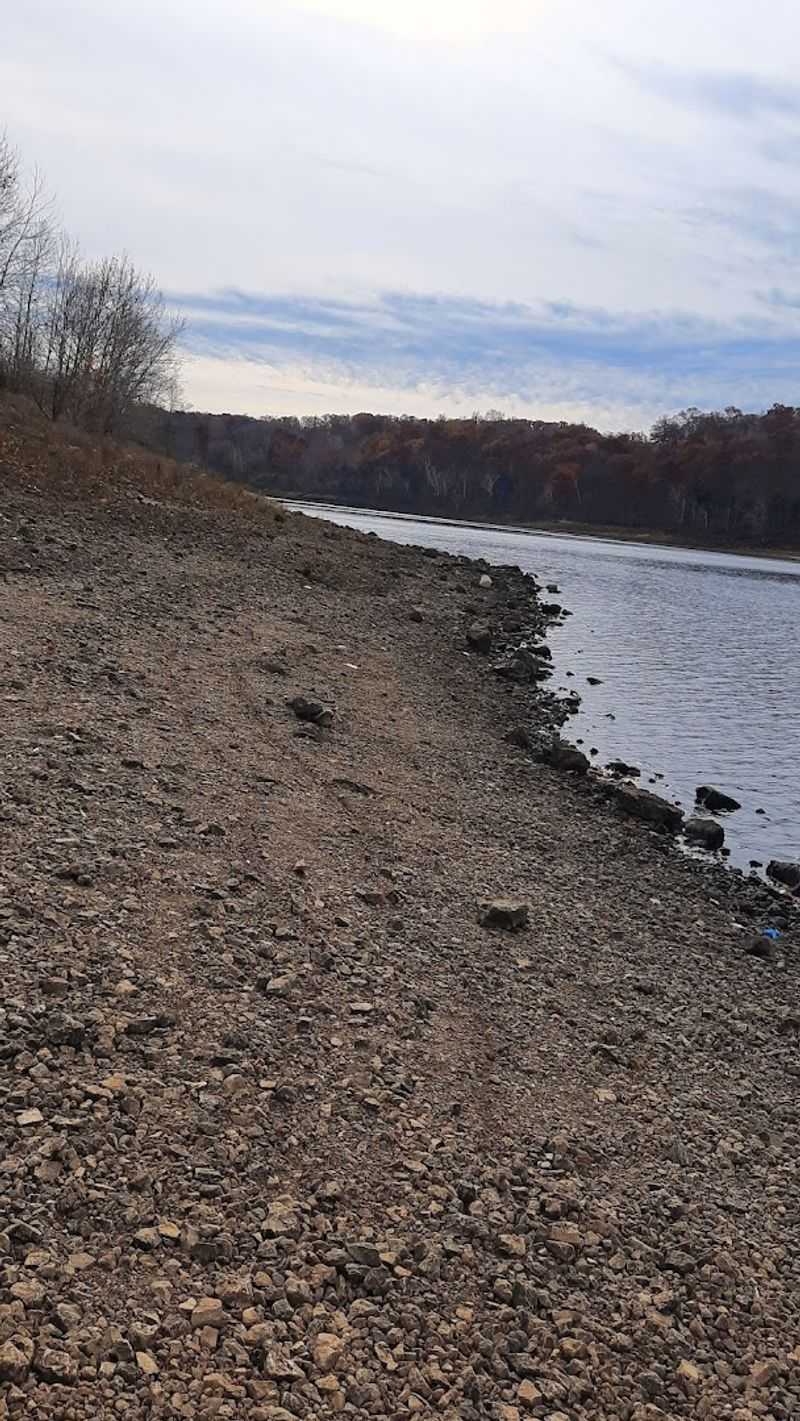
One of the practical strengths of the Osage River is the number of public access points that Missouri has maintained along its length. These launch sites, fishing areas, and day-use spots make the river genuinely accessible without requiring private land connections or expensive outfitters for every outing.
The Missouri Department of Conservation manages several river access areas along the Osage corridor. Many include gravel boat ramps, parking areas, and basic facilities, making them functional starting points for both short day trips and longer multi-day floats.
Planning your access points in advance matters more on a long river like the Osage than on shorter float streams. Knowing where you will put in and take out helps you match the distance to your pace and the conditions of the day without getting caught out after dark.
Gravel bars along the river also serve as informal rest stops and lunch spots during longer floats. These open stretches of riverside gravel are comfortable places to pull out of the current, stretch your legs, and take stock of how far the Missouri landscape has carried you since morning.
The Quiet History Flowing Through the Ozarks
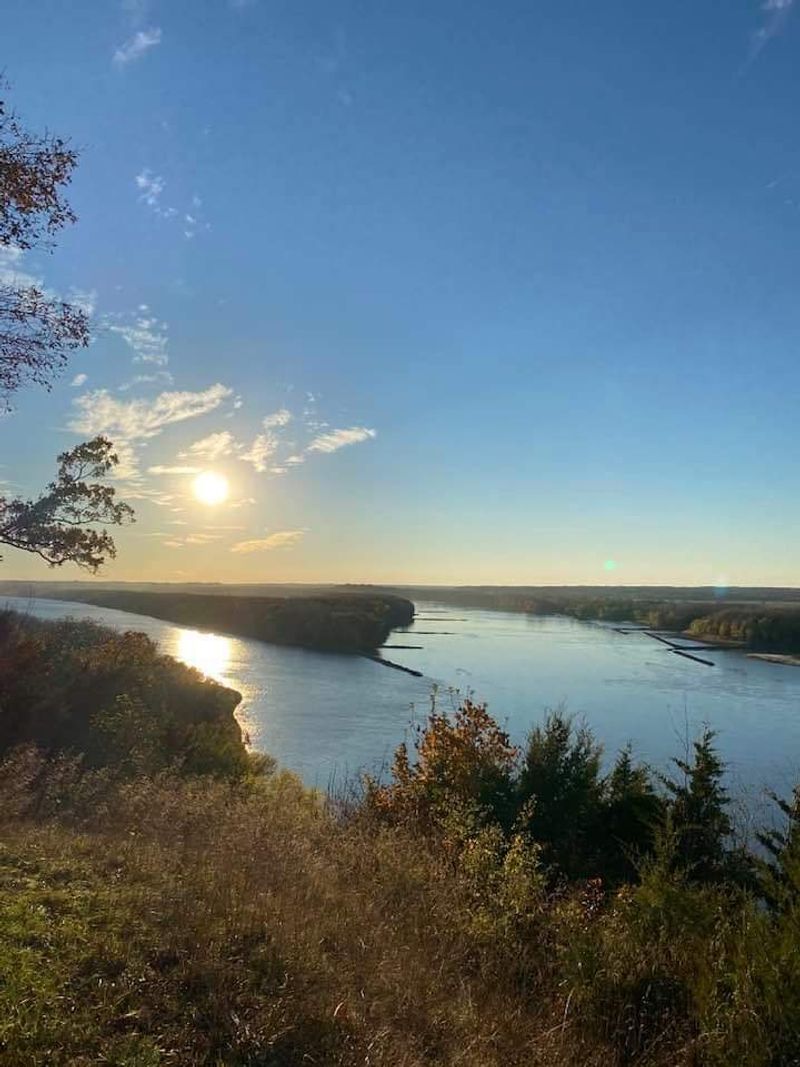
Long before Bagnell Dam changed the lower Osage forever, this river was a central artery for the Osage Nation, one of the most powerful Native American nations in the central plains region. The river itself carries their name, and that connection runs deep into the cultural and geographic identity of Missouri.
The Osage people used the river for transportation, food, and trade across a vast territory that stretched well beyond the borders of present-day Missouri. Their relationship with this waterway shaped the landscape in ways that predate European contact by centuries.
European and American settlers later used the Osage River as a transportation corridor as well, moving goods and people through the rugged Ozark interior during the 18th and 19th centuries. Mills, ferries, and small river towns grew up along its banks during this period.
The construction of Bagnell Dam in 1931 marked a dramatic turning point, flooding the lower valley and creating the Lake of the Ozarks.
That history sits quietly beneath the surface of the reservoir today, a reminder that rivers carry more than water, they carry the full weight of every era that depended on them.
Planning Your Own Lazy River Getaway
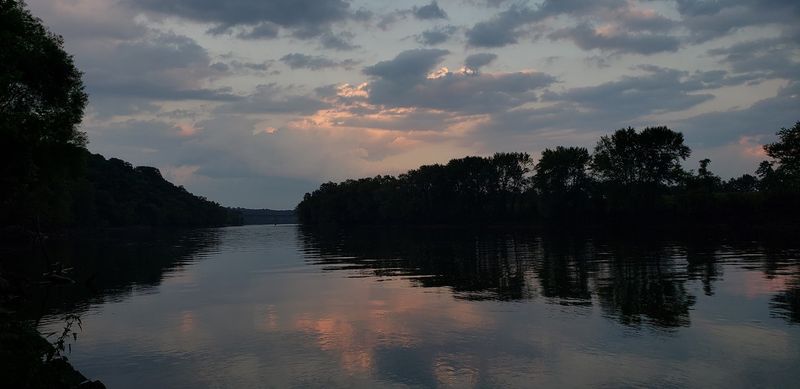
Getting the most out of an Osage River trip comes down to timing, preparation, and a willingness to slow down on purpose. Summer is the most popular season for floating and camping, with warm water and long days making it ideal for extended time on the river.
Spring and fall both offer compelling alternatives. Spring brings higher water levels that speed up float times and add a bit of energy to the current.
Fall delivers cooler air, quieter campgrounds, and the full color show from the Ozark hillsides that frames the Missouri river corridor so beautifully.
Packing light but smart makes the experience smoother. Dry bags for electronics and gear, sun protection for long hours on the water, and a detailed map of access points along your planned route are all worth having before you launch.
The Osage River does not require you to be an expert paddler or a hardcore outdoorsperson to enjoy it. It asks only that you show up, respect the current, and leave the urgency of daily life somewhere back on the highway.
Missouri has a way of rewarding that kind of willingness with exactly the kind of peace you came looking for.
