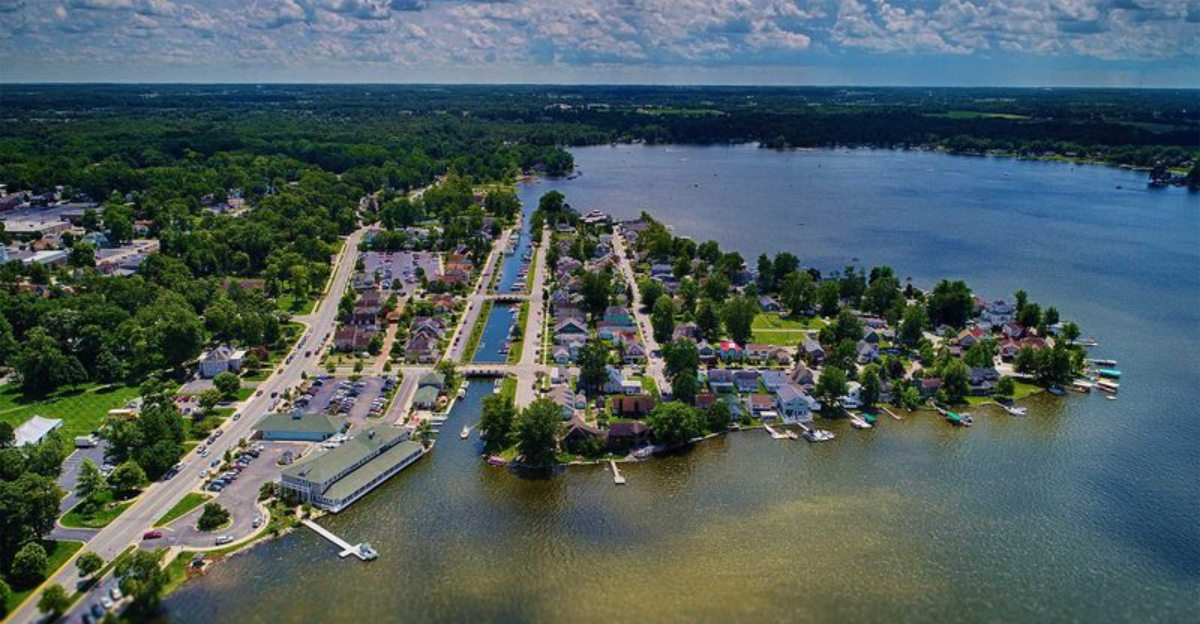
Indiana has always had a soft spot for charming small towns, especially in summer when the weather draws people out in full force. I get it, these places have real appeal, with historic streets, lakeside views, and local shops that feel genuinely special.
But somewhere along the way, a few of these beloved destinations crossed a line. What used to feel like a hidden gem now feels more like a packed parking lot with a gift shop attached.
If you have been noticing longer wait times, bumper-to-bumper traffic on once-quiet roads, and elbow-to-elbow crowds on sidewalks that used to feel peaceful, you are not imagining things. Here are eight Indiana summer towns that have officially become way too overpacked and crowded in 2026.
1. Nashville, Indiana (Brown County)
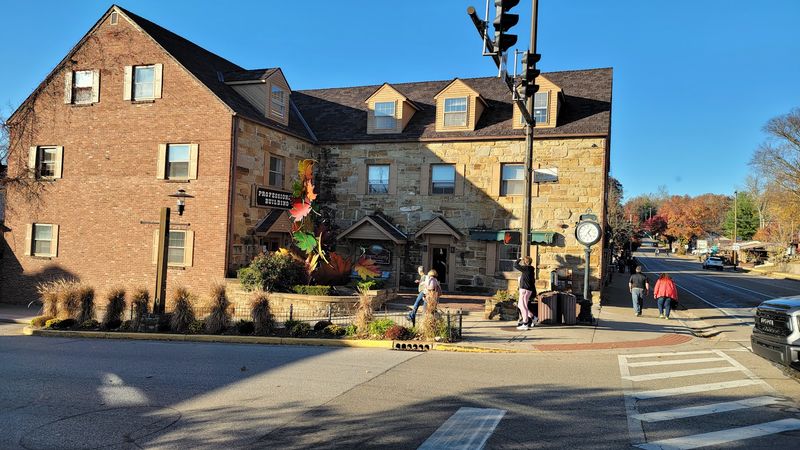
Nashville used to feel like the kind of place where time slowed down just enough to breathe. Artists set up studios here decades ago because the rolling hills of Brown County offered quiet, inspiration, and a sense of escape from larger cities.
That reputation spread over the years, drawing visitors from across Indiana and beyond. Today, the town is one of the most visited destinations in the state.
On a summer weekend, Main Street in Nashville, Indiana 47448 looks less like a peaceful artist village and more like the entrance to a major attraction. Cars fill nearly every available parking space, traffic inches through downtown, and the sidewalks are packed with visitors moving from shop to shop.
The galleries that helped make Nashville famous are still here, and many continue to feature talented local artists and impressive work. Unfortunately, enjoying them can be difficult when crowds spill into every corner of town.
Many longtime residents say the atmosphere has changed dramatically. Artists who helped build Nashville’s reputation increasingly compete with stores selling imported gifts, novelty items, and mass-produced souvenirs.
In some areas, those shops seem to outnumber working studios. The town’s character remains visible, but it often feels overshadowed by the tourism industry that grew around it.
Adding to the congestion is nearby Brown County State Park, which attracts campers, hikers, cyclists, and nature lovers throughout the warmer months.
2. French Lick
French Lick built its reputation on luxury, relaxation, and escape. Nestled among the rolling hills of southern Indiana, the town became famous for its historic resorts, mineral springs, and elegant atmosphere that made visitors feel as though they had stepped into another era.
For generations, people came here to unwind, recharge, and leave everyday stresses behind. For a long time, French Lick delivered exactly that experience.
Then its popularity began to soar. Today, French Lick, Indiana 47432 attracts visitors from across the Midwest who come to enjoy the resorts, spas, golf courses, casino gaming, and scenic surroundings.
On busy summer weekends, the number of guests can make the small town feel stretched beyond its comfort zone. While the resort properties themselves are expansive, many of the surrounding streets, restaurants, and local businesses were never designed to accommodate such heavy seasonal traffic.
Residents who have lived here for decades often describe a very different version of French Lick. They remember quiet afternoons, familiar faces, and a pace of life that felt far removed from the bustle seen today.
That atmosphere still exists briefly in the early morning before most visitors begin their day, but it fades quickly as crowds fill the area. Restaurant waits can become lengthy, parking near popular attractions grows increasingly scarce, and navigating town often requires extra patience.
The irony is hard to ignore. French Lick continues to market itself as a peaceful retreat, yet peak-season crowds can make true relaxation surprisingly difficult to find.
3. New Harmony
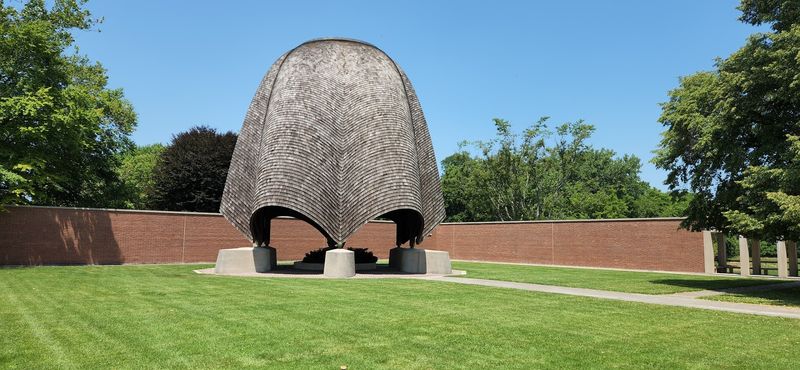
New Harmony carries one of the most fascinating histories in Indiana. The town was home to two of America’s earliest utopian communities during the 1800s, and that remarkable legacy continues to shape everything from its architecture to its reputation as a haven for artists, writers, and curious thinkers.
For many years, it attracted visitors looking for a quiet, reflective experience rather than a busy tourist destination. That atmosphere has become harder to find.
New Harmony, Indiana 47631 now welcomes far more visitors than its small size was ever designed to accommodate. During the summer months, crowds can feel surprisingly large for a town of just a few hundred residents.
Even a modest increase in tourism quickly fills the streets, gardens, historic sites, and walking paths. What once felt calm and contemplative can take on a noticeably busier pace, especially on weekends.
Landmarks such as the Atheneum visitor center and the Roofless Church remain among the most distinctive attractions in the state. The town’s history is unlike anything else Indiana has to offer, and exploring it can be deeply rewarding.
However, actually taking the time to absorb that history becomes more difficult when tour groups move from site to site and visitors gather around every popular photo opportunity.
Many locals worry that the thoughtful spirit that made New Harmony special is gradually being overshadowed by quick-stop tourism.
Visitors often arrive, take a few photos, and leave without engaging with the deeper stories that define the community. The scenic surroundings along the Wabash River remain beautiful, but even the riverfront paths can become crowded by midday during peak season.
4. Winona Lake
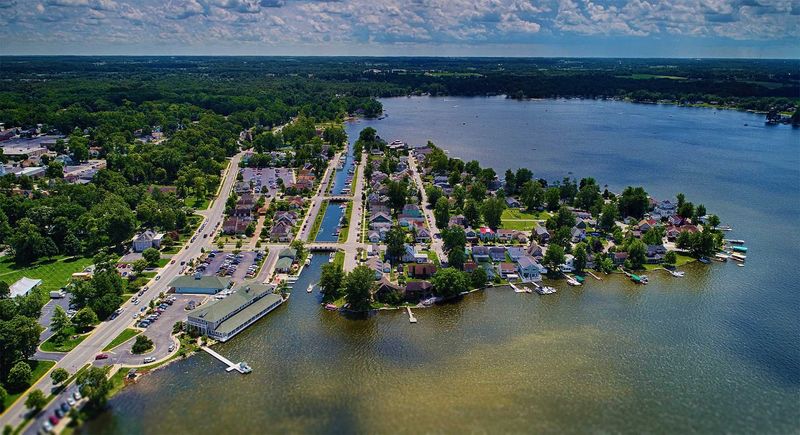
Winona Lake used to be one of those places that felt genuinely off the beaten path. Tucked into Kosciusko County, the village had a quiet, artistic character built around its waterfront and a cluster of independent shops and eateries.
Word got out, and the crowds followed.
The Village at Winona, located at 1 Kings Highway, Winona Lake, Indiana 46590, is the commercial heart of the area. It is a well-designed space with real charm, but summer weekends have turned it into something closer to a crowded shopping event than a lakeside retreat.
Parking fills up fast, and the narrow walkways along the water get congested by late morning.
What makes Winona Lake frustrating is that the underlying appeal is completely genuine. The lake is beautiful, the food scene has grown impressively, and the arts community still has roots here.
But the volume of visitors has outpaced what the small village infrastructure can comfortably support. Families with strollers, cyclists, and window shoppers all compete for the same limited space.
On a hot Saturday in July, the atmosphere shifts from relaxed to frantic in a way that surprises first-time visitors expecting tranquility. The locals who live in the surrounding neighborhoods feel the strain most, dealing with traffic on residential streets that were never meant to serve as overflow parking routes.
Winona Lake is worth a visit, just not in peak summer.
5. Zionsville
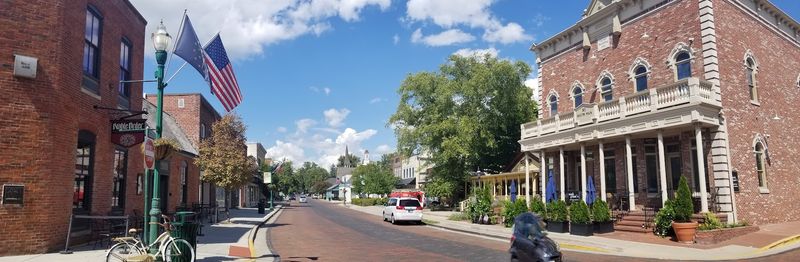
Zionsville has one of the most photogenic main streets in all of Indiana. The brick-paved roads, the well-kept storefronts, and the tree-lined sidewalks give it a storybook quality that photographs beautifully.
That visual appeal is exactly what turned it into a weekend destination for Indianapolis residents looking for a quick escape.
The problem is that Zionsville, Indiana 46077 was built as a residential community first, not a tourist destination. The downtown is compact and charming, but it was never designed to absorb the volume of visitors it now sees every summer weekend.
The streets fill up, the popular brunch spots have waits stretching past an hour, and the residential neighborhoods surrounding downtown deal with cut-through traffic that frustrates longtime residents.
There is something a little sad about watching a town lose its quiet identity to its own popularity. Zionsville still has genuinely lovely spots, from the boutiques to the local bakeries to the small parks along Eagle Creek.
But the experience of enjoying those things has become more stressful than it should be. People come expecting a peaceful small-town vibe and instead find themselves circling the same blocks looking for parking.
The town has tried to manage the growth, but summer 2026 has made clear that demand has officially outrun capacity. Early weekday mornings still offer a glimpse of what made Zionsville special in the first place.
6. Roanoke
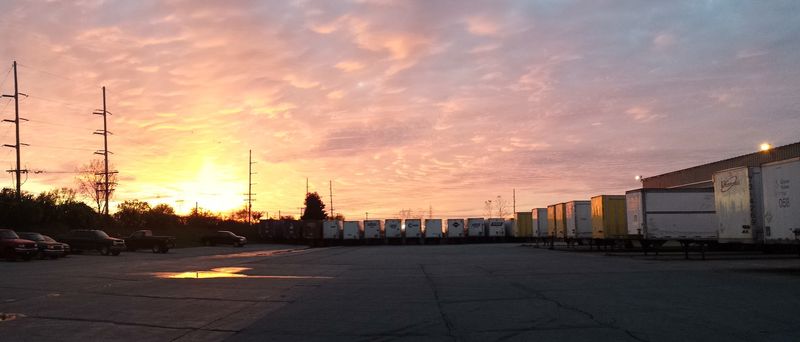
Roanoke is the kind of small Indiana town that people used to stumble upon and feel like they had discovered something. It had a low-key food scene, some solid local shops, and a community feel that bigger towns had long since traded away.
Then the food blogs and social media posts started rolling in.
Located at the intersection of Indiana 114 and Indiana 9, Roanoke, Indiana 46783 has seen a dramatic shift in its weekend character.
What was once a quiet stop for locals has become a destination in its own right, drawing visitors from Fort Wayne and beyond who have read about its dining spots and small-town charm.
The restaurants here deserve credit for putting Roanoke on the map. The quality is real, and the community has genuine character.
But the infrastructure has not caught up with the attention. Street parking disappears fast on summer weekends, and the small-town feel that attracted visitors in the first place gets diluted when the streets are packed with out-of-towners.
Longtime residents remember when you could walk into any spot without a wait and actually run into your neighbors. That version of Roanoke still surfaces on quiet weekday afternoons, but it has become increasingly rare.
The town is not broken, it is just popular in a way that has changed its texture. Whether that trade-off is worth it depends entirely on who you ask.
7. Monticello
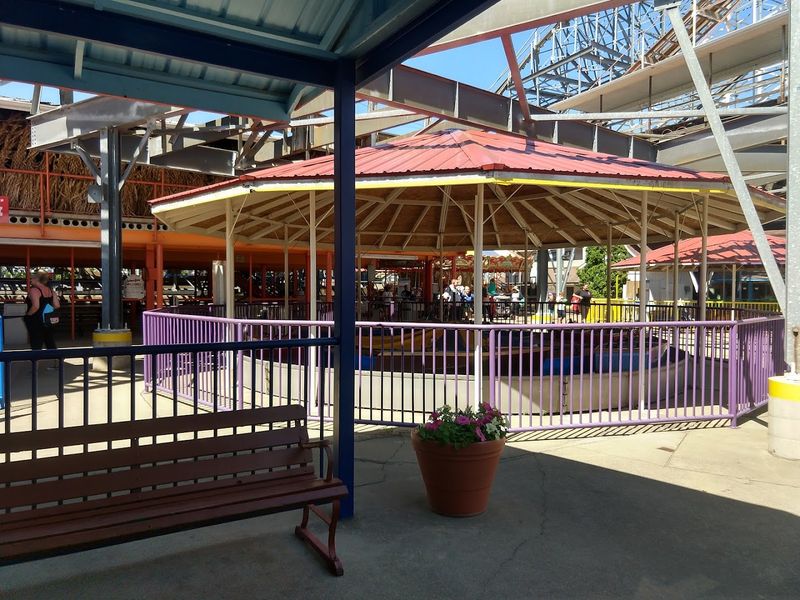
Monticello has always been a summer town at heart. Sitting between Lake Shafer and Lake Freeman in White County, it was built for warm-weather fun.
Indiana Beach Amusement Resort is the main draw, and it pulls in visitors from across the region every single summer without fail.
Indiana Beach, located at 5224 E Indiana Beach Road, Monticello, Indiana 47960, is a genuine piece of Indiana nostalgia. The rides, the waterpark, and the lakeside setting have entertained generations of families.
But in 2026, the crowds have reached a level that makes the experience more exhausting than enjoyable for many people.
The surrounding town of Monticello absorbs the overflow from the park, and not always gracefully. Traffic on the roads leading to the lake backs up on summer weekends, and the local restaurants and shops get slammed with visitors who are already hot and tired from the park.
The lake communities nearby, which used to offer a quieter alternative to the amusement park scene, have become increasingly congested as more people discover the area. Rental properties have multiplied, and the off-season calm that locals once counted on has shortened noticeably.
Monticello is not pretending to be something it is not, it has always been a summer crowd destination. But the scale of that crowd in recent years has pushed past the point where the fun-to-frustration ratio tips in a comfortable direction.
8. Bloomington
Bloomington occupies a unique space in Indiana. It is a college town with genuine cultural depth, a strong arts scene, a thriving food community, and easy access to some of the best outdoor recreation in the state.
That combination makes it attractive year-round, but summer brings a specific kind of crowding that has become hard to ignore.
Kirkwood Avenue and the surrounding blocks near Indiana University, Bloomington, Indiana 47405 stay surprisingly busy even when classes are out. The university runs summer programs, conferences, and public events that keep foot traffic high.
Add in the visitors coming for Lake Monroe, Indiana’s largest reservoir, and you have a town that never really gets a break.
Lake Monroe draws boaters, kayakers, and lakeside campers from late spring through early fall. The marinas and rental spots fill up on weekends, and the access roads see the kind of congestion that feels more city than southern Indiana countryside.
Bloomington’s restaurant scene is legitimately excellent, but getting a table at a popular spot on a Friday night in July now requires serious planning. The farmers market, the B-Line Trail, and the arts district are all worth experiencing, but they come with crowds attached.
Bloomington has not lost its identity the way some smaller towns have, it is simply too big and too popular to offer the relaxed pace it once could. Summer 2026 made that especially clear.
