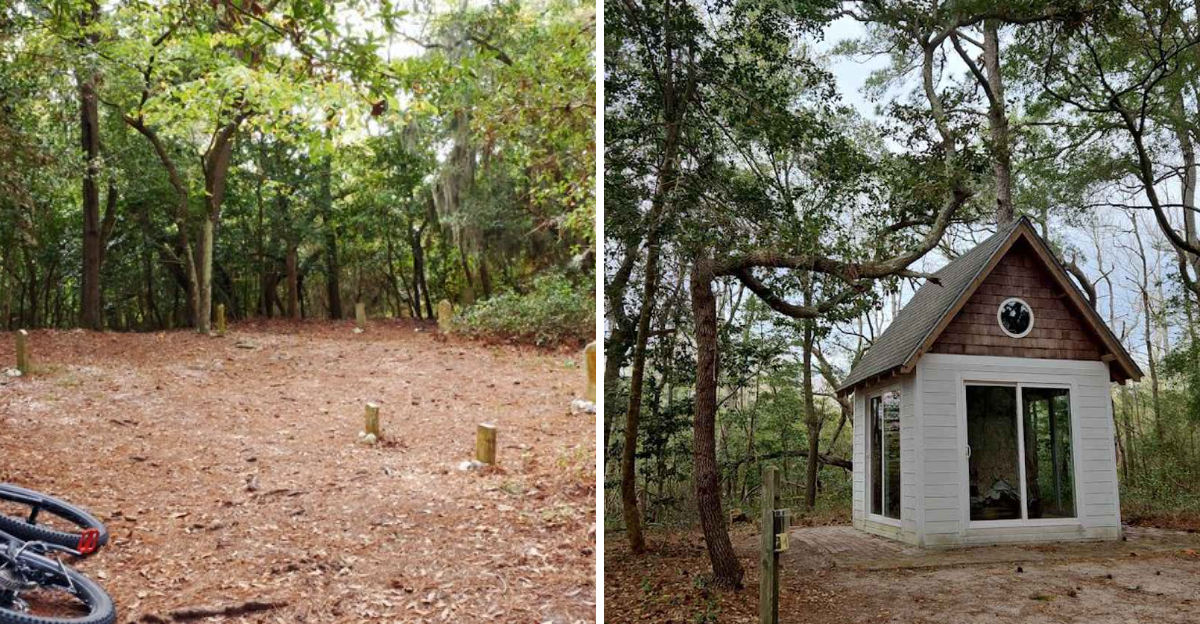
Deep in the dunes, hidden from the beach crowds, there are ruins. Crumbling chimneys and faded foundations, all that remains of a settlement that should not exist.
Local legend says Wash Woods was founded by shipwreck survivors who washed ashore and decided to stay. The remote Virginia settlement was once a thriving community with a church, a school, and a lifesaving station.
Now the sand is slowly reclaiming it. I hiked out on a gray morning, the wind off the ocean cold on my face.
The ruins are eerie, silent, and strangely beautiful. You can walk among them, run your hands over the old bricks, and imagine what life must have been like for people who had nothing but each other and the sea.
Virginia Beach is known for its boardwalk, but this is the real hidden history.
A Community Born From The Sea’s Fury
Few origin stories hit as hard as this one. Sailors, battered by violent Atlantic storms along Virginia’s notorious coastline, swam ashore onto a remote barrier island strip and made a radical decision: stay.
Rather than seeking rescue or civilization, these shipwreck survivors planted roots right where the sea had thrown them.
That raw, stubborn act of survival became the founding myth of Wash Woods Settlement. The name itself carries weight, evoking a landscape constantly battling the ocean’s reach, woods perpetually washed by tides and storm surge.
Virginia’s Outer Banks-adjacent coastline earned a grim nickname long before the settlement existed. Sailors called this stretch of the Atlantic seaboard the “Graveyard of the Atlantic,” and for good reason.
Treacherous shoals, unpredictable currents, and savage nor’easters claimed dozens of ships every decade.
For the founders of Wash Woods, catastrophe became opportunity. They salvaged timber, tools, and supplies from wrecked vessels, using the ocean’s destruction as raw material for their new lives.
It’s a founding story equal parts tragedy and triumph, the kind that makes you stop and genuinely marvel at human stubbornness in the face of impossible odds.
Getting There Is Half The Adventure
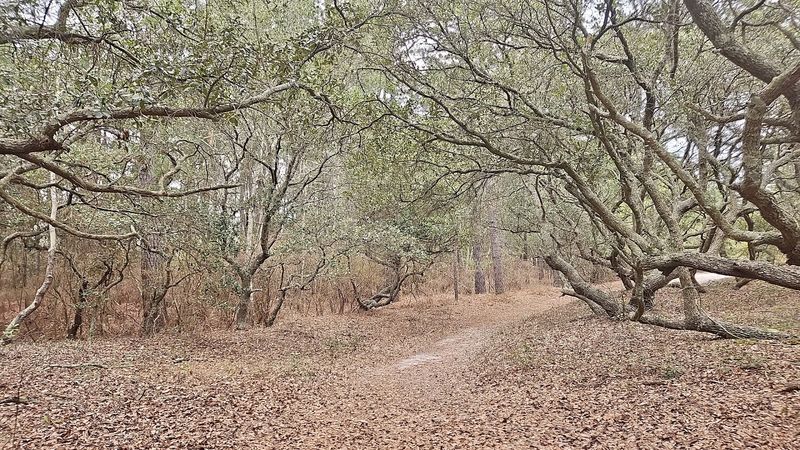
Reaching Wash Woods Settlement is not a casual Sunday afternoon trip, and honestly, that’s a big part of its magic. Tucked deep inside False Cape State Park in Virginia Beach, the ruins sit well beyond where paved roads dare to go.
My preferred route winds through Back Bay National Wildlife Refuge on foot or by bike along a flat, unpaved trail. The path stretches several miles through marsh, maritime shrub, and open dune fields before finally delivering you to the settlement’s edge.
Canoe access is also possible for those who prefer paddling through the refuge’s calm interior waterways.
A park shuttle operates seasonally for those who’d rather skip the long hike, departing from the Little Island Park area. Even so, expect a solid walk once you arrive inside the park boundary.
Pack water, sunscreen, and serious bug spray because Virginia’s coastal insects do not play around. Venomous snakes, including copperheads and cottonmouths, are known residents of this ecosystem, so staying on the marked trail is genuinely smart advice rather than just a suggestion.
The remoteness here is real, refreshing, and completely worth every step of the effort.
The Church Steeple Frozen In Time
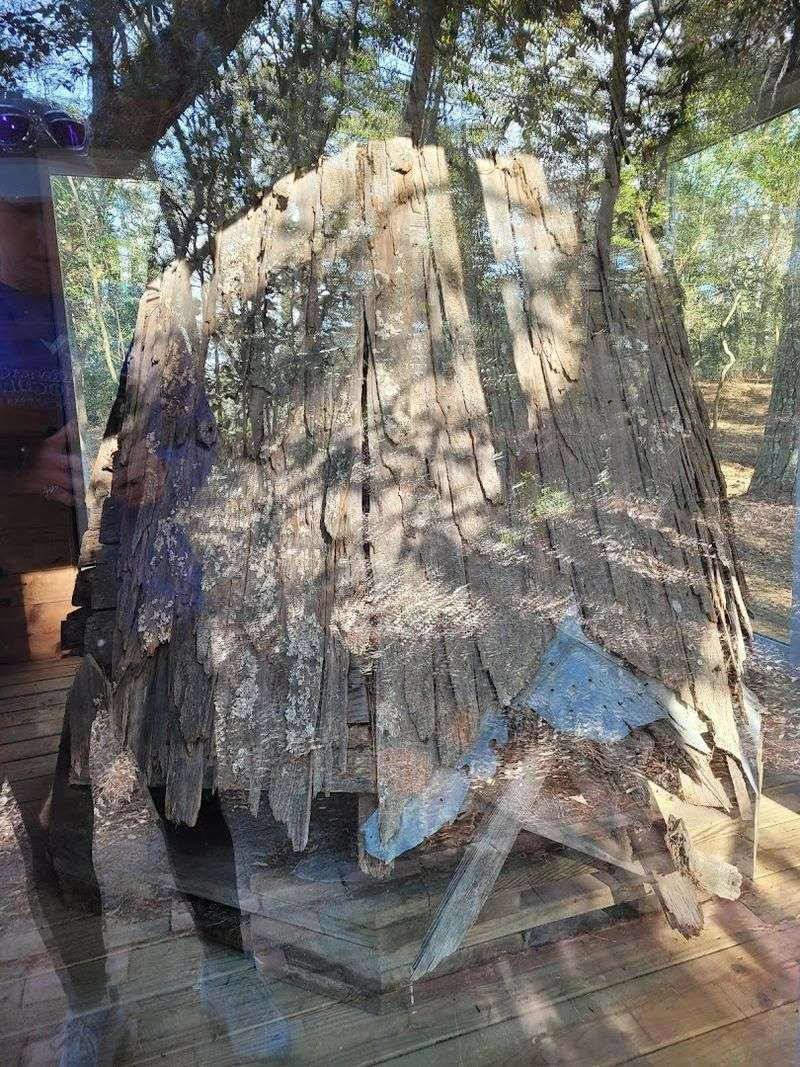
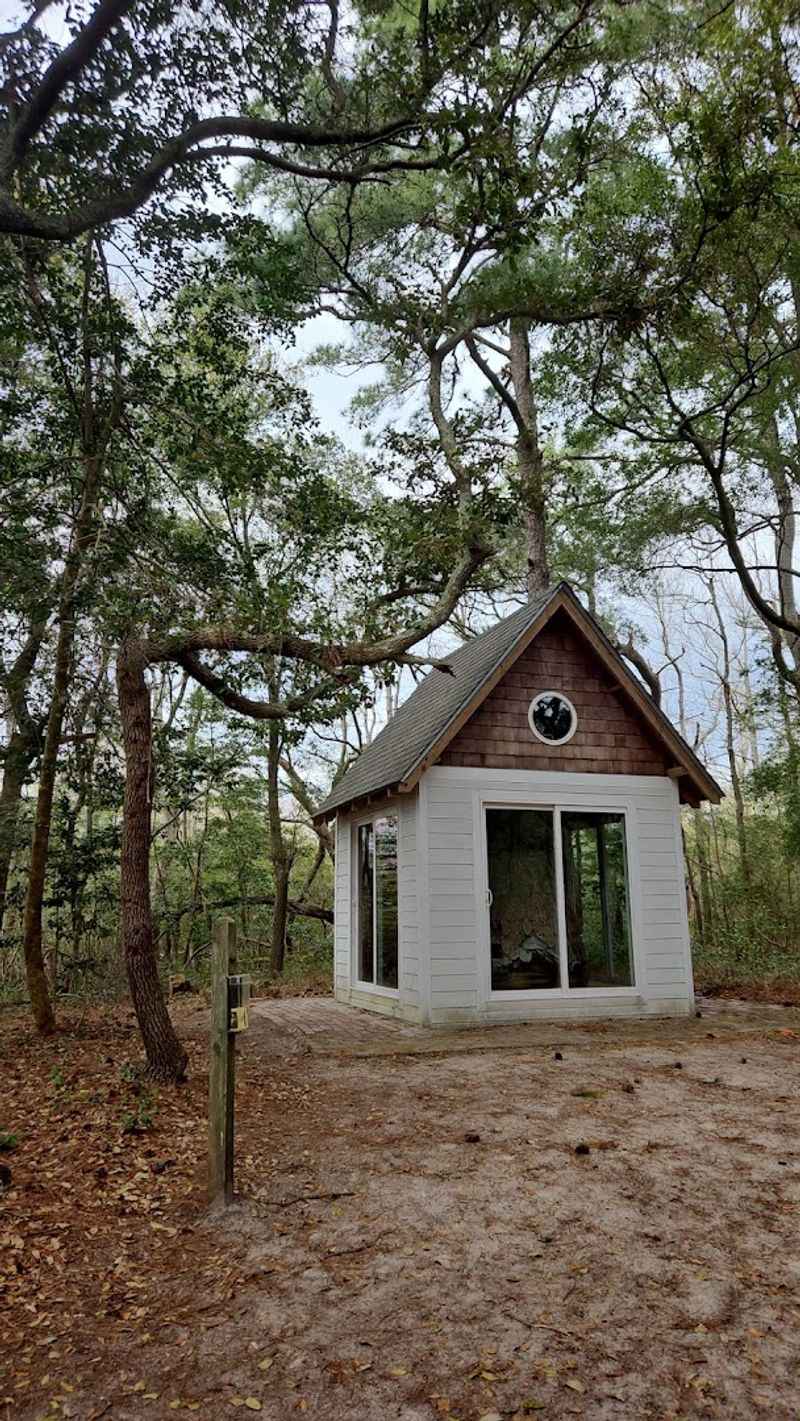
Standing inside False Cape State Park, a glass-walled structure shelters one of the most haunting artifacts I’ve ever encountered on any travel assignment. Inside it sits the original steeple of the Wash Woods Methodist Church, pulled from the collapsing building and preserved before nature could finish the job.
The steeple itself is modest, worn smooth by decades of coastal salt air, its wood darkened and cracked in ways that speak louder than any museum placard ever could. Seeing it encased in glass feels almost surreal, like finding a butterfly pinned mid-flight.
What makes this artifact especially remarkable is the story behind the lumber. The original church was reportedly constructed using cypress timber salvaged from the schooner John S.
Wood, which ran aground and broke apart during an 1889 storm. Shipwreck wood became a house of worship.
If that isn’t a metaphor for everything this community stood for, nothing is.
False Cape State Park offers guided tours that bring visitors directly to the church ruins and steeple structure. Rangers share the settlement’s layered history with genuine enthusiasm, turning what could be a quiet ruin visit into a genuinely moving experience.
Shells On The Graves, A Coastal Farewell
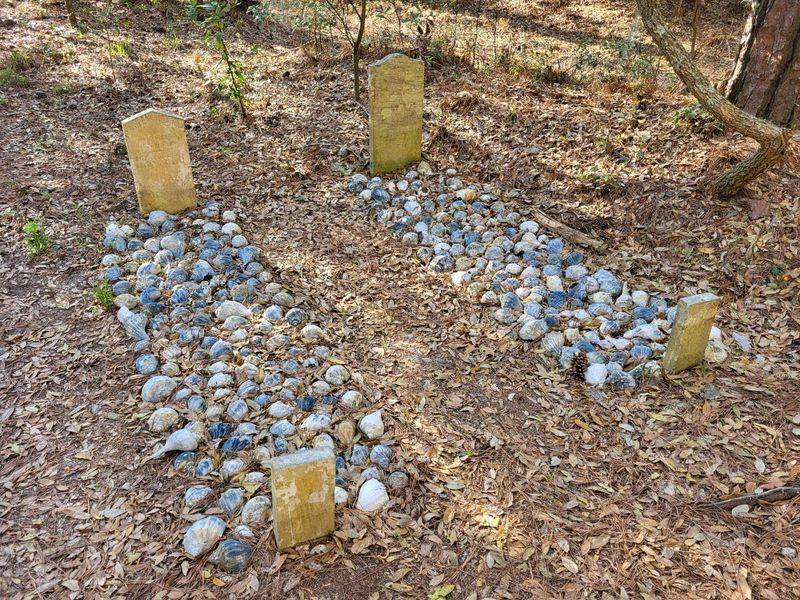
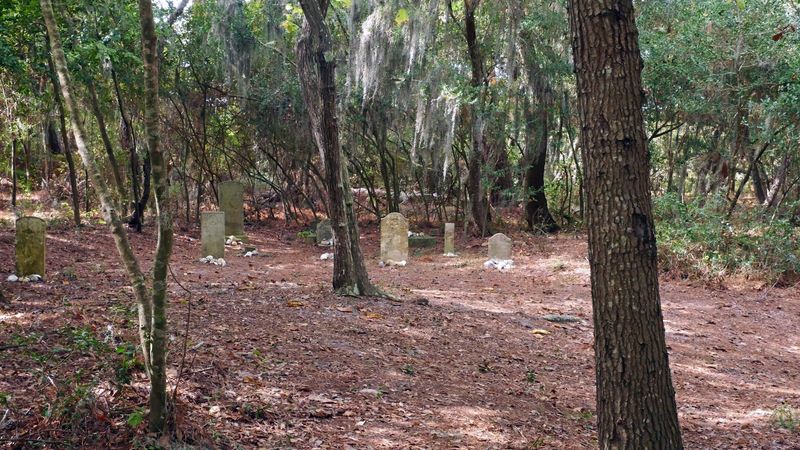
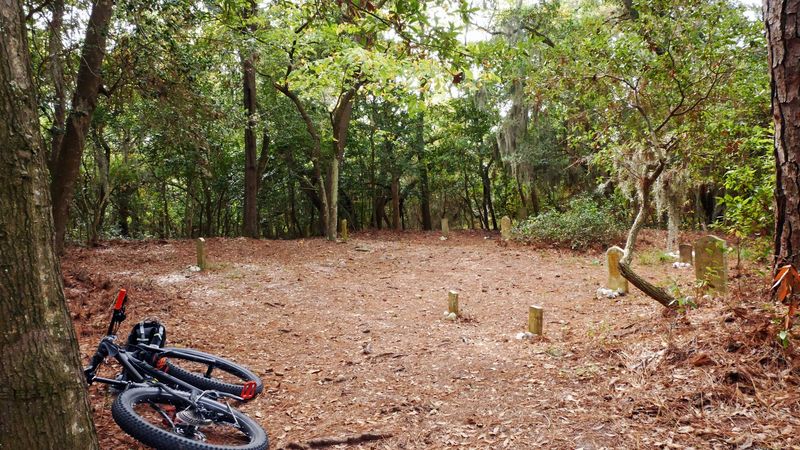
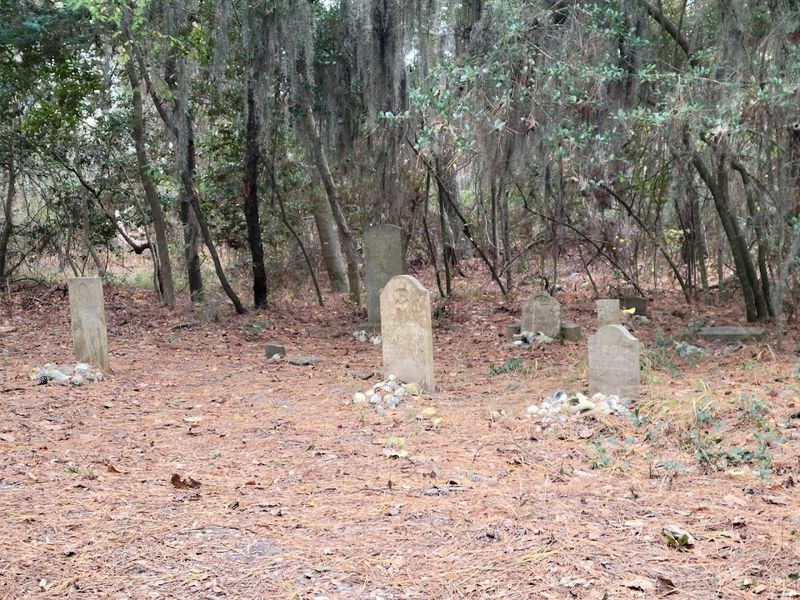
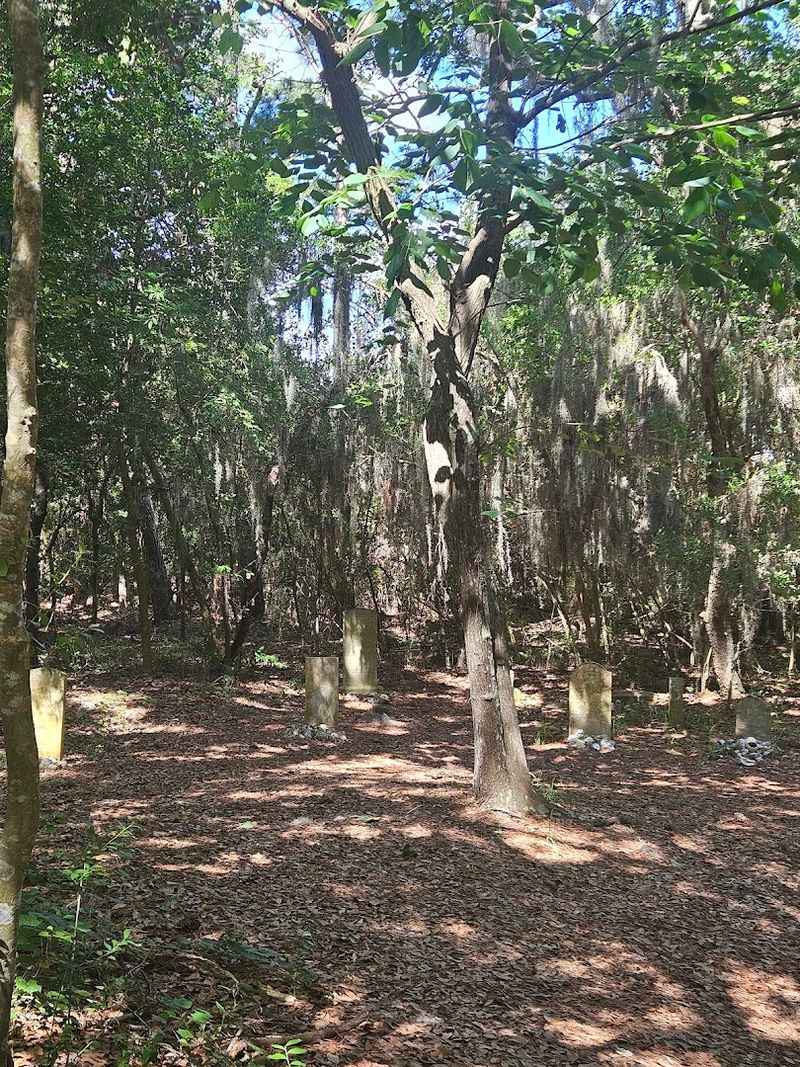
The cemetery at Wash Woods Settlement is small, quiet, and absolutely unforgettable. Headstones lean at gentle angles, worn smooth by salt wind and time, marking the final resting places of the men, women, and children who called this remote Virginia coastline home.
What immediately catches the eye is the shells. Conch shells, clam shells, and other coastal varieties ring the gravesites in deliberate arrangements, a tradition rooted deep in coastal Southeastern American culture.
The practice is believed to connect the deceased to the water, honoring lives lived by the sea.
Some graves belong to children, which adds a quiet, aching weight to the visit. Life on this barrier strip was genuinely hard, exposed to storms, isolation, and limited medical care.
The cemetery makes that reality impossible to ignore.
Visiting this spot early in the morning, when mist still clings to the surrounding shrub and the only sounds are birdsong and distant surf, is an experience that stays with you long after you’ve left Virginia and returned to ordinary life.
The shells catch the light in a way that feels almost deliberate, like a final, beautiful greeting from people long gone.
Life-Saving Stations And The Men Who Stayed
The U.S. Life-Saving Service played a massive role in shaping Wash Woods Settlement into a real community rather than just a handful of scattered survivors.
When the federal government established Life-Saving Service stations along this stretch of Virginia’s coastline, it brought steady employment, structure, and new families to the area.
Servicemen stationed here were responsible for patrolling the beach and responding to shipwrecks, the very events that had originally created the settlement. There’s something poetic about that loop, a community born from maritime disaster becoming home to the men tasked with preventing it.
At its peak, the settlement supported around three hundred residents, a genuine village complete with two churches, a grocery store, and a school. The Life-Saving Service gave those residents an economic backbone that fishing and farming alone couldn’t provide.
When the stations eventually closed, the economic heart of Wash Woods effectively stopped beating. Families relocated, buildings fell into disrepair, and the Virginia wilderness slowly reclaimed what had been cleared.
The Life-Saving Station building itself held on much longer than the community around it, remaining operational well into the mid-twentieth century before finally going quiet.
Rusted Boats And Overgrown Foundations
Scattered across the landscape of Wash Woods Settlement are objects that refuse to fully disappear. Rusted boat hulks, their ribs poking through layers of vine and brush, sit exactly where they were abandoned decades ago.
Crumbling building foundations peek out from the undergrowth like old bones, outlining the footprints of homes and structures that once held entire lives.
Walking through this area feels genuinely cinematic, the kind of eerie beauty you’d expect from a film set rather than a real place tucked inside a Virginia state park. Nature here doesn’t just reclaim things; it decorates them, wrapping iron in rust-orange and wood in deep green moss.
My favorite detail is the way the forest has grown up through what were once interior spaces. Trees now stand where kitchen floors existed, their roots threading through old brick and stone.
It’s a slow-motion takeover that took less than a century to reach near-completion.
False Cape State Park preserves these remnants deliberately, leaving them in place as tangible evidence of the community that once thrived here.
Interpretive signage along the trail provides context, helping visitors piece together the layout of the original village without requiring much imagination to fill the gaps.
A Village That Peaked And Then Vanished
At its height, Wash Woods was a genuinely functioning village. Residents fished the rich coastal waters, farmed small plots of sandy soil, worked as hunting guides for wealthy sportsmen, and served as lifesavers along one of Virginia’s most dangerous coastlines.
For a few decades, this remote strip of barrier island held real community life.
Two churches served the spiritual needs of the population. A grocery store handled daily provisions.
A school educated the children whose small graves now dot the cemetery. By any measure, Wash Woods had achieved something remarkable given where and how it started.
Then the storms got worse, or perhaps the community’s tolerance for them simply ran out. Repeated flooding from the Atlantic battered the settlement relentlessly, washing out roads, damaging structures, and making everyday life increasingly untenable.
The closure of the Life-Saving Service stations removed the primary economic engine, and the population began drifting away.
By the nineteen-thirties, Wash Woods was effectively a ghost town. No dramatic single event erased it; the place simply exhausted itself against the relentless pressure of isolation, weather, and economic collapse.
What Virginia’s coastline gives, it also takes back, and Wash Woods is the proof.
The Graveyard Of The Atlantic Next Door
The stretch of Atlantic coastline running along Virginia’s southern barrier islands earned its grim reputation honestly. Ships navigating the shallow, shifting shoals between the open ocean and the Chesapeake Bay faced extraordinary danger, especially before modern navigation technology existed.
Hundreds of vessels met their end along this coastline, and Wash Woods Settlement sits practically on the doorstep of that maritime graveyard. The same waters that delivered the settlement’s founders to shore claimed countless other sailors who weren’t lucky enough to make it to the beach alive.
For residents of Wash Woods, shipwrecks were not distant tragedies but immediate, practical events. Salvaged timber, rope, hardware, and cargo regularly washed ashore after storms, providing raw materials that an isolated community couldn’t otherwise obtain.
The ocean’s violence was, in a deeply strange way, also the community’s supply chain.
Standing on the beach near the settlement ruins today, it’s easy to understand both the terror and the attraction of this place. The Atlantic here feels enormous and indifferent, rolling in across shallow water with a power that makes the shoreline vibrate underfoot.
Virginia’s coast doesn’t whisper; it announces itself at full volume, every single day.
Guided Tours That Bring The Ruins To Life
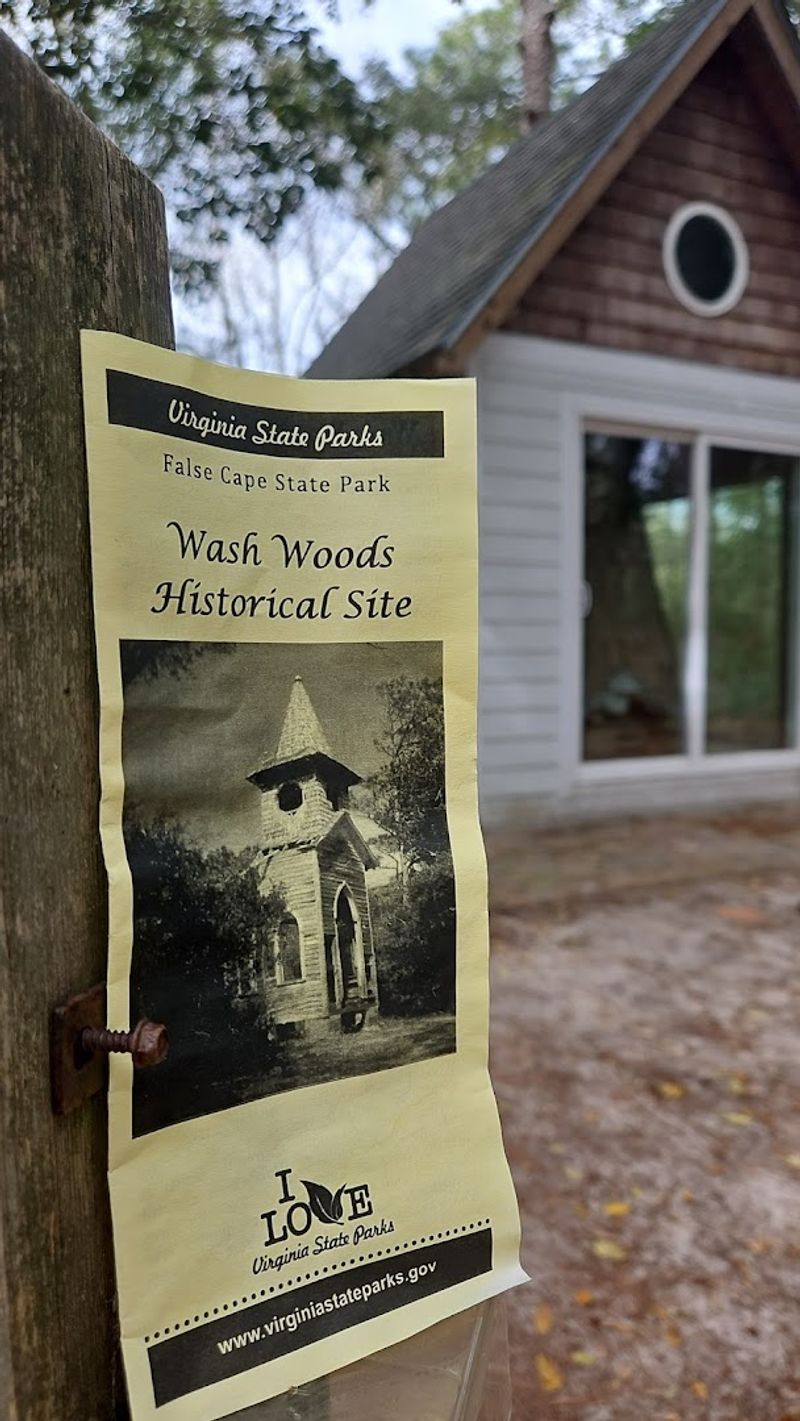
False Cape State Park runs guided tours of the Wash Woods Settlement area, and I’d strongly recommend booking one before making the long trek out there. Rangers who lead these tours clearly love this place, and that enthusiasm is contagious in the best possible way.
The tours typically cover the church steeple structure, the cemetery, and the surrounding ruins. There is also commentary that weaves together the settlement’s founding legends, its peak years, and its eventual abandonment.
Hearing the stories told on-site, surrounded by the actual physical remnants, hits very differently than reading about them afterward.
Tour schedules vary seasonally, so checking directly with False Cape State Park before planning your trip is essential. The park also offers programs focused on the area’s remarkable wildlife, including migratory birds, which use the refuge in enormous numbers during spring and fall.
Going with a guide also provides a safety advantage in this remote Virginia wilderness. The trail systems are well-marked but the terrain is isolated, and having an experienced ranger nearby when venomous snakes share your ecosystem is quietly reassuring.
The tours make an already extraordinary destination feel even more richly layered and worth every mile of the journey to get here.
Plan Your Visit To Virginia Beach’s Wildest Corner
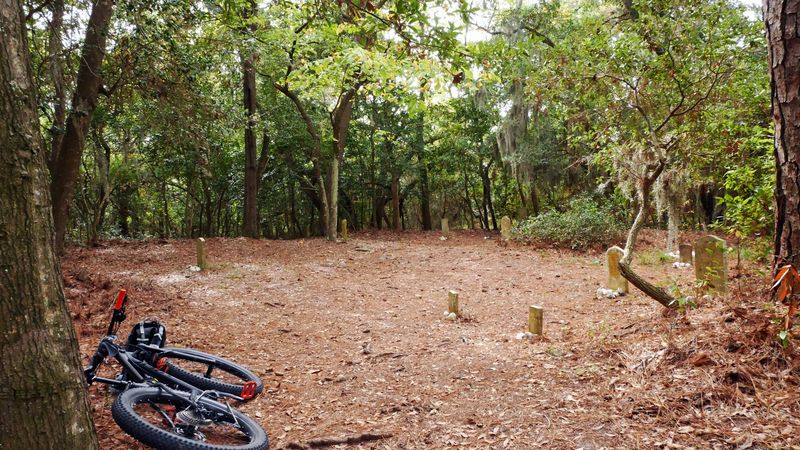
Visiting Wash Woods Settlement requires genuine planning, and that preparation is part of what makes the experience feel so rewarding once you’re finally standing among the ruins. False Cape State Park is one of the most remote state parks on the entire East Coast, and it wears that distinction proudly.
The park does not have vehicle access from the south, so arriving by foot, bike, or canoe through Back Bay National Wildlife Refuge is the standard approach for most visitors. A seasonal tram service offers an alternative for those who’d rather not cover the full distance on their own.
Camping is available within False Cape State Park for those wanting to extend the experience into a multi-day adventure. Waking up on a remote Virginia barrier island, surrounded by migrating birds and ocean sound, is about as far from ordinary as a trip can get.
Pack everything you need because there are no concessions, no shops, and no services once you’re inside the park. Bug spray is genuinely non-negotiable.
The address for planning purposes is Wash Woods Cemetery, Virginia Beach, VA 23457. Come curious, come prepared, and come ready to be genuinely moved by what this wild Virginia coastline has managed to preserve.
