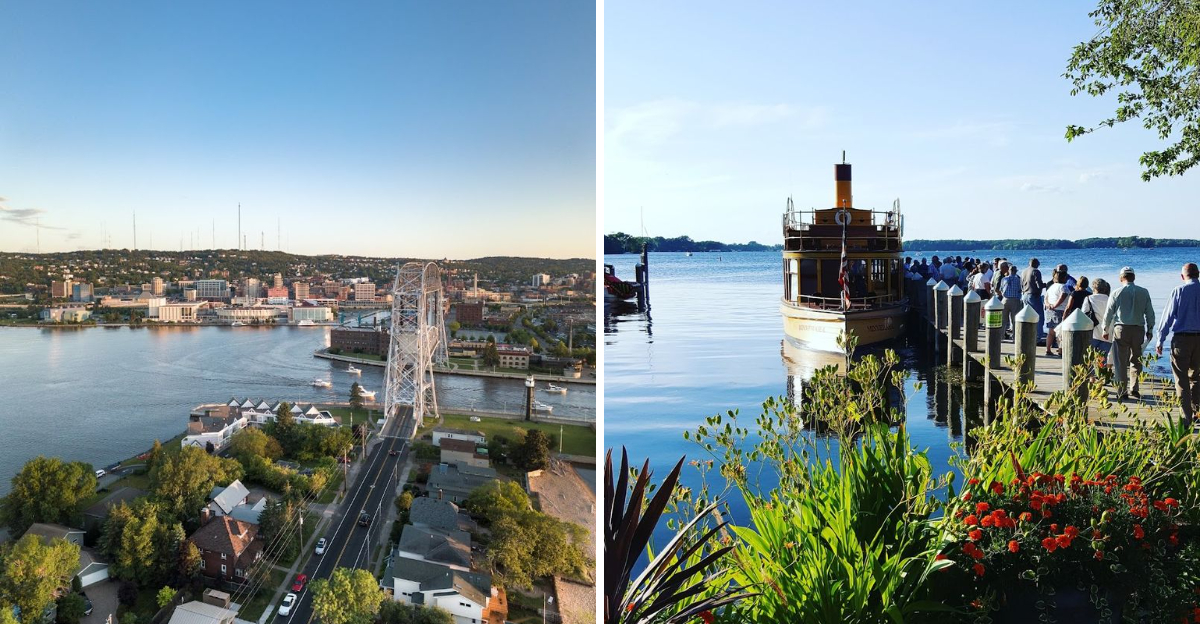
You finally find parking after circling for an eternity, only to fight for a patch of grass the size of a picnic blanket. The main streets are packed with bumper to bumper traffic, and every shop has a line out the door.
What was once a peaceful lakeside escape now feels like a theme park during spring break. The popular beaches are so stuffed with towels and umbrellas that you can barely see the water.
Restaurants that used to be local gems now have two hour waits and tourist priced menus. The charm that drew people here in the first place gets buried under souvenir shops and crowds.
You spend more time stuck in gridlock than actually enjoying the lapping waves and sunset views. Even the quiet side streets are clogged with rental boats and oversized trucks taking up all the space.
Minnesota’s lake country is stunning, but some spots have simply become victims of their own popularity. It might be time to skip the famous ones and discover the hidden bays instead.
1. Stillwater, Minnesota
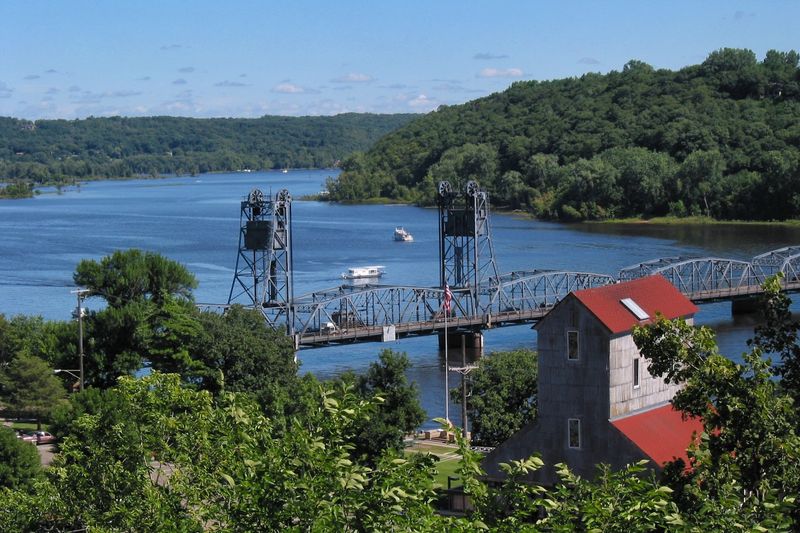
The St. Croix River Lift Bridge looks stunning in photos. Getting anywhere near it on a summer Saturday is a different story entirely.
Stillwater has become the poster child for a town overwhelmed by its own reputation. The historic downtown streets once allowed for an easy, comfortable stroll. Now they feel like a slow shuffle through a crowded hallway.
Parking spots disappear by mid-morning, and that is not an exaggeration. Restaurants require reservations placed weeks in advance, which takes the spontaneity completely out of a weekend trip.
The neighborly rhythm that made this St. Croix River town so appealing has been replaced by gridlock and rising prices. Some longtime locals have openly talked about leaving because the congestion has simply worn them down.
If you do visit, aim for a Tuesday or Wednesday in early June before the full summer wave hits. The town is genuinely beautiful, and its history along the river is worth exploring.
Just know that peak weekends have turned what was once a relaxing escape into something that requires serious advance planning and a lot of patience.
2. Grand Marais, Minnesota
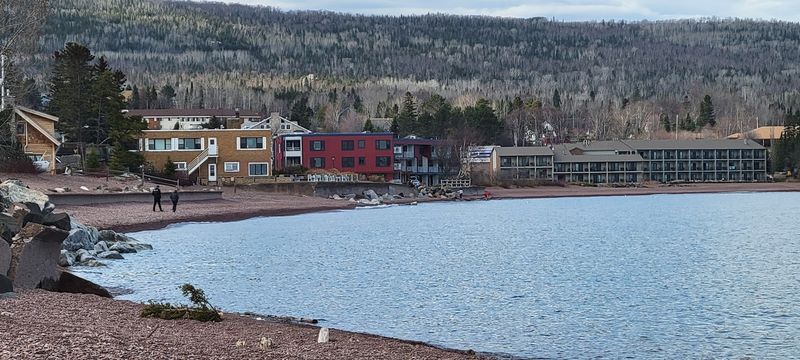
There was a time when Grand Marais felt like a secret kept between artists, hikers, and the occasional adventurous road-tripper heading up the North Shore. That time has passed.
The galleries and shops along Wisconsin Street now draw steady waves of visitors throughout the entire summer season. The town’s infrastructure visibly strains under the foot traffic.
Campground reservations at nearby state parks fill up months before the season even begins. If you show up without a booking, you are likely sleeping in your car or driving a long way back south.
The quiet harbor mornings gave Grand Marais its legendary creative reputation. Now they are a rare experience. Only people staying locally who wake up before seven can access them. By mid-morning, the waterfront has a noticeably different energy.
The artsy spirit of the town is genuine and worth experiencing. But the days of wandering in without a plan and finding easy parking near the harbor are firmly behind us.
Book everything early, manage your expectations about solitude, and you will still find something worth the drive up Highway 61.
3. Nisswa, Minnesota

Nisswa’s Main Street on a summer weekend has become something of a cautionary tale in the Brainerd Lakes Area. Locals bring it up with a tired familiarity.
What was once a walkable, friendly small-town strip has turned into a shoulder-to-shoulder shuffle past shops and ice cream windows. Parking has become such a running joke among regular visitors that people now factor in an extra thirty minutes just to find a spot.
The nearby lakes and resorts are equally overbooked. The classic “up north” experience that drew people here in the first place is now buried under demand. Reservation windows have shifted dramatically earlier. Prices at popular spots have followed the crowds upward.
The small-town warmth that defined Nisswa is still technically present. It takes real effort to find it under the volume of summer foot traffic. Locals have adapted by running errands early and avoiding Main Street entirely on weekends.
Nisswa is still a genuinely appealing destination. The surrounding lakes remain beautiful. Visiting midweek or targeting the shoulder weeks of early June and late August will give you a much better sense of what made people fall in love with the town.
4. Lanesboro, Minnesota
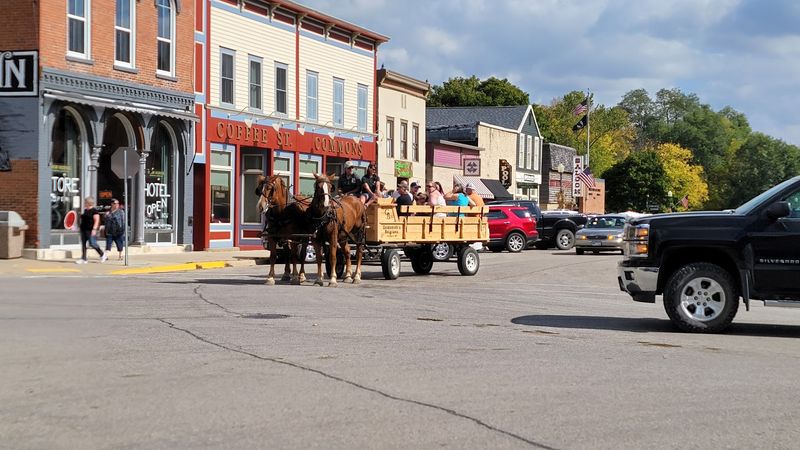
Southeastern Minnesota’s most talked-about small town has lost its hidden status. That status made it so appealing in the first place.
Lanesboro built its reputation as the Bed and Breakfast Capital of Minnesota. It combined scenic bluffs, a car-free downtown, and creative culture. The Commonweal Theatre anchors that culture. All of those things still exist. They now exist alongside serious crowds.
The Root River State Trail now shares space with rental groups. Organized tour companies also use it throughout summer. That changes the feel of a solo ride. The trail itself remains beautiful. The solitary quality trail regulars once treasured has largely faded.
B&B rooms book up months in advance. Prices have risen noticeably. Demand has outpaced the town’s limited lodging supply. Showing up without a reservation is not realistic. That is especially true during peak summer weekends.
The Commonweal Theatre sells out quickly, so planning a cultural visit requires the same advance commitment as booking a room. Lanesboro rewards visitors who plan carefully and arrive with realistic expectations.
The bluffs, the river, and the local creativity are all still genuinely worth the trip, just not as a spontaneous last-minute idea.
5. Duluth, Minnesota
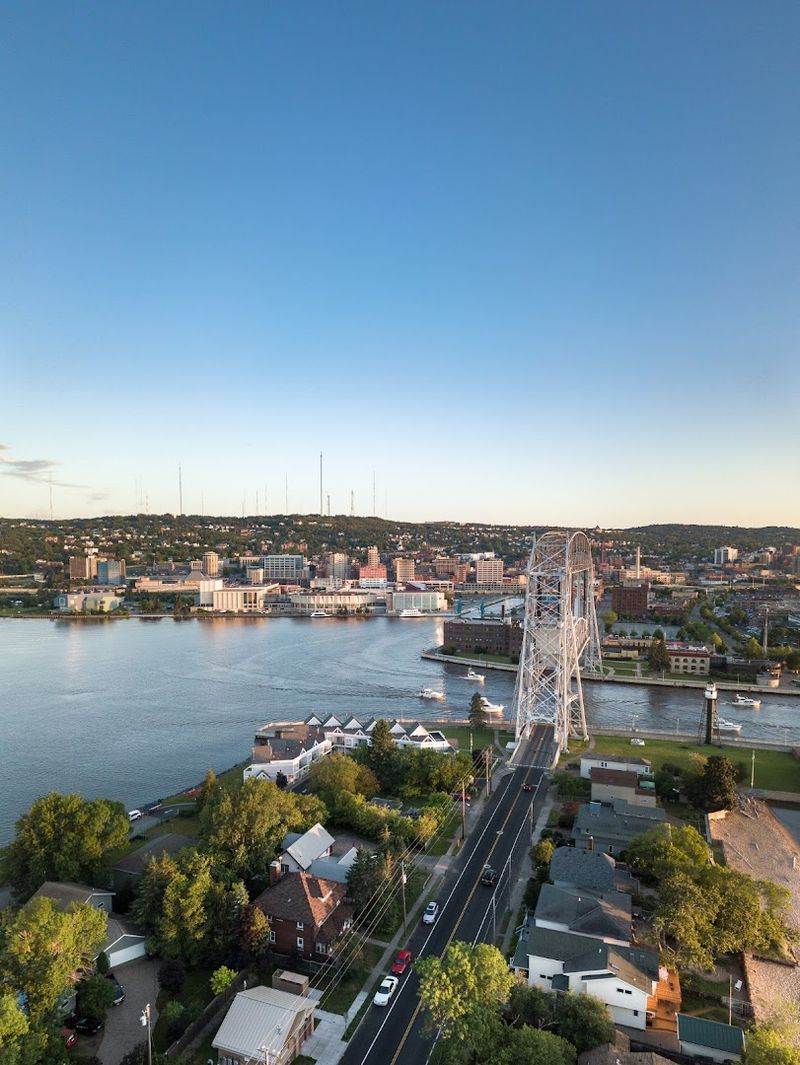
Duluth has quietly become one of the most visited cities in the upper Midwest, and the summer crowds now reflect that status in a very visible way.
Canal Park, the lakefront walkway, and the Aerial Lift Bridge are packed on virtually any warm day from late May through early September. The trails around the city are shared by record numbers of hikers and cyclists, which changes the experience considerably.
Restaurants along the waterfront are consistently overbooked, and hotel rates during summer have climbed sharply compared to just a few years ago. Booking last-minute accommodation is now a genuine gamble.
Comparisons to Boulder, Colorado, in terms of visitor volume are no longer far-fetched. Duluth has earned its reputation as an outdoor destination, but that reputation now comes with real crowds attached.
The city itself is genuinely impressive, with Lake Superior providing a dramatic backdrop that never loses its impact. Early morning visits to the lakefront before the day-trippers arrive still offer something close to the experience that built Duluth’s reputation.
Arriving on a weekday and planning meals well ahead of time will save you a significant amount of frustration during peak season.
6. Winona, Minnesota
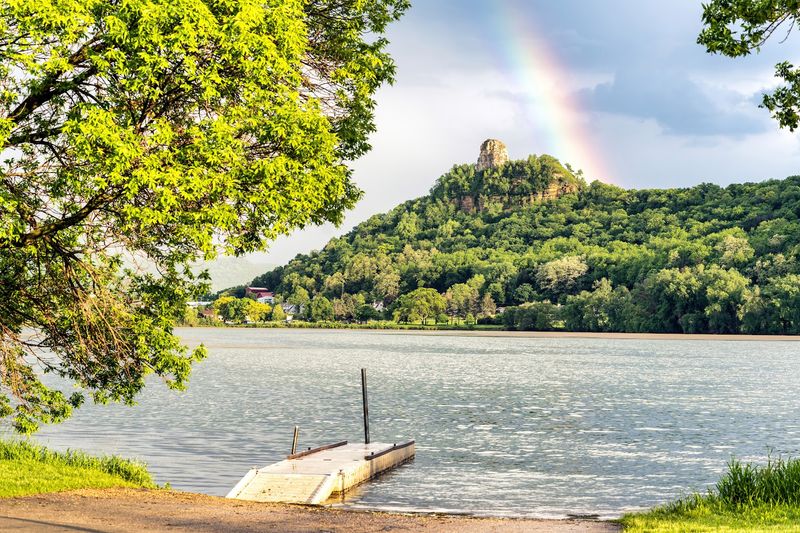
Winona’s setting between dramatic limestone bluffs and the Mississippi River is one of the most visually striking in the entire state, and word has gotten out in a big way.
The Minnesota Marine Art Museum and the Great River Shakespeare Festival now draw enough visitors to create noticeable wait times, which signals just how much the town’s profile has grown in recent years. These are quality institutions, but the crowds around them reflect a broader shift.
The iconic Sugar Loaf rock formation has become a popular photography destination, drawing steady groups of visitors throughout the summer months. What was once a quiet local landmark now operates more like a regional attraction with a constant rotation of people arriving for photos.
The riverfront, which once offered genuinely quiet morning walks with a view of the Mississippi, now operates as a busy tourist thoroughfare from late May through September. The pace has changed fundamentally.
Winona still earns its reputation as one of Minnesota’s most scenically interesting towns. The bluffs are real, the arts culture is genuine, and the river views deliver every time.
Visiting on a weekday or arriving very early in the morning gives you access to the quieter version that made the town worth knowing about originally.
7. Red Wing, Minnesota
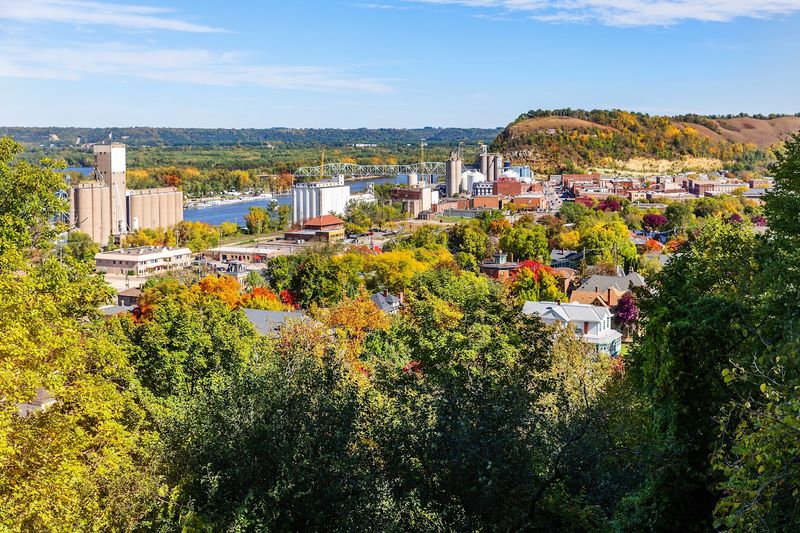
Red Wing has the kind of postcard-ready scenery that makes it almost impossible to keep quiet, and the Twin Cities crowd has absolutely figured that out.
The historic St. James Hotel is perpetually booked on summer weekends, which says a great deal about how the town’s reputation has evolved. Securing a room there during peak season requires planning that most spontaneous travelers simply are not prepared to do.
The downtown antique shops stay consistently crowded, and the trail up Barn Bluff has developed its own traffic pattern. A steady line of people waiting to reach the summit is now a regular feature of a summer visit, which changes the energy of what should be a scenic hike.
The small-town feel that drew people to Red Wing in the first place is now mostly accessible on weekdays, if you can manage the scheduling. Weekend visits have taken on a noticeably more commercial and transient energy that longtime visitors describe with genuine frustration.
Red Wing is still worth a visit, and the views from Barn Bluff remain genuinely rewarding. A midweek trip in early June or after Labor Day will give you something much closer to the experience that built the town’s reputation as a scenic regional treasure.
8. Excelsior, Minnesota
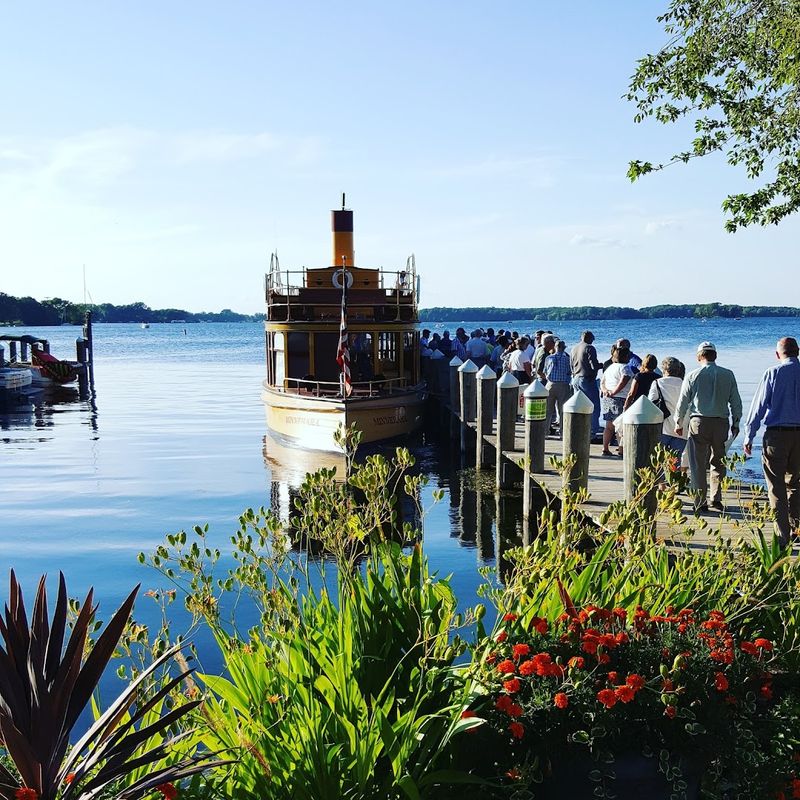
Just a short drive from the Twin Cities, Excelsior once offered something genuinely rare: a lakeside escape that felt unhurried and genuinely local.
That version of Excelsior still exists in the collective memory of longtime residents, but the current summer reality is noticeably different. Day-trippers have transformed the downtown strip into a busy commercial corridor, with boutique shoppers and ice cream seekers creating a constant stream of foot traffic.
Parking near the water is a persistent headache that starts early on weekend mornings. Arriving after ten means circling blocks or walking a significant distance from wherever you manage to leave your car.
The quieter evenings that residents once enjoyed on the waterfront are now shared with waves of visitors who stay well past sunset. The community character has not disappeared entirely, but it now operates around the tourism schedule rather than the other way around.
Excelsior is still a lovely spot, and Lake Minnetonka genuinely delivers on its reputation for beauty. A weekday visit in late May or early September gives you a much more relaxed version of the town.
The charm is real, but summer weekends have turned it into something that requires real strategy to enjoy properly.
9. Crosslake, Minnesota
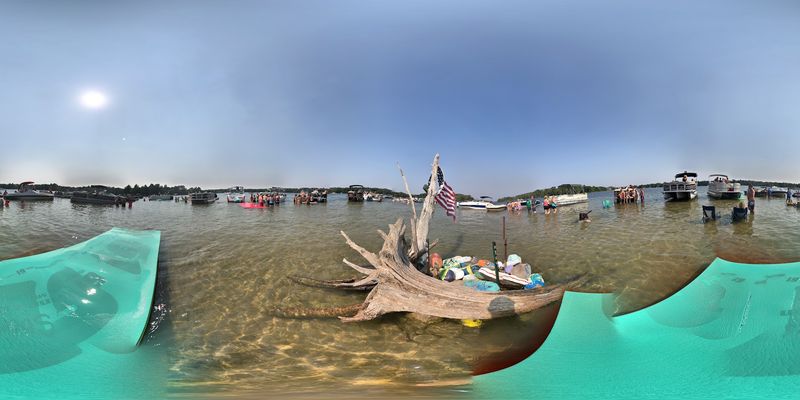
Sitting on the Whitefish Chain of Lakes, Crosslake once had the kind of quiet, year-round community feel that people spend years searching for in a lake town.
That identity has shifted considerably. The marina gets packed on summer weekends, and the boat traffic on the Whitefish Chain has increased to the point where early morning is now the preferred time for anyone wanting a calmer experience on the water.
Weekend road traffic into town has become a story in itself, with locals describing the congestion with a mix of humor and resignation. The town’s identity has pivoted noticeably from a close-knit year-round community to a destination with a seasonal rhythm that largely ignores the people who live there full time.
Locals have adapted by running errands on weekday mornings and claiming dock time before most visitors have finished breakfast. It is a practical adjustment, but it reflects a real change in how the town functions during its busiest months.
Crosslake is genuinely appealing, and the Whitefish Chain delivers the lake experience that Minnesota summers are built around. Visiting midweek or arriving in early June before peak season kicks in will give you a much more relaxed and authentic version of what this town used to be year-round.
10. Detroit Lakes, Minnesota
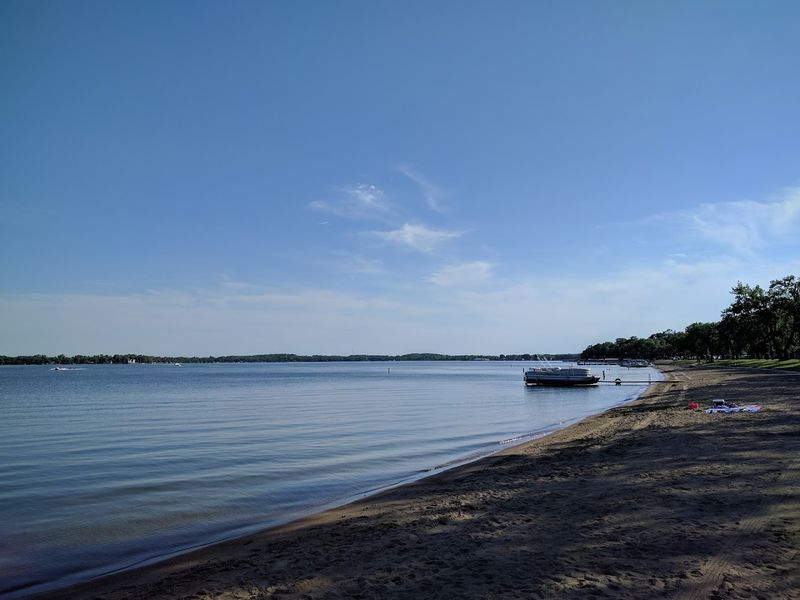
Northwestern Minnesota’s most popular vacation hub has built a summer reputation that now brings crowds large enough to reshape the entire feel of the town.
The main beach and Washington Avenue draw steady crowds for festivals, concerts, and lakeside recreation throughout the season. On peak weekends, the beach transforms into a dense gathering of towels, paddleboards, and portable speakers that leaves very little room for the quiet afternoon that most people came looking for.
WE Fest, one of the largest country music festivals in the United States, brings a massive regional crowd that fills every available short-term rental and hotel room in the area. The festival energy is real and enthusiastic, but it has also contributed to pricing some longtime residents out of their own shoreline neighborhoods.
Short-term rental demand has driven property values and rental rates to levels that have genuinely changed the makeup of the community around the lake. That shift is not unique to Detroit Lakes, but it is particularly visible here.
The lake itself is beautiful, and the town has real energy during summer. Planning around the festival calendar and targeting non-festival weekends will give you a significantly more relaxed version of Detroit Lakes and a much better shot at actually enjoying the water.
11. Walker, Minnesota
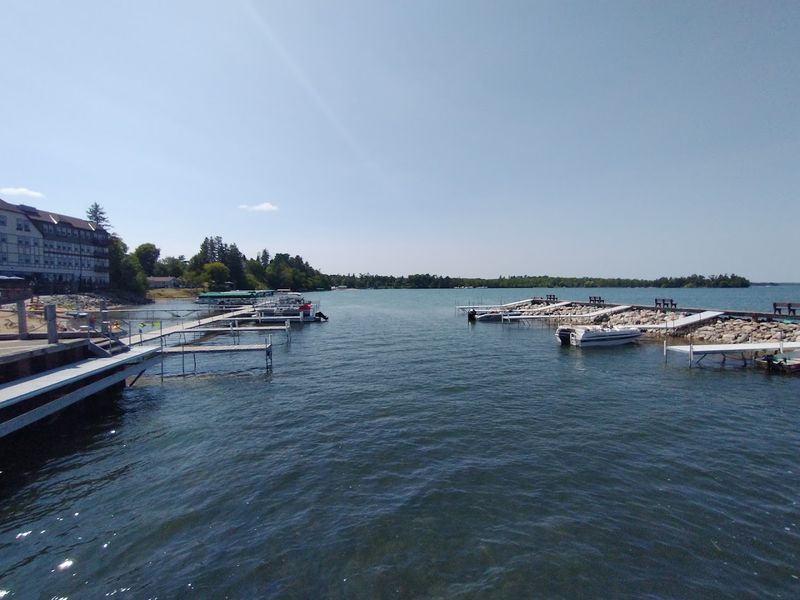
Walker used to be the kind of fishing town where you could show up without a plan, find a launch ramp without waiting, and spend a quiet afternoon on Leech Lake without much company.
Peak season has changed that picture considerably. The town now buzzes with activity driven by casinos, busy resorts, and the Moondance Jam music festival, which pulls in large crowds and transforms the energy of the entire area for days at a time.
Launch ramps have developed their own version of rush hour, and getting a boat in the water on a festival weekend requires patience and very careful timing. Simple lake access has become something locals describe as a strategy game rather than a casual Saturday activity.
The everyday rhythm of full-time residents has given way to a schedule largely dictated by festival arrivals and marina traffic. That seasonal intensity is manageable for visitors, but it represents a genuine lifestyle shift for the people who call Walker home year-round.
Leech Lake is one of Minnesota’s most impressive bodies of water, and Walker’s fishing reputation is built on something real. Visiting in early June or after the summer festival calendar winds down gives you a much better introduction to the lake town that Walker was always meant to be.
