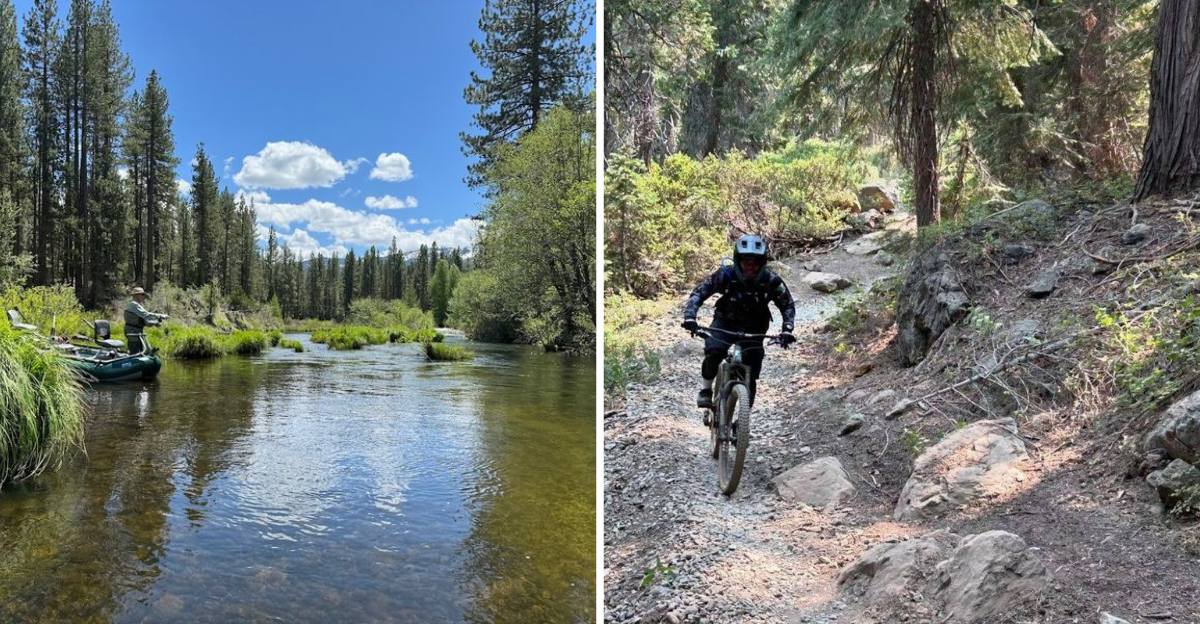
Pines closing in, the highway thinning out, the noise of modern life just stopping. More than seventy five percent of this California region is national forest, which means the landscape stays wild, wide, and breathtakingly intact. I remember the moment everything fell quiet, like I had stepped into a slower, richer version of the world.
The air smells like pine and dry earth, and the only sounds are birds and the wind moving through the trees. Some parts of California feel like they belong to another century.
This is one of them.
The Wild Heart of Plumas National Forest
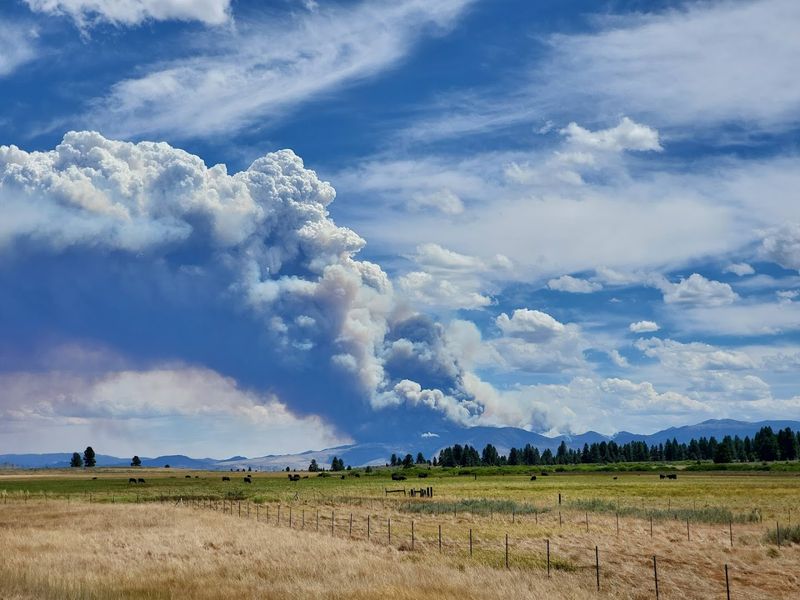
Roughly a million acres of forest surround you in Plumas County, and that number stops feeling abstract once you are actually standing inside it. The trees here are old and tall, the kind that make you feel genuinely small in the best possible way.
It is the sort of place where silence has texture.
Plumas National Forest covers the majority of the county, and it connects seamlessly with portions of Lassen National Forest and even a slice of Lassen Volcanic National Park. That means the wilderness here is not just a patch of green on a map.
It is a continuous, living system that stretches for miles in every direction.
Over 100 lakes dot the landscape, fed by snowmelt and mountain streams. Hiking trails cut through meadows thick with wildflowers in summer, and the air carries that sharp, clean scent of pine that city dwellers pay good money to replicate in candles.
The forest feels genuinely untouched, not manicured or managed for tourism. That rawness is exactly what makes it so memorable and worth every mile of the drive to get here.
Quincy: A Small Town With a Big History
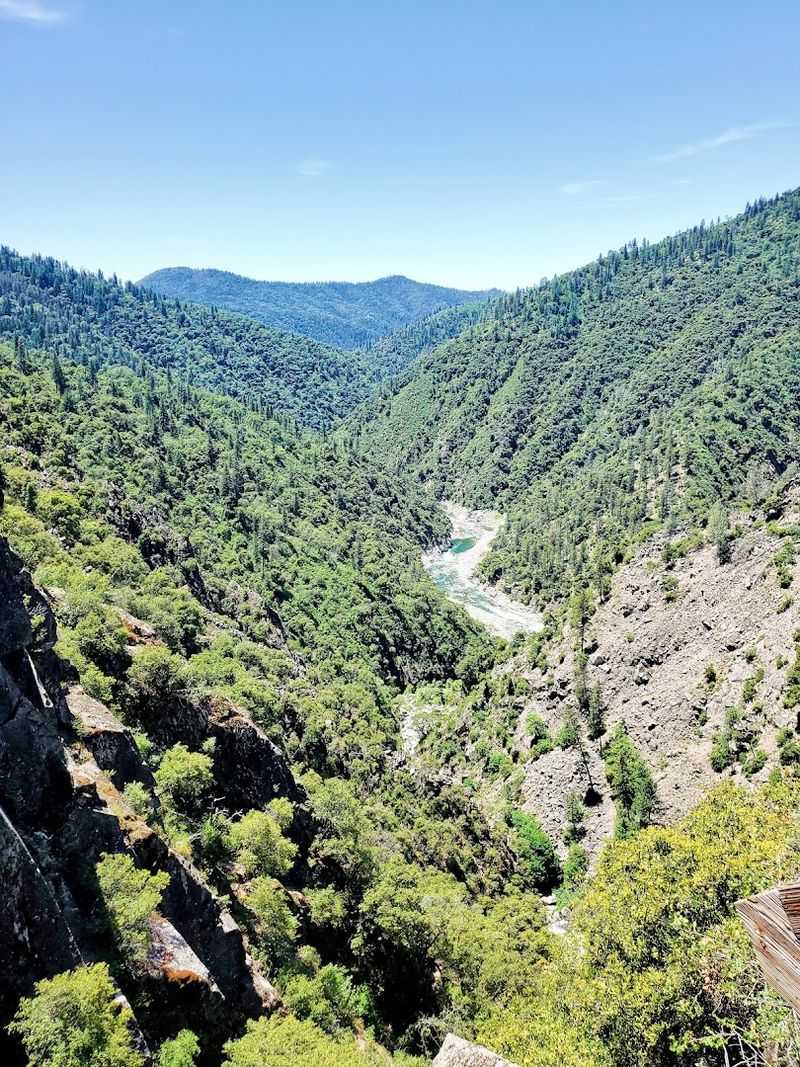
Quincy has been the county seat since the 1850s, and the town wears that history with an easy, unhurried confidence. The streets are quiet, the buildings are low, and the mountains are always visible from just about anywhere you stand.
It feels like a place that never felt the need to rush.
The Plumas County Museum sits right in town and is genuinely worth a visit. Inside, you will find artifacts from the Gold Rush era, pioneer tools, and a restored gold miner’s log cabin that puts the region’s scrappy, resourceful past into sharp focus.
History here is not kept behind glass and polished. It feels lived-in and real.
Quincy also has a small but warm dining scene, a few local shops, and a community vibe that is refreshingly unpretentious. Locals wave at strangers.
Coffee shops double as community gathering spots. The pace of life here is slow enough that you actually notice the details, the carved wooden signs, the old storefronts, the way the afternoon light hits the courthouse.
Spending even one afternoon in Quincy resets something in you that city life quietly dismantles over time.
The Western Pacific Railroad Museum in Portola
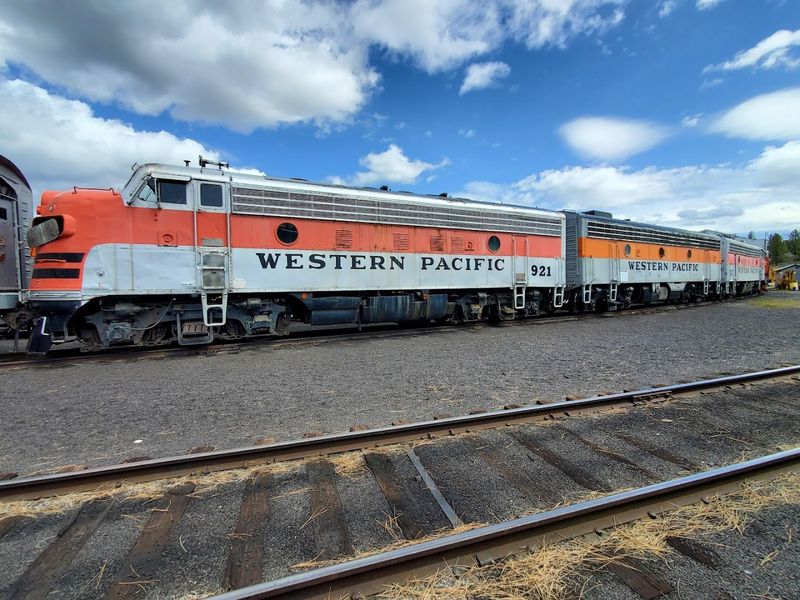
Railroad history runs deep in Plumas County, and nowhere is that more obvious than the Western Pacific Railroad Museum in Portola. It is one of the largest railroad museums in North America, and it earns that title with an impressive collection of locomotives, freight cars, and passenger coaches spread across a sprawling outdoor yard.
What makes this museum genuinely special is the hands-on element. Visitors can actually operate some of the locomotives with a guided experience, which is the kind of thing that turns a casual stop into a full-on memory.
Kids love it, but honestly, adults tend to get just as absorbed.
The museum reflects how central the railroad was to the identity of this region. The Western Pacific line was a lifeline for remote mountain communities, carrying supplies in and timber out for decades.
Without the railroad, many of these towns simply would not exist. Portola itself grew up around the rail yards, and that legacy is still visible in the town’s layout and architecture.
Visiting the museum feels less like a history lesson and more like a conversation with the past. Address: 700 Western Pacific Way, Portola, CA 96122.
Fishing, Kayaking, and Life on the Water
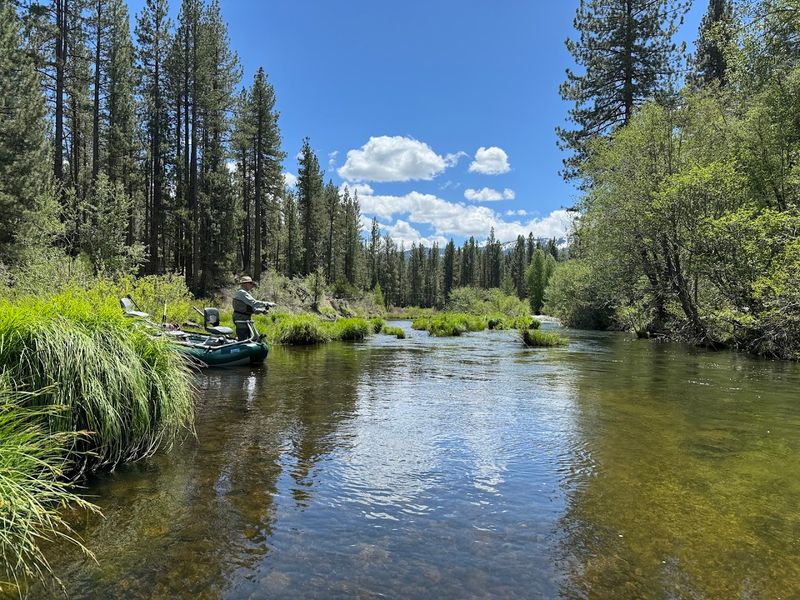
With more than 100 lakes and countless miles of streams and rivers, Plumas County is a water lover’s dream that rarely gets the credit it deserves. The fishing here is exceptional, drawing anglers who prefer solitude over competition.
You can spend an entire morning on a lake and not see another soul.
Lake Almanor is one of the most popular spots in the region, offering calm water ideal for kayaking, paddleboarding, and swimming. The lake sits at roughly 4,500 feet in elevation, which keeps summer temperatures comfortable and the scenery consistently dramatic.
On a clear day, Mount Lassen is visible from the shoreline, which adds a volcanic backdrop that feels almost cinematic.
Smaller, lesser-known lakes scattered throughout the national forest offer an even more remote experience. Some require a short hike to reach, which naturally filters out the casual visitor and rewards those who make the effort.
The streams in the county are cold and fast, perfect for fly fishing in late spring and early summer. Whether you are paddling, casting a line, or just floating on your back staring at the sky, the water here has a way of making everything feel genuinely unhurried.
Mountain Biking the Downieville Downhill
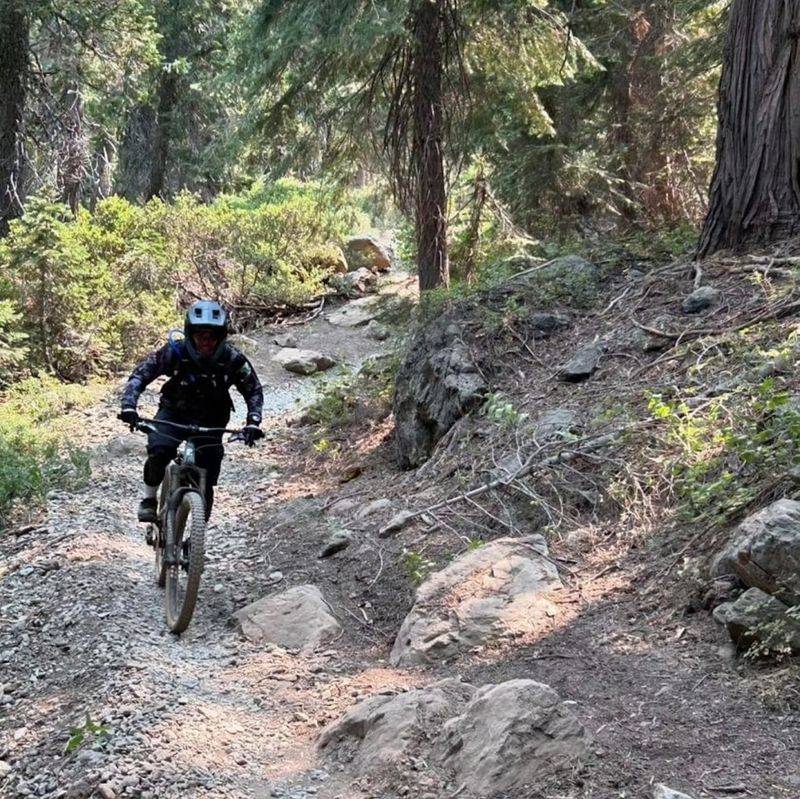
The Downieville Downhill is one of those trails that serious mountain bikers talk about with a kind of reverence usually reserved for legendary surf breaks or hidden ski runs. The trail drops roughly 4,000 feet over about 17 miles, winding through old-growth forest with technical features that keep even experienced riders fully engaged.
Downieville itself sits just outside Plumas County but is deeply connected to the Lost Sierra trail network, and the surrounding region offers a full range of riding options for different skill levels. The trails here are not groomed or sanitized.
Roots, rocks, and creek crossings are part of the experience, and that rawness is precisely the appeal.
The mountain biking scene in this part of Northern California has grown steadily without ever becoming overcrowded. You will find a handful of local shops and guides in the area who know the trails intimately and can point you toward routes that match your ability.
After a long ride, the small towns nearby offer exactly what you need: good food, cold water, and a place to sit and feel the satisfying ache of a day well spent in the mountains. This trail system is genuinely world-class.
The Butterfly Valley Botanical Area and Its Carnivorous Plants
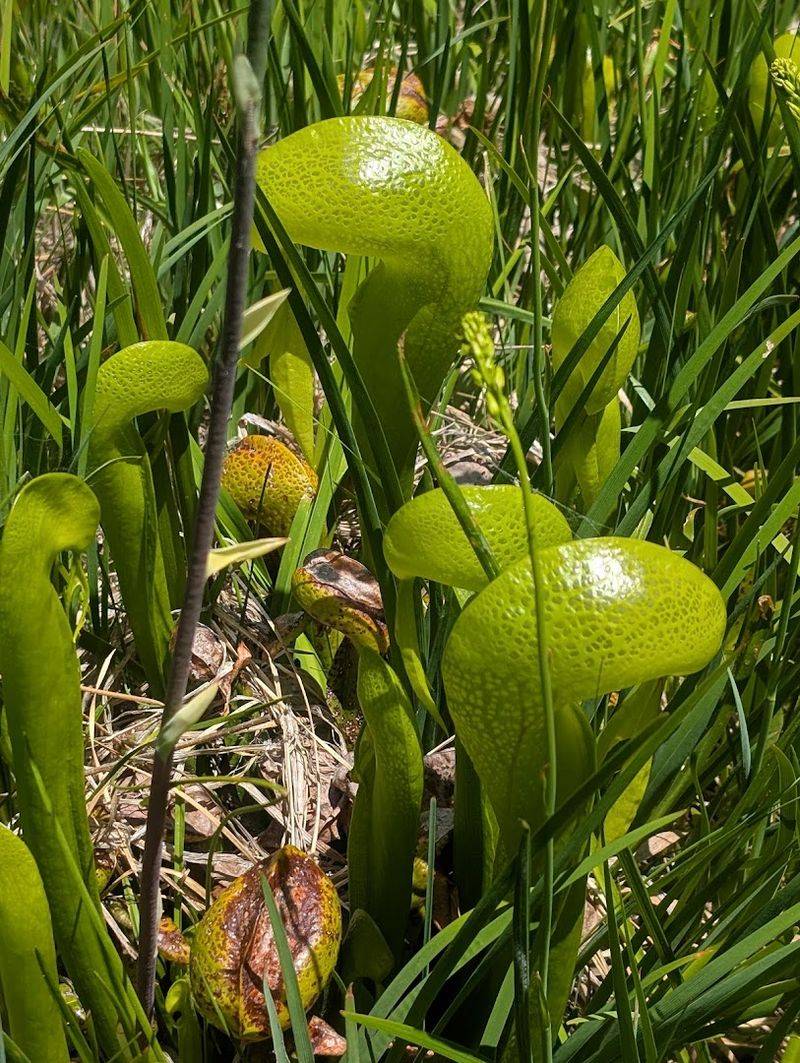
Not many people expect to find carnivorous plants growing wild in Northern California, which is exactly what makes Butterfly Valley Botanical Area such a memorable surprise. Tucked into a quiet meadow near Quincy, this protected area is home to the California pitcher plant, a rare and genuinely fascinating species that traps insects in its tubular leaves.
The pitcher plants thrive in the boggy, nutrient-poor soils of the valley floor, and they are best seen in late spring and early summer when the meadow is at its most lush and alive. The contrast between the delicate wildflowers surrounding them and the quietly predatory nature of the pitcher plants gives the whole place an otherworldly quality.
Beyond the pitcher plants, the botanical area supports a rich diversity of native plants and pollinators. Butterflies, as the name suggests, are abundant here in the warmer months, drifting through the meadow in a way that feels almost staged.
The area is not heavily visited, which means you can often explore it in near-total quiet. There are no elaborate facilities or interpretive centers.
It is simply a beautiful, strange, and peaceful corner of the Lost Sierra that rewards anyone curious enough to seek it out.
Winter in the Lost Sierra: Snow, Silence, and Snowshoes
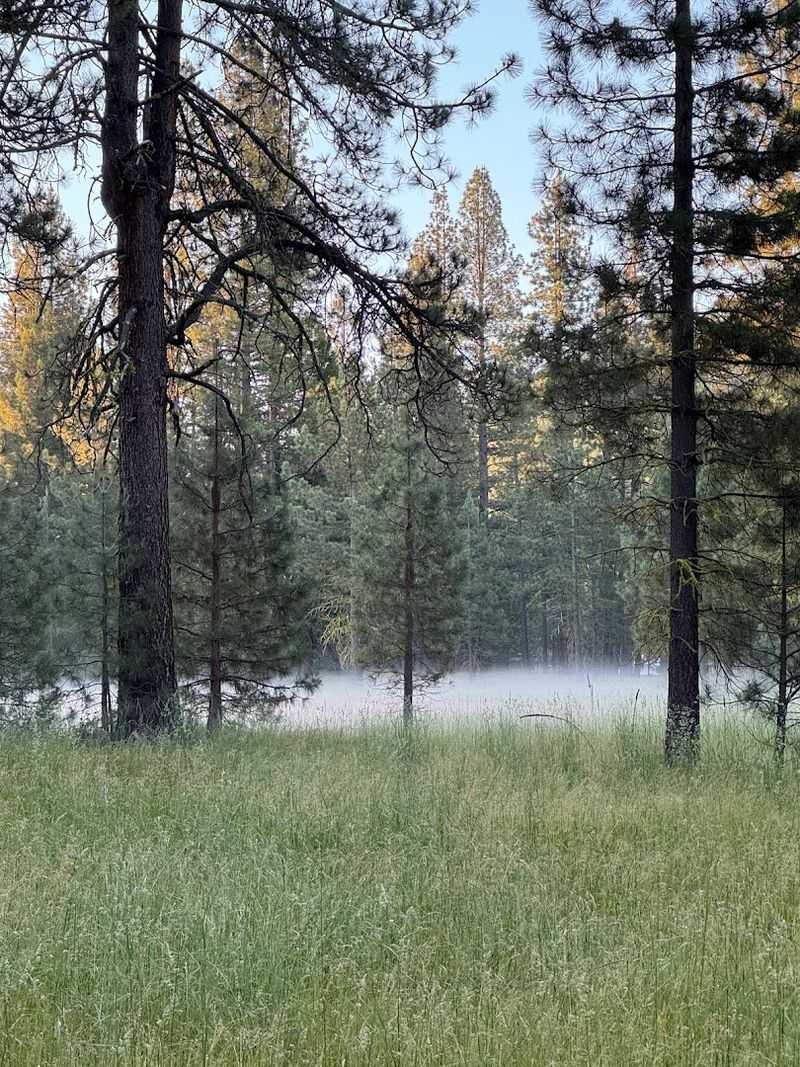
Plumas County transforms completely in winter, and the change is dramatic in the best way. The heavy snowfall that historically isolated the region and gave it the “Lost Sierra” name now draws visitors looking for a quieter, less commercial alternative to the major ski resorts farther south.
The landscape under snow is breathtakingly still.
Cross-country skiing and snowshoeing are the main draws for those who prefer to move through the winter landscape rather than speed down it. Miles of groomed and ungroomed trails wind through the national forest, offering routes for beginners and seasoned adventurers alike.
The snow here is deep and consistent, and the trails rarely feel crowded even on peak winter weekends.
Snowmobiling is also popular throughout the county, with wide open forest roads and designated trails that give riders plenty of room to explore. The small towns take on a cozy, tucked-in quality in winter, with woodsmoke curling from chimneys and local spots filling up with people who genuinely enjoy the season rather than endure it.
La Porte, one of the region’s historic towns, reportedly hosted some of the first downhill ski races in the country back in the 1860s. Winter here has a long and quietly proud history.
