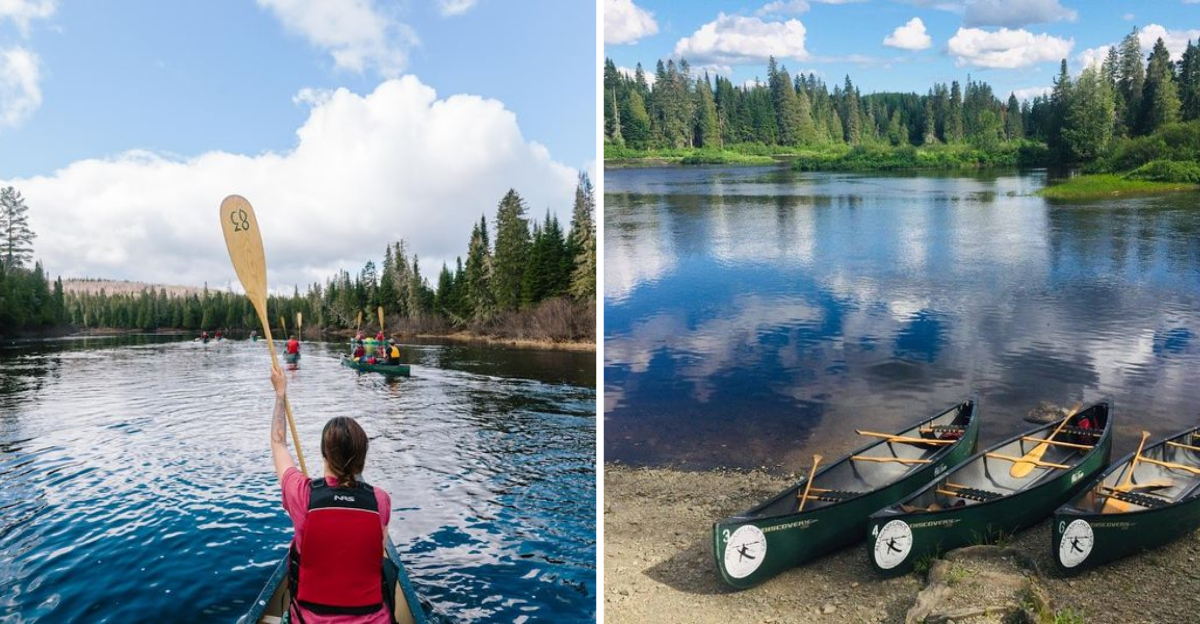
Maine has a lot of wilderness. More than most people realize.
But the Allagash is something else. A hundred mile stretch of rivers, lakes, and forest where moose genuinely outnumber people.
I spent four days paddling through water so clear you could see the bottom, past shoreline that has not changed much in a hundred years. No cell service. No convenience stores.
Just you, the paddle, and the occasional moose standing in the water staring at you like you are the weird one. The outfitters handle the logistics, so you do not need to be an expert.
Just show up with a sense of adventure and bug spray. Lots of bug spray.
Maine does not get more remote than this.
Planning Your Allagash Trip: What You Need To Know Before You Go
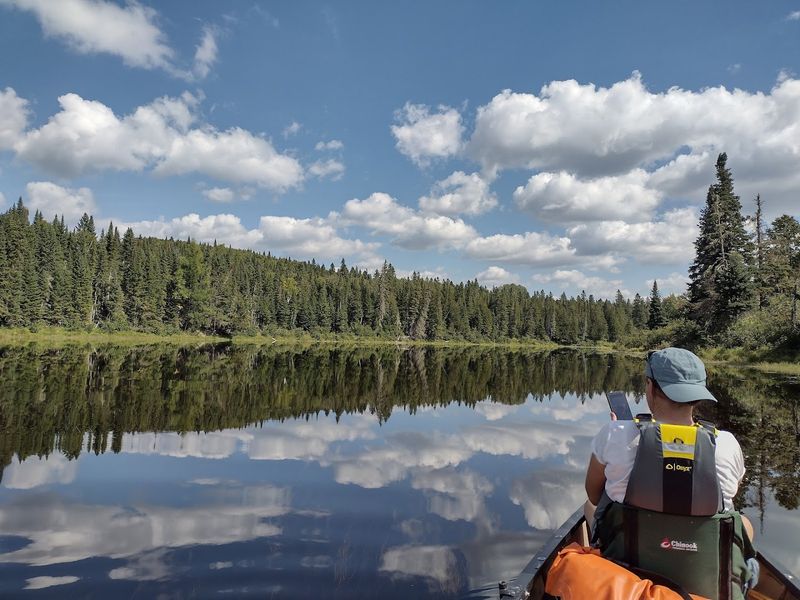
Getting to the Allagash is not something you do on a whim, and honestly, that preparation is part of what makes the trip feel earned. The waterway runs 92.5 miles through northern Maine’s commercial forest, and a full end-to-end paddle typically takes between 8 and 10 days.
Shorter routes of 4 to 7 days are popular too, depending on how much time you have.
The Allagash Wilderness Waterway falls within the North Maine Woods recreational system. That means you will need to register at a checkpoint and pay entry fees before launching.
There are six direct vehicle access points along the waterway, plus five more reachable by short trails, so you have real flexibility when planning your put-in and take-out locations.
Group sizes are capped at 12 people, which keeps the wilderness feeling like actual wilderness. Pack light but pack smart.
Primitive campsites offer tent spaces, tarp poles, outhouses, and picnic tables, but nothing beyond that. Bring everything you need for cooking, sleeping, and staying dry.
A waterproof map case and a reliable compass are non-negotiable out here where phone signals vanish almost immediately after you leave the checkpoint.
The Wildlife You Will Encounter Along The Waterway
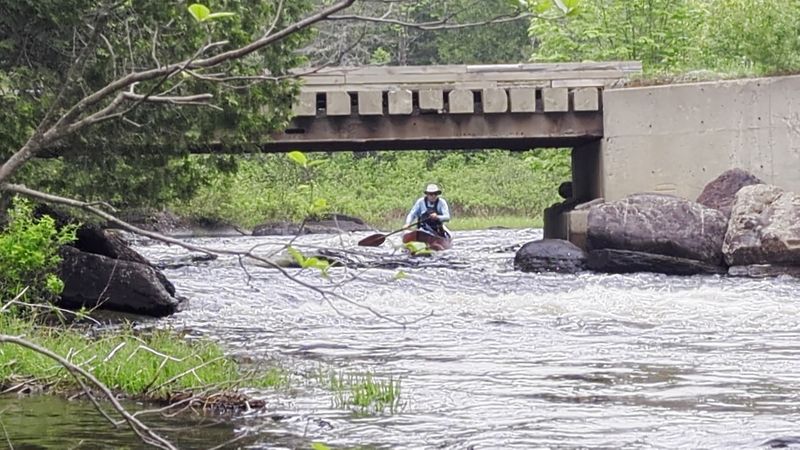
Nothing quite prepares you for the moment a moose lifts its massive head from the water and stares straight at your canoe. The Allagash is famous for moose sightings, and the numbers back that up.
A 2003 visitor survey found that over 90 percent of people reported seeing moose during their trip. Some paddlers spot seven in a single day.
Beyond moose, the waterway is home to white-tailed deer, black bears, bald eagles, loons, and osprey. Eagles are especially common near the larger lakes and open stretches of river.
Watching one fold its wings and drop into the water for a fish is the kind of thing you replay in your head for years.
One of the most memorable wildlife stories from the Allagash involves a young bull moose that wandered into a campsite and stayed for two full days, completely comfortable with human presence nearby. That kind of closeness to wild animals is rare anywhere else.
Keep your food stored properly, give bears respectful distance, and simply watch everything else with patience. The Allagash rewards quiet observers more than anyone else on the water.
Navigating The Whitewater: Chase Rapids And What To Expect
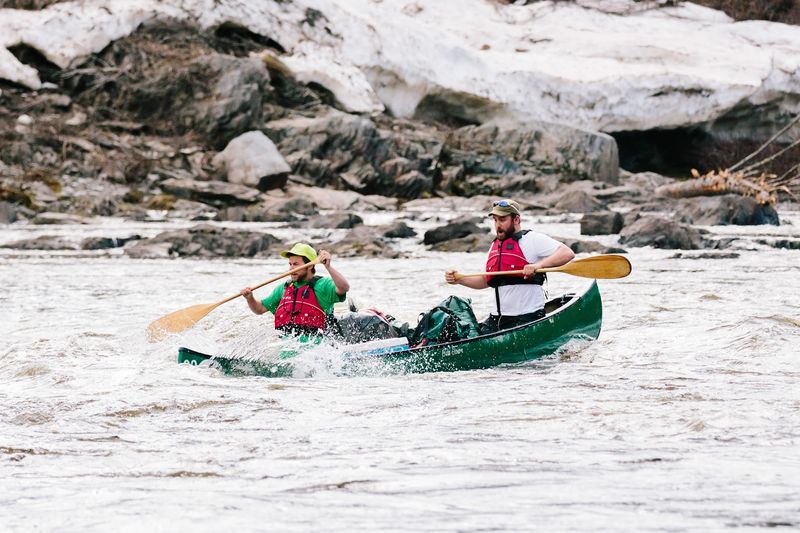
The Allagash is not all glassy lakes and slow-moving current. About 9 miles of the waterway involve Class II and Class III whitewater, and Chase Stream Rapids is the stretch that gets people’s attention.
The rapids move fast, the rocks are real, and reading the water correctly matters. It is exciting in the best way.
For paddlers who have never run whitewater before, a guided trip is the smartest option. Guides who know the Allagash can read the river in ways that take years to develop on your own.
You do not need prior canoeing experience for a guided trip, but you should be comfortable sitting in a canoe for two to three hours at a stretch and moving across uneven terrain when portaging.
Portaging is a real part of this trip. Allagash Falls, a dramatic 40-foot drop, requires everyone to carry their gear and canoe around it entirely.
No exceptions. The portage trail is manageable but not short, and wet boots make it slower.
Wear sturdy footwear, pack your gear in dry bags, and treat the portage as a chance to stretch your legs before getting back on the water.
Camping Along The Waterway: Sleeping Under Northern Maine Stars
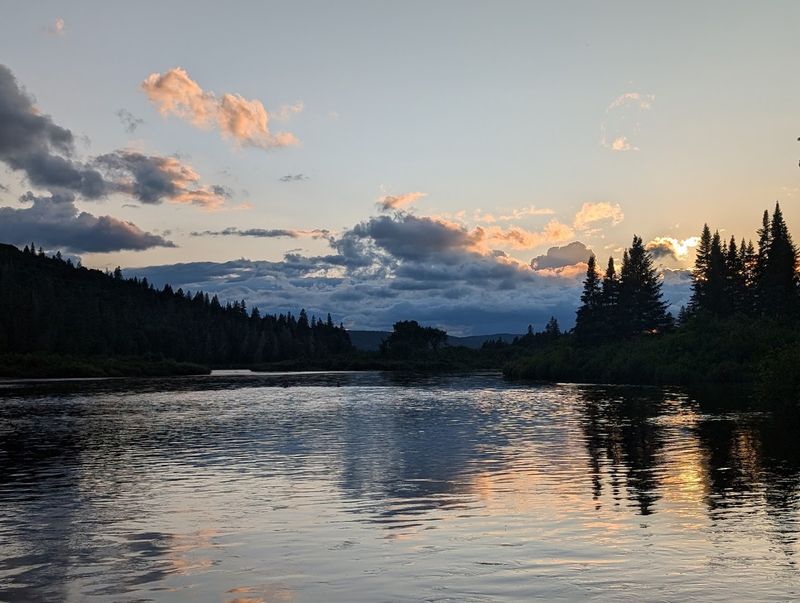
Campsite life on the Allagash has a rhythm that takes about a day to fall into. You paddle until early afternoon, scout a site, haul your gear up from the water, and start making camp before the light drops.
The primitive sites come with tent pads, tarp poles, outhouses, and picnic tables. Beyond that, it is entirely up to you.
The quiet at night is something else entirely. Northern Maine has almost no light pollution in these stretches of forest, and the stars on a clear night are genuinely overwhelming.
I have slept in a lot of places outdoors, and the Allagash sky ranks near the top without any competition.
Morning camp life is its own reward. Coffee on the riverbank while mist lifts off the water, the sound of loons echoing across the lake, and the unhurried pace of packing up before the day’s paddle begins.
Groups are limited to 12 people per site, so it never feels crowded. Choose your campsites early in the day when possible, especially during peak summer weeks in July and August when the waterway sees its highest number of visitors.
Gear That Will Make Or Break Your Allagash Paddle
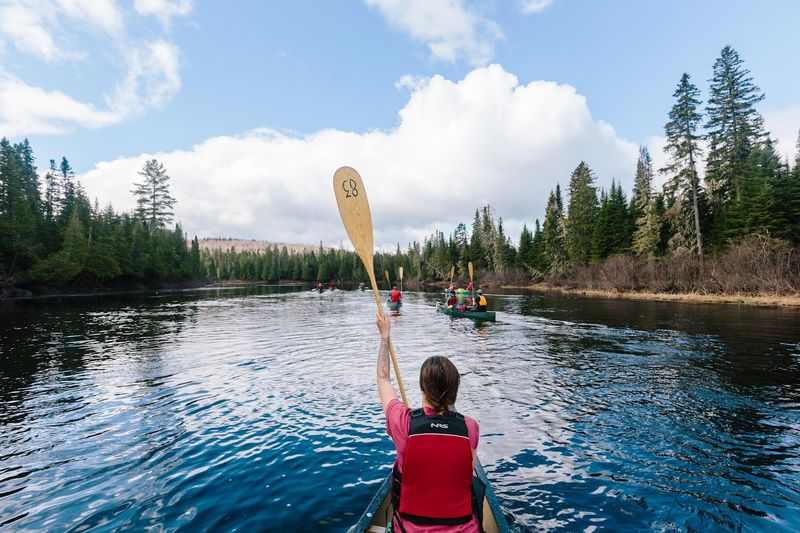
Packing for the Allagash is a balance between bringing enough and not overloading your canoe. The waterway is remote, and resupply is not an option once you are in.
Every item you bring needs to earn its spot in the hull. Dry bags are not optional.
They are the difference between sleeping in dry gear and spending a miserable night in wet everything.
A quality canoe paddle matters more than most people expect. Aluminum shaft paddles are heavy over a full day on the water.
Lightweight carbon or fiberglass options make the mileage feel shorter. Good footwear is equally important since portage trails and campsite access can involve rocks, roots, and mud in any combination.
Rain gear deserves its own mention. Northern Maine weather in the summer can shift from sunny to sideways rain within an hour.
A waterproof jacket and pants that pack small are worth every bit of the weight. Bring a basic first aid kit, a water filtration system, and enough food calories for days that involve both paddling and portaging.
The Allagash is forgiving to prepared paddlers and unforgiving to anyone who cuts corners on gear.
Allagash Falls: The Most Dramatic Moment On The Waterway
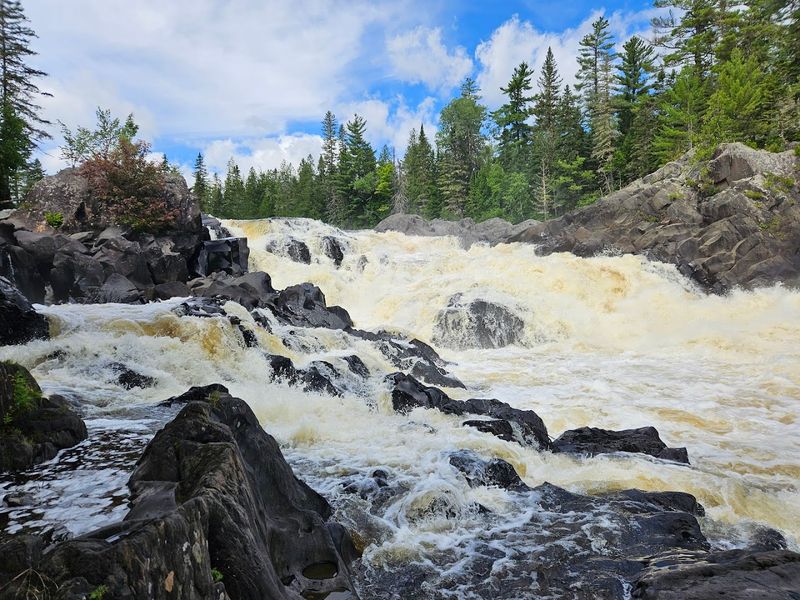
Allagash Falls is one of those natural features that earns a genuine reaction when you round the bend and hear the roar before you see it. The falls drop 40 feet over a series of rocky ledges, and the sound alone is enough to get your attention from well upstream.
Every paddler on the waterway must portage here. No one runs these falls.
The portage trail around the falls is well-worn and clearly marked. It takes most groups between 30 and 45 minutes to carry canoes and gear around, depending on load size and terrain conditions.
Wet weather makes the rocks slippery, so trekking poles or careful footing help. Once you are past the carry and back on the water, the river below the falls is calmer and beautiful.
The falls themselves are worth stopping to enjoy before you continue downstream. The spray reaches the trail on windier days, and the force of the water is visually impressive even if you have seen waterfalls before.
This is one of those moments on the Allagash that people photograph and describe to others for years afterward. Take your time here.
The river will still be there when you push off again.
The Best Time To Paddle The Allagash And What Each Season Offers
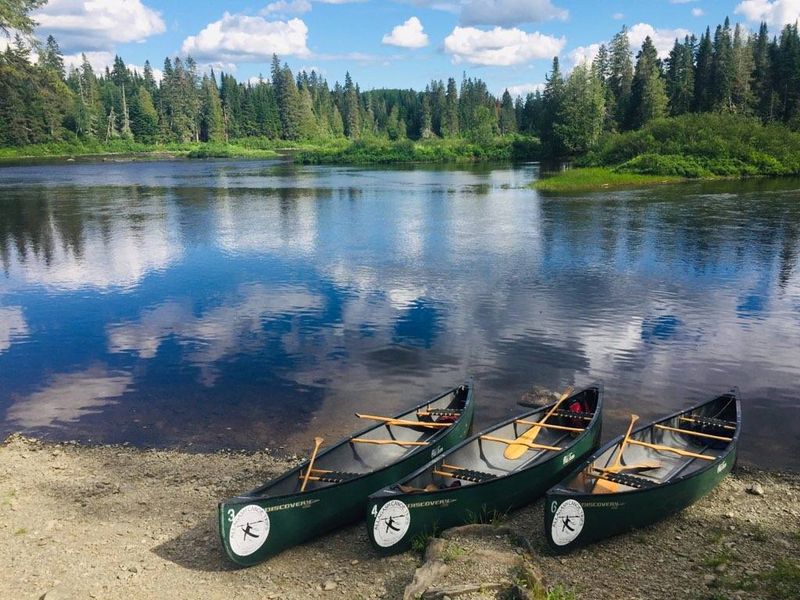
Timing your Allagash trip matters more than most destination travel, because the waterway changes dramatically depending on when you arrive. Late May and early June offer high water levels that make paddling faster and some rocky sections easier to navigate.
The downside is that blackflies peak during this same window, and they are relentless in ways that require real insect protection to manage.
July and August bring warmer temperatures, longer daylight hours, and the highest visitor numbers of the year. Moose sightings remain excellent throughout summer since moose spend time wading in the lakes and river shallows to cool down and escape insects.
Wildlife viewing is genuinely outstanding during these months.
September is the season that surprises most first-time visitors. Blackflies are long gone, temperatures drop to comfortable paddling weather, and the hardwood trees along the waterway begin turning gold and orange.
The light in early autumn on northern Maine lakes is something that is hard to describe and easy to love. Crowds thin out noticeably after Labor Day.
Water levels can drop in late summer, which means checking conditions before your trip is smart. Any month from late May through September offers a rewarding and memorable Allagash experience.
