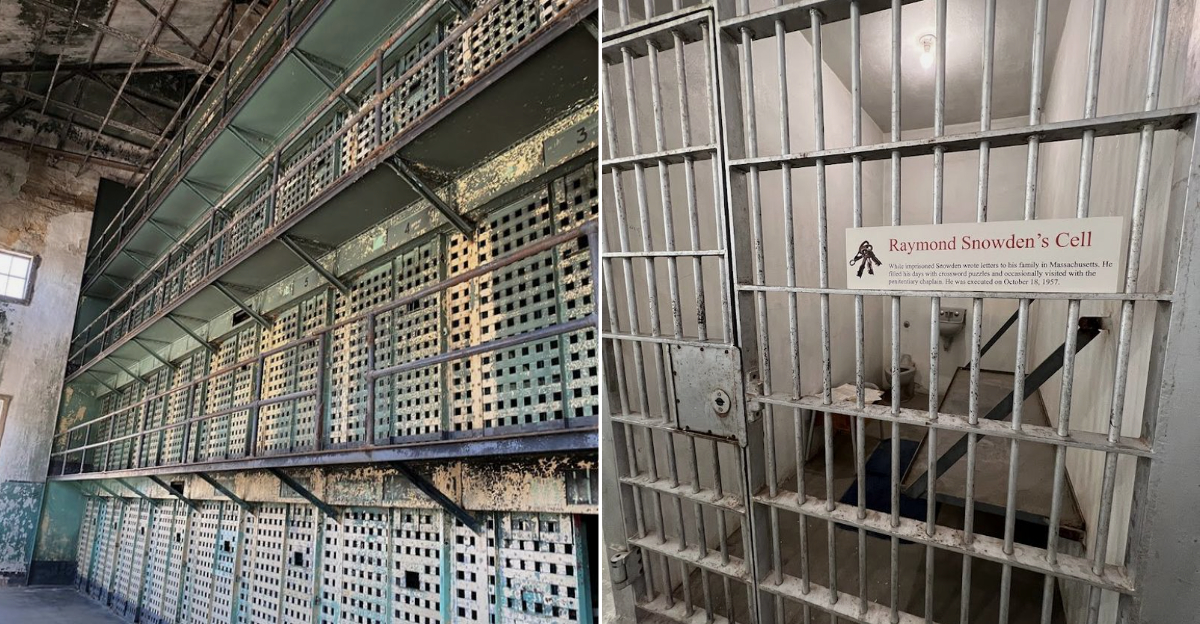
What if a prison that once held some of the West’s most well-known figures now invites you to explore its cells after dark? This Idaho penitentiary opened its heavy gates in 1872, a territorial lockup that would operate for over a hundred years.
During its decades of service, it housed more than thirteen thousand individuals, including a man connected to a governor’s death and a person linked to a famous group of outlaws. The facility survived unrest and a large fire, finally closing its doors in 1973.
Today, visitors can walk the same stone corridors during seasonal historical tours. For the truly curious, evening paranormal investigations offer a chance to explore the solitary wing and maximum security buildings with nothing but flashlights and recording equipment.
Some say they have heard whispered voices when no one else was there. So which Boise landmark has become a destination for those seeking a gentle thrill?
Step inside the old prison. The cell doors are open, but the mystery of what still lingers within those walls remains unsolved.
The First Look At Those Stone Walls
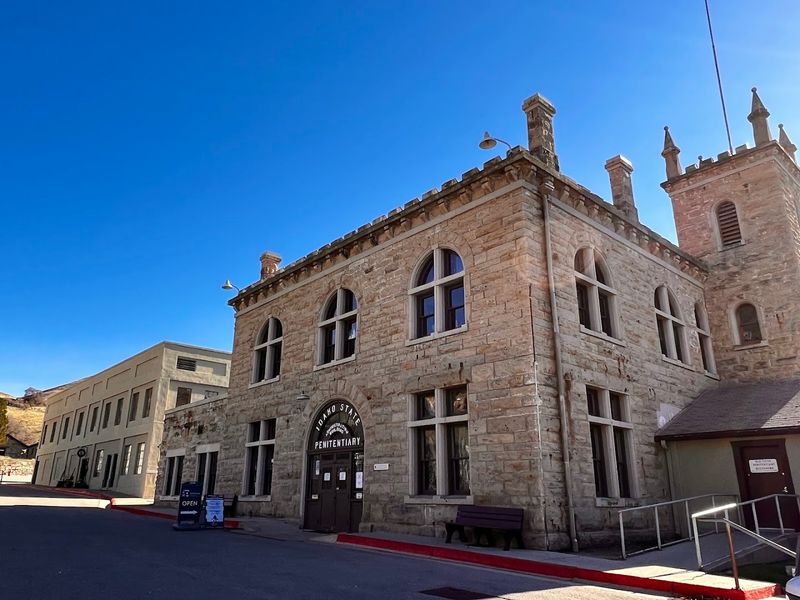
The first thing that got me was how solid the place feels, like the walls are still holding onto every story they have ever heard. You walk up and there is no mistaking what it was, because the stone, the towers, and the layout all carry that unmistakable weight of confinement.
Even before you step inside, the air around it feels quieter than it should, which is part of why this place lands so hard.
During the day, the seasonal historical tours give you a way into the site that feels grounded and clear, and I really think that is the best way to start. You are not just wandering through old buildings, because the prison structure itself starts explaining things to you almost immediately.
The architecture, the yards, and the narrow passages make the history feel physical in a way that books rarely can.
What I liked most is that it does not feel staged for effect, even though it absolutely has a dramatic presence. You are left to notice the textures, the silence, and the little details that make the whole penitentiary feel personal rather than distant.
By the time you move past the entrance, you already understand why people come here for history first and then return later, wondering what else still lingers after sunset.
Getting There And Settling Into The Mood
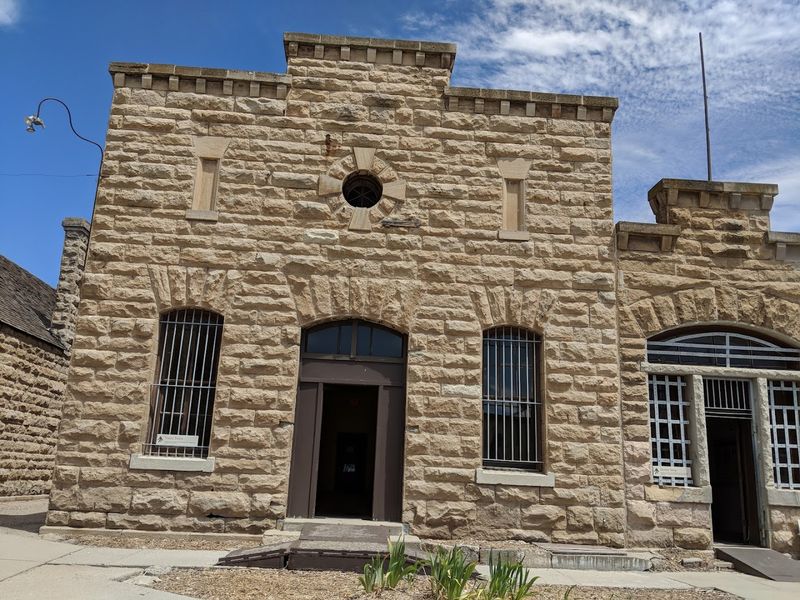
If you want the basic starting point, the Old Idaho Penitentiary Site sits at 2445 Old Penitentiary Rd, Boise, ID 83712, and the setting really helps the mood before you even get out of the car. It is tucked against the edge of the foothills in a way that makes the city feel close but somehow far away at the same time.
That little shift matters, because the place feels separated from normal life almost immediately.
I would give yourself a moment before rushing in, because the surroundings do a lot of quiet scene-setting on their own. The dry Idaho landscape, the pale stone, and the open sky make the prison feel even more exposed, which is such a strange contrast with what happened inside.
It is one of those spots where a few minutes of just looking around actually changes how you experience everything that comes next.
Once you head through the entrance, the tone settles in without anyone forcing it, and I appreciated that. Nothing about the approach feels gimmicky or overdone, even though the site could easily lean that way.
Instead, it feels like Boise is handing you a piece of its past and saying, here, take your time with this, because it is heavier and more complicated than it first appears.
Why The Daytime Tour Really Works
Honestly, I would not skip the daytime visit, even if the paranormal side is what first caught your attention. In daylight, the place gives up its history in a steadier, more human way, and that makes everything feel more real later on.
You start noticing how daily life must have looked and sounded inside these walls, which is a lot more affecting than just chasing a spooky feeling.
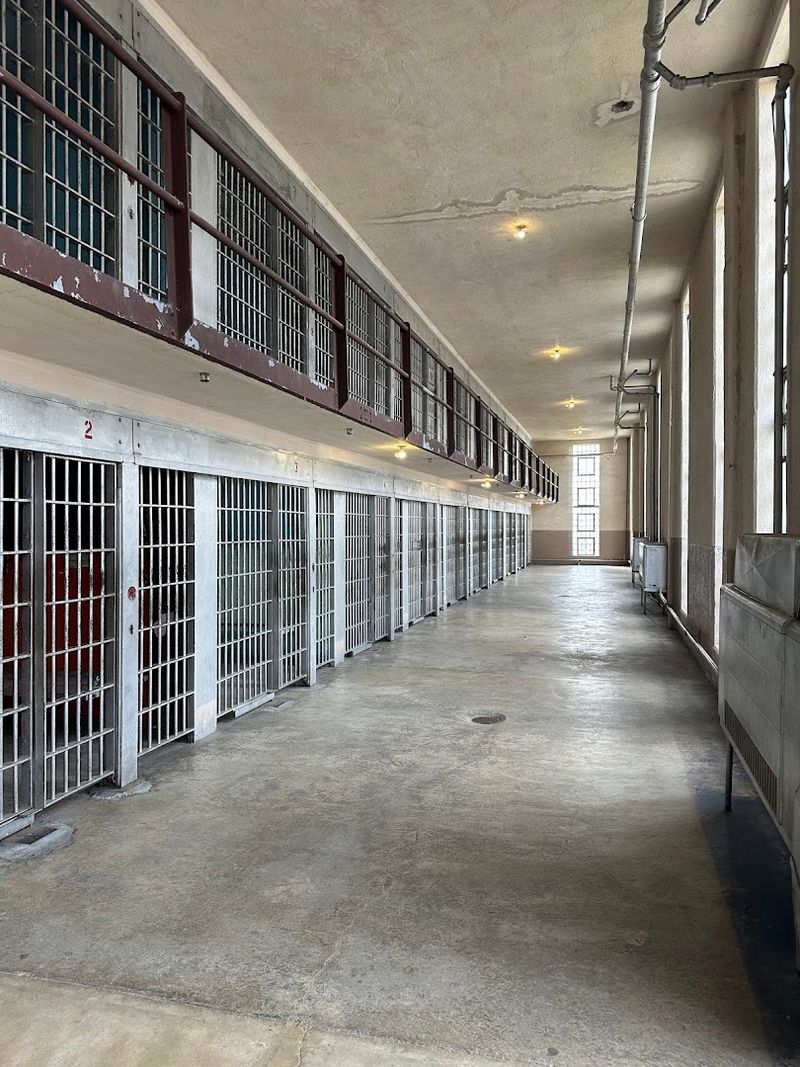
The seasonal historical tours are useful because they let you move through the prison with context instead of just curiosity. You can look into the cell blocks, pass through stark corridors, and begin to understand how the site functioned over its long life as a working prison.
I liked that the experience never felt lecture-heavy, because the buildings are doing half the talking for you.
There is also something about seeing the place in plain light that makes it hit harder emotionally. You are not being pushed toward fear, so the isolation, the confinement, and the institutional design speak for themselves.
By the time you leave a daytime tour, you have more than eerie impressions to hold onto, because you have a fuller sense of the people who lived, worked, suffered, and passed through this very Idaho place.
Walking Through The Cell Blocks
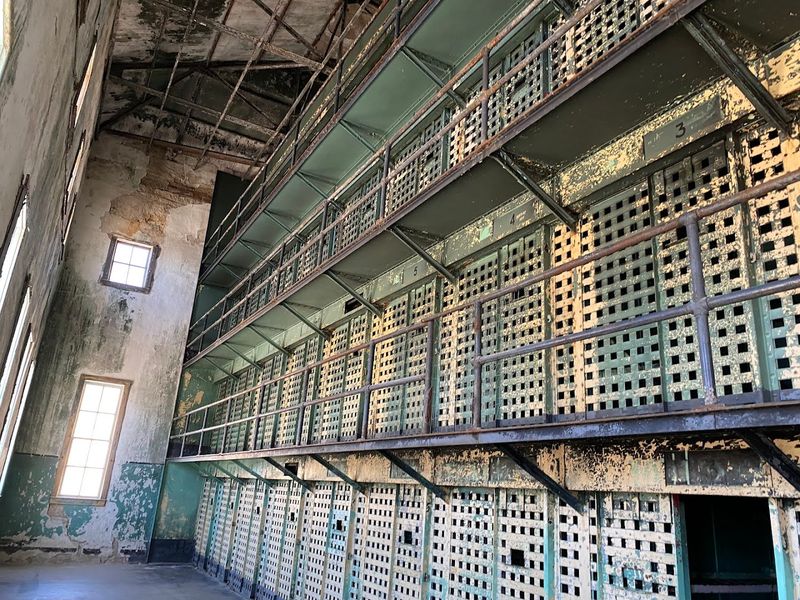
The cell blocks are where the whole visit stopped feeling abstract for me and started feeling personal in a way I was not expecting. You can read all you want about prisons, but standing in front of those cells makes the scale of daily life feel immediate and hard to shake.
The metal, the stone, and the close air all work together to make you slow down without even realizing it.
As you move through, there is this weird mix of curiosity and restraint, because you want to look everywhere but you also feel the seriousness of the space. Nothing is especially flashy, which is exactly why it works so well.
The emptiness inside some of those areas says more than any dramatic effect ever could, and I found myself paying attention to things like light, echo, and distance.
If you are the kind of person who likes details, this is where the penitentiary really rewards you. You start noticing how design controlled movement, privacy, and punishment, and suddenly the building feels like its own kind of document.
Even without the evening investigations, these rooms carry enough atmosphere to stay with you, and I think that is part of why so many people in Idaho leave talking less about what they saw and more about what they felt.
The Stories That Linger After You Hear Them
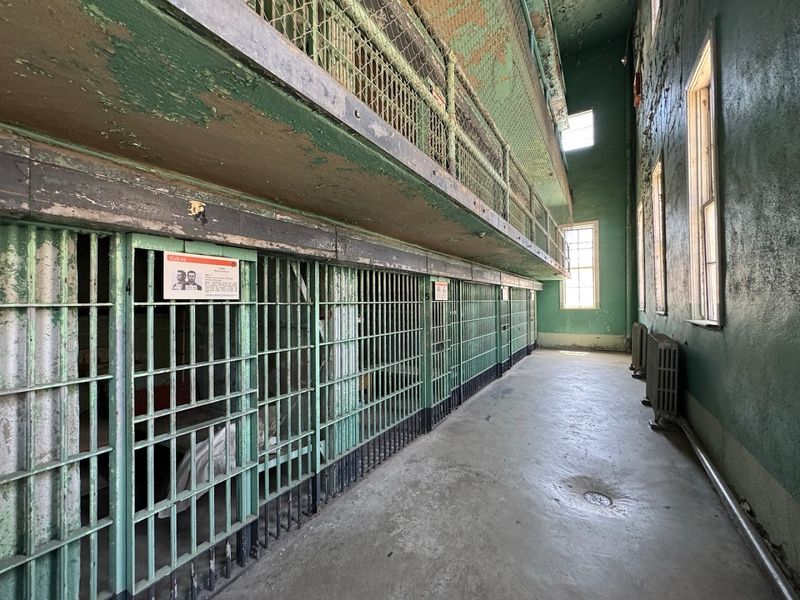
What really catches you here is not just the architecture, but the stories attached to it, because they keep changing how you see each space. A hallway is not just a hallway once you hear what happened there, and a yard is not just open ground once it is tied to real people who lived out difficult days inside it.
That shift from looking to imagining is where the site gets powerful.
The prison’s long history is full of hard, human material, and the tours seem to understand that you do not need it dressed up. You hear about routines, punishments, deaths, and the strange ordinary texture of life in confinement, and all of that makes the buildings feel inhabited even when they are completely still.
I found myself replaying details later, not because they were sensational, but because they felt close in an uncomfortable, memorable way.
That is probably why the evening paranormal investigations make sense here instead of feeling randomly attached. The place already asks you to think about absence, memory, and what remains after people are gone, so the leap into the unexplained does not feel all that big.
Even if you are skeptical, the historical side of the Old Idaho Penitentiary gives the nighttime experience real emotional footing, and that makes the whole visit richer than a simple ghost-themed outing.
When The Place Changes After Dark
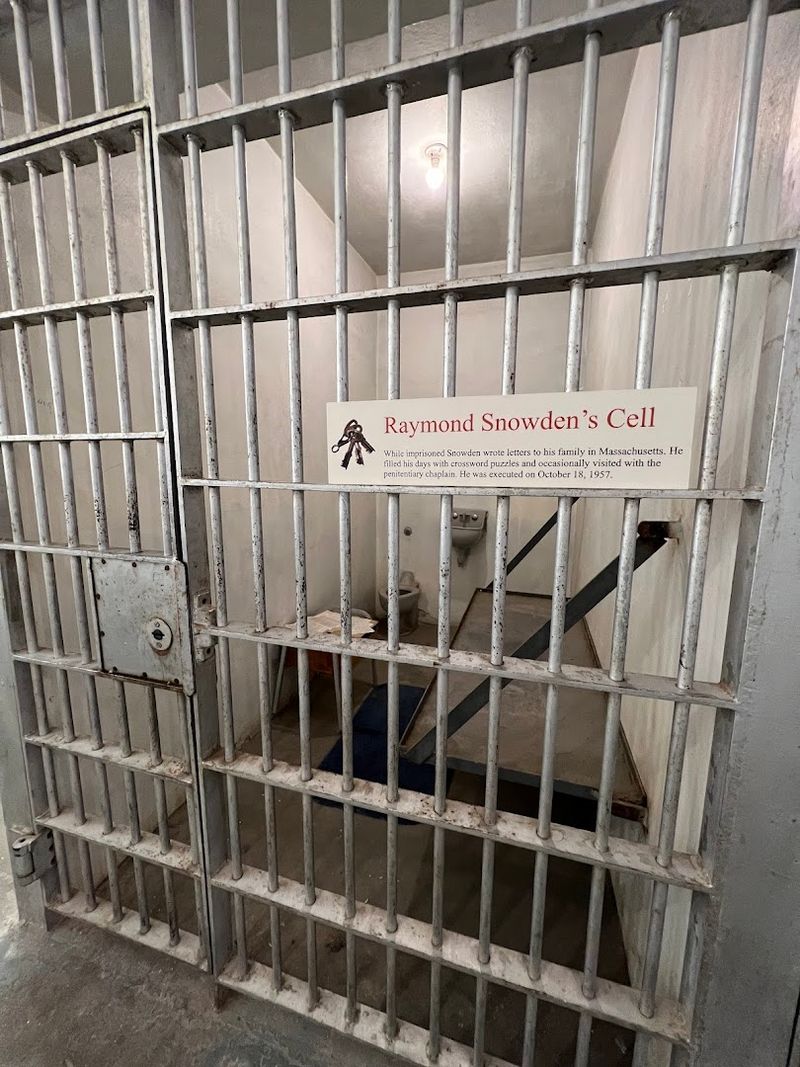
The mood change after dark is immediate, and I do not mean that in a cheesy, haunted-house way. The same walls and walkways you saw earlier start feeling more uncertain once the light drops, and your sense of distance gets a little less reliable.
It is still the same historic site, but your body reacts to it differently, which is honestly part of the draw.
The evening paranormal investigations lean into that shift without needing to oversell it, and I appreciated that. You are already in a place with a long record of intense human experience, so nighttime naturally adds another layer of tension and attention.
Sounds seem sharper, cold pockets feel more noticeable, and every gate or corridor suddenly holds your focus a little longer than it did during the day.
Even if nothing unexplained happens around you, the setting does enough on its own to make the night memorable. You listen more carefully, you move more slowly, and you become very aware of just how much silence a place can contain.
For me, that is why this Boise experience works so well, because it lets the atmosphere build from the location itself rather than asking you to pretend, and that makes any strange moment feel earned instead of manufactured.
What Makes The Paranormal Side Feel Credible
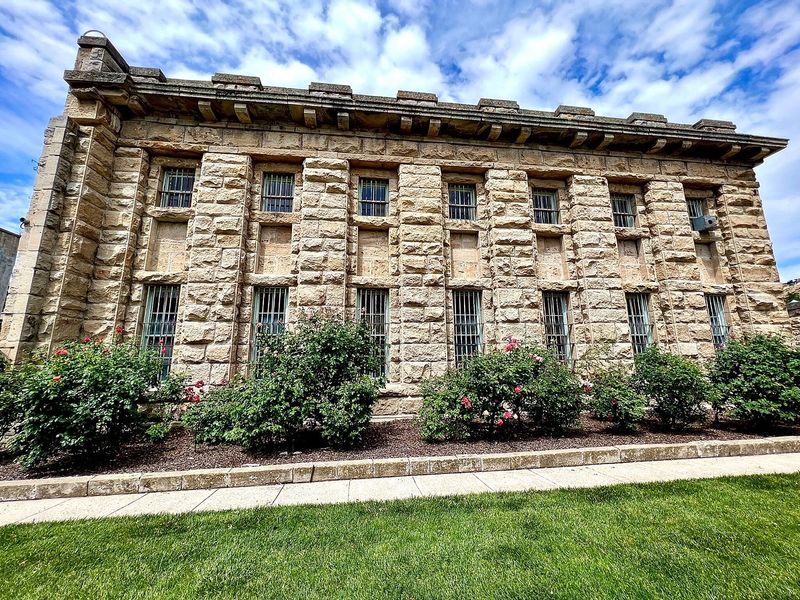
I think the paranormal side lands here because it is built on a place that already feels emotionally charged before anyone mentions a ghost. Visitors have long reported odd experiences, from cold spots to voices and strange movements, and whether you believe every story or not, the setting makes those reports feel worth listening to.
You are not starting from nothing, which gives the investigation experience a steadier footing.
From what I have seen, the public investigations are organized in a way that keeps things structured rather than chaotic, and that helps a lot. The focus stays on moving through different buildings, paying attention, and being present in the space instead of turning the night into a spectacle.
That tone matters, because it lets your own reactions lead instead of forcing a mood onto you.
I also like that people can bring curiosity without needing to arrive with a fixed belief. If something odd happens, you notice it, and if nothing obvious happens, the place is still compelling enough to justify the evening.
That balance made the Old Idaho Penitentiary feel more interesting to me than locations that push too hard for scares, because here the mystery grows naturally out of the history, the architecture, and the unmistakable sense that some rooms still hold more than they can easily explain.
Who Should Actually Go
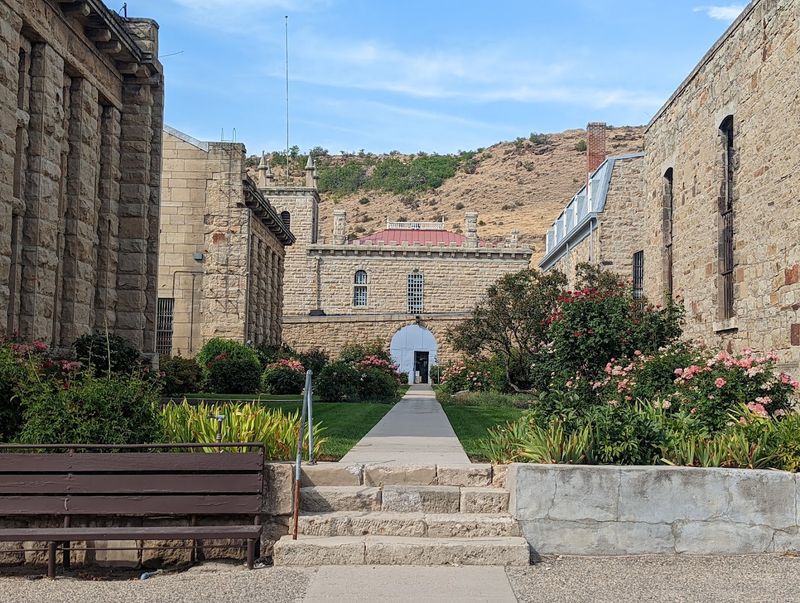
If you are wondering whether this is your kind of place, I would say yes if you like history with a strong sense of atmosphere and a little emotional weight. You do not need to be deeply into ghost stories to get something out of it, and you definitely do not need to be a prison history expert either.
You just need a little curiosity and the willingness to move slowly through a place that asks for your attention.
I would especially recommend it for anyone who gets more out of a site when it still feels rough around the edges. This is not the kind of visit where everything gets polished into something easy and tidy, and that is part of why it sticks.
Boise has plenty of pleasant ways to spend an afternoon, but this one gives you a conversation piece that lasts beyond the day itself.
If you go in daylight, you will probably leave impressed by the history and preservation, and if you stay for the evening side, you may leave with a few extra questions you cannot quite answer. Either way, the Old Idaho Penitentiary feels distinct in a way that many historic attractions do not, because it trusts the place itself to carry the experience.
Honestly, that confidence is what makes me want to tell friends about it, especially if they are heading through Idaho and want something memorable.
