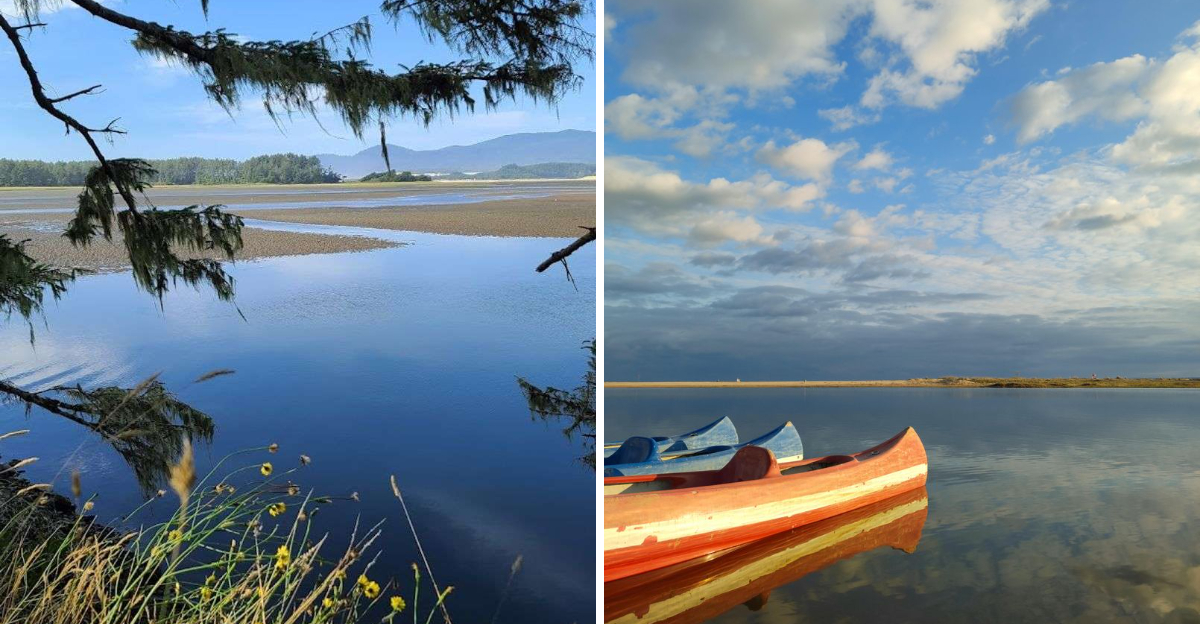
Most people think of crashing waves and windy beaches when they imagine the Oregon coast. That version exists and it is beautiful, but there is another side that stays quiet and calm.
This spot lets you paddle across still estuary waters while trails wind through grassy dunes just steps away. The water barely moves.
You glide along in a kayak or paddleboard and listen to birds instead of roaring surf. Herons stand frozen in the shallows waiting for breakfast.
Small fish jump near your boat and create tiny ripples that spread across the glassy surface. When your arms get tired, you pull up to a small trail and walk through wildflowers and shore pines.
The loop brings you back to the water for another peaceful float. No boat traffic here, no jet skis buzzing past. Just you, the tide, and a sky that seems bigger than usual. Oregon keeps this quiet side hidden from the highway crowds.
You have to want calm badly enough to seek it out. Bring a paddle and a sense of slow adventure. Leave the need for speed somewhere else.
The Estuary That Changes Everything
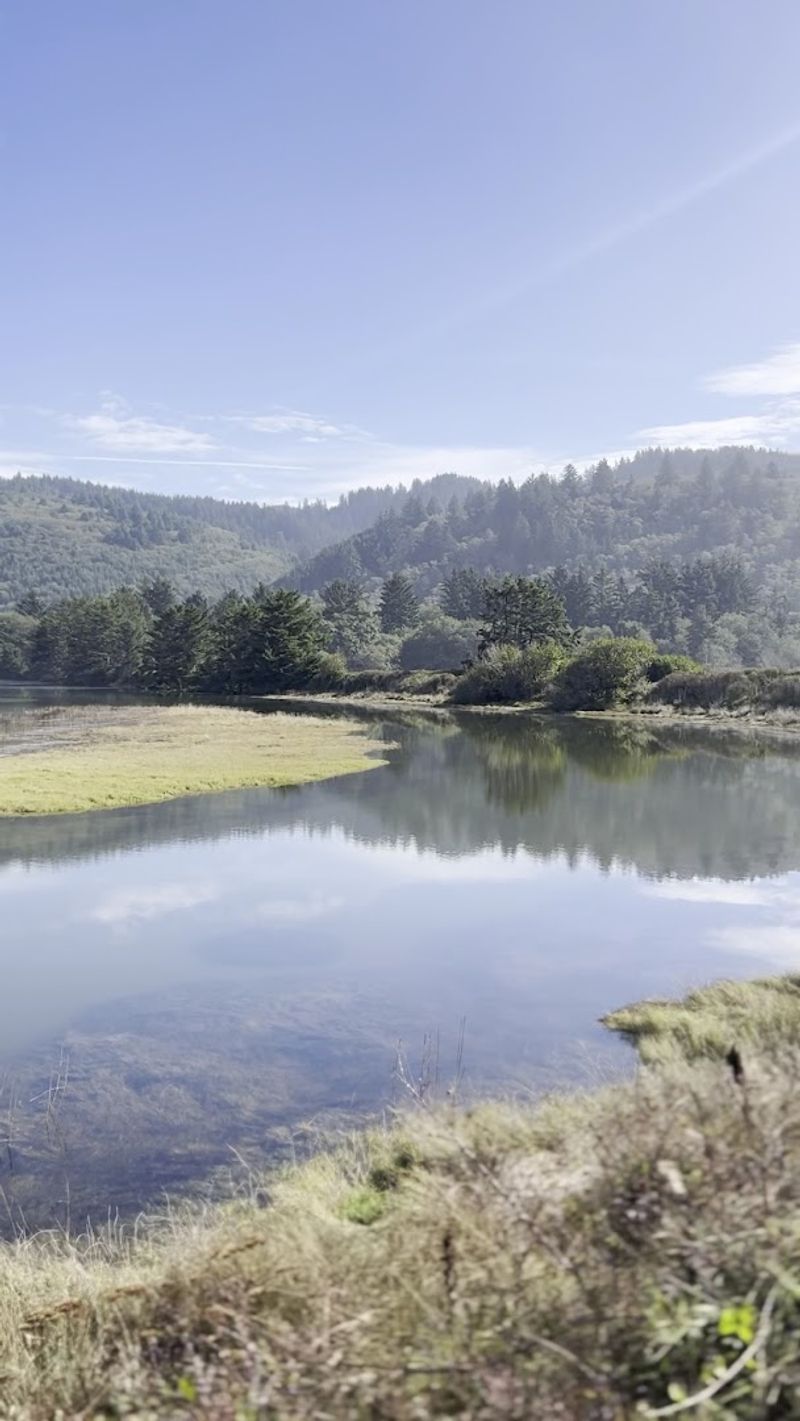
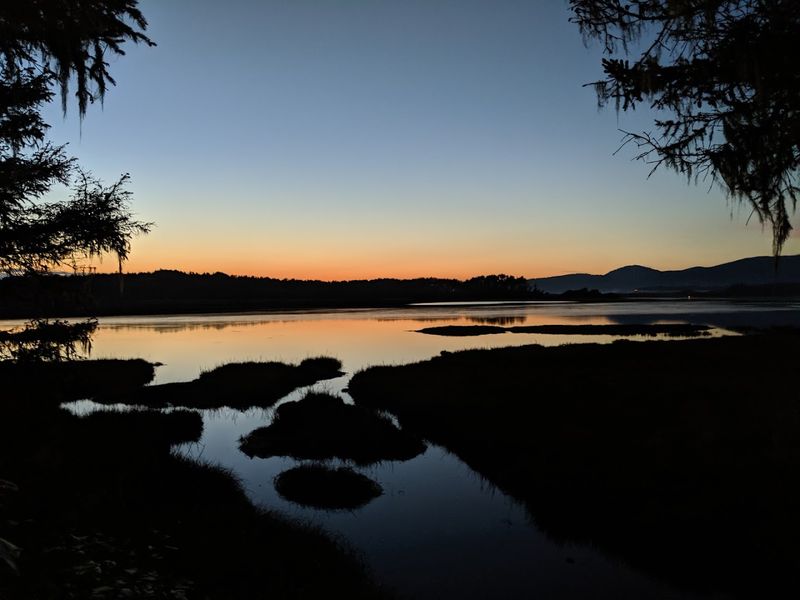
Walking across the old dike at Sitka Sedge is one of those moments that stops you mid-step. On your left, a fresh stream moves quietly through the reeds. On your right, a salt marsh stretches out flat and glassy, catching the sky.
This estuary was once part of a working cattle farm. The state of Oregon acquired it and let the land breathe again.
Now it hosts a rich mix of habitats that few coastal parks can match.
The transition between fresh and salt water creates a layered ecosystem. Plants, birds, and fish all gather here because of that balance. You can feel the shift in the air as you cross the dike. It gets cooler, saltier, and quieter all at once.
Bring binoculars. Herons stand perfectly still along the marsh edges. Kingfishers dart low over the water. This is the kind of place that rewards patience and slow walking above everything else.
Trail System Built for Every Pace
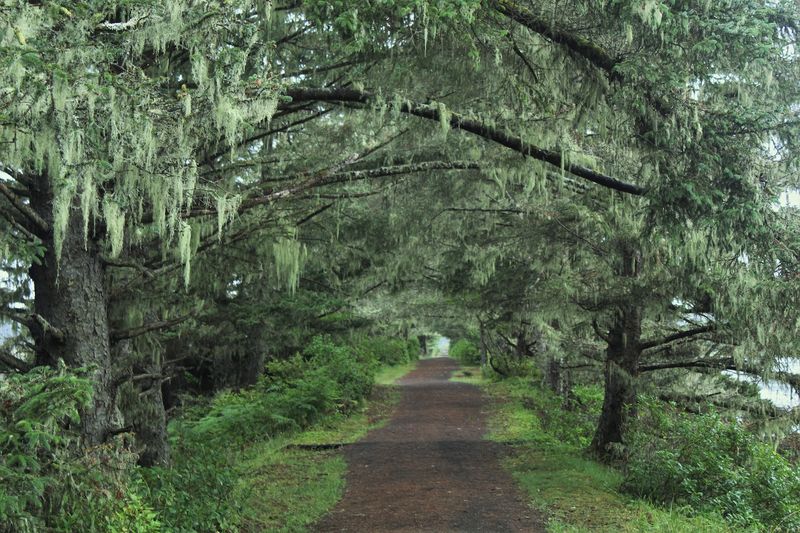
Sitka Sedge has two main loop trails, each about a mile long. Together they cover roughly three miles when combined with the beach access path. The terrain is mostly flat, which makes the whole network surprisingly easy to navigate.
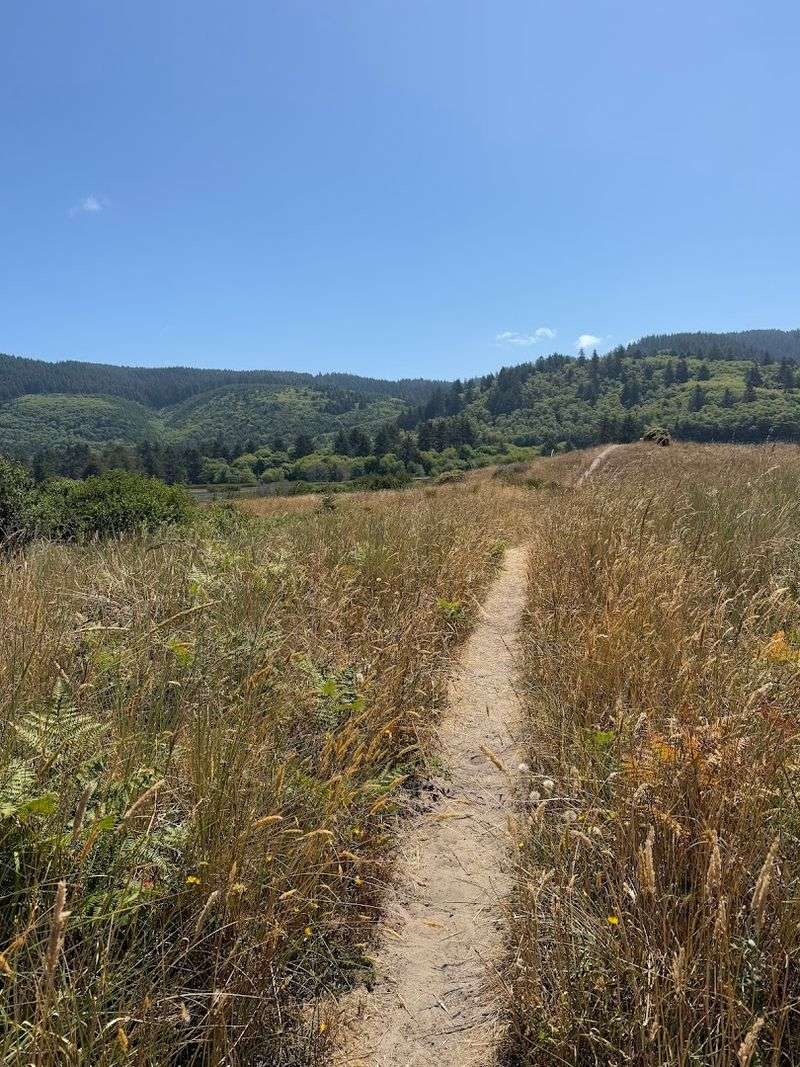
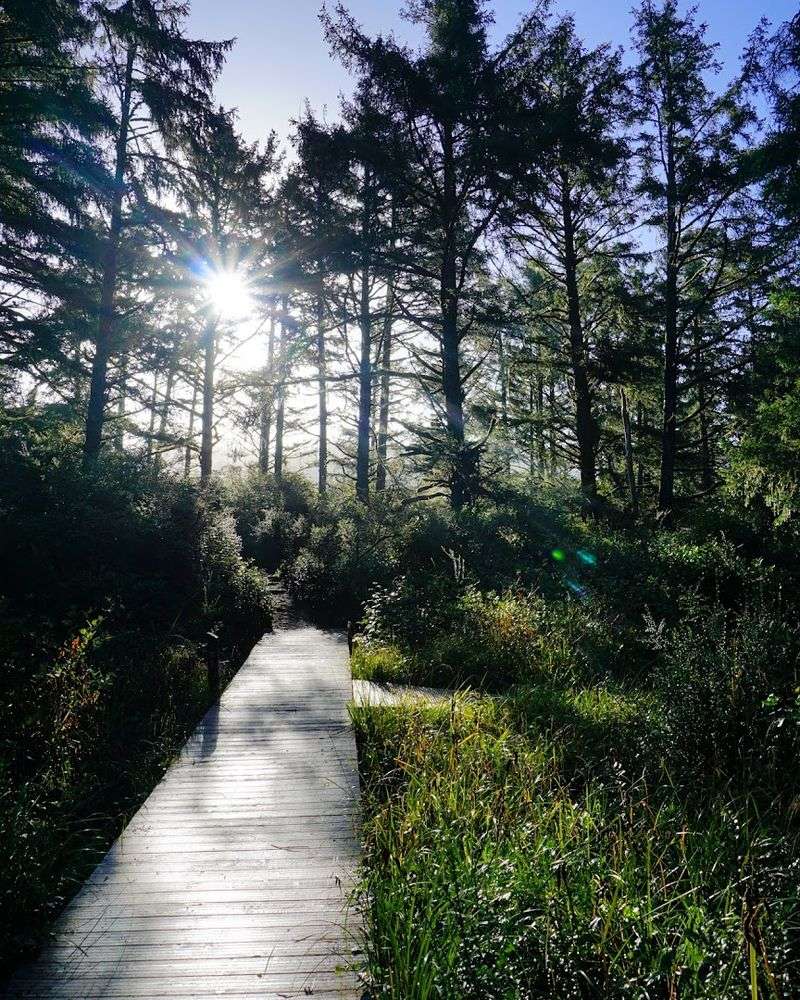
One loop takes you through shaded forest sections with tall Sitka spruce and dense undergrowth. The other opens into meadow and dune areas closer to the coast.
Both feel distinct, like two different parks sharing the same entrance. Trail posts at intersections include a small map with a you-are-here marker. That detail matters more than it sounds.
I took a wrong turn early on and the post set me straight within seconds. Snap a photo of the main map at the trailhead anyway, just to be safe. The sandy sections near the ocean side require a bit more effort. Your feet sink a little with each step.
It is worth the extra push because the beach at the end is quiet, wide, and almost always uncrowded even on summer weekends.
Birds That Make Every Step Worth It
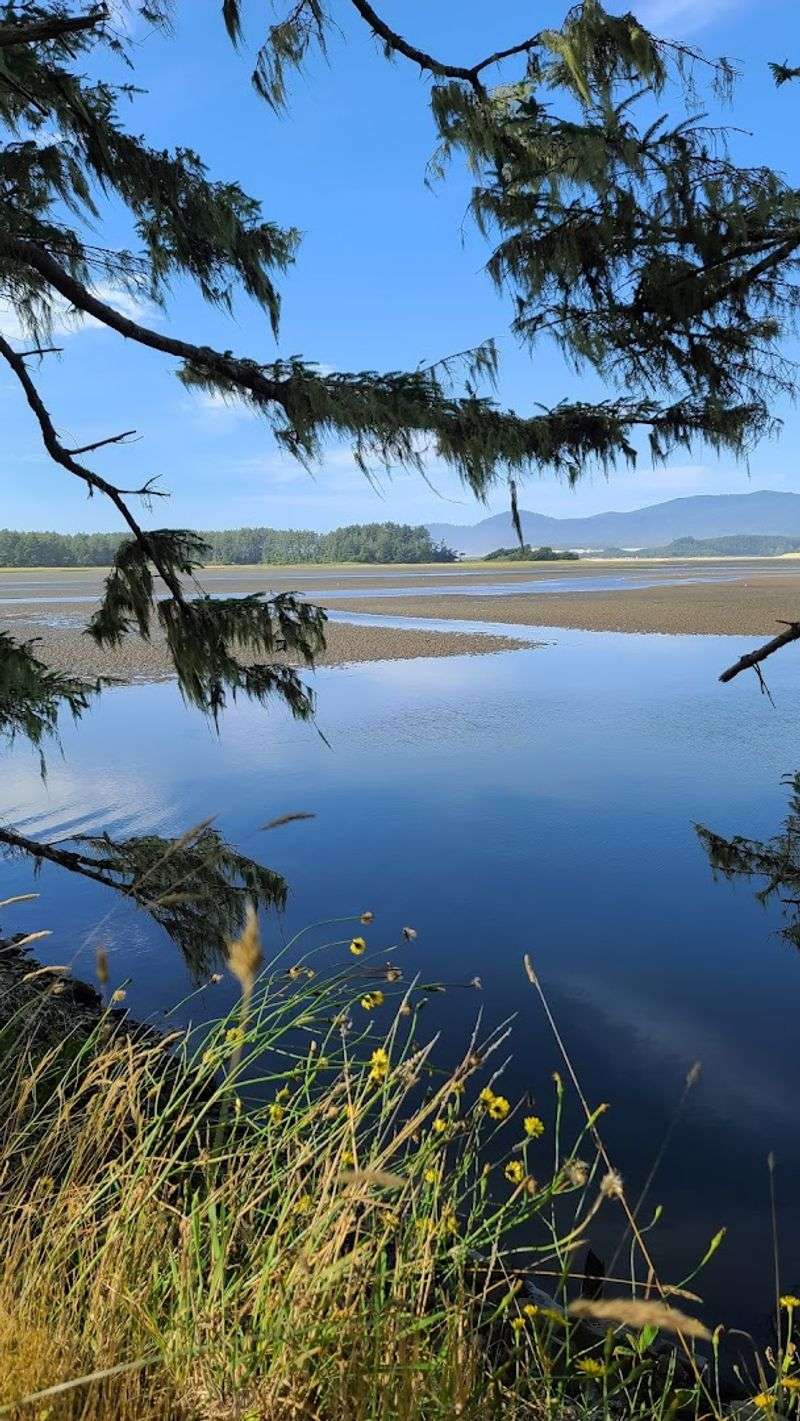
Sitka Sedge is quietly one of the better birding spots on the northern Oregon coast. The mix of habitats pulls in a wide variety of species that you would not normally find in one small area.
Eagles, gulls, terns, kingfishers, vultures, and snowy plovers have all been spotted here regularly.
The snowy plover is especially significant. Seasonal restrictions run from March 15 through September 15 each year to protect nesting birds.
The information board at the parking lot explains exactly where people, dogs, and horses are allowed during that period.
Black bears have also been spotted in the area, and fresh scat near the trail is a reminder that this is real wildlife habitat. Elk pass through too. Staying alert and quiet pays off in surprising ways here.
Early morning visits tend to yield the most activity. The light is softer, the trails are emptier, and the birds are louder. Pack patience alongside your binoculars. Sitka Sedge rewards the unhurried observer more than almost any other coastal park nearby.
Paddling the Calm Waters Near Sand Lake
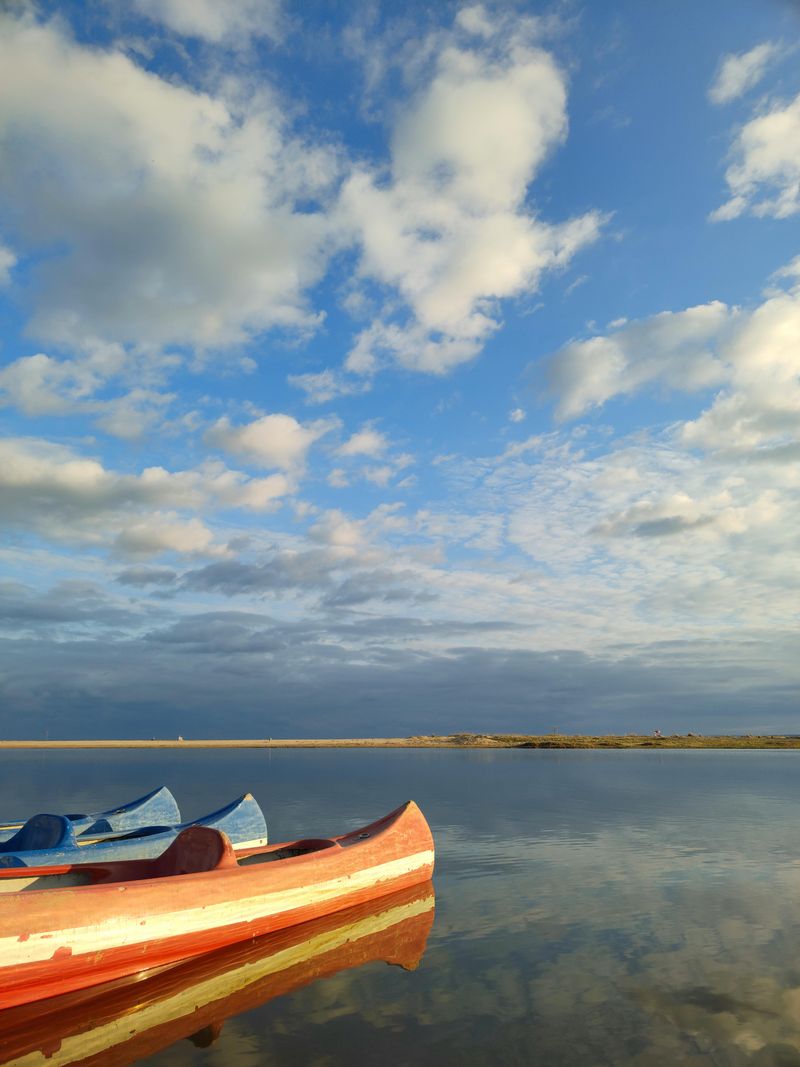
The waters near Sitka Sedge connect to Sand Lake, one of the most peaceful paddling spots on the Oregon coast. The lake sits just beyond the park boundary, but the estuary channels nearby offer their own quiet routes worth exploring.
Flat water, minimal wind, and few other boats make this area ideal for beginners. Canoes and kayaks both work well in these calm, shallow channels.
The scenery shifts constantly as you move through open water into narrower reed-lined passages. Paddling here feels nothing like ocean kayaking. There are no waves crashing.
No dramatic swells. Just the soft sound of a paddle pulling through still water and the occasional splash of a duck taking off nearby.
Whalen Island sits across the river channel and is visible from the beach trail inside the park. On a clear morning, the reflections on the water look almost too perfect to be real. It is a genuinely calming experience worth planning around.
A Beach That Earns Its Quiet
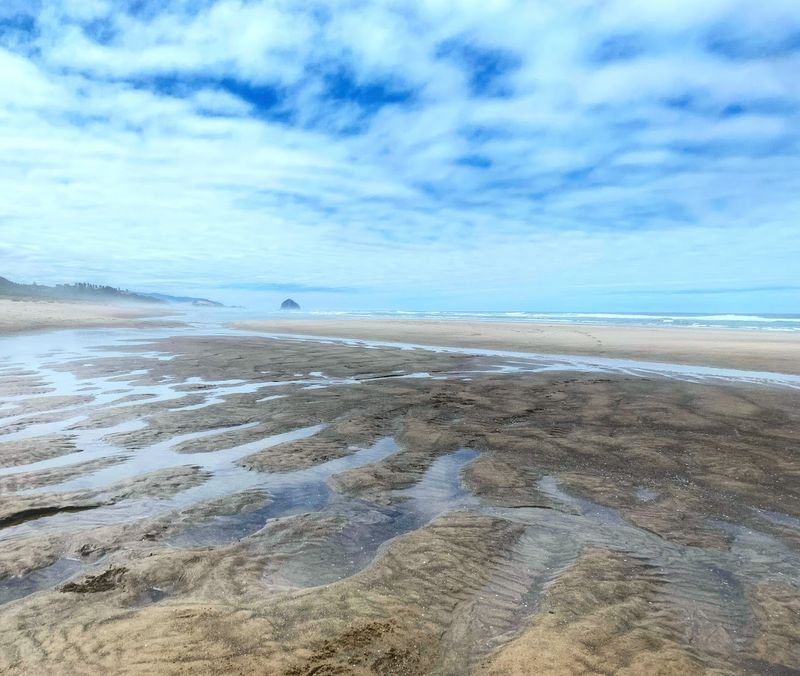
Not many people know that Sitka Sedge leads to a beach. It takes about 1.5 miles of walking to reach it, and that distance alone keeps the crowds away.
The beach is wide, sandy, and genuinely peaceful in a way that popular coastal spots rarely manage.
Views from the shore include Sandlake and Whalen Island across the river channel. On a clear day, a distant glimpse of Haystack Rock is visible to the north. The scale of the coastline from this angle feels raw and unfiltered.
The sand is soft and deep near the dunes. Sitting here with a snack and no particular plan feels like the right choice. There are no vendors, no parking meters, and no noise except wind and waves.
Dogs are allowed off-leash on the beach outside the snowy plover restriction period. That freedom makes this spot especially popular with pet owners who want a real coastal run for their dogs. Bring a blanket and stay longer than you planned. It is that kind of place.
Plant Life That Tells the Whole Story
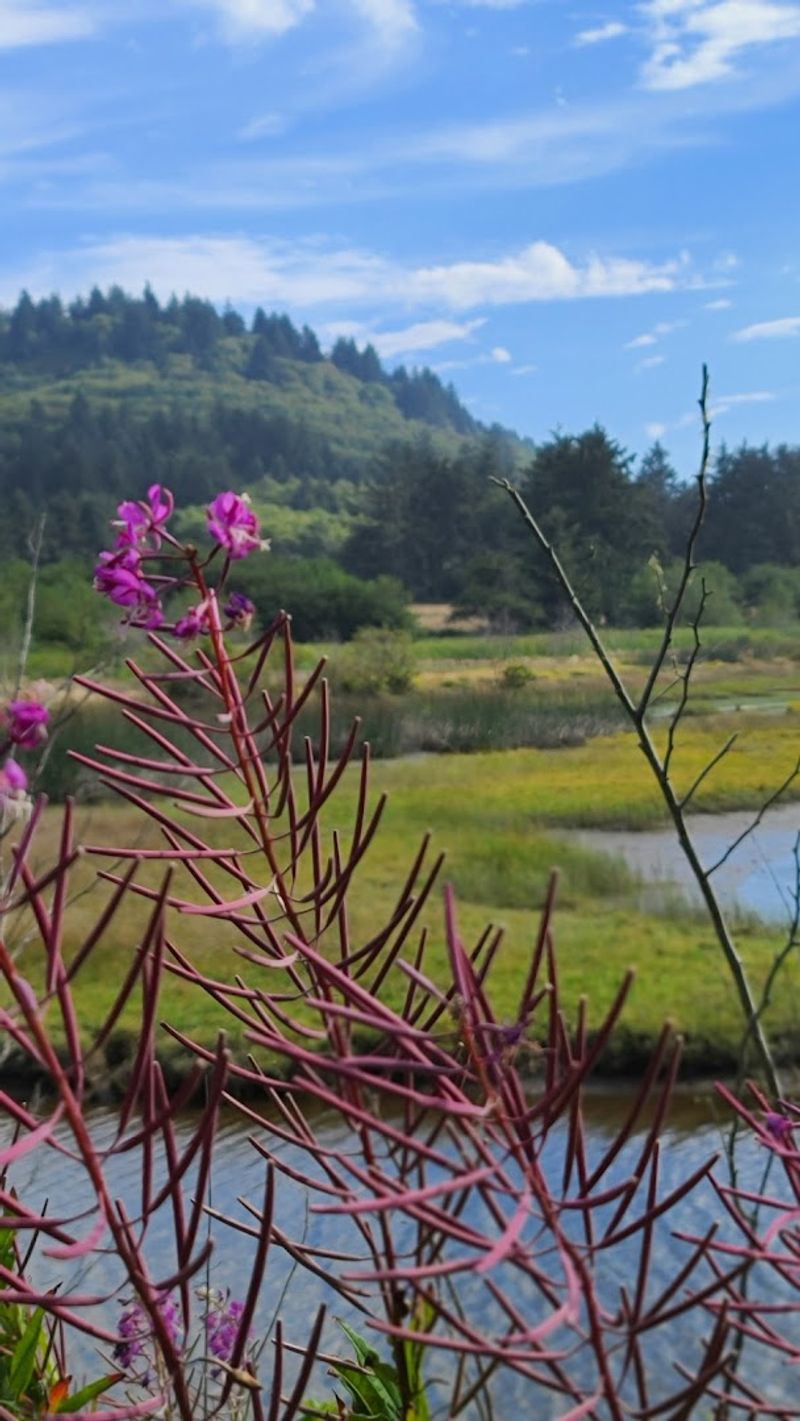
The name Sitka Sedge is not just a label. Sedge grasses line the wetland edges throughout the park, and Sitka spruce towers above the forest sections.
The plant life here tells a clear story about how coastal ecosystems layer themselves from water to woodland. Walking the trails, you pass through several distinct zones in a short distance. Open grassland gives way to dune scrub, then dense forest, then back out to open marsh.
Each transition happens quickly and feels noticeably different underfoot and overhead. Wildflowers edge the trail in spring and early summer. Ferns curl out from the base of trees.
Mosses cover fallen logs in thick green blankets. The variety of textures and colors makes this place genuinely beautiful for photography even without dramatic mountain views.
The park is a fragile environment. Staying on the trail matters here more than in many other places. The vegetation alongside the path is part of a balanced system that took years to recover after its farming days.
History Layered Beneath the Trails
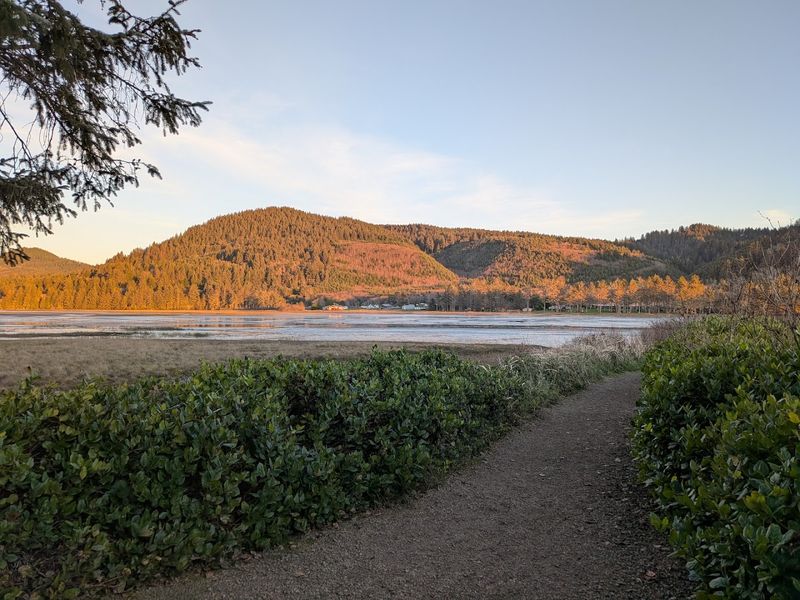
Before it became a state natural area, this land was a working cattle farm on an estuary. The old dike you walk across is a remnant of that era.
A rusted tide gate still prevents flooding in nearby Tierra Del Mar. These are small clues that point to a much longer story. Multiple proposals over the years tried to convert this land into a golf course or a resort. The state of Oregon stepped in and protected it instead.
That decision preserved one of the most ecologically rich stretches of the northern coast.
The original farm is sometimes called Beltz farm in local memory. The transition from agricultural land to protected natural area is visible in how the vegetation has slowly reclaimed the edges of old fields.
Nature does not rush, but it is persistent. Knowing this history changes how the walk feels. The dike is not just a path. It is a bridge between what this place was and what it has become.
Practical Details That Actually Matter
Sitka Sedge is a day-use park. Gates open at 8 AM and close at dusk.
There is no overnight camping and no fee to enter. The parking lot is small and does not accommodate oversized vehicles well. Arriving early on weekends is a smart move.
Two vault toilets sit at the trailhead and are well maintained. There is also a water spout near the start of the trail.
Picnic tables are available close to the parking area, which makes a simple lunch before or after the hike easy to manage. The park follows a pack-in, pack-out rule. There are no trash bins on site.
Bringing a small bag to carry your waste out is not optional here. That policy is a big reason why the park stays as clean as it does.
Cell reception is limited inside the park. Download a map or screenshot the trailhead board before heading in. The trail posts help with navigation, but having a backup never hurts.
What to Bring for the Best Experience
Bug spray is not optional at Sitka Sedge. The combination of shade, water, and warm air creates ideal conditions for mosquitoes.
Several visitors have mentioned getting bites even on short walks. Applying repellent before you start the trail saves a lot of irritation. Good walking shoes help more than people expect. The trail surface shifts from packed gravel to soft sand to rooted forest floor.
Sandals work in a pinch, but trail runners or hiking shoes give better grip and support across all the different zones.
A reusable water bottle and a light snack go a long way. The full loop with beach access takes about an hour and a half at a relaxed pace. Longer if you stop to watch birds or rest on the beach, which you absolutely should.
Binoculars are worth the extra weight in your bag. The birding opportunities here are real, and spotting an eagle or kingfisher from across the marsh is a genuinely satisfying moment.
Why Sitka Sedge Stays with You
Some places are beautiful and forgettable. Sitka Sedge is beautiful and specific. The combination of working dike, recovering wetland, coastal forest, and open beach creates something you cannot find packaged together anywhere else on this stretch of coast.
The pace of the place does something to you. There is no pressure to move fast.
No gift shop pulling you in. No tour group filling the trail. Just the sound of wind through spruce trees and water moving under the dike.
Visitors who stop here by accident, just spotting the sign from the highway, tend to say they are glad they did. That spontaneous discovery feeling is rare and worth protecting. Sitka Sedge has not been overrun yet. With care, it probably will not be.
This is the kind of park that earns a second visit, maybe a third. Each season brings different birds, different light, and different energy to the trails.
Address: Sitka Sedge State Natural Area, Sandlake Rd, Cloverdale, OR 97112
