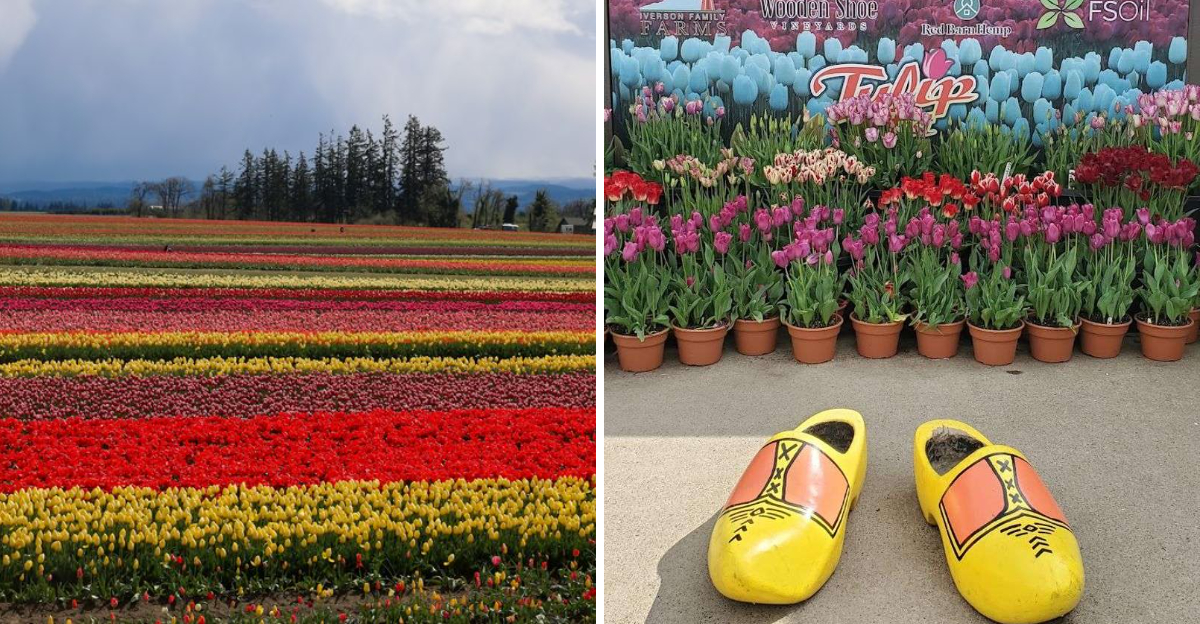
Spring in Oregon doesn’t just arrive quietly. It explodes into color, and nowhere is that more obvious than the tulip fields in full bloom. Endless rows of pinks, reds, yellows, and purples stretch across the landscape. It feels like nature decided to go all in on beauty.
I didn’t expect something so simple as flowers to feel this overwhelming. Standing in the middle of it changes your whole pace. There’s a playful energy in the air as people wander paths, take photos, and soak in the view. Time starts to feel less important for a while.
Each field has its own rhythm, its own palette, and its own moment that makes you stop and stare. I kept moving from one spot to another. I thought I had seen the best view, only to be surprised again a few steps later.
It’s the kind of spring experience that turns a casual visit into a full memory you don’t forget.
1. Wooden Shoe Tulip Festival, Woodburn, Oregon
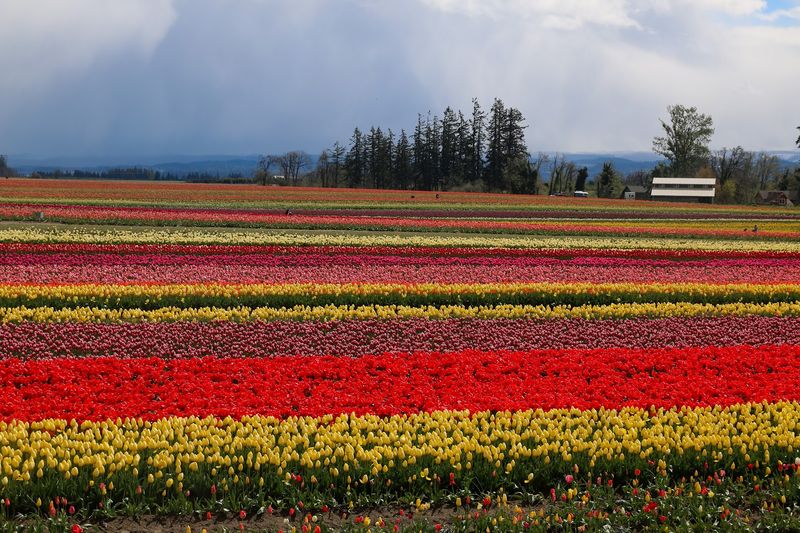
Forty acres of tulips in one place sounds almost unbelievable, but Wooden Shoe Tulip Festival in Woodburn, Oregon makes it completely real every spring.
This is one of the most celebrated tulip events in the entire Pacific Northwest. The fields typically reach peak bloom from late March through early May, though exact timing shifts with the weather each year.
The festival is not just about standing in a field and staring at flowers. Hot air balloon rides give you a bird’s-eye view of the colorful rows stretching across the Willamette Valley floor.
Families will find plenty to keep kids busy, including farm animals, food vendors, and seasonal activities spread across the grounds. The farm has a genuinely festive energy that makes it feel like a celebration rather than just a farm visit.
One important note: tickets must be purchased online in advance. Walk-up sales are not always available, so planning ahead is essential.
Woodburn sits about 30 miles south of Portland, making this an easy day trip from the city. Arrive early on weekends to avoid the biggest crowds and get the best light for photos.
The morning hours offer softer shadows and fewer people clogging the pathways between rows.
Check the official Wooden Shoe website before you go, since bloom progress updates are posted regularly during the season.
2. Packer Orchards Tulip Festival, Hood River, Oregon

Hood River is already famous for its fruit orchards and dramatic Columbia River Gorge views, but Packer Orchards adds something extra special each spring.
The Packer Orchards Tulip Festival transforms this working farm into a sea of vivid color, with acres of tulips blooming in shades that range from deep burgundy to soft lavender and bright coral.
One of the most popular features here is the u-pick option. Visitors can walk through the rows and handpick their own bouquet to take home, which makes the experience feel personal and memorable in a way that simply viewing fields does not.
The farm also offers fresh treats made from their own produce, so you can snack while you wander. Self-guided farm tours let you move at your own pace without feeling rushed.
Hood River sits along the Columbia River in northern Oregon, about an hour east of Portland. The surrounding landscape adds drama to every photo, with the river gorge and snow-capped peaks providing a stunning natural backdrop.
Spring weather in Hood River can be unpredictable, so layering your clothing is a smart move. Rain showers are common, but they often clear quickly and leave the tulips looking freshly polished.
The combination of picking your own flowers, farm-fresh food, and mountain scenery makes Packer Orchards a uniquely satisfying tulip experience in the Pacific Northwest.
3. Mt. View Orchards, Hood River, Oregon
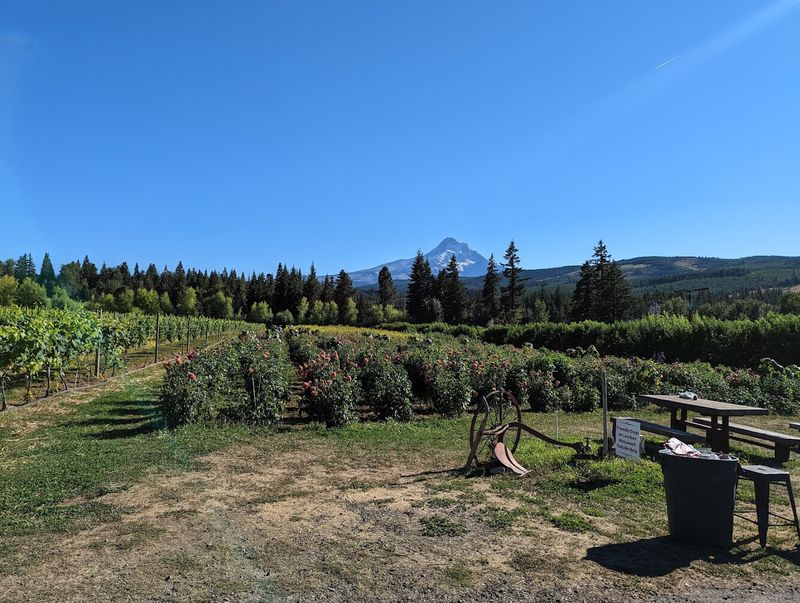
Standing in a tulip field with Mount Hood looming directly overhead is an experience that sticks with you long after the petals have fallen.
Mt. View Orchards in Hood River, Oregon covers about 50 acres, and the tulip fields here benefit enormously from that iconic volcanic backdrop.
The contrast between the bright blooms and the snow-capped summit makes every photograph look almost too good to be real.
This farm has a quieter, more relaxed atmosphere compared to some of the larger festival-style events in the region. Visitors can walk the rows at a leisurely pace and really take in the scenery without feeling like they are being herded through a ticketed attraction.
Fresh-cut flowers are available for purchase, so you can leave with a beautiful arrangement as a tangible reminder of your visit. The farm setting feels authentic and unhurried, which is a refreshing change from busier spring events.
Hood River is a fantastic base for exploring the Columbia River Gorge, so combining a tulip visit with a hike or a scenic drive along the Historic Columbia River Highway makes for an excellent full-day outing.
Peak bloom typically falls somewhere in April, though checking in with the farm directly before your trip will give you the most accurate timing.
4. The Oregon Garden, Silverton, Oregon
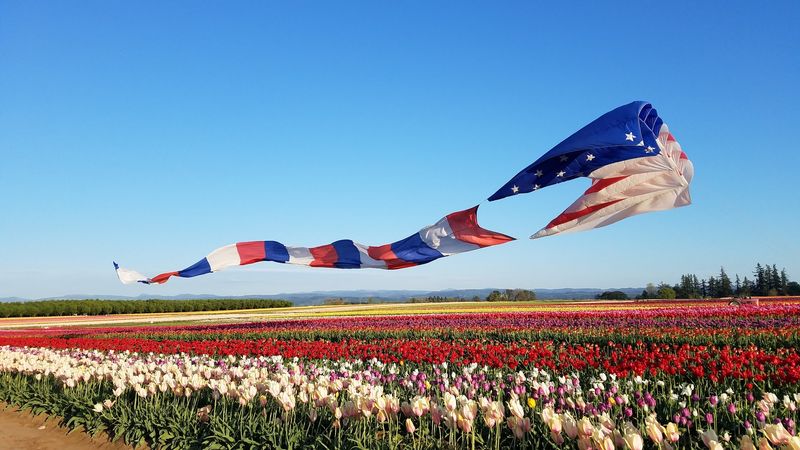
Not every tulip experience needs to feel like a crowded festival, and The Oregon Garden in Silverton proves that beautifully.
Spanning over 80 acres, this botanical garden is one of the most diverse plant collections in the entire state. During spring, tulips take a starring role, popping up in carefully arranged beds that complement the garden’s broader landscape design.
The variety of tulip species on display here is genuinely impressive. You will find classic cup-shaped varieties alongside fringed, parrot, and double-flowering types, which gives the garden a richness that single-variety farms cannot match.
Silverton is a charming small town in the Willamette Valley, about 45 minutes south of Portland. The town itself is worth exploring before or after your garden visit, with local cafes and a historic downtown that feels genuinely welcoming.
The Oregon Garden also features a Frank Lloyd Wright-designed Gordon House, which is the only Wright-designed building in the Pacific Northwest that is open to the public. Combining architectural history with spring blooms makes for a surprisingly layered day trip.
Admission fees apply, and the garden is open year-round, but spring is undeniably its most photogenic season. Weekday visits tend to be quieter and more relaxed than weekend outings.
5. Adelman Peony Gardens, Salem, Oregon
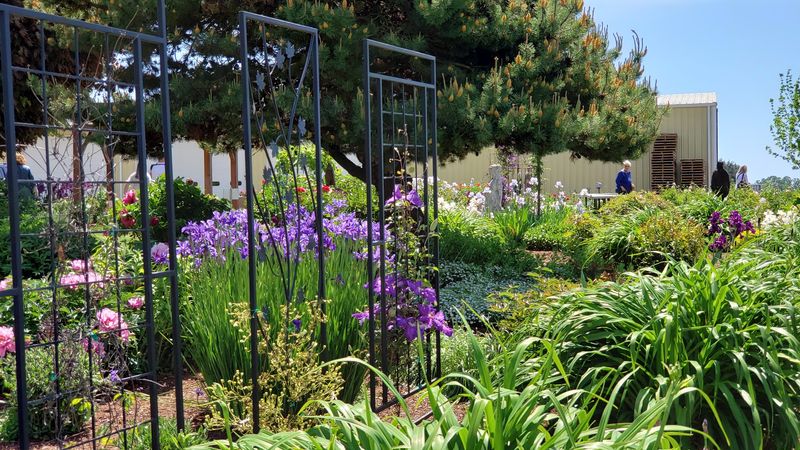
Salem’s Adelman Peony Gardens carries a reputation built on decades of floral excellence, and spring visitors get a front-row seat to something genuinely spectacular.
While peonies are the headlining act here, the garden’s 30-plus acres also feature tulips and other spring blooms during the earlier part of the season. Arriving in late April gives you the best chance of catching both tulips and early peony buds in the same visit.
The display gardens are laid out in a way that encourages slow, meandering walks. There is no rush here, no timed entry, and no sense that you need to power through the rows to see everything.
Salem is Oregon’s state capital and sits in the heart of the Willamette Valley, making Adelman Peony Gardens an easy addition to any central Oregon road trip. The drive through the valley’s farmland on the way there is scenic in its own right.
Fresh-cut flowers are available for purchase, and the quality is exceptional given that these plants are grown specifically for their blooms rather than commercial production. Taking home a bouquet feels like bringing a piece of the garden with you.
Peak peony bloom falls around Memorial Day weekend, but tulip visitors should aim for mid-to-late April for the best color. Confirming current bloom status with the garden before your trip is always a good idea.
6. Willamette Valley Tulip Fields, Woodburn Area, Oregon
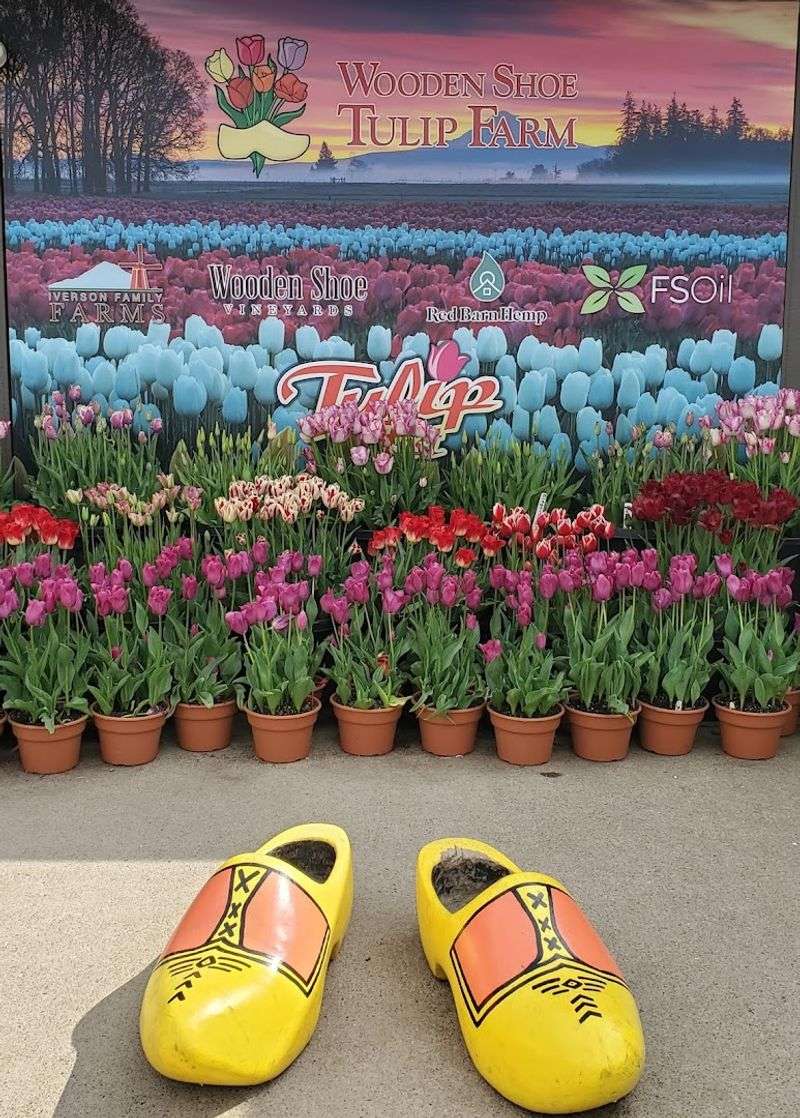
The Willamette Valley has been feeding Oregon for generations, and each spring it adds color to that legacy in the most vivid way possible.
Beyond the organized festivals, the broader Woodburn area is dotted with smaller tulip farms and roadside fields that burst into bloom from late March onward. Driving the back roads here during peak season is a low-key alternative to ticketed events, and the views are just as rewarding.
The flat, fertile valley floor gives tulip rows a clean, graphic quality that photographs beautifully. Rows of contrasting colors run parallel to each other across the landscape, creating a patchwork effect that feels almost painted.
Many local farms in this area welcome visitors for self-guided walks or u-pick experiences without the large festival infrastructure. This means shorter lines, lower costs, and a more intimate connection with the land and the flowers.
The Willamette Valley stretches roughly from Portland south toward Eugene, with the Woodburn area sitting in the northern section. Highway 99E runs through the heart of this agricultural corridor and offers easy access to multiple farms in a single afternoon.
Spring mornings in the valley are often misty, which adds a soft, dreamy quality to the fields that afternoon visits simply cannot replicate. Early risers are rewarded with quieter roads and atmospheric light.
7. Schreiner’s Iris Gardens, Salem, Oregon
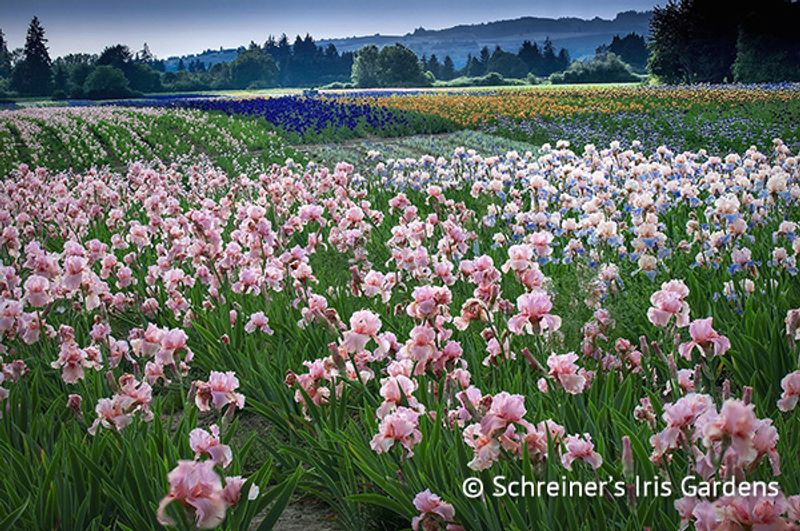
Schreiner’s Iris Gardens in Salem, Oregon has been growing flowers since 1925, and that century of experience shows in every carefully cultivated row.
While irises are the main attraction later in spring, the gardens also feature tulips and other early-season blooms that make April visits genuinely worthwhile. The scale of the operation is impressive, with hundreds of varieties spread across the grounds in a display that feels both organized and abundant.
Salem is centrally located in the Willamette Valley, and Schreiner’s sits just north of the city, making it an easy stop on any spring road trip through central Oregon. The surrounding neighborhood is quiet and residential, which gives the garden a peaceful, unhurried quality.
One of the best things about visiting Schreiner’s is the educational aspect. Staff members are genuinely knowledgeable and happy to explain the differences between varieties, share growing tips, and help you choose the right flowers to take home.
The on-site shop sells bulbs and bare-root plants, so you can recreate a little slice of this garden in your own backyard. It is one of the more practical souvenirs you can bring home from a flower farm visit.
Bloom timing varies by year, so checking their website for current field conditions before making the drive is always a smart move. Early morning visits on weekdays offer the most peaceful experience.
8. Chehalem Ridge Tulip Fields, Newberg, Oregon

Most tulip fields in Oregon sit on flat valley floors, but Chehalem Ridge near Newberg offers something refreshingly different: blooms on a slope.
The gentle hillside terrain gives the tulip rows a cascading visual effect that flat fields simply cannot produce. Looking across the ridge during peak bloom feels like watching color spill slowly down toward the valley below.
Newberg sits in the northern Willamette Valley, about 25 miles southwest of Portland, and the Chehalem Mountains area surrounding the town is known for its scenic farmland and wine country roads. Adding a tulip stop to a broader Chehalem Valley drive makes for a genuinely satisfying spring day out.
The fields in this area tend to attract fewer visitors than the larger festival-style operations, which means a more relaxed atmosphere and more room to wander. You are less likely to be competing for the perfect shot with dozens of other photographers.
Spring in the Chehalem Valley can be rainy, but overcast skies actually produce some of the most saturated and dramatic tulip colors. Cloud cover acts as a natural diffuser, softening harsh shadows and making reds and pinks pop with unusual intensity.
9. Brooks Tulip Farm, Brooks, Oregon
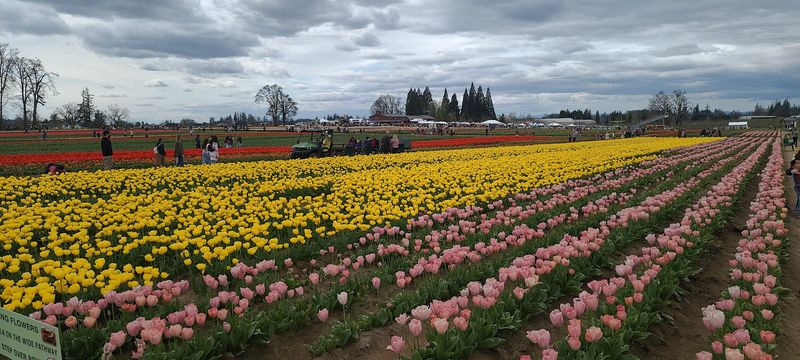
Brooks, Oregon is a small community just north of Salem, and it sits in the middle of some of the most productive agricultural land in the entire state.
The tulip farms around Brooks benefit from the Willamette Valley’s rich volcanic soil and mild, wet winters, which create ideal growing conditions for spring bulb crops. The result is fields that produce dense, tall, and vibrantly colored blooms year after year.
Visiting the Brooks area during tulip season has a distinctly local feel. You are more likely to encounter Oregon families on a weekend outing than tour buses and organized groups, which keeps the atmosphere grounded and genuine.
The flat landscape here allows for long, unobstructed views across multiple fields simultaneously. On a clear day, you can see the Cascade foothills in the distance, which adds depth and context to the otherwise horizontal scenery.
Brooks is conveniently located near Interstate 5, making it one of the most accessible tulip destinations in the state for travelers passing through on a road trip. A short detour off the highway rewards you with a completely different kind of scenery.
10. Canby Tulip Farm, Canby, Oregon
Canby has long been one of Oregon’s most productive agricultural towns, and its tulip farms carry that hardworking, unpretentious spirit into every spring season.
The farms around Canby, located about 20 miles south of Portland in Clackamas County, offer a range of tulip experiences from casual roadside viewing to structured u-pick operations. The accessibility from the Portland metro area makes this one of the most visited tulip regions in the state during peak bloom.
What sets Canby apart from some of the more festival-heavy destinations is the variety of farm types available. Some operations are small and family-run, others are larger commercial farms that open their fields to visitors on weekends.
Exploring the area without a fixed itinerary often leads to the most memorable discoveries.
The Canby area also hosts a broader agricultural identity, with nurseries, berry farms, and pumpkin patches rounding out a year-round farm-visit culture. Tulip season fits naturally into that identity and draws visitors who already have a connection to the local farming community.
Parking can get tight on sunny April weekends, so arriving before 9 a.m. gives you a significant advantage. Midweek visits are quieter and often more enjoyable for anyone who prefers a slower pace.
