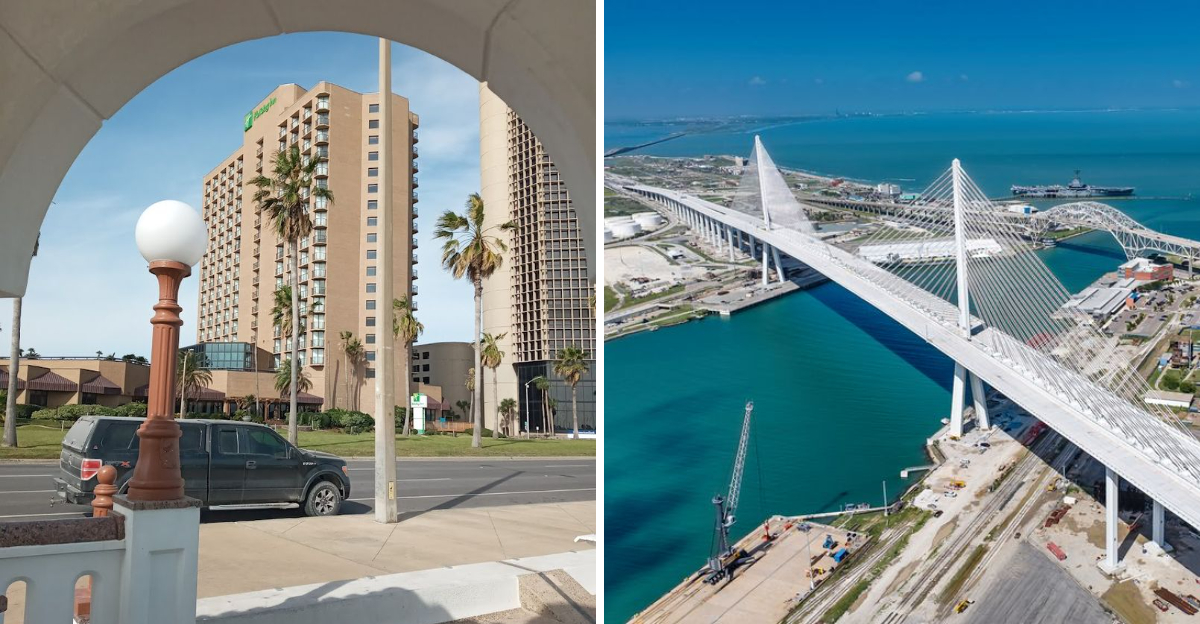
You can feel it before anyone even says it out loud, something about this place is shifting.
New buildings, different businesses, a faster pace creeping into streets that used to move a little slower. For some people, it looks like progress.
For others, it feels like the version of the town they knew is starting to fade.
That tension sits quietly in the background of everyday life. Texas towns have always changed over time, but when it happens this fast, people notice, and they don’t always agree on what should come next.
A Water Crisis That Has Locals on Edge
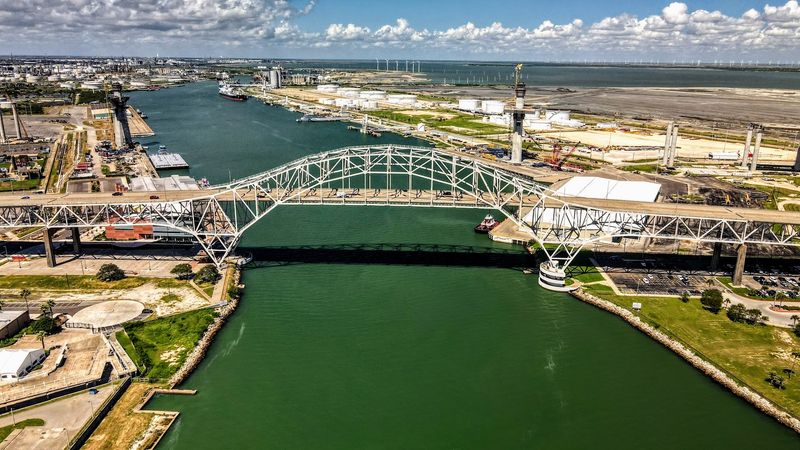
There is something quietly unsettling about turning on a tap and wondering how long that water will keep flowing. That is the reality many Corpus Christi residents are facing right now.
Two of the city’s three main reservoirs have dropped below 10% capacity, and Stage 3 drought restrictions are now in effect.
Nonessential outdoor watering is prohibited. Gardens are wilting.
Car washes have gone quiet. The mood in neighborhoods feels noticeably tense, especially among older residents who remember the city before these restrictions ever existed.
Local restaurants are feeling it too, since water is woven into nearly every part of food service. Some businesses have had to rethink operations just to stay functional.
The drought has been prolonged, and industrial demand has only made things worse.
For many families, this is not an abstract policy issue. It is a daily inconvenience that is turning into a daily stress.
Conservation messaging is everywhere, on signs, social media, and city announcements. People are adapting, but they are not happy about it.
The sense that something fundamental has shifted in Corpus Christi is hard to shake when the water you depend on is disappearing.
Industrial Growth and the Price the Community Pays
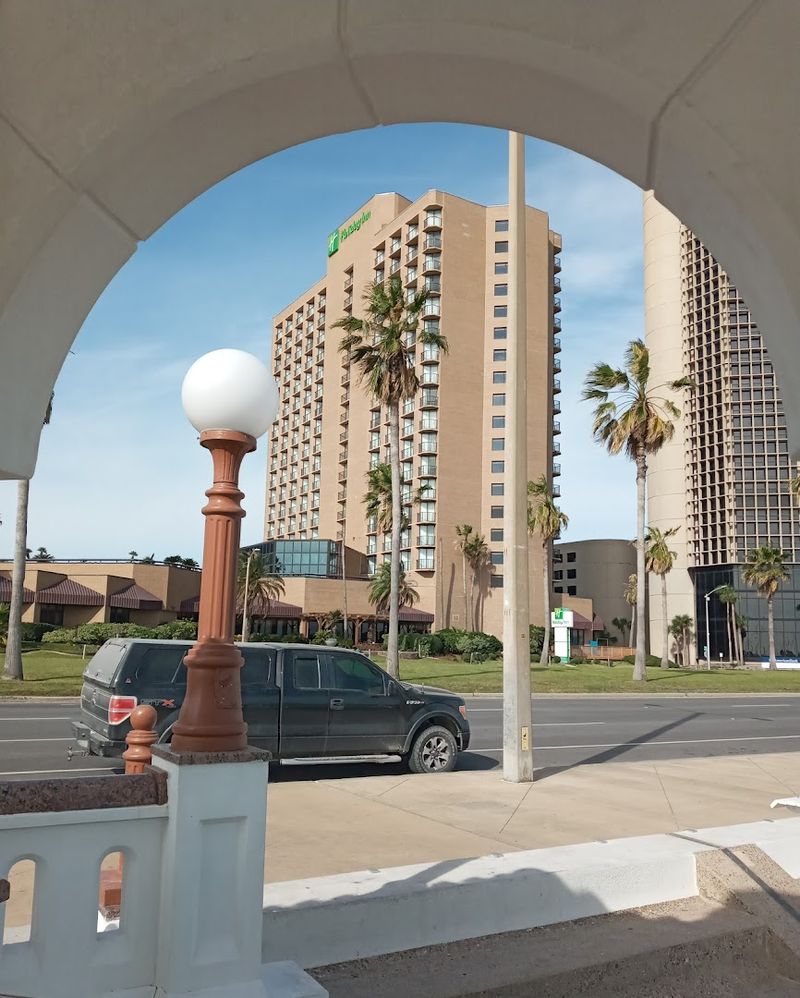
Big industry and small communities have always had a complicated relationship. In Corpus Christi, that tension has reached a new level with the arrival of major industrial operations, including a lithium refinery that has drawn both economic excitement and serious concern.
The problem, as many locals see it, is one of fairness. Residents are being asked to cut back on water use in meaningful, inconvenient ways.
Meanwhile, large industrial facilities continue operating with far fewer restrictions. That imbalance has sparked real frustration across the city.
Activists have been vocal. Community meetings have grown louder.
The feeling among many longtime residents is that the city’s leadership is prioritizing corporate investment over the wellbeing of the people already living here.
It is worth understanding the broader picture too. Industrial expansion does bring jobs and tax revenue, and that matters in a city like Corpus Christi.
But when those benefits come at the cost of a shared natural resource that everyone depends on, the trade-off stops feeling worth it. The conversation around who gets protected and who gets asked to sacrifice is one that Corpus Christi is having right now, whether city leaders are fully ready for it or not.
Downtown Revival That Feels Unfinished
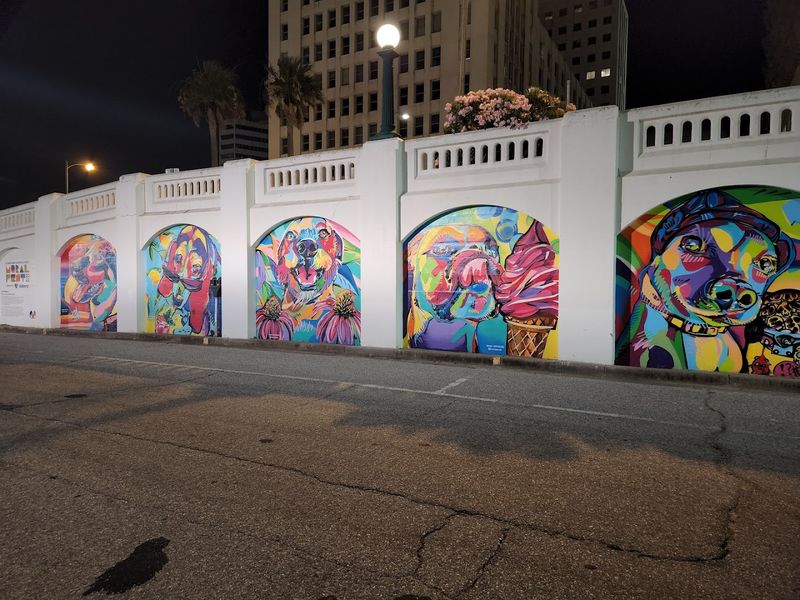
Anyone who has spent time in downtown Corpus Christi knows it has a personality that is hard to pin down. There are stretches that feel genuinely alive, then blocks that feel like they have been waiting for something to happen for years.
The city has been pushing a revitalization effort, but many locals feel the results are uneven at best.
Vacant storefronts remain a visible problem. Foot traffic is inconsistent.
The effort to attract anchor businesses like Bass Pro Shops has brought some attention, but smaller business owners worry they are being overlooked in the process.
For longtime residents, downtown is personal. It is where they remember going as kids, where certain restaurants and shops defined what the city meant to them.
Watching those spaces sit empty, or get replaced by chains that feel imported rather than local, stings in a specific way.
Revitalization is genuinely hard work, and there are real signs of progress. New murals have brightened certain blocks.
A handful of local entrepreneurs have opened creative spaces that feel authentically Corpus Christi. But the pace is slow, and the vision does not always feel like it includes the people who have been here the longest.
That gap between intention and reality is where most of the frustration lives.
Postal Service Cuts Hitting Close to Home
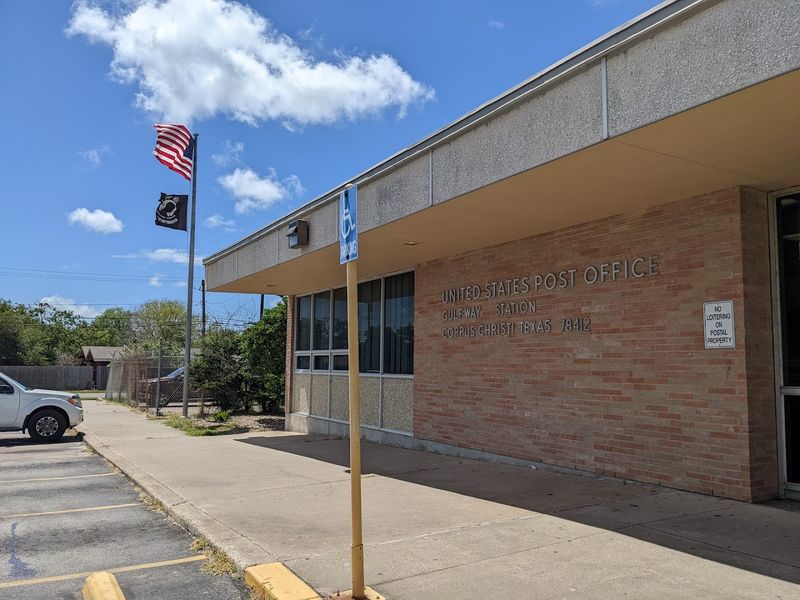
Mail might sound like a small thing, but ask anyone who depends on it regularly and you will get a very different answer. For many Corpus Christi residents, especially seniors and small business owners, reliable mail delivery is not a convenience.
It is a lifeline.
The U.S. Postal Service has proposed consolidating mail sorting operations to San Antonio, moving that function away from Corpus Christi entirely.
Residents who showed up to town hall meetings on the subject were not quiet about their concerns. Delayed deliveries, reduced local jobs, and a general sense of being deprioritized were the themes that came up again and again.
Local postal workers are caught in the middle. Many have built careers and community ties through their routes.
The idea of restructuring that work out of the city feels like another piece of the familiar being pulled away.
There is a pattern forming that many longtime residents have noticed. Decisions that affect daily life in Corpus Christi increasingly seem to be made far from the city itself.
Whether it is federal agencies or state-level policies, the sense of local control is shrinking. For a community that has always had a strong independent streak, that loss of agency is one of the harder changes to accept.
The Seawall and Shoreline Under Pressure
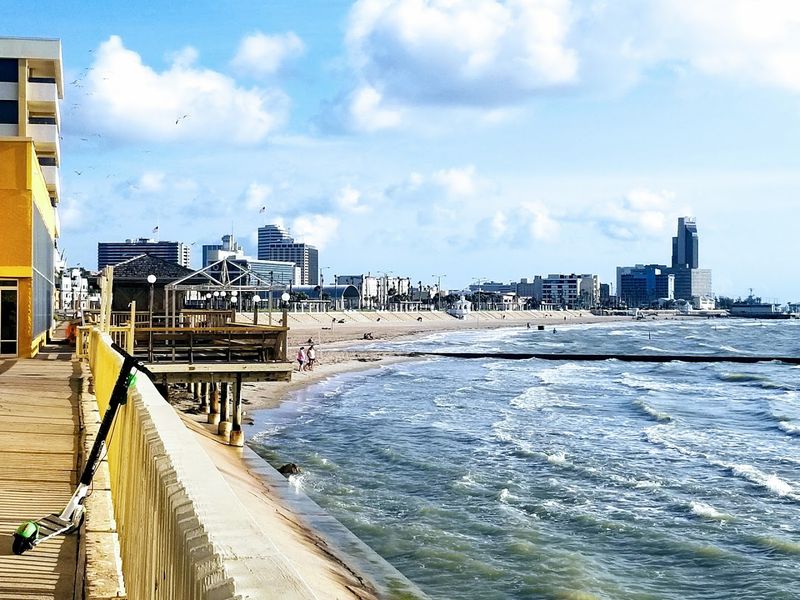
The seawall has always been one of those places where Corpus Christi feels most like itself. Families walk it at sunset.
Fishermen set up along the rails. Kids run ahead while adults try to keep up.
It is a stretch of public space that belongs to everyone, and that sense of shared ownership matters deeply here.
But the shoreline is under real pressure. Erosion, rising water levels, and storm activity have all taken a toll over the years.
Maintenance and reinforcement projects are ongoing, but they are expensive and slow. Residents who have watched the bay their whole lives can see the changes, and those changes are not subtle.
Development near the water adds another layer of tension. New construction projects that edge closer to the shoreline raise questions about long-term sustainability.
Some locals feel that short-term economic gains are being prioritized over the protection of a natural asset that defines the city’s identity.
The bay is not just scenery. It shapes the economy through fishing and tourism, and it shapes the culture through generations of connection.
When that resource feels threatened, the reaction is not simply environmental. It is deeply personal, rooted in memory and belonging in a way that is difficult to fully explain to someone who did not grow up here.
Tourism Boom and the Tension It Creates
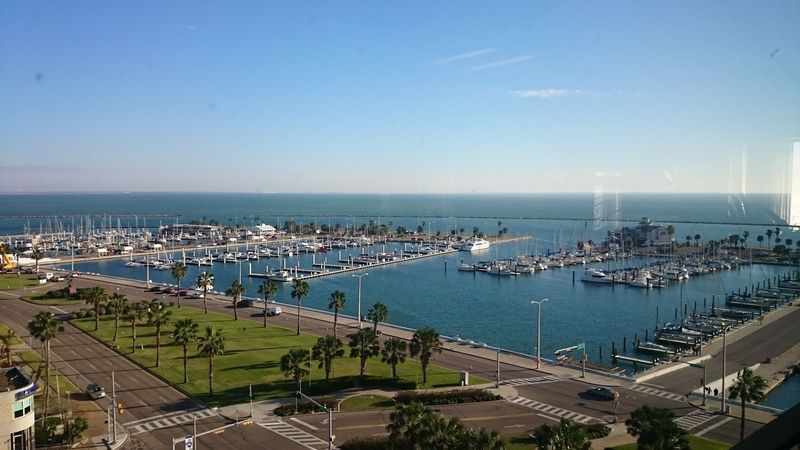
Corpus Christi has become a serious destination. Visitor numbers have climbed, new hotels have opened, and the local tourism economy has grown in ways that look impressive on paper.
But growth has a way of changing things, and not always in directions that longtime locals appreciate.
More tourists means more traffic, more noise, and more pressure on public spaces that residents have always treated as their own. North Beach, the bay front, and the areas around the USS Lexington have all seen increased activity.
Some locals feel like guests in spaces they used to have to themselves.
The economic benefits are real, and nobody is arguing against them entirely. Jobs in hospitality, retail, and food service have multiplied.
That matters in a city where economic opportunity has sometimes been uneven. But the character of certain neighborhoods has shifted in the process.
Longtime residents describe a feeling of displacement that is hard to quantify but easy to recognize. The restaurants they loved get replaced by tourist-focused spots with higher prices.
Parking that was once simple becomes a headache. The rhythm of daily life speeds up in ways that feel foreign.
Tourism is not the enemy here, but managing its growth in a way that keeps residents at the center of the story is a challenge Corpus Christi has not yet fully solved.
Housing Costs Climbing Beyond Reach
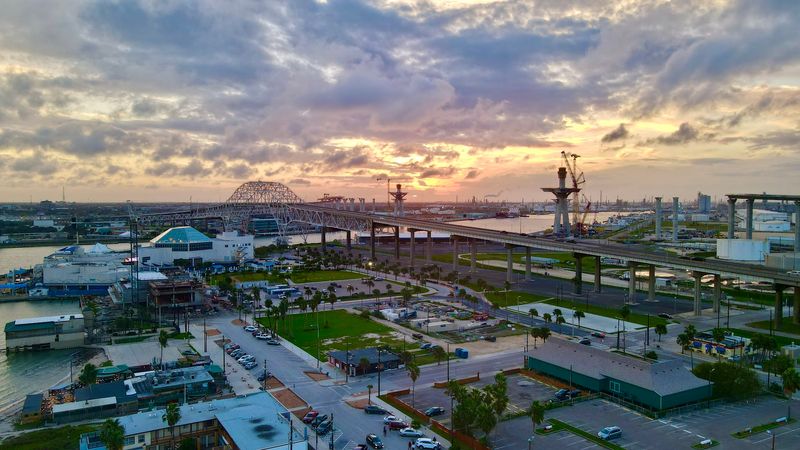
Housing affordability has become a flashpoint in Corpus Christi, and the frustration is palpable in neighborhoods that have always been working-class and proud of it. Property values have risen significantly over recent years, and rental prices have followed.
For families who have lived in the same neighborhoods for generations, that shift is more than financial. It is existential.
New residents moving in from other parts of Texas and beyond have driven demand upward. The market has responded the way markets do, with prices that reflect new buyers rather than longtime locals.
That math does not work in favor of people on fixed incomes or modest wages.
Some residents have had to move further from the city center just to find something affordable. Others are holding on but feeling the squeeze every month.
The sense that Corpus Christi is becoming a place for newcomers rather than a place for the people who built it is a recurring theme in community conversations.
City planners have discussed affordable housing initiatives, but progress has been slow. The gap between policy conversation and actual housing relief is wide.
For a city with such a strong sense of community identity, watching neighbors get priced out is a particular kind of loss, quiet and cumulative, but deeply felt by everyone paying attention.
What Corpus Christi’s Future Could Still Look Like
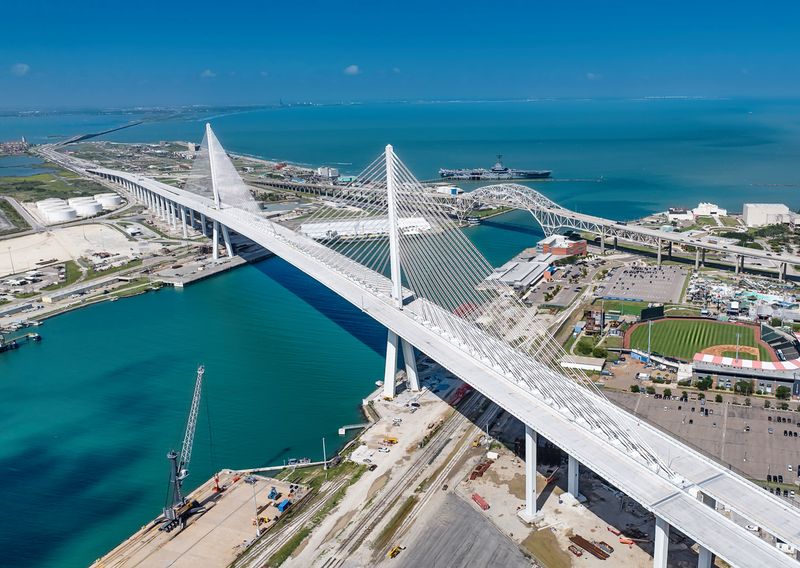
For all the frustration and tension, Corpus Christi still has something that is genuinely hard to replicate. The bay at golden hour.
The smell of salt air cutting through a hot afternoon. The way the city feels both rugged and relaxed at the same time.
That character does not disappear overnight, and many residents are determined to protect it.
Community organizations have been stepping up. Neighborhood groups are organizing around water conservation, housing advocacy, and downtown revitalization in ways that feel grassroots and genuine.
The energy in those spaces is different from the frustration at city hall meetings. It is forward-looking, rooted in love for the place rather than just anger at what is changing.
Corpus Christi has survived hurricanes, economic downturns, and industrial booms before. The city has a resilience that is baked into its identity, shaped by generations of people who chose to stay and fight for something worth keeping.
That history matters when thinking about what comes next.
The changes happening right now are real and the concerns are legitimate. But Corpus Christi is not a city without agency.
The locals pushing back, showing up, and speaking out are the same people who define what this place actually is. How the city responds to this moment will say a lot about who gets to shape its future.
