Ask anyone who grew up in this part of Rhode Island about this road after dark, and watch their face change. A slight pause.
A glance toward the ground. The road runs past one of the oldest properties in New England, a house built in the sixteen hundreds on land that the founder of the colony once used as a trading post. Forty men who passed in a brutal colonial war are buried in a mass grave on those grounds. Just down the road sits an inn investigated by a famous ghost hunting show, with reports of a crying boy, a little girl with burn scars, and objects moving on their own.
The house is beautiful during the day. But after ten at night, locals take a different route.
The History That Makes Smith’s Castle So Unsettling After Dark
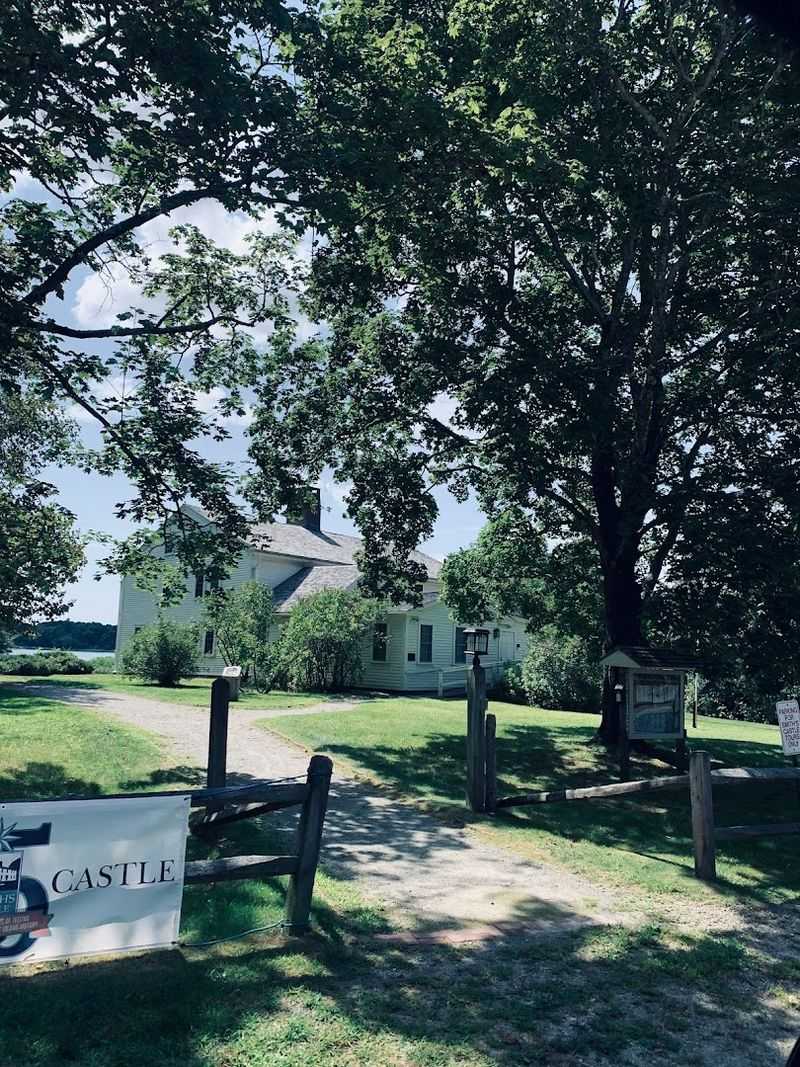
Few places in New England carry as much layered, complicated history as Smith’s Castle. Built in 1678, the house sits on land that was once a trading post established by Roger Williams himself, the founder of Rhode Island.
That alone would make it remarkable, but the story does not stop there.
The property witnessed King Philip’s War, one of the most fatal conflicts in colonial American history. Forty men who died during that brutal conflict were buried in a mass grave right here on the grounds.
Knowing that changes how you see the landscape, especially when the light fades and the shadows stretch long across the lawn.
By day, the costumed docents bring warmth and context to every room. The guides here are genuinely passionate, and visitors frequently leave feeling like they made new friends rather than just attended a tour.
After 10 PM though, with the property closed and the road empty, the weight of nearly 400 years of history feels very present. It is the kind of place that rewards curiosity during daylight hours and rewards caution after dark.
Address: 55 Richard Smith Dr, North Kingstown, RI 02852
The Carriage Inn on Tower Hill Road and Its Paranormal Reputation
Just down Tower Hill Road from Smith’s Castle sits the Carriage Inn at 1065 Tower Hill Road, and locals have been swapping stories about it for years. The inn gained wider attention after being investigated by the television show Ghost Hunters back in 2008, which brought a lot of outside interest to this already quietly spooky stretch of road.
Reports from the inn include a crying boy, the figure of a little girl with burn scars, shadows moving without a source, and objects shifting on their own. Whether you believe any of that or not, the stories have a way of sticking with you once you hear them, especially when you are driving past at night with nothing but your headlights for company.
The combination of the Carriage Inn’s reputation and Smith’s Castle’s genuinely heavy history creates a kind of atmospheric pressure on Tower Hill Road after dark. It is not exactly a horror movie, but it is the kind of road that makes you glad your phone is charged.
The paranormal angle draws curious visitors, but most locals seem perfectly happy to take a different route once the clock hits ten.
Dangerous Night Driving Conditions Along Route 1
Even if you set aside the ghost stories entirely, Tower Hill Road has a documented history of serious accidents. A 2017 incident saw a driver allegedly reaching 100 miles per hour on this road, resulting in multiple crashes and injuries.
A fatal motorcycle crash also occurred here in 2015, and those are just the incidents that made the news.
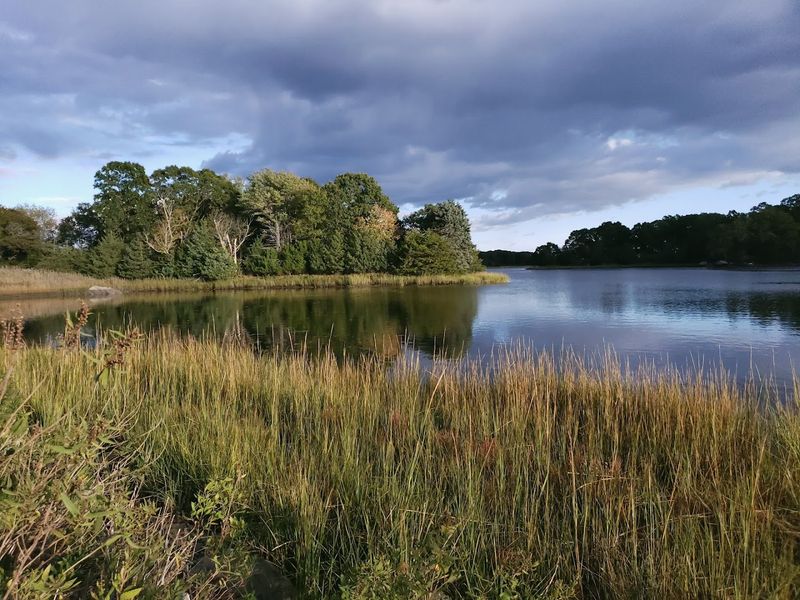
Night driving in Rhode Island generally carries higher risk than daytime travel, with reduced visibility and a greater chance of encountering impaired drivers on the road. On a stretch like Tower Hill Road, where the road curves near wetlands and the fog off Narragansett Bay can roll in quickly, those risks feel more real.
Add in the fact that a major construction project replacing the Tower Hill Road Bridge and resurfacing roughly six and a half miles of the road began in late 2023 and is not expected to finish until Summer 2026, and you have a recipe for genuine frustration after dark. Narrowed lanes and work zone entrances are hard enough to navigate in daylight.
At night, with limited signage visibility, even confident drivers tend to slow down and pay closer attention than usual.
What Smith’s Castle Actually Looks Like Up Close
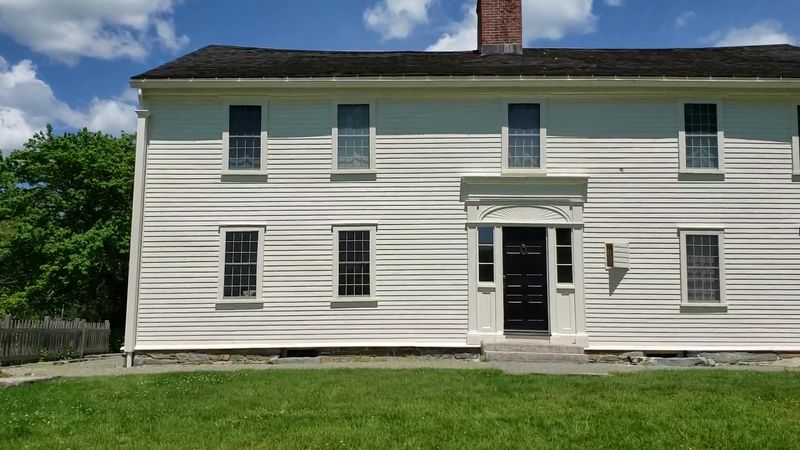
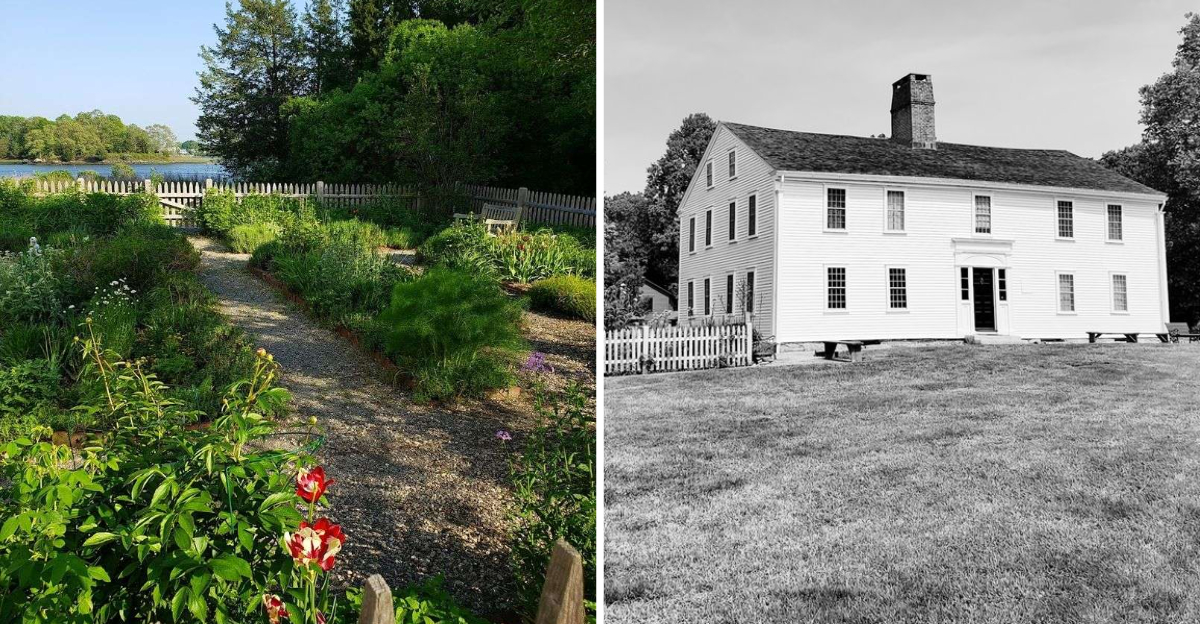
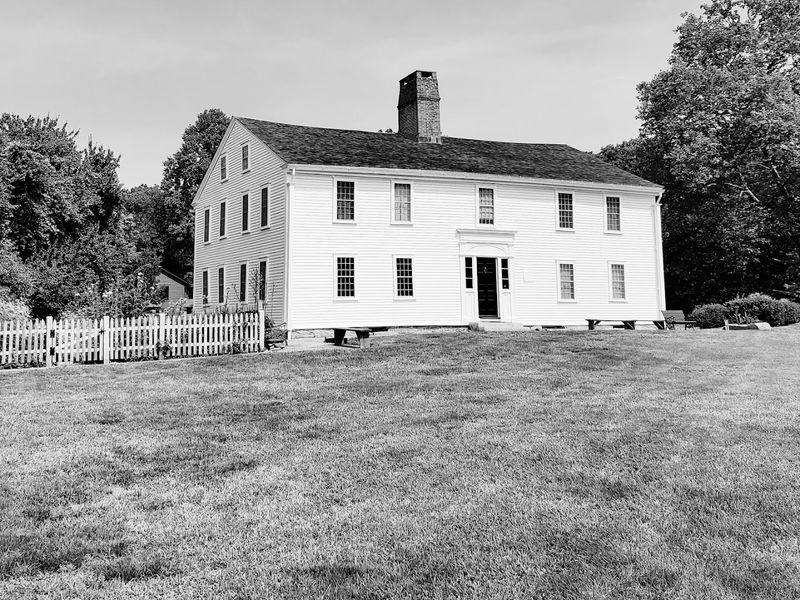
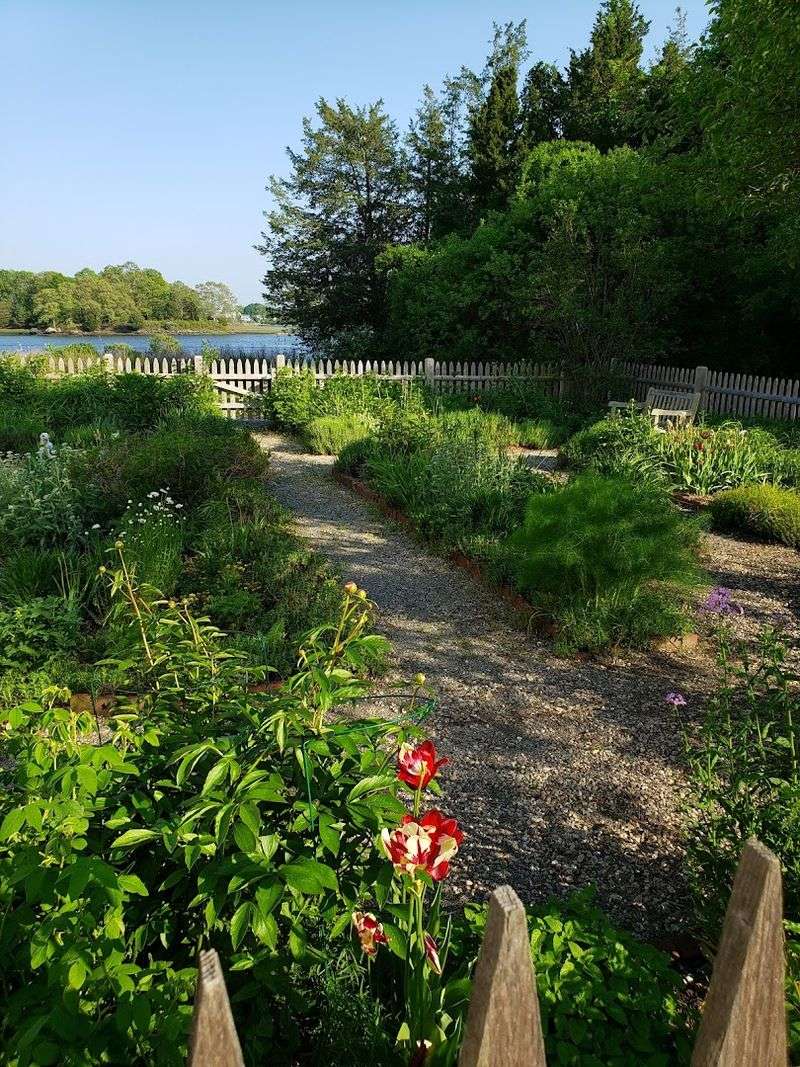
The name might set up certain expectations, but Smith’s Castle is not a castle in the storybook sense. It is a wooden colonial house, modest in scale but extraordinary in detail, sitting on a gentle rise with views toward a cove off Narragansett Bay.
The setting alone is worth the visit, especially on a clear afternoon when the water catches the light.
Inside, the house holds furniture, tools, and personal items from the 1600s and 1700s, and the docents here are sharp. One visitor noted that their guide pointed out small portholes left in the walls during the last renovation, giving glimpses into the actual structure of the building.
That kind of detail makes the history feel tangible rather than distant.
The grounds include several gardens, one of which grows plants historically used for dyes, and there are walking trails that wind through the property. The trail warning about poison ivy is genuine, so wear long pants if you plan to explore.
The house tour runs about an hour and a half, which feels just right. There is enough to absorb that a rushed visit would leave you wanting more, and the staff clearly prefers it that way.
Roger Williams, Richard Smith, and the Trading Post Origin Story
Roger Williams is the name most Rhode Islanders know from their school days, the man who founded the colony on principles of religious tolerance and fair dealings with the Narragansett people. What fewer people realize is that his connection to this specific piece of land in North Kingstown runs deep.
Williams established the first trading post in Rhode Island right here, on the site that would later become Smith’s Castle.
Richard Smith eventually took over the trading post, and the property passed through several hands before the current structure was built in 1678. The relationship between the English settlers and the Narragansett Nation is central to the story told here, and the guides do not shy away from the more complicated chapters, including King Philip’s War and its devastating consequences for Indigenous communities.
That honesty is part of what makes a visit to Smith’s Castle feel different from a typical historic house tour. The story being told here is not sanitized, and the staff’s willingness to address sensitive history directly is something visitors consistently mention.
It is one of those places where the full picture, messy and human and real, is actually what makes it worth your time.
The Mass Grave on the Grounds and the Weight It Carries
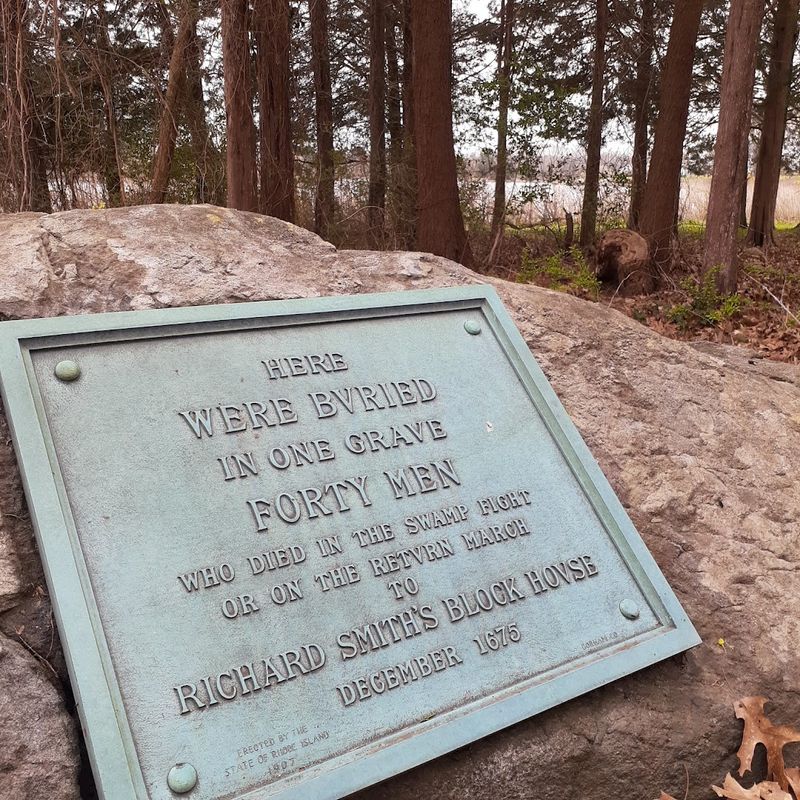
Most historic house museums have a few dark chapters tucked into their history. Smith’s Castle has one that is literally buried in the ground.
Forty men who died during the Great Swamp Fight of King Philip’s War were brought here and buried in a mass grave on the property, and that fact tends to land differently once you are standing on the lawn.
King Philip’s War, fought between 1675 and 1676, was proportionally one of the most destructive conflicts in American history. The Great Swamp Fight in December 1675 was a particularly brutal episode, and the men buried at Smith’s Castle were among its casualties.
The site is marked, and the guides discuss it directly during tours.
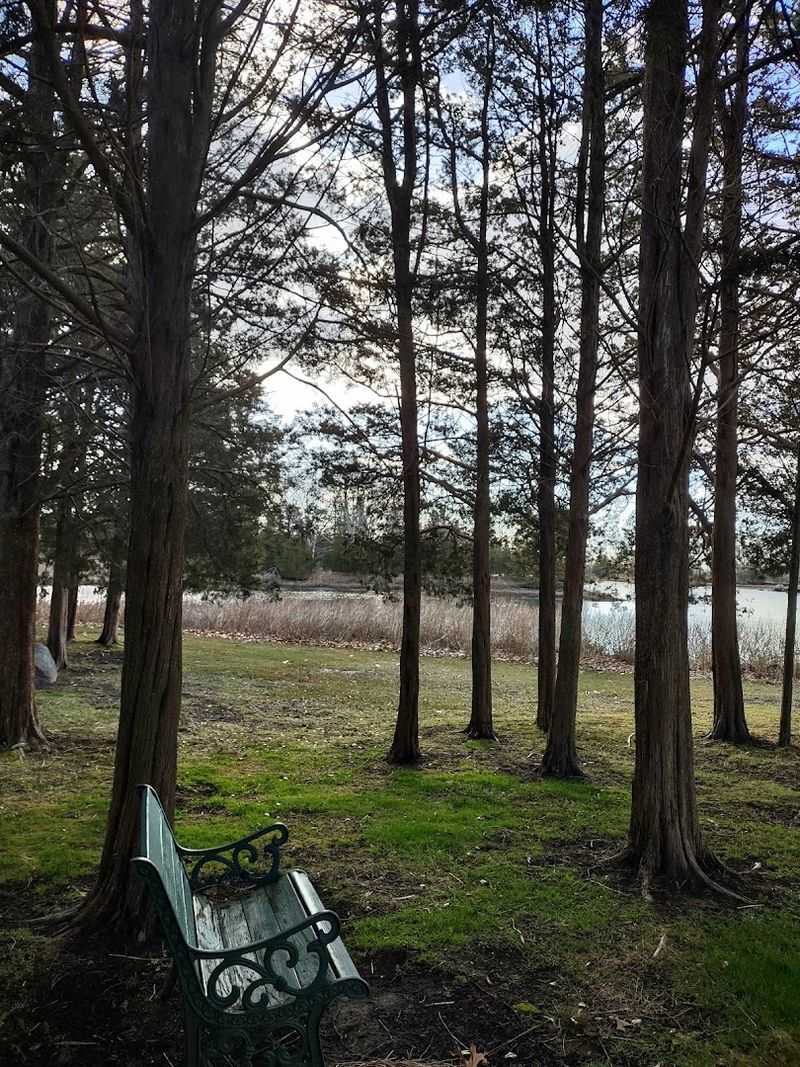
Knowing this history changes the texture of the place after dark. It is not a manufactured haunted attraction or a staged scare.
It is a real piece of American history that happened on this ground, and the quiet of the property at night carries that weight in a way that is hard to describe unless you have felt it. Visitors who learn about the burial site during a daytime tour often say it is the detail that stays with them longest, even weeks after the visit.
Planning a Daytime Visit to Smith’s Castle Before the Sun Goes Down
The good news is that Smith’s Castle is genuinely wonderful during daylight hours, and getting there before dusk means you avoid every single reason locals skip Tower Hill Road after ten. The property is open Saturdays from noon to 1 PM and Sundays from noon to 4 PM during the season, and no reservations are needed for the standard guided tours.
The costumed docents here have earned a real following. Guides named in visitor feedback include Lynn, Amy, John, Martha, Linda, and Catherine, and the reviews are consistently enthusiastic about both their knowledge and their warmth.
The tours cover architecture, colonial life, Indigenous history, Roger Williams, and the full sweep of nearly 400 years of Rhode Island’s past.
Beyond the house itself, the property hosts seasonal events including afternoon teas, walking trails, garden tours, and special programs. A seminar focused on Roger Williams is planned for fall 2025, which should draw serious history enthusiasts from across the region.
If you are visiting the Wickford area or just passing through on Route 1, this is the kind of stop that turns a drive into an actual memory. Come early, stay as long as you can, and leave well before the fog rolls in.
Address: 55 Richard Smith Dr, North Kingstown, RI 02852
