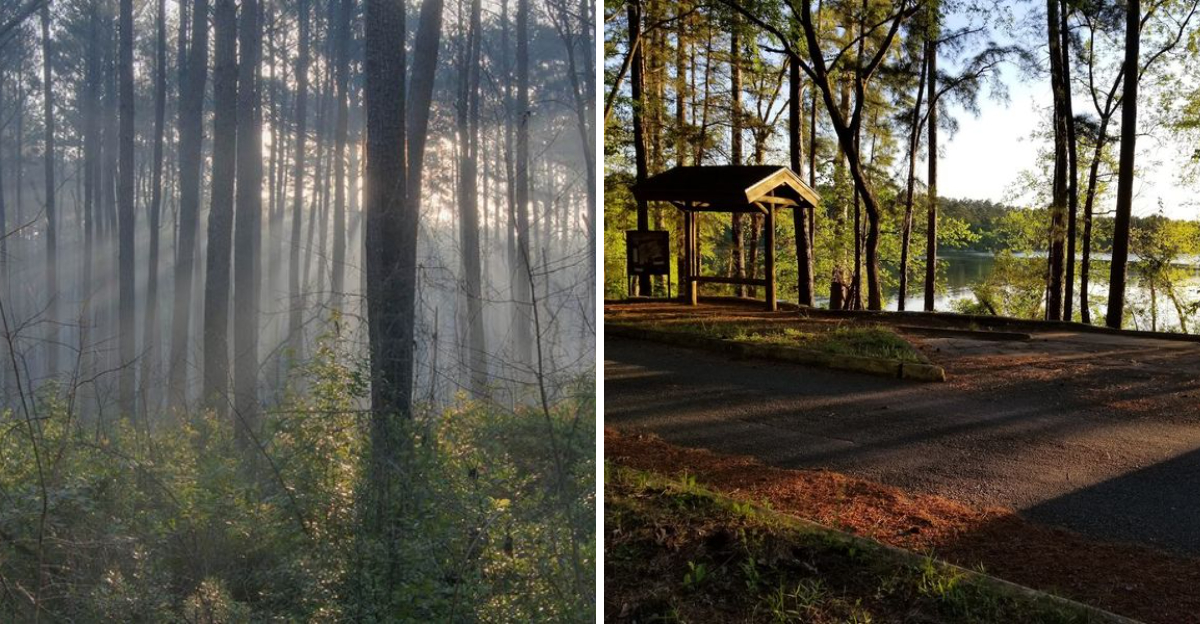
A break from the Texas heat sometimes means finding a good patch of shade. A really good patch.
These nine forest escapes deliver exactly that, dense piney woods, oak filled canyons, and trails that disappear into a green tunnel. No need to be a serious hiker or own expensive gear.
Just a pair of comfortable shoes and a willingness to wander. Some of these spots are within an hour of major cities, others require a bit more driving, but all of them offer the same thing, peace.
The sounds change when the trees close in. Traffic fades, the temperature drops, and the only noise is the crunch of leaves or a bird that refuses to show itself.
Texas is known for its open spaces and big skies, but the forests have their own kind of magic. A person could spend a whole afternoon under the canopy and come out feeling like they traveled somewhere far away.
Wander slow, bring water, and let the trees do their work.
1. Angelina National Forest
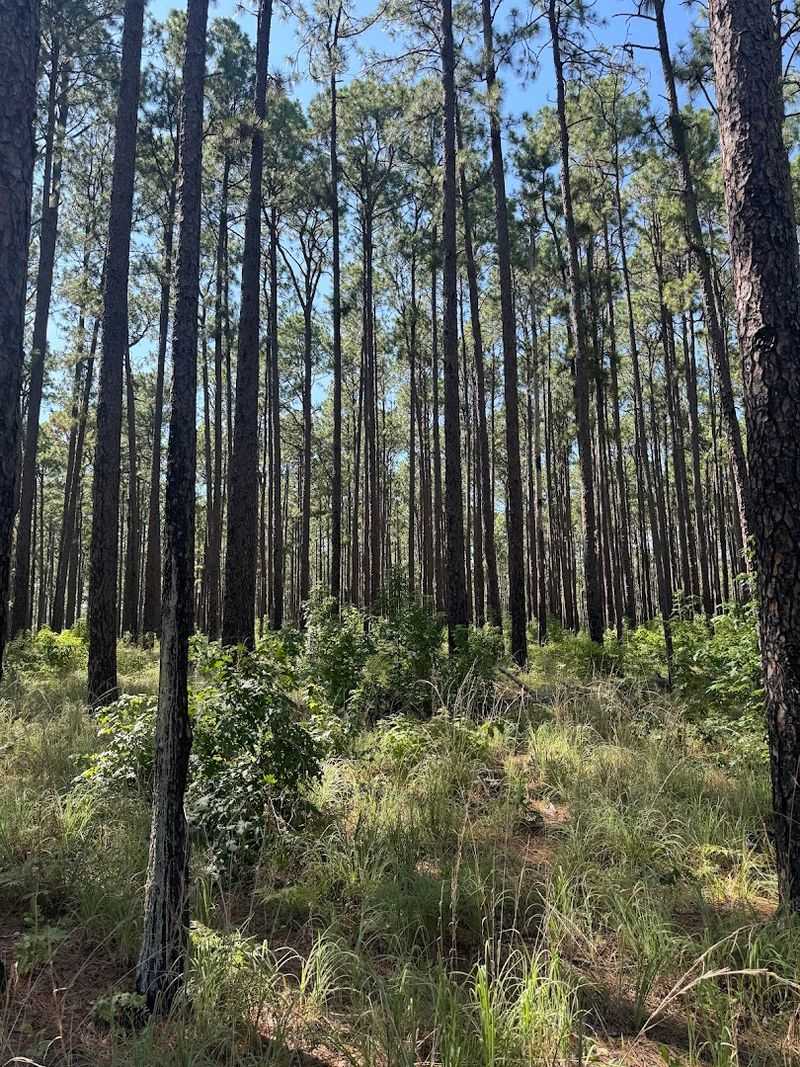
The first time you catch a glimpse of Angelina National Forest through the trees, it honestly feels like you have crossed into a completely different state.
Spread across more than 153,000 acres in East Texas, this forest wraps around the Sam Rayburn Reservoir in a way that makes the whole landscape feel alive and connected.
The water and the woods work together here, giving the place a layered, almost cinematic quality.
Bouton Lake is one of those spots that earns its reputation. Primitive camping here means falling asleep to the sound of owls and waking up to mist drifting off the water through cypress trees.
It is simple and a little wild, which is exactly the point.
Bird lovers will feel like they hit the jackpot. Nearly 300 species have been recorded in this forest, including the endangered red-cockaded woodpecker, which nests in the older longleaf pines scattered throughout the area.
Spotting one of those takes patience, but the reward is worth every quiet minute of waiting.
The Upland Island Wilderness and Turkey Hill Wilderness areas add another layer of depth to the experience. These protected zones keep things raw and undeveloped, offering trails where the only sounds are wind in the pines and the occasional splash from the reservoir.
Bottomland hardwoods and ancient cypress trees line the low-lying areas, creating pockets of shade and mystery that make every turn feel worth exploring. Angelina is not just a forest, it is a full sensory experience.
2. Davy Crockett National Forest
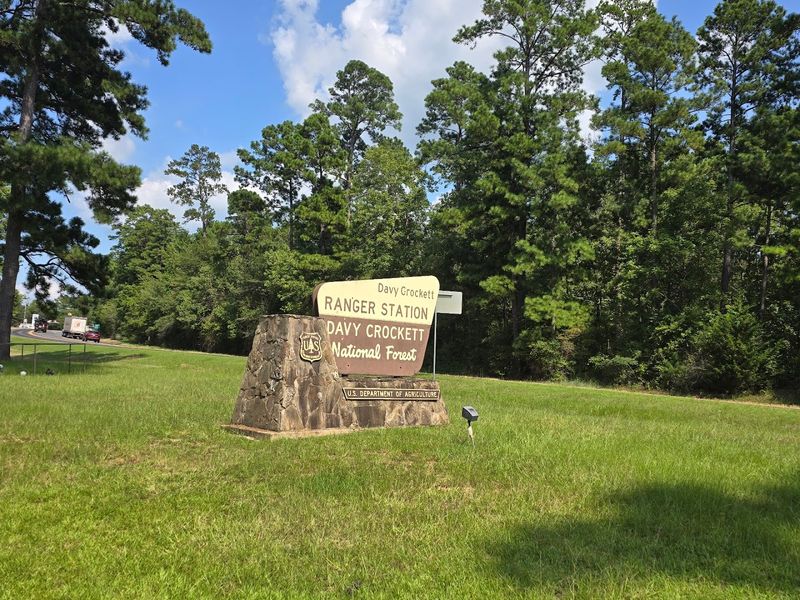
Named after one of Texas’s most legendary figures, Davy Crockett National Forest has a personality that matches its namesake, bold, sprawling, and full of character. Covering more than 160,000 acres between the towns of Crockett and Lufkin, this forest is one of the most varied natural spaces in the entire state.
Pine-hardwood woodlands blend into hardwood bottomlands, creating a patchwork of textures and colors that shifts beautifully with each season.
The Four C National Recreation Trail is the crown jewel here. Stretching 20 miles through the heart of the forest, it starts at Ratcliff Lake Recreation Area, a 45-acre lake built by the Civilian Conservation Corps back in 1936.
That bit of history adds a quiet weight to the place, knowing that the structures and pathways around you were shaped by hands from nearly a century ago.
Ratcliff Lake itself is a wonderful base camp. Swimming, fishing, and lakeside camping are all part of the experience, and the surrounding forest provides constant shade and cool air even on warm days.
Families tend to love it here because there is enough variety to keep everyone busy without feeling overwhelmed.
For those who want a broader perspective, the Neches Bluff Overlook delivers panoramic views across the pine-hardwood forest that stretch as far as the eye can follow. It is the kind of view that makes you stop talking and just breathe for a moment.
Davy Crockett National Forest rewards anyone willing to slow down and pay attention.
3. Sabine National Forest
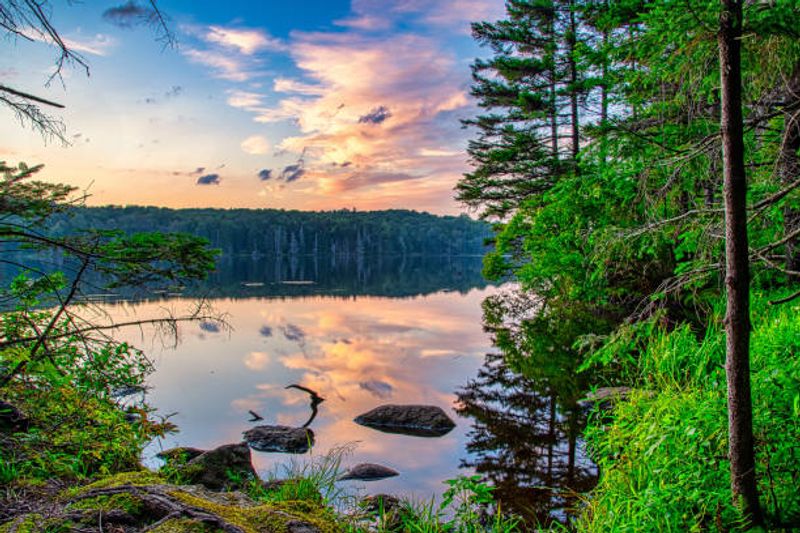
Sabine National Forest has a habit of catching people off guard, especially in fall when the leaves turn and the whole place looks like it has been set on fire in the best possible way. Hidden into the eastern edge of Texas along the Louisiana border, this forest is one of the state’s quieter treasures.
It does not always make the top of the travel lists, but those who find it tend to come back every season just to see what has changed.
Spring brings its own kind of drama here. Wildflowers and blooming understory plants push through the forest floor with surprising intensity, painting the trails in colors that feel almost tropical.
The contrast between bare winter branches and a sudden burst of spring blooms is one of those things you have to see to believe.
Biking enthusiasts have plenty to get excited about. The 28-mile Trail Between the Lakes cuts through the heart of the forest, connecting scenic stretches of woodland with views of Toledo Bend Reservoir along the way.
It is a long ride but never a boring one, with the terrain shifting and the light changing constantly through the trees.
Toledo Bend itself adds a massive recreational dimension to the area. Fishing, kayaking, and simply sitting by the water while the forest hums around you are all part of the Sabine experience.
The forest feels honest here, not manicured or overly managed, just wild enough to remind you what nature looks like when it gets to do its own thing. That honesty is exactly what makes it worth visiting.
4. Sam Houston National Forest
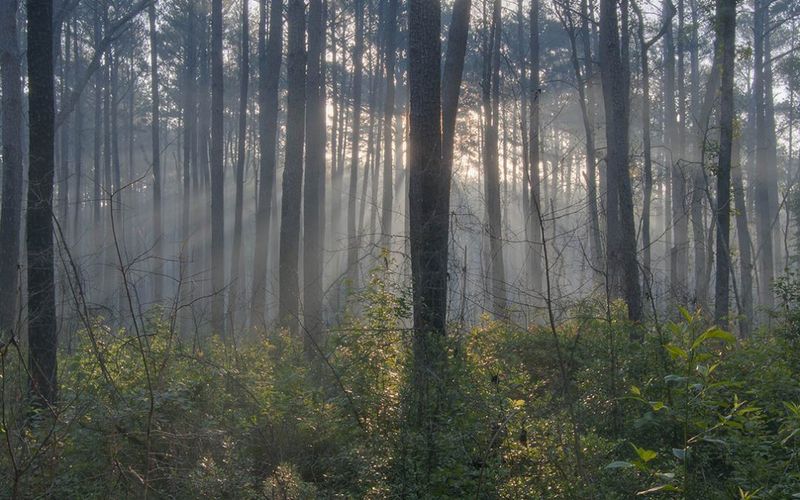
Less than an hour north of Houston, Sam Houston National Forest feels like a completely different planet from the city sprawl left behind. The transition from highway to forest is almost startling.
One moment you are surrounded by concrete and traffic, and the next you are breathing in pine-scented air under a canopy so thick it filters the sunlight into something soft and golden.
The Lone Star Hiking Trail is the big draw here, and rightfully so. Stretching 128 miles through the forest, it holds the title of the longest continuous hiking trail in Texas.
You do not have to tackle all of it at once. Many hikers pick a section, set a comfortable pace, and let the forest unfold gradually around them.
The Little Lake Creek Wilderness area offers a quieter, more intimate experience within the forest. Fewer people venture deep into this section, which means the wildlife is more present and the sense of solitude is genuine.
Hearing a woodpecker work through a dead pine in total silence is a small but deeply satisfying moment.
Big Creek Scenic Area is another highlight worth building a day around. Known for its remarkable vegetative diversity, this stretch of forest packs an impressive range of plants and trees into a relatively compact space.
The Double Lake Recreation Area rounds out the experience with swimming, camping, and lakeside trails that feel like a reward after a long hike. Sam Houston National Forest is proof that wilderness and convenience do not have to be mutually exclusive in Texas.
5. Big Thicket National Preserve
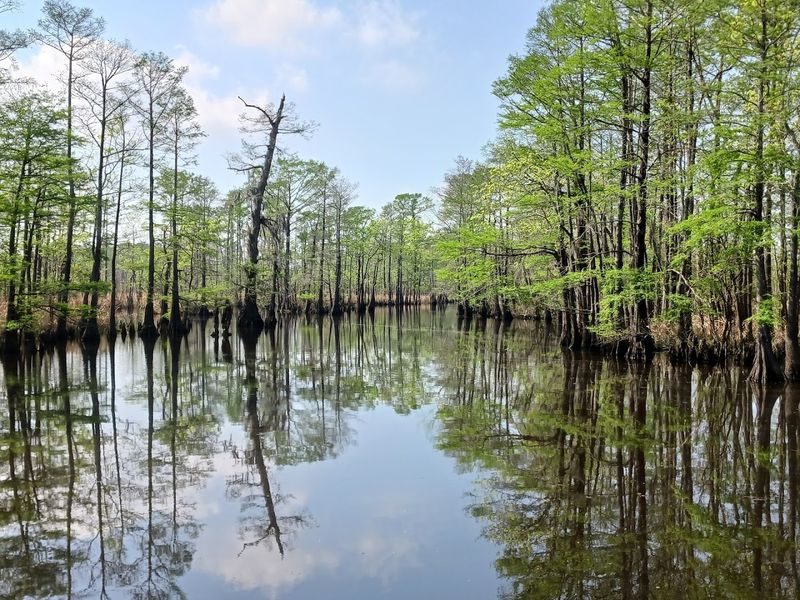
Big Thicket National Preserve carries a nickname that says everything you need to know before you even arrive. Called the biological crossroads of North America, this preserve sits in Southeast Texas where multiple ecosystems crash into each other in the most spectacular way.
Longleaf pine forests, cypress-lined bayous, and open savannas all share the same space here, creating a landscape that feels almost impossibly diverse.
UNESCO recognized the preserve as a biosphere reserve, and once you spend an afternoon exploring its trails, that designation starts to make perfect sense. Over 100 species of trees and shrubs grow here.
Twenty orchid species bloom throughout the year, and four types of carnivorous plants lurk in the wetter sections of the preserve, which is genuinely one of the wilder facts about any place in Texas.
The trail system covers more than 30 miles of hiking paths, and over 20 miles of paddling trails wind through the bayous. Paddling through the cypress trees on a calm morning is one of the most atmospheric experiences the state has to offer.
The water is dark and still, the trees are ancient, and the air feels thick with life.
Bird watchers have flagged Big Thicket as a Globally Important Bird Area, and the diversity on display during migration season is genuinely staggering.
The preserve rewards slow, attentive visitors who take time to notice the small things, a sundew plant catching an insect, a barred owl watching silently from a low branch, a sudden flash of color from a painted bunting cutting through the trees.
6. Caddo Lake State Park
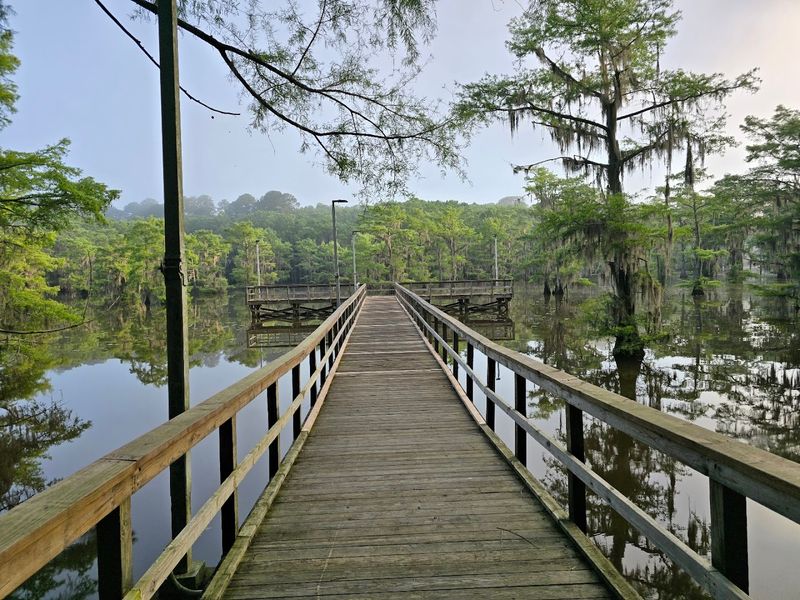
Caddo Lake State Park looks like something out of a Southern Gothic novel, and I mean that in the most complimentary way possible.
The ancient bald cypress trees here rise out of the dark water draped in Spanish moss, creating an atmosphere that is moody, beautiful, and completely unlike anywhere else in Texas.
It is the kind of place that makes you want to speak quietly, as if the trees are listening.
Texas has only one natural lake, and Caddo Lake is it. That alone makes this park significant, but the ecosystem here goes far beyond a simple label.
The wetlands have been recognized as internationally important, and the biodiversity packed into the bayous and waterways is remarkable. More than 70 species of fish have been recorded in these waters.
Paddling through the cypress maze is the definitive Caddo experience. Renting a canoe and pushing off into the labyrinth of trees and waterways feels like entering a world that operates on its own schedule.
Getting slightly turned around in the cypress corridors is not a problem, it is actually part of the charm.
Historic cabins built by the Civilian Conservation Corps are available for overnight stays, which adds a wonderful layer of character to the visit. Waking up inside one of those old cabins with the sound of herons calling across the water is a memory that sticks around long after the trip ends.
Caddo Lake is not just a park, it is a mood, and that mood is absolutely worth seeking out.
7. Garner State Park
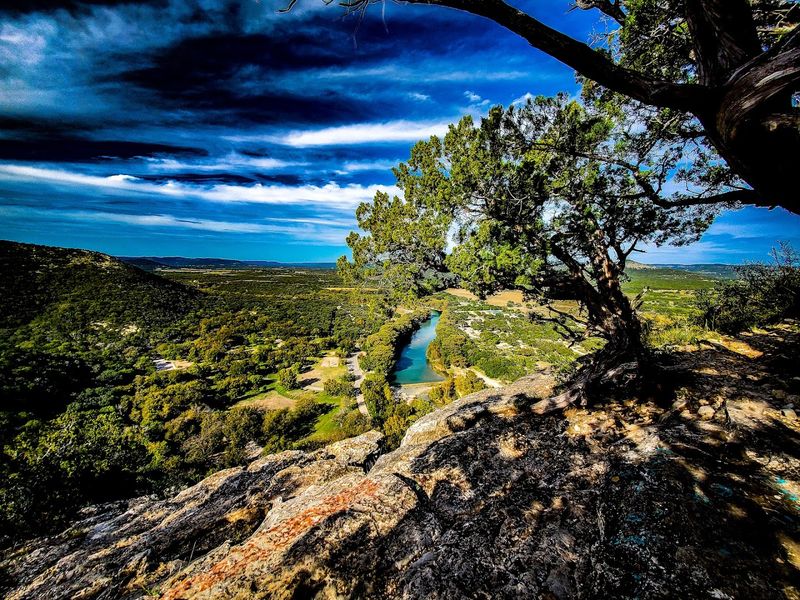
Garner State Park sits in the Texas Hill Country like a reward for anyone willing to make the drive. The Frio River runs right through the heart of it, cold and clear even in the height of summer, lined by bald cypress trees that have been growing here for up to a thousand years.
That number is worth sitting with for a moment. A thousand years.
Some of those trees were already old when European explorers first set foot on this continent.
The canyons and rocky slopes surrounding the river shelter a fascinating mix of plant life. Texas madrone trees with their smooth, peeling bark catch the eye immediately.
Lacey oaks and ancient Ashe junipers fill in the understory, creating a layered landscape that looks completely different from the pine forests of East Texas but is equally impressive in its own way.
Swimming and tubing in the Frio are practically mandatory activities here. The water temperature stays refreshingly cool, and floating downstream through the cypress-shaded stretches of the river is one of those simple pleasures that never gets old.
Families come back year after year for exactly that experience.
Fall brings a bonus that many visitors do not expect. The foliage along the river corridor shifts into warm golds and oranges, making the park feel entirely new compared to its summer version.
Hiking the trails above the river gives you elevated views across the Hill Country that stretch for miles on a clear day. Garner State Park is one of those places that earns its loyal following through sheer, consistent beauty.
8. Lost Maples State Natural Area
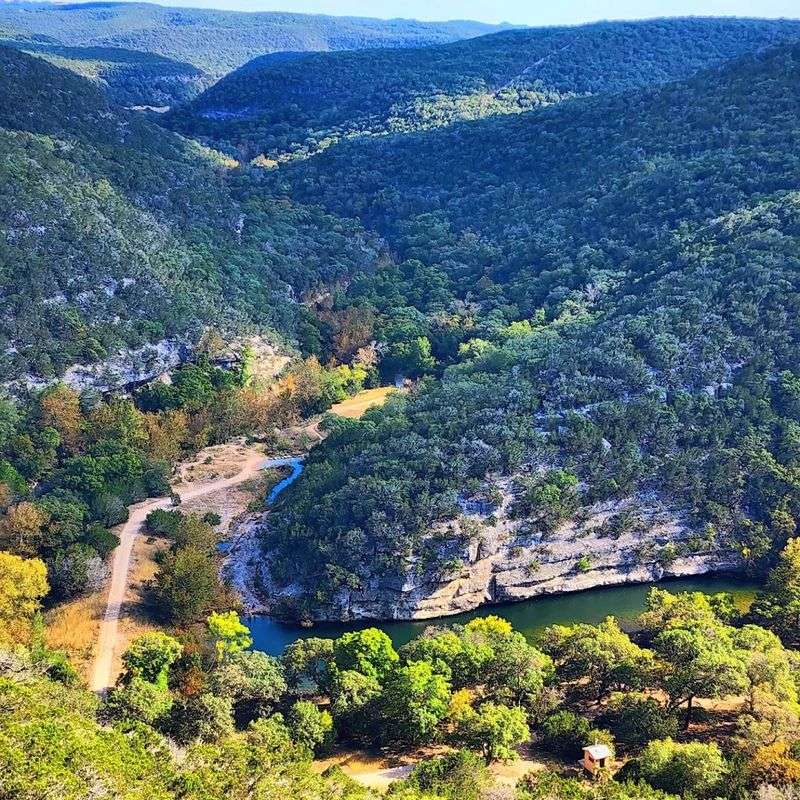
Every October and November, something almost magical happens in a small canyon in the Texas Hill Country.
The Uvalde bigtooth maples at Lost Maples State Natural Area turn brilliant shades of red, orange, and gold, drawing visitors from across the state who did not even know Texas had fall foliage worth chasing.
I remember the first time I saw those colors reflected in the spring-fed creek below the canyon walls and genuinely had to double-check that I was still in Texas.
The park sits near the small community of Vanderpool, which is remote enough that getting here feels like a deliberate decision rather than a casual detour. That remoteness is part of the appeal.
The drive through the surrounding Hill Country roads is scenic on its own, rolling through ranch land and cedar-covered hills before the canyon landscape opens up ahead of you.
Trails here wind through canyons, past limestone cliffs, and alongside spring-fed streams that stay cool and clear regardless of the season. The variety of oaks and other hardwoods mixed in with the maples means the hiking is interesting even outside of peak fall color season.
Spring and early summer bring their own quiet beauty to the area.
The canyon walls themselves are worth studying up close. Layers of limestone tell a long geological story, and the plant communities clinging to those walls are surprisingly diverse.
Wildlife sightings are common here, with white-tailed deer, wild turkeys, and golden-cheeked warblers all calling the area home. Lost Maples rewards patience and rewards return visits even more generously than the first.
9. Tyler State Park
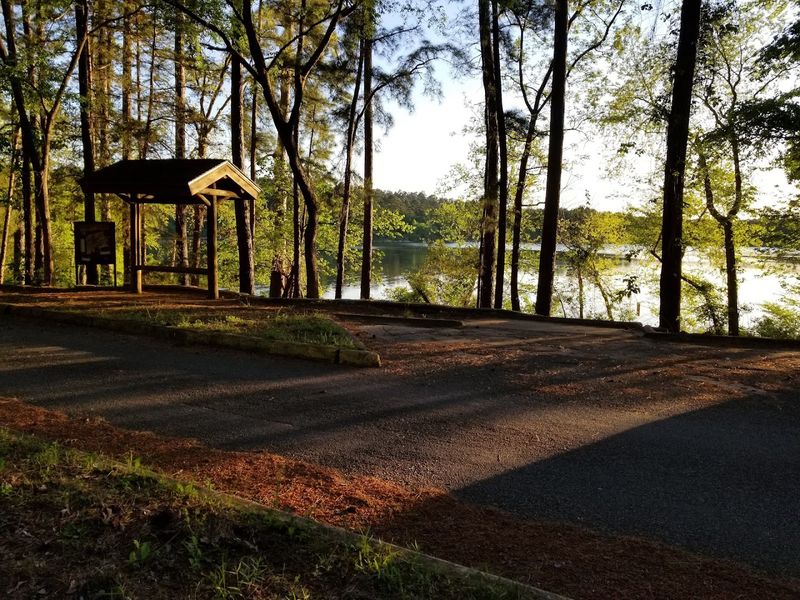
Tyler State Park has a calming quality that hits you almost immediately upon arrival. The 64-acre spring-fed lake at the center of the park reflects the surrounding pine canopy so cleanly that it is sometimes hard to tell where the trees end and the water begins.
Northeast Texas has its own distinct forest character, and this park captures it beautifully in a compact, accessible package.
The trees here are genuinely impressive. Pines reaching 100 feet tall stand alongside hardwood bottomland species, creating a canopy that filters the light into something almost cathedral-like on overcast mornings.
Many of these trees were planted by the Civilian Conservation Corps, which means the forest you are walking through today was shaped by people working hard during one of the toughest periods in American history. That context gives the park a subtle emotional depth.
The lake is the social hub of the park. Boating, fishing, and swimming all happen here throughout the warmer months, and the atmosphere is relaxed and unpretentious.
Families, solo hikers, and mountain bikers all seem to coexist comfortably without the park ever feeling crowded or chaotic.
Bird watchers have documented over 200 species here, a number that reflects the park’s fortunate position at the intersection of the Pineywoods and Post Oak Savannah ecological zones. That overlap creates a rich and varied habitat that attracts both resident and migratory species throughout the year.
Tyler State Park is not flashy or dramatic in the way some parks are, but it delivers something equally valuable: a genuine, unhurried connection with the East Texas forest.
