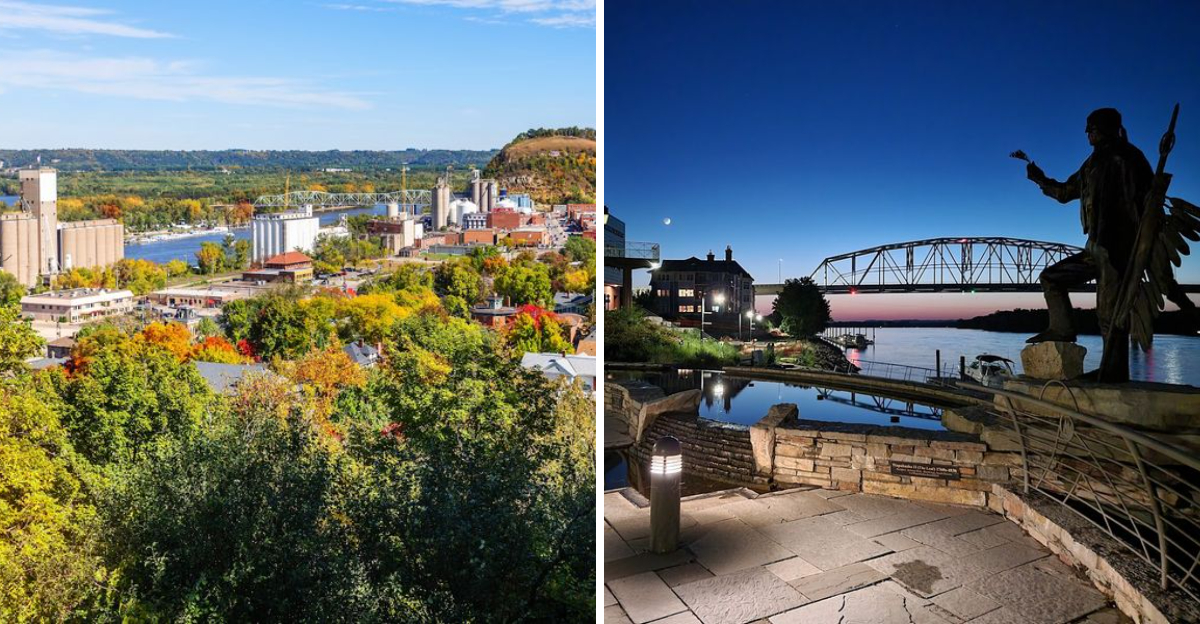
Norman Rockwell painted scenes that felt almost too perfect to be real. Kids buying candy at a corner store, a family having dinner after church.
A town where everyone knew everyone else’s name. These lovely Minnesota towns captured that same feeling without even trying.
You will find main streets with old fashioned lamp posts and awnings that still look like postcards from the 1950s. A hardware store where the owner greets you by name even if you have only visited once before.
A diner where the waitress calls you “hon” and remembers how you take your coffee. The schools are still downtown instead of hidden in some industrial park.
Kids walk to the library alone and nobody panics. Porch swings actually get used.
Neighbors wave from their gardens without any weirdness. Minnesota has its share of growing suburbs and busy highways, but these towns chose a different path.
They stayed small, stayed friendly, and stayed committed to a slower pace of life. You will not find big box stores or chain restaurants here.
Just well kept homes, smiling people, and the comforting feeling that some places still do things the old way.
1. Stillwater, Minnesota
History practically leaps off the walls in Stillwater, and that is not a small claim for a town this size.
Known as the Birthplace of Minnesota, Stillwater sits along the St. Croix River in Washington County, in the eastern part of the state.
The historic Main Street is lined with red-brick buildings that date back well over a century. Victorian homes climb the hillsides, giving the town a layered, storybook look from nearly every angle.
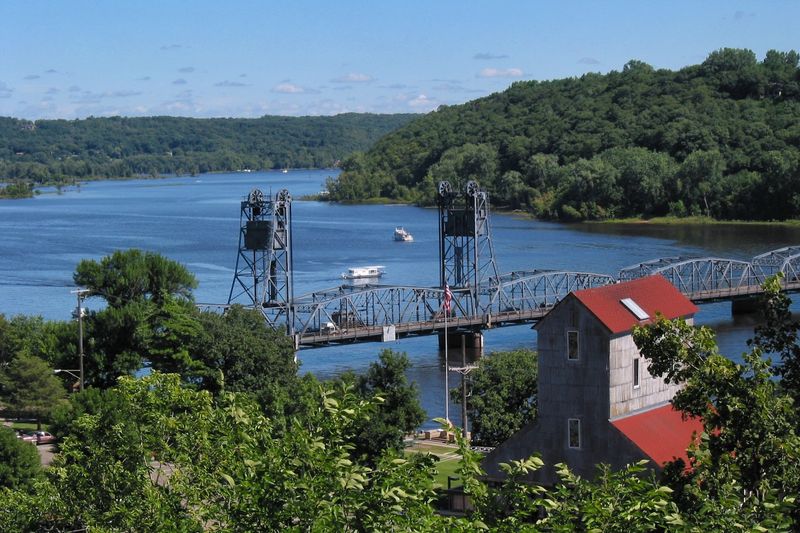
The iconic lift bridge is one of the most photographed spots in all of Minnesota. It connects Stillwater to Wisconsin and has become a beloved symbol of the town’s enduring character.
Antique shops are everywhere here. Serious collectors and casual browsers alike spend hours wandering through them.
You never quite know what piece of history you might take home.
The riverfront is lively in warmer months, with boat tours, outdoor dining, and families strolling along the water. In fall, the bluffs surrounding the town explode with color.
Winter brings a quieter magic, with snow-dusted rooftops and cozy shops glowing from inside. Stillwater has an effortless ability to feel special no matter the season.
If you have never visited, this town deserves a full weekend at minimum.
2. Lanesboro, Minnesota
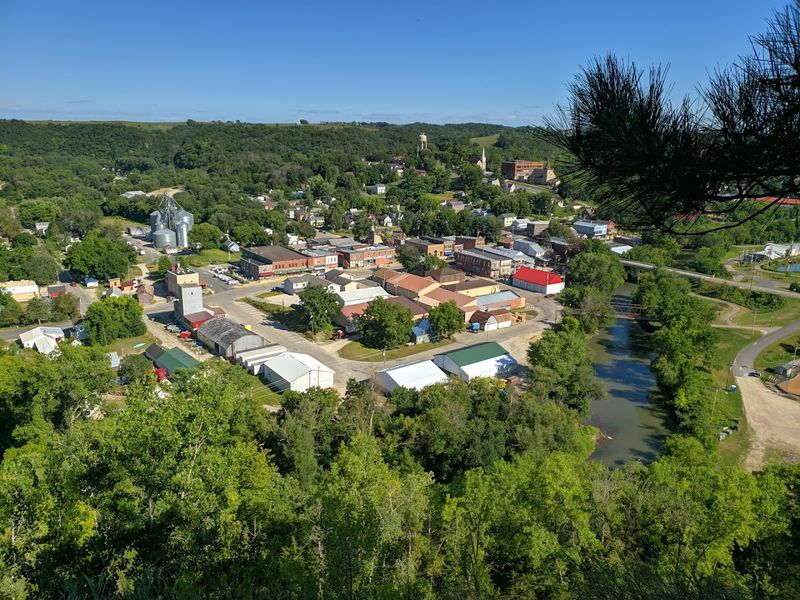
A town with no cars downtown and a trail running straight through it sounds almost too good to be true, but Lanesboro actually delivers.
Located in Fillmore County in the bluff country of southeastern Minnesota, Lanesboro has earned the title of Bed and Breakfast Capital of Minnesota, and it takes that reputation seriously.
The Root River State Trail passes right through town, making it a favorite stop for cyclists. The trail winds through wooded valleys and past limestone bluffs, offering some of the most scenic riding in the entire Midwest.
Downtown Lanesboro moves at a pace that feels genuinely restorative. The streets are quiet, the buildings are old in the best possible way, and the locals are the kind of friendly that does not feel performed.
The Commonweal Theatre brings professional productions to this tiny town, which is remarkable on its own. It has been drawing audiences from across the region for decades.
Fishing on the Root River is another popular draw, especially for fly fishing enthusiasts who appreciate the cold, clear water and the peaceful surroundings.
Fall is particularly stunning here, when the surrounding bluffs turn gold and red and the whole valley looks like a painting.
Lanesboro is proof that small does not mean ordinary. This town punches well above its weight in charm and character.
3. Grand Marais, Minnesota
There is something about arriving in Grand Marais that feels like the rest of the world simply fell away behind you on the drive up.
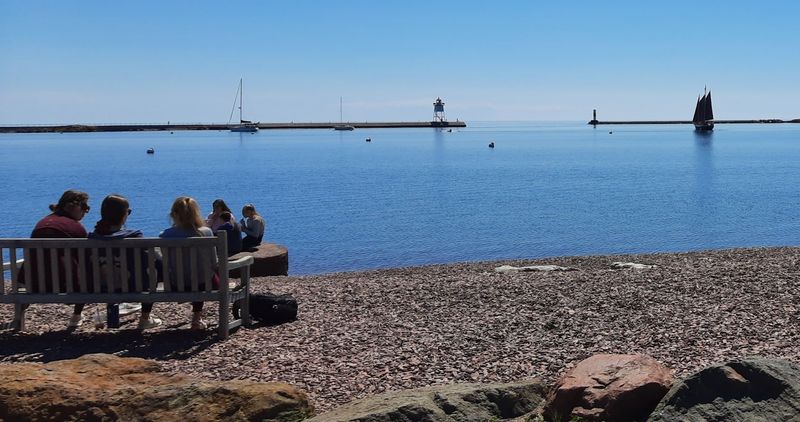
Perched on the northern shore of Lake Superior in Cook County, Grand Marais sits at the edge of the Boundary Waters Canoe Area Wilderness, one of the most protected wild places in the country.
The harbor is small but magnetic. The historic lighthouse stands at its edge, and on calm days the lake reflects the sky in a way that makes it nearly impossible to leave your spot on the shore.
Grand Marais has built a strong identity around local craftsmanship. The North House Folk School teaches traditional northern skills like boat building, blacksmithing, and fiber arts, attracting students from across the country.
The arts community here is vibrant and unpretentious. Galleries, studios, and small shops line the main street, all within easy walking distance of the waterfront.
The food scene is genuinely impressive for a town this size. Fresh fish, locally sourced ingredients, and creative menus make dining here a real highlight.
Hiking the surrounding trails offers views of Lake Superior that feel almost too vast to process in a single glance.
Grand Marais earns its reputation as one of Minnesota’s most beloved destinations, and every visit reveals something new worth remembering.
4. Red Wing, Minnesota
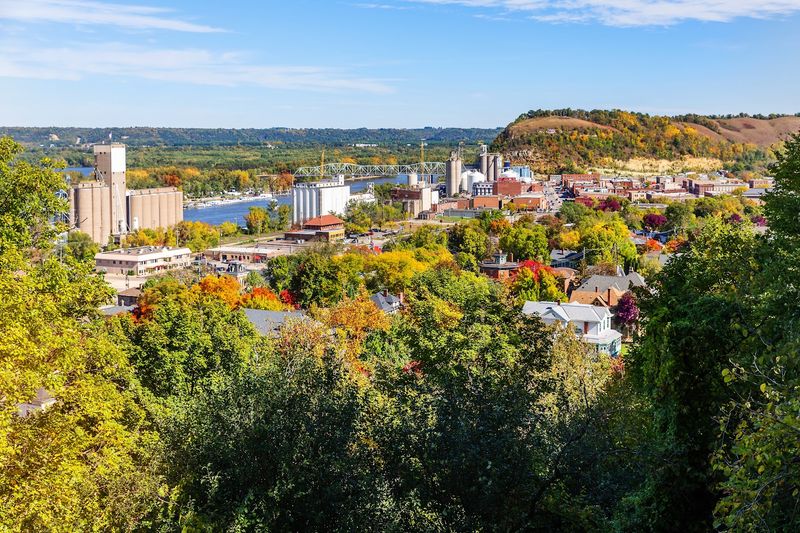
Standing at the top of Barn Bluff and looking down at Red Wing is one of those travel moments that genuinely stops you in your tracks.
Red Wing sits along the Mississippi River in Goodhue County, southeastern Minnesota, and it wears its history with quiet confidence.
The downtown is filled with well-preserved 19th-century architecture. Walking through it feels like the clock slowed down somewhere around 1910 and nobody bothered to restart it.
The St. James Hotel, built in 1875, still welcomes guests today. It is the kind of place where the creaky floors and high ceilings feel like features, not flaws.
Red Wing is also famous for its pottery and its iconic boot company, Red Wing Shoes, which has been crafting durable footwear here since 1905. The heritage is woven into everyday life in this town.
Barn Bluff itself is a short but rewarding hike. The views of the river valley from the top are genuinely spectacular and worth every step.
The town also hosts a lively arts scene, with galleries and local events that keep the cultural calendar full year-round.
Red Wing is the kind of place that rewards slow travel. The more time you give it, the more it gives back to you in unexpected ways.
5. Winona, Minnesota
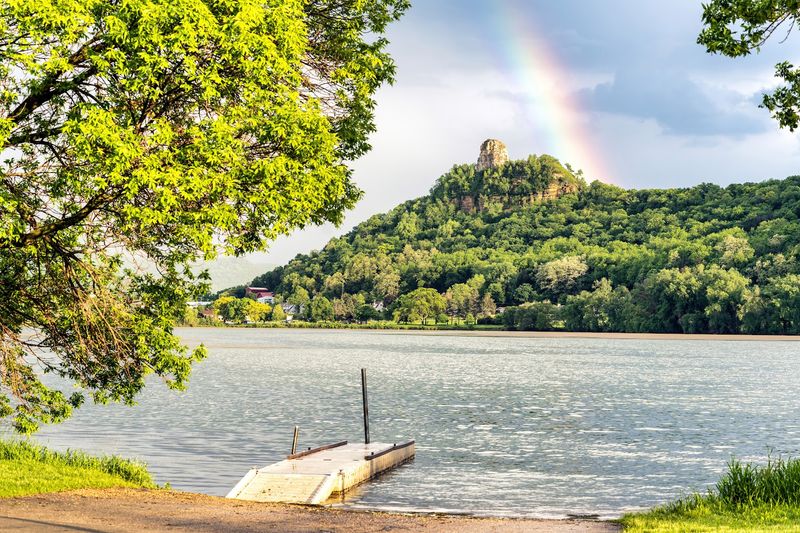
Sugar Loaf rises above Winona like a natural exclamation point, and the town below it more than lives up to the dramatic introduction.
Winona sits between towering limestone bluffs and the Mississippi River in Winona County, southeastern Minnesota. The setting alone is worth the drive.
The architecture in Winona is surprisingly grand for a small city. Stained-glass windows, ornate Victorian storefronts, and historic churches reflect the prosperity the town enjoyed during its 19th-century lumber boom.
The Minnesota Marine Art Museum is one of the most underrated cultural institutions in the state. Its collection of river and maritime art is genuinely world-class and completely free to enter.
Each summer, the Great River Shakespeare Festival brings outdoor performances to the city. Watching Shakespeare with bluffs and the Mississippi as your backdrop is a genuinely memorable experience.
Winona State University adds a lively energy to the town. Students, locals, and visitors all mix comfortably in the cafes, bookshops, and parks scattered throughout the city.
The bluffs surrounding Winona offer excellent hiking, with Garvin Heights providing the best panoramic views of the river valley below.
Winona rewards curious visitors who take the time to look past the main road. Every side street seems to hold another piece of history waiting to be discovered.
6. Northfield, Minnesota
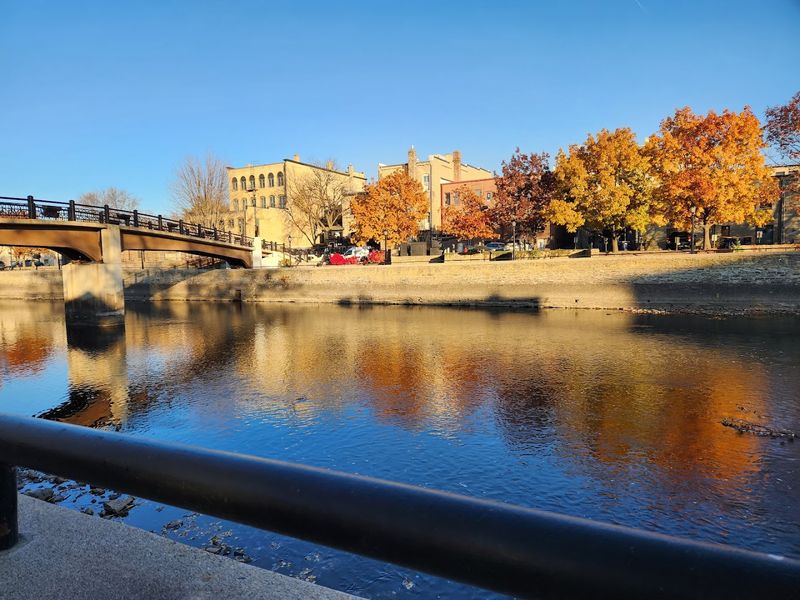
Not many small towns can claim both a world-class college campus and a famous failed bank robbery, but Northfield manages both with remarkable style.
Located in Rice County in southern Minnesota, Northfield is home to St. Olaf College and Carleton College, two of the most respected liberal arts schools in the country.
That academic presence gives the town a lively, intellectual energy that sets it apart from quieter rural communities. Bookshops, coffee houses, and cultural events are woven naturally into everyday life here.
The downtown is anchored by the historic First National Bank, the very building that Jesse James and the Younger Gang attempted to rob in September 1876. The raid failed spectacularly, and the town has celebrated that failure every year since.
The Defeat of Jesse James Days reenactment draws thousands of visitors each fall. It is one of the longest-running historical reenactments in the entire United States.
The Cannon River runs through town and provides a scenic backdrop for walking trails, picnics, and quiet afternoons watching the water move past.
Local restaurants and small businesses give the main street a genuinely community-driven feel. Nothing here feels corporate or manufactured.
Northfield strikes a rare balance between intellectual vitality and small-town warmth that makes it one of Minnesota’s most rewarding and surprising destinations.
7. Excelsior, Minnesota
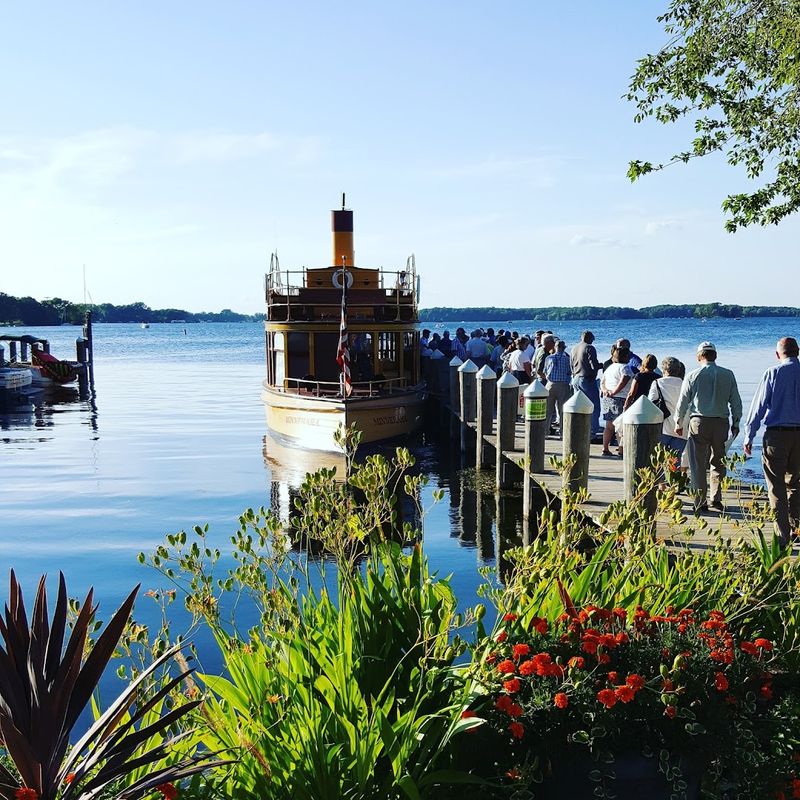
Excelsior has the kind of main street that makes you want to slow your car to a crawl and find a parking spot immediately.
Sitting on the southern shore of Lake Minnetonka in Hennepin County, just west of Minneapolis, Excelsior manages to feel worlds away from the city despite being only a short drive.
The main street is lined with boutiques, bakeries, and ice cream parlors that look like they have been there forever. The pace is unhurried, and the whole town seems to operate on vacation time.
The historic Steamboat Minnehaha is one of the most charming attractions in the entire Twin Cities metro area. The restored 1906 boat offers scenic cruises on the lake during summer months.
Lake Minnetonka itself is the real draw for many visitors. Boating, paddleboarding, and swimming are all popular, and the waterfront is genuinely beautiful on a clear summer day.
The town also has a surprisingly strong arts presence, with galleries and studios tucked between shops and restaurants throughout the downtown area.
Fall brings a quieter, cozier version of Excelsior, with fewer crowds and a warmth that comes from the local community rather than the tourist season.
Excelsior is the kind of lakeside town that spoils you for other lakeside towns. Once you visit, everywhere else feels like it is missing something.
8. Taylors Falls, Minnesota
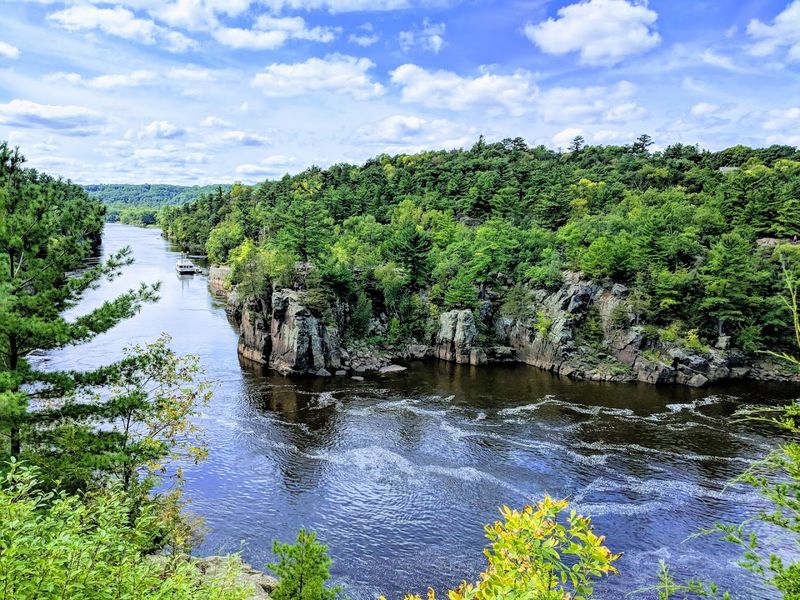
The rocks in Taylors Falls have been telling a story for about 10,000 years, and it is one of the most visually dramatic stories in the entire Midwest.
Located in Chisago County along the St. Croix River in eastern Minnesota, Taylors Falls is the gateway to Interstate State Park, one of the most geologically fascinating parks in the region.
The glacial potholes here are among the largest and deepest in the world. They were carved by swirling rocks during the last ice age, and standing beside them gives you a real sense of just how powerful natural forces can be.
The Dalles of the St. Croix is a narrow river gorge flanked by towering basalt cliffs. Scenic boat tours run through the gorge during warmer months, offering views that are difficult to fully capture in a photograph.
The town itself is small and walkable, with a handful of charming shops and restaurants clustered near the river. The historic district has a preserved quality that fits naturally with the wild landscape surrounding it.
Kayaking and canoeing are popular on the St. Croix River, which is a federally designated Wild and Scenic River. The paddling here is peaceful and the scenery is consistently stunning.
Taylors Falls rewards visitors who appreciate nature paired with history. This town earns its storybook reputation one dramatic cliff at a time.
9. New Ulm, Minnesota
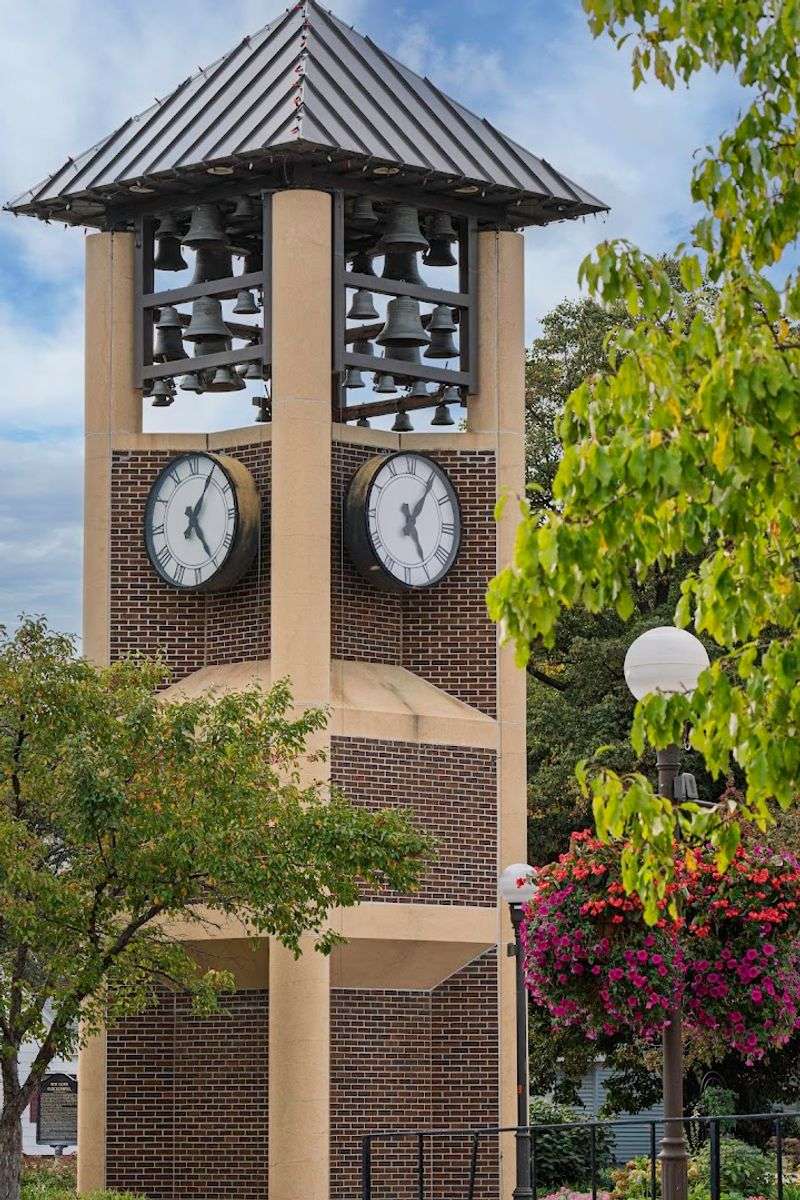
Walking through New Ulm feels like someone carefully relocated a Bavarian village to the prairie of southern Minnesota and forgot to tell anyone.
Founded by German immigrants in 1854, New Ulm sits in Brown County along the Cottonwood River and has maintained its Old World character with remarkable dedication.
The Glockenspiel downtown is a free-standing carillon with animated figures that perform several times a day. It is the kind of quirky, joyful landmark that makes a town genuinely unforgettable.
Hermann the German monument stands on a hill above the town and offers sweeping views of the surrounding countryside. The 32-foot copper statue has watched over New Ulm since 1897.
The architecture throughout downtown is distinctly Bavarian, with decorative facades, steep rooflines, and detailed stonework that set it apart from every other town in the state.
The August Schell Brewery, founded in 1860, is the second-oldest family-owned brewery in the United States. Tours of the grounds and historic buildings are available and genuinely fascinating.
German cuisine is a serious business here. Schnitzel, bratwurst, and fresh-baked pastries appear on menus throughout town, and the quality is consistently high.
New Ulm hosts Fasching and Oktoberfest celebrations that draw visitors from across the region every year. This town knows how to celebrate its heritage, and it does so with real enthusiasm.
10. Wabasha, Minnesota
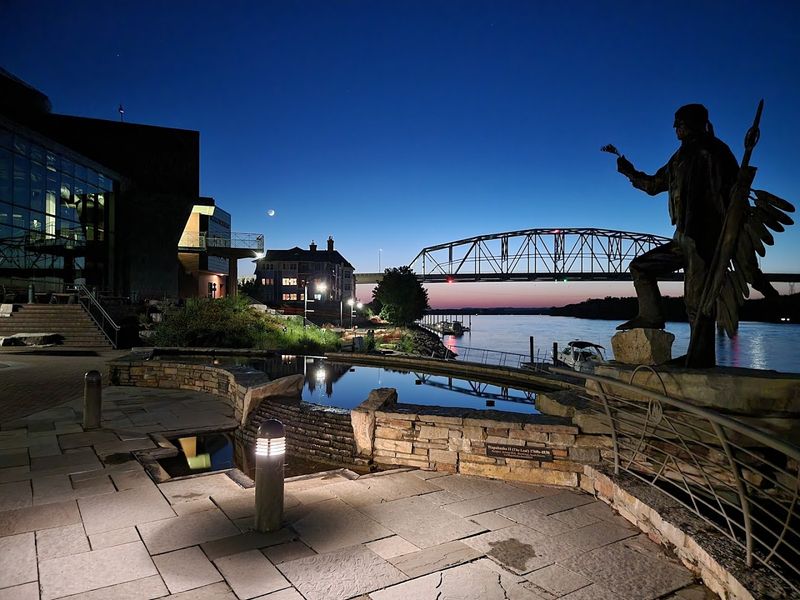
Wabasha holds the title of Minnesota’s oldest city, and it wears that distinction with the kind of easy confidence that only comes from centuries of practice.
Situated on the Mississippi River in Wabasha County in southeastern Minnesota, this small town punches well above its population in terms of personality and charm.
The National Eagle Center is the crown jewel of Wabasha’s attractions. Bald eagles gather along this stretch of the Mississippi in large numbers, particularly in winter, and the center offers up-close encounters with resident birds that are genuinely moving experiences.
The Anderson House, operating since 1856, claims to be Minnesota’s oldest operating hotel. Guests can even borrow a resident cat for overnight company, which is either delightful or surprising depending on your feelings about cats.
Wabasha served as the setting for the beloved 1993 film Grumpy Old Men, and locals are happy to point out filming locations around town. The movie gave the town a pop-culture footnote it clearly enjoys.
The Mississippi riverfront here is peaceful and accessible, with easy walking paths and excellent views of the bluffs across the water in Wisconsin.
Small shops, local diners, and a genuinely unpretentious atmosphere make Wabasha feel like a place where real life still happens at a comfortable pace.
Wabasha does not try to be anything other than exactly what it is, and that honesty is its greatest charm.
