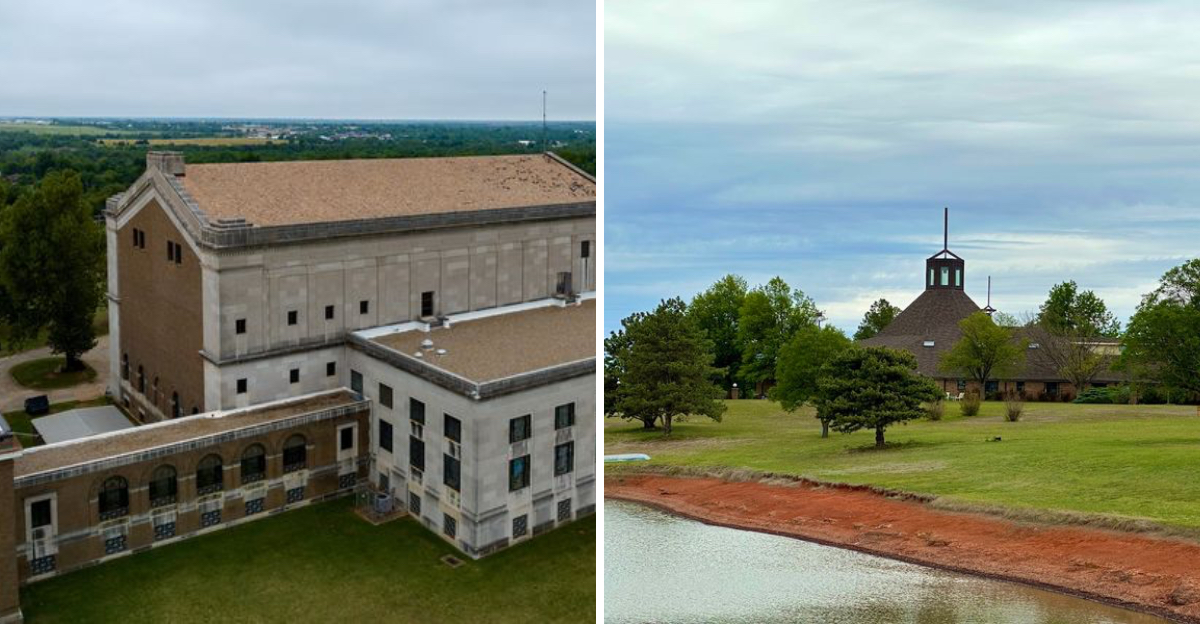
A $1,200 flight to Europe is a lot to ask of your bank account. The jet lag is brutal, the passport renewal is a hassle, and honestly, the exchange rate is not doing anyone any favors.
But Oklahoma has a cheat code. Ten secret spots across the state look exactly like they were lifted from a European postcard, and none of them require a transatlantic flight.
Stone bridges arch over clear creeks like something from the English countryside. Cobblestone streets wind through hillside villages that could pass for Tuscany.
Ancient-looking castles rise from wooded ridges, complete with turrets and winding staircases that feel straight out of a fairy tale. A few places even have mineral springs and Roman-style bathhouses that make you forget you are still in the Midwest.
These spots are scattered across the state, waiting for travelers willing to look beyond the usual attractions. Pack a camera and a sense of curiosity.
Oklahoma’s Europe is closer than you think, and the only currency you need is a full tank of gas.
1. Philbrook Museum of Art, Tulsa
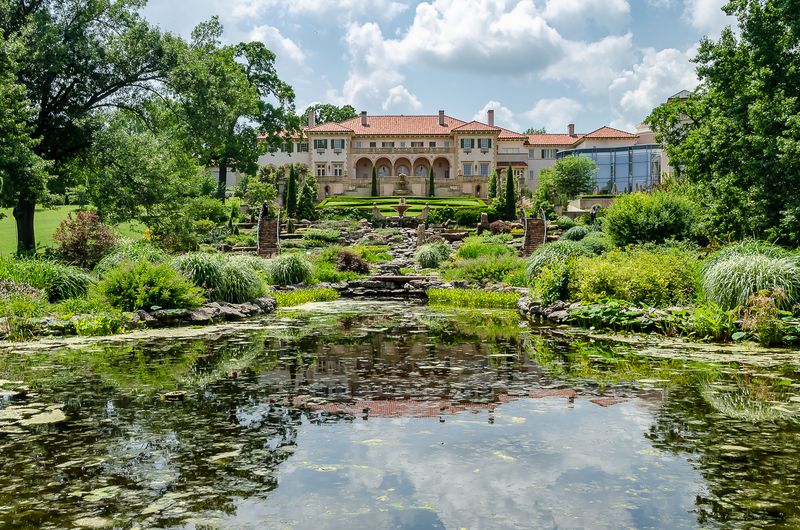
Walking up to the Philbrook Museum of Art for the first time genuinely stopped me in my tracks. The building sits at 2727 S Rockford Rd, Tulsa, OK 74114, and it looks like it was airlifted straight from the Italian countryside.
Built in the 1920s as a private villa, the structure was designed to mirror the grandeur of an Italian Renaissance estate. The architecture features terracotta tones, arched windows, and a roofline that belongs on a postcard from Tuscany.
The formal gardens are the real showstopper. Tiered geometric hedgerows, stone fountains, and symmetrical pathways stretch out behind the villa in a way that feels both elegant and surprisingly peaceful for a city setting.
Inside, rotating art exhibitions fill rooms with natural light that filters through tall windows. The craftsmanship throughout the interior, from carved moldings to ornate ceilings, reflects the same European ambition that shaped the original design.
Spring is an especially rewarding time to visit. The garden blooms add color to the already striking grounds, and the outdoor spaces become a gathering place for anyone who wants to sit, sketch, or simply soak in the atmosphere.
I recommend arriving early on a weekday morning to get the gardens mostly to yourself. The quiet makes the Italian illusion even more convincing.
Check current exhibitions and plan your visit at the official Philbrook Museum website at philbrook.org before heading out, so you can time your trip around the shows that interest you most.
2. E.W. Marland Mansion, Ponca City
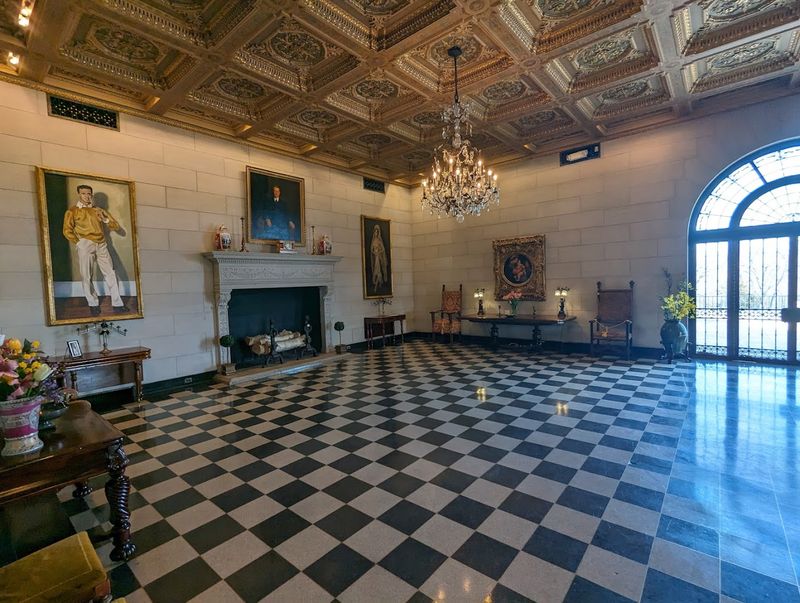
There is a mansion sitting on the Oklahoma prairie that locals call the Palace on the Prairie, and that nickname is not even a stretch. The E.W.
Marland Mansion at 901 Monument Rd, Ponca City, OK 74604 is a place that genuinely earns every bit of that title.
The estate was inspired directly by the Davanzati Palace in Florence, Italy. That is not a loose inspiration either.
The architect leaned hard into the Florentine design, incorporating stone archways, hand-carved woodwork, and European craftsmanship at every turn.
The scale of the place is hard to fully appreciate from photographs. Stepping inside reveals room after room of intricate detail, from painted ceilings to ironwork that looks like it belongs in a centuries-old Florentine guild hall.
Oil baron E.W. Marland commissioned the estate in the 1920s, and the ambition behind it shows in every corner.
The mansion was meant to signal prosperity and sophistication, and it absolutely delivers on both counts even today.
Guided tours are the best way to experience the property. The guides bring the history to life in a way that makes the rooms feel inhabited rather than preserved, which is a rare quality in a historic house museum.
Fall is a particularly striking time to visit, when the surrounding trees shift color and frame the stone facade in warm tones that reinforce the European atmosphere.
Book tours in advance at marlandmansion.com to secure your preferred time slot and avoid missing out on this remarkable Oklahoma landmark.
3. The Castle of Muskogee, Muskogee
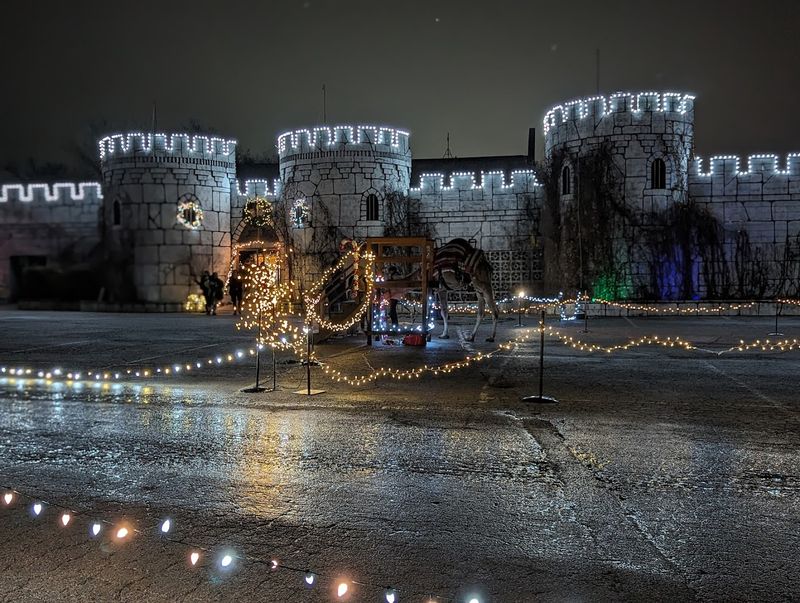
Some places announce themselves quietly. The Castle of Muskogee is not one of those places.
Located at 3400 W Fern Mountain Rd, Muskogee, OK 74401, this structure greets you with the kind of dramatic stone gateway that makes your brain briefly forget you are in Oklahoma.
The permanent castle architecture replicates the stonework of a medieval English or Scottish fortress. The towers, battlements, and thick stone walls are built to impress, and they do exactly that from the moment you pull into the grounds.
The castle is best known for hosting one of the most celebrated Renaissance festivals in the region. During festival season, the grounds fill with costumed performers, jousting demonstrations, and artisan vendors, all of which lean fully into the old-world atmosphere the structure already provides.
Even outside of festival season, the castle itself is worth a visit. The sheer physical presence of the stone construction is striking, and wandering the grounds gives you a real sense of how seriously the builders committed to the medieval aesthetic.
I visited during a festival weekend and found the combination of the architecture and the live entertainment genuinely transporting. The detail in the stonework up close is far more impressive than any photo suggests.
If you are planning to attend a seasonal event, check the schedule well in advance at okcastle.com, as popular festival dates tend to fill up quickly.
Arriving early on event days also gives you time to explore the castle structure before the crowds build, which makes the whole experience feel more personal and immersive.
4. Town of Medicine Park, Medicine Park
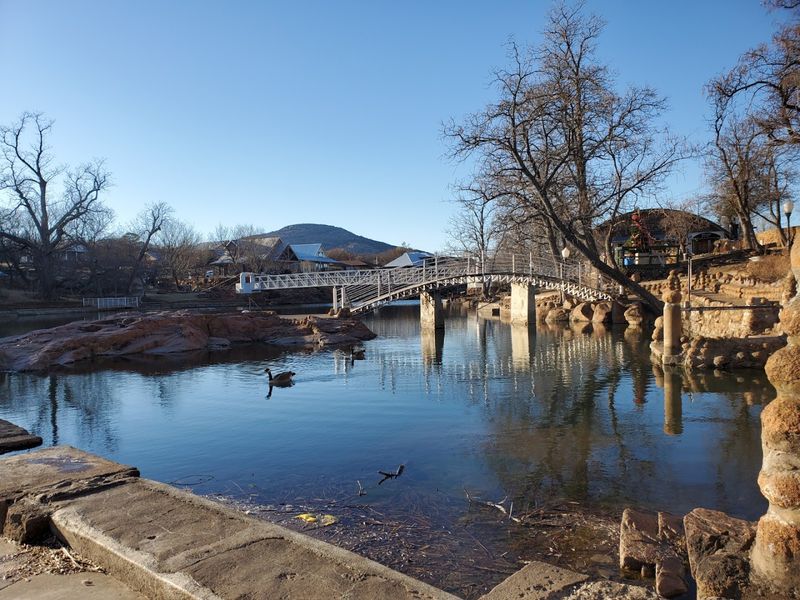
Cobblestone streets in Oklahoma sound like a punchline until you actually walk through Medicine Park and realize the place is completely, charmingly real. The town sits at 154 E Lake Dr, Medicine Park, OK 73557, nestled against the Wichita Mountains in a setting that feels nothing like the rest of the state.
The entire village was built in the 1920s using rounded native granite cobblestones. Pathways, walls, and cottage facades all share the same warm, textured stone, creating a visual consistency that makes the town feel like a single, carefully designed composition rather than a random collection of buildings.
The cobblestone aesthetic draws comparisons to alpine villages in Slovenia or coastal towns in Germany, and those comparisons hold up well on a gray morning when the creek is running and the stone surfaces are damp. The atmosphere shifts in a way that feels genuinely European.
Medicine Park sits right along Medicine Creek, and the sound of the water running through town adds another layer to the sensory experience. Strolling the main street with the creek on one side and stone cottages on the other is a quietly lovely way to spend an afternoon.
The town is small, which is part of its appeal. You can cover the main areas on foot in a comfortable hour, then extend the day with a drive into the Wichita Mountains Wildlife Refuge just nearby.
Plan your trip using the Town of Medicine Park portal at medicinepark.com, where you can find information on local events, lodging options, and the best seasons for a visit to this uniquely textured Oklahoma village.
5. National Shrine of the Infant Jesus of Prague, Prague
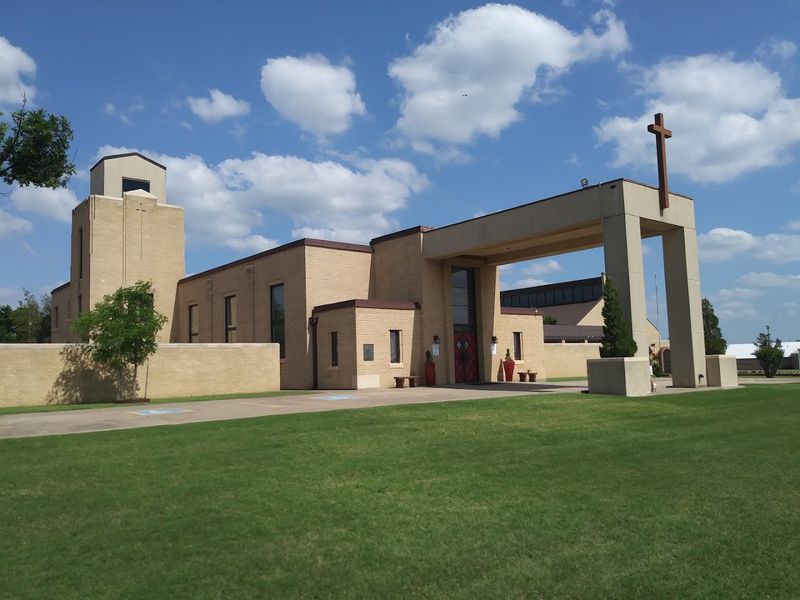
Not every European connection in Oklahoma comes through architecture or landscape. Some arrive through history and faith, and the National Shrine of the Infant Jesus of Prague at 304 Jim Thorpe Blvd, Prague, OK 74864 is one of the most meaningful examples of that kind of connection.
The town of Prague was founded by Czech immigrants who carried their culture, traditions, and devotion across the Atlantic and planted them firmly in central Oklahoma. That heritage is still visible and very much alive here.
The shrine honors the miraculous statue of the Infant Jesus that originates from Prague, Czech Republic. The Bohemian-style shrine architecture and the European religious artwork inside create an atmosphere that genuinely reflects the old-world origins of this devotion.
Stepping inside feels like a deliberate step away from the surrounding Oklahoma plains. The care and craftsmanship put into the shrine speak to the depth of the community’s connection to their Czech roots, which stretches back generations.
The town itself carries that Czech identity in other ways too. Local celebrations and cultural events throughout the year keep the immigrant heritage visible and celebrated rather than faded into the background.
I found the shrine quietly moving in a way I did not fully anticipate. There is something powerful about standing in rural Oklahoma and feeling the presence of a tradition that traveled thousands of miles to take root here.
See pilgrimage details and plan your visit through the shrine’s Google listing, and consider timing your trip around one of the town’s cultural celebrations for the fullest experience of Prague, Oklahoma’s remarkable European soul.
6. Guthrie Historic District, Guthrie
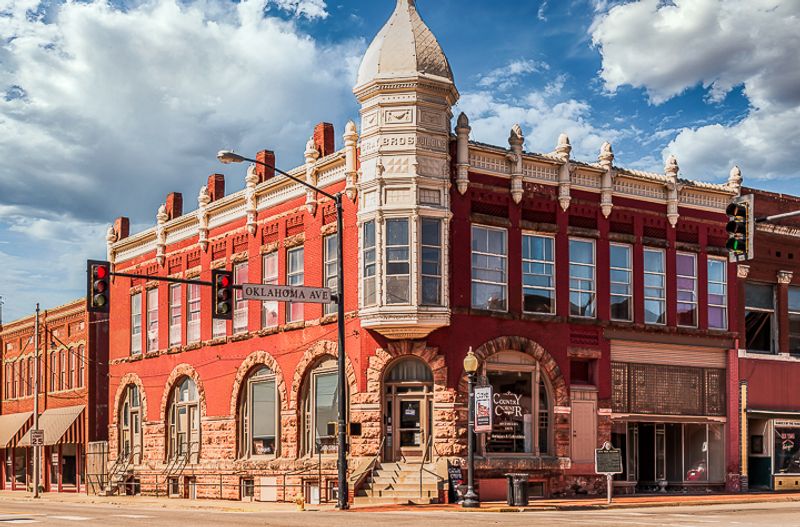
Few places in the American interior preserve the visual drama of late Victorian architecture the way Guthrie does. The Guthrie Historic District, centered around 301 W Harrison Ave, Guthrie, OK 73044, holds one of the largest collections of intact late 19th-century Victorian architecture in the entire country.
Walking the main streets here produces a specific kind of sensory time travel.
The ornate brick facades, arched windows, decorative cornices, and layered stonework line block after block in a way that conjures the atmosphere of late-Victorian London far more convincingly than you might expect from a town in central Oklahoma.
Guthrie was Oklahoma Territory’s first capital, which explains why so much civic ambition was poured into its buildings during the land rush era of the 1880s and 1890s. The architecture reflects the optimism and the European design influences that shaped American cities during that period.
The scale of the preservation here is genuinely remarkable. Unlike historic districts that feature a handful of notable buildings surrounded by modern development, Guthrie offers street after street of cohesive Victorian streetscape that holds the illusion together.
I spent a full afternoon simply walking and photographing the facades, and I kept finding new details: carved stone faces above doorways, ironwork railings, and tiled entryways that reveal the craftsmanship of another era.
The district is most atmospheric on overcast days when the warm brick tones deepen and the streets feel hushed and layered with history.
Learn more about local events and self-guided walking tours at cityofguthrie.com/tourism before your visit to make the most of your time in this extraordinary Oklahoma streetscape.
7. Temple of the Scottish Rite of Freemasonry, Guthrie
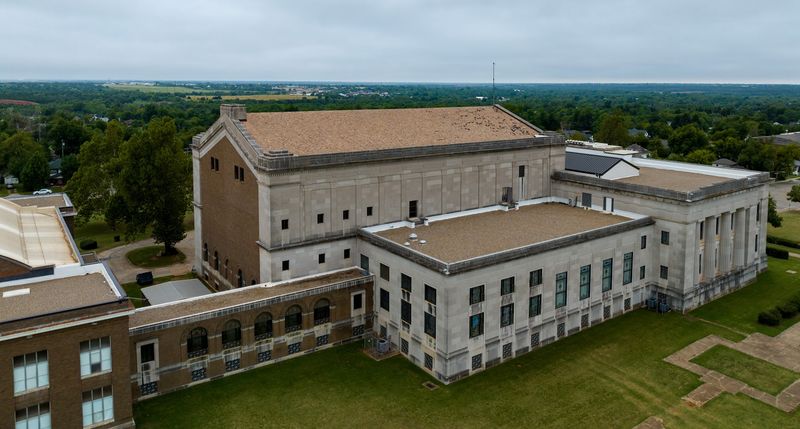
Right in the heart of Guthrie, just a short walk from the Victorian streetscape, stands a building that shifts the European reference point entirely. The Temple of the Scottish Rite of Freemasonry at 900 E Oklahoma Ave, Guthrie, OK 73044 is not subtle, and it was never meant to be.
The exterior announces itself with dramatic Roman columns that rise to a scale more commonly associated with government buildings in Washington or grand civic temples in Europe. The neoclassical design is confident and imposing in the best possible way.
Inside, the experience deepens considerably. Massive marble halls stretch through the building with the kind of proportions that make you instinctively lower your voice.
The craftsmanship throughout reflects a serious commitment to classical European architectural ideals.
The stained-glass windows are among the most striking features. They filter light into the interior spaces in ways that shift throughout the day, and the quality of the glasswork rivals pieces found in European cathedrals that draw international visitors.
The building was completed in 1929, making it a contemporary of many of the great civic structures built across the country during that era. The ambition behind its design speaks to Guthrie’s early aspirations as a major American city.
Architectural tours of the temple offer access to spaces that reveal the full scope of the building’s grandeur. The scale of the auditorium and the detail of the ceremonial rooms are particularly memorable.
Request tour information and plan your visit at guthriescottishrite.org, where you can find scheduling details that allow you to experience this remarkable Oklahoma landmark at its most accessible and impressive.
8. Great Sacred Monastery of Saint Iakovos New Studion, Piedmont
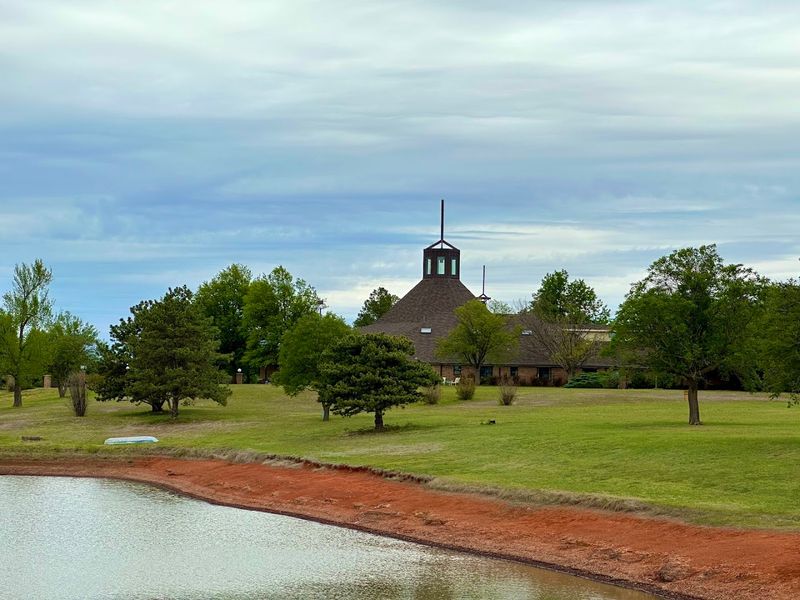
Twenty miles northwest of Oklahoma City, tucked along a quiet county road, sits a place that operates entirely outside the rhythm of modern American life.
The Great Sacred Monastery of Saint Iakovos New Studion at 20000 N County Line Rd, Piedmont, OK 73078 is an active monastic community that practices ancient Eastern Christian traditions with a consistency and sincerity that is immediately felt upon arrival.
The visual atmosphere of the monastery evokes the stone sanctuaries and mosaic-filled chapels of Greek or Eastern European monastic communities. The architectural choices, the iconography, and the deliberate pace of life here all reflect traditions that stretch back centuries across the Aegean and the Balkans.
What makes this place particularly striking is that it is not a recreation or a museum. It is a living, functioning monastery where the daily rhythm of prayer and work continues regardless of who is visiting.
That authenticity gives the space a weight that carefully designed tourist attractions rarely achieve.
The grounds themselves are peaceful in a way that is almost physical. The surrounding Oklahoma countryside, open and relatively flat, creates a contrast with the dense spiritual atmosphere of the monastery that heightens the sense of arrival and separation from the ordinary.
Mosaics and religious artwork throughout the property reflect the Byzantine aesthetic that defines Eastern Christian sacred art. The color and detail of these pieces are genuinely beautiful and worth taking time to observe carefully.
Arrange a peaceful visit and learn about the community’s practices and visitor protocols at stiakovosnewstudion.org before heading out, so your time there can be both respectful and deeply rewarding.
9. Myriad Botanical Gardens and Crystal Bridge Conservatory, Oklahoma City
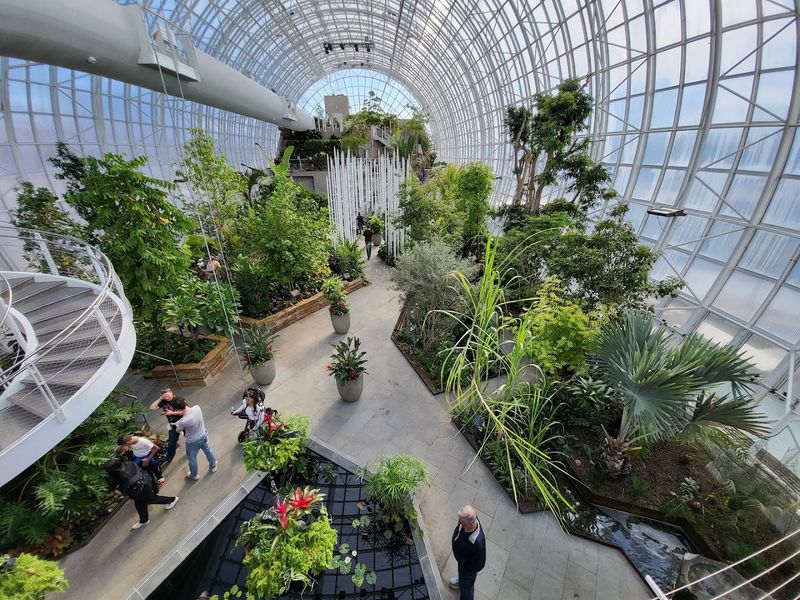
Right in the center of Oklahoma City, where you might expect nothing more than concrete and office towers, the Myriad Botanical Gardens offers something genuinely surprising.
The gardens at 301 W Reno Ave, Oklahoma City, OK 73102 occupy a generous urban footprint and anchor the city’s downtown with a level of horticultural ambition that feels thoroughly out of scale with expectations.
The Crystal Bridge Conservatory is the centerpiece, and it earns that status without effort. The cylindrical glass structure houses tropical plants, cascading water features, and a humidity that wraps around you the moment you step inside, transporting you somewhere very far from the Oklahoma plains.
The layout of the broader garden grounds draws meaningful comparison to the grand European glass orangeries and botanical conservatories that defined 19th-century horticultural ambition.
London’s Kew Gardens comes to mind, not because the scale is identical, but because the underlying design philosophy of bringing lush, tropical life into a formal civic setting feels closely related.
The outdoor gardens change with the seasons, which means repeat visits reveal different color palettes and planting combinations throughout the year. Spring and early summer bring the most dramatic floral displays, while winter turns the grounds into a quieter, more contemplative space.
I found the conservatory particularly rewarding on a cool morning, when the warmth and greenery inside feel like a genuine escape. The sound of the interior waterfall and the density of the tropical planting create an immersive atmosphere that holds up for a long, leisurely visit.
Check current operating hours and seasonal programming at the Myriad Botanical Gardens listing before your visit to plan your time in this unexpected Oklahoma City treasure.
10. Natural Falls State Park, Colcord
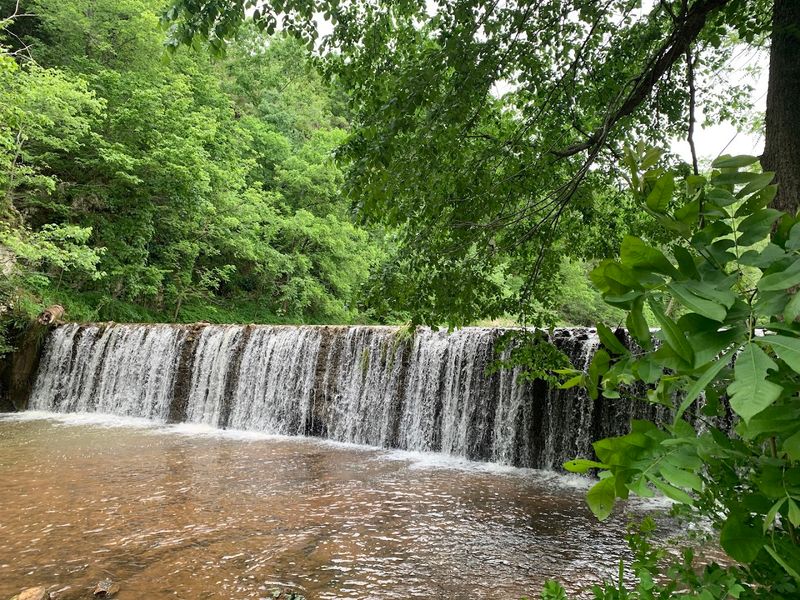
Hidden in the far northeastern corner of Oklahoma, down a road that gives very little indication of what lies ahead, Natural Falls State Park delivers one of the most genuinely jaw-dropping natural scenes in the state.
The park sits at 19225 E 578 Rd, Colcord, OK 74338, and the main attraction is a 77-foot waterfall that drops into a clear pool with the kind of theatrical confidence usually reserved for landscapes in travel documentaries.
The setting around the falls is what really sells the European comparison. Mossy rocks, dense canopy overhead, and the narrow green valley that frames the cascade all combine to create an atmosphere that bears a striking resemblance to the hidden glens of Ireland or the forested ravines of the Swiss Alps.
The trail down to the falls is short but steep, which means the view arrives quickly and with full impact. Standing at the base and looking up at the waterfall through the surrounding trees is a moment that rewards the effort of the descent immediately and completely.
The surrounding forest stays green and lush well into autumn, which makes the park visually rewarding across multiple seasons. Spring brings the highest water volume over the falls, while fall layers warm foliage tones over the deep green of the valley walls.
Wildlife is active throughout the park, and the trails beyond the main falls offer quieter forest walking that extends the experience well past the primary viewpoint.
Book parking passes or campsites directly through TravelOK using the Natural Falls State Park listing, and plan to arrive early to secure the best access to this extraordinary and genuinely secret Oklahoma landscape.
