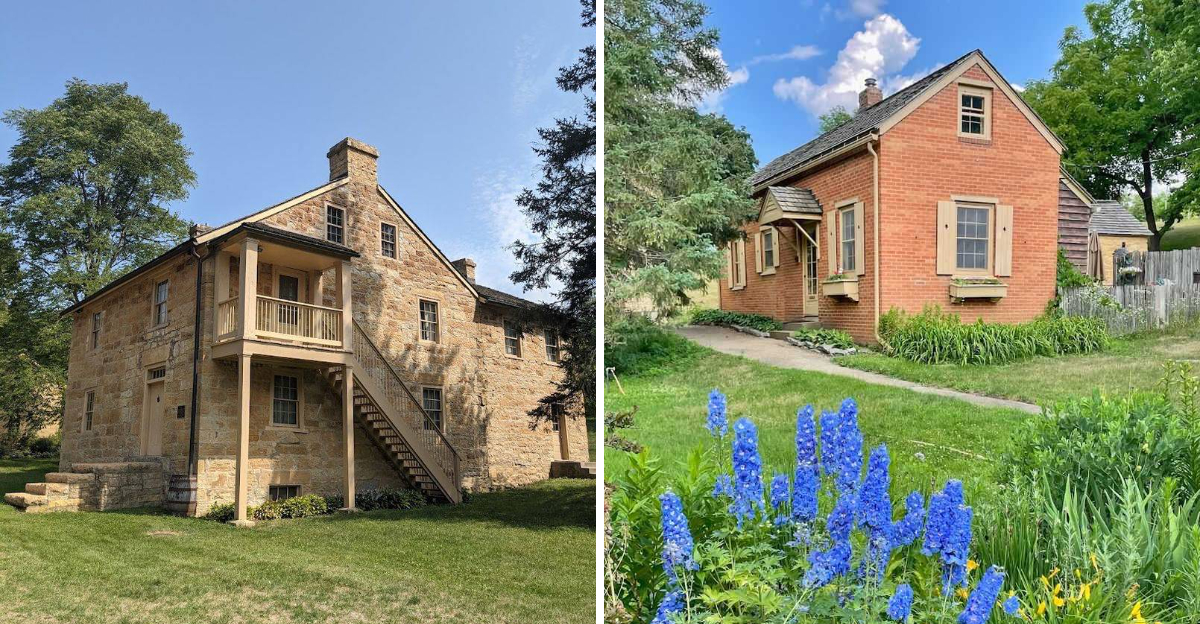
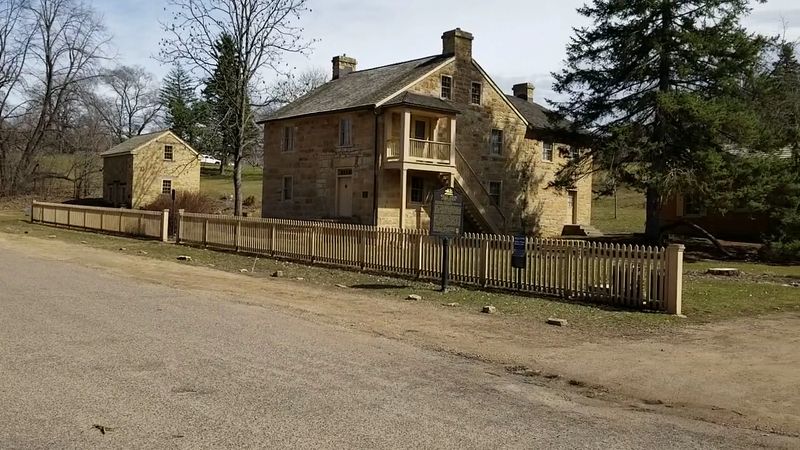
Some structures have witnessed history from the very beginning, and these limestone walls have seen it all unfold. They are the oldest in the state, built when the fur trade still dominated the region.
You can step inside and feel the weight of every decade that has passed. One house, constructed in 1835, is the oldest private residence in Minnesota.
It was home to a man who would become the state’s first governor. The neighboring house offers a glimpse into the life of another prominent fur trader from the same era.
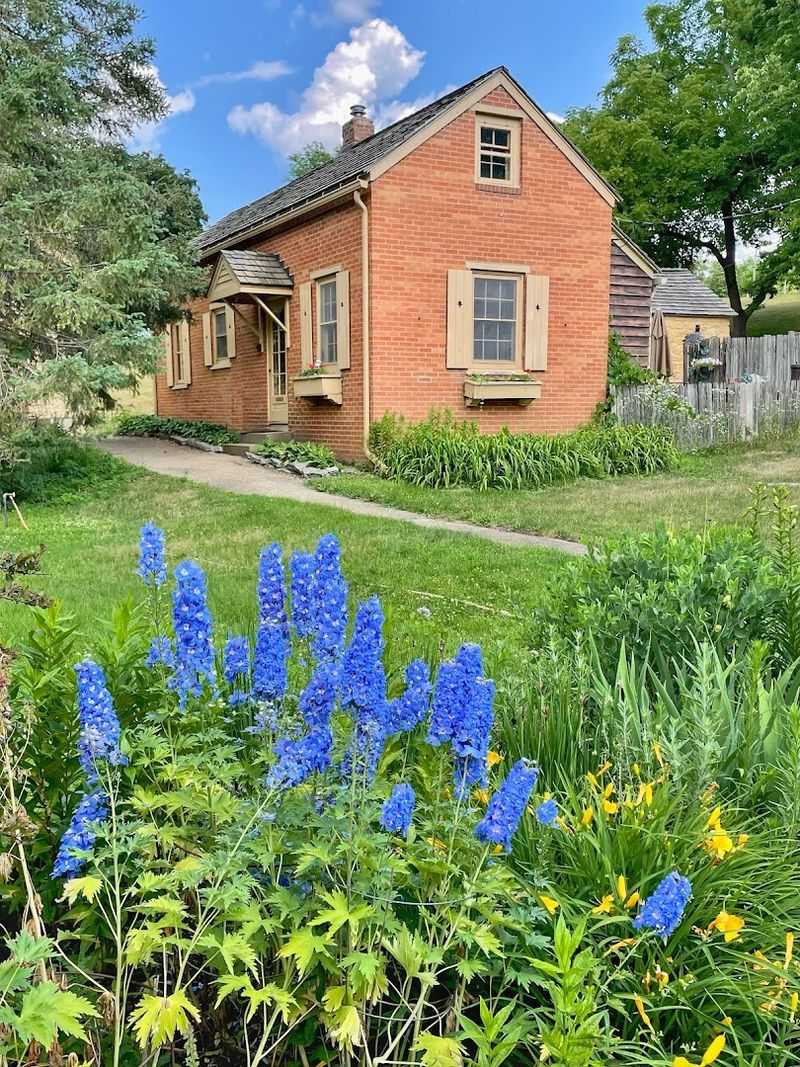
A cold storage building remains from 1843, used to preserve furs through the hot summer months. Another home, built in 1854, once served as a popular tea house and now welcomes visitors.
These buildings were nearly lost to time but were rescued and restored over a century ago. Minnesota has preserved its earliest days within these simple walls.
Standing on these grounds, you can feel the presence of those who shaped the territory before statehood was even a dream.
Minnesota’s Most Storied Stone Home
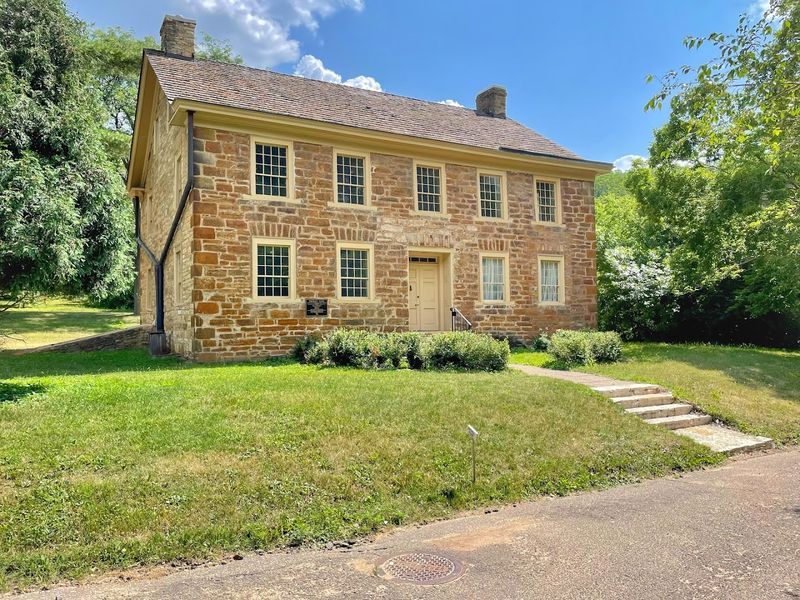
Walking up to the Sibley House feels like approaching something genuinely ancient by Minnesota standards. The golden limestone walls have stood since 1835, making this one of the oldest homes in the entire state.
That kind of age carries a quiet authority you can actually feel.
Henry Hastings Sibley lived and worked within these walls during a pivotal era of Minnesota history. He was a fur trader, a politician, and eventually the state’s first governor.
The house reflects all of those complicated, layered roles in fascinating ways.
Period furnishings fill the rooms with authentic detail, giving each space a lived-in quality. The guided tours bring the building to life with context that goes far beyond simple dates and names.
Visitors consistently leave with a much richer understanding of early Minnesota settlement and the complex relationships between European traders and Dakota communities. The house is genuinely one of a kind.
The Quiet Workhorse of the Frontier
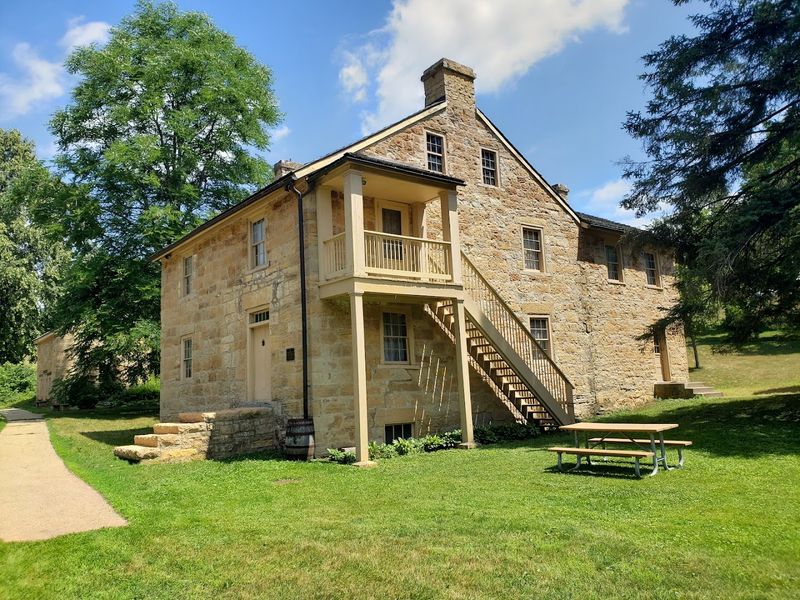
Not every building at a historic site gets top billing, but the Cold Storage Building here deserves serious attention. Built in the 1850s, it represents the practical, unglamorous side of frontier life that often gets overlooked in favor of grander stories.
Keeping food safe through brutal Minnesota winters was a genuine survival challenge.
The thick limestone walls were designed to hold cold temperatures naturally, acting as a kind of pre-industrial refrigerator. That engineering solution was clever, resourceful, and absolutely essential for the families and traders who depended on it.
You start looking at the structure differently once you understand its purpose.
Guides explain how daily life in early Mendota revolved around practical challenges like food preservation, water access, and seasonal planning. The Cold Storage Building grounds the entire visit in something relatable and human.
It is a reminder that history is not just about famous names but also about the everyday ingenuity that kept communities alive and functioning through hard seasons.
Wide Open Space With a River View
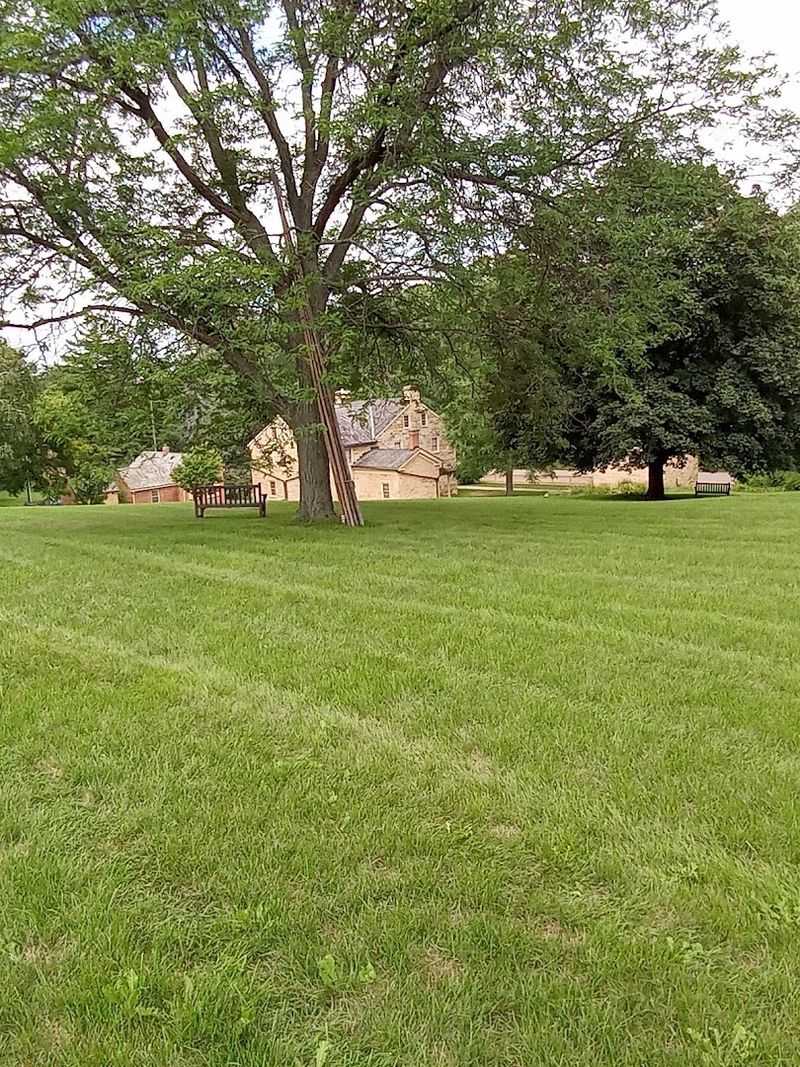
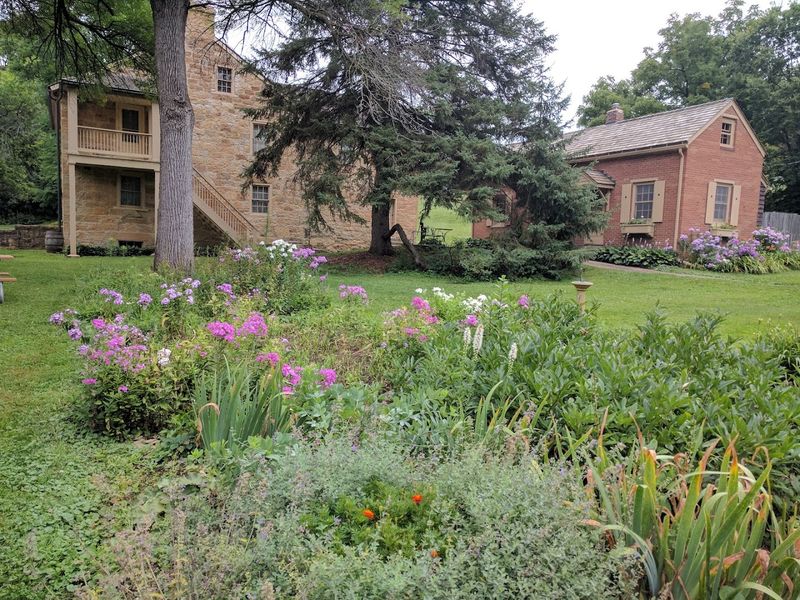
The moment you step onto the grounds, something shifts in the pace of the day. The open lawn stretches generously around the historic buildings, giving the whole site a relaxed, unhurried atmosphere.
It is the kind of place where kids can run freely while adults soak in the scenery.
The Minnesota River sits just beyond the bluff edge, and glimpses of it appear between the trees throughout your walk. That river view connects the site to its original purpose, since waterways were the highways of the fur trade era.
Seeing the river from here makes the history feel geographically grounded.
Picnic spots are available, and visitors often bring lunches to enjoy after a tour. The grounds also sit close to trail networks that connect to the surrounding state park.
Squirrels and rabbits are regular visitors to the lawn, which adds a lively, charming energy to the whole experience. The space itself is genuinely beautiful and worth savoring slowly.
The Heart of the Entire Experience
The guided tours at Sibley Historic Site are genuinely the main event, and they run on Fridays, Saturdays, and Sundays starting at 10 AM. Tour guides here bring real enthusiasm and deep knowledge to every walk-through.
The experience lasts about an hour and covers the major buildings and their stories.
Guides explain the fur trade economy, the architecture of the limestone buildings, and the lives of the people who called this place home. The Dakota history connected to this land also receives meaningful attention, giving visitors a broader and more honest picture of this era.
Questions from visitors are welcomed and handled with genuine care.
Groups with children have found the tours especially engaging, since guides adjust their storytelling to keep younger visitors curious and involved. The pace is comfortable, never rushed.
Dakota County manages the tours, and Minnesota Historical Society members can visit at no cost. Checking tour times before arriving is strongly recommended, since hours are limited to three days per week.
Minnesota’s Oldest European Settlement
Mendota itself is one of the most historically significant small towns in the entire state. Sitting at the confluence of the Minnesota and Mississippi Rivers, it was a natural gathering point for Native communities long before European traders arrived.
That geography made it strategically important from the very beginning.
European fur traders established a permanent presence here in the early 1800s, making Mendota arguably the oldest continuously inhabited European settlement in Minnesota. That distinction gives the whole town a quiet pride that you pick up on pretty quickly.
The Sibley Historic Site sits right at the center of that legacy. Walking around Mendota beyond the historic site reveals more layers of early Minnesota history. The oldest church in the state is nearby, as is one of the oldest bridges in the region.
Pairing a visit to the Sibley site with a short walk through the surrounding town adds real richness to the experience. Mendota rewards curiosity in every direction.
A Fur Trade Story Built in Stone
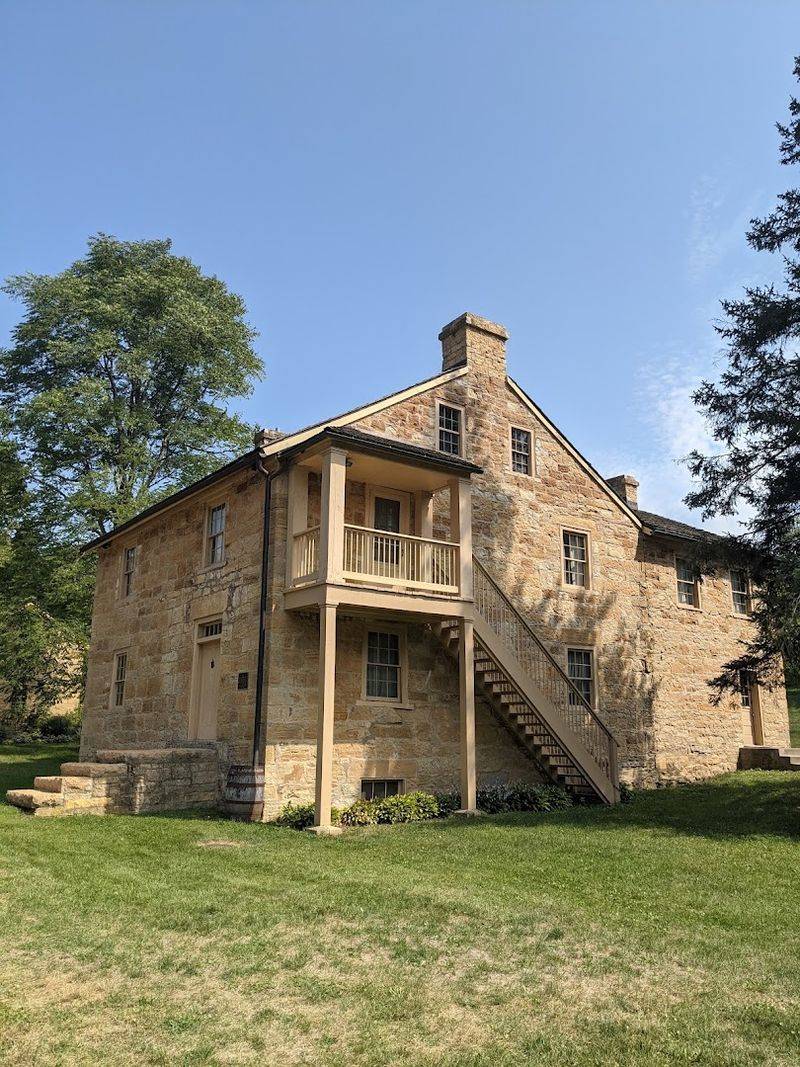
Right next to the Sibley House stands the Faribault House, and it carries its own remarkable story. Jean-Baptiste Faribault was a key figure in the regional fur trade, and this building was his home and workspace.
Seeing both houses side by side gives you a real sense of how this small community once operated.
The construction dates to around 1839, making it another extraordinarily rare surviving structure from Minnesota’s territorial period. The limestone was quarried locally, giving the building a texture and color that feels deeply rooted in this specific landscape.
Inside, the space tells the story of the fur trade economy that shaped so much of the upper Midwest. The relationships between European traders and Dakota people are woven throughout the interpretation here.
Guides take care to present multiple perspectives on this complicated history.
Spending time in the Faribault House adds serious depth to any visit, and it pairs perfectly with the Sibley House experience right next door.
The Limestone Architecture
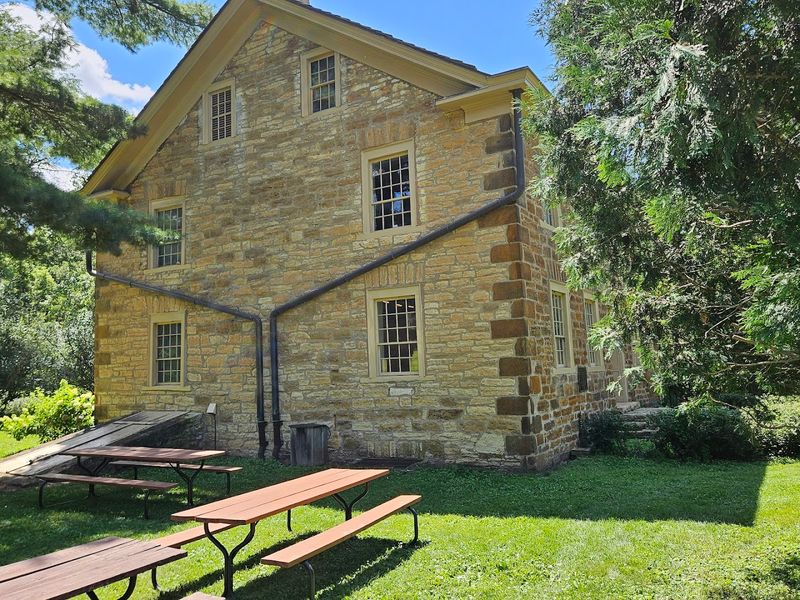
There is something immediately striking about the limestone used to build these structures. The warm golden color catches afternoon light in a way that makes the buildings glow against the green lawn.
It is genuinely beautiful, and that beauty is entirely accidental, born from practical necessity rather than aesthetic ambition.
The stone was quarried locally from bluffs along the river, which meant builders used what the landscape provided. That connection between material and place gives the buildings a rootedness that modern construction rarely achieves.
Visitors often comment on how solid and permanent the walls feel, even after nearly two centuries.
Tour guides discuss the construction techniques used in the 1830s and 1840s with impressive detail. Learning how these walls were raised without modern equipment adds a layer of respect for the builders involved.
The architecture itself becomes a kind of artifact, as informative as any object inside a display case.
Pausing to look closely at the stonework is absolutely worth the extra moment it takes.
Dakota History and the Fur Trade Era
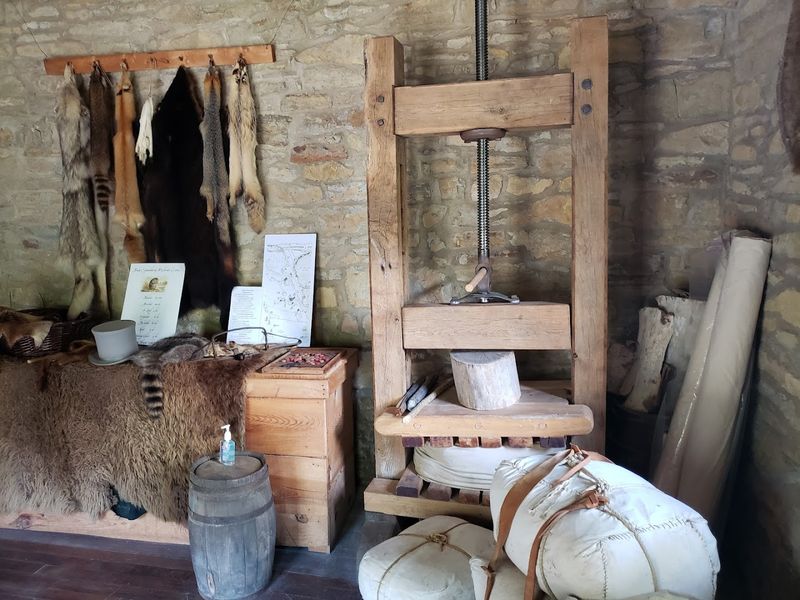
The history at Sibley Historic Site cannot be understood without the Dakota people who lived on this land long before European traders arrived. The site sits within Dakota homeland, and that context shapes every part of the story told here.
Responsible tours acknowledge this history with care and honesty.
The fur trade era brought European and Dakota communities into complex, often tense relationships built around commerce, diplomacy, and cultural exchange. Henry Sibley himself operated within that web of relationships as a prominent fur trader before entering politics.
Understanding his role requires holding multiple truths at the same time.
Some visitors have noted that interpretations of this history can vary depending on the guide and the tour. The site management has shown willingness to address concerns and improve how this history is presented.
For visitors interested in a full and honest picture of Minnesota’s origins, asking questions during the tour is encouraged. The conversations that emerge from those questions are often the most memorable part of the visit.
Special Events and Seasonal Programming
Sibley Historic Site comes alive in unexpected ways through its special events calendar. Halloween tours have drawn enthusiastic crowds, with guides exploring unusual historical connections in creative and entertaining ways.
Period performers add theatrical energy that transforms the grounds after dark.
Seasonal programming gives repeat visitors fresh reasons to come back throughout the year. Each event tends to highlight a different aspect of the site’s history, so no two visits feel exactly alike.
The autumn programming in particular draws visitors who pair the history with the surrounding fall foliage.
Events are managed through Dakota County and the Minnesota Historical Society, so checking the official website before planning a visit is a smart move. The site at mnhs.org/sibley keeps current programming details updated and accessible.
Special events often sell out faster than standard tours, so early planning pays off. The combination of history, atmosphere, and creative programming makes these events genuinely memorable for families and history enthusiasts alike.
What to Know Before You Go
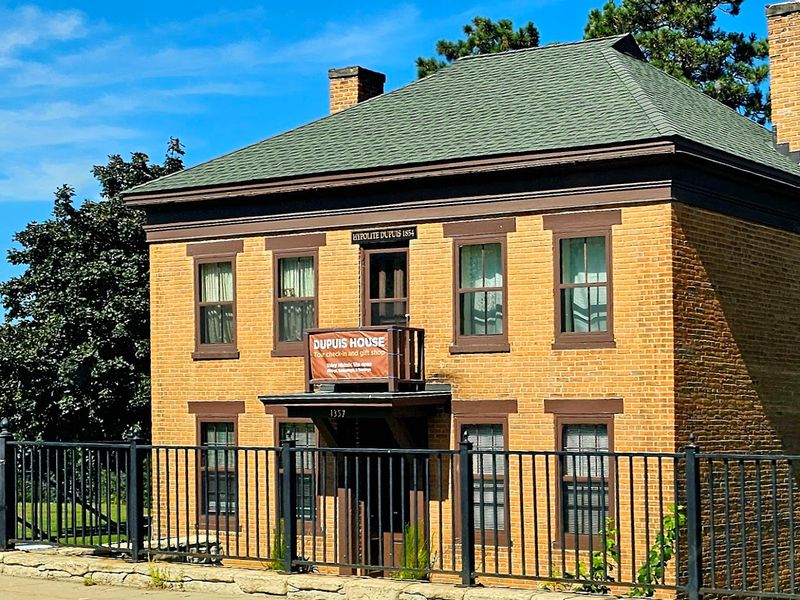
Getting to Sibley Historic Site takes a little planning, but the effort pays off immediately once you arrive. The site is located at 1357 Sibley Memorial Highway in Mendota, Minnesota, just a short drive from the Twin Cities metro area.
Parking is available on site, which makes arrival straightforward.
Tours run Friday through Sunday from 10 AM to 5 PM, and the site is closed Monday through Thursday. Arriving early gives you the best chance of joining a tour with a smaller group, which tends to feel more personal and engaging.
Calling ahead at 651-452-1596 is a good way to confirm tour availability.
Minnesota Historical Society members visit at no cost, which is a nice bonus for anyone already holding a membership. The gift shop carries a small but thoughtful selection of items, including inexpensive postcards that make great souvenirs.
Wearing comfortable shoes is a smart choice, since the grounds invite plenty of walking.
