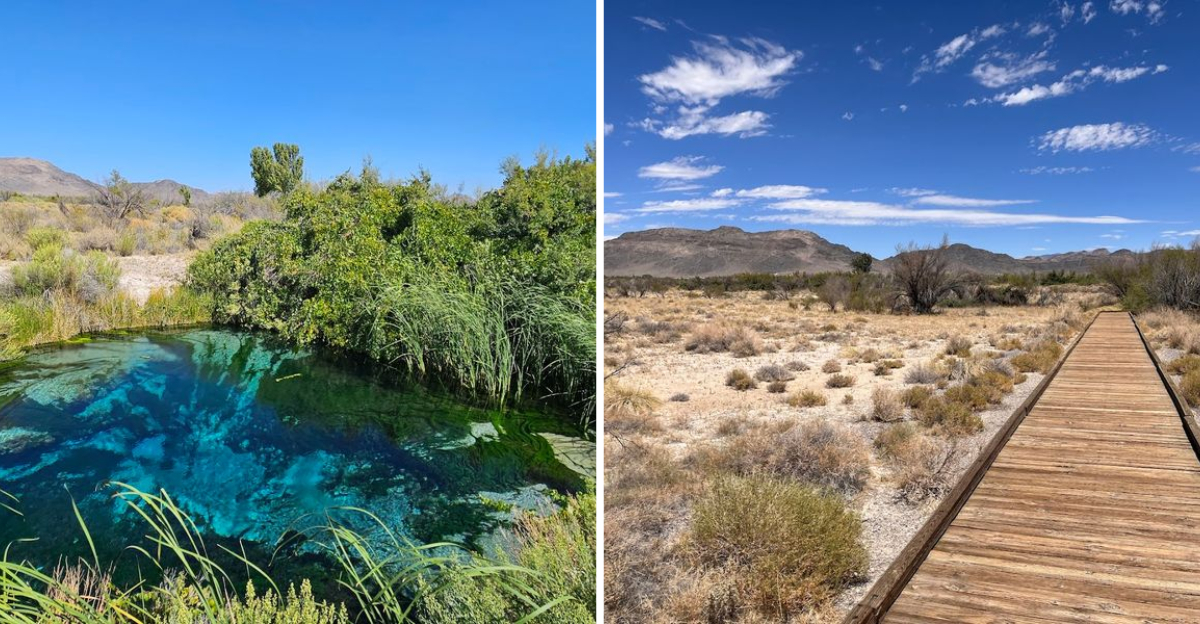
Crystal clear water shimmering against golden desert scrub. That is what you find in Nevada when you turn onto a quiet road and let curiosity take over.
An ancient underground aquifer has been pushing warm water to the surface for thousands of years. Over thirty natural springs bubble up across thousands of acres, creating a lush, green oasis that feels almost impossible.
I pulled up and just stood there, genuinely surprised this place existed and that I had almost skipped it. It makes you rethink everything you thought you knew about the desert.
Crystal Reservoir: Your Desert Swimming Hole
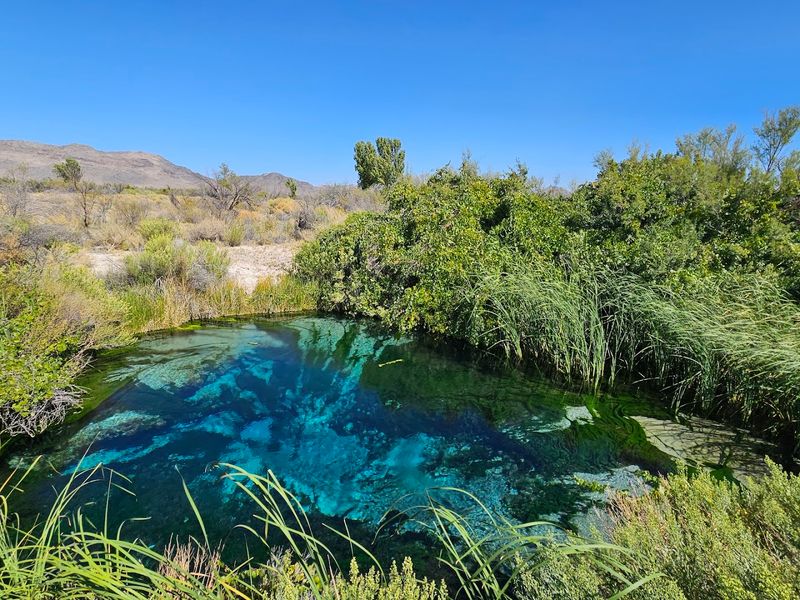
There are not many places in the world where you can swim in naturally warm spring water while the surrounding desert bakes under a relentless sun. Crystal Reservoir at Ash Meadows is one of those rare exceptions.
The water sits at a comfortable 86 degrees Fahrenheit year-round, fed directly by ancient underground springs that have been flowing long before anyone thought to build a swimming pool.
Getting in for the first time feels genuinely surreal. The water is clear, the temperature is almost perfectly body-warm, and the desert stretches out around you in every direction.
It is the kind of swim that sticks with you for a long time after you have dried off and driven home.
One thing worth knowing before you jump in: the refuge advises visitors about the possibility of Swimmer’s Itch, a skin irritation caused by a flatworm larva found in the water. It is not dangerous or contagious, just a little uncomfortable for some people.
Rinsing off quickly after your swim and toweling dry can help reduce the chances of irritation. Bring a towel, wear water shoes, and enjoy one of the most unusual swims the American Southwest has to offer.
Ancient Fossil Water Beneath the Desert Floor
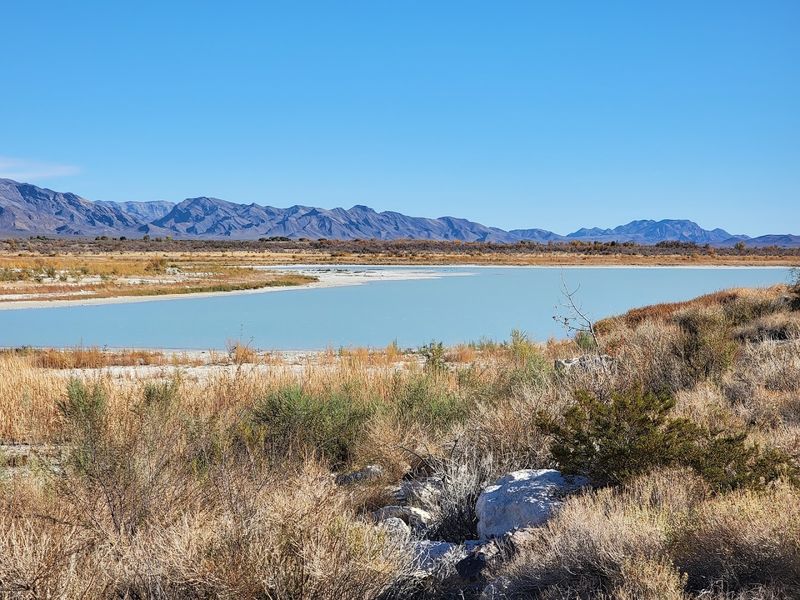
The water you swim in at Ash Meadows did not fall as rain last season. It has been stored deep underground for thousands of years, slowly filtering through rock and gravel in what scientists call a fossil water aquifer.
That ancient reservoir is what keeps over 30 springs and seeps flowing steadily across the refuge, even in the middle of one of the hottest and driest regions in North America.
Thinking about that while floating in the warm water adds a strange kind of weight to the experience. You are not just cooling off.
You are touching something genuinely ancient. The water rising around you has been on a very long journey, and Ash Meadows is where it finally reaches the surface.
The U.S. Fish and Wildlife Service manages the refuge specifically to protect this fragile water system.
Mining and development once threatened to drain or contaminate the aquifer, which would have been catastrophic for the species that depend on it. Learning that history at the visitor center makes the springs feel even more precious.
This water is irreplaceable, and the fact that it is still here, still warm, still clear, is a small miracle worth appreciating.
The Pupfish: Tiny Survivors of a Vanished Sea
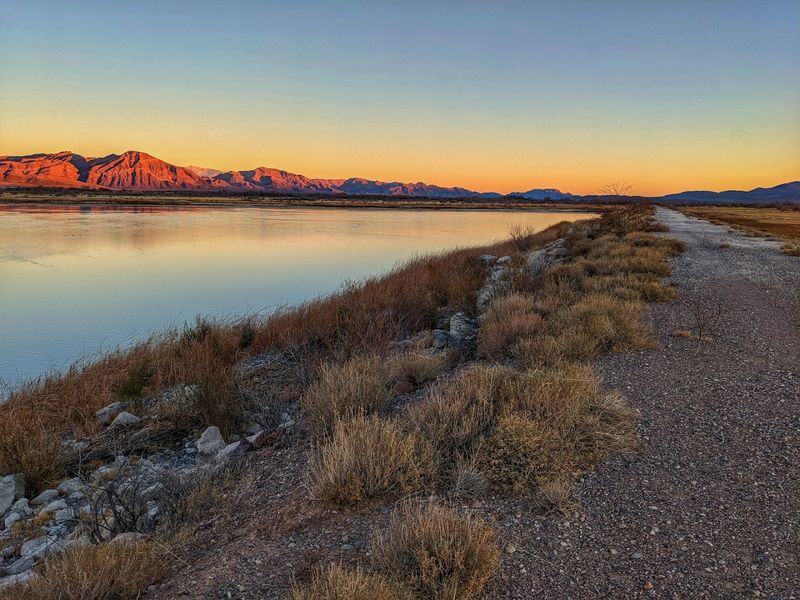
Few creatures on earth have a more dramatic backstory than the pupfish found at Ash Meadows. These small, energetic fish are direct descendants of species that swam in a massive inland lake covering much of the Great Basin thousands of years ago.
As the climate dried and that ancient lake shrank, isolated populations adapted to survive in shrinking pools of increasingly warm, mineral-rich water.
The Warm Springs pupfish living here can tolerate water temperatures up to 93 degrees Fahrenheit, which is a genuinely astonishing biological feat. Watching them dart around in the spring pools feels like watching evolution in action.
They are vivid, fast, and surprisingly bold for something the size of your thumb.
Ash Meadows is home to several pupfish species found absolutely nowhere else on Earth. The Devils Hole pupfish, one of the rarest vertebrates on the planet, lives in a single flooded cavern within the refuge.
You cannot get close to Devils Hole, but the visitor center has detailed exhibits that explain why this tiny fish matters so much to scientists and conservationists worldwide. Bring binoculars for a better view of the spring pools, and take a slow walk along the boardwalk to spot them near the surface.
A Biodiversity Hotspot Hidden in Plain Sight
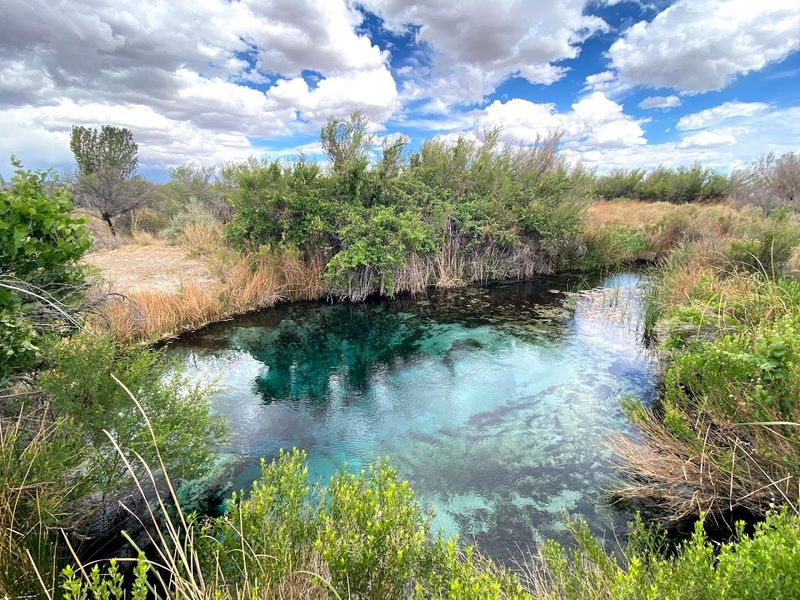
Ash Meadows holds a record that most people find hard to believe: it is home to 26 species of plants and animals found nowhere else on Earth. For a patch of desert in southern Nevada, that number is staggering.
Biologists rank it among the most significant biodiversity hotspots in North America, and it earns that title without any of the fanfare of more famous natural landmarks.
The reason for this incredible concentration of unique life comes down to isolation and ancient water. Species that became stranded here as the climate changed had no way out.
Over thousands of generations, they adapted to their specific spring or pool, eventually becoming distinct enough to be classified as entirely new species. The refuge is essentially a living laboratory of localized evolution.
Beyond the pupfish, the refuge supports rare plants, invertebrates, and bird species that rely on the wetland habitat created by the springs. Spring wildflower season brings out color that feels almost out of place against the surrounding desert.
Birdwatchers have reported over 20 raptor species in a single visit, along with shrikes, meadowlarks, and a wide variety of migratory birds that stop here to rest. The diversity here rewards slow, patient observation far more than a quick walk-through.
The Boardwalks and Trails Worth Every Step
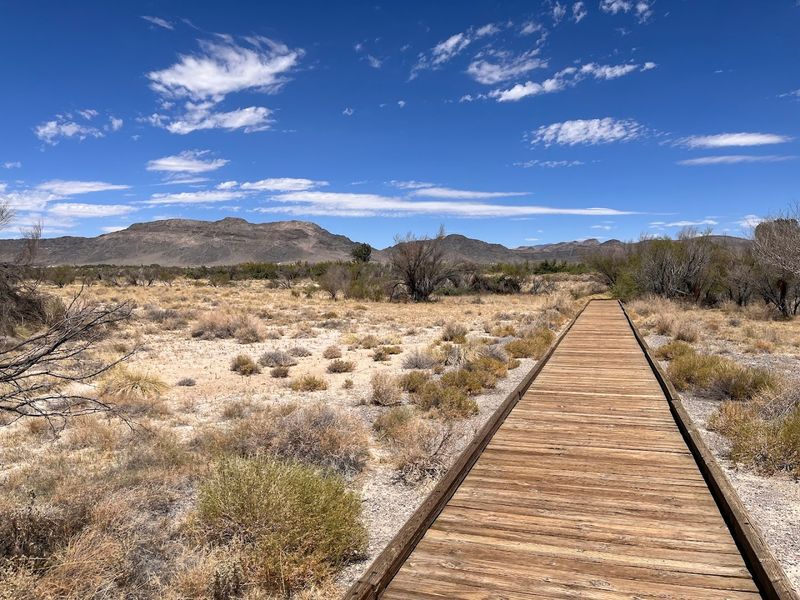
The trail system at Ash Meadows is one of those setups that works well for almost everyone. Most of the main paths near the visitor center are flat, well-maintained boardwalks that are wheelchair accessible and easy on the knees.
They wind through patches of green vegetation that feel genuinely lush compared to the pale desert stretching beyond the refuge boundary.
The boardwalk at the visitor center leads directly to several spring pools where you can watch pupfish and observe the water bubbling up from underground. Point of Rocks is another trail worth taking, offering a slightly longer walk with good views of the surrounding landscape and access to additional springs.
Each spot along the trail has its own small character, its own cluster of plants, its own quality of light on the water.
Good walking shoes are a practical necessity since some sections beyond the main boardwalks involve uneven ground. The refuge staff at the visitor center are genuinely helpful about recommending routes based on how much time you have.
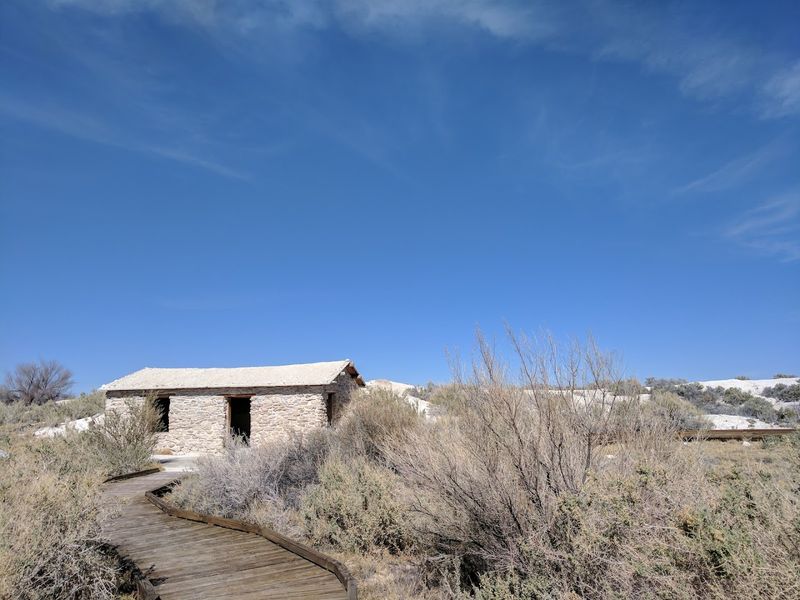
They can point you toward Jack Longstreet’s cabin, a historic site within the refuge that adds an unexpected layer of human history to what is already a fascinating natural landscape. Bring plenty of water no matter which trail you choose.
The Visitor Center: Where the Story Comes Together
Some visitor centers feel like an afterthought. The one at Ash Meadows is actually worth spending real time in.
It houses a small but well-designed museum with exhibits on the natural history of the springs, the endemic species, and the human story of the Amargosa Valley. There is a short film that gives good context before you head out onto the trails, and the staff there are consistently described by visitors as knowledgeable and genuinely enthusiastic about the place.
There is also a gift shop, clean bathrooms, and plenty of kid-friendly displays that make the science accessible without dumbing it down. Families with younger kids will find it easy to keep everyone engaged here before heading outside.
The exhibits do a good job of explaining why this seemingly remote refuge matters on a global conservation scale.
The visitor center is open daily from 9 AM to 4 PM, so plan your arrival accordingly. If you are coming from Death Valley or Las Vegas, factor in the dirt road leading to the refuge.
It is manageable in a standard vehicle during dry conditions, but can become muddy and difficult after heavy rain. Calling ahead at +1 775-372-5435 to check road conditions is a smart move, especially in winter months.
Planning Your Visit to Ash Meadows
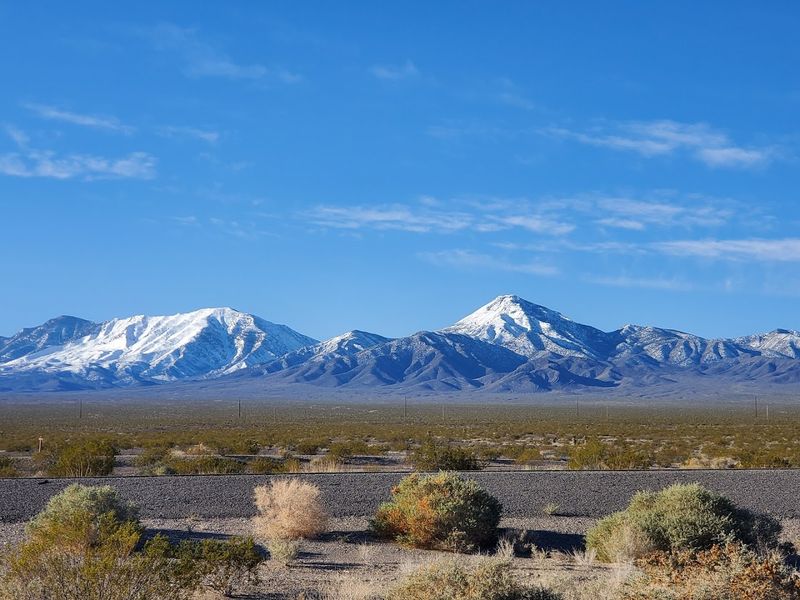
Ash Meadows sits in Amargosa Valley, about 90 miles northwest of Las Vegas and just over the ridge from Death Valley National Park. The combination makes it an ideal addition to any Death Valley road trip, though it genuinely deserves its own dedicated visit rather than a rushed stop.
The address is 8757 Spring Meadows Rd, Amargosa Valley, NV 89020, and the final stretch of road is unpaved, so a vehicle with decent clearance is helpful.
Fall, winter, and spring are the best times to visit. Summer temperatures in the Mojave can be brutal, and while the spring water stays at a consistent 86 degrees, the air around you will not be forgiving.
Mornings are generally the most comfortable time to explore the trails and boardwalks before the heat builds through the afternoon.
Pack water, snacks, sunscreen, and a hat regardless of the season. If you plan to swim at Crystal Reservoir, bring a towel and a change of clothes.
The refuge does not have food vendors or restaurants on site. Binoculars are a worthwhile addition to your bag if you are interested in birdwatching or want a better look at the pupfish in the spring pools.
This place rewards preparation and a relaxed pace over rushing through.
Address: 8757 Spring Meadows Rd, Amargosa Valley, Nevada
