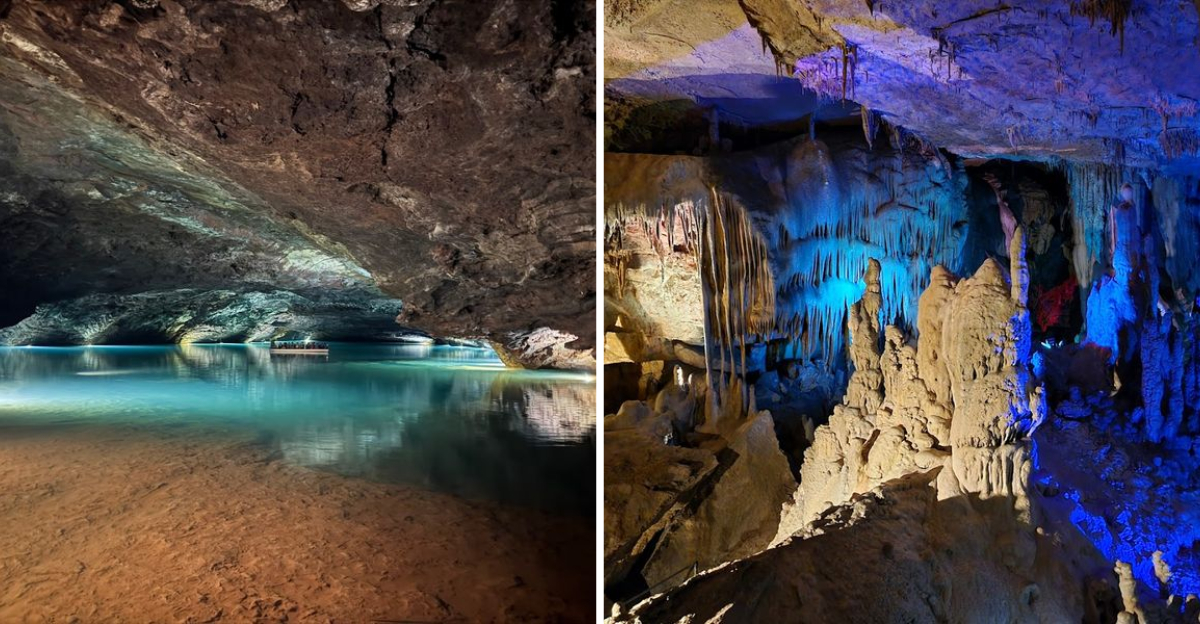
Nearly 10,000 caves carve into limestone bedrock over millions of years. That number sounds impossible until you start exploring, and then it makes complete sense. I remember descending into a cave for first time and feeling temperature drop instantly, air thick with damp earth and ancient stone.
These caves are not just geological curiosities. Living ecosystems shelter rare bats, blind crayfish, and species found nowhere else on our planet.
Development, disease, and human carelessness quietly erase some caves before scientists even get a chance to study them. A single disease wiped out millions of bats.
A careless visitor introduced contaminants that will never leave. Each loss feels permanent and heartbreaking.
Six cave destinations offer a journey into fragility and wonder. Crawling through narrow passages and standing in cathedral-like rooms reminds you how small we really are.
Underground worlds beneath our feet hold secrets we have only begun to understand. Protecting them starts with a single careful step.
Dunbar Cave (Clarksville)
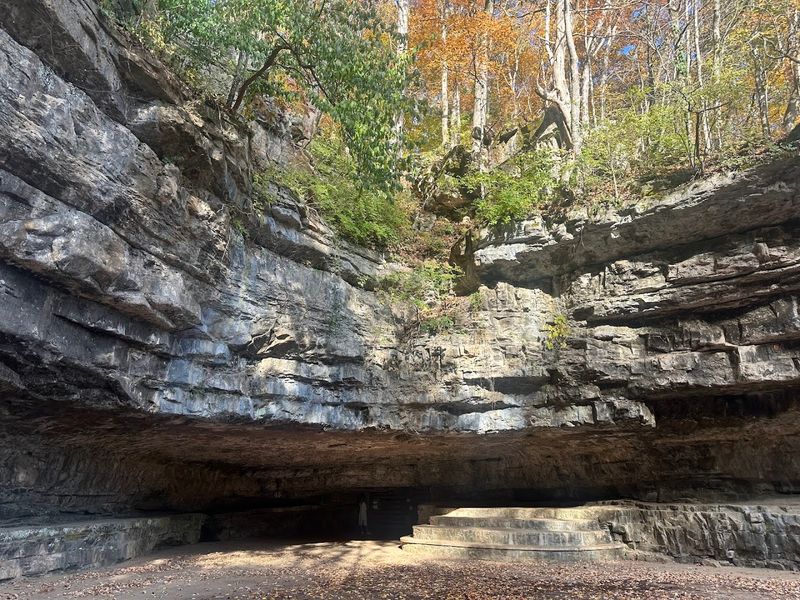
There is something quietly haunting about Dunbar Cave, like the land itself is holding its breath. The cave entrance yawns open near a serene lake, framed by old hardwood trees that have stood watch for centuries.
Long before it became a state natural area, this cave served as a summer resort, a place where people danced and listened to big band music just steps from the cave’s cool mouth.
The cave system stretches for miles beneath the surface, and only a portion of it is open to guided tours. Inside, the formations are modest but beautiful, and the silence presses in around you in a way that feels almost sacred.
Bat colonies have called this cave home for ages, and White-Nose Syndrome has hit them hard in recent years.
Conservation teams have been working to monitor and protect the remaining bat populations, installing gates and limiting human access to sensitive areas. The surrounding park is peaceful and worth a slow wander even outside the cave itself.
Dunbar Cave is the kind of place that reminds you history and nature are never really separate things.
Lookout Mountain Caverns (Lookout Mountain)
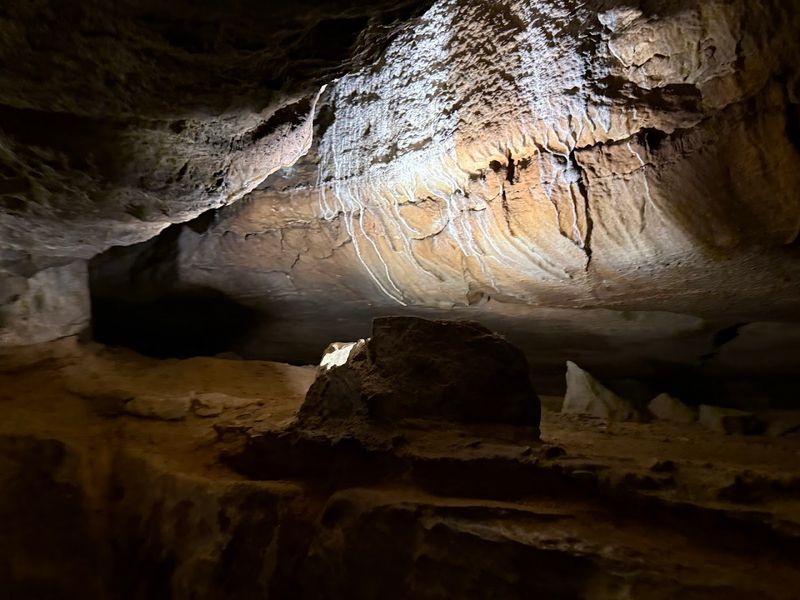
Perched high on Lookout Mountain, this cavern system carries a drama that matches its famous ridgeline setting. The geology here is spectacular, with formations that took hundreds of thousands of years to build, drip by patient drip.
I found myself craning my neck constantly, trying to take in the scale of chambers that opened up without warning.
The cave has a long human history, used by Native Americans long before European settlers arrived in the region. During the Civil War, the surrounding mountain saw fierce fighting, and the cave itself became part of that layered story of the land.
That weight of history makes every step inside feel more meaningful than a typical tourist attraction.
What concerns conservationists today is the steady impact of climate change on the cave’s internal water systems. Shifts in rainfall patterns affect the slow drip that feeds formations, and some sections are already showing signs of stress.
Guided tours here do an excellent job of weaving geology, history, and ecology together into something genuinely educational. Lookout Mountain Caverns rewards curiosity at every turn.
Address: 1110 E Brow Rd, Lookout Mountain, Tennessee
Nickajack Cave (Marion County)
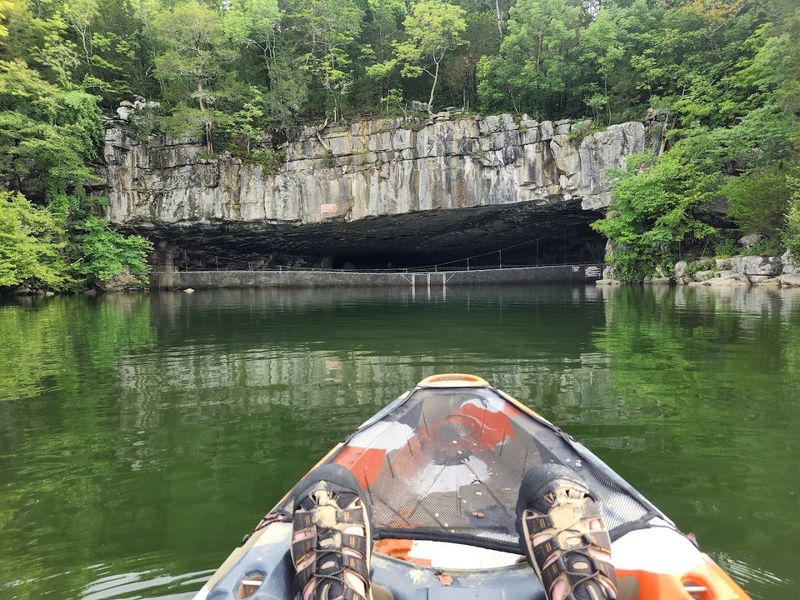
Few caves in Tennessee carry as much emotional and historical weight as Nickajack. The cave entrance opens dramatically near the Tennessee River, a massive dark mouth in the limestone bluff that seems to swallow the light whole.
It has been a refuge, a battlefield, and a sanctuary, all at different moments in its long history.
Native American communities used it for shelter. Confederate saltpeter miners worked inside it during the Civil War.
And in 1967, a troubled Johnny Cash reportedly came here seeking an end, only to find something closer to a beginning instead. That story alone gives Nickajack a gravity that is hard to shake.
Today the cave is closed to the public and managed as a critical bat habitat. It shelters one of the largest bat colonies in the eastern United States, including endangered gray bats.
Watching the bats emerge at dusk from a respectful distance is one of the most breathtaking wildlife experiences Tennessee offers, a living river of wings pouring out of the darkness for nearly an hour. White-Nose Syndrome remains a serious threat here, and ongoing monitoring is essential to the colony’s survival.
Berry Cave (Roane County)
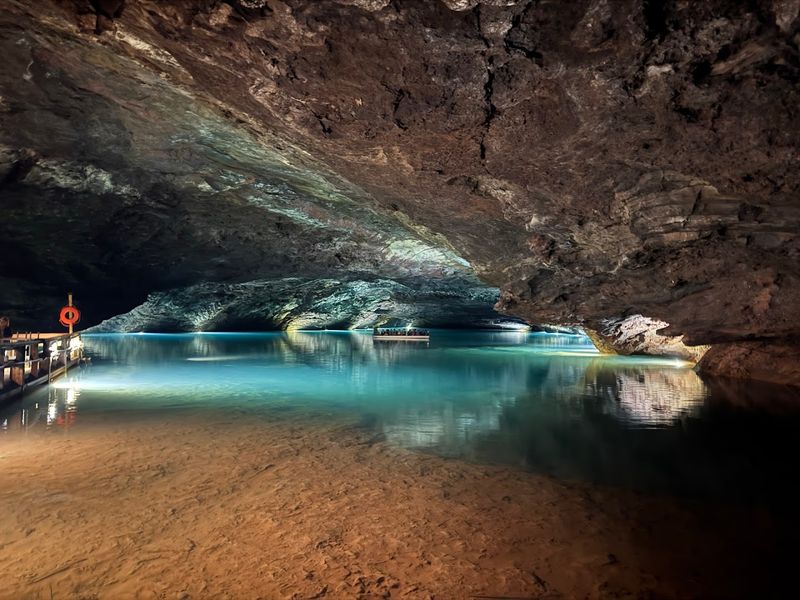
Berry Cave does not show up on many tourist itineraries, and that is exactly what makes it so important to talk about. Located in Roane County, this cave system is one of the longest surveyed caves in Tennessee, stretching for miles through the karst landscape beneath the surface.
Scientists have been mapping and studying it for decades.
The cave is particularly significant for its rare invertebrate species, including cave crayfish and isopods that have adapted over thousands of years to life without light. These creatures are extraordinarily sensitive to changes in water quality and temperature, making them reliable indicators of environmental health.
When their populations drop, something upstream is going wrong.
Berry Cave faces pressure from agricultural runoff and nearby development, both of which can contaminate the groundwater that feeds the cave ecosystem. Access is restricted, which helps, but the threats exist whether humans are physically inside or not.
The cave’s story is a reminder that what happens on the surface always finds its way underground eventually. Protecting Berry Cave means thinking carefully about land use across the entire watershed that drains into it, not just the cave entrance itself.
Lost Creek Cave (White County)
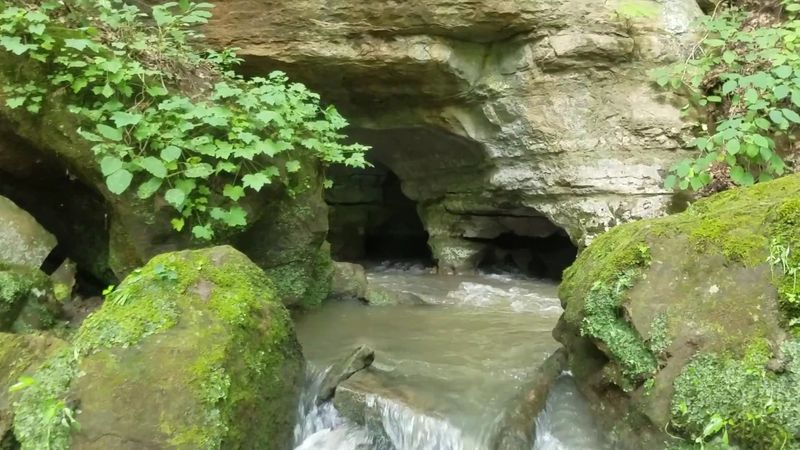
Lost Creek Cave earns its name in the best possible way. A stream actually disappears into the cave entrance, swallowed by the earth in a rush of sound and mist that feels genuinely magical.
The surrounding area in White County is lush and quiet, the kind of Tennessee countryside that makes you slow down without even realizing it.
The cave is part of a small state natural area that protects both the surface habitat and the underground ecosystem below. Gray bats use the cave as a maternity colony, which means it is absolutely critical that disturbance during pupping season is kept to a minimum.
Seasonal closures are in place to protect the bats during their most vulnerable period.
White-Nose Syndrome has already impacted colonies at nearby caves, and conservationists are watching Lost Creek closely. The waterfall entrance creates a naturally dramatic setting, and even visiting the outside of the cave feels like discovering something secret.
There is a short trail that winds through the natural area, offering views of the sinkhole landscape that hints at all the hidden geology below. Lost Creek Cave is proof that some of the best things in Tennessee are quietly tucked away from the crowds.
Raccoon Mountain Caverns (Chattanooga)
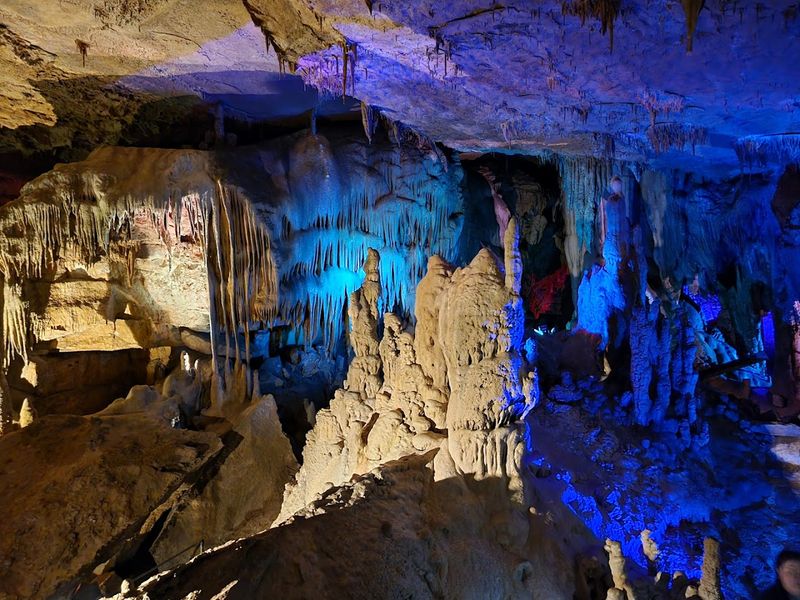
Raccoon Mountain Caverns sits just outside Chattanooga and packs a surprising amount of geological wonder into a relatively accessible experience. The cave system here is extensive, with guided tours covering the well-lit main passages and wild caving adventures available for those who want to go deeper into the unimproved sections.
That range of options makes it genuinely interesting for people at different comfort levels.
The formations inside are varied and visually impressive. Flowstone cascades down walls like frozen waterfalls, and columns rise from the floor where stalactites and stalagmites finally met after thousands of years of slow growth.
The cave maintains a steady cool temperature year-round, which feels like a gift in a Tennessee summer.
Beyond the geological spectacle, Raccoon Mountain Caverns plays an important role in public education about cave conservation. Staff regularly explain the fragility of cave ecosystems and why touching formations, even briefly, can halt thousands of years of growth in an instant.
That message lands differently when you are standing next to a formation that took longer to build than human civilization has existed. Chattanooga itself is a fantastic base for exploring the broader cave landscape of southeast Tennessee.
Address: 319 W Hills Dr, Chattanooga, Tennessee
