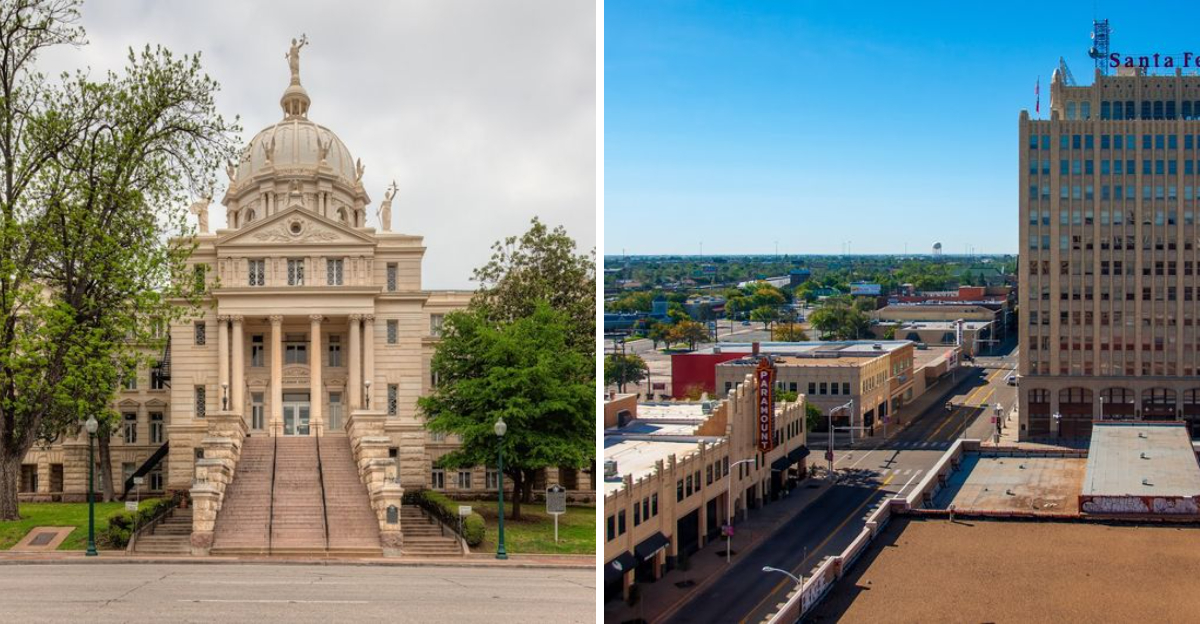
Texas has always been a land of opportunity, but for many residents, the math of staying in their own homes has simply stopped working. The transition happens quietly as rising tax bills and ballooning home values push long-term neighbors toward the outer rings of the metro area.
When a neighborhood loses the middle income households that gave it its soul, the cultural fabric begins to unravel in ways that statistics cannot fully capture.
It is a story of shifting identities and suburban migration where the search for breathing room leads families further and further away from the city core.
1. Austin
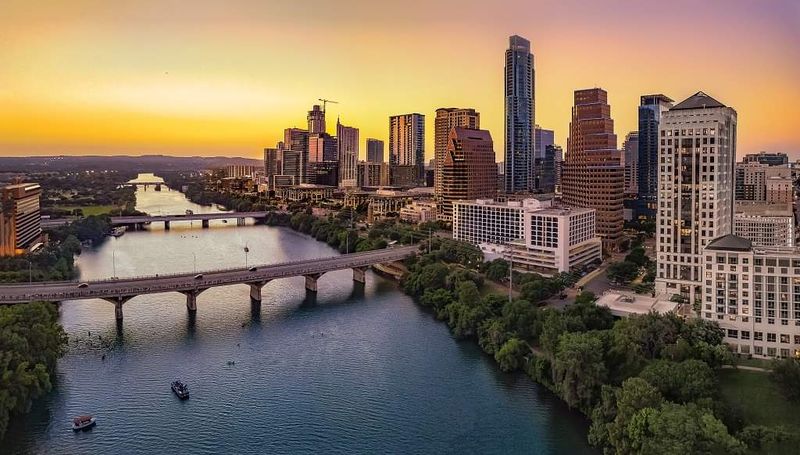
Austin once had a reputation as the quirky, affordable creative hub of Texas, but those days feel like a distant memory now. Property values exploded so fast that even residents who bought homes years ago are struggling to keep up with annual tax bills that seem to grow overnight.
The city that used to attract young artists and musicians is now pricing them out.
Longtime locals describe a kind of quiet grief watching friends leave for smaller towns in search of breathing room. Median home prices climbed sharply between 2020 and 2023, outpacing income growth by a wide margin.
The math simply stopped working for thousands of families.
Caldwell County, just south of Austin, absorbed many of those departing residents, growing by over 4% recently. Austin itself, though still large, is shedding the middle-income households that once gave it its character.
2. Pflugerville
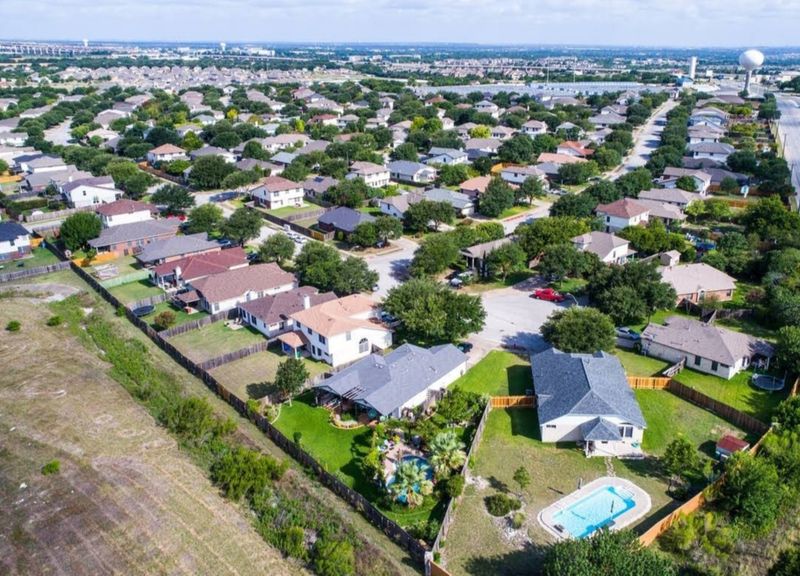
Pflugerville sits just northeast of Austin, and for a while it served as the escape hatch for families priced out of the state capital. Builders rushed in, subdivisions sprouted practically overnight, and the population swelled with hopeful newcomers.
But the affordability window closed faster than anyone anticipated.
Property taxes followed the rising home values with almost mechanical precision, and residents who moved here to save money found themselves facing bills that rivaled what they had fled. The town grew so quickly that its infrastructure, schools, and roads struggled to keep pace.
That combination of high costs and growing pains pushed some residents to look even farther out.
There is something bittersweet about a place that was supposed to be the solution becoming part of the problem. Pflugerville is still growing on paper, but the churn beneath that growth tells a more complicated story about who can actually afford to stay.
3. Houston
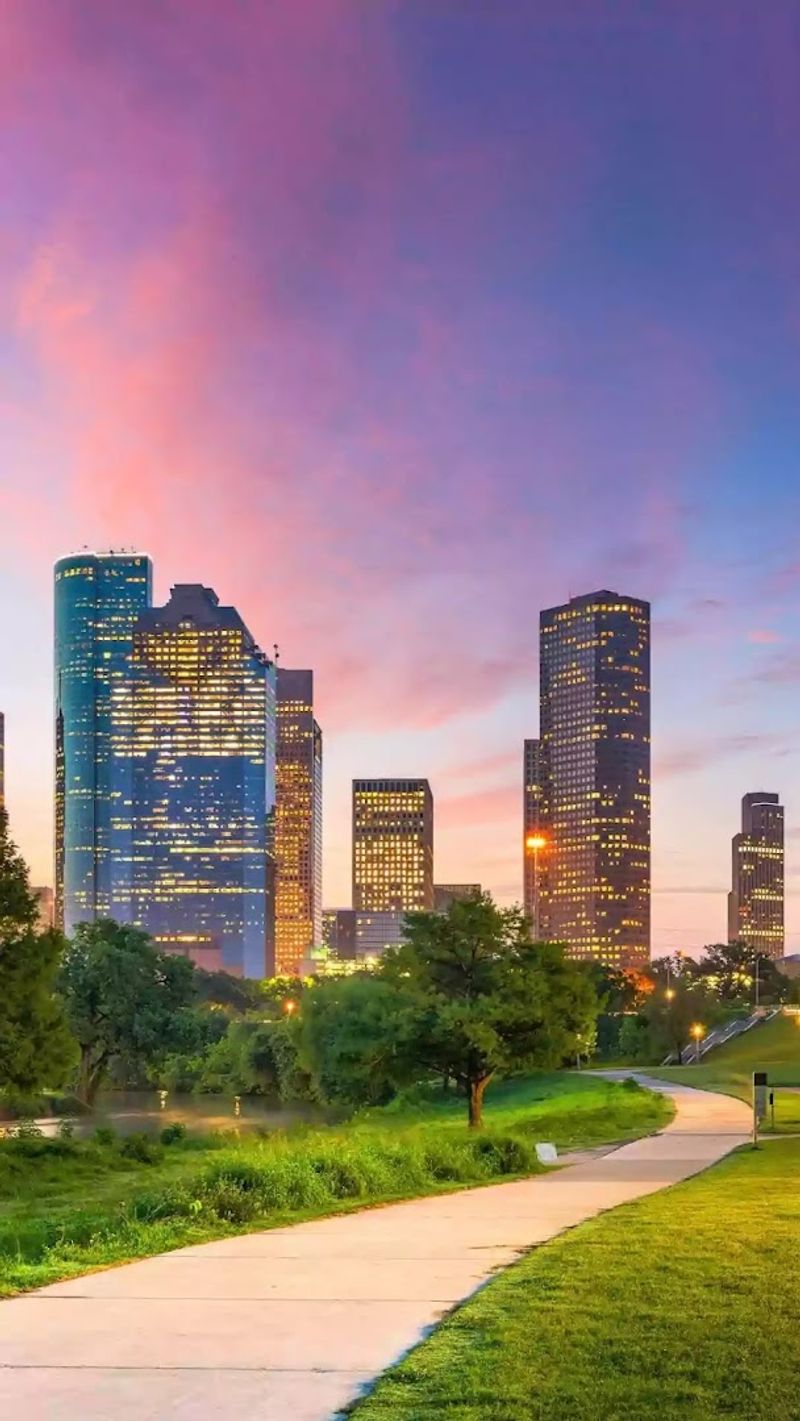
Houston is massive, and its size has long made it feel immune to the affordability crises hitting smaller Texas cities. But even here, the pressure is building in ways that are starting to show.
Certain inner-city zip codes are seeing residents pack up and head toward the outer rings of the metro area, where land is cheaper and tax bills are slightly less punishing.
Waller County, northwest of Houston, grew by 5.7% recently, absorbing families who could no longer afford to stay close to the city core. That kind of suburban migration is reshaping entire school districts and local economies.
It is a ripple effect that spreads far beyond the original point of displacement.
Houston’s property tax situation is complicated by the sheer scale of its housing market. Record statewide property tax revenues hitting $125 billion in 2024 tell only part of a much larger story.
4. Round Rock
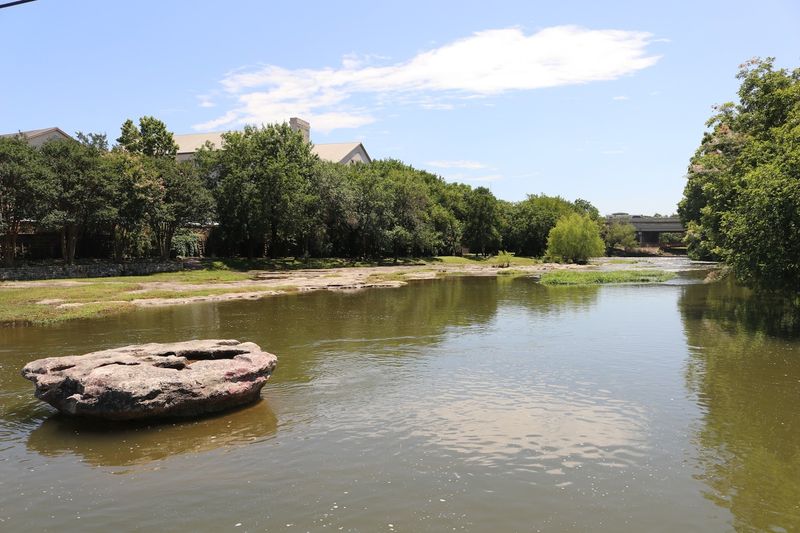
Round Rock earned a strong reputation as a family-friendly suburb north of Austin, drawing residents with its good schools and slightly lower costs than the city proper. That reputation attracted so many people that home prices surged, and the tax assessments followed right along.
What was once an affordable alternative became nearly as expensive as the city it was supposed to offer relief from.
Long-term residents who bought modestly priced homes a decade ago are now sitting on high-value properties they cannot afford to keep because of the tax burden attached to them. Selling means cashing out, but it also means losing a community they built their lives around.
That trade-off is genuinely painful to witness.
Round Rock still has a lot going for it, and I do not want to paint it as a town in crisis. But the affordability that defined it is quietly disappearing, and residents are noticing.
5. Dallas
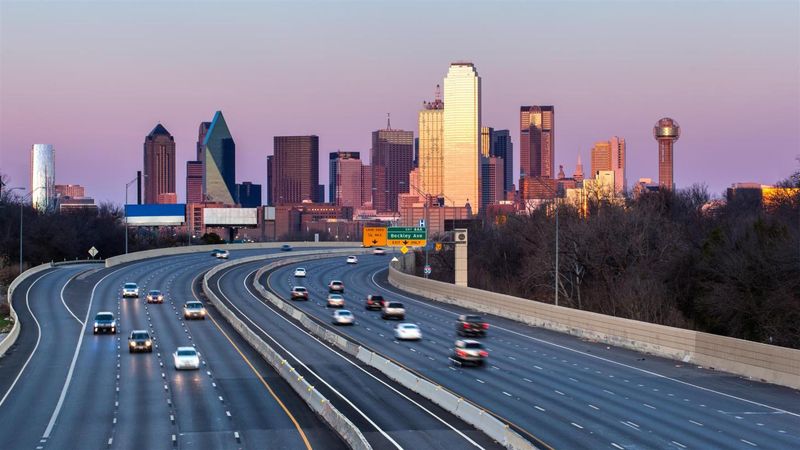
Dallas County lost more than 21,000 residents between 2024 and 2025, making it one of the most striking examples of urban population flight in the entire state. Property taxes in the area ballooned alongside rising home values, and many families found themselves priced out of neighborhoods they had lived in for generations.
The numbers are hard to ignore.
What strikes me most is how the departure is not just about money. It is about identity.
When a neighborhood loses a third of its longtime residents, the culture shifts in ways that feel almost irreversible. Corner stores close, churches shrink, and the fabric of community slowly unravels.
Kaufman County, just east of Dallas, grew by nearly 5.7% as displaced residents searched for affordability. The irony is that their arrival is already beginning to push costs upward in those smaller communities too.
6. McKinney
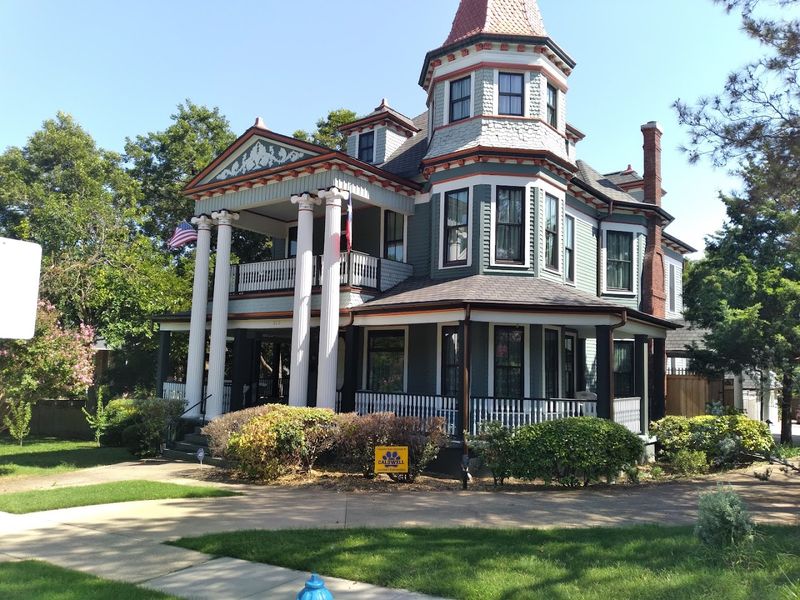
McKinney has one of the most charming historic downtowns in all of North Texas, with brick-lined streets and century-old buildings that make you feel like time slowed down just a little. But beneath that picturesque surface, the city is dealing with the same affordability crunch squeezing communities across the state.
Home values shot up dramatically, and property tax bills followed with equal enthusiasm.
Families who moved here a decade ago looking for space and community are now reassessing whether they can stay. The Collin County area, where McKinney sits, saw significant growth that drove up demand and prices simultaneously.
Some residents are heading further north or east into less developed counties.
McKinney’s charm has not disappeared, and that is what makes the situation feel so unfair. The town did everything right in terms of building a livable community, yet the economic forces reshaping Texas do not seem to care much about charm.
7. Frisco

Frisco became famous for its explosive growth, regularly appearing on lists of the fastest-growing cities in the country. New developments went up almost faster than residents could move in, and the city built a reputation for modern amenities and strong schools.
But rapid growth carries a price tag, and Frisco’s residents are starting to feel the full weight of it.
Property values climbed so steeply that the tax burden became a genuine hardship for many households, particularly those on fixed incomes or modest salaries. People who got in early enough to buy at lower prices are now facing assessments that bear little resemblance to what they originally paid.
The dream of building equity quietly turned into the stress of managing an unaffordable tax bill.
Some residents are making the difficult choice to sell and relocate to areas where the numbers still make sense. Frisco’s growth story is real, but so is the quiet exodus happening at its edges.
8. San Antonio
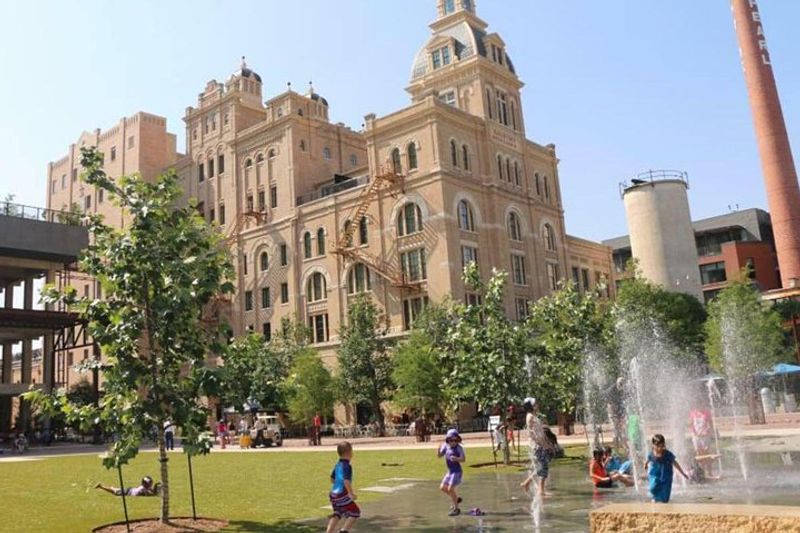
San Antonio has long been considered one of the more affordable major Texas cities, but that reputation is fading faster than anyone expected. Rapid population growth brought development, and development brought higher assessed home values, which brought higher tax bills that many working-class families simply cannot absorb.
The cycle is frustratingly familiar.
Neighborhoods on the city’s south and west sides, historically home to multigenerational families, are seeing slow but steady departures. Some residents are moving to smaller Hill Country towns.
Others are crossing county lines entirely in search of lower costs.
Caldwell County’s growth partially reflects this outward migration from the San Antonio metro area. I found it sobering to learn that a city so rooted in community tradition is losing the very residents who built those traditions.
Affordability was supposed to be San Antonio’s advantage, and watching it erode feels like losing something genuinely irreplaceable.
9. Georgetown
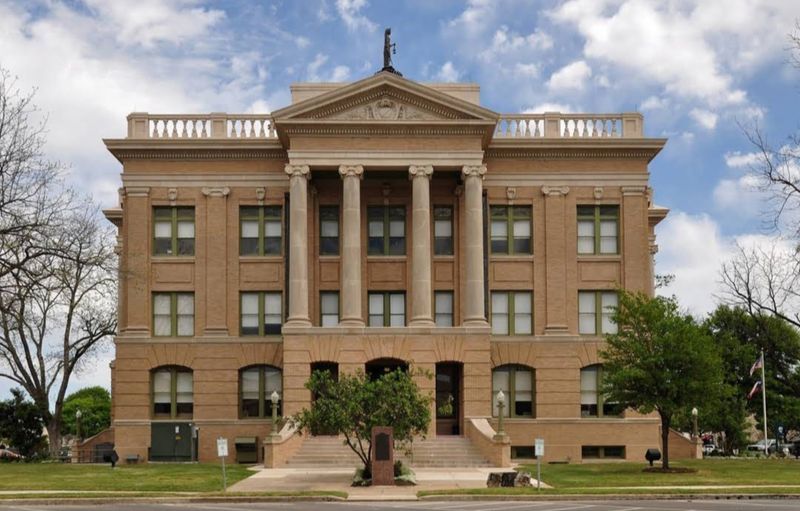
Georgetown sits north of Austin along the I-35 corridor, and for years it attracted retirees and young families alike with its slower pace and lower costs. The town has a genuinely lovely historic square that gives it a sense of permanence.
But permanence has a price now, and Georgetown’s residents are discovering just how steep that price has become.
The Austin metro’s gravitational pull dragged Georgetown’s home values upward even as the city tried to maintain its small-town identity. Property taxes climbed accordingly, and the demographic that made Georgetown special, working families and retirees on fixed incomes, found themselves squeezed.
Some have started looking at communities even further from the Austin orbit.
There is a real tension here between growth and preservation. Georgetown wants to grow, but not at the cost of losing the residents who gave it its soul.
That balance is proving harder to maintain than anyone expected.
10. Leander

Leander exploded onto the Texas growth map when the MetroRail line made it a commuter-friendly option for Austin workers. Developers flooded in, subdivisions multiplied, and the population grew at a rate that felt almost unreal for a city that was barely a blip on the map a decade earlier.
The growth was exciting, but it came with serious strings attached.
Home prices in Leander rose sharply as demand outpaced supply, and property tax assessments kept pace with stubborn consistency. Residents who bought in during the early days of the boom are now managing tax bills that feel wildly disproportionate to their actual incomes.
The commuter dream started to look more complicated when the monthly costs added up.
Some families are now moving further north along the rail corridor or abandoning the Austin orbit entirely. Leander is still growing in raw numbers, but the composition of who is staying and who is leaving has shifted noticeably.
11. Killeen
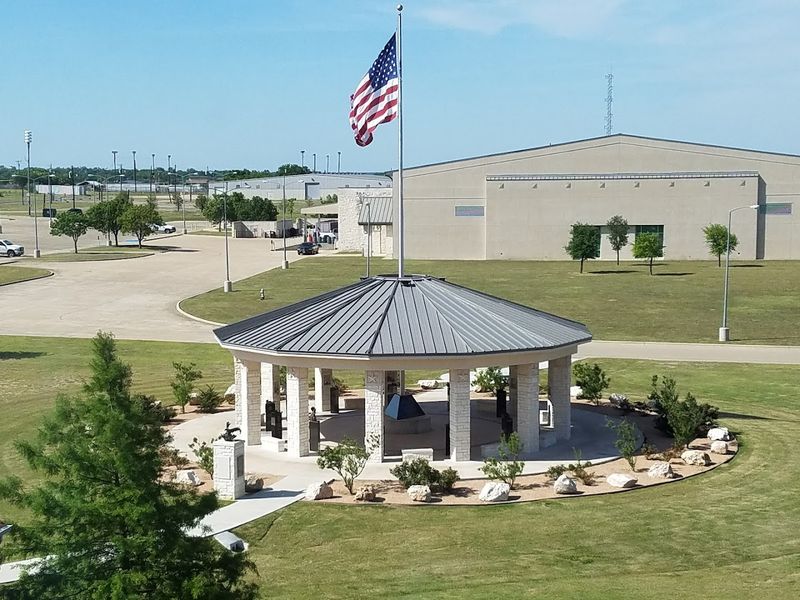
Killeen is home to Fort Hood, one of the largest military installations in the country, and its economy has long been tied closely to the rhythms of military life. That connection brought stability for years, but the broader Texas housing crisis has not spared the city.
Rental costs and home prices have climbed even here, straining civilian residents who lack the housing benefits available to military personnel.
The city has struggled with population retention for reasons that go beyond just housing costs. Economic diversification has been a long-standing challenge, and as costs rise, residents without military ties find fewer reasons to stay.
Some are relocating to smaller central Texas communities where the cost of living feels more manageable.
Killeen’s story is a reminder that affordability pressures do not just hit trendy or rapidly growing cities. Even communities with built-in economic anchors are feeling the strain of a housing market that has fundamentally changed across Texas.
12. Waco
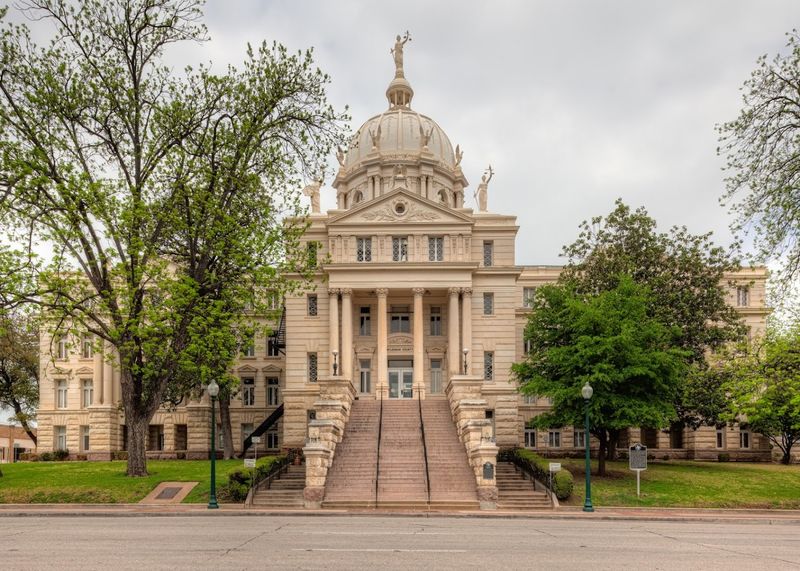
Waco got a significant pop culture boost from the Fixer Upper television phenomenon, which turned the city into a tourist destination and attracted waves of new residents looking for affordable charm. Home values responded accordingly, rising faster than local wages could follow.
The attention was flattering, but the economic consequences were not always welcome.
Long-time Waco residents found themselves priced out of neighborhoods they had lived in for years, as outside buyers and investors pushed values upward. Property taxes climbed right alongside those values, creating a burden that hit hardest for lower and middle-income families.
The city’s affordability advantage, once one of its strongest selling points, began to shrink.
There is still a lot to love about Waco. The Brazos River, the historic neighborhoods, and the genuine warmth of its community remain intact.
But the financial pressure is real, and some residents are quietly relocating to smaller towns further from the spotlight.
13. Denton
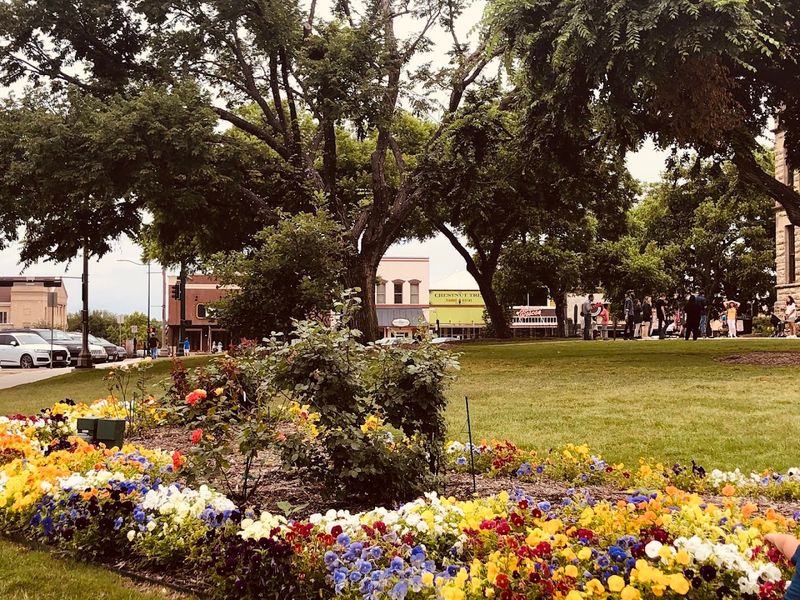
Denton has always had a distinct energy, shaped by two major universities and a music scene that punches well above the city’s weight class. That creative, college-town vibe attracted residents who valued culture and community over square footage.
But the housing market has been slowly eroding that identity as costs climb and longtime renters and homeowners get pushed out.
The city sits in the Dallas-Fort Worth metro orbit, and the regional surge in property values hit Denton hard. Students and young professionals who once found Denton genuinely affordable are now competing with higher-income transplants for limited housing stock.
The result is a community that feels stretched between its roots and the economic forces reshaping it.
Some of the artists and musicians who gave Denton its character have relocated to smaller towns in North Texas where rent still makes sense. The university population provides a steady base, but the broader residential community is quietly shifting in ways that feel difficult to reverse.
14. Lubbock
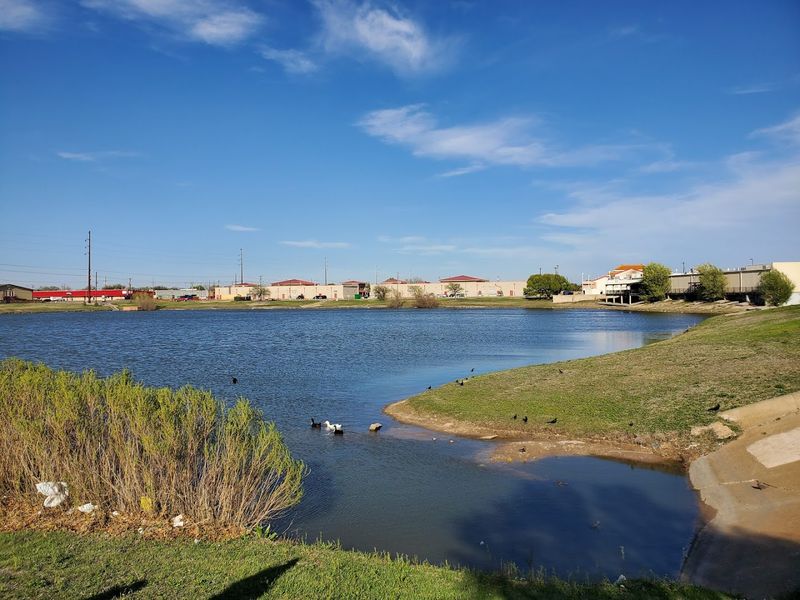
Lubbock sits out on the South Plains, far from the coastal cities and tech corridors that dominate Texas growth conversations. It has historically been one of the more affordable major cities in the state, and that affordability made it a reliable destination for families and retirees seeking stability.
But even Lubbock is not immune to the statewide tide of rising costs.
Property assessments have climbed as Texas-wide trends push values upward even in markets that once seemed insulated. For residents on fixed incomes or modest wages, the increases feel disproportionate to what the local economy can actually support.
Some longtime residents are relocating to smaller surrounding towns where costs remain lower.
There is a certain stubbornness to Lubbock that I find genuinely admirable. The city does not chase trends, and it holds onto its identity with quiet determination.
But economic pressure has a way of wearing down even the most resilient communities, and Lubbock is starting to feel that weight.
15. Amarillo
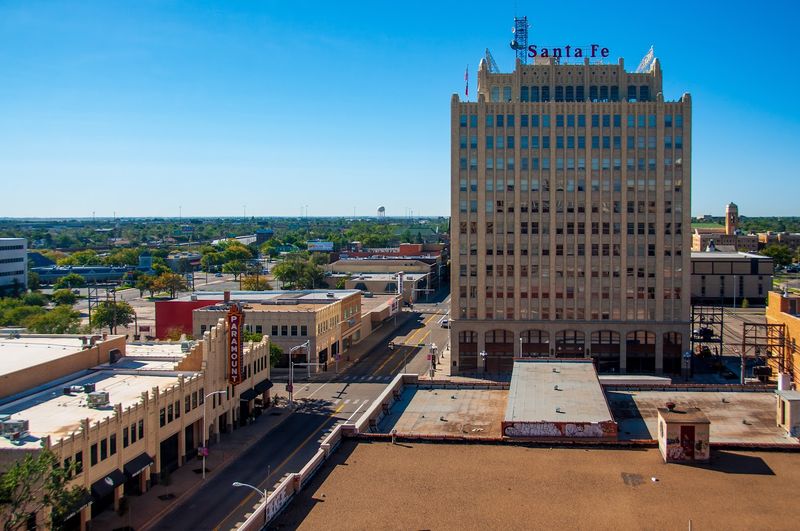
Amarillo occupies a unique space in the Texas imagination, a windswept Panhandle city with a personality as wide open as the landscape surrounding it. For decades it served as an affordable anchor for families and retirees who wanted space without the chaos of urban Texas.
That combination of affordability and space made it genuinely appealing to a certain kind of resident.
But the statewide surge in property values and tax assessments has reached even Amarillo, nudging costs upward in a market that many assumed would stay insulated. Residents on fixed incomes are feeling the squeeze, and some are beginning to question whether staying makes financial sense.
The Panhandle’s isolation, once a selling point, now also limits the economic options available to those who want to stay but cannot afford to.
Amarillo still has room to breathe in a way that Austin or Dallas cannot offer. But the financial pressure quietly building here deserves attention before the exodus becomes more than a trickle.
